
REVIEW · MACHU PICCHU TOURS & TICKETS
4 Days Inca Jungle Adventure to Machu Picchu
Machu Picchu starts before sunrise, but the real story begins on a bike. This 4-day Inca Jungle route throws you from high passes down into the cloud forest, with adrenaline stops like zip-lining and optional rafting, then cools you off at the famous Cocalmayo hot springs before the Machu Picchu grand finale.
I especially liked the bilingual guides who keep you moving and explain what you’re seeing in plain human terms, with guides like Andy and Carlitos bringing energy and focus. I also loved the mix of action + recovery: downhill biking from Abra Malaga, then that long walk-and-soak rhythm at Cocalmayo.
One heads-up: this is a tough, altitude-and-stamina style trip. If you have altitude sickness issues or you’re not comfortable with steep hiking (especially the second day), you’ll want to think twice or ask for a gentler alternative.
In This Review
- Key things you should know first
- Downhill biking from Abra Malaga: why day one sets the tone
- Ollantaytambo breakfast stop: useful break before the altitude work
- Cloud forest hiking: plantations, an Inca route, and a family-house pause
- Monkey bridge to the Vilcanota: where adrenaline meets fatigue
- Zip-lining and the “Hydroelectric to Aguas Calientes” day
- Sunrise Machu Picchu: the 4:00 am wake-up is the whole point
- Returning to Cusco: faster train route or cheaper car route
- Price and value: what $439 per person is really buying
- Comfort and lodging: basic, friendly, and usually clean
- Skills you should have (or build fast)
- Who this trip fits best (and who should skip it)
- Should you book this Inca Jungle adventure?
- FAQ
- How long is the Inca Jungle Adventure to Machu Picchu?
- What’s the group size?
- Is altitude sickness a problem for this tour?
- Do I get a guide and what languages are used?
- What activities are included and what are optional?
- What costs should I plan for that are not included?
- How does the Machu Picchu morning work?
- What should I bring?
Key things you should know first
- Downhill biking from Abra Malaga (4,350 m) gives you an early taste of the Andes, fast.
- Cloud forest walking through plantations means you pass coca, coffee, cacao, and native fruit as part of the route.
- Pispitayoq and Qellomayu stops turn the trek into something more personal than just marching.
- Monkey bridge + Cocalmayo hot springs makes the hardest stretches feel worth it.
- Machu Picchu at sunrise with a 2-hour guided tour followed by time to explore on your own.
- Small group (up to 10) keeps it less chaotic than big bus-and-brochure tours.
Other ways up to Machu Picchu, reviewed
- From Aguas Calientes: Machu Picchu guided tour with tickets★ 4.9 · 72 reviews
- From Cusco: Machu Picchu 2 days★ 3.6 · 29 reviews
- Cusco: Machu Picchu Day Trip with Train + Entrance ticket★ 4.5 · 17 reviews
- Rainbow Mountain tour and Machu Picchu tour by train★ 4.8 · 13 reviews
Downhill biking from Abra Malaga: why day one sets the tone
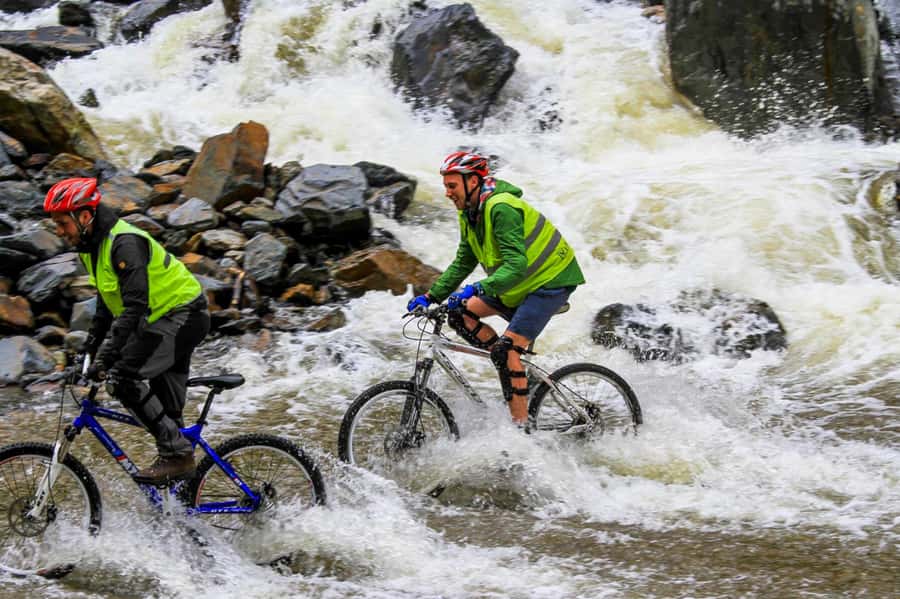
Day one starts early. You’ll get a hotel pickup around 7:00 am, with a stop in Ollantaytambo for shopping and breakfast, then you’ll head toward Abra Malaga, sitting at about 4,350 m. You’re not just “getting there.” You’re starting the adventure at altitude, which is part of why the rest of the trip feels so rewarding later.
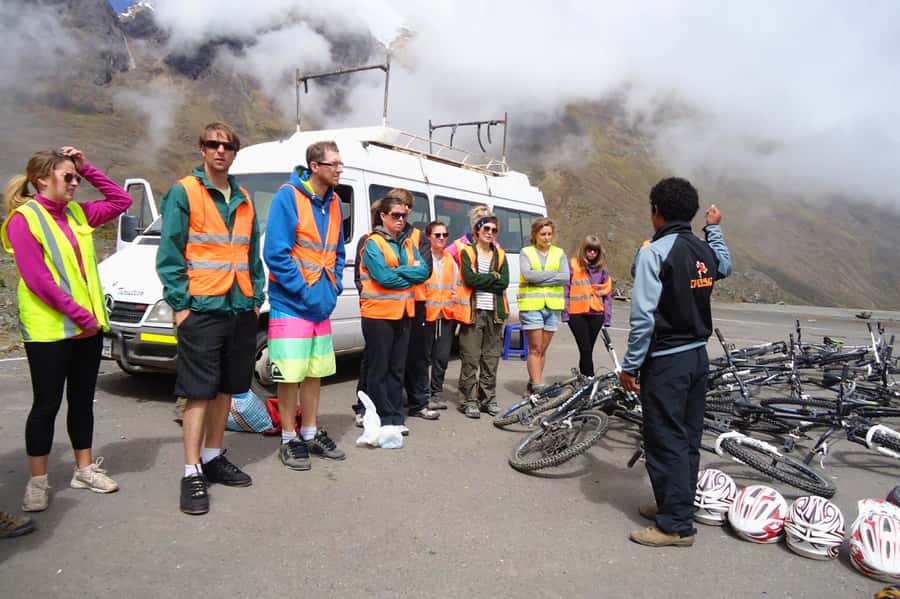
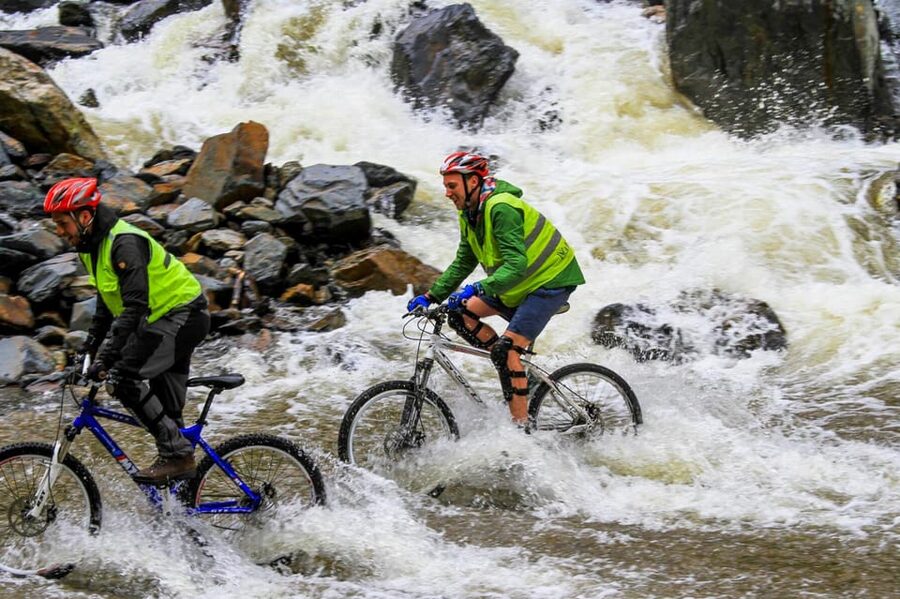
At Abra Malaga, the big moment is the scenic mountain bike ride downhill toward Huamanmarca. You’ll have mountain bikes plus protective gear like helmets and knee pads, which helps if your comfort level is more “tourist biker” than “downhill racer.” The grade and altitude combined mean you’ll feel it in your legs and lungs, even if you take it steady.
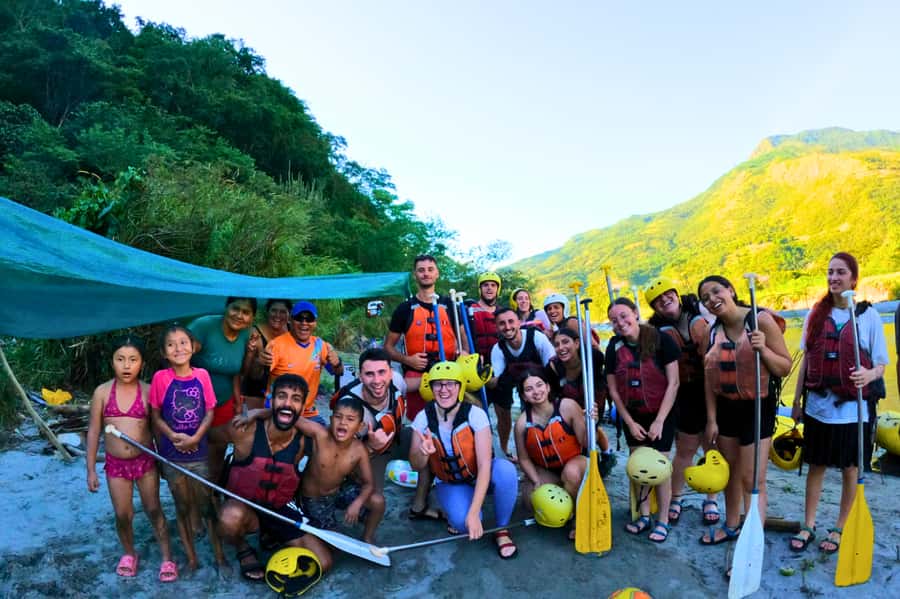
Once you reach Huamanmarca, you transfer on to Santa Maria. If you want more water time, you can add optional rafting on the Vilcanota River. Either way, the day ends with a hostel stay in Santa Maria, with lunch and dinner included, plus a full night’s recovery before the cloud forest starts.
Ollantaytambo breakfast stop: useful break before the altitude work
That Ollantaytambo stop is more than window dressing. It’s your chance to buy a few small things you might have forgotten and to get a proper breakfast before you go higher and start moving fast. I like early stops like this because they prevent the classic problem: trying to eat last-minute while everyone’s already herded toward the first thrill.
Also, it’s a good mental transition. You’ll go from a town-feeling start to pass-high riding and hiking. If you’re the type who gets anxious when plans feel too abstract, this early “real world” checkpoint helps you settle in.
Cloud forest hiking: plantations, an Inca route, and a family-house pause
Day two is where the trip leans more into hiking. You depart around 6:30 am after breakfast, heading into the cloud forest. This is not a hike where you only think about your feet. You’ll pass coca, coffee, cacao, and native fruit plantations, so you get constant visual context for how people live and grow crops in this region.
You’ll also rest at a family house stop at Pispitayoq. That break matters because it breaks up the long effort into sections you can handle. It’s not just a bathroom stop or a snack stop. It’s a human checkpoint that helps the trek feel less like a machine schedule.
After that, you follow an ancient Inca path toward Qellomayu village for lunch. Then you hike for about three more hours to the Vilcanota River area. By then, the day makes sense: earlier plantation views and the family-house pause prepare you for the physical work ahead, and lunch at Qellomayu feels like more than just food. It feels like a reset.
Monkey bridge to the Vilcanota: where adrenaline meets fatigue
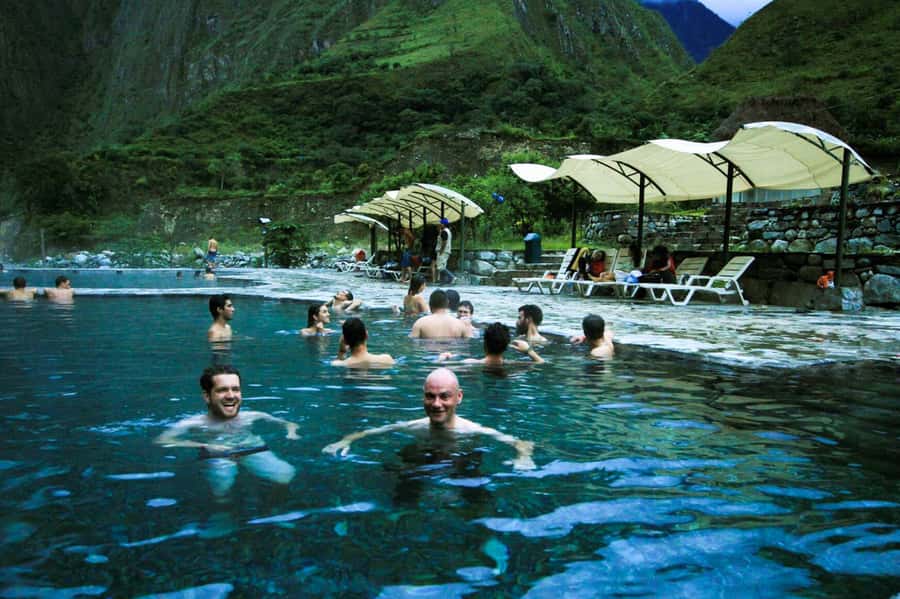
Crossing the monkey bridge is one of those moments you’ll remember because it forces your attention. It’s not extreme roller-coaster stuff, but it does add that nervous-energy spark that makes the hard parts feel real.
Then comes your reward: Cocalmayo hot springs. The trip builds a strong recovery plan into the timeline. You spend time moving through steep terrain, and later your muscles get to actually cool down and loosen up. The hot springs entrance is not included, but it’s a small add-on compared with what you’re already getting from the guided pacing and overall program.
From Cocalmayo, you continue toward Santa Teresa for your hostel stay. This is also a good day to think about how you pack: small items matter when you’re carrying what you can through hiking and transit. One smart tip I’d follow is packing small, since you’ll want minimal bulk by the time trekking and transfers stack up.
More Inca Jungle combos, bike, raft and trek
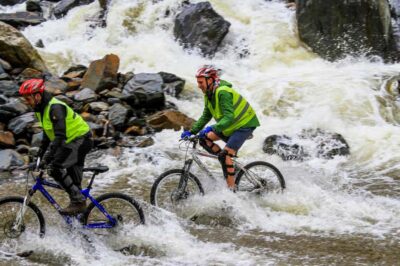
Zip-lining and the “Hydroelectric to Aguas Calientes” day
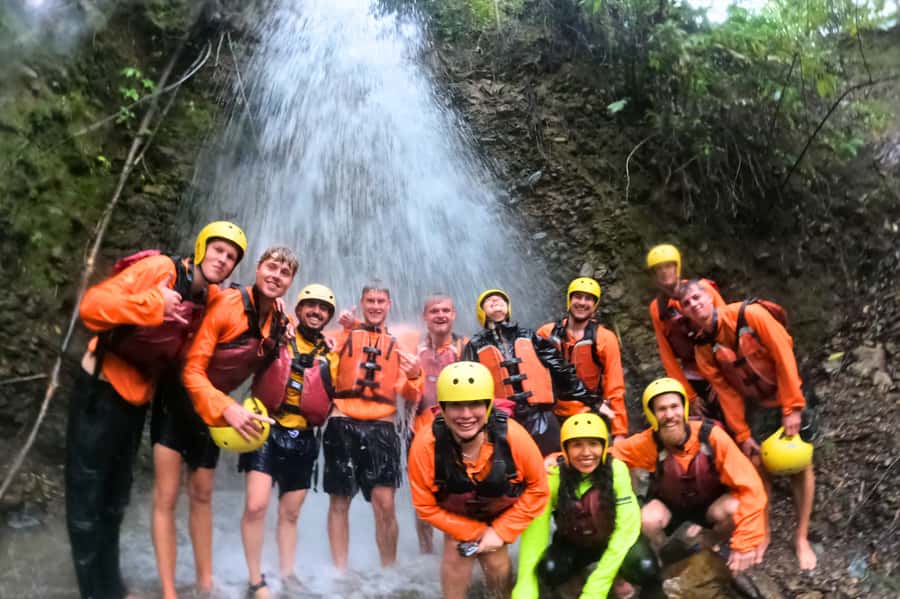
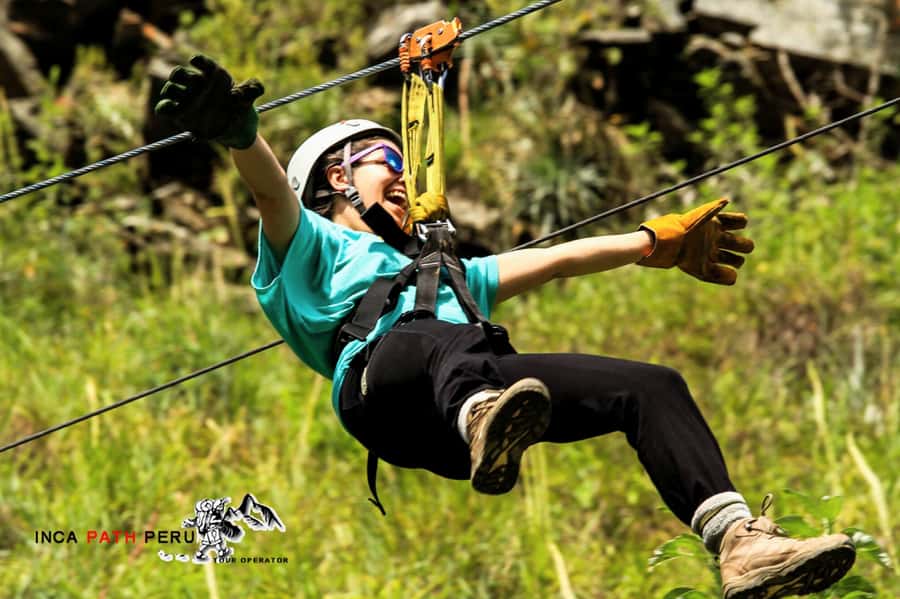
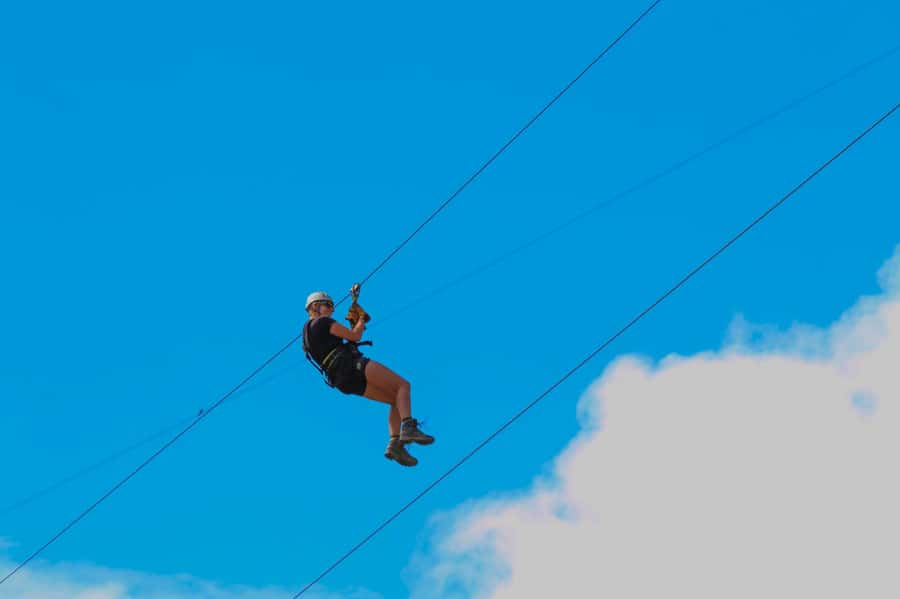
On day three, you start with breakfast around 7:00 am. There’s an optional zip-lining before you start walking toward the Hydroelectric Central Station. If you love a bit of speed and you don’t mind heights, this is a nice mid-day pick-me-up that breaks the hiking rhythm.
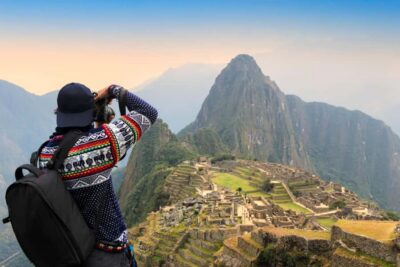
From Hydroelectric, you walk onward along the railroad toward Aguas Calientes. As you go, you’ll get views of Machu Picchu Mountain, and the approach from this side feels different than the classic bus viewpoint. You’re slowly shifting from jungle-and-valley energy into the “arrival” phase.
You’ll reach Aguas Calientes around 5:00 pm. Check-in time is when you can finally exhale. You’ll stay in a hostel that includes a private bathroom and hot showers, which can feel like a luxury after days of hard effort.
Sunrise Machu Picchu: the 4:00 am wake-up is the whole point
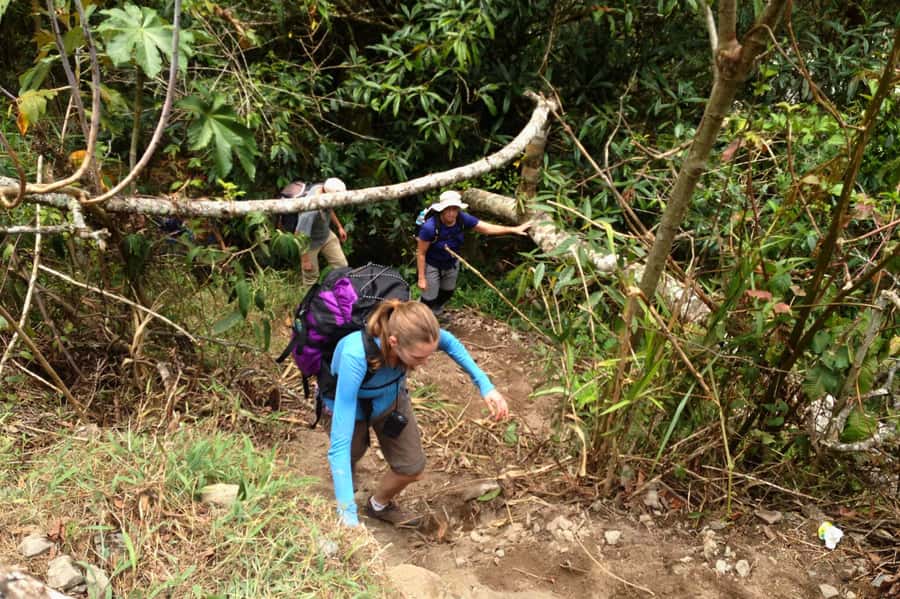
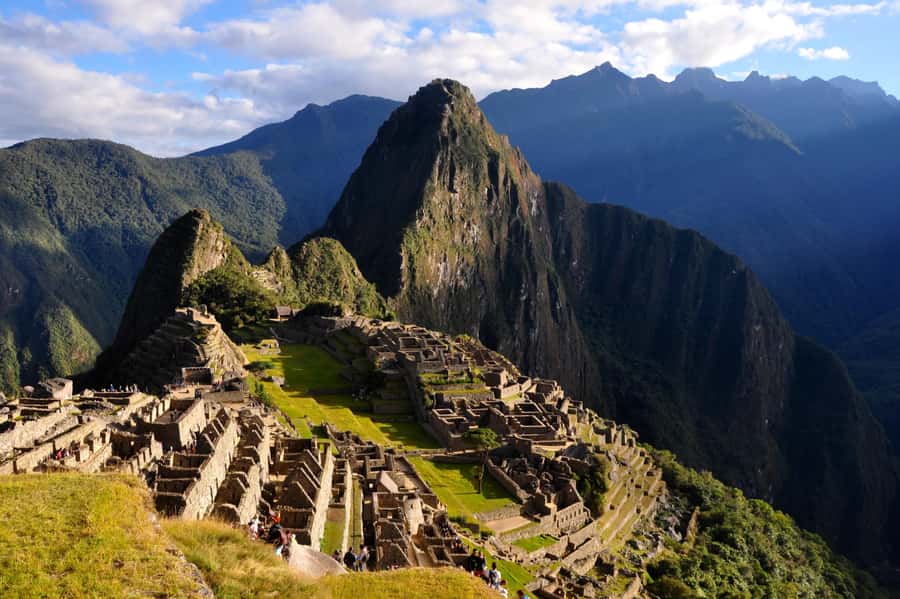
Day four starts early: you wake around 4:00 am to meet your guide and head to Machu Picchu for sunrise. You can hike up or take a bus for an extra fee (the bus is not included, and the cost is listed per round trip).
I love this part of the schedule because sunrise isn’t just a gimmick. The guided portion is about two hours, and it’s the best time to absorb details without the crowds turning everything into a blur. Your guide does more than point and say “that’s a thing.” They connect the site layout to what you’ve experienced on the Inca route and the jungle trekking days.
After the guided tour, you explore on your own. You also have optional climbing plans: Huayna Picchu or Machu Picchu Mountain both cost extra and require early booking. If you’re even slightly interested in those climbs, plan early and don’t wait for the day-of feeling.
One practical note: Machu Picchu entry timing can require coordination before your early morning slot. In practice, I’d plan on handling your Machu Picchu entry timing ahead of time, because the exact window can depend on availability.
Returning to Cusco: faster train route or cheaper car route
After you come back down to Aguas Calientes by midday, you still have to get back to Cusco. You get two clear options, and which one you choose comes down to your priorities:
- Walk back to the Hydroelectric Station, then take a car to Cusco (listed as about 7 hours, usually cheaper).
- Take a train to Ollantaytambo, then a car to Cusco (listed as about 5 hours, generally more convenient but more expensive).
I usually tell people to pick the route that matches your energy after four days. By the end, you’re not “choosing transport,” you’re choosing how much extra fatigue you want to carry.
Price and value: what $439 per person is really buying
The price is $439 per person for 4 days, and the value comes from how much is bundled. You’re not just paying for a trek with a guide. You get:
- A pre-tour briefing the night before
- Cusco pickup and drop-off
- Private transport from Cusco to the Malaga Pass/Santa Maria region
- Mountain bike and protective gear
- 3 nights in hostel-style accommodations
- 3 breakfasts, 3 lunches, 3 dinners
- A bilingual guide (English and Spanish)
- Machu Picchu entrance fees
- Optional rafting and zip-lining
- Optional return transport to Cusco
What’s not included is also worth knowing so you don’t get surprised: Cocalmayo hot springs entrance costs extra (listed as about $3), the bus to Machu Picchu costs extra (listed as about $15 per person for the bus up, and you’ll need to account for the round trip figure), and the trip excludes the first day breakfast and lunch at Machu Picchu, plus snacks.
To me, the price feels fair if you want a tight schedule with a real guide and structured meals. If you’d rather DIY and you already know how you want to reach trailheads and handle tickets, you could compare costs on your own. But for most people, paying for the structure is the win here.
Comfort and lodging: basic, friendly, and usually clean
Accommodation on this route is hostel-style, and expectations should match the setting. The vibe tends to be friendly and practical rather than luxury. One reviewer highlighted that accommodations between the home-stay style stops and hotel/hostel nights felt very clean, which matters a lot when you’re sweating through humid days.
Also, the trip includes a hostel night in Aguas Calientes where you’ll have a private bathroom and hot showers. That feature alone can be a huge morale boost when you’re arriving for Machu Picchu day.
On the jungle side, you might stay somewhere where food and coffee are made on-site. I’d treat this as a bonus rather than a guarantee, but it’s the kind of detail that turns an ordinary bed-night into something you’ll remember.
Skills you should have (or build fast)
This isn’t a “no skills needed” adventure. It’s not just hiking. You’re doing downhill mountain biking early and long-day walking later.
If you’re a total beginner on mountain bikes, you don’t have to be a fearless pro, but you should be prepared for steep and rough trail conditions. I’d recommend you feel comfortable riding for an extended stretch while staying in control. If you can’t, ask yourself if you’ll be able to take it slow without frustration. You get protective gear, but you still need basic bike confidence.
Hiking day two can also feel tough. The guide helps keep pace, but it’s still long effort. If you’re prone to fatigue spikes on climbs, start with a slower rhythm on day two rather than trying to “prove fitness” early.
Who this trip fits best (and who should skip it)
This works best for you if you want an active, varied 4-day loop rather than a single long hike. You like the idea of combining:
- biking + walking
- jungle plant scenery
- a hot-springs recovery moment
- Machu Picchu with a guide
It’s less ideal if you deal with altitude sickness. The tour specifically notes it’s not suitable for altitude sickness, and the route goes high at Abra Malaga. If you have any history of altitude problems, I’d treat this as a serious warning, not a technicality. In that case, look for a different style of Peru plan that reduces high-altitude exposure.
Should you book this Inca Jungle adventure?
If you want Machu Picchu but also crave the journey getting there, this is a strong choice. The best part is how the whole schedule is built around pacing: adrenaline early, deeper trekking in the cloud forest, hot-spring recovery, and then a focused sunrise Machu Picchu visit with time to explore.
I’d book it if you’re excited by guided explanation and you’re okay with hostel-style stays. I would not book it if you need a gentle, low-effort itinerary or if you’ve had altitude sickness before.
If you’re on the fence, my simplest advice is this: be honest about your fitness and your comfort with biking and steep hiking. If those check out, you’re signing up for one of the more complete ways to reach Machu Picchu, with plenty happening each day instead of waiting for the big moment.
FAQ
How long is the Inca Jungle Adventure to Machu Picchu?
It’s a 4-day trip.
What’s the group size?
The group is kept small, limited to 10 participants.
Is altitude sickness a problem for this tour?
The tour is listed as not suitable for people with altitude sickness.
Do I get a guide and what languages are used?
Yes. You’ll have a bilingual professional tour guide in English and Spanish.
What activities are included and what are optional?
Included activities cover the guided trek components and Machu Picchu entrance fees. Optional add-ons can include river rafting on the Vilcanota and zip-lining.
What costs should I plan for that are not included?
Cocalmayo hot springs entrance is extra (about $3 USD). The bus to Machu Picchu costs extra (about $15 USD, and the bus fare is listed as double for round trip). Also, breakfast on the first day, lunch at Machu Picchu, and snacks are not included.
How does the Machu Picchu morning work?
You wake around 4:00 am with your guide for sunrise. You can hike up or take the bus for an extra fee. You’ll get a 2-hour guided tour, then time to explore on your own.
What should I bring?
You should bring your passport.
More Tour Reviews in Aguas Calientes
Keep Going on the Inca Jungle
Machu Picchu, More Ways In
Recent write-ups from around Aguas Calientes, just off the trail
- Huchuy Qosqo Trek To Machu Picchu
★ 5.0 · 3 reviews - Guide in Machu Picchu
★ 5.0 · 3 reviews - “Glamping Sky Lodge Domes” 2-Day Humantay Lake & Salkantay
★ 5.0 · 3 reviews - From Cusco: Machu Picchu by Car 2D/1N
★ 3.5 · 3 reviews - TOUR TO MACHU PICCHU FULL DAY BY TRAIN – The Best Adventure
★ 3.2 · 4 reviews
Machu Picchu Tours & Tickets, compared.
 ★ 4.7From Cusco: Full-Day Group Tour of Machu PicchuFrom $3211,767 reviews
 ★ 4.5Machu Picchu Day Trip from CuscoFrom $3361,644 reviews
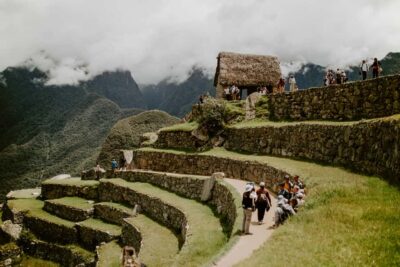 ★ 4.6Machu Picchu: Full-Day Tour from Cusco with Optional LunchFrom $283927 reviews
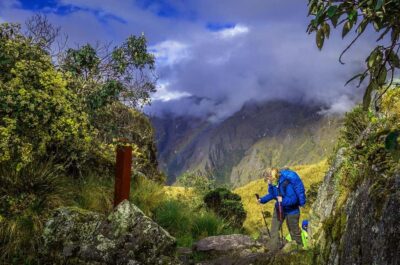 ★ 4.84-Day Inca Trail to Machu Picchu with AccommodationFrom $470432 reviews
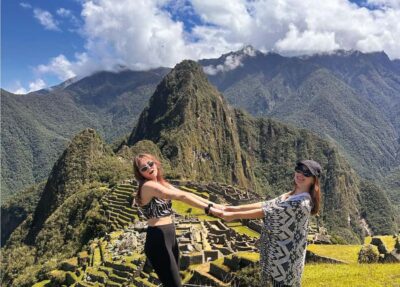 ★ 4.6From Cusco: 2-Day Trip to the Sacred Valley and Machu PicchuFrom $370265 reviews
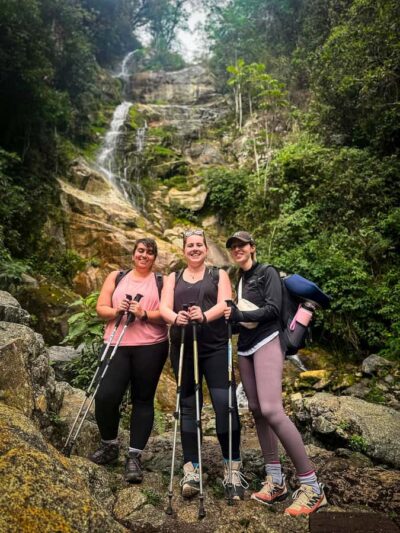 ★ 4.9Machu Picchu 2-Day Inca Trail with Panoramic TrainFrom $582260 reviews
 ★ 4.2From Cusco: 2-Day Inca Trail to Machu PicchuFrom $290244 reviews
 ★ 4.9Machu Picchu: Inca Trail 2-Day Overnight Guided TourFrom $585203 reviews
Browse the lists this tour appears in