
REVIEW · MACHU PICCHU TOURS & TICKETS
Machu Picchu: Chinchero, Maras, Moray & Machu Picchu 2 days
Morning light and Inca stone—on schedule. This two-day, one-night route links Cusco’s highlands to the Upper Urubamba Valley and then gets you into Machu Picchu early enough to feel human about it. I like that the trip is built around a logical order of sites, with a guide who explains what you’re seeing rather than just pointing. I also like the small-group setup (limited to 16), which makes it easier to keep up and ask questions as you go. One possible drawback: it’s a tight timetable with lots of driving and walking, so if you want a slow, leisurely pace, this may feel like too much.
You’ll start in Cusco and work outward through Chinchero, the farming terraces of Moray, and the salt flats of Maras, then finish at Ollantaytambo before heading to Aguas Calientes by train. The guides can make a real difference, too—on this route, I’ve seen examples like Nathalie, Adolfo, and Efrain praised for being friendly and giving clear explanations at each stop. The main consideration is weather and altitude: you’ll be moving at elevation all day, and the program notes temperature checks and a mandatory mask in public places.
This is also good value in the way it matters most: you’re not just buying tickets to one famous place. You’re getting door-to-door-style transport, entrance fees for several key sites, a 3-star night in Aguas Calientes, one full Machu Picchu day plan with a guided tour plus free time, and round-trip Expedition train service. Just know what’s not included, like the extra hikes to Huayna Picchu or Montaña, and plan your other meals accordingly.
In This Review
- Key things that make this Machu Picchu route worth it
- 2 days that connect the dots instead of rushing just one sight
- Chinchero Market: Inca roots plus a colonial church stop
- Moray terraces: learning farming science by walking in circles
- Maras salt mines: the work of today links to Inca times
- Ollantaytambo: fortress ruins and a town that still lives
- Train to Aguas Calientes: why the night here matters
- Machu Picchu: guided highlights, then your own pace
- What you’re paying for: value vs. what costs extra
- Who this tour is for (and who should look elsewhere)
- Should you book this Machu Picchu route?
- FAQ
- What does the tour include?
- What time does the pickup start in Cusco?
- Are Huayna Picchu or Montaña included?
- What meals are included?
- How do you get to Machu Picchu?
- What’s the group size?
- Is this tour suitable for everyone?
Key things that make this Machu Picchu route worth it
- Early Machu Picchu timing: you take the first buses up and start with a guided tour, which helps you beat the biggest crowd surges
- A real Upper Urubamba route: you see multiple powerhouse sites, not just a one-stop Machu Picchu day
- Moray + Maras in one flow: circular terraces and salt pans are easy to understand once you’ve seen them back-to-back
- A guided 3-hour Machu Picchu plan plus free time: structure first, then space to wander
- Small group feel (up to 16): more attention from the guide, less lost-in-the-mob energy
- Included lodging and major transport: hotel night in Aguas Calientes and round-trip train remove a big chunk of logistical stress
Other ways up to Machu Picchu, reviewed
- From Aguas Calientes: Machu Picchu guided tour with tickets★ 4.9 · 72 reviews
- From Cusco: Machu Picchu 2 days★ 3.6 · 29 reviews
- Cusco: Machu Picchu Day Trip with Train + Entrance ticket★ 4.5 · 17 reviews
- Rainbow Mountain tour and Machu Picchu tour by train★ 4.8 · 13 reviews
2 days that connect the dots instead of rushing just one sight
If you only have 48 hours, you usually face a trade-off: see a little, or see a lot. This plan is built for the second option, but it still tries to make sense of the route. You go from Cusco to Chinchero, then toward Moray and Maras, then over to Ollantaytambo, and finally take the train to Aguas Calientes. That sequence matters because the sites aren’t random stops—they show how the Inca world worked across agriculture, community life, and strategic settlement.
I like that the day 1 schedule is heavy but not chaotic. You’ll have guided time at major points, a lunch break with mountain views, and a dinner in Ollantaytambo before you sleep near Machu Picchu. On day 2, you start early, get a guided highlight tour for about three hours, then get free time to walk at your own pace.
The practical reality: it’s still a tour with driving time. You’ll want comfortable walking shoes and the patience that comes with highland roads and elevation. Also, this is not marketed for mobility impairments, and it has an age cap in the details you’re given.
Chinchero Market: Inca roots plus a colonial church stop
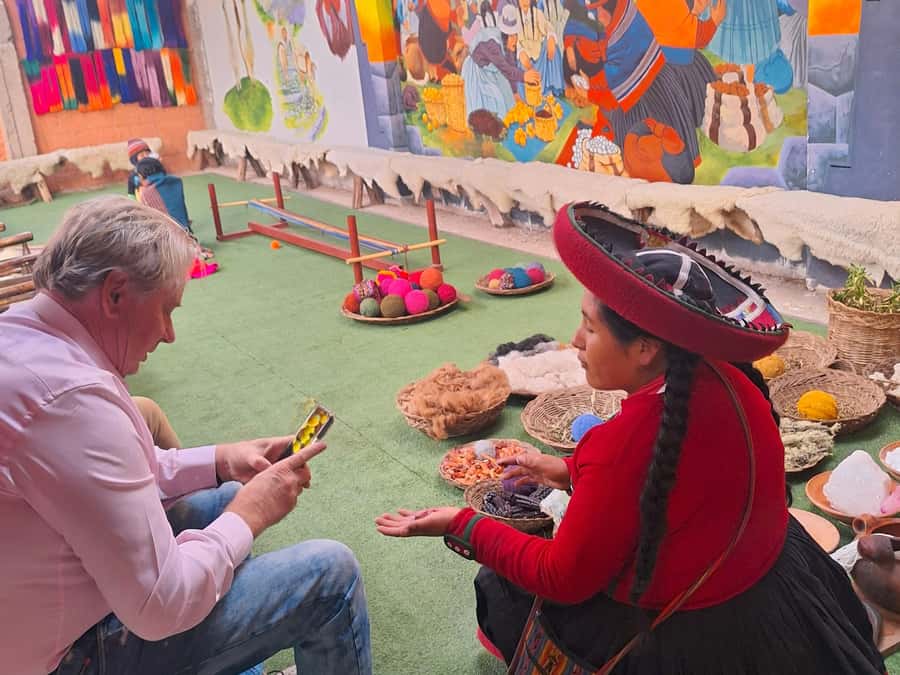
Chinchero is where the trip starts to feel personal. You head there from Cusco in the morning, and the stop isn’t just sightseeing—it’s a look at living culture. You’ll explore the archaeological site and the colonial church, and then you’ll visit the handicraft market.
What you’ll like here is how the layers sit side by side. Even if you don’t speak Quechua or Spanish, you’ll see the rhythm of daily life: people trading, working, chatting, and showing textiles that connect directly to long-standing craft traditions. A guide helps you avoid the classic trap of treating everything as a souvenir-only stop.
Possible drawback: markets can move fast. If you’re the type who wants to browse slowly and take photos without any pressure, you may need to pace yourself and decide what you care about most—textiles, tools, or simply watching the scene.
Moray terraces: learning farming science by walking in circles
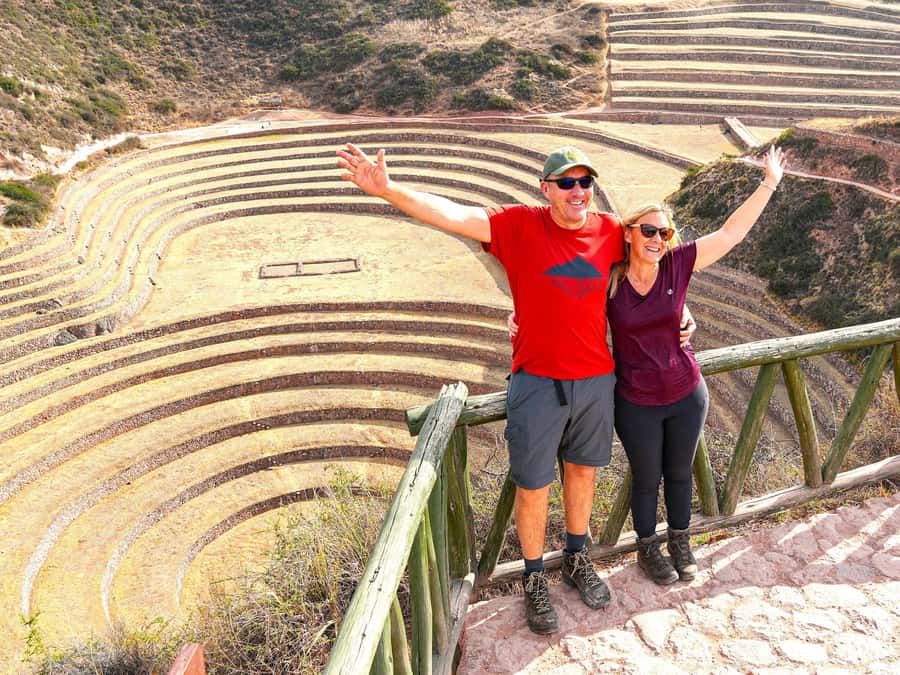
Moray is one of those stops where the shape does the teaching. You’ll drive for about an hour after Chinchero to the Moray archaeological site and see the famous circular terraces.
The big value of Moray is that it’s not just dramatic geometry. It’s agricultural engineering. Seeing the tiers in person makes it easier to understand why this area is remembered as a place for experimenting with growing conditions. The guide’s job here is key: with explanation, the terraces become a story about how the Incas managed climate and crops across elevation.
Practical consideration: Moray involves walking on uneven ground. It’s usually manageable, but you’ll still want sturdy shoes and a steady pace. If you’re feeling altitude effects, take your time with the stairs and terraces.
Maras salt mines: the work of today links to Inca times
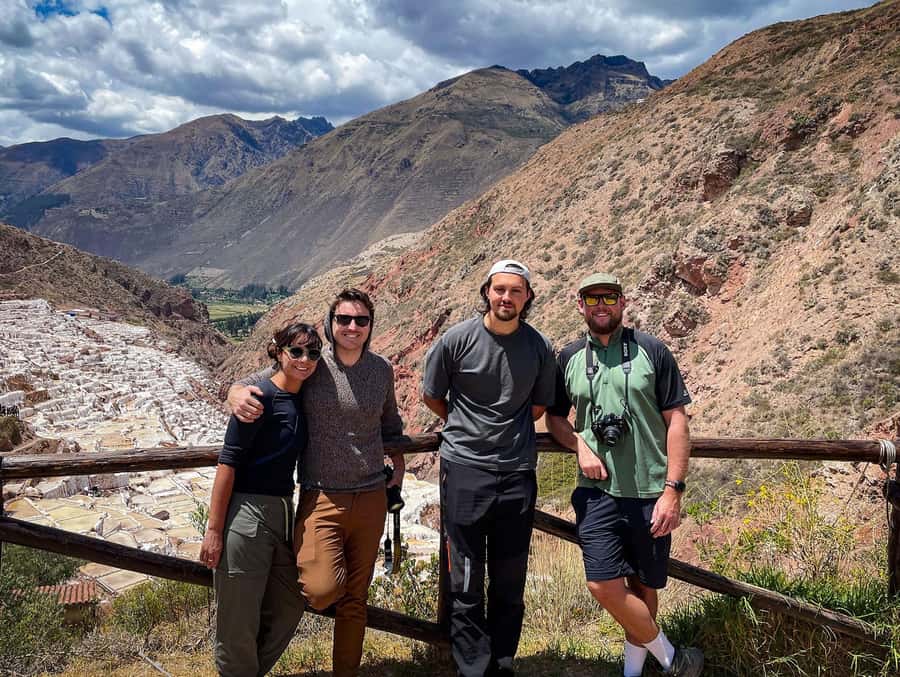
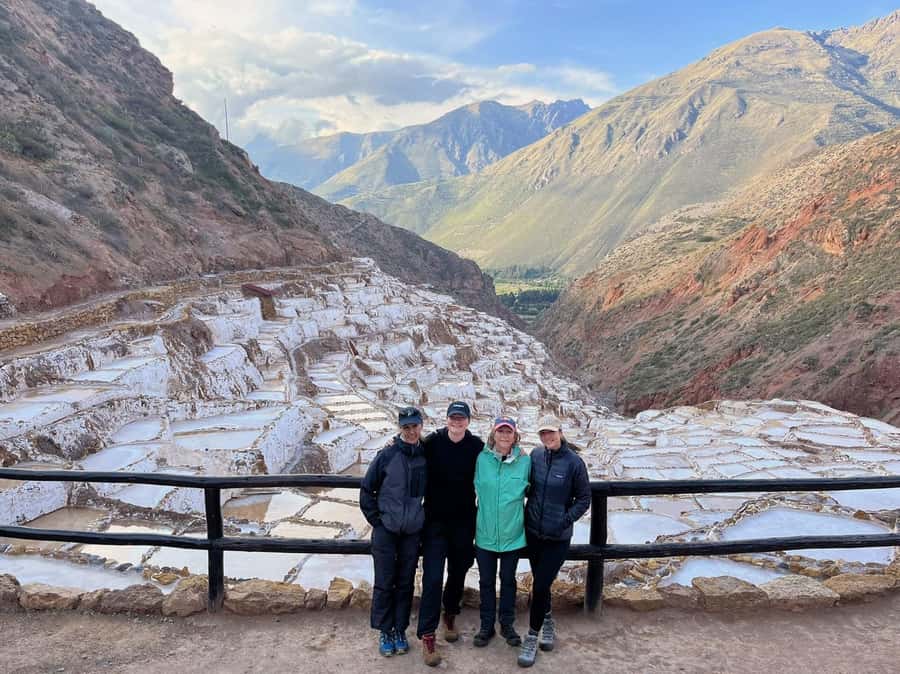
Next comes Salineras de Maras, the salt mines. You’ll head to the town of Maras first for the general setting, then arrive at the salt flats area where locals have extracted salt since Incan times.
This is one of my favorite parts of this route because it feels active. You’re not only looking at ruins—you’re watching a long-running industry. The view is striking, but the real hook is the continuity. Salt is practical, and practical things last. When your guide explains how the salt pans work and why this location matters, the place turns from scenery into understanding.
Small-group trips help here. You can stop, listen, and still keep moving without feeling like you’re losing the group. The only thing to watch is time and sun. This area can get bright quickly, so bring sun protection even if the morning starts cool.
Ollantaytambo: fortress ruins and a town that still lives
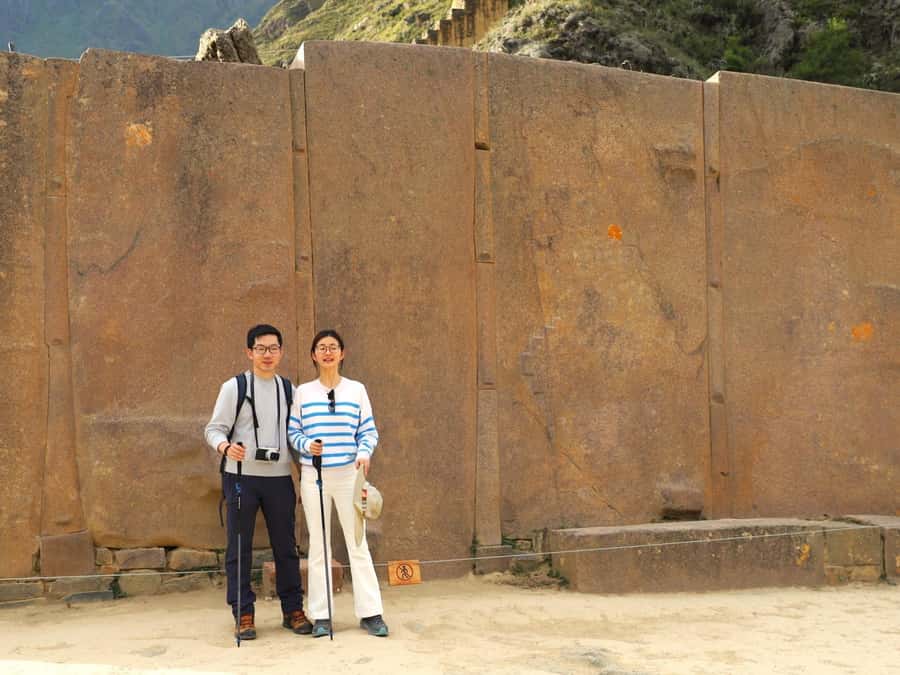
After lunch and the salt mines, the route brings you to Ollantaytambo. You’ll explore both the town and the Ollantaytambo archaeological site, described as a massive Inca fortress with large stone terraces on a hillside.
Ollantaytambo is different from the earlier sites because it’s partly built into daily life. Even when you focus on the ruins, you can feel that this area has remained a place people use, not just a place people pass through. The terraces and stonework here give you a stronger sense of how the Incas defended and organized settlements.
You’ll also have dinner in a local restaurant in Ollantaytambo, which helps break up the day and keeps you from rushing straight into the train leg. If you’re sensitive to long afternoons, this meal timing can be a real relief.
Train to Aguas Calientes: why the night here matters
Once you leave Ollantaytambo, you take the Expedition train to Aguas Calientes and spend the night in a 3-star hotel. This is one of those decisions that sounds ordinary until you’ve tried a different plan and regretted it. Staying overnight near Machu Picchu sets you up to catch the first buses the next day.
You’ll also have round-trip bus service to Machu Picchu on the second day. That means you’re not spending your time figuring out schedules, lines, and timing windows while already tired from day 1. It also reduces stress if you’re dealing with altitude symptoms.
Tip for your comfort: plan to keep your bag packed for early departure. When you start Machu Picchu very early, you don’t want to be digging for anything important while the day is happening outside.
Machu Picchu: guided highlights, then your own pace
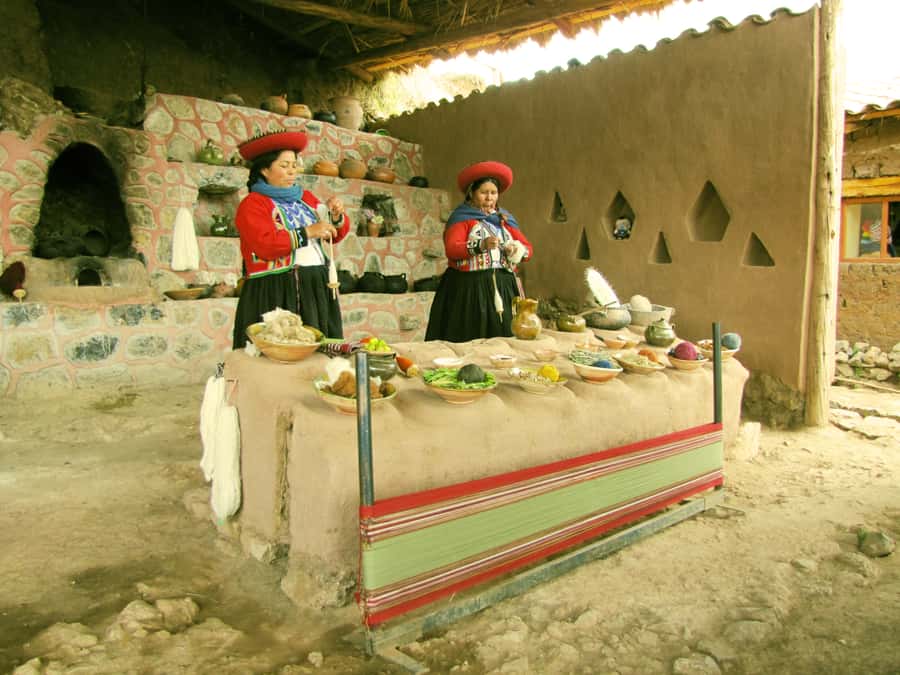
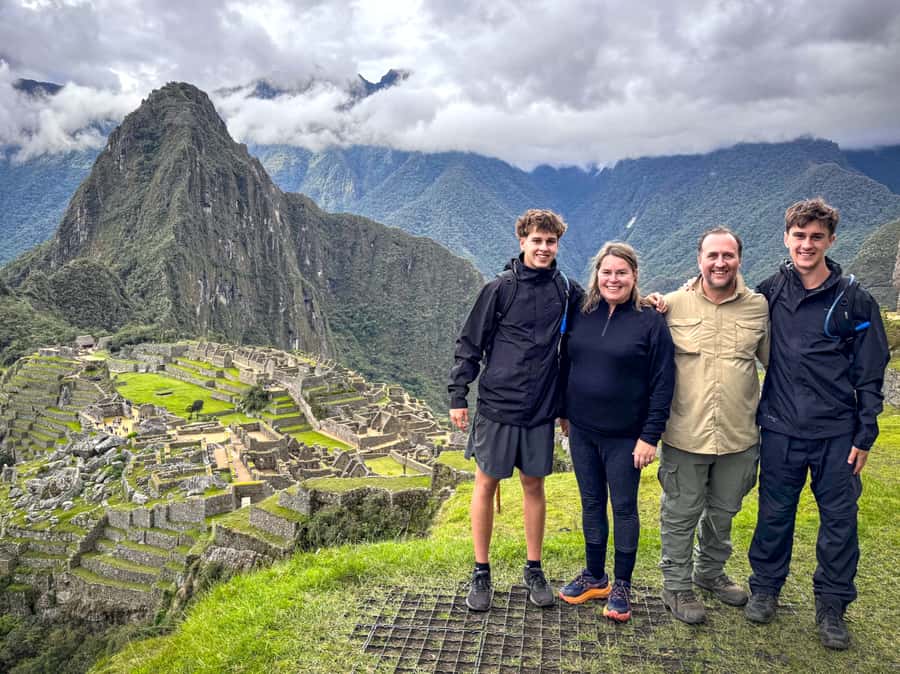
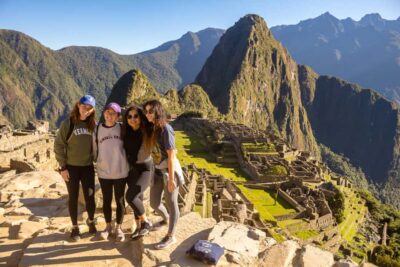
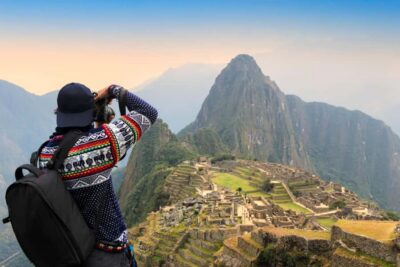
Day 2 starts with breakfast at the hotel, then you take the first buses up to Machu Picchu. You’ll have a guided tour for about three hours, hitting major spots like temples, palaces, and plazas.
The best part of this setup is the split: guided first, then freedom. The guide helps you interpret what you’re standing in front of, which is huge at Machu Picchu because the sightlines, structures, and purpose aren’t obvious if you’re just looking at it as a photo backdrop. After the guided time, you get free time to explore the citadel at your own pace.
You’ll then ride the bus back down to Aguas Calientes for lunch, and take the Expedition train back to Cusco, arriving around 7:30 PM. That end-of-day timing is important. It means you’ll likely want a quiet evening back in Cusco rather than stacking more plans.
Worth mentioning: this program is all about standard access. Huayna Picchu or Montaña are not included, so if you’re chasing those views via extra hikes, you’ll need a different add-on or separate plan.
What you’re paying for: value vs. what costs extra
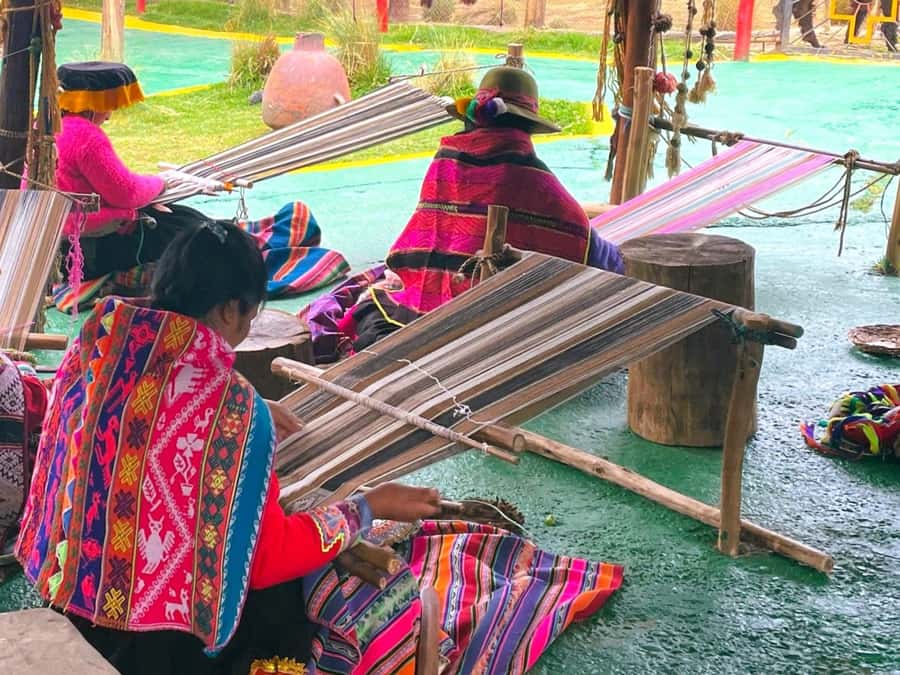
The price shown is $680 per person for a 2-day, 1-night package. On paper, that can look steep—until you price out the pieces yourself. What you’re covering includes multiple site entrance tickets (Chinchero, Moray, Salineras, Ollantaytambo, Machu Picchu), expert guide time, door-to-door hotel pickup, transport during the full route, a hotel night in Aguas Calientes, breakfast and the mentioned meals (buffet lunch in Urubamba and dinner in Ollantaytambo, plus lunch near the end on day 2), round-trip bus up to Machu Picchu, and round-trip Expedition train.
That’s the value: you’re paying to remove the logistics headache. Machu Picchu logistics can be a full-time job if you DIY it—timing, tickets, transport, and connections. Here, those moving parts are handled.
What’s not included is equally important:
- Extra hikes (Huayna Picchu / Montaña)
- Meals not listed in the program
- Travel insurance (always a separate decision)
One logistics note to keep in mind: on the return side, train-to-bus connections can add some extra tiredness depending on the schedule. If you’re very sensitive to transfers after a long day, it’s smart to plan for that possibility.
Who this tour is for (and who should look elsewhere)
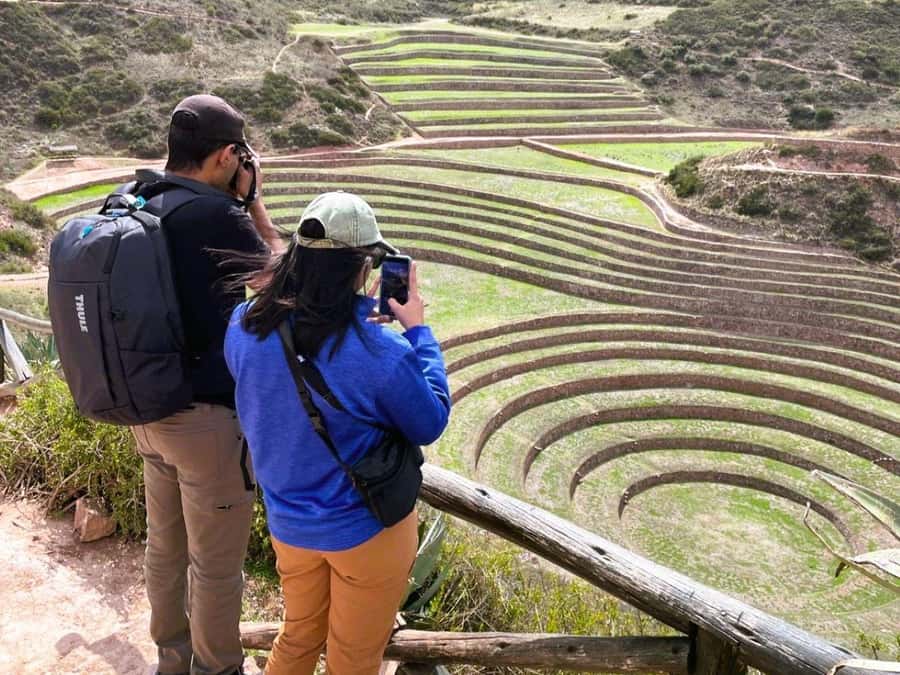
This works best if you want the classic Machu Picchu experience—major sights, guided interpretation, and early arrival—without spending your energy on route planning.
It’s a strong fit for:
- First-timers to the region who want a structured introduction to the Upper Urubamba Valley
- People who appreciate expert explanations at each stop, not just scenic drives
- Those who prefer small group attention (16 people max)
It may not be the best fit if:
- You need mobility assistance (it’s not suitable for people with mobility impairments)
- You want a slow, lounging itinerary
- You’re planning to do Huayna Picchu or Montaña as part of the main plan (those aren’t included)
Also, the experience includes temperature checks and a mandatory mask in public places, and drones and alcohol/drugs are not allowed. If you’re bringing electronics for filming, remember drones are specifically prohibited.
Should you book this Machu Picchu route?
My answer: yes, if you match the tour’s pace and you want the “best hits” with fewer headaches.
Book it if:
- You want to see Chinchero + Moray + Maras + Ollantaytambo along with Machu Picchu in only two days
- You’d rather pay for smooth logistics than wrestle with timing and connections
- You care about having a guide help you understand what you’re seeing at each stop
Think twice if:
- You dislike transfers and tight schedules
- You’re hoping to add Huayna Picchu or Montaña without extra arrangements
- You’re looking for a mostly restful, low-effort trip
If you do book it, pack for early mornings, bring sun protection, and be ready for lots of moving at altitude. The payoff is a route that feels like it builds toward Machu Picchu rather than dumping you there without context.
FAQ
What does the tour include?
It includes hotel pickup in Cusco, door-to-door service from your hotel and back, transportation for the full journey, entrance tickets for Chinchero, Moray, Salineras Maras, Ollantaytambo, and Machu Picchu, buffet lunch in Urubamba and dinner in Ollantaytambo, one night in a 3-star hotel in Aguas Calientes, round-trip bus service to Machu Picchu, round-trip Expedition train, and expert tour guidance.
What time does the pickup start in Cusco?
Pickup is scheduled for 8:00 AM in Cusco.
Are Huayna Picchu or Montaña included?
No. Huayna Picchu or Montaña (extra hikes) are not included.
What meals are included?
Day 1 includes a buffet lunch in Urubamba and dinner in Ollantaytambo. Day 2 includes lunch after you return to Aguas Calientes. Meals not mentioned in the program are not included.
How do you get to Machu Picchu?
You take the first buses up to Machu Picchu on day 2, and you also have round-trip bus service. You access Machu Picchu with a guided tour.
What’s the group size?
It’s a small group limited to 16 participants.
Is this tour suitable for everyone?
It’s not suitable for people with mobility impairments or for people over 95 years. It also requires you to bring a passport, and drones and alcohol/drugs are not allowed. Temperature checks are conducted, and a mask is mandatory in public places.
Machu Picchu, More Ways In
Recent write-ups from around Aguas Calientes, just off the trail
- Huchuy Qosqo Trek To Machu Picchu
★ 5.0 · 3 reviews - Guide in Machu Picchu
★ 5.0 · 3 reviews - “Glamping Sky Lodge Domes” 2-Day Humantay Lake & Salkantay
★ 5.0 · 3 reviews - From Cusco: Machu Picchu by Car 2D/1N
★ 3.5 · 3 reviews - TOUR TO MACHU PICCHU FULL DAY BY TRAIN – The Best Adventure
★ 3.2 · 4 reviews
Machu Picchu Tours & Tickets, compared.
 ★ 4.7From Cusco: Full-Day Group Tour of Machu PicchuFrom $3211,767 reviews
 ★ 4.5Machu Picchu Day Trip from CuscoFrom $3361,644 reviews
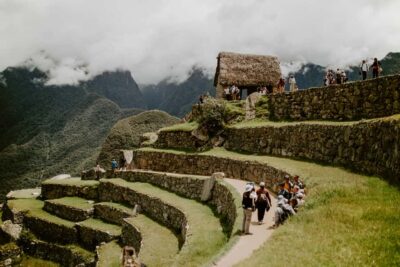 ★ 4.6Machu Picchu: Full-Day Tour from Cusco with Optional LunchFrom $283927 reviews
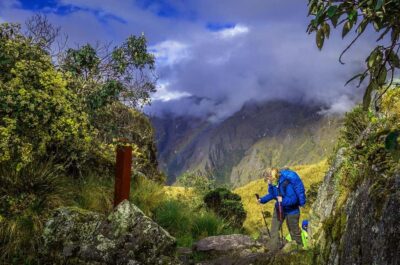 ★ 4.84-Day Inca Trail to Machu Picchu with AccommodationFrom $470432 reviews
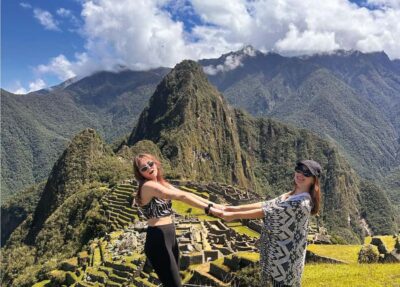 ★ 4.6From Cusco: 2-Day Trip to the Sacred Valley and Machu PicchuFrom $370265 reviews
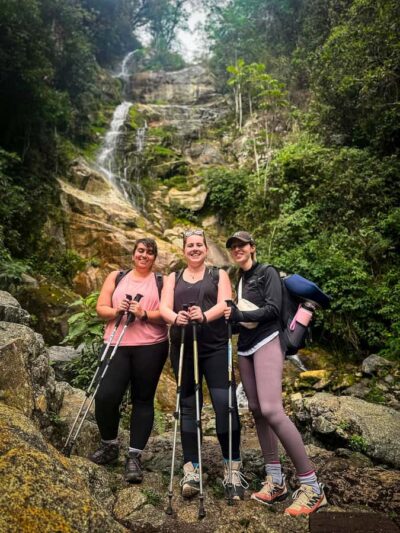 ★ 4.9Machu Picchu 2-Day Inca Trail with Panoramic TrainFrom $582260 reviews
 ★ 4.2From Cusco: 2-Day Inca Trail to Machu PicchuFrom $290244 reviews
 ★ 4.9Machu Picchu: Inca Trail 2-Day Overnight Guided TourFrom $585203 reviews
Browse the lists this tour appears in