
REVIEW · LAKE TITICACA & PUNO
From Puno: Travel to Cusco in Titicaca Train All Inclusive
Crossing the Andes by rail is the whole point here, and the Titicaca-style experience turns a long transfer into a proper day out. I like that it’s built around comfort on the tracks: Pullman-style carriages, onboard entertainment, and food that’s included instead of an afterthought.
Two things I especially like. First, you get a three-course gourmet lunch served on the train, not just snacks. Second, the journey is designed around moments you can actually see—especially the stop area at Abra de la Raya for border country views, plus a market stop later.
One thing to think about before you book: this is a popular, time-specific product, and seat and name details matter. If your ticket or passenger list doesn’t match what the operator has, you can end up with hassle at the station and less-than-ideal seats.
In This Review
- Key takeaways before you go
- What this Puno to Cusco train experience really gives you
- Starting in Puno: your transfer and the warm welcome drink
- Onboard comfort on Pullman-style carriages
- Live music, dancing, and the Piso Sour demonstration
- The key viewpoint stop at Abra de la Raya
- La Raya stop: the Andean market moment
- The included 3-course gourmet lunch in the restaurant cars
- Observatory bar car time: where the journey becomes relaxing
- Arrival in Cusco: your driver to the hotel
- Price and value: when $499 makes sense
- What can go wrong: tickets, names, and seat comfort
- Who this train is best for
- Small planning tips that actually matter
- Should you book the Titicaca Train All Inclusive from Puno to Cusco?
- FAQ
- What’s included in the Puno to Cusco Titicaca train experience?
- What time commitment should I plan for?
- Do I need to pay for dinner during the trip?
- Will there be a guide onboard?
- Is Cusco hotel transfer included at the end?
- Are there stops during the journey?
- What’s the cancellation and booking flexibility?
Key takeaways before you go
- Gourmet meal included: a true 3-course lunch plus afternoon tea keeps the day easy.
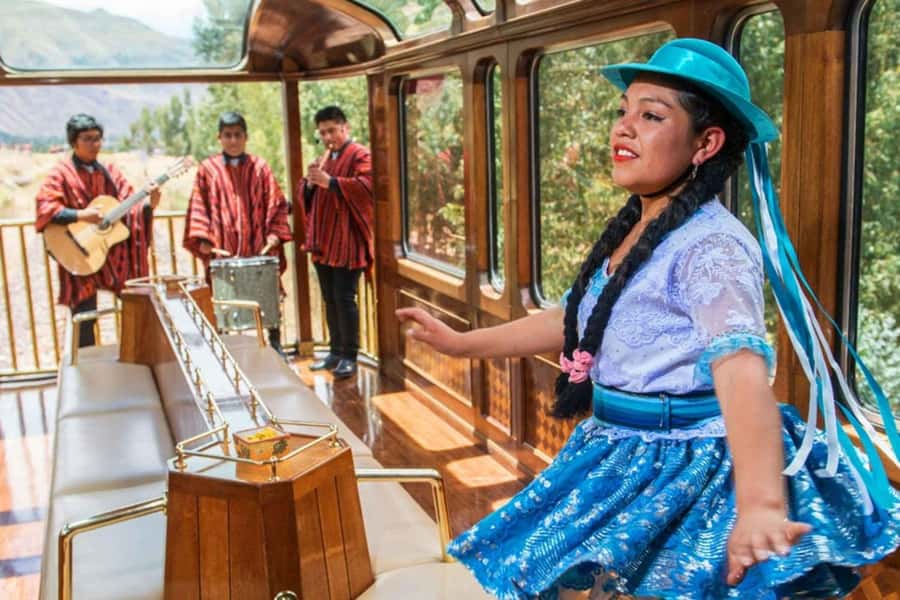
- Onboard entertainment: live music and dancing are part of the schedule, not a random add-on.
- Abra de la Raya stop: built-in time to take in the high-mountain border area views.
- Piso Sour moment: a short demonstration gives you a local taste without needing to hunt for it later.
- Observatory bar car: a dedicated place to relax while you watch the scenery go by.
- Name/seat accuracy is crucial: book correctly, and double-check your passenger details.
What this Puno to Cusco train experience really gives you
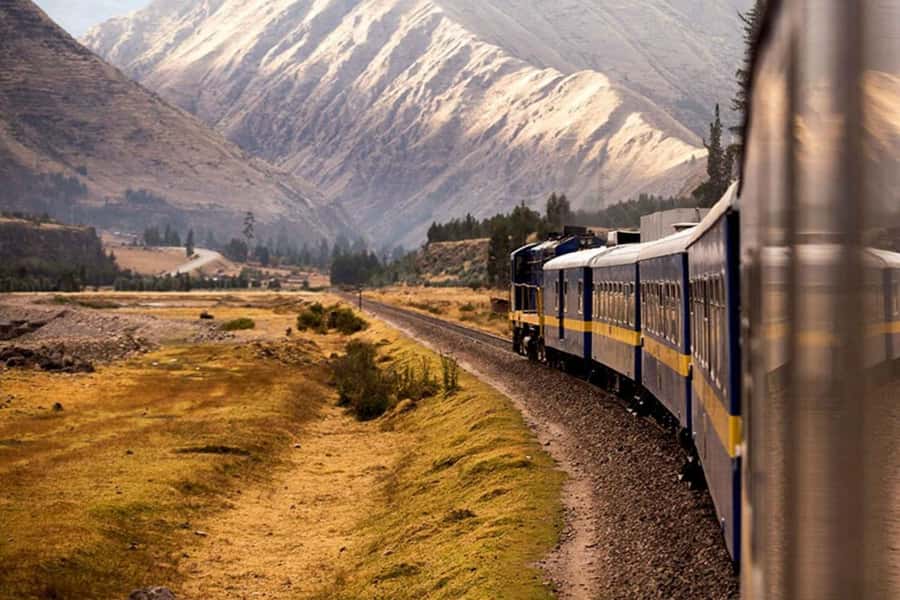
This isn’t just transportation from Puno to Cusco. It’s a structured, all-inclusive train day where food, activities, and viewpoints are planned into one long stretch—about 630 minutes end to end. That matters, because without those built-in pieces, a rail trip at altitude can feel like waiting around. Here, the pacing is the product.
The train journey also has a strong “slow travel” vibe, even though you’re moving far. You sit down, settle in, and let the Andes do the work. I like experiences like this because they protect your energy: you’re not constantly changing plans, and you’re not stuck trying to fit everything into Cusco later.
Value-wise, $499 per person is not cheap. But you’re paying for multiple inclusions: transfers, a guided onboard experience (Spanish/English), a welcome drink, the 3-course lunch, afternoon tea, and scheduled stops. If you were to recreate all of that yourself—train tickets, meals, and a guide—you’d likely end up spending similar money, with less control over timing.
Starting in Puno: your transfer and the warm welcome drink
Your day begins with a pickup transfer from your hotel to the train station in Puno. That’s a big deal in practice. Getting yourself to the station while you’re juggling time, altitude, and unknown traffic adds stress you don’t need on day one.
Once you arrive, you’re greeted with a warm welcome drink before boarding. It’s a small touch, but it sets the tone: you’re treated like a booked group experience rather than a “show up and figure it out” situation.
The practical upside here is clarity. You’ll have a driver and a defined start, which helps when you’re arriving from sightseeing in Puno and don’t want to burn time hunting for the correct meeting point.
Onboard comfort on Pullman-style carriages
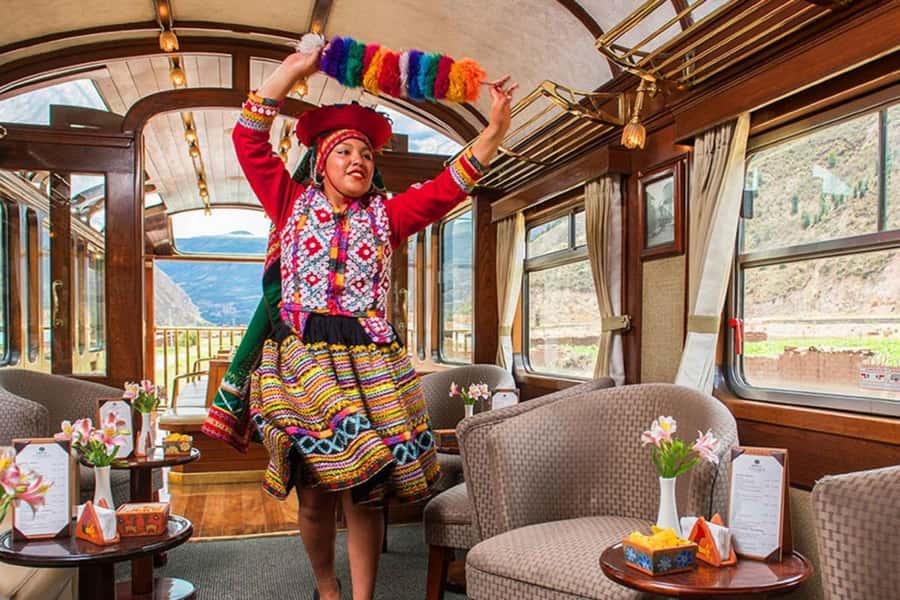
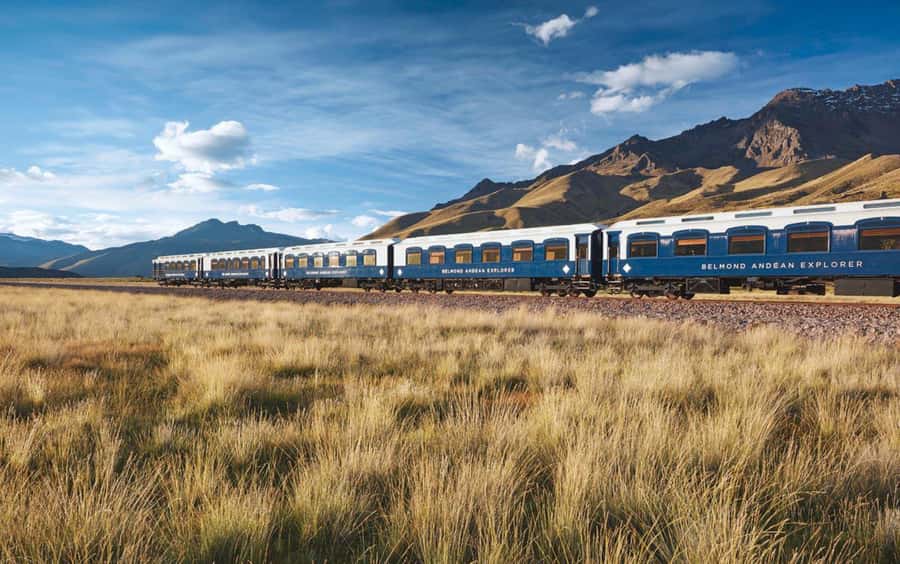
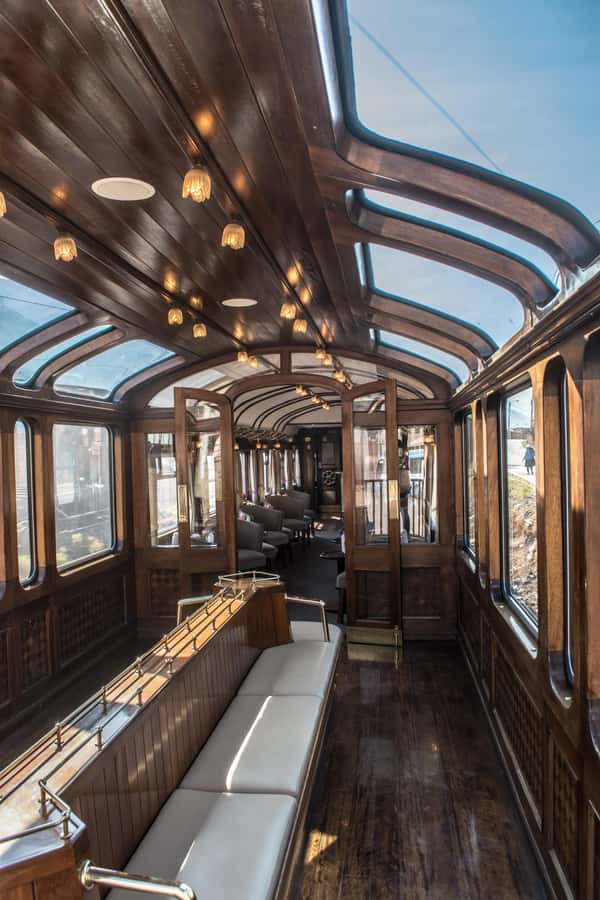
The train runs in Pullman-style carriages, with a focus on comfort and a more elegant onboard setup. This is one of those details you’ll feel once you’re seated: you’re not just squeezing into a standard commuter layout.
You’ll also have live entertainment on board. The experience includes a live music and dance show, and there’s live atmosphere throughout the ride. That’s perfect if you don’t want silence and staring out the window the entire time. It also makes it easier to relax, even when the day feels long.
And there’s an observatory bar car, so you can step out and reset without leaving the train. That matters for a journey where you’ll want a mix of: sit-and-look, stand-and-chat, and go-slow wandering between cars.
Live music, dancing, and the Piso Sour demonstration
One of the more memorable parts of this kind of day is how often you get little “activity beats” rather than a single event at the start. Here, you’ve got live music and dancing, plus a Piso Sour demonstration. You’re not just watching a show; you’re getting a short cultural moment built around a classic Peruvian drink.
A key benefit: you don’t have to plan a bar stop separately. With the Piso Sour piece happening on board, you get the idea of the drink and the ritual without spending extra time and money later.
If you’re traveling with people who love activities that aren’t only sightseeing, this portion helps keep everyone engaged. If you’re the type who prefers quiet, you can still retreat to seating—just know the show schedule is part of the overall flow.
The key viewpoint stop at Abra de la Raya
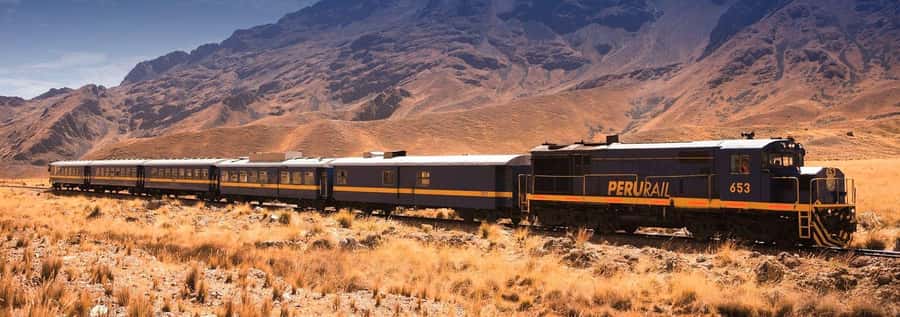
At some point during the journey, the train stops at Abra de la Raya, described as a border-area viewpoint between Cusco and Puno and connected to the wider geography of the region. This stop is built around one thing: giving you time to appreciate how dramatic the Andes can look from the rail corridor.
Why this stop is valuable: it breaks up the ride and gives your camera a mission. A lot of train trips fail because every view is just passing by too quickly. Here, the stop is part of the design, not something you hope happens.
What to consider: stops can mean people moving around and grabbing the best angles fast. If you want photos from a specific side, pay attention when the train is approaching the viewpoint and be ready to reposition quickly.
La Raya stop: the Andean market moment
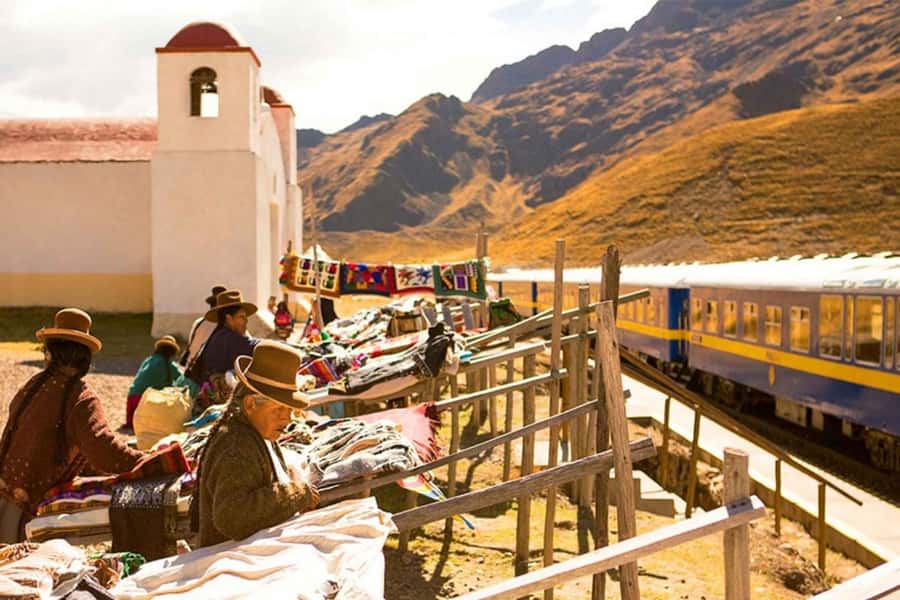
Later, there’s a stop at La Raya (Andean Market). This is the “add a human layer” part of the day. You’re seeing not just scenery, but a lived-in stop where market activity and mountain life come together.
This kind of stop can be hit or miss on organized trips depending on time and crowding, but the value here is simple: you’re getting a structured chance to see local market life without needing to build an excursion from scratch.
Bring the right mindset. Think of it as a short look at local commerce and culture, not an all-day shopping trip. If you want to browse seriously, you may need more time than a train schedule usually allows.
The included 3-course gourmet lunch in the restaurant cars
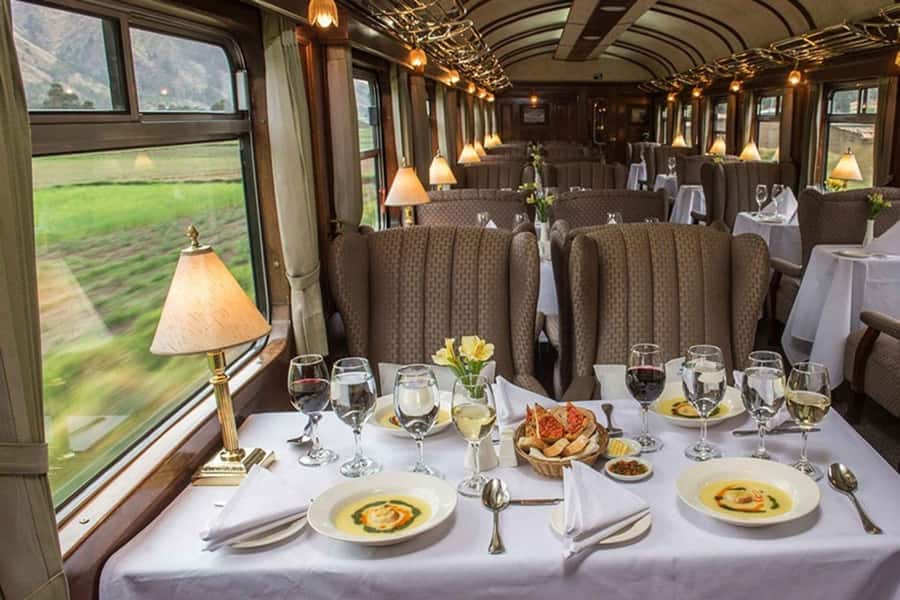
The meal is one of the most consistently praised parts of this experience, and for good reason. You’ll enjoy an exquisite three-course gourmet lunch in the elegant restaurant cars while you watch the Andes unfold outside.
This is not just a lunch box on rails. The structure matters because you’re dining as you travel, which makes the journey feel like a moving restaurant experience instead of a long bus ride with food tacked on later.
Two practical benefits for you:
- You don’t have to decide where to eat mid-route.
- You don’t have to keep spending to “catch up” on meals later.
The drawback is also practical: dinner isn’t included. So if you arrive in Cusco during a late slot, you’ll want to plan ahead for food after the ride ends.
Observatory bar car time: where the journey becomes relaxing
Between entertainment, meal service, and viewpoint stops, you’ll likely want a low-effort break. That’s where the observatory bar car earns its keep.
Think of it as the in-between zone. You can step in for a drink or just hang out in a calmer setting while the train rolls through. For many people, this is the moment when the trip stops feeling like an agenda and starts feeling like a scenic afternoon you’ll remember.
It’s also helpful for groups. If one person wants to keep taking photos and another wants to sit, you can split up without losing the day’s schedule.
Arrival in Cusco: your driver to the hotel
Once you reach Cusco, you’re met by an attentive driver who takes you to your hotel. This is part of what makes the experience feel “all inclusive” in real life, not just on paper.
One useful detail from actual booking experience: the description may suggest a Cusco transfer that isn’t always automatically included in every setup. In at least one case, the company honored the transfer expectation and sorted it out. That tells me you should still confirm details, but it also suggests they can be flexible when it’s part of what you were sold.
Either way, have your hotel address ready and make sure you understand where you’ll be dropped off. Cusco can be logistically tricky, so clarity helps.
Price and value: when $499 makes sense
At $499 per person, you’re paying premium prices for convenience and included services. I look at value here using three buckets:
1) Food and drinks included
You’re getting a welcome drink, 3-course lunch, afternoon tea, plus a Piso Sour demonstration. That’s real money saved compared with paying on your own for both meals and beverages.
2) A guided, staged experience
You have a live tour guide (Spanish/English) and planned entertainment. The schedule includes set activities and stop timing, which is hard to replicate solo without coordination.
3) Transfers
You’re not responsible for figuring out station logistics in Puno and hotel logistics in Cusco. That convenience can easily be worth a lot when you’re tired.
When it might not feel worth it: if you’re a traveler who only wants a seat and nothing else, you could spend less elsewhere and keep the day simple. But if you want your long rail day to feel like an event, the included extras are exactly what you’re paying for.
What can go wrong: tickets, names, and seat comfort
Here’s the honest part. This is the kind of experience where admin accuracy matters. One booking issue reported involved tickets sent late and passenger names not matching the operator’s list at the station. The result was stress and a seat downgrade.
My advice is simple and practical:
- Double-check that your booking includes the correct passenger names.
- Don’t wait until the last minute to confirm.
- If you’re working through an agency, make sure the operator has your details exactly as they appear on the booking.
Also note the schedule is time-based. Since the train is 630 minutes total, you can’t treat this as a casual hop. If your plan is fragile, you’ll want to protect time buffers around pickup and boarding.
Even with good service, the experience depends on smooth handoff. Your job is to make your side of the details easy to verify.
Who this train is best for
This experience fits travelers who want a “one ticket, many pieces” day. Specifically, it’s a great match if you:
- Prefer comfort and included meals over hunting for food on a tight schedule.
- Like structured cultural moments (live music and the Piso Sour demonstration).
- Want a scenic journey with viewpoints planned in, not random photo stops.
- Are traveling in a group where the onboard show keeps everyone happy.
It may be less ideal if you’re traveling ultra-budget or you hate set schedules. Since dinner isn’t included, you also need to be okay with planning your first evening meal in Cusco yourself.
Small planning tips that actually matter
Because this trip includes lunch and afternoon tea, you can plan your day more easily. Eat well before boarding only if your timing requires it, then let the included meal carry you.
For photos, plan to stay attentive around the stops—especially Abra de la Raya and the market stop at La Raya. Those are your high-moment windows. When people surge, you’ll want your camera ready and your movement quick.
Finally, keep your expectations realistic. This is a full train day from Puno to Cusco. It’s not a quick city transfer. If you treat it like that, you might feel rushed. If you treat it like an attraction, it will feel worth it.
Should you book the Titicaca Train All Inclusive from Puno to Cusco?
If you want your Puno-to-Cusco journey to feel like part of the trip—not just a commute—this is a strong option. The combination of 3-course gourmet lunch, live music and dancing, and planned stops at Abra de la Raya and La Raya makes the time fly in a good way.
I’d book if $499 feels doable and you care about comfort and inclusions. I would also book with a checklist mindset: confirm names, confirm pickup details, and don’t assume last-minute ticket handoffs will be perfect.
If you’re going to do your own meals, don’t care about onboard entertainment, and already enjoy rail travel in a more bare-bones style, you might find cheaper transportation. But if you want a guided, staged Andes day with less stress, this one earns its place.
FAQ
What’s included in the Puno to Cusco Titicaca train experience?
It includes a hot welcome drink, a 3-course gourmet lunch, live music and dance show, a Piso Sour demonstration, a stop at La Raya (Andean Market), an observatory bar car experience, and afternoon tea.
What time commitment should I plan for?
The total duration is 630 minutes (about 10.5 hours), and starting times depend on availability.
Do I need to pay for dinner during the trip?
Dinner is not included. The listing only specifies lunch and afternoon tea, plus the welcome drink.
Will there be a guide onboard?
Yes. There is a live tour guide, and the available languages are Spanish and English.
Is Cusco hotel transfer included at the end?
A driver meets you in Cusco to take you to your hotel, completing the experience from the train to your lodging.
Are there stops during the journey?
Yes. The trip includes a stop at Abra de la Raya and a stop at La Raya (Andean Market).
What’s the cancellation and booking flexibility?
It offers free cancellation up to 24 hours in advance for a full refund, and it also includes a reserve now & pay later option.
Lake Titicaca & Puno, compared.
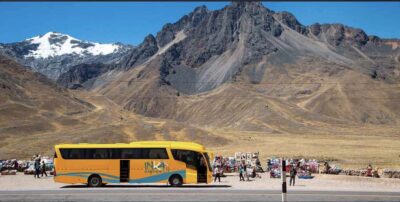 ★ 4.8Scenic Route of the Sun to Puno with Buffet LunchFrom $44101 reviews
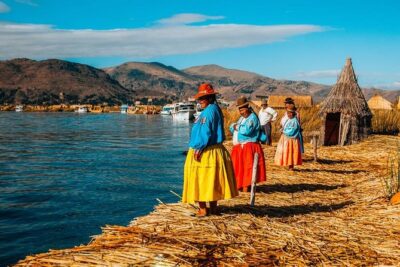 ★ 4.5Full Day Lake Titicaca Tour from CuscoFrom $8691 reviews
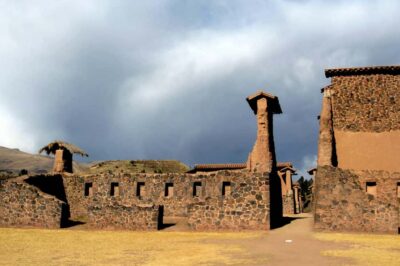 ★ 4.4From Cusco: 2-Day Lake Titicaca TourFrom $25974 reviews
 ★ 3.9From Cusco: Titicaca Lake – Full day tour with sleeper busFrom $11972 reviews
 ★ 3.7From Cusco: 2-Night Lake Titicaca ExcursionFrom $8662 reviews
 ★ 4.5From Cusco to Lake Titicaca: 2-Day Homestay TourFrom $10956 reviews
 ★ 4.5Titicaca Lake 2 Day 1 Night from Cusco to PunoFrom $26933 reviews
 ★ 3.7From Cusco: Lake Titicaca, Uros and Amantani by sleeper busFrom $9024 reviews
Browse the lists this tour appears in