
REVIEW · LAKE TITICACA & PUNO
Titicaca Lake 2 Day 1 Night from Cusco to Puno
Lake Titicaca feels like a different world. I love how this trip wraps Sun Route ruins and high-mountain scenery into the same plan, then pays off with a full boat day on Lake Titicaca to the reed-built Uros and Taquile.
My second big win is the practical setup: hotel pickup, a guide, and organized transport with multiple archaeological stops, so you don’t have to juggle schedules on your own. One thing to watch is the timing: it’s sold as 2 days, 1 night in Puno, but you also sleep on the return bus—so it’s effectively 2 days and 2 nights.
In This Review
- Key points before you go
- Day 1 from Cusco to Puno: it’s a long day, but the stops earn it
- Andahuaylillas, Raqchi, Pucará: the archaeology stops that add real value
- La Raya Pass at 4,338 m: when the bus gets quiet, look out the window
- Arrival in Puno and your overnight base: simple, useful, and close to the next day
- Day 2 on Titicaca: Uros and Taquile in one guided boat day
- Uros floating islands: artificial homes made from totora
- Taquile Island: culture, customs, and island routines
- Lunch timing: Day 1 is included, Taquile lunch is not
- The return to Cusco: why you should plan for a second night on the road
- Price and value: what $269 buys you (and what it doesn’t)
- Guide quality and group experience: good organization, but styles can vary
- What to pack and how to handle the conditions (so you don’t suffer unnecessarily)
- Who this tour is for (and who might want a different plan)
- Should you book this Titicaca 2-day, 1-night tour from Cusco?
- FAQ
- How much does the Cusco to Puno Titicaca tour cost?
- How long is the tour, and what’s the real night situation?
- What time are the pickups on each day?
- Which island visits are included on Lake Titicaca?
- Is lunch on Taquile included?
- Can I cancel for free?
Key points before you go
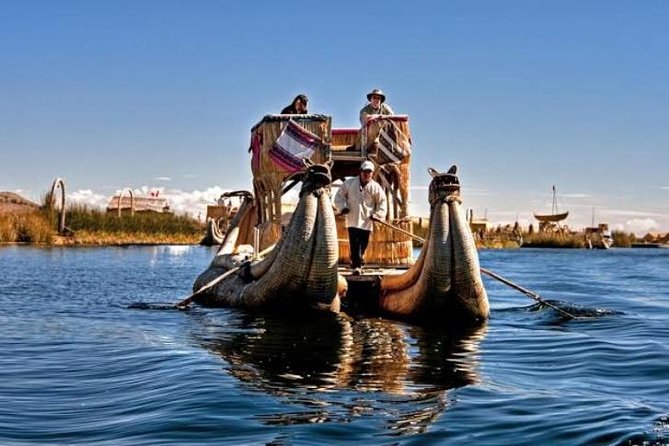
- A full-day Titicaca boat ride with visits to the Uros floating islands and Taquile
- Day 1 is a stop-rich bus route through classic Inca-era sites and viewpoints
- Your guide helps make the ruins make sense, not just a photo stop
- Altitude matters: you’ll cross La Raya Pass at about 4,338 m
- Lunch choices differ by day: buffet lunch included on Day 1, while Taquile lunch isn’t included
- Small group size up to 15 travelers for easier coordination
More of Lake Titicaca and Puno from Cusco
- Full Day Lake Titicaca Tour from Cusco★ 4.5 · 91 reviews
- From Cusco: 2-Day Lake Titicaca Tour★ 4.4 · 74 reviews
- From Cusco: Titicaca Lake – Full day tour with sleeper bus★ 3.9 · 72 reviews
- From Cusco: 2-Night Lake Titicaca Excursion★ 3.7 · 62 reviews
Day 1 from Cusco to Puno: it’s a long day, but the stops earn it
This is one of those tours where the clock starts early and keeps moving. Pickup is at 6:30 a.m. in Cusco, then you ride a tourist bus south toward Puno with a string of scheduled stops along the way. The payoff is that you’re not stuck doing a single long transfer—you’re sightseeing while you travel.
Plan to treat Day 1 like a guided road trip. You’ll get a buffet lunch in Sicuani, you’ll stop at key ruins and viewpoints, and you’ll arrive in Puno around 5:30 p.m. The pace is active, but it’s the type of busy that makes sense: you’re seeing Peru’s Andean corridor instead of just passing through it.
One practical note: on this route, the air can feel thin even before you hit the highest point. If you’re sensitive to altitude, take it easy on the first day, drink water, and keep your breathing calm after long bus rides.
Andahuaylillas, Raqchi, Pucará: the archaeology stops that add real value
The best part of the Day 1 itinerary is how the bus route layers different kinds of Andean sites. You’re not just checking boxes—you’re seeing how Spanish-era, Inca-era, and pre-Inca traditions overlap in the same region.
Andahuaylillas (San Pedro de Andahuaylillas) is a highlight early in the morning. This church is often nicknamed the Sistine Chapel of America, built by Jesuits in the 16th century, and it sits on a sacred place the Incas already valued. If you like buildings with strong atmosphere, this stop can feel like a quick museum visit with living religious context.
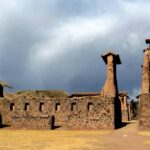
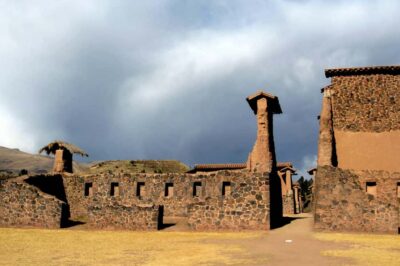
Then comes Raqchi, centered on the Temple of Wiracocha. This complex is laid out in areas with different functions, and you’ll focus on the main temple honoring Wiracocha, described as the key building within the site. Even if you’re not deep into archaeology, the layout helps you understand why this place mattered.
Later you’ll reach Pukará, known for monolithic sculptures and a mix of geometric, zoomorphic, and anthropomorphic figures. You’ll also see multi-colored pottery in different shapes. The useful thing here is that Pukará gives you a different flavor than the big Inca sites—so your mental map of the region gets broader.
La Raya Pass at 4,338 m: when the bus gets quiet, look out the window
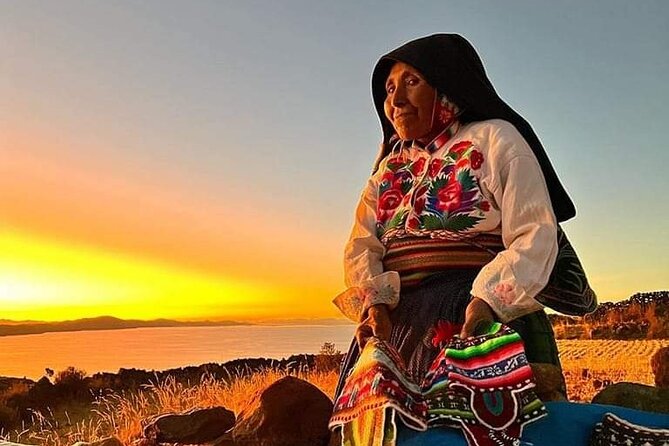
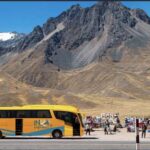
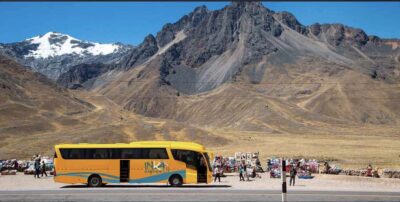
The tour stops at La Raya Pass, about 4,338 meters, which is the highest point on the route between Cusco and Puno. This is the part where the day often shifts from “ruins sightseeing” to “Andes breathing.” You’ll have time to observe the snow-capped mountains and get your first proper sense of how wide this high plateau feels.
A short stop doesn’t mean it’s small. High-altitude viewpoints can be the moment you finally understand the scale of the Titicaca region before you even arrive near the lake. If you’re cold easily, dress as if you’ll be standing still outside for a while—because you will.
Also: you’ll want to keep expectations realistic. This isn’t a long hike with spectacular trail views. It’s a quick altitude checkpoint where you take in the perspective, take a few photos, and keep moving.
Arrival in Puno and your overnight base: simple, useful, and close to the next day
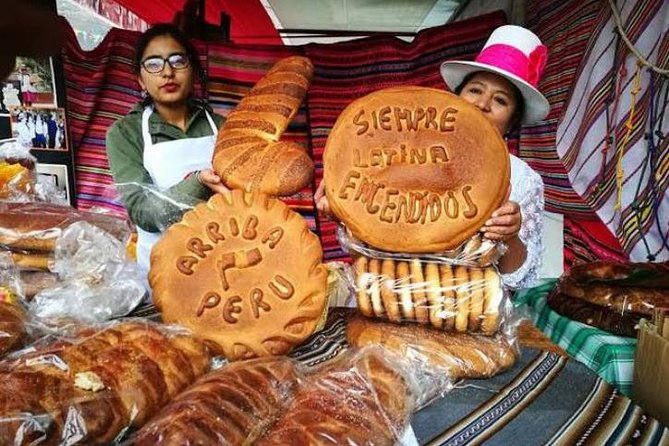
You’ll reach Puno around 5:30 p.m., then you’re taken to your accommodation in Puno. That timing matters because it positions you well for the next morning’s lake boat start. In other words, you’re not sightseeing in the dark—you’re resting in the place you need to be.
The tour includes overnight lodging, plus the itinerary’s organized transition to the lake day. That’s a big deal if you’ve ever tried to plan Lake Titicaca logistics on your own. The lake is easy to get excited about; it’s harder to coordinate boat timing, island visits, and transport without a plan.
If you arrive feeling wiped out, that’s normal. Your Day 1 includes a lot of sitting on the bus, plus altitude moments and several stops. Treat your evening as recovery time.
A last few Cusco tours and experiences to fold into the trip
Day 2 on Titicaca: Uros and Taquile in one guided boat day
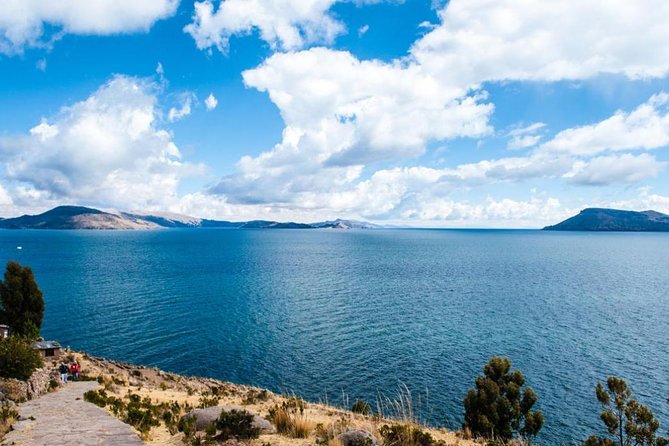
Day 2 starts with pickup from your hotel in Puno at 6:45 a.m. You then head out for a full-day boat experience on Lake Titicaca. You’ll have the lake time plus island visits, and you come back to Puno around 5:00 p.m. The structure is efficient: you get the lake day without having to figure out boat scheduling yourself.
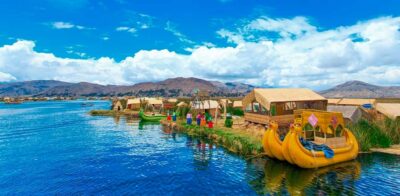
Lake Titicaca itself is part of the experience. It’s described as the highest navigable lake in the world and stretches along the Peru–Bolivia border in the Andes. The waters are known for being calm with bright reflections, so even when you’re not at an island, the open water can feel visually impressive.
Uros floating islands: artificial homes made from totora
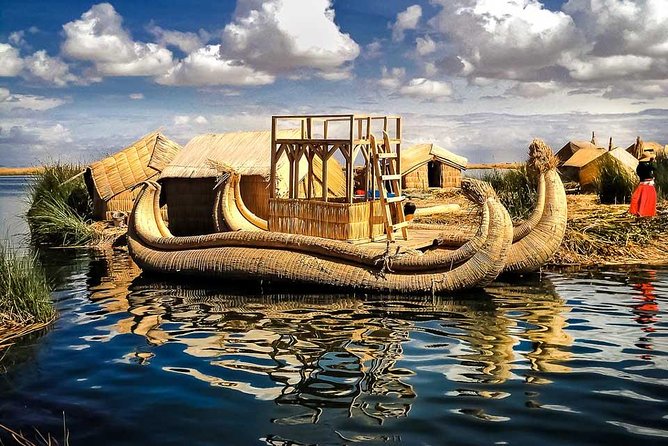
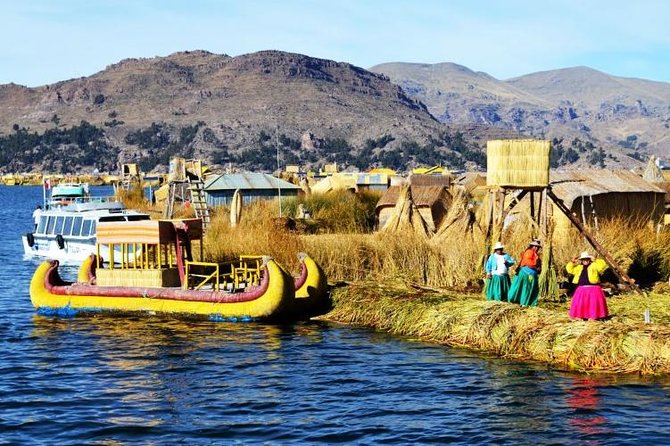
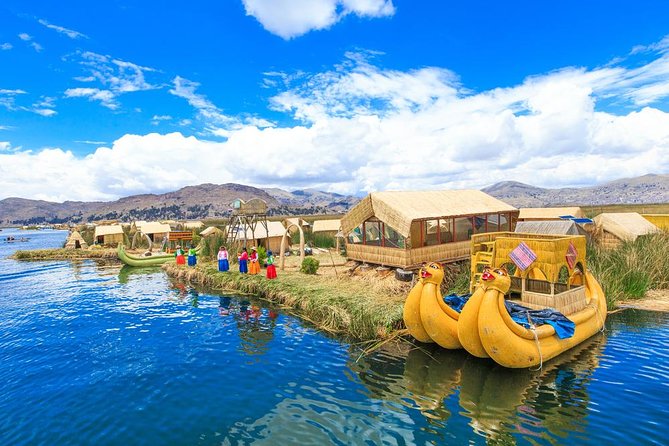
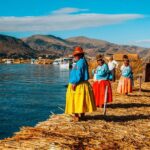
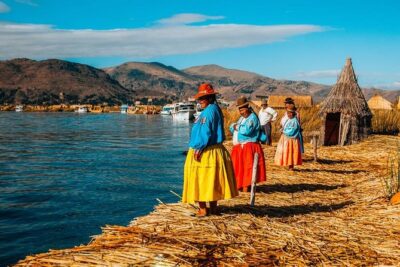
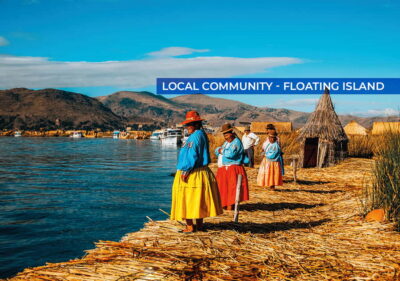
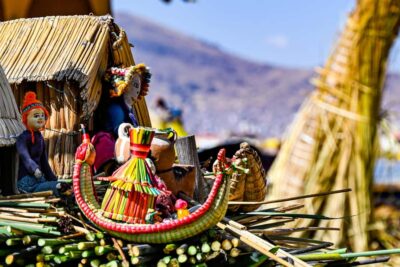
Your first island visit is the Uros floating islands, built from totora, an aquatic plant that grows on the lake surface. The islands are described as habitable artificial surfaces made by layering woven totora mats on top of blocks that overlap totora roots. It’s a clever and adaptive way to live on water that isn’t stable in the way solid land is.
This part is usually the emotional hook of the tour. Seeing how people build, maintain, and live on these reed structures turns Titicaca from a name on a map into a real daily life system. It’s also an easy place to ask questions because the island life is visible and hands-on in feel, even if you’re mostly touring.
Taquile Island: culture, customs, and island routines
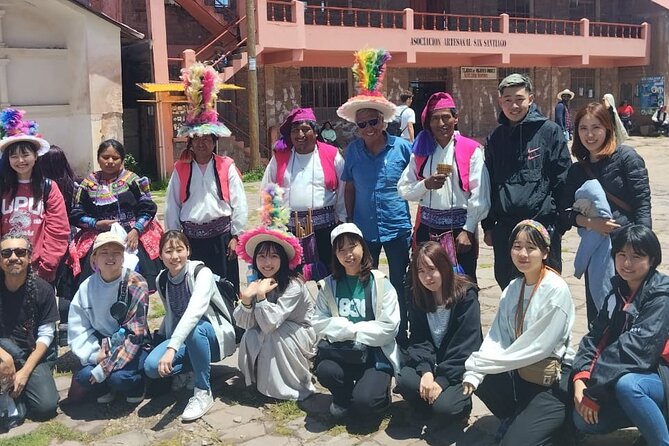
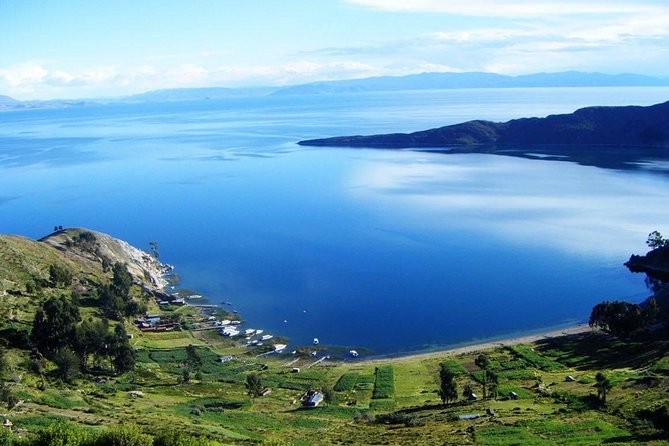
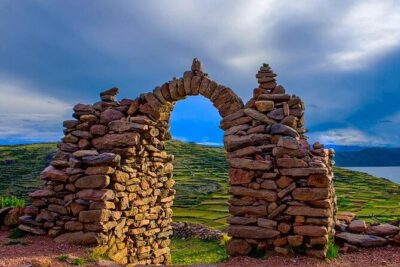
Next is Taquile Island, where the attraction is described as experiential tourism—spending time learning about the customs and tasks of the people who live there. The tour framing emphasizes rites and beliefs, including the idea that Taquile’s hills are seen as protective apus (Andean mountain spirits).
On Taquile, you’re not just scanning ruins from the ground. You’re watching island life and learning how the community organizes daily living. The visit is about understanding the human side of Titicaca, not just the water and scenery.
Lunch timing: Day 1 is included, Taquile lunch is not
There’s lunch at Taquile mentioned as a place where you try lake trout. But the details also clearly state that Taquile lunch is not included. That means you should budget for a meal on Day 2 even though Day 1 includes a buffet lunch.
If you’re the type who hates surprise costs, check this before you go. Bring extra cash in soles so you can eat comfortably when it’s time.
The return to Cusco: why you should plan for a second night on the road
After the boat day, you return to Puno at about 5:00 p.m. You can either return to your hotel or visit Puno on your own. Then the key moment: at 9:15 p.m., you’re picked up to return to Cusco by bus, arriving around 5:00 a.m. the next day.
This is the part that often creates confusion. The tour is marketed as 2 days with 1 night in Puno, but the return bus includes sleeping on the night between Cusco and Puno travel. So if you’re planning flights, tours, or work meetings right after Cusco, give yourself breathing room.
Also note how this affects your energy. Day 2 is long: boat time, then waiting, then the late-night bus. It’s doable, just don’t schedule anything demanding the same morning you arrive in Cusco.
Price and value: what $269 buys you (and what it doesn’t)
At $269 per person, you’re paying for a lot more than a boat ticket. This price bundles:
- Hotel pickup and transport from Cusco to Puno with multiple stops
- A professional guide on the itinerary
- Entrance/admission tickets for the included stops
- Day 1 buffet lunch in Sicuani
- Overnight accommodation in Puno
- Boat fares for visiting Uros and Taquile
- Return transport from Puno to Cusco
That’s strong value if you’d otherwise have to hire separate transport, coordinate island visits, and pay for guiding and site entry in pieces. The tour is also set up for a small group, which tends to make logistics smoother than big coach-style chaos.
What’s not included is mainly food on Day 2 at Taquile and personal extras like tips. There’s an explicit reminder that tips are optional.
If you’re trying to decide whether it’s worth it, do a quick reality check: would you realistically line up all those stops, admissions, boat timing, and two long bus days on your own? If not, this is exactly the kind of trip where paying for coordination saves you stress.
Guide quality and group experience: good organization, but styles can vary
What stands out from the experience notes is how well the logistics tend to run: smooth pickups, comfortable vehicles, and guides who keep the day moving. The organization is often praised as easy to follow, with handoffs handled along the way.
Guide style can vary. One guide experience is described as enthusiastic and pleasant, while another on the first day leaned into topics like chakras, numerology, and aliens when the group wanted more focus on history and context. If you care most about archaeology and local interpretation, it helps to set your preference early—ask the guide what they’ll emphasize so you get the kind of explanations you’re hoping for.
There’s also a named guide, Manuel, who is mentioned as good. That suggests at least some departures have strong guiding. Even so, with any multi-stop tour, you may meet more than one guide across the two days.
What to pack and how to handle the conditions (so you don’t suffer unnecessarily)
You’re in the Andes, with high points and a lake breeze, and the tour info is very clear about what you should plan for. Bring:
- Cold clothing and a rain jacket or poncho
- Hiking shoes (even if it’s not all hiking, you’ll want solid footing)
- Hat, sunscreen, and sun glasses
- A light backpack and a plastic bag for keeping things dry
- Basic essentials like energy bars and personal medication
Altitude can hit even if you’re fit. The tour guidance suggests acclimatizing before you go and mentions coca tea as a helpful habit. You don’t have to become an expert on altitude—just take it slow, hydrate, and dress for cold.
Who this tour is for (and who might want a different plan)
This trip is a good match if you:
- Want a structured Cusco-to-Puno itinerary with minimal planning
- Like guided ruin stops paired with a real-world lake community visit
- Prefer not to figure out boat timing on your own
- Are okay with a very full schedule and a late-night bus return
It may not be ideal if you hate long days, you’re extremely sensitive to altitude, or you want a more relaxed pace on Day 2 (because you’ll be out early and back late). It also may not suit you if you’re strongly focused only on archaeology and absolutely don’t want any spiritual or pop-culture interpretations from your guide—since guide style can differ.
Should you book this Titicaca 2-day, 1-night tour from Cusco?
I think this is a smart booking for most people who want Titicaca without the headache. You get Uros + Taquile, you get a guide for the ruins and sites, and you get transport and entry handled as one package. With the route’s altitude and distance, the coordination is the real win.
Book it if you can handle early mornings and a late-night return, and if you’re okay with the fact that it’s effectively 2 days and 2 nights once the return bus is counted. Don’t book it if you need a clean, single-night travel rhythm or you’re very picky about your guide’s speaking style.
If you want a practical travel tip: when you confirm, ask for a clear rundown of whether the return bus includes sleeping on board and what time you’ll reach Cusco. That one question removes most of the confusion people run into with this itinerary.
FAQ
How much does the Cusco to Puno Titicaca tour cost?
It costs $269 per person.
How long is the tour, and what’s the real night situation?
It’s described as 2 days and includes 1 night in Puno. The plan also includes an overnight return bus from Puno to Cusco, with arrival around 5:00 a.m. the next day.
What time are the pickups on each day?
You’re picked up in Cusco at 6:30 a.m. on Day 1. On Day 2, pickup in Puno is at 6:45 a.m., and then there’s a pickup at 9:15 p.m. for the bus back to Cusco.
Which island visits are included on Lake Titicaca?
The boat day includes the Uros floating islands and Taquile Island.
Is lunch on Taquile included?
No. Lunch on Taquile is listed as not included, even though Day 1 includes a buffet lunch in Sicuani.
Can I cancel for free?
Yes. You can cancel up to 24 hours in advance for a full refund.
More 2-Day Experiences in Cusco

More Tour Reviews in Cusco

On to Lake Titicaca


Recent write-ups from around Cusco, just off the trail
- Cuzco: Rainbow Mountain Excursion
★ 5.0 · 3 reviews - 1 day excursion to Qeswachaka bridge and the 4 lagoons
★ 3.6 · 3 reviews - Waqrapukara 1 day trekking + meals
★ 3.9 · 3 reviews - Valle Sur Cusco | half day
★ 4.3 · 3 reviews - Full-Day Condor Viewpoint & Inca Sites Tour
★ 5.0 · 3 reviews
Lake Titicaca & Puno, compared.
 ★ 4.8Scenic Route of the Sun to Puno with Buffet LunchFrom $44101 reviews
 ★ 4.5Full Day Lake Titicaca Tour from CuscoFrom $8691 reviews
 ★ 4.4From Cusco: 2-Day Lake Titicaca TourFrom $25974 reviews
 ★ 3.9From Cusco: Titicaca Lake – Full day tour with sleeper busFrom $11972 reviews
 ★ 3.7From Cusco: 2-Night Lake Titicaca ExcursionFrom $8662 reviews
 ★ 4.5From Cusco to Lake Titicaca: 2-Day Homestay TourFrom $10956 reviews
 ★ 3.7From Cusco: Lake Titicaca, Uros and Amantani by sleeper busFrom $9024 reviews
 ★ 4.3From Cusco: 3-Night Lake Titicaca ExcursionFrom $10917 reviews
Browse the lists this tour appears in