
REVIEW · LAKE TITICACA & PUNO
From Cusco: Lake Titicaca, Uros and Amantani by sleeper bus
Lake Titicaca can feel far from Cusco. This tour turns that distance into an easy overnight transfer, then gives you the two most common island stops that people actually remember: the Uros floating reeds and Amantani’s family-style lunch. My favorite part is how much it gets done without feeling like a hardcore trek, but the big catch is timing: you’ll spend hours in transit and you should plan for a cold, early arrival in Puno.
Two things I really like. First, the Uros stop isn’t just a photo moment; you see how totora reeds are woven into an island surface, and there’s even an optional totora raft ride if you want the extra jolt. Second, Amantani gives you real human contact, including lunch prepared with local products. One possible drawback is that the schedule can feel long and wait-heavy once you reach Puno, so if you want a lazy day on the lake, this might feel rushed.
In This Review
- Key things to know before you go
- Cusco to Puno by sleeper bus: the underrated half of the trip
- Morning in Puno: plan for time, warmth, and simple meals
- Uros floating islands: totora craftsmanship and up-close lake life
- Speedboat over Titicaca: use the time for views, not fatigue
- Amantani Island: walking, temples, and a lunch shared the local way
- Return to Puno and the 10:00 p.m. bus back to Cusco
- The 2-night, 3-day option: when Amantani is worth the extra time
- What the guide actually adds (and what to expect)
- Price and value: is $90 a fair deal?
- Who should book this tour, and who should skip it
- What to pack so Titicaca feels easier
- Should you book this Lake Titicaca experience?
- FAQ
- How long is the tour from Cusco to Lake Titicaca?
- What islands do you visit on the shorter tour?
- Do you visit Taquile?
- Is breakfast included?
- Is lunch included?
- Is dinner included?
- What time do you arrive in Puno?
- What should I bring for the trip?
- How do I coordinate the pickup?
Key things to know before you go

- You’ll sleep on a night bus between Cusco and Puno, not on the islands (for the 1-day version).
- Uros is totora-reed craftsmanship first, then photos and time to browse local crafts.
- Amantani combines walking and community meals, with a guided visit to the main square and temples.
- Boat time is part of the experience; you’ll be on the water enough to enjoy the lake rhythm.
- If you’re going in cooler months, dress for cold mornings in Puno and on transfers.
More of Lake Titicaca and Puno from Cusco
- Full Day Lake Titicaca Tour from Cusco★ 4.5 · 91 reviews
- From Cusco: 2-Day Lake Titicaca Tour★ 4.4 · 74 reviews
- From Cusco: Titicaca Lake – Full day tour with sleeper bus★ 3.9 · 72 reviews
- From Cusco: 2-Night Lake Titicaca Excursion★ 3.7 · 62 reviews
Cusco to Puno by sleeper bus: the underrated half of the trip

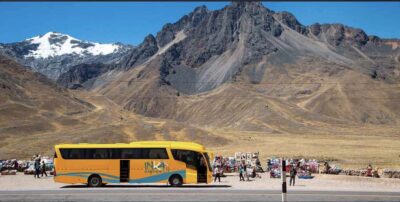
The whole rhythm of this experience starts the night you leave Cusco. You’ll be picked up from your hotel or Airbnb in downtown Cusco between 9:00 p.m. and 9:20 p.m., then you’re brought to the bus terminal so you can board a sleeper bus.
This matters more than it sounds. Lake Titicaca sits at serious altitude, and most visitors get tired fast from simply being “there.” Sleeping on the bus helps you keep energy for the day’s island visits, instead of losing a full day to transit. The seats are described as 180-degree reclining, which is a nice middle ground between “coach bus” and “fully private bed.”
You’ll arrive in Puno at about 5:00 a.m. (approximate). Then the real work begins: you’re not heading straight onto the boat. There’s typically breakfast time at a place in Puno that isn’t included, and then you’ll be picked up again later to connect with the port schedule.
Practical tip: when you arrive that early, bring layers. Some people assume they’ll wake up in a warm lakeside city. Instead, you might find it chilly, especially in colder months, while you’re waiting around.
Morning in Puno: plan for time, warmth, and simple meals
Once you land in Puno, expect a wait before the island day locks into motion. After you arrive, there’s time for breakfast (not included), and then a van takes you toward the main port.
Even if the schedule feels tight on paper, it’s built around the real logistics of boat departures. This is where I recommend mentally switching modes: treat Puno morning like a bridge, not a sight-seeing window. If you’re eager to explore, you’ll have a later free block.
Also, eat something that won’t fight your stomach at altitude. The tour includes a lunch later, but breakfast is on you for the 1-day version. If you’re prone to nausea, keep breakfast light and drink water slowly.
If you’re thinking, wait, I’m paying for islands—why does Puno matter? Because that early coordination decides whether your day feels smooth or stressful. This tour works best when you go in with a calm mindset: you’re here to see Titicaca, and the land part is mainly logistics.
Uros floating islands: totora craftsmanship and up-close lake life

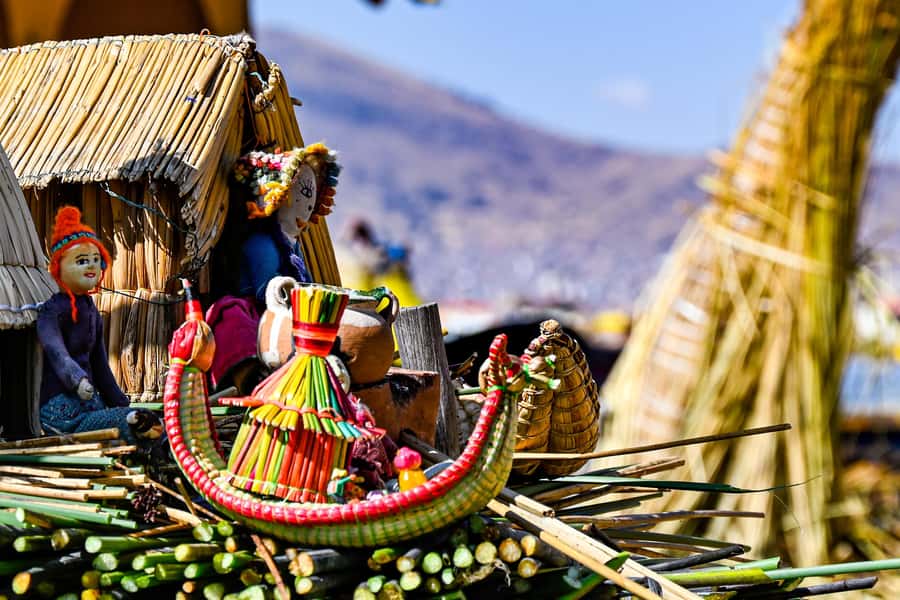
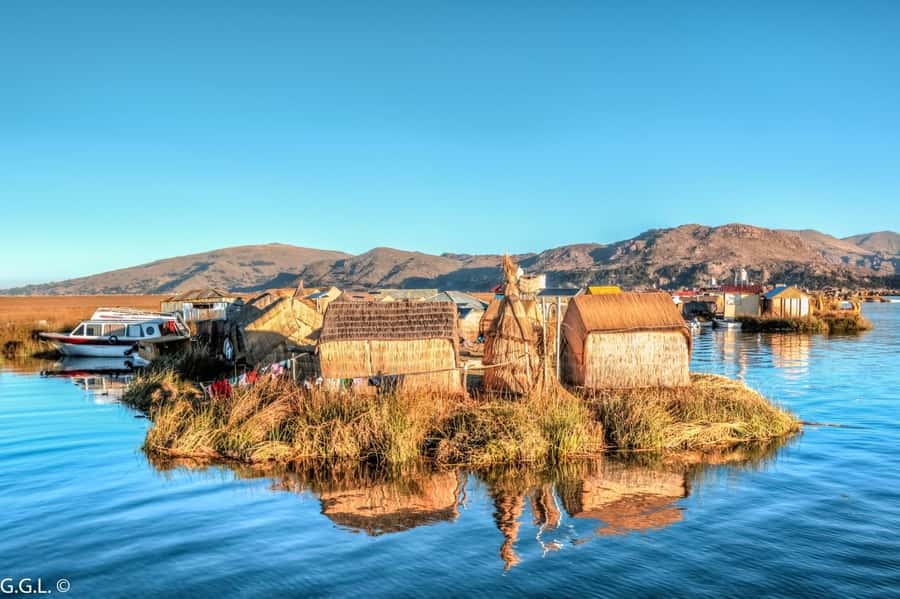
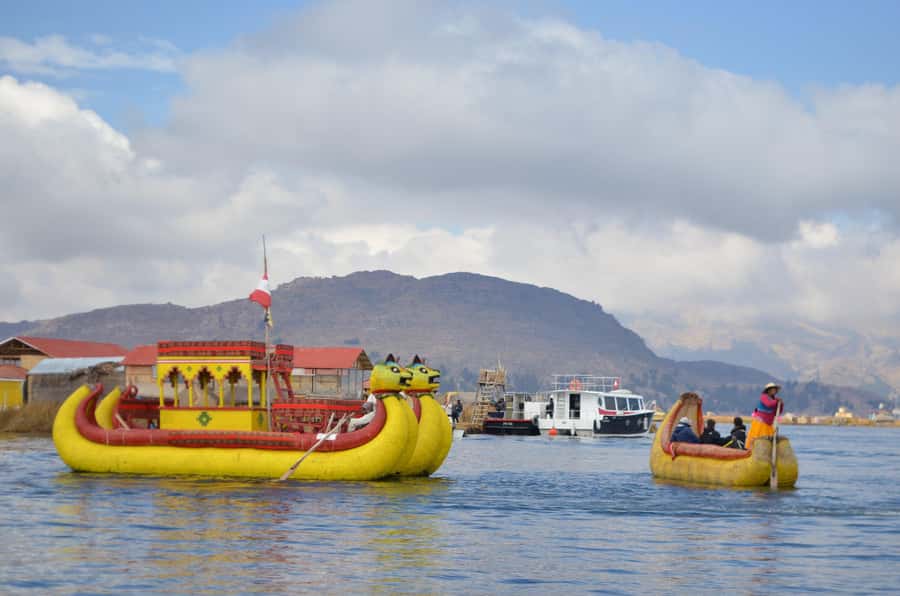
Your first real stop is the Uros Floating Islands, reached by boat from the port. This is the island area most people start with because it’s easy to understand quickly: the floating ground is built from totora, an aquatic plant that grows on the lake’s surface.
Here’s what makes the Uros stop special for you: it’s not only a scenic viewpoint. The experience includes a guided tour explaining how the reeds are woven and layered to form a surface. You also get time for photos and walking, plus shopping with local arts and crafts.
There’s an optional extra that’s worth knowing about: you can take a ride on a totora raft, also made from totora reeds. It’s not required, but it’s the kind of detail that turns a quick visit into a story you’ll repeat.
Spending time here does have trade-offs. The Uros islands are also famous, so it’s common to feel like you’re learning in a fast loop—information, photos, then moving along. In my view, that’s why you should focus on the “how it’s made” parts rather than expecting a quiet, private retreat.
Practical tip: bring comfortable shoes. You’ll do some walking on uneven surfaces and want stable footing. If you’re carrying a camera, keep it secure and use a daypack rather than dangling a strap where it can get wet.
Speedboat over Titicaca: use the time for views, not fatigue

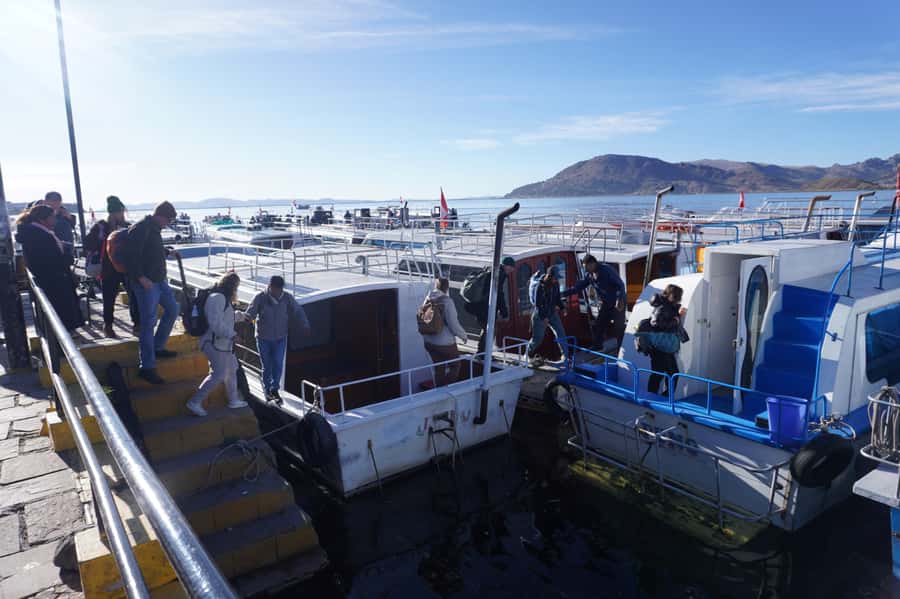
After Uros, you travel onward by speedboat toward Amantani. This is the long hop on the lake and it’s where you’ll either love the rhythm or wish you had more control over your schedule.
The upside: the lake crossing gives you that unmistakable Titicaca feel—big sky, shifting light, and water that looks different depending on cloud cover. Use this time to sit back, not scroll on your phone the whole ride. Looking around helps pass the minutes and makes the boat feel like part of the experience, not just a connector.
The downside: boat rides can be tiring, especially when you’ve already slept on a bus and you’re at altitude. Pack hydration and keep warm. Even if the sun is out, wind on the water can cool you fast.

Amantani Island: walking, temples, and a lunch shared the local way
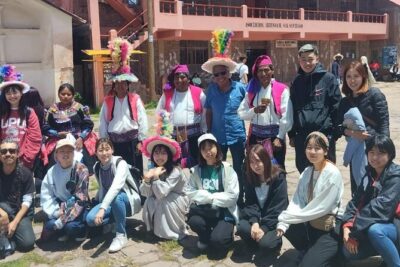
Amantani is where the tour shifts from “floating islands” into a more community-centered visit. You land, then head toward the main area of the island. Expect walking and sightseeing, with a guided component.
The highlights you’re getting here are twofold. First, you visit the main square and temples, so you’re not only eating and photographing. Second, you share a traditional lunch menu prepared with local products.
For me, the real value of Amantani is the sense of everyday life. It’s not a theme park. You see how visitors fit into the island’s pace, and you learn through the guide and the meal. You’ll likely taste dishes that feel simple but satisfying, the kind of food that makes you appreciate the ingredients of the region.
There’s also free time after lunch, plus time to shop and explore on your own. That free block is important, because it lets you choose your energy level: wander slowly, take photos, or join the more active parts like hiking/walking (as scheduled).
One caution: Amantani can feel a bit “hands-on” in terms of effort and schedule. If your ideal travel day is mostly resting, you might find the walking plus boat plus island time makes you tired. This is why choosing the longer version (with an overnight stay on the island) can make more sense for some people, because it reduces the pressure of rushing to another departure.
Return to Puno and the 10:00 p.m. bus back to Cusco
After Amantani, the tour returns to Puno, arriving around 5:00 p.m. You then get free time from about 5:00 p.m. to 9:00 p.m. to explore the city’s plaza and streets, eat dinner, and do a bit of casual wandering.
This “late afternoon window” is useful, but don’t over-plan it. Depending on the season, daylight can fade quickly, and you might end up spending more time finding food than sightseeing. That’s fine. Puno is good for a meal and a slow walk around the main area, then you’re back to the bus terminal.
At 10:00 p.m., you board the return sleeper bus to Cusco. Arrival is scheduled at about 5:00 a.m. Again, the key is mental pacing: you’ll be tired, and the goal is to arrive back in Cusco having seen Titicaca without wasting a full day.
The 2-night, 3-day option: when Amantani is worth the extra time
If you can handle the extra day, the longer itinerary is a smarter choice for people who don’t want to feel like they’re passing through. The structure repeats the Uros and Amantani day, but then adds one more day and one more night.
For this version, you stay on Amantani Island in a family home. You’ll have dinner with a local family in Amantani on day 1, then breakfast with a local family and an overnight stay. The next day, you visit a third island: Taquile.
Why this can be a better value: you spend less time in transit and more time absorbing the island pace. Also, the “sleep in the community” piece changes the tone from “tour bus day” to “actual connection.” The downside is obvious too: you should expect more basic comforts. The tour details don’t promise modern amenities, so you’re booking for the experience, not for hotel comfort.
If you’re the type who loves meeting people and you don’t mind simple living for a night, the longer option often feels more complete. If you’re time-crunched and your goal is just to see Uros and Amantani efficiently, the 1-day version does that.
What the guide actually adds (and what to expect)

This tour includes a bilingual guide in English and Spanish during the island excursions, and you’ll also have coordination support around transfers.
One subtle point from the style of these operations: it can feel semi-guided at times, especially during the transitions. You might be handed off between local coordinators and then grouped up at the port. That doesn’t mean you’re alone, but it does mean you should watch for instructions, keep your passport or ID handy, and be ready for language switching.
A helpful approach for you: don’t treat every minute as fully narrated. Use the guided time to ask questions about daily life, food, and how the reeds are maintained. That’s where you’ll get the most real value.
Price and value: is $90 a fair deal?

At about $90 per person for the 1-day/2-night style route (with the sleeper bus), the question isn’t just whether it’s cheap. It’s whether the package buys you convenience and meaningful access.
Here’s the value equation as I see it:
You’re paying for:
- Night sleeper bus transportation between Cusco and Puno
- Boat transfers to the Uros and Amantani islands
- Island entrance fees
- A guided visit with a typical lunch
- Pickup and drop-off coordination around the city
You’re giving up:
- Control of exact timing
- A lot of waiting around transfers
- A full day’s worth of free time in Puno
So when does it feel worth it? When you want to avoid planning transportation and island connections yourself. When you’d rather spend energy learning than figuring out schedules. If that sounds like you, it’s a sensible way to do Titicaca.
When it doesn’t feel worth it: if you hate waiting, dislike early cold starts, or want lots of independent exploration. In that case, you might decide to arrange your own route instead, trading convenience for flexibility and comfort.
Who should book this tour, and who should skip it
This experience fits best if you:
- want Uros and Amantani in one organized plan from Cusco
- don’t want to coordinate buses and boats on your own
- enjoy meeting locals and eating with locals, even if it’s simple
- can handle a tired day and an early start without getting grumpy
You might skip it (or choose the longer option) if you:
- need a calm itinerary with minimal walking and minimal waiting
- expect hotel-level comfort on the islands
- want lots of sightseeing in Puno itself during daylight
What to pack so Titicaca feels easier
The basics make a big difference here:
- Passport or ID card
- Comfortable shoes
- Change of clothes
- Camera
- Drinks and a small daypack
- Cash
- Comfortable clothes, plus warm layers for early morning and waiting
- Credit card if you prefer that for meals or purchases
Also note: no alcohol and no drugs are allowed.
Should you book this Lake Titicaca experience?
Yes, if your goal is to see the highlights—Uros floating reeds and Amantani’s island life with a shared lunch—without turning your trip into a logistics project. The included sleeper bus is a real cost-saver in time and hassle, and the meal/community angle is where this tour earns its place.
If you’re the kind of traveler who hates long waits and would rather wander freely, consider either choosing the longer version (to reduce pressure) or planning a more flexible route on your own. For most people, though, this is a practical way to hit Titicaca efficiently while still getting genuine local contact.
FAQ
How long is the tour from Cusco to Lake Titicaca?
The experience is offered in two versions: a 2-night, 1-day format and a longer option that adds an extra day and night (up to 2 days total).
What islands do you visit on the shorter tour?
You visit the Uros floating islands and Amantani Island.
Do you visit Taquile?
Yes, Taquile is included on the longer 3-night, 2-day tour.
Is breakfast included?
For the 1-day version, breakfast day 1 is not included. For the longer 3-night, 2-day tour, breakfast with a local family on Amantani is included.
Is lunch included?
Yes. A typical lunch menu is included (and lunch is prepared with local products on Amantani).
Is dinner included?
For the 1-day version, dinner day 1 is not included. For the longer tour, dinner with a local family in Amantani on day 1 is included.
What time do you arrive in Puno?
You arrive in Puno at approximately 5:00 a.m. Then the island program starts later in the morning.
What should I bring for the trip?
Bring a passport or ID card, comfortable shoes, a change of clothes, a camera, drinks, cash, and a daypack. Warm layers and comfortable clothes help, especially during early morning waiting.
How do I coordinate the pickup?
Pickup is included from downtown Cusco, coordinated via WhatsApp. You’ll need to send your hotel name and address.
More Tour Reviews in Cusco





On to Lake Titicaca





Recent write-ups from around Cusco, just off the trail
- Cuzco: Rainbow Mountain Excursion
★ 5.0 · 3 reviews - 1 day excursion to Qeswachaka bridge and the 4 lagoons
★ 3.6 · 3 reviews - Waqrapukara 1 day trekking + meals
★ 3.9 · 3 reviews - Valle Sur Cusco | half day
★ 4.3 · 3 reviews - Full-Day Condor Viewpoint & Inca Sites Tour
★ 5.0 · 3 reviews
Lake Titicaca & Puno, compared.
 ★ 4.8Scenic Route of the Sun to Puno with Buffet LunchFrom $44101 reviews
 ★ 4.5Full Day Lake Titicaca Tour from CuscoFrom $8691 reviews
 ★ 4.4From Cusco: 2-Day Lake Titicaca TourFrom $25974 reviews
 ★ 3.9From Cusco: Titicaca Lake – Full day tour with sleeper busFrom $11972 reviews
 ★ 3.7From Cusco: 2-Night Lake Titicaca ExcursionFrom $8662 reviews
 ★ 4.5From Cusco to Lake Titicaca: 2-Day Homestay TourFrom $10956 reviews
 ★ 4.5Titicaca Lake 2 Day 1 Night from Cusco to PunoFrom $26933 reviews
 ★ 4.3From Cusco: 3-Night Lake Titicaca ExcursionFrom $10917 reviews
Browse the lists this tour appears in