

REVIEW · LAKE TITICACA & PUNO
From Cusco to Lake Titicaca: 2-Day Homestay Tour
Lake Titicaca feels personal fast. This route strings together the Uros floating reed islands and an overnight stay on Amantani Island, plus a comfortable night bus from Cusco that keeps the long transfer from feeling like a chore.
I love the hands-on way you’re folded into daily life on the lake: a guided island visit, shared meals, and time doing activities with your host family. I also love the smooth transport details—onboard restroom and high-speed Wi-Fi on the Peru Hop bus help you settle in fast, even when the schedule is early.
The main drawback to plan for is the pace and basics: you’ll have an overnight bus and, on Amantani, you should expect limited comfort (including no running water), even if hosts work hard to keep you comfortable.
In This Review
- Key things to know before you go
- Cusco to Puno: the overnight bus that shapes the whole trip
- Uros Floating Islands: more than a photo stop
- Amantani Island homestay: cultural time, shared meals, and real island routines
- The Pachatata sunset option
- Llachon Peninsula: rural community time plus breathing room
- Back to Puno and to Cusco: free time before the overnight wheels turn again
- Price and value: what you’re paying for (and what to budget)
- The guide factor: when logistics go right, you feel it
- Who should book this homestay trip from Cusco
- Should you book this Cusco-to-Lake Titicaca route?
- FAQ
- How long is the Cusco to Lake Titicaca homestay tour?
- What time does the bus leave Cusco and when do you reach Puno?
- How do you get from Puno to the tour start?
- Is accommodation with a local family included?
- What meals are included, and what should I plan to pay for?
- Is the Uros reed boat ride included?
- Is Wi-Fi available during the trip?
- How large is the group?
Key things to know before you go
- Uros floating reed islands with a guided visit that sets the stage for the rest of Lake Titicaca.
- Amantani Island homestay with guided time on the island plus a family dinner and shared activities.
- Optional 1-hour sunset hike to Pachatata temple if you want to trade sitting for a view.
- Llachon Peninsula rural time with seasonal community activities and real downtime.
- Big support on logistics from guides such as Julio Caesar, José Carlos, Raúl, Franco, and Johann (names you may hear onboard).
- Max group size of 40, which keeps the pace friendly rather than chaotic.
More of Lake Titicaca and Puno from Cusco
- Full Day Lake Titicaca Tour from Cusco★ 4.5 · 91 reviews
- From Cusco: 2-Day Lake Titicaca Tour★ 4.4 · 74 reviews
- From Cusco: Titicaca Lake – Full day tour with sleeper bus★ 3.9 · 72 reviews
- From Cusco: 2-Night Lake Titicaca Excursion★ 3.7 · 62 reviews
Cusco to Puno: the overnight bus that shapes the whole trip
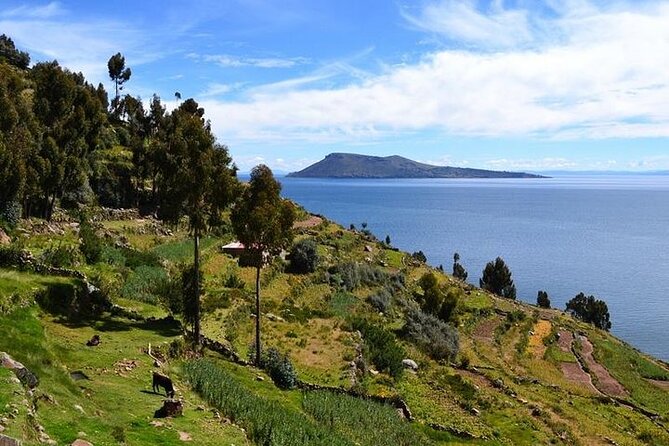
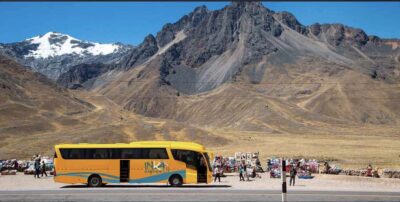
This tour starts with a night ride that’s meant to do two things: get you from Cusco to Puno without stress, and help you arrive ready for the lake day. The Peru Hop bus departs at 9:30 pm and typically lands in Puno around 6:00 am. It’s not just transportation. It’s your first taste of the trip’s rhythm—early starts, boat crossings, and a schedule that stays tight.
Two details make a real difference here. First, you get Wi-Fi onboard (high-speed, and it’s only available through Peru Hop). Second, you’re not stuck guessing about bathroom breaks—there’s a restroom on board, plus air-conditioning. On long routes like this, those two perks keep you from feeling trapped.
That said, don’t ignore the human part of the route. The experience is long, and you’ll want to be the type of person who can sleep on buses when needed. One review even points out that bumpy sections can wake you up—so pack patience (and earplugs if you like them).
Uros Floating Islands: more than a photo stop

After you arrive in Puno, pickup starts between 7:15 am and 8:15 am from a partner hostel, and then you’re transferred to the lake pier area to start the day. Around 8:15 am, you board a boat for the Uros Floating Islands for a guided tour of the floating reed islands.
What I like about this first stop is that it gives you context. Lake Titicaca is famous, but it’s easy to treat the Uros islands like a quick spectacle. With a guided visit built in, you get a clearer sense of how the reed islands work and why the place has become so well known.
One practical note: there’s an optional extra here. You may be offered a reed boat ride (Kontiki), which costs S/.10 soles. If you’re curious and the timing works for you, it’s an easy add-on. If you’d rather save energy, skip it and keep your focus on the main guided portion.
Amantani Island homestay: cultural time, shared meals, and real island routines
Now you reach the part this trip is built around: staying with a family on Amantani Island for the night. At about 10:30 am, you head out by boat toward the island, and the schedule then focuses on orientation, food, and community time.
From 1:30 pm, there’s a guided island visit where you learn traditional history and day-to-day culture from the community’s perspective. Then lunch happens in the family house, made from natural products. Around 3:00 pm, you take part in intercultural activities with your host family.
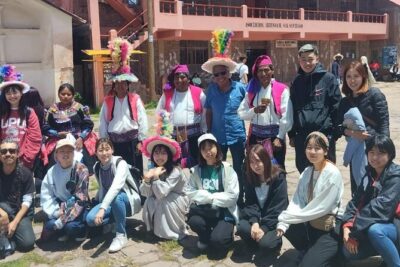
This is where the trip can feel truly meaningful, because you’re not only watching from the outside. You’re participating in ordinary rhythms: sitting down for meals, talking with people, and doing activities that connect you to how life works on the lake. Some experiences may include community dance in costume, and early-morning chores like helping with tasks such as cleaning quinoa are also possible depending on what your family is doing.
The evening includes a typical local dinner at 7:00 pm, and then you sleep on the island with your host family. Here’s the honest consideration: you should expect basic living conditions. One review specifically notes there’s no running water, even though the family still made sure the group felt comfortable and well fed. If you’re going to the lake for genuine connection, that trade-off usually feels worth it. If comfort is your top priority, it may feel like a tougher night.
The Pachatata sunset option
After the afternoon activities, you can choose whether to go for an approximately 1-hour hike up toward the Pachatata temple to watch the sunset. This is optional, so you can also choose to rest, chat, or just enjoy the slower pace around the homestay.
If you do hike, bring the mindset that it’s about the view and the walk, not speed. The payoff is a classic Lake Titicaca moment: sky shifting as the island lights change.
A last few Cusco tours and experiences to fold into the trip


Llachon Peninsula: rural community time plus breathing room
The next morning starts gently. You have time from 7:00 am to 8:00 am to eat breakfast with your host family. Then around 9:00 am, you board a boat to the Llachon Peninsula, a 1-hour ride.
On arrival, you get a block of time—10:00 am to 12:00 pm—to witness seasonal activities of the rural community. This is one of those stops that works well if you like seeing how daily life adapts with seasons. After that, you also get free time to enjoy one of the lake’s scenic rural areas.
At 12:00 pm, lunch is included. Then you’ll have additional time at Llachon before heading back later. One review calls out that the Llachon lunch felt tasty, which is a good sign for anyone worried that meals might be repetitive or purely basic.
This day is also a nice pacing switch. After the intensity of the homestay night, Llachon gives you structure plus space—enough to wander a bit, take photos, and feel the contrast between community activities and quiet lake moments.
Back to Puno and to Cusco: free time before the overnight wheels turn again
At 1:30 pm, you catch the boat back to Puno, arriving around 4:00 pm. From there, you get free time in Puno until about 9:00 pm, when the Peru Hop bus departs back to Cusco.
This part matters more than it sounds. You’re not rushed immediately into another long transfer at the moment you step off boats. You get time to stretch, grab a snack, and reset your energy.
A key detail: dinner in Puno on the way back is not included, so you’ll want to plan for your own meal during that free window. Breakfast upon arrival in Puno is also listed as optional and not included, so if you arrive hungry around 6:00 am, you might need to buy something locally or eat later when the tour begins.
Then the final travel leg kicks in. The bus takes you back toward Cusco and you typically arrive around 5:00 am. To reduce the headache of early arrivals, taxis to your accommodation are covered as long as your hotel is near the city center.
Price and value: what you’re paying for (and what to budget)
At $109 per person, this is priced like a hybrid of transport + island experience—not like a basic day trip. The value comes from the fact that you’re not just visiting Lake Titicaca’s big names. You’re also paying for:
- Accommodation with a local family on Amantani
- Guided tour of Amantani Island
- Boat transfers across the islands
- Dinner and two included lunches
- Bilingual guide
- Peru Hop bus perks: air-conditioned comfort, restroom onboard, and high-speed Wi-Fi
That’s the core package. The extras are clearly marked. If you add the optional Kontiki reed boat ride in Uros, plan for S/.10 soles. If you want meals in Puno at the end of the lake day, also plan your own budget since that dinner isn’t included.
One more practical point: this route is popular. It’s commonly booked about 33 days in advance on average. If your dates are fixed, I’d rather book early than hope for luck.
The guide factor: when logistics go right, you feel it
A good itinerary can still fall apart if connections aren’t handled. One reason people praise this experience is that guides show up ready to manage the moving parts. Names you may hear include Julio Caesar (bus guide noted for smooth, professional care) and José Carlos (praised for staying with the group and helping keep connections on track, even when paperwork issues pop up).
You might also travel with guides such as Miguel and Andreas, and on some departures you could meet Raúl, Franco, or Johann. The consistent theme is simple: they explain what’s happening, keep you safe, and make sure the bus-to-boat-to-bus rhythm doesn’t leave you stranded.
This is especially useful on a route like this, where pickup times are specific and boat schedules are not flexible.
Who should book this homestay trip from Cusco
This tour fits best if you want Lake Titicaca as a lived experience, not just a checklist. You’ll enjoy it most if you’re comfortable with basic homestay conditions and you like talking with people rather than staying in observer mode.
It’s also a good match if you prefer a structure that handles the hard parts. With a max group size of 40, guided segments, and clear timing, you’re less likely to feel lost.
Consider skipping it if:
- You need lots of comfort amenities (because Amantani has limited basics, including no running water).
- You’re very sensitive to long travel and early starts (you’ll do an overnight bus and long days with multiple transfers).
Should you book this Cusco-to-Lake Titicaca route?
Yes—if you want the kind of Lake Titicaca experience that actually changes your travel day-to-day. The Amantani homestay, paired with Uros and rural Llachon time, gives you a mix that’s hard to recreate on your own without extra planning.
I’d book it if you also value transport support: Peru Hop’s Wi-Fi, restroom, and air-conditioned ride make the logistics easier. And if you’re traveling solo, this kind of organized flow can take the edge off.
If your idea of the perfect trip is comfort-first, daytime-only, and minimal schedule pressure, then you might feel the “real life” edge of an island homestay. But for most people going for culture and connection, the trade-off is the point.
FAQ
How long is the Cusco to Lake Titicaca homestay tour?
The whole experience runs about 4 days. It includes the overnight bus transfer plus about two main days on the lake, including one night staying with a local family on Amantani.
What time does the bus leave Cusco and when do you reach Puno?
The Peru Hop bus leaves Cusco at 9:30 pm and arrives in Puno around 6:00 am.
How do you get from Puno to the tour start?
After arriving, you’re picked up from the partner hostel between 7:15 am and 8:15 am to start the lake part of the tour.
Is accommodation with a local family included?
Yes. You’ll stay overnight with a local family on Amantani Island, and that accommodation is included.
What meals are included, and what should I plan to pay for?
The tour includes dinner and two lunches. Breakfast upon arrival to Puno is optional and not included, and dinner in Puno after returning is also not included.
Is the Uros reed boat ride included?
No. The Kontiki reed boat ride in Uros is optional and costs S/.10 soles.
Is Wi-Fi available during the trip?
Yes, high-speed onboard Wi-Fi is available on the Peru Hop bus, but it’s only available through Peru Hop.
How large is the group?
This tour can have a maximum of 40 travelers.
More 2-Day Experiences in Cusco




More Tour Reviews in Cusco






On to Lake Titicaca






Recent write-ups from around Cusco, just off the trail
- Cuzco: Rainbow Mountain Excursion
★ 5.0 · 3 reviews - 1 day excursion to Qeswachaka bridge and the 4 lagoons
★ 3.6 · 3 reviews - Waqrapukara 1 day trekking + meals
★ 3.9 · 3 reviews - Valle Sur Cusco | half day
★ 4.3 · 3 reviews - Full-Day Condor Viewpoint & Inca Sites Tour
★ 5.0 · 3 reviews
Lake Titicaca & Puno, compared.
 ★ 4.8Scenic Route of the Sun to Puno with Buffet LunchFrom $44101 reviews
 ★ 4.5Full Day Lake Titicaca Tour from CuscoFrom $8691 reviews
 ★ 4.4From Cusco: 2-Day Lake Titicaca TourFrom $25974 reviews
 ★ 3.9From Cusco: Titicaca Lake – Full day tour with sleeper busFrom $11972 reviews
 ★ 3.7From Cusco: 2-Night Lake Titicaca ExcursionFrom $8662 reviews
 ★ 4.5Titicaca Lake 2 Day 1 Night from Cusco to PunoFrom $26933 reviews
 ★ 3.7From Cusco: Lake Titicaca, Uros and Amantani by sleeper busFrom $9024 reviews
 ★ 4.3From Cusco: 3-Night Lake Titicaca ExcursionFrom $10917 reviews
Browse the lists this tour appears in