
REVIEW · 1-DAY TOURS
Ayahuasca Ceremony 1 Day in Cusco
San Pedro shifts your Cusco rhythm fast. I like the San Pedro Wachuma focus (steady, structured, and not a chaotic mix) and the calm idea that the effects are subtle and you don’t lose consciousness, typically through midnight. I also like the small group size (up to 10) and the simple hotel-to-retreat pickup, with the ceremony setting about 15 minutes from Cusco. The main drawback is the strict prep diet and the quiet, no-alcohol rules—this is healing work, not a casual night out.
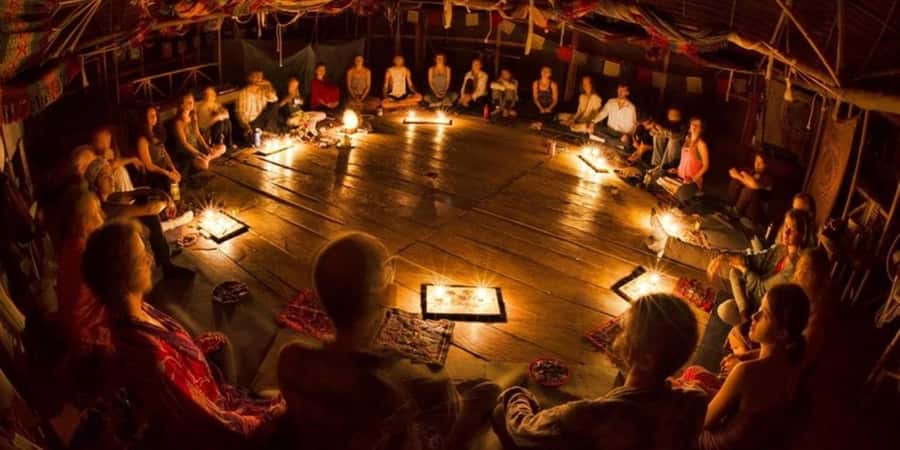
Maestro Luis leads the circle, with support from his wife. The ceremony begins with fire lighting, followed by energetic cleansing using black tobacco and flowered water, then meditation and ancestral music to help you settle into the medicine.
In This Review
- Key things that make this Cusco San Pedro retreat feel different
- San Pedro Wachuma in Cusco: what medicine you’re actually taking
- Getting to the ritual: Cusco pickup and the “remote, but not far” setting
- The ceremony flow: fire, black tobacco cleansing, and steady effects to midnight
- Connect–Heal–Release: what “energetic work” means in this setting
- Pisac add-ons before the night: guided walk, tea ceremony, and a rustic stay
- Diet and sobriety rules: the real make-or-break prep
- What to pack for Cusco comfort: warm layers, sleeping bag, gloves, and cash
- Price and value: is $380 fair for what’s included?
- Who should book—and who should skip this Wachuma ceremony
- Quick practical rules that keep the night smooth
- Should you book this Cusco San Pedro (Wachuma) ceremony?
- FAQ
- What medicine is used in the Cusco ceremony?
- How long do the effects last?
- Where is the ceremony held relative to Cusco?
- How big is the group?
- What’s included in the price?
- What should I bring?
- Who should not participate?
- What diet is recommended before the ceremony?
Key things that make this Cusco San Pedro retreat feel different
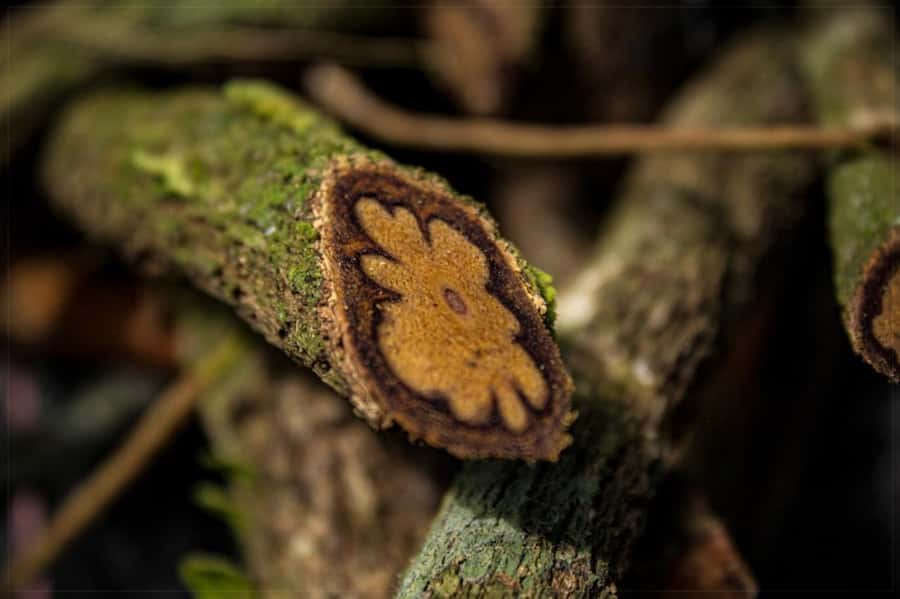
- San Pedro (Wachuma) is the medicine discussed here, tied to a mescaline experience, with effects described as subtle and lasting 5–7 hours.
- Fire-opening + energetic cleansing uses black tobacco and flowery water to start the session.
- The stated theme is Connect, Heal, Release, shaped through meditation and work with the 4 elements (earth, fire, air, water).
- Close to Cusco, but remote enough: the ceremony is about 15 minutes from the city, in a more natural setting.
- Small group care: limited to 10 participants, in English or Spanish, with included meditation and ancestral music.
More Andean ceremony and plant-medicine retreats
- Excursion to Ausangate & 7 lakes with Coca Ceremony |Private|★ 5.0 · 80 reviews
San Pedro Wachuma in Cusco: what medicine you’re actually taking
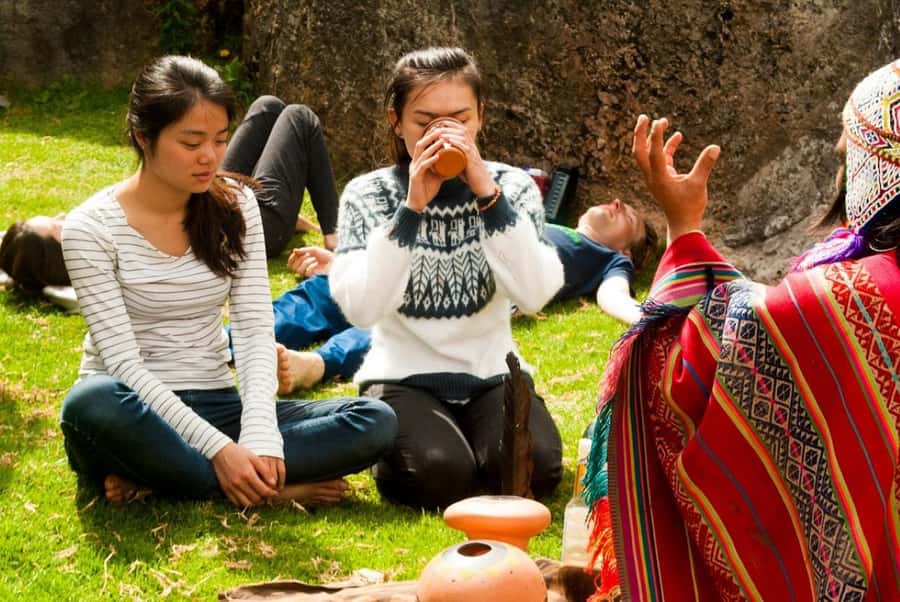
First, clear up the name confusion. This experience is built around the San Pedro (Wachuma) cactus, which is described as a hallucinogenic cactus and connected to a mescaline invitation. So even if you see the word ayahuasca in the title, the key point for your expectations is the cactus medicine they specify here.
That matters because it shapes the whole vibe of the night. The effects are described as starting after about 1 hour, staying subtle rather than overwhelming, and continuing for 5–7 hours until midnight, with no complete loss of consciousness. If you’re looking for something less about dramatic “visions at all costs” and more about a quiet internal process, this is the right lane.
Getting to the ritual: Cusco pickup and the “remote, but not far” setting
Logistics here are designed to keep you calm. You’ll get private round-trip transportation, and the pickup options cover a lot of central Cusco areas (Plaza de Armas, Avenida El Sol, San Blas, plus several others). The ceremony location is described as very close to Cusco, around 15 minutes away, but still natural and remote enough to feel like you left city life behind.
The group stays small—up to 10 participants—which usually means you aren’t lost in a crowd. Also, the instructor support is listed as English and Spanish, so you’re not stuck guessing what’s happening during the opening work or meditation.
One practical note: the overall flow is partly tied to the Pisac area (included transportation is Cusco–Pisac, and Pisac stops are listed). So you should expect a day that blends Cusco pickup with time out of the city, rather than a pure “drive five minutes, ceremony, done” setup.
The ceremony flow: fire, black tobacco cleansing, and steady effects to midnight
The arc of the night is fairly specific, and that’s one reason it can feel grounded.
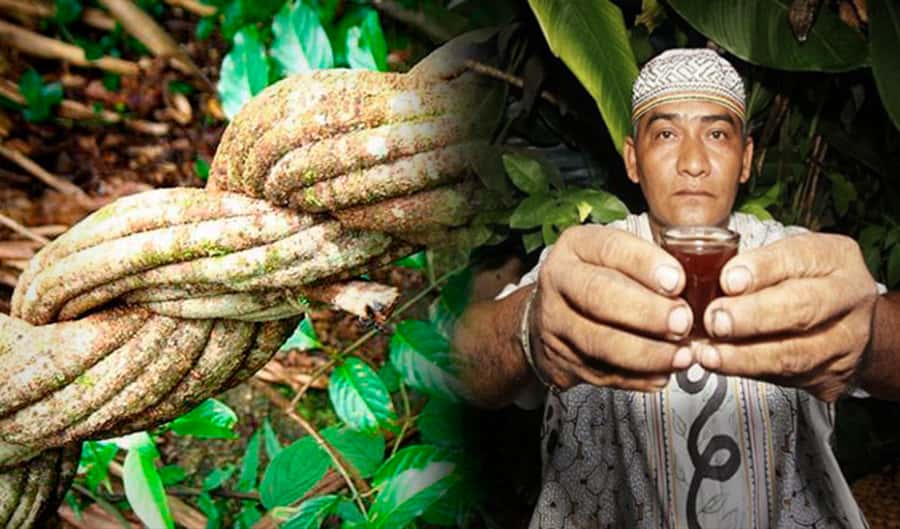
It starts with the lighting of the fire, then an energetic cleansing using black tobacco and flowery water. From there, you prepare with a small meditation before drinking the ancestral medicine, Wachuma. The pacing matters: they mention about 1 hour until you experience altered states, and the description emphasizes subtle changes—like how you perceive air and the environment—rather than going fully unconscious.
Then the ceremony moves into a shamanic space-opening. The meditation is guided, and it’s framed as merging with the shamanic ancestral presence. Fire and ancestral music are part of the holding rhythm, and the effects are described as lasting until around midnight.
A key detail I’d circle: they say consciousness isn’t lost at any time. That doesn’t mean it’s “easy” or “nothing,” but it does suggest a more steady, watchful approach than some experiences that can feel chaotic.
Connect–Heal–Release: what “energetic work” means in this setting
This retreat isn’t just about taking medicine and seeing what happens. The guidance is built around an energetic process with a theme: Connect – Heal – Release.
Here’s what that looks like using the details they provide:
- Integration through meditation: the meditation induced by the cactus is described as spontaneous and natural, merging with the nature of the place and the shamanic process.
- The 4 elements are part of the work: they include energetic cleansing related to earth, fire, air, and water.
- A focus on physical-emotional release: the medicinal properties are described as integrated into the shamanic process, felt mostly in the physical-emotional body.
- A goal of unification and inner peace: the ceremony is framed as a feeling of integration—pausing the daily habit of creating and recreating thoughts.
If that sounds poetic, fine. But the practical takeaway for you is that the ceremony structure is meant to give you something to hold onto: opening the sacred space, guided meditation, music, and a clear intention. That’s the difference between “randomly altered” and “purposeful altered.”
A last few Cusco tours and experiences to fold into the trip
Pisac add-ons before the night: guided walk, tea ceremony, and a rustic stay
The experience includes a Pisac component, not just the ceremony itself. The plan includes a guided tour and walking time in Pisac, plus a tea ceremony. The purpose of the tea ceremony isn’t described in detail, but it’s included as part of the day’s preparation rhythm.
You also get 1 night of rustic lodging and a natural breakfast. So even though the medicine night is the headline, you’re not bouncing out immediately. Plan for a short reset day-night cycle, with the ceremony being the center.
One more thing to watch: the duration is listed as 7 hours, but the broader plan mentions an overnight and sunrise in the Pisac area. That doesn’t automatically mean a problem, but it does suggest your actual timeline may run longer than the headline number, so double-check the day’s full schedule when you book.
Diet and sobriety rules: the real make-or-break prep
This is the part where most people quietly lose the benefits. The retreat is explicit: you need a diet starting at least 1 day before.
The guidance they give:
- Avoid eating meat of any kind.
- Ideally skip dinner the night before, sticking to fruit and plenty of water and tea/hot tea without sugar.
- Avoid alcohol and other substances, plus strong drinks.
- For better reception, eat this diet 3 days in advance.
- Rest the day before the ceremony to avoid movements that cause physical fatigue.
Why I treat this as critical: the ceremony includes meditation and digestion support as part of the overall process. They specifically connect a better digestion to a better personal experience. If you ignore the diet, you’re not just “breaking a rule”—you’re likely making it harder for your body to settle.
On the other side, after the ceremony you can eat again. They recommend fruit and water before the return to lodging.
What to pack for Cusco comfort: warm layers, sleeping bag, gloves, and cash
Cusco nights can bite, and the lodging is described as rustic, so dressing for comfort isn’t optional.
Bring:
- Warm clothing
- Change of clothes
- Gloves
- Scarf
- Comfortable clothes
- Socks
- Sleeping bag
- Daypack
- Camera
- Cash
- Water (important: water is not listed as included)
I’d also think about your hands and feet. The list includes gloves and socks, which often means the setting gets cold enough that you’ll want warmth while sitting through meditation and music.
Price and value: is $380 fair for what’s included?
The price is $380 per group for up to 1 participant as listed, and the inclusions are fairly practical. You’re paying for:
- Private transportation round trip (Cusco–Pisac)
- The San Pedro Wachuma ceremony
- The Wachuma drink
- 1 night of rustic lodging
- Natural breakfast
- Energetic cleansing work tied to the 4 elements
- Ancestral music with traditional instruments
- Meditation
What’s not included is also clear: water, travel insurance, and personal equipment. Phone calls and other services aren’t included either.
So is it good value? For this kind of structured, guided ceremony with transportation, lodging, and support, the cost makes sense on paper—especially because the group is capped at 10 and the session is led by named guidance (Maestro Luis is referenced in the experience notes). If you’re the type who wants real structure—pickup, cleansing, music, meditation—this price is closer to “access to a whole container” than to a simple activity.
Who should book—and who should skip this Wachuma ceremony
This isn’t marketed as a kids event, and the restrictions are firm.
Not suitable for:
- Children under 9
- Pregnant women
- People with pre-existing medical conditions
They also require you to avoid intoxication and don’t allow alcohol or drugs during the experience. Smoking indoors and in the vehicle is also listed as not allowed, and drinks and alcohol in the vehicle are not allowed either.
If you want a structured healing-retreat style evening—Connect, Heal, Release—with energetic cleaning, music, and guided meditation, this fits well. If you’re hoping to treat it like a fun night you can “wing,” the rules and prep diet will likely feel intense.
Quick practical rules that keep the night smooth
A few do’s and don’ts matter more than they sound:
- No intoxication and no alcohol/drugs
- No smoking indoors and no smoking in the vehicle
- No alcohol in the vehicle
- Don’t bring weapons or sharp objects
- Pets aren’t allowed (service dogs are allowed)
- Bring a change of clothes and warm gear—you’ll be outdoors or sitting for stretches
These aren’t here to be fussy. They’re there to protect the ceremony environment and keep everyone focused on the intended process.
Should you book this Cusco San Pedro (Wachuma) ceremony?
I’d book if you want a purpose-built San Pedro ceremony near Cusco: small group size, guided cleansing (fire, black tobacco, flowered water), ancestral music, and meditation with a clear intention of Connect–Heal–Release. The biggest plus is the way the experience is set up to keep you steady—effects described as subtle and lasting until midnight, with consciousness intact.
I’d think twice if you can’t follow the diet and the quiet sobriety rules. This retreat demands real prep. Also, if you’re in the restricted categories (pregnant, under 9, or with pre-existing medical conditions), it’s not for you.
If you’re comfortable treating it like healing work—bring warm layers, pack your sleeping bag, and commit to the diet—you’ll likely find this is a grounded way to experience Wachuma near Cusco.
FAQ
What medicine is used in the Cusco ceremony?
The ceremony uses San Pedro (Wachuma) cactus, which is described as hallucinogenic and connected to mescaline.
How long do the effects last?
They describe altered states beginning after about 1 hour, with effects lasting about 5 to 7 hours, until around midnight.
Where is the ceremony held relative to Cusco?
The ceremony takes place in a natural and remote place about 15 minutes from Cusco.
How big is the group?
The group is a small group limited to 10 participants.
What’s included in the price?
Included are private round-trip transportation (Cusco–Pisac), the San Pedro Wachuma ceremony, the Wachuma drink, 1 night of rustic lodging, natural breakfast, energetic cleaning work related to earth, fire, air, and water, ancestral music, and meditation.
What should I bring?
Bring warm clothing, a change of clothes, camera, water, comfortable clothes, gloves, sleeping bag, socks, cash, a scarf, and a daypack.
Who should not participate?
It’s not suitable for children under 9, pregnant women, or people with pre-existing medical conditions.
What diet is recommended before the ceremony?
You should make a diet at least 1 day before, avoiding meat and ideally not having dinner the night before (fruit and water, plus unsweetened tea). They also advise a diet 3 days in advance for better reception, avoiding alcohol and other substances, and resting the day before.
More 1-Day Tours in Cusco
More Tour Reviews in Cusco
More Andean Ceremonies
Recent write-ups from around Cusco, just off the trail
- Cuzco: Rainbow Mountain Excursion
★ 5.0 · 3 reviews - 1 day excursion to Qeswachaka bridge and the 4 lagoons
★ 3.6 · 3 reviews - Waqrapukara 1 day trekking + meals
★ 3.9 · 3 reviews - Valle Sur Cusco | half day
★ 4.3 · 3 reviews - Full-Day Condor Viewpoint & Inca Sites Tour
★ 5.0 · 3 reviews
1-Day Tours, compared.
 ★ 4.5Machu Picchu Day Trip from CuscoFrom $3361,644 reviews
 ★ 4.6From Cusco: 2-Day Trip to the Sacred Valley and Machu PicchuFrom $370265 reviews
 ★ 4.6From Cusco: 1-day Machu Picchu Tour by TrainFrom $360138 reviews
 ★ 5.0Machupicchu 1 day tourFrom $353128 reviews
 ★ 5.0Machu Picchu full day trip from CuscoFrom $490102 reviews
 ★ 5.0Machu Picchu in 1 Day from CuscoFrom $44398 reviews
 ★ 5.0Machu Picchu Day Trip from CuzcoFrom $38076 reviews
 ★ 5.0Rafting & Zip line Urubamba River 1 DayFrom $7975 reviews
Browse the lists this tour appears in