
REVIEW · MACHU PICCHU TOURS & TICKETS
Cusco : Sacred Valley & Inca Trail to Machu Picchu 3 days
Stone steps, not buses, get you to Machu Picchu. This 3-day Cusco trip strings together Sacred Valley highlights, the Short Inca Trail from Km 104, and two guided visits to Machu Picchu, including sunrise.
I love the guided Sacred Valley day, especially Pisac’s terraces and Inca features plus the salt flats of Salinas de Maras, where local families harvest salt by hand. I also love the way Machu Picchu is handled: a guided walk inside the Historic Sanctuary with Circuits 1 & 3, and then an early start so you can see the citadel before the biggest rush.
One real consideration is that logistics and lodging can be inconsistent, even when the itinerary looks polished on paper. If comfort matters, I’d confirm the specific hotels used in Ollantaytambo/Aguas Calientes and don’t rely on last-minute details arriving perfectly.
In This Review
- Key things to know before you go
- Sacred Valley and the Short Inca Trail in three days
- Day 1 Cusco to Ollantaytambo: Pisac, Moray, Maras, and the salt flats
- Manos de la Comunidad: alpaca and vicuña basics
- Mirador Taray: quick viewpoint, big valley feel
- Pisac Archaeological Park: terraces, tunnels, and strategic placement
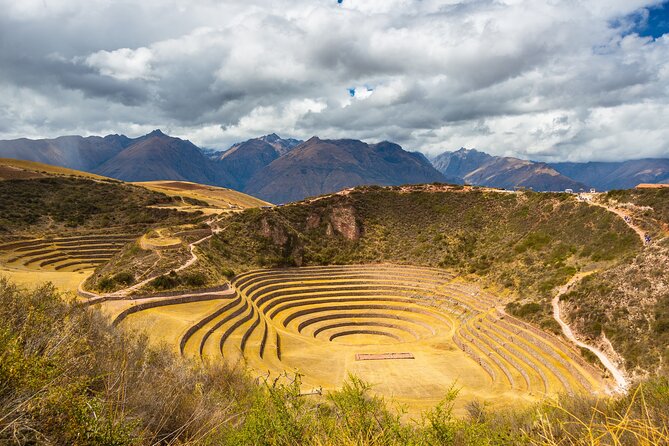
- Moray: the Inca agricultural lab you can still read
- Salinas de Maras: salt ponds still worked by hand
- Ollantaytambo: end the day in a living Inca town
- Day 2 Short Inca Trail from Km 104: registration, bridges, and Sun Gate
- Km 104 Station: registration and a real start line
- Chachabamba: sacred water and stone channels
- Wiñay Wayna: the “you’re getting close” site
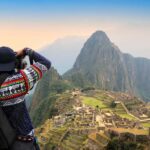
- Sun Gate: the first big Machu Picchu view
- Machu Picchu afternoon circuit: golden light with fewer visitors
- Shuttle down to Aguas Calientes and dinner
- Day 3 sunrise Machu Picchu plus Vistadome back to Cusco
- Sunrise entry: calm first, crowds later
- Back to town for lunch
- Vistadome panoramic train: comfort ride through the Andes
- Price and what $817 covers (and what you should check)
- Guides can make or break the trip: Miguel and Edwar’s role
- Comfort and real-world logistics: where this tour can wobble
- Who this trip fits best (and who should reconsider)
- Should you book this Cusco Sacred Valley + Inca Trail combo?
- FAQ
- What time does the tour start?
- How long is the experience?
- What size is the group?
- Is this the full Inca Trail or the Short Inca Trail?
- When do you visit Machu Picchu?
- What Machu Picchu entrances are included?
- Are Machu Picchu Mountain or Waynapicchu tickets included?
- What meals are included?
- What trains are included?
- What kind of fitness level do I need?
Key things to know before you go
- Pisac + Moray + Maras in one packed Sacred Valley day, with guided context for each site
- Short Inca Trail from Km 104, including Chachabamba, Wiñay Wayna, and the Sun Gate entrance viewpoint
- Two Machu Picchu moments: one afternoon for photos and one sunrise entry with a guided 2–3 hour walk
- Train comfort added to the trekking: expedition to Km 104 and Vistadome back toward Ollantaytambo
- Small group size (max 16) helps with pacing and getting answers on the ground
- Weather and communication matter, because this trip relies on timed entrances and shared updates
Other ways up to Machu Picchu, reviewed
- From Cusco: Full-Day Group Tour of Machu Picchu★ 4.7 · 1,767 reviews
- Machu Picchu Day Trip from Cusco★ 4.5 · 1,644 reviews
- Machu Picchu: Full-Day Tour from Cusco with Optional Lunch★ 4.6 · 927 reviews
- Cusco: 4-Day Inca Trail to Machu Picchu with Accommodation★ 4.8 · 432 reviews
Sacred Valley and the Short Inca Trail in three days
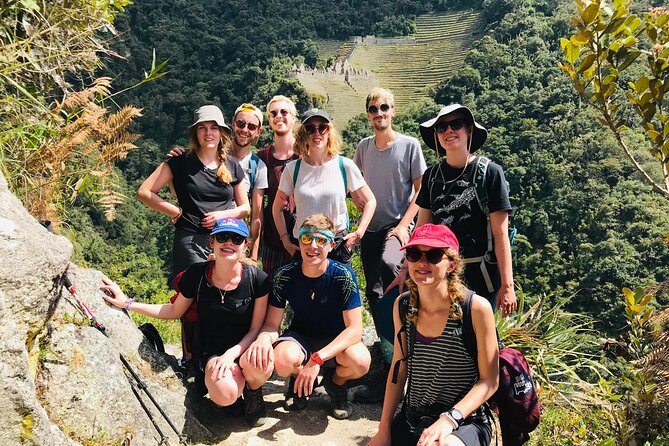
This tour is built for people who want the classic Sacred Valley sights and the Inca Trail experience, but not the full multi-day trek. Day 1 is about orientation and awe: you move through the Urubamba Valley region, stopping at major cultural sites and viewpoints. Then Day 2 turns active with the trek from Km 104 up toward Machu Picchu’s Sun Gate.
Day 3 keeps the momentum with an early Machu Picchu bus ride, so you’re not stuck there with the late-day crowds. The big payoff is that you get both the hiking story and the site story, rather than just one or the other.
Day 1 Cusco to Ollantaytambo: Pisac, Moray, Maras, and the salt flats
Day 1 starts with hotel pickup in Cusco around 7:00 a.m. From there, you head out into the Sacred Valley with scenic drives and frequent stops. The way the day is arranged helps you adjust to altitude and pace without exhausting yourself too early.
Manos de la Comunidad: alpaca and vicuña basics
Your first major stop is an alpaca center (Manos de la Comunidad). It’s not just a cute animal break. You’ll learn how Andean communities use wool from llamas, alpacas, and vicuñas—knowledge that makes later stops feel less like sightseeing and more like a living culture.
You can expect to spend about an hour here. It’s a good reset before the archaeological day starts.
Mirador Taray: quick viewpoint, big valley feel
Mirador Taray is brief—about 20 minutes. But it matters because it gives you context: the Sacred Valley isn’t flat. It’s cut by the Urubamba River, and you’ll feel that shape again and again as you travel.
More Inca Trail departures we have walked through
Pisac Archaeological Park: terraces, tunnels, and strategic placement
Pisac is one of the highlights and it’s easy to see why. You’ll explore an Inca site known for hillside terraces, ceremonial structures, and even Inca tunnels. The terraces aren’t just pretty steps. They show how the Incas engineered farming and controlled water on steep slopes.
You’ll have about an hour here, plus sweeping views over the valley. The short timing can feel quick if you love to linger, but it also keeps the day moving so you can hit Moray and Maras without rushing.
Moray: the Inca agricultural lab you can still read
After lunch, the itinerary takes you to Moray, where you’ll see circular terraces designed for crop experimentation. The fascination here is that you’re looking at a science idea from centuries ago. Even if you don’t know the details, you can still understand the logic from the shape and how the terraces differ.
Plan on roughly two hours, which gives you time to wrap your head around the site rather than just pass by it.
Salinas de Maras: salt ponds still worked by hand
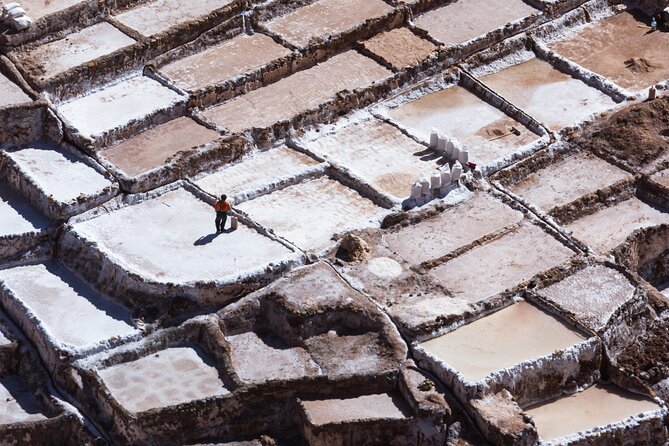
Next come the Salineras de Maras, the patchwork of salt ponds. This isn’t a museum stop. Local families continue harvesting salt by hand using methods passed down through generations.
Your time here is about an hour, and it’s long enough to take photos and watch the scale of the operation. If you like “how people live” more than only “what people built,” this is a great stop.
Ollantaytambo: end the day in a living Inca town
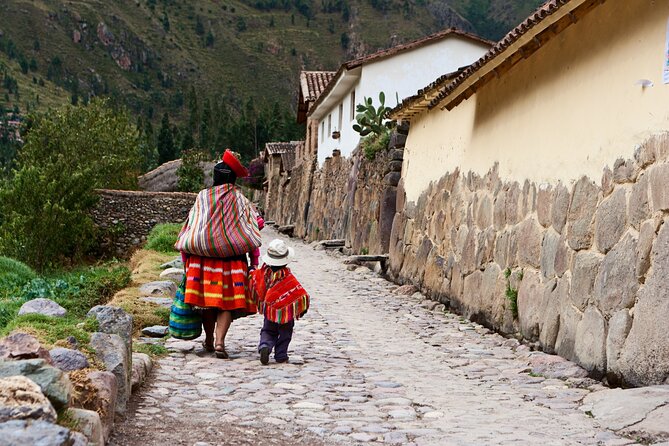
You’ll finish with a guided visit to Ollantaytambo, where narrow streets and stone features remain from the 15th century. It’s one of those places where you don’t just view ruins—you walk through a real town that still carries the Inca footprint.
You’ll spend the night in Ollantaytambo, which sets you up perfectly for the next day’s train.
Day 2 Short Inca Trail from Km 104: registration, bridges, and Sun Gate
Day 2 starts with a quick drive to the train station, about 10 minutes from your hotel. Then you take the train along the Urubamba River, with scenery shifting as you head toward higher, greener terrain.
Km 104 Station: registration and a real start line
At Km 104 Station, you disembark for registration and a hearty breakfast. After that, you cross a suspension bridge over the Urubamba River and pass through the checkpoint to begin the Short Inca Trail.
That bridge moment helps you understand the physical change you’re about to make. You go from train comfort to foot power fast, so it’s smart to treat the breakfast as fuel, not just a meal.
Chachabamba: sacred water and stone channels
Your first trail stop is Chachabamba, a ceremonial site tied to sacred water. You’ll see carved stone features and water channels that show how engineering and ritual overlapped in Inca planning.
This is a relatively short stop—about 40 minutes—so keep moving with the group and save your extra questions for your guide.
Wiñay Wayna: the “you’re getting close” site
The hike continues through lush mountain vegetation toward Wiñay Wayna. When you arrive, you’ll see temples, aqueducts, agricultural terraces, and waterfalls. This is the kind of place where you start to understand why people feel emotional about the Inca Trail experience: it feels designed to gradually reveal meaning.
Here you’ll also enjoy a freshly prepared picnic lunch crafted by your trekking chefs. That detail matters on a trek—real food at the right moment beats scavenging later.
The trek segment to Wiñay Wayna totals about three hours including that arrival time.
Sun Gate: the first big Machu Picchu view
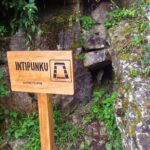
After Wiñay Wayna, you walk a more gentle trail to the Sun Gate. This is the original entrance view, and it’s where Machu Picchu starts to show up in your mind, not just on signs.
Expect about one hour for this section. Even if you’re not a sunrise person, the timing is still impressive, because you’re building toward the citadel in a very Inca way.
Machu Picchu afternoon circuit: golden light with fewer visitors
From there, you head down into the upper terraces of Machu Picchu for photos in afternoon light. You’ll spend about one hour walking this area with included entry to the site.
If you’re doing Machu Picchu twice (you are), this “second look” approach is smart. The afternoon visit is for photos and orientation; the next morning visit is for deeper meaning.
Shuttle down to Aguas Calientes and dinner
As evening approaches, you take the shuttle bus to Aguas Calientes. You’ll have dinner in a local restaurant and sleep overnight in a comfortable 3-star hotel.
It’s worth keeping your energy for this night. Day 3 starts early, and you don’t want to waste it with a restless hotel night or an over-full dinner.
Day 3 sunrise Machu Picchu plus Vistadome back to Cusco
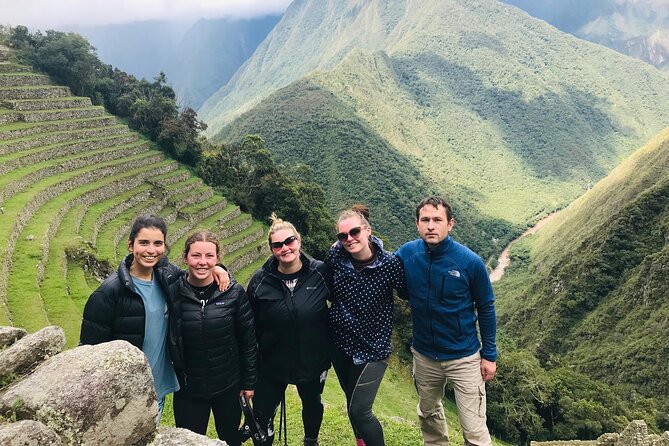
Day 3 starts with an early breakfast in Aguas Calientes, then an early bus ride up to Machu Picchu. The goal is arrival before sunrise, so you get the quiet moment at the top.
Sunrise entry: calm first, crowds later
You’ll enter the Historic Sanctuary at sunrise and join your expert guide for a 2–3 hour walking tour. This is where you focus on the major parts: temples, ceremonial plazas, and the iconic terraces carved into the mountain.
The big value of this timing is simple: it helps you see Machu Picchu as a place, not a checklist. Even a fast visitor will notice the difference when you walk it before most people are awake.
Back to town for lunch
After your guided time, you return to Aguas Calientes by bus. You can relax and enjoy lunch at your leisure, and the itinerary gives you around two hours to reset.
Vistadome panoramic train: comfort ride through the Andes
In the afternoon, you board the Vistadome panoramic train back toward Ollantaytambo. The large windows make the ride pleasant, and it’s a nice contrast after a full morning walking.
After the train, a private transfer brings you back to your Cusco hotel.
Price and what $817 covers (and what you should check)
At $817 per person, this isn’t a bargain tour. But it’s also not just a “tickets and buses” package. You’re paying for a lot of friction-removal: guided tours, entry fees for multiple sites, train transportation to and from the trail starting point, and two Machu Picchu entries.
The included items are substantial:
- entrance tickets for Moray, Maras, and Ollantaytambo
- entrance for the Inca Trail (Short Inca Trail) and Machu Picchu Circuits 1 & 3
- train to Km 104 and the Vistadome ride back
- 3 bus tickets inside the Machu Picchu complex
- guided tours across the 3 days
- 2 hotel nights (one 2-star, one 3-star), plus 2 breakfasts and 2 lunches, and dinner
If you’re the type who hates logistics, this cost can make sense. If you’re comfortable building your own train schedules and you don’t need guided entry tours, you could potentially spend less DIY. But for most people, the value is in the reduced planning stress during a permit-heavy trip.
Guides can make or break the trip: Miguel and Edwar’s role
A huge strength here is how guidance is handled. In particular, names like Miguel and Edwar show up as part of the Machu Picchu guiding team. The helpful part isn’t just facts—it’s group management.
In real-world situations like heavy rain or when someone struggles with walking pace, a good guide can adjust the plan and get people back together without panic. On a trek and a timed-circuit site like Machu Picchu, that coordination matters more than you’d expect.
I’d also pay attention to the guide’s “why.” When your guide talks with real pride about the region’s heritage, it turns stops like Moray and Pisac into stories you can actually remember later.
Comfort and real-world logistics: where this tour can wobble
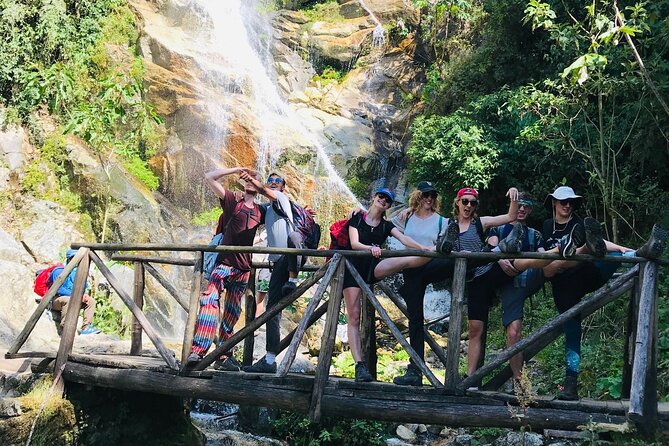
Here’s the honest bit: logistics and lodging quality can vary, even when the itinerary looks solid. Some departures have been associated with simpler lodging, and in at least one case, expectations about hotel category didn’t match reality.
If you’re sensitive to comfort, ask the operator what exact hotel you’ll use in Ollantaytambo and Aguas Calientes. Some people have referenced places like Tunupa Lodge in Ollantaytambo and Hotel Ferre in Aguas Calientes as examples of what “basic” can mean. If that sounds like your nightmare, plan accordingly.
Also, this trip relies on timed updates and correct contact info. Make sure your phone number and any WhatsApp-style contact details are copied correctly. Don’t assume the office always has the right information, even if you submitted it earlier.
One last item: optional extras. The itinerary doesn’t require Machu Picchu Mountain or Waynapicchu tickets, but if you want them, you must book ahead. If you don’t care, skip the headache and focus on Circuits 1 & 3.
Who this trip fits best (and who should reconsider)
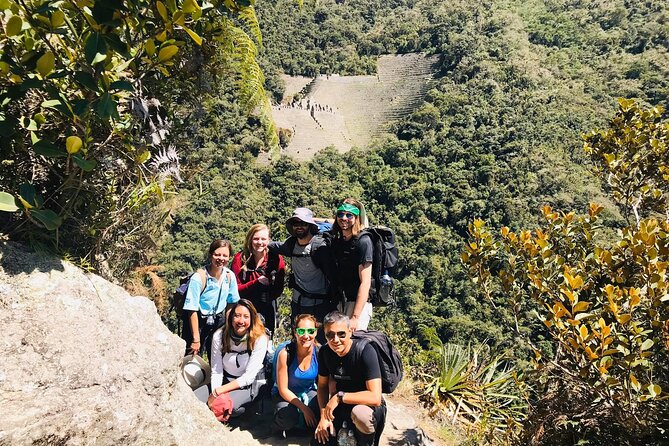
This works best for you if:
- you have moderate fitness and you want a trek with a clear payoff
- you like guided sites, not just self-guided wandering
- you want a structured way to do Sacred Valley plus Machu Picchu without coordinating multiple transport days
This might be a poor fit if:
- you expect hotel comfort to be consistent like a resort stay
- you hate tight timing around buses and timed entrances
- you need flexible changes on short notice, since weather can impact the schedule
For solo travelers, the max group size of 16 is a real plus. You get company and help without feeling like you’re trapped in a huge crowd.
Should you book this Cusco Sacred Valley + Inca Trail combo?
I’d book it if you want the best kind of “value tourism”: guided culture, real hiking, and two Machu Picchu entries timed for different goals. The combination of Sacred Valley engineering sites (Pisac and Moray), working traditions (Salinas de Maras), and the Short Inca Trail route is a smart way to experience Peru’s human story, not just its photo targets.
Before you pay, do three quick checks:
- Ask which exact hotels you’ll have in Ollantaytambo and Aguas Calientes.
- Confirm the Machu Picchu circuit plan is indeed Circuits 1 & 3 for your dates.
- If you care about Waynapicchu or Machu Picchu Mountain, plan that ahead; it’s not included as mandatory.
If those answers feel good, this is a strong, efficient itinerary. Just go in knowing that the adventure parts (trek + timed Machu Picchu days) are the main event, and the hotel details are the one area where you should stay alert.
FAQ
What time does the tour start?
Pickup in Cusco is around 7:00 a.m., and that’s when the day begins.
How long is the experience?
It’s approximately 3 days.
What size is the group?
The tour has a maximum of 16 travelers.
Is this the full Inca Trail or the Short Inca Trail?
This is the Short Inca Trail, starting from Km 104 and ending at the Sun Gate route toward Machu Picchu.
When do you visit Machu Picchu?
You visit Machu Picchu in the afternoon on Day 2, then again for a sunrise entry and guided walk on Day 3.
What Machu Picchu entrances are included?
The tour includes entry to Machu Picchu Circuits 1 & 3, plus bus tickets within the Machu Picchu complex.
Are Machu Picchu Mountain or Waynapicchu tickets included?
No. Those optional add-ons are not mandatory, and if you want them you must book ahead and tell the operator.
What meals are included?
Dinner is included, along with 2 breakfasts and 2 lunches. Optional meals not covered by the itinerary can be found in Aguas Calientes.
What trains are included?
You’ll take the expedition train to Km 104 and the Vistadome panoramic train on the return toward Ollantaytambo.
What kind of fitness level do I need?
The tour says you should have a moderate physical fitness level, since it includes trekking on the Short Inca Trail.
Deeper Into the Sacred Valley

Still Set on the Inca Trail?
Machu Picchu, More Ways In
Recent write-ups from around Cusco, just off the trail
- Cuzco: Rainbow Mountain Excursion
★ 5.0 · 3 reviews - 1 day excursion to Qeswachaka bridge and the 4 lagoons
★ 3.6 · 3 reviews - Waqrapukara 1 day trekking + meals
★ 3.9 · 3 reviews - Valle Sur Cusco | half day
★ 4.3 · 3 reviews - Full-Day Condor Viewpoint & Inca Sites Tour
★ 5.0 · 3 reviews
Machu Picchu Tours & Tickets, compared.
 ★ 4.7From Cusco: Full-Day Group Tour of Machu PicchuFrom $3211,767 reviews
 ★ 4.5Machu Picchu Day Trip from CuscoFrom $3361,644 reviews
 ★ 4.6Machu Picchu: Full-Day Tour from Cusco with Optional LunchFrom $283927 reviews
 ★ 4.84-Day Inca Trail to Machu Picchu with AccommodationFrom $470432 reviews
 ★ 4.6From Cusco: 2-Day Trip to the Sacred Valley and Machu PicchuFrom $370265 reviews
 ★ 4.9Machu Picchu 2-Day Inca Trail with Panoramic TrainFrom $582260 reviews
 ★ 4.2From Cusco: 2-Day Inca Trail to Machu PicchuFrom $290244 reviews
 ★ 4.9Machu Picchu: Inca Trail 2-Day Overnight Guided TourFrom $585203 reviews
Browse the lists this tour appears in