
REVIEW · CUSCO
From Cusco: Q’eswachaka Bridge & 4 Lagoons Full-Day Tour
Walking the Q’eswachaka Bridge is a shock of air and nerve. This full-day tour strings together the last Inca bridge crossing with long photo breaks at four lagoons, so you get both adrenaline and scenery without rushing. The morning is early and the bridge walk is genuinely intimidating, so plan for sweat, nerves, and careful footing.
The value here is in the pacing: private-van transfers, a breakfast stop en route, and a guided loop that gets you into the Canas area before the day crowds the road. One more practical note: the Q’eswachaka bridge entrance fee is not included, so budget extra cash for the final ticket.
In This Review
- Key highlights worth getting excited about
- A very early pickup that sets you up for better views
- Cusco to Combapata: breakfast, the Salcca River, and where the day warms up
- Yanaoca and the Q’eswachaka Bridge viewpoint: get your bearings before the swing
- Crossing the last Inca rope bridge: adrenaline, rope craft, and safety in your hands
- Optional add-on you may be offered
- Combapata lunch stop: convenient break, but manage expectations
- The four lagoons loop: Pampamarca, Asnacqoccha, Acopia, and Pomacanchi
- Transfers, duration, and how to pace your day like a pro
- What’s included (and what you’ll need to pay separately)
- Is the price ($49) good value?
- Who this tour is best for (and who should skip it)
- Packing checklist you can actually use
- How to get the most from your guide
- Should you book the Cusco: Q’eswachaka Bridge & 4 Lagoons tour?
Key highlights worth getting excited about
- Cross the Q’eswachaka rope bridge as the still-active link between communities
- See the four lagoons: Pampamarca, Asnacqoccha, Acopia, and Pomacanchi
- Birdwatching time at lagoon edges where flamingos and other birds feed and fly
- Scenic river and canyon drive along the Salcca River before reaching the Canas districts
- Safety basics included, including a first aid kit and oxygen balloon
- Long day with a structured plan, from early pickup to late afternoon return to Cusco
More of the Q'eswachaka rope-bridge country
- From Cusco: Q’eswachaka Bridge & 4 Lagoons Full-Day Tour★ 4.4 · 10 reviews
- Four Lagoons and Q`eswachaka bridge tour full day★ 4.3 · 7 reviews
- Queswachaka : Tour Inca bridge★ 3.3 · 3 reviews
A very early pickup that sets you up for better views
This is not a “sleep in Cusco” kind of day. Pickup is typically between 4:30 AM and 5:00 AM from your hotel, then you roll out in a private van. The reason the start time matters is simple: you want daylight for the bridge crossing and clear visibility for the lagoons. If you show up later in the day, the light can fade and you may lose the calm, steady rhythm you get when you arrive earlier.
You’re also going to feel the day’s length. The tour runs about 13 hours (750 minutes). That means your energy management matters. Eat what you can at breakfast, keep your water close, and accept that there’s a lot of sitting on the transfer days, punctuated by a few intense moments on your feet.
Cusco to Combapata: breakfast, the Salcca River, and where the day warms up
After pickup, your drive heads about two hours toward Combapata. You’ll stop there for a continental breakfast. It’s a straightforward meal, but the timing is smart: you need fuel before the bridge walk. This is also where you’ll start noticing the rhythm of the region—small roads, big sky, and those Andean river-and-valley views that look different every few minutes.
From there, the tour continues with about one more hour of driving, with views along the Salcca River, described as sacred to the Incas. You’re not being handed a lecture here for its own sake. Instead, you get the story as you pass through the geography that makes those stories make sense. If you’re into context—how people built life around water and routes—this stretch gives it to you without turning the day into a classroom.
Yanaoca and the Q’eswachaka Bridge viewpoint: get your bearings before the swing
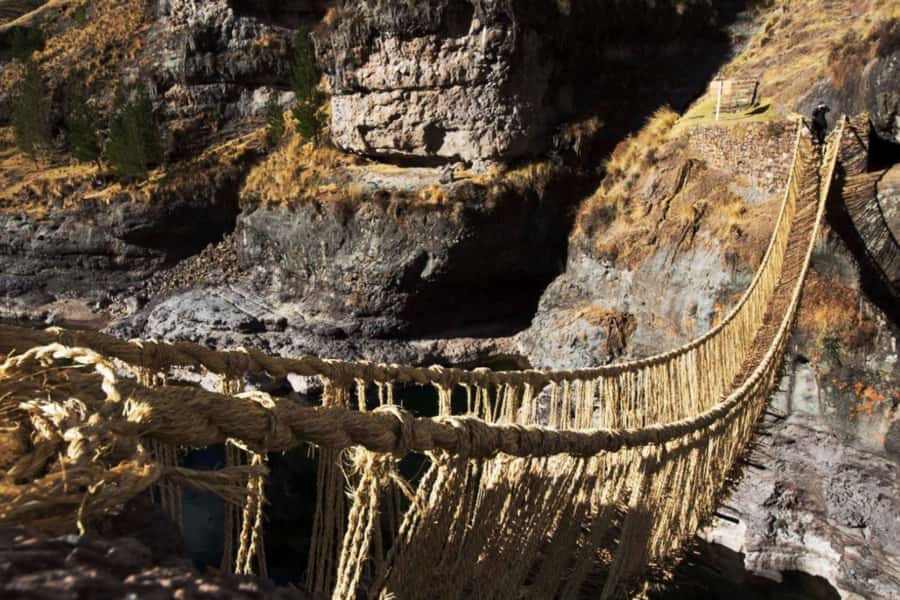
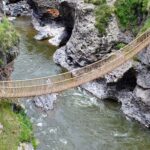
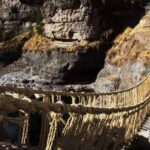
The van continues toward Yanaoca in the Canas de Cusco province. Then comes the main event: Q’eswachaka Bridge, an old suspension bridge spanning the Apurímac River.
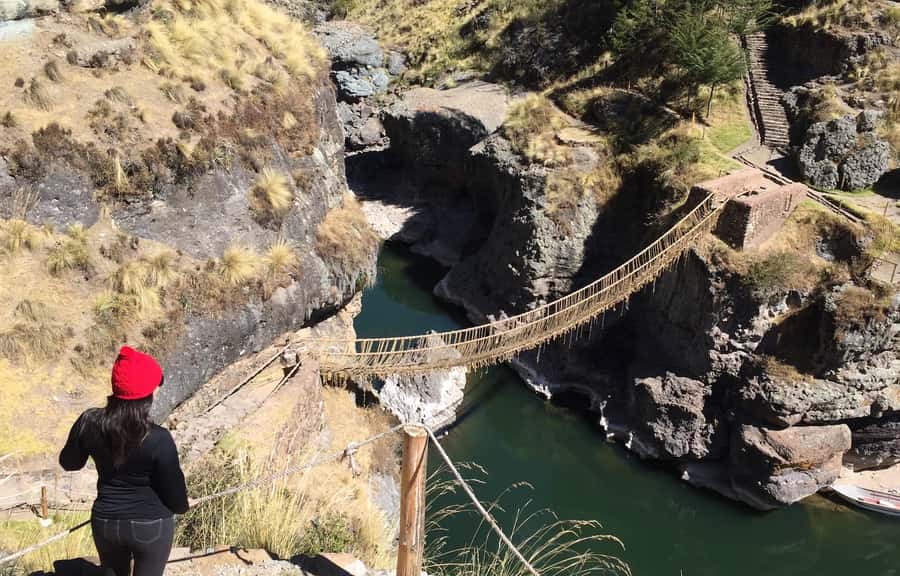
Before you step onto the bridge, you’ll leave the vehicle and descend a steep path to a viewpoint for photos. This is not just for pictures. The viewpoint is your chance to understand what you’re about to do: cliff sides, a wide canyon, and a bridge that moves with every step. Take a breath, slow your pacing, and mentally rehearse your crossing. The best bridge experience isn’t about pretending you’re not nervous—it’s about moving with intention.
Crossing the last Inca rope bridge: adrenaline, rope craft, and safety in your hands
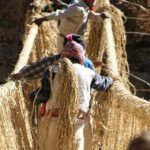
Q’eswachaka is famous for being a last remaining Inca rope bridge, made from ropes of grass. That detail matters because you’re crossing something that’s not decorative. It’s practical infrastructure, built with materials tied to the local landscape and traditions.
When you finally cross, expect the bridge to swing. The canyon is many meters below, and the tour description makes the stakes clear: try not to stare down while you walk. This is the part where you’ll feel your balance system wake up.
A few tips that help a lot:
- Wear comfortable shoes with solid grip. No slick soles.
- Keep your body relaxed. Stiff legs make you wobblier.
- Focus on your next step, not the drop.
- Bring a camera, but accept that photos come after you’re steady.
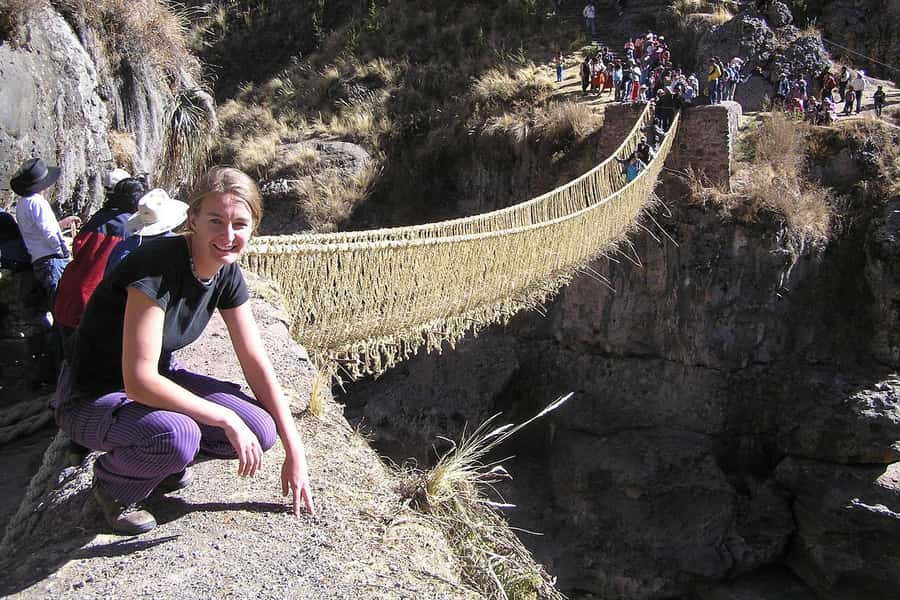
One more helpful note: a guide can make a huge difference here. In at least one case, a bilingual guide named Christian was described as knowledgeable and especially good at helping with photos on the bridge. Even if your guide isn’t the same person, you can still ask for photo positioning before you start—standing still while a bridge moves is tough, and a good guide will help you time it.
Optional add-on you may be offered
In some setups, there’s mention of an optional boat ride under the bridge through the canyon. The exact offer depends on the day. If you’re interested, ask your guide at the bridge area whether it’s available during your tour and what that would mean for timing.
Combapata lunch stop: convenient break, but manage expectations
After the bridge, the tour drives back to Combapata for a quick lunch break. Lunch is included, but don’t expect gourmet. One experience shared that the restaurant meals may be basic and can come out on the colder side, with buffet restocking not always great.
So here’s how I’d handle it if you want a smooth day:
- Eat enough to keep going, even if it’s not your favorite meal.
- If you’re picky, consider bringing a small snack for your bag (since the tour requests a small daypack).
- Stay hydrated. A warm drink can help if you’re sensitive to the coolness outside.
After lunch, you’ll re-energize and head toward the lake district, where the scenery shift is dramatic.
The four lagoons loop: Pampamarca, Asnacqoccha, Acopia, and Pomacanchi
The lake portion is where the tour becomes more than one dramatic crossing. You visit a cluster of four lagoons: Pampamarca, Asnacqoccha, Acopia, and Pomacanchi. They’re described as sitting like jewels among golden-green hills, glowing in warm afternoon light. Even if you’ve seen Andean lakes before, these can feel special because they’re part of a tight circuit—so you compare them back to back.
Each lagoon stop is also built for photos and nature viewing. You’ll observe native birds, with flamingos called out as a key sight as they fly and feed along the edges. Bring your eyes, not just your camera. Birds can appear fast, and you’ll get more out of the visit if you pause and watch rather than constantly shooting.
A practical strategy: give yourself one slow moment at each lagoon. Take photos if you want, but then put the camera away and watch. Lagoon edges can change quickly with wind and feeding cycles, and you’ll often notice the best behavior after the first burst of sightings.
Transfers, duration, and how to pace your day like a pro
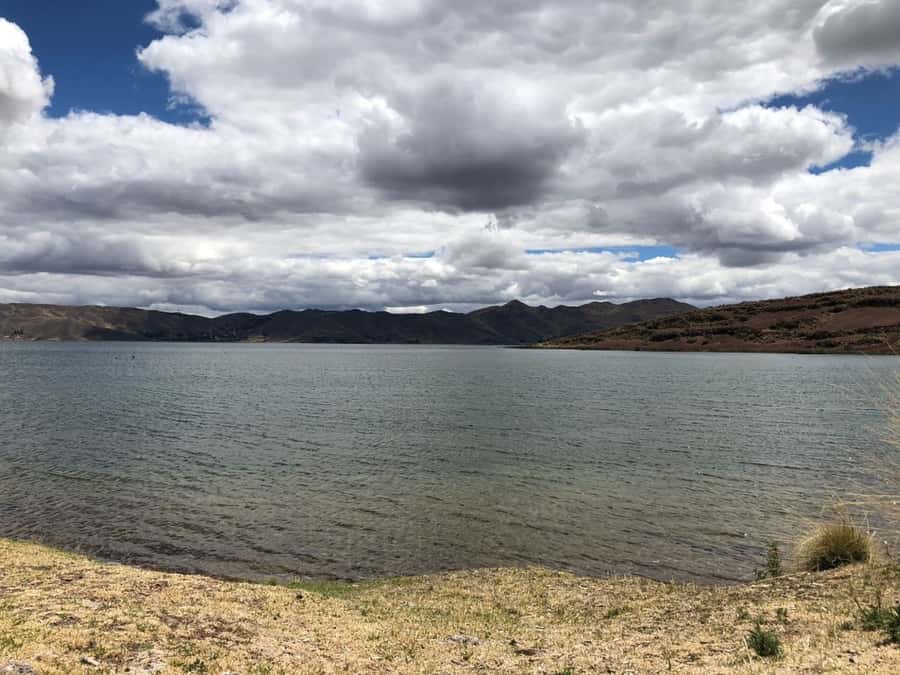
At about 13 hours, this tour is long enough that small comfort choices matter. The tour includes hotel pickup and drop-off in Cusco, plus transport for the full route. It’s a private-van style experience, which typically means less hassle than joining multiple groups in chaotic transit.
Still, you’ll spend hours in a seat. That’s why you should pack smart:
- bring a daypack that stays easy to access
- keep your sunscreen and water within reach
- plan for sun and wind (lagoon light and canyon air can be deceptively intense)
One more logistics detail that affects how you feel: the tour requests that you don’t bring large luggage. The aim is to keep things tidy in the van and at each stop. Use a small backpack and travel light.
What’s included (and what you’ll need to pay separately)
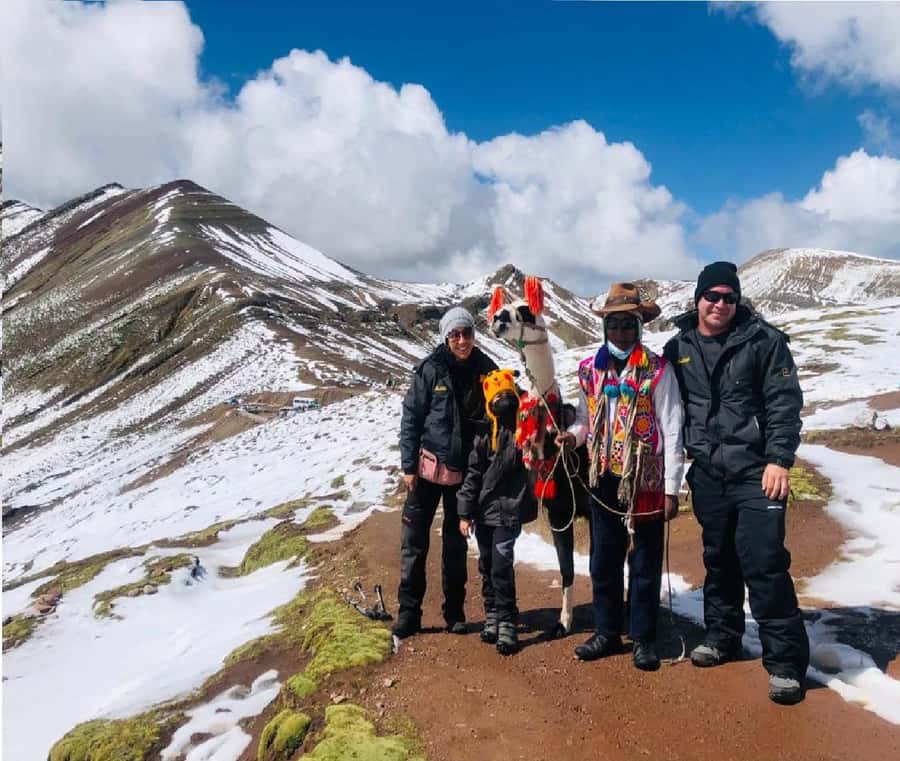
The tour includes:
- Continental breakfast
- Lunch
- A bilingual guide in English and Spanish
- Hotel pickup and drop-off in Cusco
- Transport throughout the day
- First aid kit and oxygen balloon
- A guide who helps you manage the main stops
Not included:
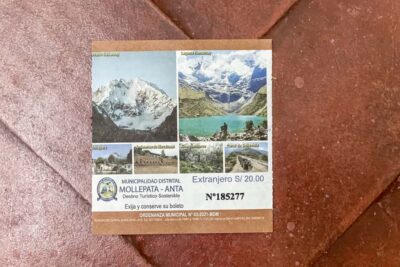
- Entrance to the Q’eswachaka Bridge (20 soles)
That extra fee is small compared to the overall cost, but it’s worth planning for. Carry some cash so you don’t end up scrambling at the last moment.
Is the price ($49) good value?
For many people, the value comes down to two things: the bridge crossing and the full circuit of four lagoons, plus a full-day guided schedule with transfers and meals. At $49 per person, you’re paying for the early pickup, the guide, and the logistics across a rural route that would be more complicated to coordinate alone.
The “hidden cost” isn’t huge, but it’s real: the 20 soles bridge entrance. Also, the day is physically demanding at the bridge, so it may be worth comparing this option to other tours only if you’re specifically trying to reduce walking time or avoid adrenaline.
Who this tour is best for (and who should skip it)
This tour hits its sweet spot if you:
- want a single, guided day that covers both a historic-style rope bridge crossing and nature-heavy lagoon time
- like structured planning without spending your day figuring out rural transport
- can handle a steep path to a viewpoint and a careful bridge walk
It’s not suitable for:
- pregnant women
- people with mobility impairments
If you’re on the fence because of heights, don’t ignore that. The bridge is described as swinging, and the canyon drop is a major part of the mental challenge. If you’re afraid of heights, bring honest self-awareness. You can still enjoy the day, but the bridge itself is the centerpiece.
Packing checklist you can actually use
The tour requests a specific setup. Here’s the version that helps you feel prepared:
- passport or ID card
- comfortable shoes
- sunglasses
- sun hat
- sunscreen
- water
- rain gear (you want this on hand in the Andes)
- cash (for the bridge entrance)
- small daypack
Also keep your camera plan simple: take it out at the viewpoint and lagoon stops. During the crossing, prioritize balance and safety first.
How to get the most from your guide
Your guide is doing more than translation. They’re managing timing, safety, and photo moments around places where you can’t just wander freely.
Bilingual support (English/Spanish) is a plus, especially when the route includes steep segments and a bridge that needs careful instructions. If your guide calls out where to stand for photos or reminds you to focus on footing, listen. It’s not annoying. It’s the difference between a stressful crossing and a controlled one.
Should you book the Cusco: Q’eswachaka Bridge & 4 Lagoons tour?
If you want one day that delivers a real “I’m doing the main thing” experience, this is a strong choice. You get the Q’eswachaka Bridge crossing, multiple lagoon photo stops, and a long but organized route that feels efficient for reaching a remote area from Cusco.
Book it if:
- you’re comfortable with a steep path and a swinging rope bridge
- you want a nature component with flamingos and other birds
- you like the idea of guided transfers plus meals
Skip or reconsider if:
- heights and swinging movements make you freeze
- you need mobility-friendly terrain
- you’d rather avoid long days with early pickup and lots of sitting
If you’re ready for an early start and a careful crossing, you’ll come away with one memorable bridge moment and a second, calmer set of lagoons to balance it out.
More Tour Reviews in Cusco


More Q'eswachaka Bridge Country
Recent write-ups from around Cusco, just off the trail
- Cuzco: Rainbow Mountain Excursion
★ 5.0 · 3 reviews - 1 day excursion to Qeswachaka bridge and the 4 lagoons
★ 3.6 · 3 reviews - Waqrapukara 1 day trekking + meals
★ 3.9 · 3 reviews - Valle Sur Cusco | half day
★ 4.3 · 3 reviews - Full-Day Condor Viewpoint & Inca Sites Tour
★ 5.0 · 3 reviews