
REVIEW · MACHU PICCHU TOURS & TICKETS
7-Day: Inca Trail Trek to Machu Picchu Group Tour
Inca Trail sunrise hits different. This 7-day group trek turns the Andes route to Machu Picchu into a packed, guided experience that handles entry, camping, meals, and transport for you. You start with a Cusco briefing, walk the Inca route through sites like Llactapata and Phuyupatamarca, then finish with sunrise timing at Machu Picchu.
I especially like the way the trip takes care of the hard parts you would otherwise juggle on your own. The trail food is cooked fresh by a professional chef, and you eat in a dining setup at camp, with water included along the way. I also like the porter team for company equipment, which means you’re not fighting extra gear just to keep moving uphill.
The trade-off is you still need to do real hiking and pack smart. The route climbs to the Dead Woman’s Pass at 4,200 m, and sleeping bags are not included, so you’ll want to plan your gear before you go.
In This Review
- Key points to know before you go
- Why this Inca Trail group tour is worth considering
- Cusco setup: arrival transfer and your acclimatization window
- Day 3: 4:30 am check-in, Piscacucho controls, and Wayllabamba camp
- Day 4: Dead Woman’s Pass and Runkuracay’s cloud-forest feel
- Day 5: Phuyupatamarca (Town in the Clouds) and Wiñay Wayna
- Day 6: Intipunku Sun Gate, Machu Picchu tour flow, and Aguas Calientes lunch
- Day 7: a final Cusco return day before your flight
- Value and logistics: what you’re really paying for at $1,145
- What you’ll love most (and what to watch)
- Who this tour fits best
- Should you book this 7-day Inca Trail trek?
- FAQ
- What time does the trek start?
- How large is the group?
- Is airport pickup and drop-off included?
- Do I need to bring a sleeping bag?
- Are meals included?
- Is oxygen or first aid included?
- Is a vegetarian option available?
- What altitude points should I be aware of?
- What is the cancellation policy?
Key points to know before you go
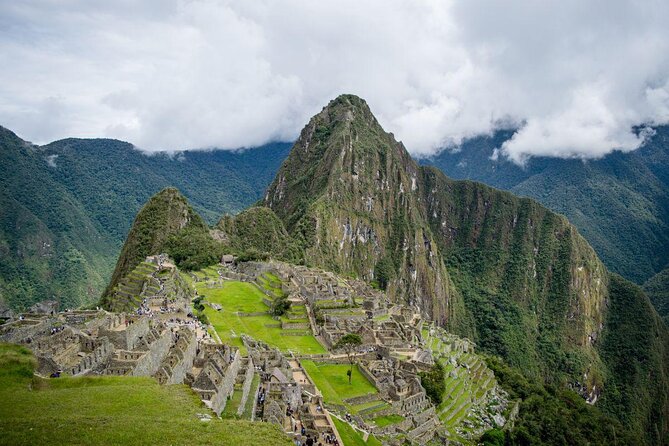
- Sunrise at Machu Picchu on the final trekking day, with the Sun Gate timing built in
- Chef-led meals plus a camp dining setup, not just basic provisions
- Porters for company equipment, but you still carry your personal items
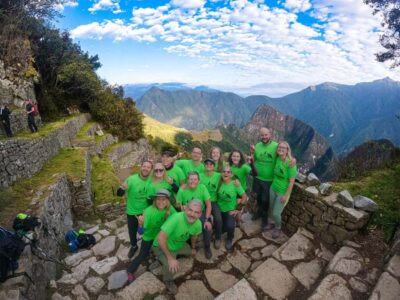
- A small max group size: 16 travelers
- You’ll start with a Cusco acclimatization day, then step onto the trail early
Other ways up to Machu Picchu, reviewed
- From Cusco: Full-Day Group Tour of Machu Picchu★ 4.7 · 1,767 reviews
- Machu Picchu Day Trip from Cusco★ 4.5 · 1,644 reviews
- Machu Picchu: Full-Day Tour from Cusco with Optional Lunch★ 4.6 · 927 reviews
- Cusco: 4-Day Inca Trail to Machu Picchu with Accommodation★ 4.8 · 432 reviews
Why this Inca Trail group tour is worth considering
The Inca Trail is famous, but it’s also annoying to organize. Between limited access, the timing rules, tickets/permits, and the chain of transport between Cusco, the trailhead, and Machu Picchu, doing it piecemeal can eat your energy long before you even lace up your boots.
This tour’s main value is that it bundles the moving parts into one plan: transportation, guides, camp setup, and meals. You’re not trying to line up hotel nights, entry fees, and train/bus schedules while also handling altitude and packing.
I also appreciate that it’s designed around the ending you actually want: arriving at Machu Picchu in time for sunrise. That timing matters because Machu Picchu isn’t a casual drop-in. You’ll spend your best morning there, when the place is at its most atmospheric and your group is at the head of the day.
Cusco setup: arrival transfer and your acclimatization window
Day 1 is a calm landing. You arrive in Cusco, get a transfer to your hotel, then meet your guide for a quick briefing. After that, you can explore at your own pace—Cusco’s mix of Spanish churches, mansions, and Inca remains is perfect for a low-stress warm-up day.
Day 2 is even more important than it sounds: you get a free day to explore Cusco. This matters because the Inca Trail starts at 2,720 m and climbs quickly. That breathing time in Cusco helps your body adjust before you face higher passes like Dead Woman’s Pass at 4,200 m.
A small practical note: since it’s a group trek, your free day is also the best time to sort gear. Use it to confirm what you’ve packed for the cold nights, double-check your documents for the trail control points later, and pace yourself. You’re not trying to “tour hard” on Day 2—you’re preparing to hike hard starting early.
Day 3: 4:30 am check-in, Piscacucho controls, and Wayllabamba camp
On Day 3, the day starts early. You meet at the hotel around 4:30 am, then head to the check-in point at Piscacucho. At the control point, you’ll show your passport and tickets, and you’ll also get the reminder that trail access is limited. This is where you’ll want to use restrooms, apply sunscreen, and put on insect repellent—do it before the walking starts because the next chance may not be close.
Once you’re cleared, you’re walking the Inca Trail route with river crossings and high-Andes views. The first stretch takes you across the Vilcanota River and into the kind of rhythm you’ll repeat for the rest of the trek: steady uphill, short breaks, then a push toward the day’s camp.
You end Day 3 at Wayllabamba Camp near the village of Wayllabamba at 3,000 m. The temperate valley setting is a good place to learn how camp nights work on the trail: dinner and breakfast are handled for you, but the cold is real. Temperatures at night are around 5ºC depending on the month, so pack for chilly air and limited comfort.
If you’re sensitive to altitude, Day 3 is a gentle start compared to what comes next. It still sets the pattern, though: you’ll be moving for hours, not just “doing sightseeing.”
Day 4: Dead Woman’s Pass and Runkuracay’s cloud-forest feel
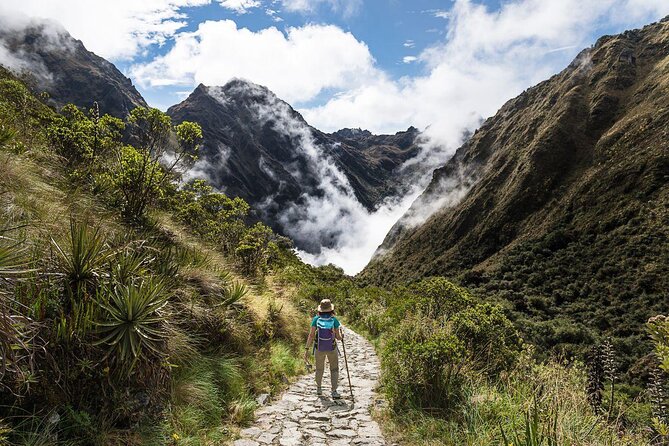
Day 4 is the day people remember. You’ll eat breakfast (made by the cooks) and then head out around 5:30 am so you still have enough daylight for the climb.
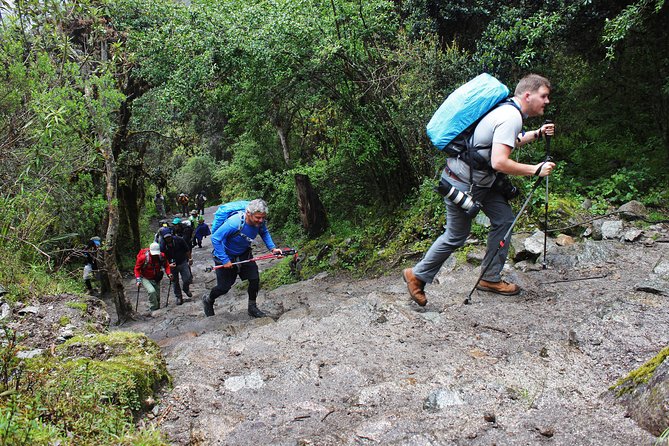
First you tackle the steep ascent to Abra de Warrmihuañusca, Dead Woman’s Pass, at 4,200 m. This is the highest pass described on the route and it’s not a casual walk. If you’ve never hiked at altitude before, treat this as a pace test: go slow, breathe regularly, and don’t chase other hikers.
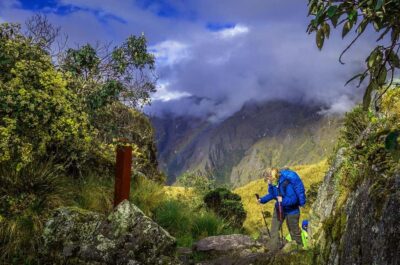
After you cross the pass, you descend toward lunch at Pacaymayu around 3,550 m. This is a nice change of pace after the climb. You’ll also have a chance to notice birds—hummingbirds are mentioned here—and you’ll pass through areas with native vegetation like Polylepis trees that are tied to the cloud-forest zone.
Then comes the second push of the day: another steep climb to Runkuracay near 4,000 m. You camp by around 5 pm, with night temperatures around 4ºC. It’s a good day to understand what your body needs after a hard climb: hydration, early rest, and a warm layer that you can actually use when you stop moving.
More Inca Trail departures we have walked through
Day 5: Phuyupatamarca (Town in the Clouds) and Wiñay Wayna
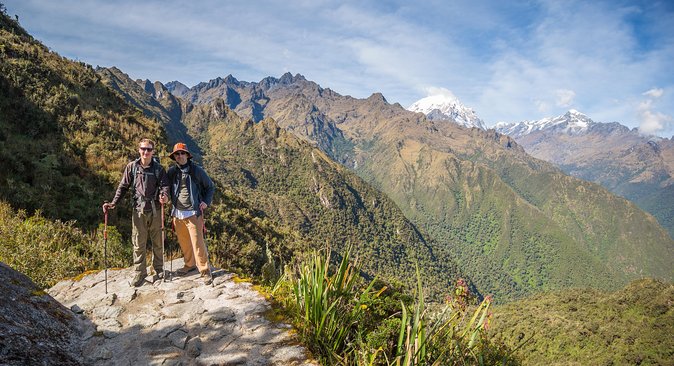
Day 5 starts with camping comfort that still doesn’t feel “comfortable.” But you’re out again after breakfast and you’ll walk toward Phuyupatamarca, meaning Town in the Clouds, at 3,680 m. It’s described as a site with great views of mountains and canyons, and it’s also a turning point in the trek because the scenery feels more broken up and layered as you gain and lose height through the cloud forest.
This is also one of the best days for appreciating the Inca world beyond just Machu Picchu. You’re moving between archaeological stops and agriculture-era Inca sites, including a walk that involves Intipata—an agricultural area—before you reach the next camp.
You finish Day 5 at Wiñay Wayna camp around 2,680 m. The itinerary notes that you’ll arrive by lunchtime and still have time to visit the Wiñay Wayna Inca site close to camp. That’s a big deal. It means you’re not only hiking; you’re also seeing why the Inca Trail mattered as a sacred route linking key points.
If you care about photography, Day 5 is often where the “cloud forest” mood comes alive. Even if you don’t get perfect sky, the light and misty atmosphere can make those stone terraces feel extra real.
Day 6: Intipunku Sun Gate, Machu Picchu tour flow, and Aguas Calientes lunch
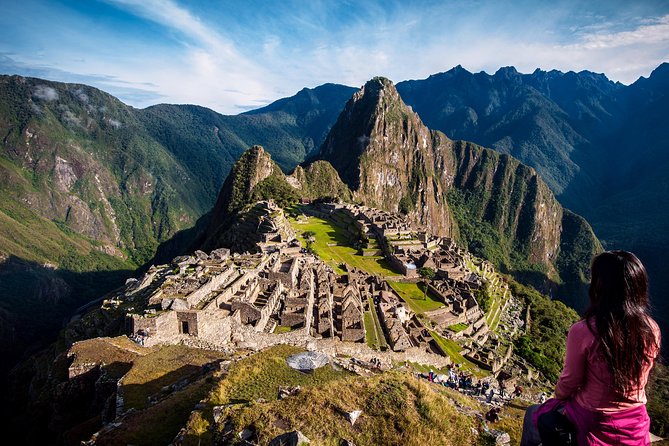
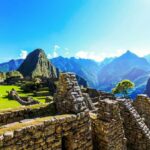
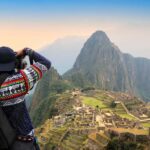
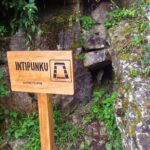
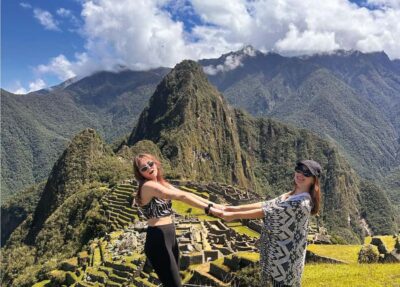
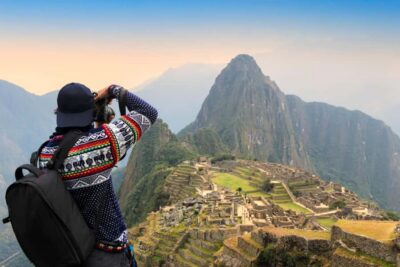
Day 6 is the payoff day. You wake early, eat breakfast, then hike to Intipunku—the Sun Gate—at 2,730 m before sunrise. The goal is to see Machu Picchu from the trail approach at about 2,400 m, before the crowds fully settle into their day.
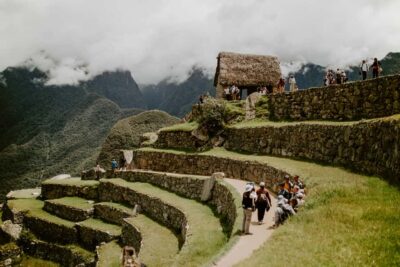
Once you’ve taken in that first view, you head down the last stretch of trail toward the postcard picture spot. Then you get a guided tour inside Machu Picchu so you understand what you’re looking at, not just that it’s stunning.
Timing here is well thought out. You’ll have guided time, then extra time on your own for about 2 more hours to explore further. The route also offers the option to hike up to either Machu Picchu Mountain or Huayna Picchu Mountain, if you’re up for additional climbing.
After Machu Picchu, you move to Aguas Calientes. The itinerary says you can get there by bus or on foot, and lunch is included in Aguas Calientes. Then you get tickets back to Cusco by train first (from Aguas Calientes to Ollantaytambo) and then bus onward to Cusco.
This back-half matters more than people think. It keeps the day organized so you’re not scrambling at the end of an exhausting morning. You already did the hardest part—the early hike and the Machu Picchu visit—so the rest of the transport is handled.
Day 7: a final Cusco return day before your flight
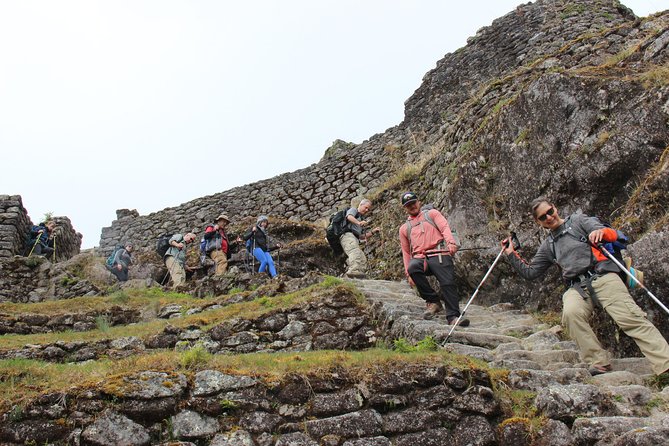
Day 7 is your buffer day. After breakfast, you have time for leisure before transferring to the airport for your return flight home via Lima.
This is more than a polite “rest day.” It gives you time to recover, wash out the grit of the trail (at least in your own way), and handle any last-minute needs after Machu Picchu. If you’ve ever rushed out of the mountains and straight into travel stress, you’ll appreciate this pacing.
Value and logistics: what you’re really paying for at $1,145
At $1,145 per person, you’re not just paying for walking in nice scenery. You’re paying for a whole system that’s hard to replicate cheaply without time and stress.
Here’s what the included package covers:
- Guides (professional guide, plus an assistant guide when the group is 9+)
- Camp infrastructure: dining tent setup and a professional chef
- Camping basics: 4-man tents (shared per 2 people) and foam sleeping mattresses
- Transport chain: bus to KM 82, bus from Machu Picchu to Aguas Calientes, train from Aguas Calientes to Ollantaytambo, and bus back to Cusco
- Food and water: water plus multiple trail meals (breakfasts, lunches, and dinners are included)
- Medical comfort: oxygen bottles and a first aid kit
The value logic is simple. If you try to book trail permits, meals, chef services, camping gear, port logistics, and the train/bus sequence separately, you’ll spend a lot of time coordinating. Even if the total cost ends up similar, the mental load is the hidden expense.
One more value point: the trek includes porters for company equipment, which lightens the “stuff problem.” But you still carry your personal items. So you’re trading off convenience for responsibility in a fair way.
The main thing that can change your real out-of-pocket cost is gear. Sleeping bags aren’t included, and single supplement is listed at $180 for accommodation and tent if you want your own setup.
What you’ll love most (and what to watch)
Based on what stands out in the experience, these are the pieces that usually make or break the trip.
Trail food quality and timing
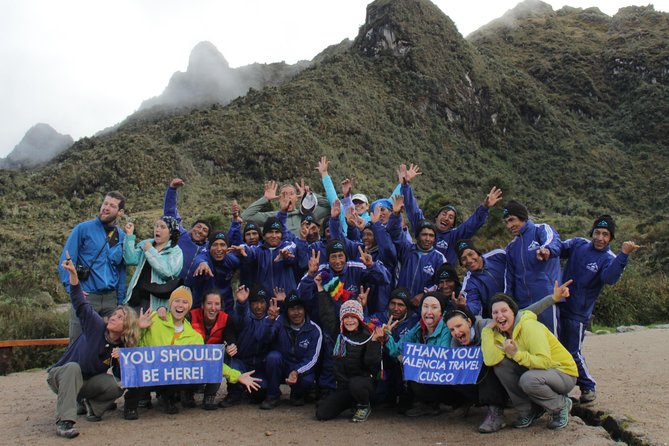
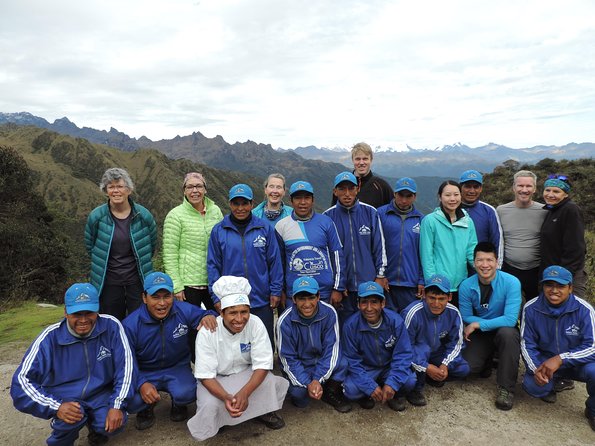
You’ll eat with cooks and a chef, not just rely on packaged meals. That makes the long days feel manageable, especially after climbs.
Porter performance
Porters are part of what keeps the camps functioning and the trek moving. When that team runs smoothly, camp feels organized instead of chaotic.
A guide who knows the route and the site
A strong guide changes everything at Machu Picchu. In past groups, guide Alex was described as friendly and very good at adjusting to the needs of the hike, while also explaining the sites in a way that made the stonework feel understandable.
Still, there are two things you should plan for:
- Fitness and altitude are non-negotiable. The trek includes steep climbs and high passes like Dead Woman’s Pass at 4,200 m. You should be ready for several hours of walking on consecutive days.
- You’ll pack for cold nights without a sleeping bag included. Even though tents and foam mattresses are provided, the temperatures mentioned at camps are around 4ºC–5ºC depending on the month.
Who this tour fits best
This is a great fit if you want:
- A guided Inca Trail experience with the logistics handled for you
- A sunrise arrival plan built into your final day
- A structured trekking pace with camp services and meals included
It’s also the right style if you like learning as you walk. Stops like Huillca Raccay, Phuyupatamarca, Wiñay Wayna, and the Sun Gate approach help connect the route to why people traveled this path.
If you hate early mornings, or if you can’t handle altitude and sustained uphill walking, this may be the wrong choice.
Should you book this 7-day Inca Trail trek?
If you’re debating whether to book, I’d make the decision based on one question: do you want to spend your energy planning, or spending it hiking? This package is built for the second option.
Book it if you want sunrise at Machu Picchu, a camp setup with a chef, and a guided route that keeps your days structured from the 4:30 am starts through the return to Cusco. Skip it if you’d rather assemble everything yourself, or if your gear needs and fitness level aren’t ready for steep altitude days.
FAQ
What time does the trek start?
The start time is 4:30 am, and you’ll meet at the hotel around that time on the trekking day.
How large is the group?
This tour has a maximum of 16 travelers. For groups of 9 people or more, there’s an assistant tour guide.
Is airport pickup and drop-off included?
Yes. The tour includes airport pickup and drop-off in Cusco.
Do I need to bring a sleeping bag?
Yes. Sleeping bags are not included. The tour provides 4-man tents (shared per 2 people) and foam sleeping mattresses.
Are meals included?
Yes. Water is included, and the tour lists dinner (3), breakfast (5), and lunch (3). It also notes that the first breakfast and last lunch along the trail are not included.
Is oxygen or first aid included?
Yes. The tour includes oxygen bottles and a first aid kit.
Is a vegetarian option available?
Yes. A vegetarian option is available if you advise the provider at the time of booking.
What altitude points should I be aware of?
The trail starts at 2,720 m and includes Dead Woman’s Pass at 4,200 m. The route also reaches high points near 4,000 m (such as Runkuracay).
What is the cancellation policy?
This experience is non-refundable and cannot be changed for any reason. If it’s canceled because the minimum number of travelers isn’t met, you’ll be offered a different date or a full refund.
More Tour Reviews in Cusco
Still Set on the Inca Trail?
Machu Picchu, More Ways In
Recent write-ups from around Cusco, just off the trail
- Cuzco: Rainbow Mountain Excursion
★ 5.0 · 3 reviews - 1 day excursion to Qeswachaka bridge and the 4 lagoons
★ 3.6 · 3 reviews - Waqrapukara 1 day trekking + meals
★ 3.9 · 3 reviews - Valle Sur Cusco | half day
★ 4.3 · 3 reviews - Full-Day Condor Viewpoint & Inca Sites Tour
★ 5.0 · 3 reviews
Machu Picchu Tours & Tickets, compared.
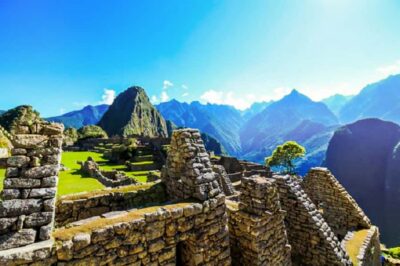 ★ 4.7From Cusco: Full-Day Group Tour of Machu PicchuFrom $3211,767 reviews
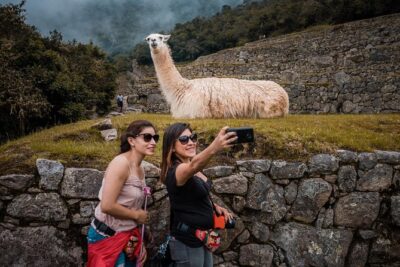 ★ 4.5Machu Picchu Day Trip from CuscoFrom $3361,644 reviews
 ★ 4.6Machu Picchu: Full-Day Tour from Cusco with Optional LunchFrom $283927 reviews
 ★ 4.84-Day Inca Trail to Machu Picchu with AccommodationFrom $470432 reviews
 ★ 4.6From Cusco: 2-Day Trip to the Sacred Valley and Machu PicchuFrom $370265 reviews
 ★ 4.9Machu Picchu 2-Day Inca Trail with Panoramic TrainFrom $582260 reviews
 ★ 4.2From Cusco: 2-Day Inca Trail to Machu PicchuFrom $290244 reviews
 ★ 4.9Machu Picchu: Inca Trail 2-Day Overnight Guided TourFrom $585203 reviews
Browse the lists this tour appears in