
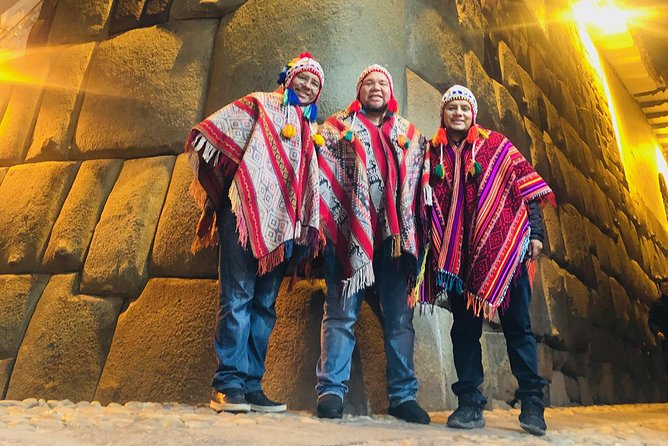
REVIEW · MACHU PICCHU TOURS & TICKETS
“Aventura Inca: 4 Días en la Ciudad Perdida”
Cusco to Machu Picchu in just four days sounds fast, but it’s also smart. Pre-arranged Machu Picchu entry and a guided highlight walk keep the day from feeling chaotic, while the route also threads in Inca and colonial Cusco plus the Sacred Valley.
I especially like how the plan builds in real pacing: a free morning to settle in on Day 1, then full days of sites on Days 2 and 3. I also like the logistics weight is handled for you, from hotel pickup to the Consettur buses up and down Machu Picchu. The main drawback is simple: this trip is weather-dependent, and last-minute changes can affect your experience.
In This Review
- Key things that make this tour click
- A four-day Cusco to Machu Picchu plan that avoids the usual headaches
- Day 1 in Cusco: Cathedral, Koricancha, Sacsayhuamán, Qenqo
- Cusco Cathedral
- Koricancha (Temple of the Sun)
- Sacsayhuamán
- Qenqo
- Day 2 Sacred Valley day: Pisac market, Tunupa buffet, and Ollantaytambo
- Pisac: the artisan market stop
- Tunupa Restaurant buffet lunch in Urubamba
- Ollantaytambo: ruins and resistance
- Machu Picchu Day: pre-booked entry, Intiwatana, and free time that actually matters
- The guided portion: 2.5 hours with a focus on the big symbols
- Free time: take your own photos without feeling lost
- Train timing choices after Machu Picchu
- Inka Rail business class back to Ollantaytambo
- Meals and included comfort: where the tour quietly delivers
- Price and logistics: is $951 worth it?
- Weather and physical comfort: the two real considerations
- Weather
- Physical demands
- Should you book this Cusco to Machu Picchu tour?
- FAQ
- What’s included for Machu Picchu?
- How do the Sacred Valley stops work on Day 2?
- Are meals included in the tour?
- How long is the Machu Picchu guided portion?
- What train is included after Machu Picchu?
- Where does the tour start and end?
- What happens if the weather is bad?
- Can I change or cancel the booking?
Key things that make this tour click
- Small group (max 15), so guides can actually explain things and keep you together.
- Pre-arranged Machu Picchu tickets plus a 2.5-hour guided visit, then time to explore on your own.
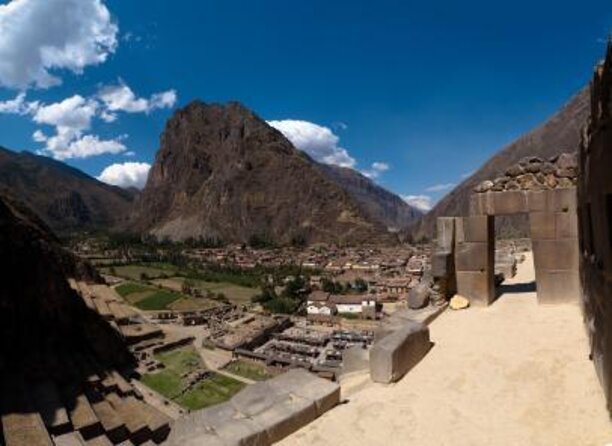
- Sacred Valley classics: Pisac artisan market, Tunupa buffet lunch, and Ollantaytambo.
- Round-trip train day setup: business class Inka Rail from Aguas Calientes back to Ollantaytambo.
- Meals included at key moments, including buffet lunches on both the Sacred Valley and Machu Picchu sides.
Other ways up to Machu Picchu, reviewed
- From Cusco: Full-Day Group Tour of Machu Picchu★ 4.7 · 1,767 reviews
- Machu Picchu Day Trip from Cusco★ 4.5 · 1,644 reviews
- Machu Picchu: Full-Day Tour from Cusco with Optional Lunch★ 4.6 · 927 reviews
- Cusco: 4-Day Inca Trail to Machu Picchu with Accommodation★ 4.8 · 432 reviews
A four-day Cusco to Machu Picchu plan that avoids the usual headaches
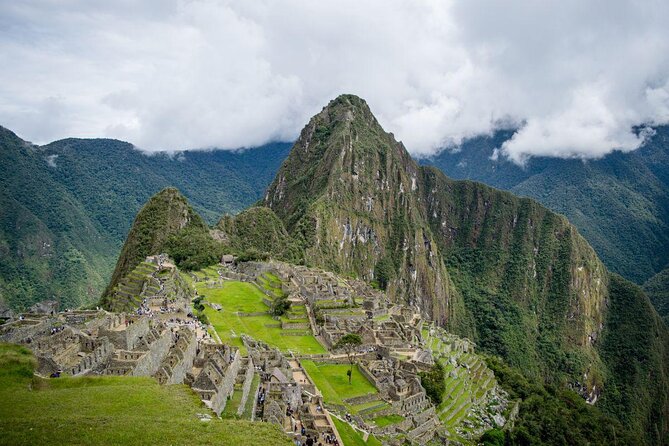
Machu Picchu is famous for being “worth it,” but it’s also known for being a scheduling puzzle. What I like about this tour is that it treats logistics like part of the experience, not an afterthought. You get pickup, set transport, pre-booked entry, and guided time in the biggest sites. That means you spend your energy looking at stonework, not hunting down ticket windows and bus lines.
This also fits well if you don’t want to run the whole trip like a project manager. The schedule moves, but it doesn’t feel random. You start with Cusco orientation and archaeology, then the Sacred Valley, then the big day at Machu Picchu. On Day 4 you’re not still scrambling—you’re done and headed to the airport.
And yes, it’s a value play. At $951 per person, you’re paying for the expensive pieces that are hardest to coordinate: Machu Picchu sanctuary access, guided time there, the bus circuit up/down, and the train portion between the Sacred Valley and Aguas Calientes.
Day 1 in Cusco: Cathedral, Koricancha, Sacsayhuamán, Qenqo
Day 1 is your on-ramp. You’re picked up after arriving at the airport, then you get a morning free to rest and get your bearings. That’s not filler time; Cusco can feel like a lot on your first day, so having unstructured hours helps.
The afternoon Cusco City Tour focuses on four stops that tell a clear story:
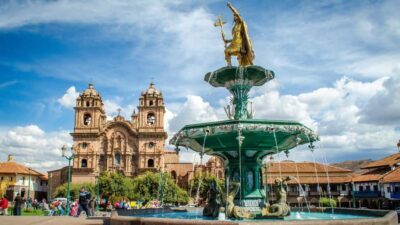
Cusco Cathedral
This is the colonial anchor of the city. You’ll see impressive colonial architecture and a lot of art inside—there are more than 500 paintings noted for this church. If you care about how Spanish rule reshaped what existed before, this is a straightforward entry point.
Koricancha (Temple of the Sun)
Then you pivot back to the Inca world at Koricancha, the Temple of the Sun. It’s famous for the way the Inca temple was tied to solar worship, and it’s also known for the idea of its gold-clad walls. Even when you’re just looking at what’s preserved, you’ll understand why people still find this place intense.
Sacsayhuamán
Next: the stone fortress on the edge of Cusco. Sacsayhuamán is built on three enormous stone platforms, which gives you a sense of scale fast. It’s one of those places where the engineering hits you in the chest before your brain even finishes explaining it.
Qenqo
Finally, Qenqo gives you a different kind of archaeological feel: canals, passages, and a large rock shaped like a puma. It’s a great last stop for Day 1 because it feels less like a museum and more like a site with active symbolism.
Practical tip: Cusco days often involve uneven ground and some climbing. Wear shoes you’d trust on stairs and cobblestones, and bring water even if you’ll have structured stops.
Day 2 Sacred Valley day: Pisac market, Tunupa buffet, and Ollantaytambo
Day 2 is where Cusco starts turning into the larger Andes story. You’ll have breakfast, then pickup at 8:00 a.m. to go into the Sacred Valley. The day is long (around 12 hours), but it’s packed with variety: a market, a meal break, and two big archaeology experiences.
Pisac: the artisan market stop
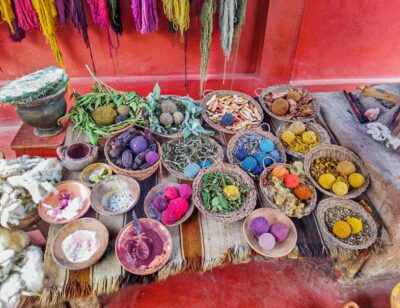
Pisac is known as the gateway to the Sacred Valley, and the highlight here is the artisan market. You’ll have time to wander among colors, crafts, and local food aromas. This is the part of the tour that feels less like “looking at ruins” and more like meeting daily life in the region.
If you want souvenirs that feel tied to place, this is the best moment to shop. If you don’t, it’s still worth walking through once so you understand what the Sacred Valley economy looks like beyond sightseeing.
Tunupa Restaurant buffet lunch in Urubamba
Lunch happens after you reach Urubamba. The included meal is at Tunupa Restaurant with a buffet lunch focused on regional dishes, including what’s described as novo-Andean cuisine plus traditional Urubamba options.
Buffets in Peru can be hit-or-miss depending on the spot, but when a tour explicitly includes lunch and transportation, it usually means you won’t waste time chasing food between sites. You get a predictable reset before the ruins.
Ollantaytambo: ruins and resistance
Then you reach Ollantaytambo, famous for its ruins and for historic resistance during the Spanish conquest. The tour highlights the moment when Inca emperor Manco Inca defeated the Spanish conquistadors.
What you’ll feel here is that Ollantaytambo isn’t just scenic. It’s a place with a narrative arc: settlement, strategy, and endurance. Even if you’re not a history buff, the physical layout helps you picture why this mattered.
Practical tip: With a day this full, you’ll enjoy Machu Picchu more if you keep your shopping and photo stops reasonable in Pisac. The payoff is that you arrive to Ollantaytambo less rushed and ready.
Machu Picchu Day: pre-booked entry, Intiwatana, and free time that actually matters
Day 3 is the heart of the trip, and the tour sets you up for success with a clear sequence.
You start with breakfast in Aguas Calientes, then take the bus to the Machu Picchu sanctuary (about 30 minutes). The key advantage: you’re given admission with pre-arranged tickets, which helps you avoid the most stressful version of Machu Picchu day.
The guided portion: 2.5 hours with a focus on the big symbols
You’ll have a professional guided tour for 2.5 hours. The tour covers main temples and towers, and it specifically mentions the Intiwatana (the Inca sundial). That’s important because it gives your visit more structure. Instead of wandering randomly, you see how different points relate to Inca astronomy and ceremonial life.
This is also where having an articulate guide matters. RAP Travel guides have been described as thorough and welcoming, and names like Carlos show up in Machu Picchu-related experiences—so it’s reasonable to expect a clear explanation style.
Free time: take your own photos without feeling lost
After the guided portion, you get time to explore independently. This is the part you’ll want to use for photos, slower walks between terraces, and that moment when you finally stop thinking about logistics and just look.
The tour also includes a return bus to Aguas Calientes, then a buffet lunch at El Apu Inti or Indio Feliz, followed by more free time at the artisan market in town.
Train timing choices after Machu Picchu
To wrap Day 3, you board an Inka Rail business class train back to Ollantaytambo. The schedule notes 2:36 p.m. or 7:00 p.m. departure options (about 1 hour 40 minutes). Either way, you’ll be in motion after lunch rather than stuck waiting.
Practical tip: Use the independent Machu Picchu time to decide your favorite viewpoint, then return once for photos. First pass is for orientation; second pass is for “this is my shot.”
Inka Rail business class back to Ollantaytambo
The train segment is more than transport. It’s part of how the day flows from the sacred heights of Machu Picchu back down into the valley.
The tour includes the Inka Rail business class experience, and it routes you from Aguas Calientes to Ollantaytambo after your Machu Picchu day. That matters because the Aguas Calientes-to-valley connection can be complicated to piece together on your own.
Also, having the return handled means you’re less likely to miss the train by chasing an extra photo spot. You still get time to enjoy yourself—just with fewer moving parts.
Meals and included comfort: where the tour quietly delivers
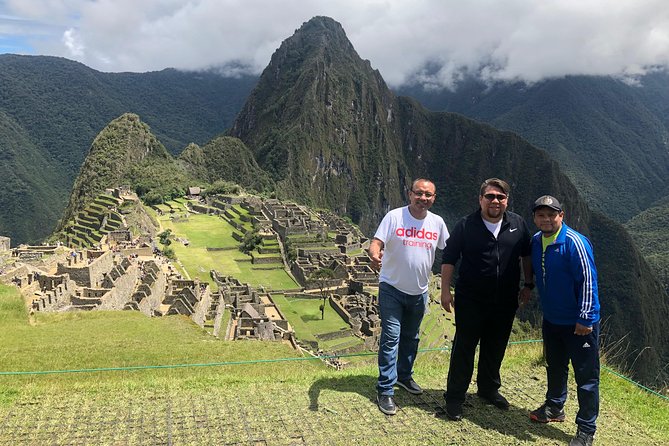
This tour is built around included meals and key transport links:
- Lunch is included (plus buffet lunches on Days 2 and 3).
- Breakfast is included three times, matching the structured start of each day.
- Private transportation is used for ground segments.
- Consettur buses up and down the Machu Picchu route are included.
The practical value here is that you’re not spending a big chunk of your day thinking about food or where the next bus is. You can keep your schedule human. In a trip where the biggest attraction sells out and times are strict, reducing “decision fatigue” is a real perk.
You also get mobile ticket support, which helps on a day when you’re dealing with multiple entry points.
Price and logistics: is $951 worth it?
Let’s talk money like adults.
At $951 per person, you’re paying for a tightly packaged route that includes the hardest-to-manage pieces of a Machu Picchu trip:
- Machu Picchu sanctuary admission with pre-arranged tickets
- Guided Machu Picchu time (2.5 hours)
- Bus up/down (Consettur)
- Inka Rail business class round-trip day structure via Aguas Calientes to Ollantaytambo
- Sacred Valley guide + transport
- Several included meals (breakfasts and buffet lunches)
If you try to DIY, you can sometimes build it cheaper—but you’ll spend your time coordinating timed tickets, transport schedules, and meal stops across multiple towns. This tour is designed to remove those friction points. For many people, that alone is worth the premium.
The one place where the value can feel different is if you already have most of your logistics figured out and want total freedom. This is a guided plan with defined timing. You’ll enjoy it most if you like having a “follow the route” structure.
Weather and physical comfort: the two real considerations
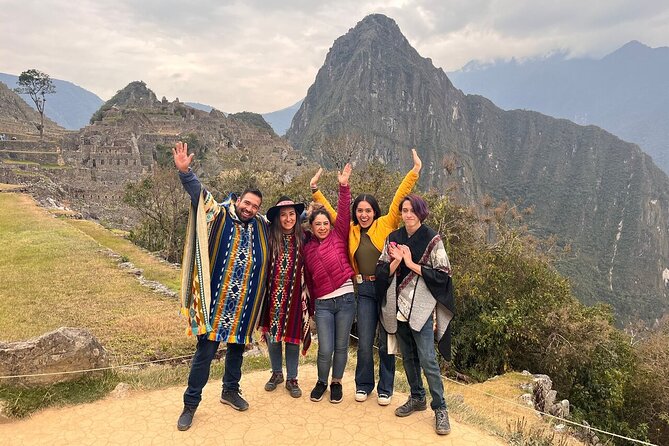
Two things can affect your experience even when everything is organized.
Weather
The experience notes that it requires good weather. If it’s canceled due to poor weather, you’ll be offered a different date or a full refund. That’s reassuring, but it also means you should keep your travel timeline flexible around the Machu Picchu date.
Physical demands
The tour advises moderate physical fitness. Machu Picchu includes stairs and uneven areas, and the Sacred Valley sites also involve walking. You don’t need to be an athlete, but you should be comfortable moving at a steady pace for long days (including a Day 1 afternoon start and Day 2 being about 12 hours).
Should you book this Cusco to Machu Picchu tour?
Book it if you want a structured, low-stress route that hits Cusco, the Sacred Valley, and Machu Picchu in four days. This is a great fit for first-time Machu Picchu visitors, couples, and small groups (max 15 people) who want to spend their energy on the sites, not on figuring out ticket timing and transport connections.
Skip it or think twice if:
- You’re extremely sensitive to schedule changes and dislike weather uncertainty.
- You’re looking for a fully independent trip with zero guidance.
If your priority is seeing the big “Inca-to-Machu Picchu” sequence with guides, included meals, and transport handled for you, this tour is a strong candidate.
FAQ
What’s included for Machu Picchu?
You’ll get admission to the Machu Picchu Historic Sanctuary, plus a professional guided tour for 2.5 hours, and the bus up and down (Consettur) between Aguas Calientes and the sanctuary. Tickets are pre-arranged.
How do the Sacred Valley stops work on Day 2?
You’ll be picked up from your hotel at 8:00 a.m., then visit Pisac (including time at the artisan market), have a buffet lunch at Tunupa Restaurant in Urubamba, and visit Ollantaytambo.
Are meals included in the tour?
Yes. The tour includes breakfast (3 times) and lunch. You’ll also have buffet lunch in the Sacred Valley and another buffet lunch in Aguas Calientes after Machu Picchu.
How long is the Machu Picchu guided portion?
The guided portion at Machu Picchu lasts about 2.5 hours. After that, you’ll have free time to explore on your own.
What train is included after Machu Picchu?
You’ll take the Inka Rail business class train to Ollantaytambo from Aguas Calientes, with a travel time of about 1 hour 40 minutes. The schedule notes 2:36 p.m. or 7:00 p.m. boarding options.
Where does the tour start and end?
It starts at Velasco Astete, Cusco 08006, Peru, and it ends back at the meeting point.
What happens if the weather is bad?
The experience requires good weather. If it’s canceled due to poor weather, you’ll be offered a different date or a full refund.
Can I change or cancel the booking?
This experience is non-refundable and cannot be changed for any reason. If you cancel or request an amendment, the amount you paid won’t be refunded.
More Tour Reviews in Cusco

Machu Picchu, More Ways In
Recent write-ups from around Cusco, just off the trail
- Cuzco: Rainbow Mountain Excursion
★ 5.0 · 3 reviews - 1 day excursion to Qeswachaka bridge and the 4 lagoons
★ 3.6 · 3 reviews - Waqrapukara 1 day trekking + meals
★ 3.9 · 3 reviews - Valle Sur Cusco | half day
★ 4.3 · 3 reviews - Full-Day Condor Viewpoint & Inca Sites Tour
★ 5.0 · 3 reviews
Machu Picchu Tours & Tickets, compared.
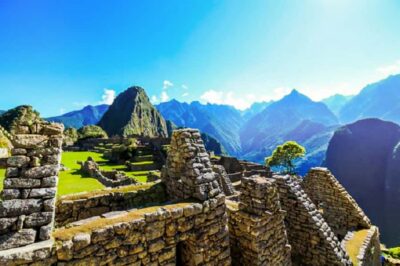 ★ 4.7From Cusco: Full-Day Group Tour of Machu PicchuFrom $3211,767 reviews
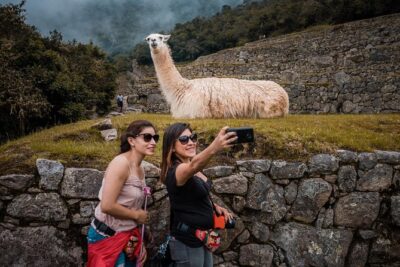 ★ 4.5Machu Picchu Day Trip from CuscoFrom $3361,644 reviews
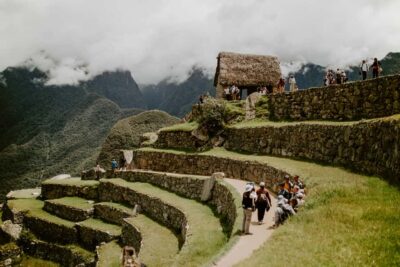 ★ 4.6Machu Picchu: Full-Day Tour from Cusco with Optional LunchFrom $283927 reviews
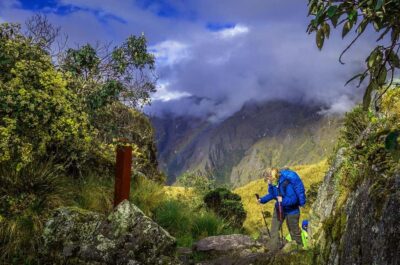 ★ 4.84-Day Inca Trail to Machu Picchu with AccommodationFrom $470432 reviews
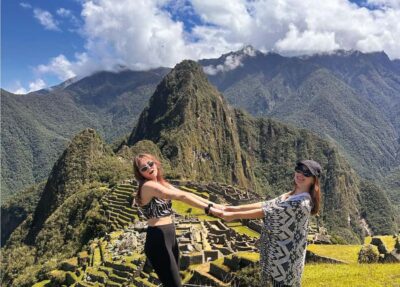 ★ 4.6From Cusco: 2-Day Trip to the Sacred Valley and Machu PicchuFrom $370265 reviews
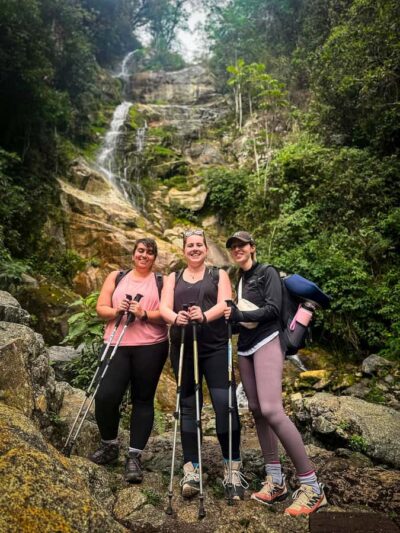 ★ 4.9Machu Picchu 2-Day Inca Trail with Panoramic TrainFrom $582260 reviews
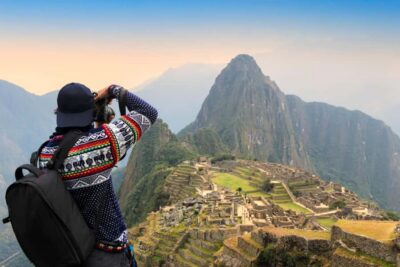 ★ 4.2From Cusco: 2-Day Inca Trail to Machu PicchuFrom $290244 reviews
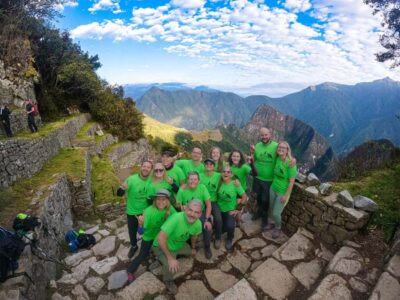 ★ 4.9Machu Picchu: Inca Trail 2-Day Overnight Guided TourFrom $585203 reviews
Browse the lists this tour appears in