
REVIEW · MACHU PICCHU TOURS & TICKETS
Classic Inca Trail 4 days to Machu Picchu
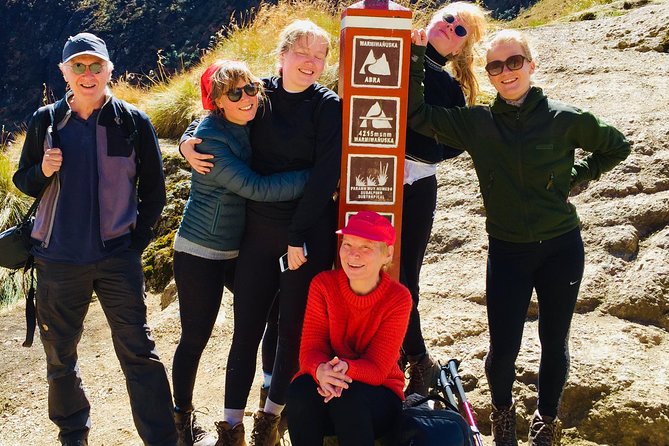
One foot in the cloud forest. The Classic Inca Trail trek to Machu Picchu is interesting because you’re hiking a famous, permitted route through thick jungle terrain and ending at one of the world’s most famous sites, reached via the Sungate approach. I like two things a lot: Freddy’s on-trail explanations of Quechuan history and culture, and Armando’s camp cooking, which felt like proper meals prepared with serious camp equipment. My one big caution is logistics: with this operator, the final-day flow around transfers, water, and toilets can feel disorganized for a trip that’s priced at the high end.
With a group capped at 16, you’re not swallowed by a huge crowd, and the porter team handles the heavy stuff like tents and cooking gear so you can focus on walking. Permits and tickets are included, which matters on the Inca Trail. Still, go in knowing you’ll need to self-manage a few comfort details—especially treated water and how the last transport day is handled.
In This Review
- What stood out on this Classic 4-day Inca Trail
- Classic Inca Trail value: what $1,050 actually covers
- Cusco to km 82 trailhead: start strong, skip Day 1 breakfast
- Camp life on the Inca Trail: tents, mats, and meals that count
- The jungle trekking days: guided pacing and Inca site moments
- Machu Picchu via the Sungate: your final payoff day
- Getting back to Cusco: train from Aguas Calientes to Ollantaytambo
- The support team: Freddy, Armando, porters, and what you gain from it
- Toilets and water: the two comfort gaps to plan for
- Packing list reality check: rain, cold nights, and your own comfort system
- Price and logistics: when it’s a great deal, and when it’s not
- Who should book this Classic 4-day Inca Trail
- Should you book this tour?
- FAQ
- How long is the Classic Inca Trail trek?
- Where does the trek start?
- Is hotel pickup included?
- What meals are included, and what is not?
- Are Machu Picchu permits and tickets included?
- How do you return to Cusco after Machu Picchu?
- What group size should I expect?
- What kind of camping support is provided?
- Do I need to bring my own sleeping bag?
- Is this tour refundable or changeable?
- When is the meeting point available?
What stood out on this Classic 4-day Inca Trail
- Freddy guides with real depth on Quechuan history and what you’re looking at
- Armando’s meals feel restaurant-level compared to typical camp cooking
- Porters run the camp setup with tents, air mats, and cooking space you don’t have to carry
- Small group size (max 16) keeps the trek feeling manageable
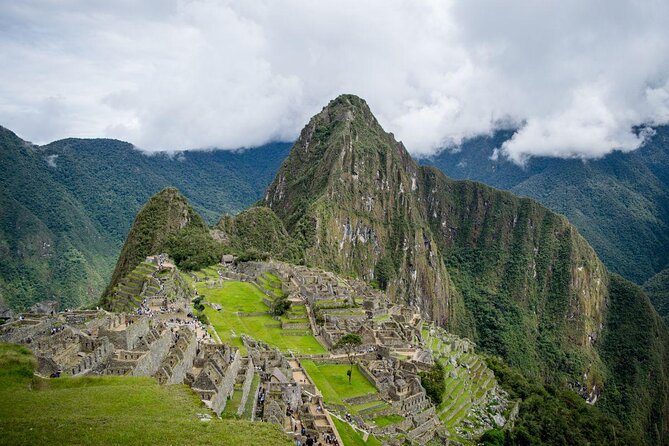
- Sungate arrival sets up the Machu Picchu moment
- Plan for weak spots in treated water, toilet setup, and late-day transfer coordination
Other ways up to Machu Picchu, reviewed
- From Cusco: Full-Day Group Tour of Machu Picchu★ 4.7 · 1,767 reviews
- Machu Picchu Day Trip from Cusco★ 4.5 · 1,644 reviews
- Machu Picchu: Full-Day Tour from Cusco with Optional Lunch★ 4.6 · 927 reviews
- Cusco: 4-Day Inca Trail to Machu Picchu with Accommodation★ 4.8 · 432 reviews
Classic Inca Trail value: what $1,050 actually covers
At $1,050 per person for 4 days, this is not a budget trek. What helps is that the price wraps in the expensive, hard-to-arrange parts: Inca Trail permits and Machu Picchu tickets, plus your guide, porter support, and camping infrastructure. You also get included transportation from your Cusco hotel to the trailhead at km 82, and a return route back to Cusco using train plus bus.
So you’re paying for more than walking. You’re paying for the “system” that makes the Inca Trail work: trained staff, regulated access, and the logistics that let most hikers avoid carrying tents and food. That’s why the trek has such a loyal following—when it runs smoothly, it feels like you’re doing the hard work (the hike) while other people handle the machinery.
Cusco to km 82 trailhead: start strong, skip Day 1 breakfast
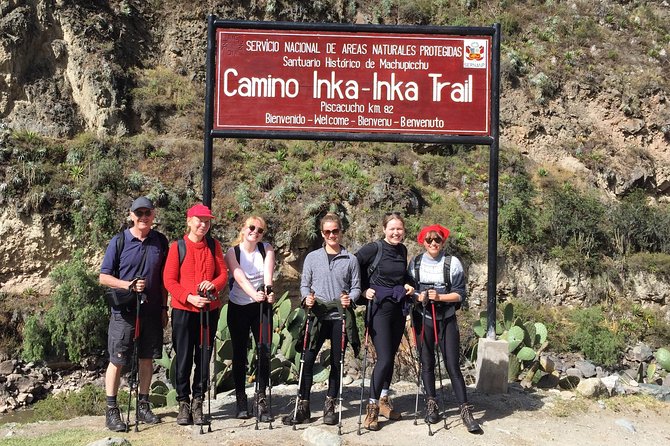
Your day begins with hotel pickup in Cusco and a transfer out to the Inca Trail access point at km 82. This matters because it reduces the pre-trek stress. Instead of scrambling for timing and transportation, you’re already positioned for a proper start.
One small but important detail: breakfast on day 1 is not included. That means you should plan to eat before pickup, or you’ll be starting the trek hungry. It’s also a good reminder that the trek day starts early enough to make meal timing feel tight—bringing a little water strategy and snacks you control can save your mood.
Once you’re on the trail, you’ll be moving through dense jungle terrain with your guide leading the way. The “guided” part is real here: the route is famous, but it’s still a trek, and having someone who keeps the group together and explains what you’re seeing reduces the mental load.
Camp life on the Inca Trail: tents, mats, and meals that count
This is where the trek turns from a hike into a full expedition setup. Included camping equipment covers tents, air mats, and cooking space, plus portable chairs and tables. Porters carry the camping equipment and food, so you’re not arriving at camp and immediately turning into a camp mechanic.
Meals are set up for you, with 4 breakfasts, 4 lunches, and 3 dinners included, and a vegetarian option with no extra cost. The one explicit exception is that lunch on day 4 is not included, so you’ll want to plan for that day knowing you won’t have that mid-trek or mid-day meal covered.
The best part of this camp setup, based on the experience of hikers I trust, is the consistency of the food quality when the kitchen is run well. Armando’s cooking was described as excellent and worth more than typical camp fare. That’s the kind of detail that affects everything: when meals are actually satisfying, you recover better and sleep easier—even when you’re in cold, damp mountain air at night.
The jungle trekking days: guided pacing and Inca site moments
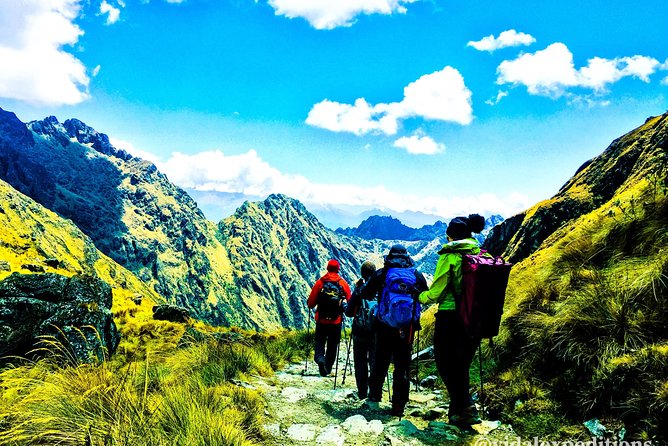
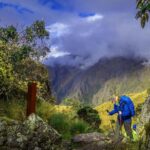
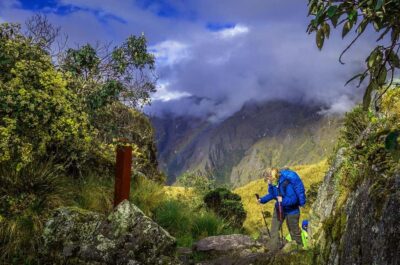
Between day 1 and the final approach, you’ll spend time on the trail through thick, humid terrain and then transition into higher, more rugged sections. The trek is often described as dense jungle, and you should expect that feel: humidity, slick spots, and the kind of trail where your attention needs to stay on your feet.
The value isn’t just in the scenery. It’s in how the guide helps you interpret what you’re walking past. Freddy’s strength was knowledge of Quechuan history and culture, which adds meaning when you see Incan sites along the way. Even if the trek is physically demanding, the storytelling and context can make the time pass faster and stick in your memory.
You’re also supported by camp staff and porters, so your day ends with a ready-made setup. That removes a lot of the guesswork around camp logistics—where to put things, how to organize gear, and whether you’re going to be miserable in the dark.
More Inca Trail departures we have walked through
Machu Picchu via the Sungate: your final payoff day
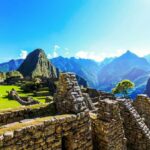
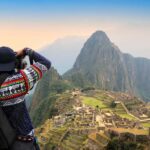
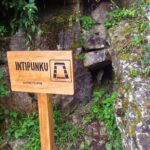
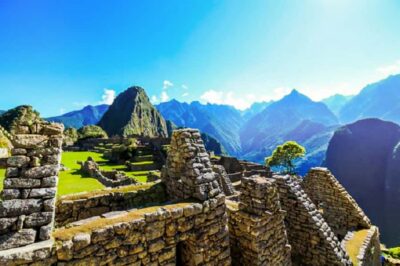
The classic promise of this trek is arriving at Machu Picchu by the most beautiful Sungate approach. That detail matters because Sungate isn’t just a photo stop. It’s typically the route that gives you the first real reveal energy, when Machu Picchu feels like a switch flips from trail to destination.
Machu Picchu is UNESCO-listed, and the trek route is widely considered a top way to experience it because you’re not just buying a ticket and showing up. You earned your arrival after days of walking, so the final moment hits harder.
One practical consideration from experience with this exact operator: the final-day coordination can be uneven. There was a situation where the guide was not scheduled to accompany the group all the way from Machu Picchu through the rest of the transfer day. The plan communicated late meant managing bus tickets to Machu Picchu Pueblo (Aguas Calientes) and then dealing with equipment left there, followed by getting onto the train to the next stop. In that case, the guide agreed to stay and help through the process, which saved a lot of stress.
So my advice is simple: on the final day, treat the transfer steps after Machu Picchu as something you should understand clearly in advance. If you don’t, you might find yourself doing the runaround while other people seem to have the day locked in.
Getting back to Cusco: train from Aguas Calientes to Ollantaytambo
After Machu Picchu, the included return routing takes you to Aguas Calientes, then on by train to Ollantaytambo, and finally by bus back to Cusco. This is a good structure because it avoids another long day of hiking after your biggest climb.
Still, pay attention to how the last day is handled. If your staff support around these steps feels unclear, you’ll want to stay extra organized: keep your documents easy to access, know what time your train is, and confirm what’s waiting for you at each step.
This is also where that earlier point about water and toilets becomes relevant: by the time you’re finishing the trek, you’ll be more tired than you think. A smooth return day depends on small comforts earlier on—hydration, sleep quality, and a functioning bathroom situation.
The support team: Freddy, Armando, porters, and what you gain from it
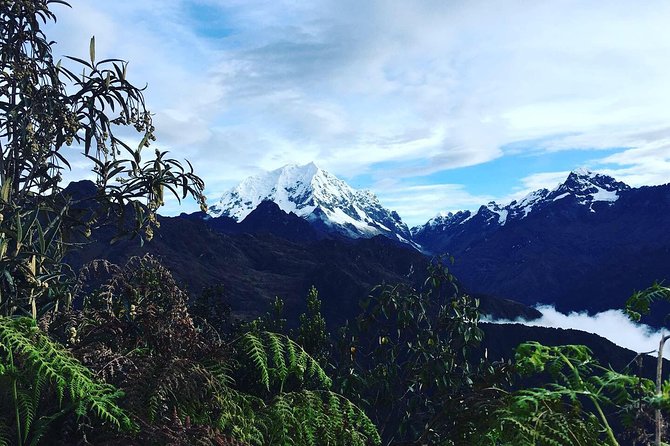
This trek’s quality depends heavily on people, not just permits. The strongest praise was for the guide and camp team.
- Freddy: strong knowledge of Quechuan history and culture, and the kind of guide who makes the trail feel like more than a checklist.
- Armando: prepared meals described as excellent, using camp cooking equipment that goes beyond basic survival food.
- Porters: extremely capable and kind, and willing to help with day-to-day needs around camp.
When these roles are performed well, you get more than safety and logistics. You get a calmer mind. You hike steadier, you sleep better, and you show up for the Sungate and Machu Picchu day with more energy left.
That said, the operator performance can still affect your experience. A strong staff team can still be working inside a bigger company that doesn’t always manage details cleanly.
Toilets and water: the two comfort gaps to plan for
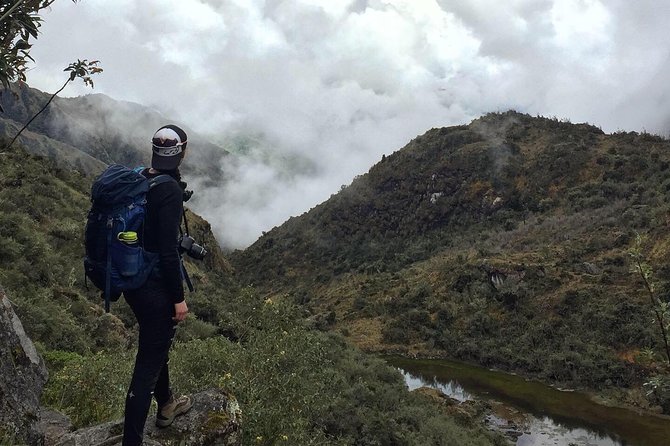
Two issues came up that you should take seriously, especially on a trek you’re paying for at a premium level.
1) Toilet setup wasn’t up to standard. The camp toilet situation wasn’t described as clean or well managed, and the facilities along the Inca Trail can be basic. If sanitation is important to you, don’t assume you’ll get the most comfortable setup.
2) Treated or filtered water wasn’t provided in the way you might expect. The trip encourages water sterilizing tablets (Micropur) and you should travel with your own purification method. Even if the company gives you tablet options, I still recommend bringing your own water filter strategy because you don’t want your plan to depend on whether water gets treated properly every day.
Practical takeaway: treat this trek like you’re responsible for your own hydration safety. Pack your water bottle and purification tools, and keep them easy to reach while hiking.
Also pack toilet paper and a simple hygiene routine. The trek list includes toilet paper and toiletries, which tells you they expect you to handle personal comfort with your own kit.
Packing list reality check: rain, cold nights, and your own comfort system
The tour provides camping structure, but you still need to show up ready for weather and cold. The included guidance expects you to bring a sleeping bag rated to about -11 C / 12 F. Nights on a high trek aren’t a place to improvise comfort.
Key items I’d prioritize:
- Rain protection: a rain poncho (or rain jacket) plus wind/rain pants
- Layering: a wind stopper layer and a lightweight sweater for camp and early mornings
- Headlamp: you’ll want torchlight without digging around in darkness
- Trekking poles: two walking poles help on uneven steps
- Hiking shoes: a pair of used trekking boots (this is huge—brand new boots on day one is a foot disaster waiting to happen)
- UV protection: good sun glasses for UV and sunscreen
- Gloves and hat: even when it’s warm in the day, cold air can grab you at night
You’ll also want a day backpack and a water bottle that’s easy to refill. The trek also suggests binoculars, which can be fun if you like spotting details at viewpoints.
Price and logistics: when it’s a great deal, and when it’s not
This tour can be a great value when the on-the-ground support runs smoothly. Permits and tickets are included, meals are covered (with vegetarian available), camping equipment is handled, and the guide and porters take away major carrying burdens. You’re also capped at a maximum of 16 people, which usually keeps the pace and camp coordination more human.
But value isn’t only about what’s written in the package. It’s also about how well the operator runs those steps—especially near the end. If you’re paying premium money, you should expect clear transfer support from Machu Picchu onward, plus water and toilet arrangements that don’t leave you scrambling.
So I’d call this: it’s a classic trek with excellent people in key roles, but you need to protect yourself with good packing and by clarifying the last-day transfer plan.
Who should book this Classic 4-day Inca Trail
You’ll likely love it if:
- You want a classic Inca Trail experience with permits and tickets handled
- You enjoy guided interpretation, like Quechuan culture context from Freddy
- You appreciate camp cooking that’s actually good, not just “edible”
- You’re comfortable taking responsibility for your water safety (bring your own purification plan)
You might want to think twice if:
- You’re the type who needs flawless, step-by-step company coordination at every moment
- You’re very sensitive to toilet hygiene and want higher comfort than basic facilities
- You don’t want to manage any part of the final transfers around Aguas Calientes and the train
Should you book this tour?
I’d book this Classic Inca Trail if your priority is the classic route to Machu Picchu with strong guide support and real camp meals, and if you’re willing to show up prepared for rain and cold and handle hydration like a pro. The biggest red flags aren’t about the trail itself—they’re about the operator’s execution around water, toilets, and final transfer guidance.
If you do book, do two things before you go:
- Bring a reliable water purification method and don’t rely on the company for treated water.
- Ask for clear details about who stays with the group after Machu Picchu and how the bus-to-train day is supposed to work.
Do that, and you’ll give yourself the best chance of turning a hard trek into a well-run adventure.
FAQ
How long is the Classic Inca Trail trek?
The duration is 4 days (approx.).
Where does the trek start?
You get picked up in Cusco and transferred to the trailhead at km 82.
Is hotel pickup included?
Yes. Pick up from your Hotel in Cusco and transfer to km 82 are included.
What meals are included, and what is not?
Meals include 4 breakfasts, 4 lunches, and 3 dinners. Breakfast day 1 and lunch day 4 are not included. A vegetarian option is available with no extra cost.
Are Machu Picchu permits and tickets included?
Yes. Inca Trail and Machu Picchu permits and tickets are included.
How do you return to Cusco after Machu Picchu?
You take the train back from Aguas Calientes to Ollantaytambo, then a bus back to Cusco.
What group size should I expect?
This tour has a maximum of 16 travelers.
What kind of camping support is provided?
Camping equipment is included, including tents, air mats, cooking tents, and portable chairs and tables. Porters carry the camping equipment and food.
Do I need to bring my own sleeping bag?
Yes. The recommended sleeping bag rating is -11 C / 12 F.
Is this tour refundable or changeable?
No. This experience is non-refundable and cannot be changed for any reason.
When is the meeting point available?
Meeting hours are listed as Monday to Sunday from 9:00 AM to 8:00 PM for the date range 11/21/2025 – 01/31/2027. Confirmation is received at booking.
More Tour Reviews in Cusco
Still Set on the Inca Trail?
Machu Picchu, More Ways In
Recent write-ups from around Cusco, just off the trail
- Cuzco: Rainbow Mountain Excursion
★ 5.0 · 3 reviews - 1 day excursion to Qeswachaka bridge and the 4 lagoons
★ 3.6 · 3 reviews - Waqrapukara 1 day trekking + meals
★ 3.9 · 3 reviews - Valle Sur Cusco | half day
★ 4.3 · 3 reviews - Full-Day Condor Viewpoint & Inca Sites Tour
★ 5.0 · 3 reviews
Machu Picchu Tours & Tickets, compared.
 ★ 4.7From Cusco: Full-Day Group Tour of Machu PicchuFrom $3211,767 reviews
 ★ 4.5Machu Picchu Day Trip from CuscoFrom $3361,644 reviews
 ★ 4.6Machu Picchu: Full-Day Tour from Cusco with Optional LunchFrom $283927 reviews
 ★ 4.84-Day Inca Trail to Machu Picchu with AccommodationFrom $470432 reviews
 ★ 4.6From Cusco: 2-Day Trip to the Sacred Valley and Machu PicchuFrom $370265 reviews
 ★ 4.9Machu Picchu 2-Day Inca Trail with Panoramic TrainFrom $582260 reviews
 ★ 4.2From Cusco: 2-Day Inca Trail to Machu PicchuFrom $290244 reviews
 ★ 4.9Machu Picchu: Inca Trail 2-Day Overnight Guided TourFrom $585203 reviews
Browse the lists this tour appears in