
REVIEW · MACHU PICCHU TOURS & TICKETS
Inca Trail 4 Day Adventure to Machu Picchu with Panoramic Train
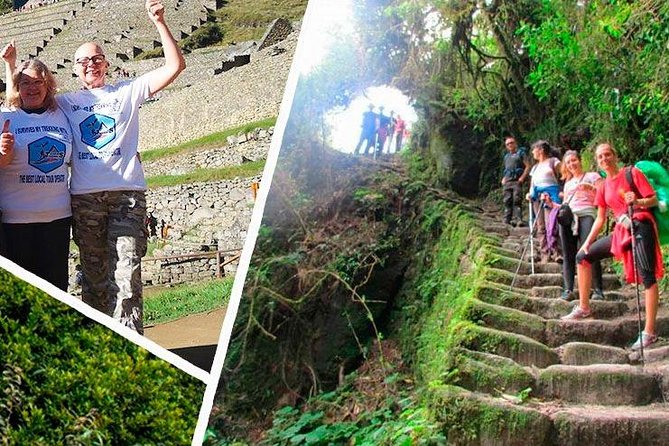
Early mornings, big views, real trail work. This 4-day Classic Inca Trail trip connects Cusco-area pickup, Km 82 starts, and Machu Picchu arrival with a guide who keeps the story clear and the pace sane. It also comes from a 100% local operator that reports community support for education in remote areas.
What I like most is the human layer. You get a bilingual and certified guide, and in this program I’ve seen names like Paolo and Raul come up for their clear explanations and calm handling of different group needs. Another standout is the logistics comfort: porters carry the heavy stuff (camp and kitchen equipment), and you eat well enough that the trek feels like a challenge, not punishment.
One thing to consider: this trek climbs high. Day 2 pushes you toward Warmiwañusca, the Dead Woman pass at 4,200 m, and it’s listed as the hardest, longest day. If you’re not used to altitude or long hiking days, you’ll feel it.
In This Review
- Key things you’ll notice right away
- Local roots, not just a route on paper
- Price and value: where the $950 goes (and where it doesn’t)
- Day 1: Cusco pickup, Ollantaytambo errands, and Patallacta first
- Day 2: The Dead Woman pass and the microclimate reveal
- Day 3: Inca Flat views, Phuyupatamarca at Town in the Clouds
- Day 4: Inti Punku, Machu Picchu’s 2-hour guided core, then explore
- Huayna Picchu: optional, extra cost, and time-management matter
- Sleeping, meals, and porter support that keeps the trail humane
- Train back to Ollantaytambo: scenic, simple, and included
- Who this trek is best for (and who should think twice)
- Should you book this Inca Trail 4-day trip with panoramic train?
- FAQ
- How long is the Inca Trail and Machu Picchu part of this trip?
- Where do you get picked up, and what time does Day 1 start?
- Are Inca Trail permits and entrance tickets included?
- What train ride is included after Machu Picchu?
- Is Huayna Picchu included in the price?
- Are meals included during the trek?
- Do I need to bring a sleeping bag and walking sticks?
- What’s the maximum group size?
- What if I need to cancel?
Key things you’ll notice right away
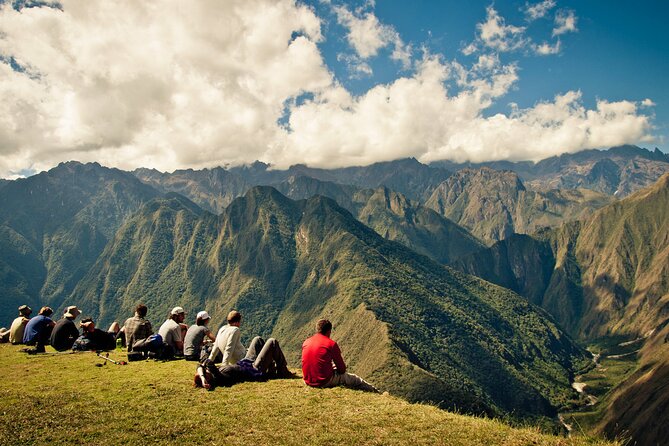
- Local operator with community support focused on education and quality of life in remote areas
- Bilingual certified guides (examples include Paolo and Raul) who explain both trail and ruins
- Porter support for camping gear and kitchen needs, so you hike with less weight
- Big-ticket sites included: Inca Trail permits and Machu Picchu entrance
- Train ride included from Aguas Calientes to Ollantaytambo (Vistadome upgrade costs extra)
- Optional Huayna Picchu adds a second mountain viewpoint, but costs extra
Other ways up to Machu Picchu, reviewed
- From Cusco: Full-Day Group Tour of Machu Picchu★ 4.7 · 1,767 reviews
- Machu Picchu Day Trip from Cusco★ 4.5 · 1,644 reviews
- Machu Picchu: Full-Day Tour from Cusco with Optional Lunch★ 4.6 · 927 reviews
- Cusco: 4-Day Inca Trail to Machu Picchu with Accommodation★ 4.8 · 432 reviews
Local roots, not just a route on paper
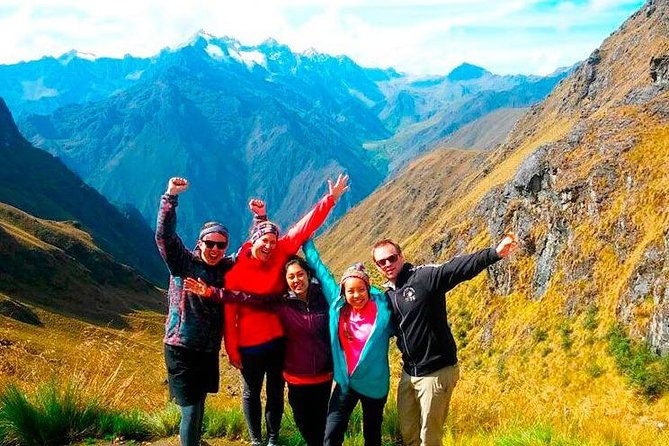
The Inca Trail can feel like a machine: bus, line, hike, repeat. What makes this one different is the “local operator” approach. The company positions itself as 100% local, and they tie the business to community impact, including school supplies for children in remote areas. Even if you never meet the communities directly, it changes the vibe: you’re not just paying for a stamp in your passport.
I also like the way the trek is managed like a small group experience. The maximum group size is 16 travelers, and that matters on the trail. You get more flexibility when the guide is adjusting pace, regrouping, or explaining an archaeological stop without turning it into a traffic jam.
Finally, you get a briefing the day before with your guide. That may sound like a box-check, but it helps on a day when you’re starting at 5:00 am and heading straight for the trailhead. You’re less likely to show up mentally underprepared.
Price and value: where the $950 goes (and where it doesn’t)
At $950, this isn’t the cheapest Inca Trail around. But it is also not just you and a guide holding a map. The price covers several expensive and non-negotiable pieces of the classic experience.
Here’s the value breakdown from what’s included:
- All entrances and permits for the Inca Trail
- Machu Picchu entrance tickets
- Private transportation to the trailhead and back into Cusco
- A train ride from Aguas Calientes to Ollantaytambo
- Bilingual certified guide
- Porters for camping equipment and kitchen setup
- Four-season tents (2 trekkers per tent) plus mattresses
- 3 meals per day during the trek (buffet style) with snacks and boiled water
- A first aid kit with an oxygen balloon
What costs extra (so you don’t get surprised):
- Huayna Picchu (optional, ticket not included)
- Walking sticks rental (listed at $20 for a professional pair)
- Sleeping bag rental (listed at $20 for a professional one)
- Bus down from Machu Picchu to Aguas Calientes (listed at $12)
- Train upgrade to Luxury Vistadome (not included)
- Tips for the team (not required, but welcomed)
When you price the Inca Trail properly, permits and support make a huge difference. This package is basically buying you less decision-making on a complicated trip: you don’t have to source permits, sort out camp gear, or worry about train timing. You can focus on hiking, resting, and enjoying the ruins when they show up.
One more practical note: the booking is non-refundable and not changeable for any reason. That’s a big deal for anyone with uncertain schedules, so it’s worth weighing before you pay.
Day 1: Cusco pickup, Ollantaytambo errands, and Patallacta first
Your day starts before it feels real. Pickup is offered from Cusco, Urubamba, or Ollantaytambo, and the trek day begins with a 5:00 am pickup from your hotel. You’ll drive toward Piskakucho (Km 82), the classic launch point for the Inca Trail.
Before you hit the trailhead, the itinerary includes a stop in Ollantaytambo. The goal is simple: last-minute supplies, personal needs, and a chance to grab breakfast at a local restaurant. That matters if you forgot something or need to top up with the basics before the hike.
Then comes the first big hiking rhythm. Day 1 is about 6 to 7 hours. For the first 2 hours, you walk to Patallacta, described as the largest archaeological site on the Inca Trail. Even with just the guide’s explanation, this stop sets the tone: you’re not only walking through scenery, you’re moving through Inca-built space.
After that, you continue to lunch, then hike another 2.5 to 3 hours to reach the first campsite. This is the day you’ll feel most in your legs, but it’s also the day that helps you lock into the group pace.
Day 2: The Dead Woman pass and the microclimate reveal
Day 2 starts with an Andean greeting. You wake early for coca tea as a greeting to the apus, then have breakfast before hiking. The itinerary calls out a strategy that I agree with: walking in the shadow of the mountains. It’s not a superstition thing. It’s practical. Less sun means fewer heat headaches, especially around high points.
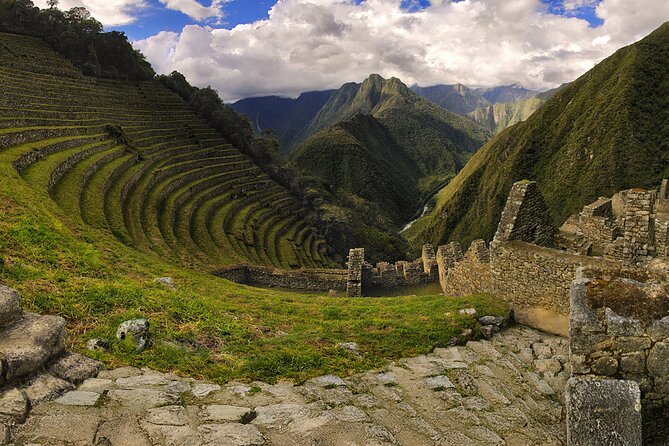
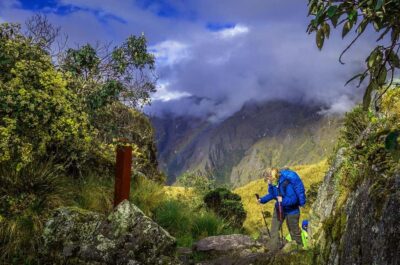
This day is listed as the hardest and longest, at around 8 hours. The real work is the climb to the highest point: the Warmiwañusca pass (Dead Woman pass) at about 4,200 meters.
What I like about how this day is explained is the “why” behind the struggle. As you rise and move across the trail, you pass through different ecological zones and microclimates. In other words, the altitude changes aren’t just numbers. The air feels different, plants change, and the light changes. That’s what makes the climb feel purposeful instead of only exhausting.
After the pass and a short rest, you continue toward the Pacaymayu Valley. It’s still hiking, but it’s the kind of effort that starts turning into satisfaction: you survived the big gate, and now the day’s story opens up into valleys and new scenery.
More Inca Trail departures we have walked through
Day 3: Inca Flat views, Phuyupatamarca at Town in the Clouds
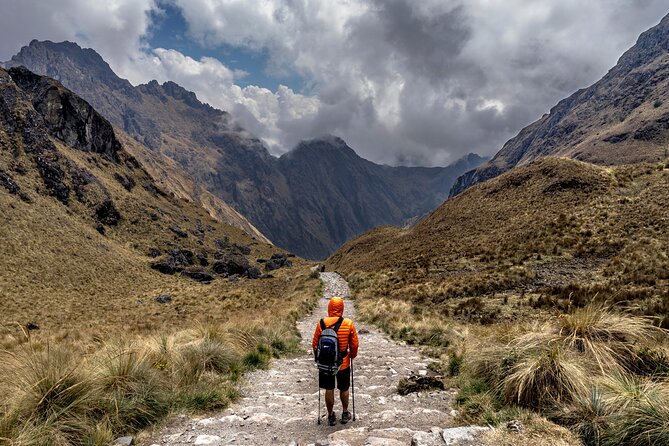
Day 3 is often the “best day” in people’s memories, and the itinerary is built for that. You start with an early, nutritious breakfast, then hike for about 2 hours along Inca Flat, which the route is known for.
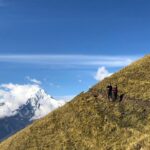
From here, you get views of the Salkantay snowy mountain and the Vilcabamba mountain range. This is the day where the trek starts to feel like a panorama you can step into, not just a line on a map.
Next comes the third and last highest point: Phuyupatamarca at around 3,650 meters, often described as the Town in the clouds. The altitude doesn’t erase comfort on this day, but it can change your breathing. So keep moving steadily, not fast. The guide’s job is to keep everyone in the group together, and that tends to be easier on Day 3 when the trail quality improves.
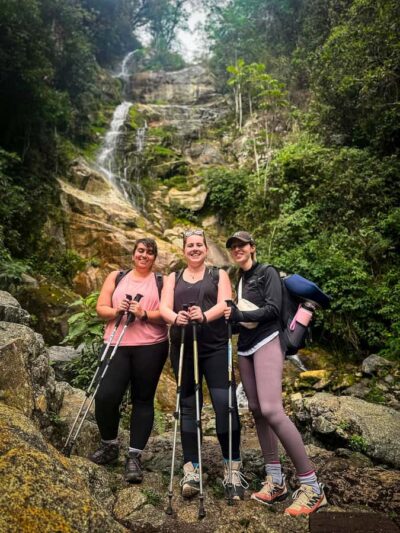
After the lunch stop, you move into cloud forest terrain, with the chance to see small streams, small waterfalls, and plants like orchids and bromeliads. The route also notes birds such as parrots and parakeets, which is a nice reminder that you’re hiking an ecosystem, not a photo backdrop.
Then the day ends with ruins at Wiñaywayna (the itinerary describes this as the next major segment after lunch). Day 3 is where the Inca Trail starts to feel like a slow approach to Machu Picchu rather than a separate hike.
Day 4: Inti Punku, Machu Picchu’s 2-hour guided core, then explore
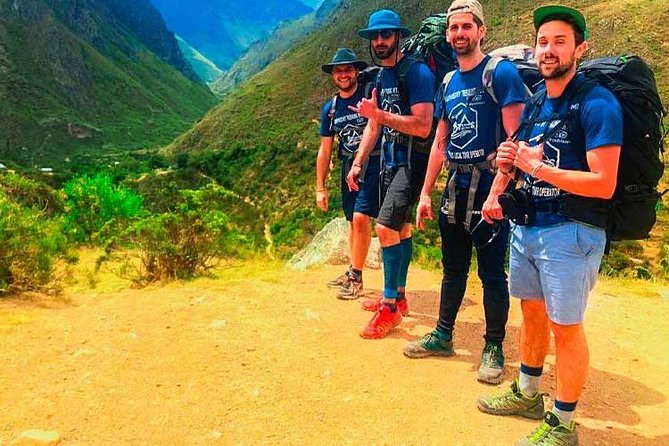
Day 4 is the payoff day, and it starts early with breakfast. You’ll say goodbye to your porters and cook, then begin the final walk to Machu Picchu.
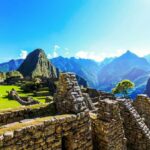
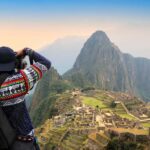
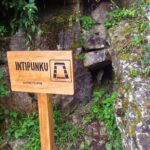
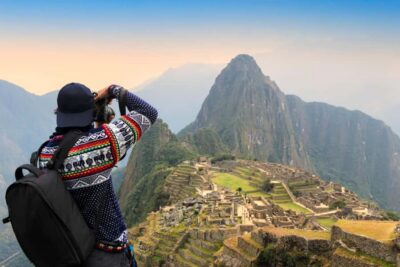
The first major arrival point is Inti Punku (Puerta del Sol). This is where the itinerary promises an inspiring panoramic view of the citadel. Even if you’ve seen photos, the effect is different when you come in on foot, from the same trail system that brought workers, families, and goods through these mountains.
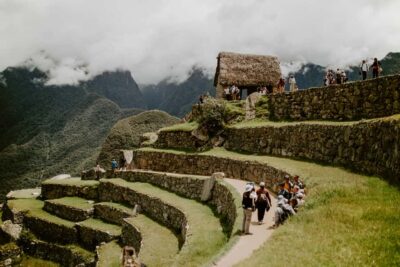
From there, you register and enjoy a 2-hour guided tour inside Machu Picchu. Your guide focuses on main places, including the temple of the sun, temple of the water, and temple of the moon, plus other key areas. This guided time is one of the biggest reasons to pick a tour like this, because it turns “I saw it” into “I understand what I’m looking at.”
After the tour, you get time to explore on your own and take photos. That open time is important. Machu Picchu rewards people who linger. You’ll want to return to your favorite angles and also look for details your guide didn’t have time to cover.
Huayna Picchu: optional, extra cost, and time-management matter
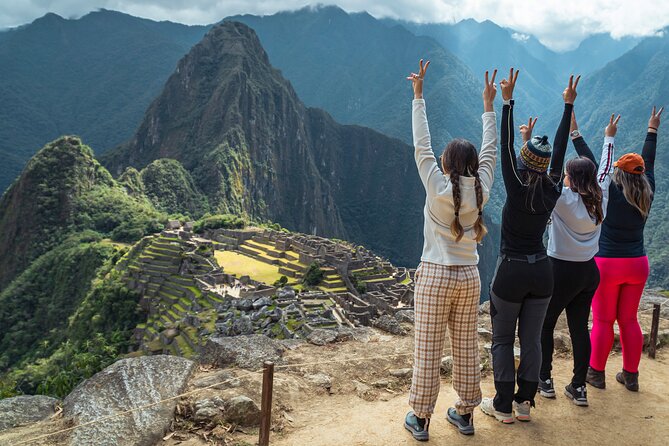
You can add Huayna Picchu after the Machu Picchu tour. The itinerary says it’s optional with an extra cost, and the ticket is not included. It’s listed at about 2 hours.
The tricky part is timing. Your main Machu Picchu schedule already includes a 2-hour guided segment plus free time. If you’re the type who gets tired after a long day of walking, you might love the option less once you’re there. But if you want that second viewpoint and you’re feeling strong, this is the add-on to consider.
Sleeping, meals, and porter support that keeps the trail humane
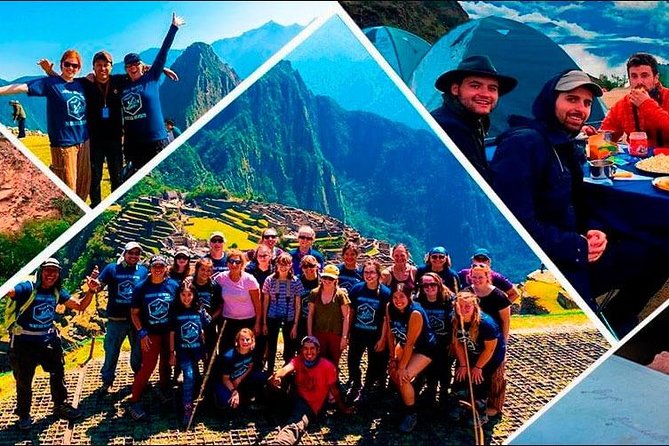
This is where the experience earns its reputation. The trip includes camping support so you can hike with less burden.
You sleep in four-season tents, with 2 trekkers per tent, plus mattresses. Porters carry all camping equipment and kitchen stuff, which is a massive relief on a trail where you’re already dealing with altitude.
Food is also included in a structured way: 3 meals per day during the trek served buffet style, plus snacks each day. You also get boiled water to drink during the trail. The operator says they can accommodate dietary needs like vegetarian, vegan, and pesquetarian.
In the reviews behind the scenes, the praise keeps landing on two things: the cook and the porters. People describe the meals as wonderful and the support as top notch. One booking even highlighted a very porter-heavy team setup for a small group, which is the kind of detail that can make the trek feel surprisingly manageable.
One consideration: tents are sized and you’ll share space. A family specifically asked about tent size for a tall child, and they were told tent dimensions around 2.2 x 2.2m. That’s not a dealbreaker, but if you’re tall, broad-shouldered, or traveling with kids who hate tight spaces, it’s worth asking how sharing will feel for your group.
Train back to Ollantaytambo: scenic, simple, and included
After Machu Picchu, the itinerary includes a touristic train from Aguas Calientes to Ollantaytambo. It also mentions that an upgrade to Luxury Vistadome is possible but not included.
One more piece of the route is not included: the bus down from Machu Picchu to Aguas Calientes costs $12. That means your schedule will involve moving from the citadel area to Aguas Calientes, then taking the train.
For many people, this train segment is what makes the trek feel complete. You go from high effort on the Inca Trail to a calmer ride with views, and you still end up back in a place you can connect from onward.
Who this trek is best for (and who should think twice)
This trek is designed for people with moderate physical fitness. Day 2 is long and high, so if you struggle with steady climbs or you’re recovering from injury, this may be more than you want to handle.
On the other hand, the guide approach can work for families. Reviews mention Paolo setting a pace that fit a family that included kids. That doesn’t mean the trail becomes easy. It means the guide doesn’t treat everyone like identical hiking robots. If your group needs careful pacing, that’s a strong sign.
It’s also a good choice if you value structure. You’re not figuring out permits, camp setup, and meals on your own. You get a full package: guide, porters, tents, meals, entrance tickets, and the train ride.
Should you book this Inca Trail 4-day trip with panoramic train?
If you want the classic route with real support, I think you should strongly consider booking. The combination of permits, Machu Picchu ticket, porter-camp setup, bilingual certified guidance, and included train back makes the $950 feel more like a fully handled expedition than an add-on salad of rentals.
Book it if:
- You’re comfortable with the idea of high altitude hiking and a long Day 2
- You want guided interpretation at Machu Picchu, not just wandering
- You prefer a small group (max 16) with organized logistics
Maybe hold off if:
- Your schedule is uncertain, since the booking is non-refundable and not changeable
- You strongly dislike tight shared tent space, and you need extra room for comfort
- You’re trying to keep costs ultra-low, because Huayna Picchu, bus down, sleeping bag/walking stick rentals, and possible train upgrades can add up
If you’re ready for the climb and you value guided clarity plus camp comfort, this is a solid way to do the Inca Trail to Machu Picchu.
FAQ
How long is the Inca Trail and Machu Picchu part of this trip?
The trip runs for about 4 days, with the trek across 4 days and Machu Picchu included on the last day.
Where do you get picked up, and what time does Day 1 start?
Pickup is offered from your accommodation in Cusco, Urubamba, or Ollantaytambo. Day 1 starts with pickup at 5:00 am from your hotel.
Are Inca Trail permits and entrance tickets included?
Yes. The package includes all entrances and permits for the Inca Trail, plus the Machu Picchu entrance ticket.
What train ride is included after Machu Picchu?
A touristic train from Aguas Calientes to Ollantaytambo is included.
Is Huayna Picchu included in the price?
Huayna Picchu is optional and has an extra cost. The ticket is not included.
Are meals included during the trek?
Yes. You get 3 meals per day during the trek served buffet style, plus snacks each day and boiled water. The first breakfast and the last lunch and dinner are not included.
Do I need to bring a sleeping bag and walking sticks?
Sleeping bags and walking sticks are not included, but you can rent them from the operator for $20 each (sleeping bag and a professional pair of walking sticks).
What’s the maximum group size?
The tour has a maximum of 16 travelers.
What if I need to cancel?
This experience is non-refundable and cannot be changed for any reason. If you cancel or ask for an amendment, the amount you paid is not refunded.
More Tour Reviews in Cusco
Still Set on the Inca Trail?
Machu Picchu, More Ways In
Recent write-ups from around Cusco, just off the trail
- Cuzco: Rainbow Mountain Excursion
★ 5.0 · 3 reviews - 1 day excursion to Qeswachaka bridge and the 4 lagoons
★ 3.6 · 3 reviews - Waqrapukara 1 day trekking + meals
★ 3.9 · 3 reviews - Valle Sur Cusco | half day
★ 4.3 · 3 reviews - Full-Day Condor Viewpoint & Inca Sites Tour
★ 5.0 · 3 reviews
Machu Picchu Tours & Tickets, compared.
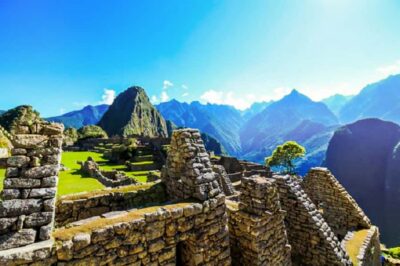 ★ 4.7From Cusco: Full-Day Group Tour of Machu PicchuFrom $3211,767 reviews
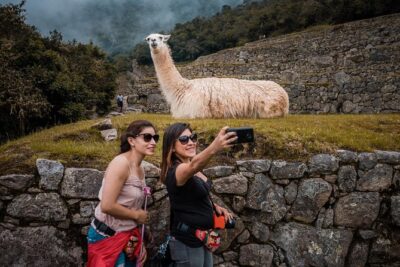 ★ 4.5Machu Picchu Day Trip from CuscoFrom $3361,644 reviews
 ★ 4.6Machu Picchu: Full-Day Tour from Cusco with Optional LunchFrom $283927 reviews
 ★ 4.84-Day Inca Trail to Machu Picchu with AccommodationFrom $470432 reviews
 ★ 4.6From Cusco: 2-Day Trip to the Sacred Valley and Machu PicchuFrom $370265 reviews
 ★ 4.9Machu Picchu 2-Day Inca Trail with Panoramic TrainFrom $582260 reviews
 ★ 4.2From Cusco: 2-Day Inca Trail to Machu PicchuFrom $290244 reviews
 ★ 4.9Machu Picchu: Inca Trail 2-Day Overnight Guided TourFrom $585203 reviews
Browse the lists this tour appears in