
REVIEW · CUSCO PLANETARIUM & ANDEAN ASTRONOMY
Planetarium Cusco OFFICIAL SITE: Andean Astronomy experience
Cusco’s night sky has a new way in. This Inca astronomy experience pairs cultural sky stories with a modern planetarium dome, plus telescope time outside when conditions allow. You’ll start in the heart of Cusco and end under actual stars, even if the clouds have other plans.
I especially liked how the evening makes the sky feel understandable, not like a lecture you have to survive. The planetarium dome projection brings the southern sky and Inca constellations to life with expert storytelling that connects astronomy to how people once organized their lives.
One thing to consider: stargazing depends on weather, so on cloudy nights you may get the dome experience more than the telescope show. Still, the team builds in telescope time and adjusts the schedule when possible.
In This Review
- Key things to know before you go
- Plaza Regocijo to the Planetarium: how the night starts
- Interpretation rooms: Inca cosmovision before the dome
- The 18:40 dome show: southern sky + Inca constellations
- Telescope stargazing: what happens outside after dark
- Guide style and group size: easier than you expect
- Price and value at $28: what you’re actually paying for
- What to bring and rules you should know
- Who this Andean astronomy show is best for
- Should you book Planetarium Cusco’s Andean astronomy experience?
- FAQ
- Where is the meeting point for Planetarium Cusco?
- What time should I arrive, and how long is the experience?
- What’s included in the ticket price?
- Is stargazing guaranteed?
- What languages are offered?
- What should I bring, and are there age limits?
Key things to know before you go
- Plaza Regocijo meet-up keeps you close to the main square and makes the start easy to find
- Dome show at 18:40 focuses on the southern sky and Inca constellations in a guided, clear way
- Weather-based telescope viewing means your stars-or-clouds outcome is real, not a marketing promise
- Small-group feel helps you ask questions and actually follow along
- Warmth setup matters: comfortable shoes, warm clothing, and blankets if you feel cold
More Andean stargazing near Cusco
- Cusco by Night: Planetarium Cusco, Dinner, and Pisco Sour★ 5.0 · 75 reviews
- Cusco: Planetarium and Night Tour with Dinner and Pisco Sour★ 4.9 · 9 reviews
- Planetarium Cusco Trip★ 3.8 · 4 reviews
- Excursion to the Planetarium of Cusco | New experience★ 3.3 · 3 reviews
Plaza Regocijo to the Planetarium: how the night starts
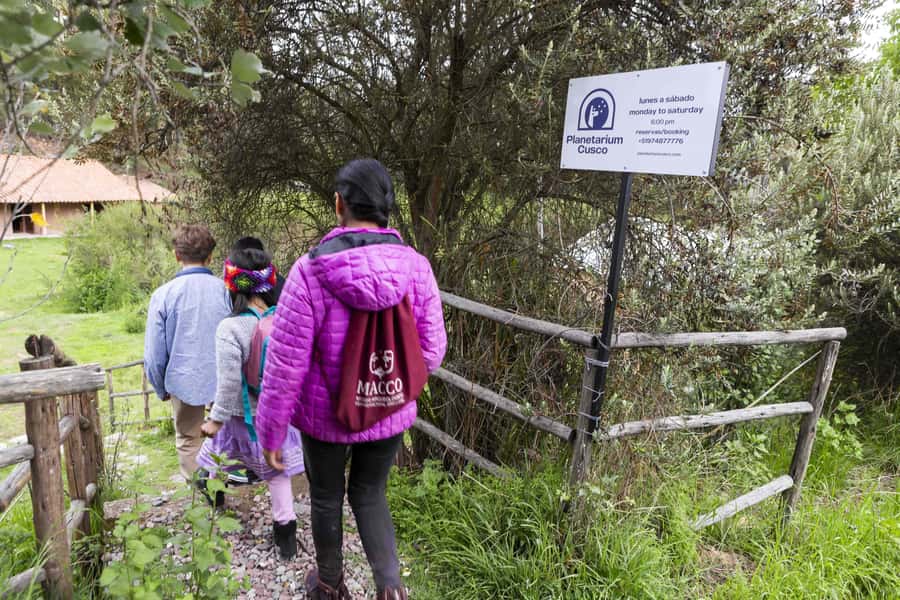
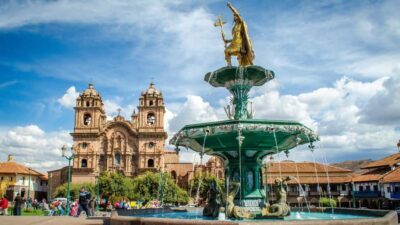
The evening begins with a straightforward plan. Meet at 17:30 sharp in the middle of Plaza Regocijo, at the fountain. If you like arriving early, do it. Cusco nights move fast, and you’ll want a relaxed start.
From there, you take a short transfer by vehicle—about 10 to 15 minutes—as the streets give way to darker skies. The timing is built around daylight fading and the best odds for good viewing. You’ll arrive around 18:05, settle in, and get ready for the interpretation rooms before the main dome session.
This kind of pacing is one reason the experience works well. You’re not running from one place to another. Instead, you’re guided through the story of the sky in the right order: first context, then the dome projection, then the outside viewing when possible.
Interpretation rooms: Inca cosmovision before the dome
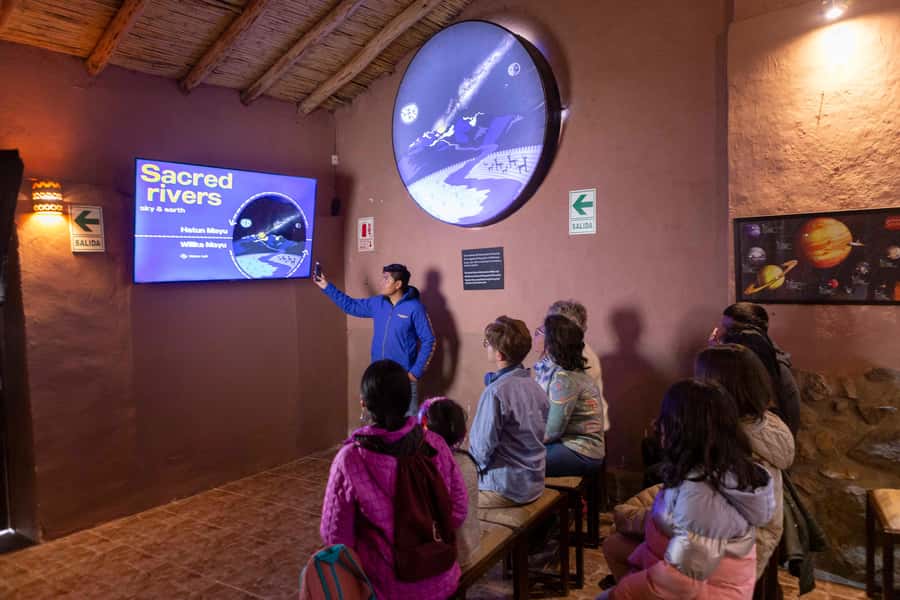
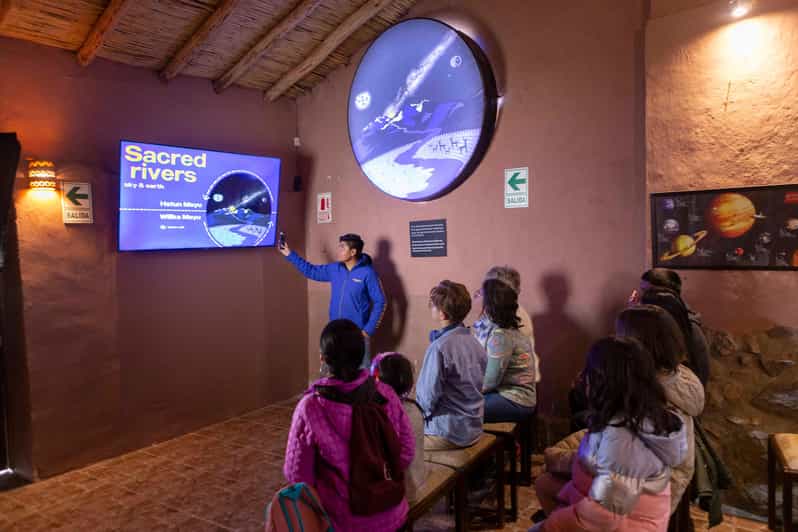
Before you look up, you’ll learn how to look. The evening starts with an introduction in the planetarium’s interpretation rooms, where the team explains Inca astronomy through guided storytelling.
What I like about this step is the way it sets expectations. You’re not just shown pretty constellations. You’re given a framework for why people in the Andes cared about the sky—how patterns above could connect to seasons, agriculture, and cultural understanding.
This is also where the tone of the evening matters. You’ll be in a group setting, but the delivery is friendly and professional. People consistently describe the mood as welcoming and informative, with a light humor that keeps you engaged even if your astronomy background is limited.
If you’re coming from Cusco’s usual history sites, this feels like a natural follow-up. You’re still learning Inca culture, just through the lens of the night sky. And if your Spanish is basic, you’re covered—guides speak English and Spanish.
The 18:40 dome show: southern sky + Inca constellations
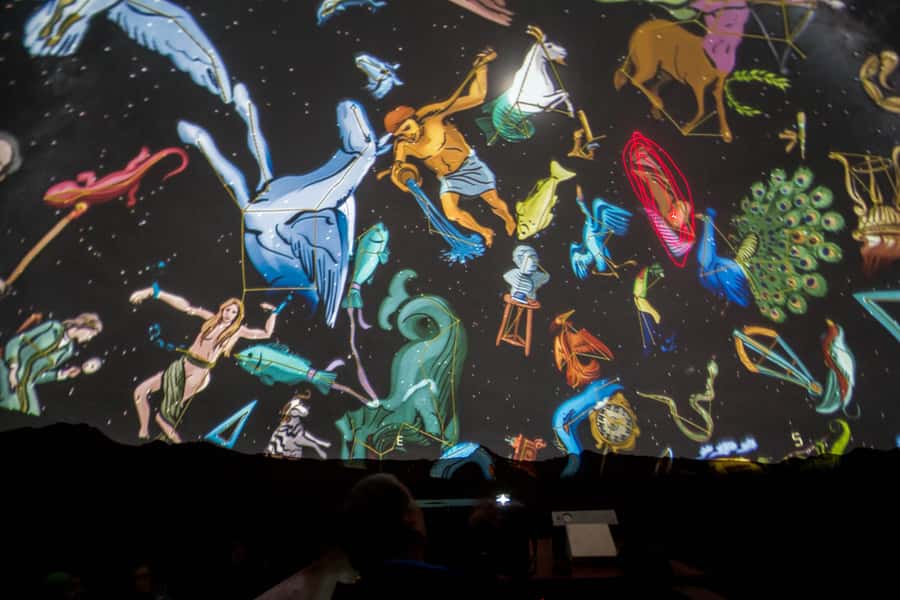
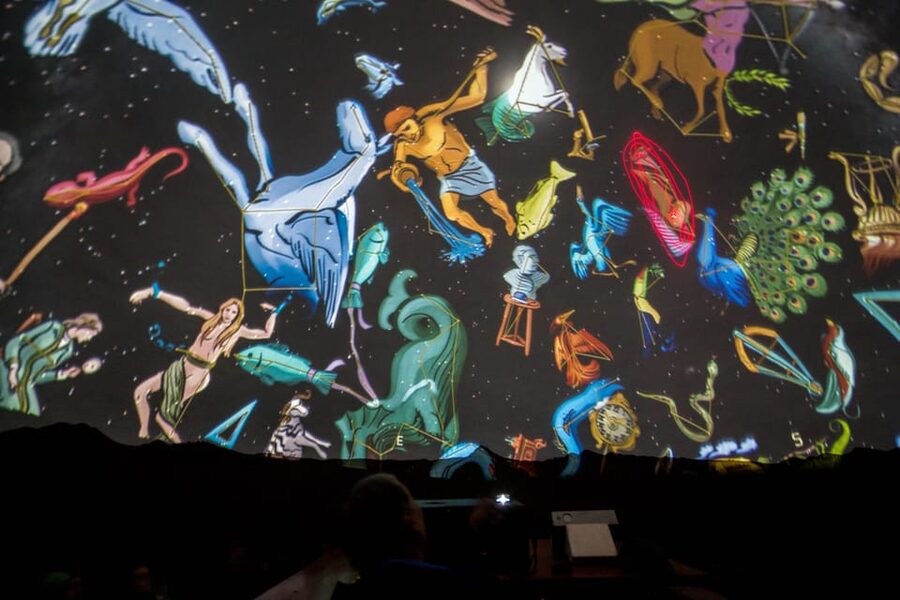
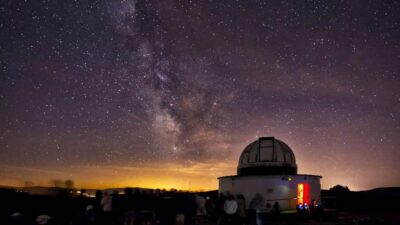
At 18:40, you move into the show inside the dome. This is the heart of the experience: a state-of-the-art virtual projection of the southern sky, focused on Inca constellations.
Why this matters: the southern sky view from Cusco can be spectacular, but it’s also easy to miss. The dome projection gives you a guided map. You’ll understand what you’re looking at outside later, instead of staring at random points of light and guessing.
The storytelling connects the constellations to meaning, so the dome show isn’t only visual. It’s educational in a way that stays practical: you learn enough to recognize patterns later, and you build curiosity without feeling overwhelmed.
It’s also a good option if the weather is uncertain. Even when clouds roll in, the dome program is still the main event, and it gives you a structured, satisfying chunk of the experience.
Telescope stargazing: what happens outside after dark
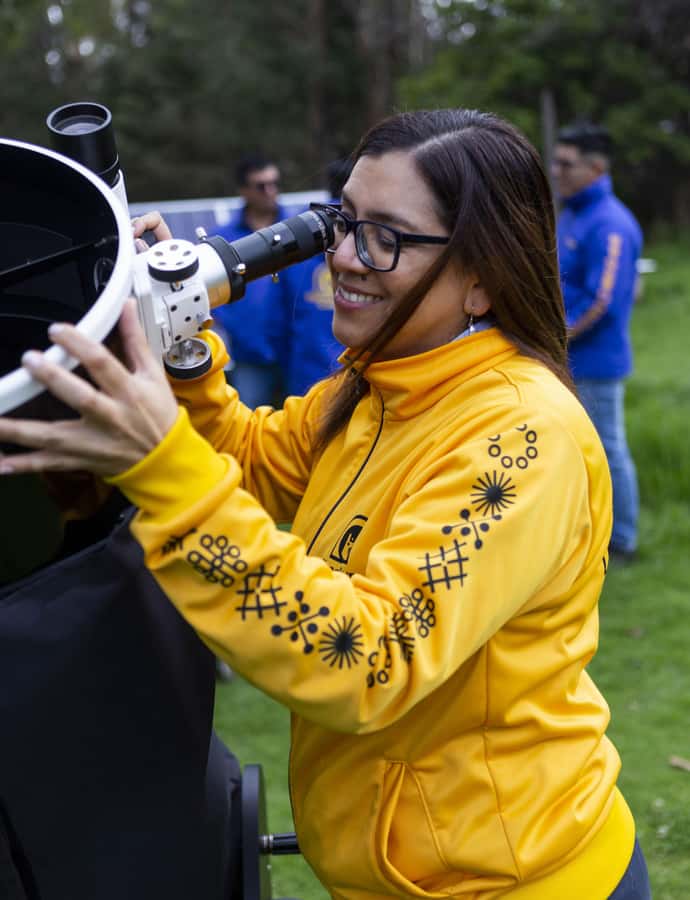
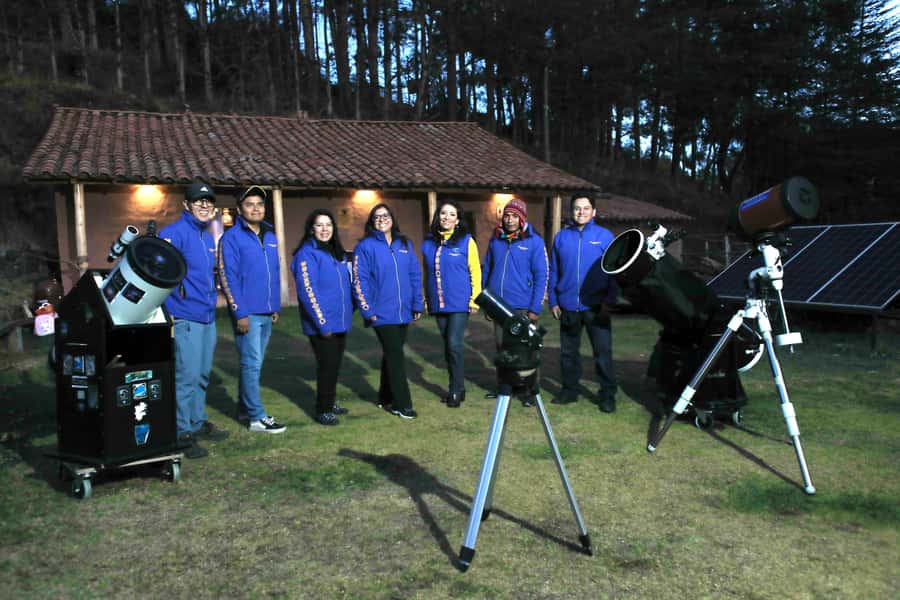
Once darkness sets, you’ll head outside for stargazing with telescopes. The key phrase here is weather permitting. If clouds block the sky, the telescope time may be limited or disappointing, even though the team does everything it can to try to get some viewing.
On clearer nights, the telescope session can be pretty dramatic. People have reported seeing things like Saturn’s rings when conditions line up, which tells you they’re not just pointing vaguely. The goal is to show real, recognizable celestial targets—not only talk about them.
A couple practical tips help your odds:
- Bring warm clothing. Cusco nights can get cold quickly, and you’ll be standing or sitting outside.
- Wear comfortable shoes so you’re not fighting your feet during the waiting time.
- If you want the best view and feel comfortable physically, you might prefer a seat near the entrance area inside the planetarium where blankets are offered. This can make the experience feel cozier during the earlier indoor parts.
Your schedule ends with the return around 19:40. You’ll wrap up with that satisfying feeling of having learned a sky story and then tested it in the real night.
Guide style and group size: easier than you expect
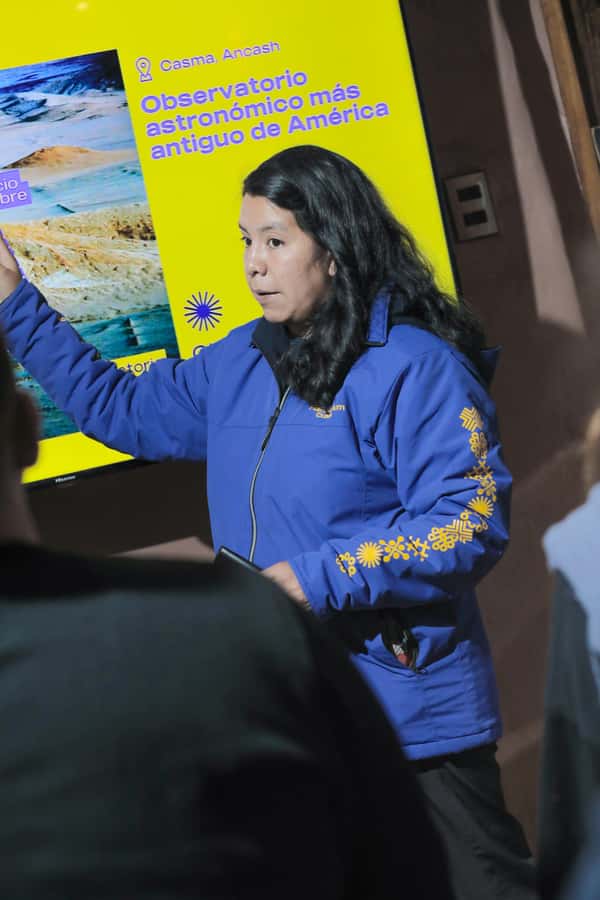
This is a group service, but it doesn’t feel like a big crowd event. You get a more personal evening rhythm, and that makes a difference for astronomy. When the explanations are clear and the group isn’t huge, you spend more time following the sky story and less time trying to hear over everyone else.
From the tone described in past visits, the crew tends to be:
- welcoming right from the start
- professional and informative
- able to keep the mood light and fun
English support is built in, since the guides run the evening in English and Spanish. That’s a major value point. Cusco has plenty of attractions where language can be a barrier, but here you can expect the explanations to land.
One more small but important detail: the experience is designed to work for beginners and curiosity-driven travelers. If you’re already deeply specialized in astronomy, you might feel like the material stays general. But if you want context and a guided path to what you’re seeing, it’s a strong match.
Price and value at $28: what you’re actually paying for
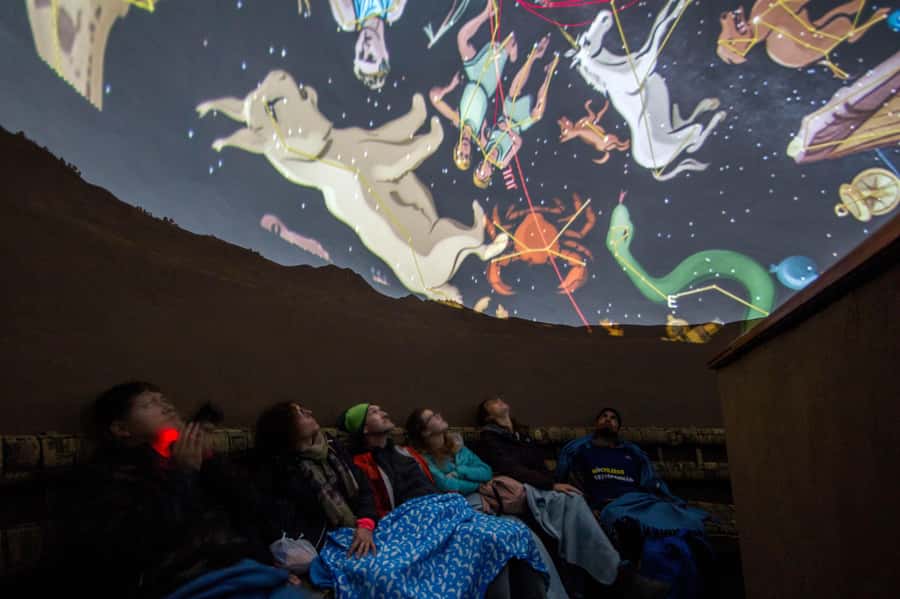
At $28 per person for about 2 hours, this can be good value in Cusco—mainly because you’re not just buying a lecture. You’re getting several components that usually cost more separately:
- Round-trip transportation from Plaza Regocijo
- An introduction to Inca astronomy in the interpretation rooms
- A southern-sky dome projection featuring Inca constellations
- Telescope stargazing, depending on weather
Food is not included, so plan to eat before you go or after you return. Since the evening runs from early evening into the later part of the night (return around 19:40), you’ll likely want dinner either before 17:30 or on your own timing after.
If you’re comparing value, think in terms of “how much of the program is guaranteed.” The dome show is the sure thing. The telescope is the variable. That means you’re still not wasting your money if clouds show up, as long as you’re happy with the indoor sky experience.
What to bring and rules you should know
Cusco has two enemies at night: cold and discomfort. This activity plans around both.
Bring:
- Comfortable shoes (you’ll move around and spend time waiting)
- Warm clothing (layering helps)
You may also find blankets available if you feel cold, which is a nice touch for comfort during the seated portions.
Rules and limits (important):
- Pets aren’t allowed (assistance dogs are allowed)
- Alcohol and drugs are not allowed
- Unaccompanied minors aren’t allowed
- Not suitable for children under 7
There are also behavior rules typical for a guided planetarium program, including no audio recording. It’s worth respecting this so the session stays smooth for everyone.
Who this Andean astronomy show is best for
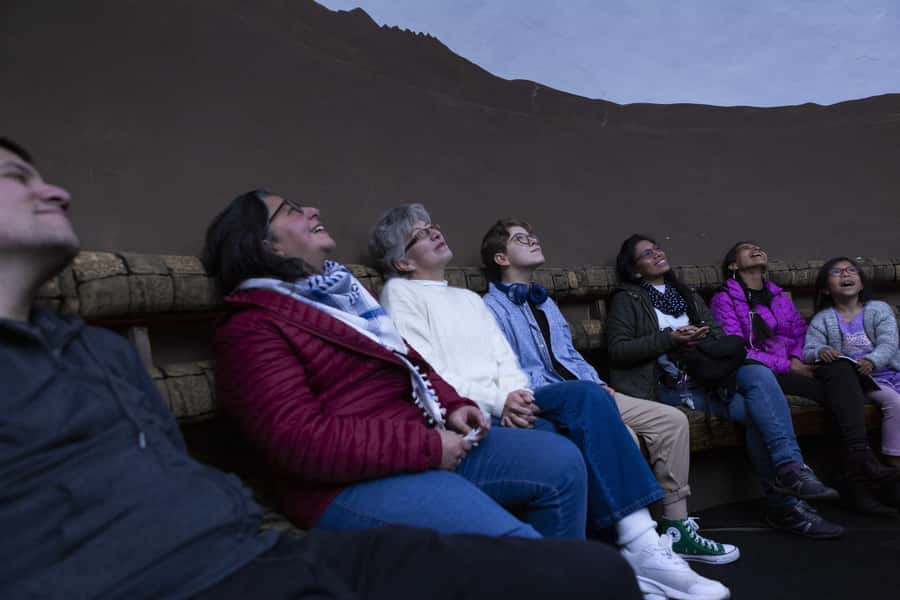
This is for you if you want a guided, culturally grounded way to understand the night sky in the Andes. You don’t need a science degree. You do need curiosity and a willingness to look up.
It’s especially a good fit if:
- you like culture plus science, not either-or
- you’re new to astronomy and want a map for what you see
- you enjoy guided storytelling that connects Inca culture to the sky
- you want a small-group evening activity that fits into a Cusco schedule
It may be less satisfying if you already know a lot about astronomy and expect advanced technical detail. The goal here is interpretation and context, not an observatory-style research session.
If you’re traveling as a family, the age limit matters: it’s not suitable for kids under 7, and minors can’t attend without an adult.
Should you book Planetarium Cusco’s Andean astronomy experience?
If you’re in Cusco with an open evening and you want something that feels both local and genuinely different, I’d book it. The combination of Inca constellations, a guided dome projection, and telescope viewing makes this more than a standard museum stop.
My decision advice is simple:
- Book it if you want the sky story, not just the chance to see stars.
- Bring layers and expect cold. You’ll enjoy it more.
- If clouds worry you, remember: the dome show is the core. Telescope time is the bonus.
In short: this is one of those activities where you leave with your head tilted toward the heavens, and with names and meanings attached to what you’re seeing. That’s the kind of souvenir you can’t buy anywhere else.
FAQ
Where is the meeting point for Planetarium Cusco?
You meet in the middle of Plaza Regocijo, next to the fountain.
What time should I arrive, and how long is the experience?
Gather at 17:30 sharp. The total duration is 2 hours, with the return trip back to Cusco around 19:40.
What’s included in the ticket price?
It includes round-trip transportation from Regocijo Square, an introduction to Inca astronomy, a virtual projection of the southern sky and Inka constellations in the dome, and telescope stargazing depending on weather.
Is stargazing guaranteed?
No. Stargazing with telescopes is weather dependent, and the schedule may vary to optimize stargazing opportunities.
What languages are offered?
The live tour guide is available in Spanish and English.
What should I bring, and are there age limits?
Bring comfortable shoes and warm clothing. Children under 7 are not suitable, and unaccompanied minors are not allowed.
More Tour Reviews in Cusco
More Andean Skies

Recent write-ups from around Cusco, just off the trail
- Cuzco: Rainbow Mountain Excursion
★ 5.0 · 3 reviews - 1 day excursion to Qeswachaka bridge and the 4 lagoons
★ 3.6 · 3 reviews - Waqrapukara 1 day trekking + meals
★ 3.9 · 3 reviews - Valle Sur Cusco | half day
★ 4.3 · 3 reviews - Full-Day Condor Viewpoint & Inca Sites Tour
★ 5.0 · 3 reviews
Cusco Planetarium & Andean Astronomy, compared.
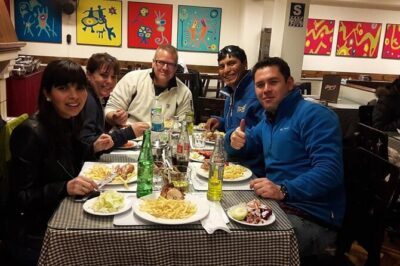 ★ 5.0Cusco by Night: Planetarium Cusco, Dinner, and Pisco SourFrom $9575 reviews
 ★ 4.9Planetarium and Night Tour with Dinner and Pisco SourFrom $799 reviews
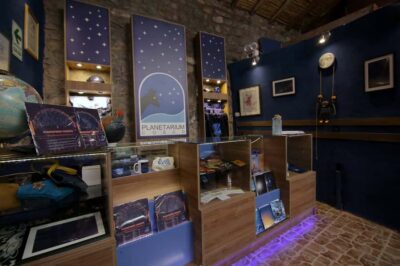 ★ 3.8Planetarium Cusco TripFrom $434 reviews
 ★ 3.3Excursion to the Planetarium of Cusco | New experienceFrom $393 reviews
Browse the lists this tour appears in