
REVIEW · CUSCO PLANETARIUM & ANDEAN ASTRONOMY
Excursion to the Planetarium of Cusco | New experience
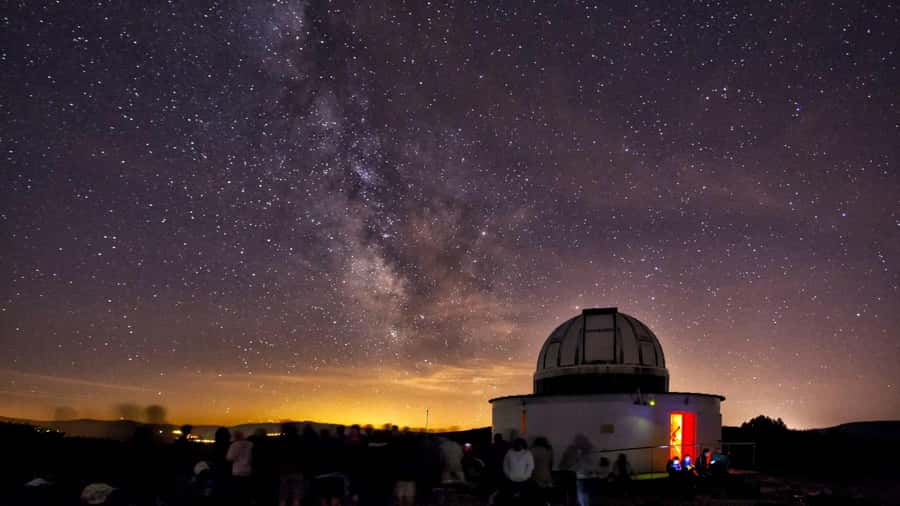
Cusco’s sky story starts before dark. This planetarium excursion turns a clear evening into an astronomy lesson, with Inca constellations projected overhead and real telescope time.
I like the way it’s built for beginners: you start with an easy-to-follow talk on Inca astronomy, then you see the sky patterns in a dome projection. I also like the practical payoff of telescope viewing, plus a night walk component that makes the whole thing feel more like an outing than a classroom.
The one drawback to keep in mind is timing and weather. The telescopes are subject to weather conditions, and the evening can sometimes feel shorter than the posted 4 hours because the actual experience at the observatory depends on how the night goes.
In This Review
- Key things to know before you go
- A Cusco planetarium evening: what the 4-hour window really means
- Getting to the planetarium: pickup timing and why it matters
- Interpretation rooms first: learning Inca astronomy before you look up
- Dome projection: how the Inca constellations click
- Telescope time: planets and constellations when the sky cooperates
- The night walk component: small, atmospheric, and low-pressure
- Value for $39: what you get, and what to watch for
- Practical tips so your night goes smoothly
- Who this tour is best for (and who might want something else)
- Should you book the Planetarium of Cusco excursion?
- FAQ
- Where does the tour pick me up?
- How long is the excursion?
- How do I get to the planetarium?
- What happens when we arrive at the observatory?
- Do we get to use telescopes?
- Is telescope viewing guaranteed?
- Is the group small?
- What languages are offered?
- What is not allowed during the tour?
Key things to know before you go
- Plaza Regocijo pickup between 5:30 and 6:00 PM, then a quick shuttle ride to the observatory (under 20 minutes)
- Inca astronomy intro in the interpretation rooms before you ever look up
- Virtual sky projection inside the planetarium dome to learn the Inca constellations
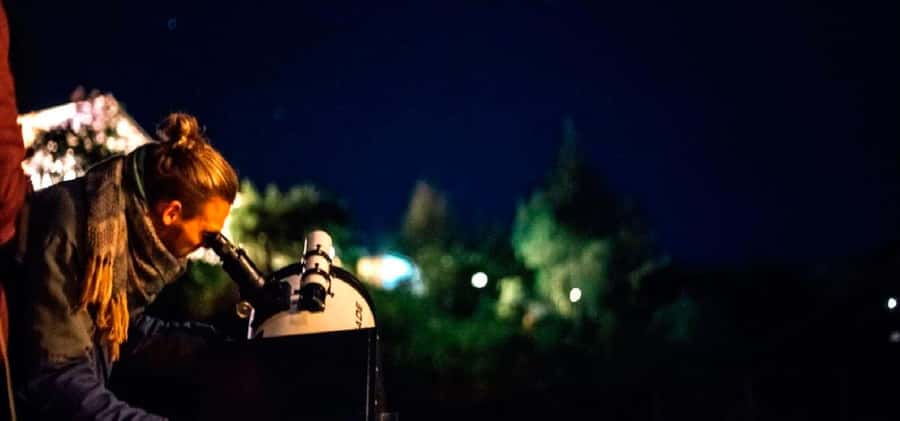
- Professional telescope viewing for planets and constellations, weather permitting
- Small group size (max 10) with a bilingual guide who speaks English and Spanish
- Return by about 8:00 PM to Cusco’s Plaza de Armas
More Andean stargazing near Cusco
- Cusco by Night: Planetarium Cusco, Dinner, and Pisco Sour★ 5.0 · 75 reviews
- Cusco: Planetarium and Night Tour with Dinner and Pisco Sour★ 4.9 · 9 reviews
- Planetarium Cusco Trip★ 3.8 · 4 reviews
- Excursion to the Planetarium of Cusco | New experience★ 3.3 · 3 reviews
A Cusco planetarium evening: what the 4-hour window really means
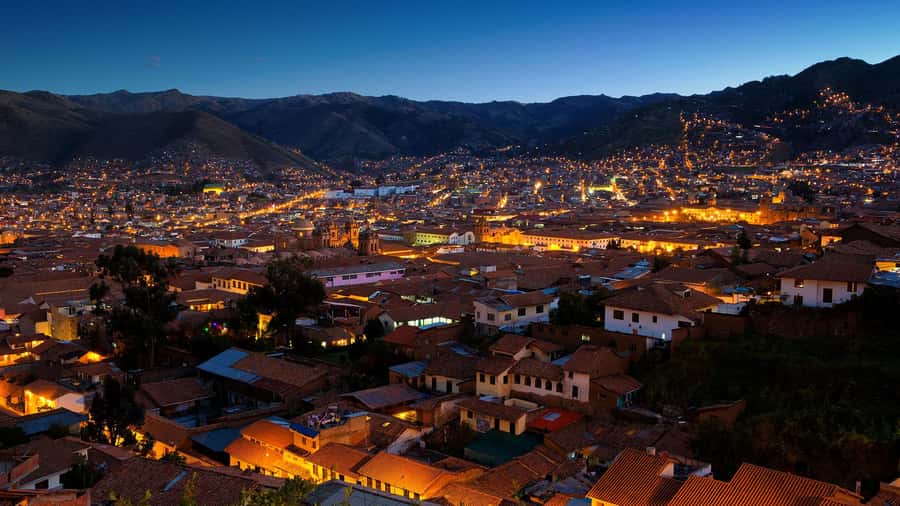
This excursion is set up as an early evening activity. You’ll meet at Plaza Regocijo between 5:30 and 6:00 PM, then ride out to the Cusco Planetarium (it’s less than 20 minutes from town). The whole plan is designed to last about 4 hours, and you should be back around 8:00 PM.
Here’s the practical part: your experience depends on the sky. When it’s cloudy, the telescope segment may be limited or skipped, and that’s usually the biggest reason people feel the evening ran short. If you’re the type who hates waiting around, go in ready for a guided, paced night rather than a long self-guided stargazing session.
Also, it’s a small group capped at 10. That matters in the Cusco altitude night air—less crowding at the telescope, less chaos in the dark, and easier time hearing your guide.
Getting to the planetarium: pickup timing and why it matters
The tour starts with pickup at Plaza Regocijo, not at your hotel door in every case. The tour information says hotel pickup is included, but I’d still treat your confirmation message as the final word. If your pickup details are different, you’ll save yourself stress by double-checking before you head out.
Once everyone’s collected, you board the shuttle for the short ride to the planetarium—under 20 minutes. That quick transfer is useful for night tours in Cusco because you’re not losing half your evening to transport. You also arrive before you’re fully chilled out, which helps if you’re doing the night walk part of the program.
Tip: plan to be ready a few minutes early at Plaza Regocijo. If you show up right on time, you can still end up waiting with the group.
Interpretation rooms first: learning Inca astronomy before you look up
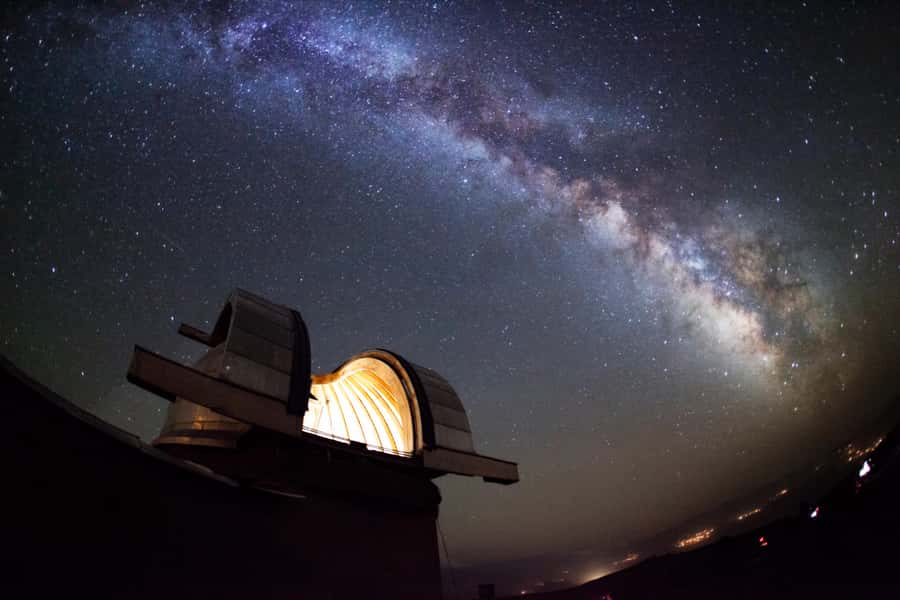
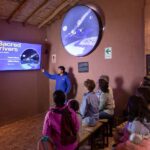
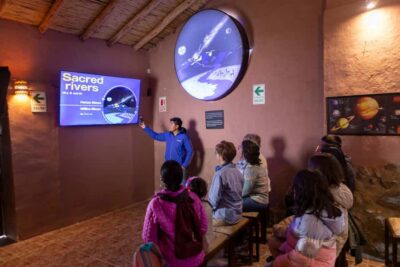
When you arrive at the observatory, the tour begins with an orientation-style talk in the interpretation rooms. This is where you build the mental framework: what you’re seeing, how Inca astronomy fits into constellations, and how to read the night sky in a culturally grounded way.
I like this setup because it prevents the common stargazing problem: you look up and recognize nothing. Instead, you get context first—then the sky becomes a puzzle you can actually follow.
Your guide works in English and Spanish, so you’re not stuck if your Spanish is basic. The instruction is also structured, moving from explanation to visuals and then to real observation.
If you’re hoping for a deep, highly technical lecture with lots of historical specifics, this is more likely to feel like a clear introduction rather than a university seminar. Still, it’s a smart start for a night activity.
Dome projection: how the Inca constellations click
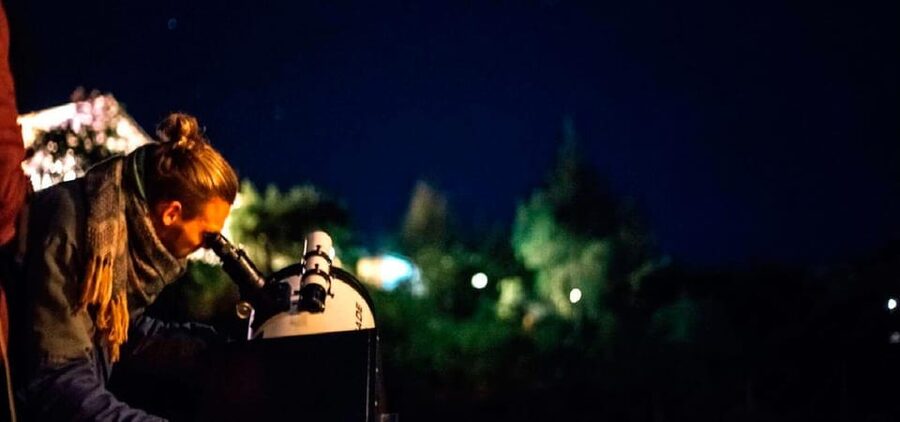
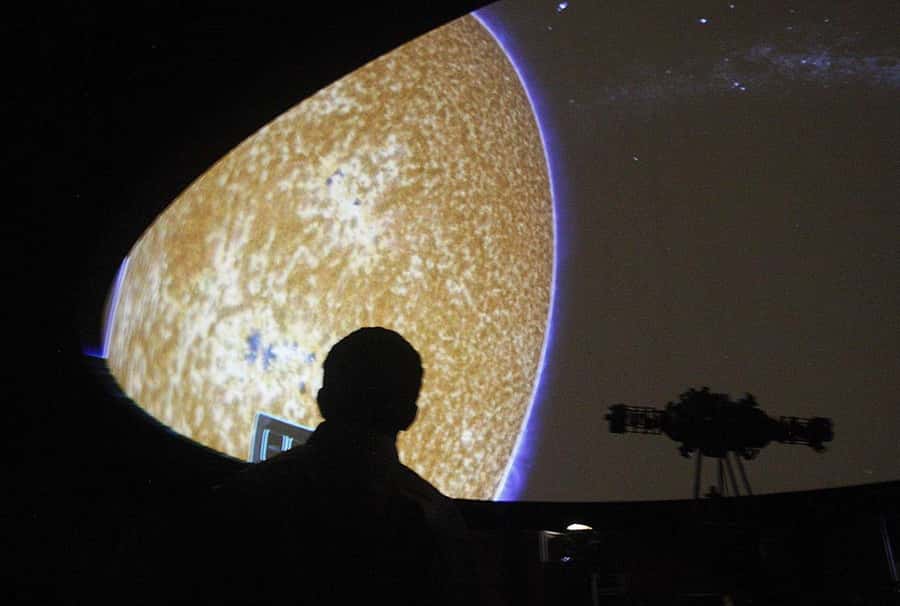
Next comes the main “wow” step: a virtual sky projection on the planetarium dome. This is where you learn the Inca constellations as you watch a simulated sky unfold overhead.
This part is especially valuable if:
- you’re visiting Cusco for the first time,
- you’re not a stargazing expert,
- or you don’t want to waste the telescope portion trying to find the basics on your own.
The dome projection helps you see patterns—you’re not just hunting for bright dots in the dark. You’re learning what to look for, and that makes telescope time feel more satisfying.
One more practical detail: a dome projection lets the guide keep the lesson moving even if clouds roll in. You don’t lose the entire experience if the outdoor part gets cut short.
Telescope time: planets and constellations when the sky cooperates
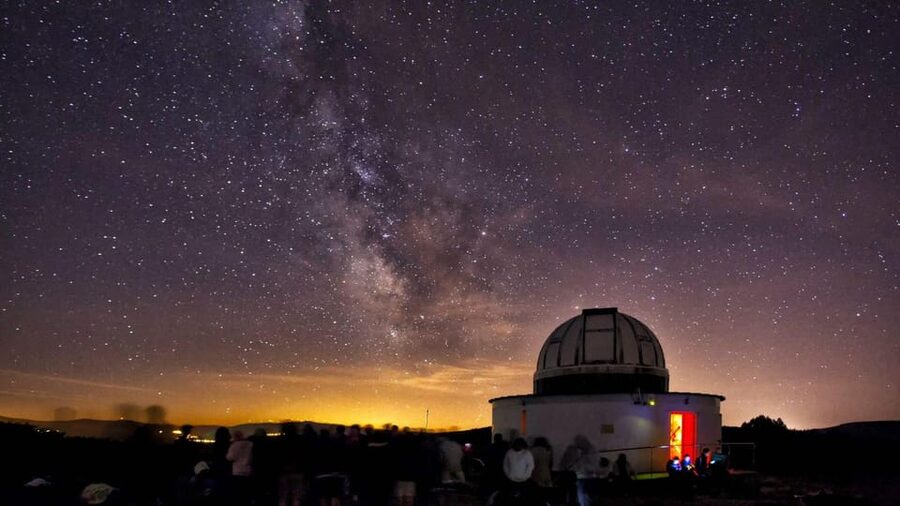
After the projection, you get the chance to observe through the professional telescopes. This is the highlight that people usually remember, because it’s the moment where astronomy stops being a story and turns into a direct view.
But here’s the key consideration: the telescope segment is weather dependent. Cusco nights can be variable, so your best move is to dress for cold and stay flexible.
If telescope viewing is possible, you’ll spend time admiring constellations and planets. If it isn’t, the tour may end earlier than you expected, because the outdoor portion is the part that can’t be reliably replicated.
Also, check what you’ll need for comfort. One recent group noted that blankets were provided for the outdoor star-gazing. I can’t guarantee every night runs the same way, but it’s a strong sign the observatory plans for comfort during colder viewing periods.
The night walk component: small, atmospheric, and low-pressure
The highlights include an evening night walk. In practice, that usually means a short, guided stretch outdoors—enough to change the pace from indoors, help you acclimate to the dark, and get you positioned for observation.
This is the part that makes it feel like an actual Cusco night experience rather than a quick ticketed talk. It also helps you get into “star mode” mentally. Even if you’re not the type who loves walking at night, the walk here is more about atmosphere and setup than exercise.
If you’re sensitive to cold or you’re wearing thin layers, this is another reason to bring warm clothing. Your comfort affects your enjoyment of both the night walk and telescope viewing.
Value for $39: what you get, and what to watch for
At $39 per person, this tour sits in a reasonable range for a guided, specialized night activity. You’re paying for:
- pickup at Plaza Regocijo
- shuttle transport to a facility close to Cusco
- a bilingual guide (English and Spanish)
- planetarium access
- and telescope observation time when conditions allow
So is it good value? For me, the decision hinges on whether the telescope night portion is likely to happen during your dates. The program includes a dome projection and an in-room astronomy talk, so even if the telescopes are limited, you still get learning time. But if you’re coming purely for telescope views, you need to accept the weather risk.
Duration also matters. The tour is marketed as 4 hours, with return around 8:00 PM. In real life, your time on site may feel shorter—especially if outdoor viewing gets cut back. If you’re the kind of traveler who plans your evening down to the minute, don’t stack another timed activity immediately after.
Finally, the small group size (max 10) is part of the value. It often means better handling at the dome and more manageable telescope queues.
Practical tips so your night goes smoothly
This is a high-altitude nighttime activity. The city is already at elevation, and the observatory experience can feel colder as the evening cools down.
Here’s what I’d do:
- Dress in layers. Your priority is warmth, not fashion.
- Expect some waiting in the evening air between segments.
- Bring patience for the telescope portion. Weather is the boss.
- If you’re offered blankets, accept them. Keep your hands warm for easier telescope viewing.
- If you care about exact timing, plan for the night to be flexible. The posted duration is a guideline, but observation conditions can shift how long you spend at the telescopes.
One more note: alcohol and drugs are not allowed. Keep it simple, and treat the night like a guided cultural-astronomy activity.
Who this tour is best for (and who might want something else)
This excursion is a strong match if you:
- want an easy evening plan in Cusco that doesn’t require you to know constellations in advance
- enjoy astronomy at a beginner-friendly level
- like guided context for Inca cultural perspectives in a structured format
- prefer a small group rather than a large bus crowd
It’s less ideal if you:
- expect long outdoor telescope sessions no matter what the weather does
- want lots of highly detailed technical history during the talk
- are strict about getting a full, uninterrupted 4 hours on site
If your travel style is “maximum flexibility, good story, and a chance to see planets,” this fits.
Should you book the Planetarium of Cusco excursion?
I’d book it if you want a guided Cusco night that combines Inca astronomy, a clear dome visualization, and the chance to see the sky through real telescopes. At $39, you’re paying for access, guidance, and transport—plus the atmosphere of a nighttime observatory.
Before you confirm, do two quick checks:
- Make sure you understand your exact pickup plan for your lodging area.
- Dress for cold and assume the telescope segment might be shorter on cloudy nights.
If you can accept weather as the variable and you’re excited to learn how the sky is interpreted, this tour is a solid use of an evening in Cusco. If your main goal is guaranteed telescope time, consider building in backup flexibility for the rest of your night.
FAQ
Where does the tour pick me up?
You’re picked up at Plaza Regocijo between 5:30 and 6:00 PM.
How long is the excursion?
The duration is listed as 4 hours.
How do I get to the planetarium?
You take a shuttle from Cusco to the Planetarium of Cusco, which is located less than 20 minutes from the city.
What happens when we arrive at the observatory?
You receive a talk on Inca astronomy in the interpretation rooms, then you have a virtual sky projection on the planetarium dome.
Do we get to use telescopes?
Yes. You’ll admire constellations and planets using the professional telescopes at the Cusco Planetarium.
Is telescope viewing guaranteed?
No. Telescope viewing is subject to weather conditions.
Is the group small?
Yes. The tour is limited to a small group of up to 10 participants.
What languages are offered?
The guide speaks English and Spanish.
What is not allowed during the tour?
Alcohol and drugs are not allowed.
More Tour Reviews in Cusco

More Andean Skies


Recent write-ups from around Cusco, just off the trail
- Cuzco: Rainbow Mountain Excursion
★ 5.0 · 3 reviews - 1 day excursion to Qeswachaka bridge and the 4 lagoons
★ 3.6 · 3 reviews - Waqrapukara 1 day trekking + meals
★ 3.9 · 3 reviews - Valle Sur Cusco | half day
★ 4.3 · 3 reviews - Full-Day Condor Viewpoint & Inca Sites Tour
★ 5.0 · 3 reviews
Cusco Planetarium & Andean Astronomy, compared.
 ★ 5.0Cusco by Night: Planetarium Cusco, Dinner, and Pisco SourFrom $9575 reviews
 ★ 4.3Planetarium Cusco OFFICIAL SITE: Andean Astronomy experienceFrom $2832 reviews
 ★ 4.9Planetarium and Night Tour with Dinner and Pisco SourFrom $799 reviews
 ★ 3.8Planetarium Cusco TripFrom $434 reviews
Browse the lists this tour appears in