
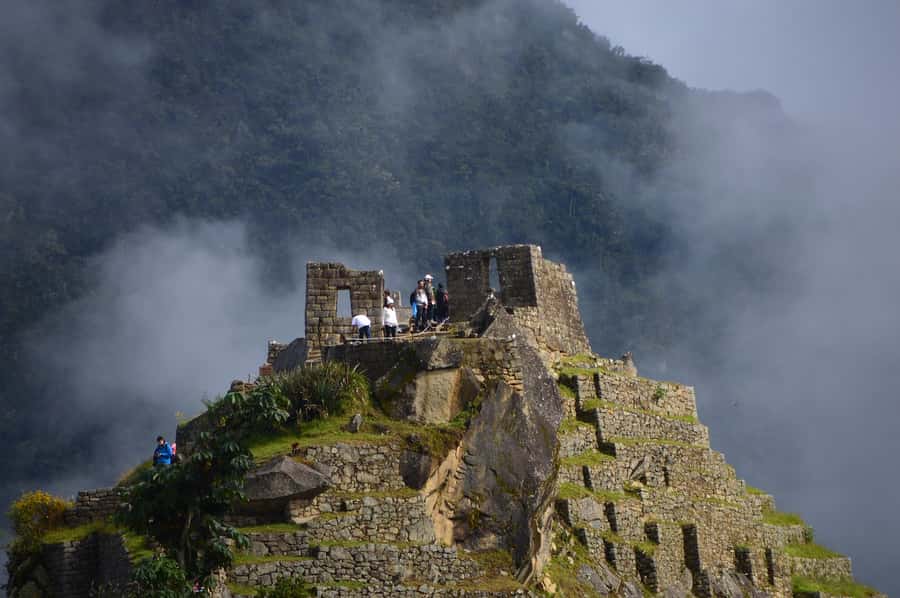
REVIEW · MACHU PICCHU TOURS & TICKETS
Sacred Valley & Machu Picchu by Train: 2-Day, 1-Night Tour
Sunrise at Machu Picchu, no stress. This 2-day Sacred Valley plus train package is a smart way to hit the big Inca sites without juggling a dozen tickets, and I like the tight run of Maras and Moray plus Pisac in the same day. The other big win is the early Machu Picchu sunrise timing with a guided visit. The one catch: your day is built around fixed transport schedules, so if you hate early starts or care deeply about train timing, you may find it a bit rigid.
This tour also earns points for being organized without feeling factory-like. You get hotel pickup in Cusco, door-to-door service, a one-night stay in Aguas Calientes, and entry fees handled for key sites. In small groups capped at 16, guides can actually explain what you are looking at, and the feedback from past groups highlights that kind of patient, detailed guidance.
Finally, it is not set up for heavy packing. You will need your passport and a daypack, and you will face restrictions on luggage and even drones. Plan for light and you will glide; show up with a big bag and you will slow down.
In This Review
- Key Highlights You’ll Actually Feel on the Ground
- Why This 2-Day Route Works (Cusco to Sacred Valley to Machu Picchu)
- Cusco Pickup, Alpaca Center, and the Textile Lesson That’s Worth It
- Sacred Valley Views From Mirador Taray: Quick, Scenic, Practical
- Pisac Inca Site + Pisac Market: Stone Terraces and Smart Bargaining Time
- Moray and Salineras de Maras: When Inca Engineering Feels Personal
- Ollantaytambo: The Last Standing Inca Citadel
- Train to Aguas Calientes: The Easy Part of the Journey
- Machu Picchu Sunrise and the 3-Hour Guided Circuit
- Optional Huayna Picchu or Machu Picchu Mountain: Choose Your Adventure Level
- Getting Back to Cusco: Bus Down, Train Home, Van Pickup
- Price and Value: What $698 Really Buys You
- Who Should Book This Tour (and Who Might Prefer DIY)
- Practical Stuff to Know Before You Go
- Should You Book This Sacred Valley & Machu Picchu Train Tour?
- FAQ
- What’s the duration of the Sacred Valley & Machu Picchu tour?
- Where does the tour start?
- How many people are in the group?
- Is Machu Picchu entry included?
- Do I need a passport for Machu Picchu?
- What sites are included in the Sacred Valley portion?
- What meals are included?
- Where do I stay overnight?
- Are Huayna Picchu or Machu Picchu Mountain included?
- What can’t I bring on the tour?
Key Highlights You’ll Actually Feel on the Ground
- Small group cap (16 people) keeps the pace manageable and the guide’s attention more useful.
- Textiles at an Alpaca Center is more than a stop to buy things; you learn how locals get natural colors while you meet the animals.
- Maras and Moray in one rhythm: Inca agriculture experiments, then the salt terraces of Maras.
- Pisac Market shopping time: you have a real window to bargain for textiles, ceramics, jewelry, and instruments.
- Expedition train round-trip + 3-star stay removes a lot of logistical friction.
- 3-hour guided Machu Picchu tour at sunrise, with optional extra hikes if you want more altitude.
Other ways up to Machu Picchu, reviewed
- From Cusco: Full-Day Group Tour of Machu Picchu★ 4.7 · 1,767 reviews
- Machu Picchu Day Trip from Cusco★ 4.5 · 1,644 reviews
- Machu Picchu: Full-Day Tour from Cusco with Optional Lunch★ 4.6 · 927 reviews
- Cusco: 4-Day Inca Trail to Machu Picchu with Accommodation★ 4.8 · 432 reviews
Why This 2-Day Route Works (Cusco to Sacred Valley to Machu Picchu)
The magic of this tour is how it strings together places that all connect. You start in the Cusco orbit, then move through Sacred Valley engineering and farming, and finally land at Machu Picchu early, when the ruins are at their best.
Day 1 is a long-but-rewarding sequence: Alpaca Center and textiles, then viewpoints, then the Pisac archaeological site and market, followed by Moray, Salineras of Maras, and Ollantaytambo. Day 2 is the focused payoff: early bus up to Machu Picchu, a guided circuit, optional mountain add-ons, then the ride back by train and van to Cusco. It is built for people who want the highlights, not a slow meander.
The tour is also designed around guided context. Instead of treating ruins like photo backdrops, the guide helps you understand why these sites were where they were and what the Incas were doing there—especially with agriculture at Moray and irrigation and terrace logic at Pisac.
Cusco Pickup, Alpaca Center, and the Textile Lesson That’s Worth It
Pickup is included from your hotel, hostel, or Airbnb in Cusco. From there, you head to a nearby Alpaca Center where you can see llamas, alpacas, viñuna, and guanacos. Yes, those names matter—this is not just a vague zoo stop. The farm setting helps you get the feel of how Andean communities work with animals and fiber.
What I like here is the textile component. You get a look at the weaving process and how locals use natural colors. That means when you buy later, you are not guessing. You can ask smarter questions about fiber and dyes, and you will usually feel more confident about what you are paying for—especially in a market environment.
It is also a good pacing reset before the stone-and-altitude intensity kicks in. You start with something hands-on, then transition into viewpoints and archaeology.
Sacred Valley Views From Mirador Taray: Quick, Scenic, Practical
After the Alpaca Center, you go to a lookout point called Mirador Taray. This is one of those stops that can be skipped on some tight itineraries, but it helps you orient yourself. You get scenic views over the Andes, the Urubamba River, and the agricultural lands in the Sacred Valley.
Why it matters: it is easier to understand what you are seeing once you have a broad view. You can also use this short segment to gauge how you feel physically before you start walking at higher archaeological spots.
Pisac Inca Site + Pisac Market: Stone Terraces and Smart Bargaining Time
Pisac is two experiences in one day: the Inca site first, then the market.
At the archaeological site, you are walking among dramatic stone walls and agricultural terraces. You also get irrigation-system context, plus the information that Pisac includes the largest cemetery in the Inca Empire. That last detail helps you see Pisac as more than farmland and sightseeing—this place held major ceremonial and social importance.
Then the tour shifts to the Pisac Market, which is where the practical traveler payoff shows up. You are given time to bargain for:
- Ceramics and textiles
- Jewelry and Andean instruments
- Alpaca products and other souvenirs
If you enjoy shopping but hate aimless browsing, this market window is a good fit. The tour gives you structure, and you can still treat it as your personal time to choose what you actually want.
One practical tip: bring small bills and expect prices to be flexible. This is a place where bargaining is part of the culture and the business model.
More of the Sacred Valley, village by village
Moray and Salineras de Maras: When Inca Engineering Feels Personal
If you only remember one technical day in the Sacred Valley, make it this one.
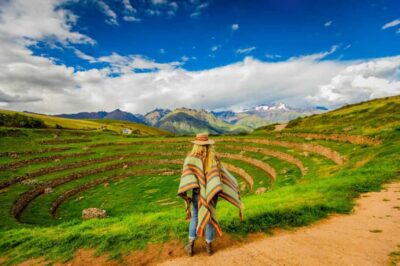
You start with Moray, known for its terraced depressions that helped the Incas experiment with growing conditions. It is not a random set of circular ruins. It is an agricultural idea made visible in stone and contour.
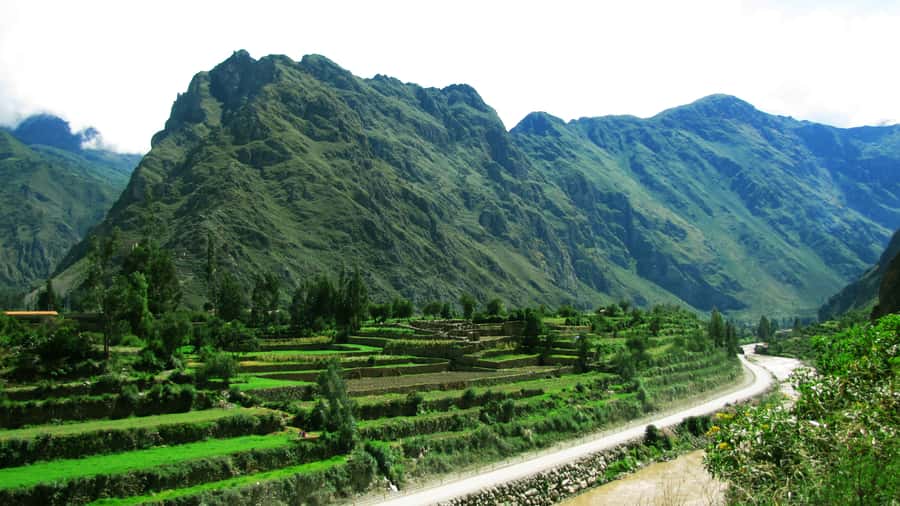
After that comes the Salineras of Maras. These are the salt terraces where water feeds the salt pans across many levels. The visual effect is striking because the terraces feel like they were engineered for repeated production over time. You are not just looking at ruins; you are seeing a system.
Together, Moray and Salineras give you a clearer picture of Inca know-how: they were observing, testing, and optimizing living systems in a place where climate and water mattered.
Ollantaytambo: The Last Standing Inca Citadel
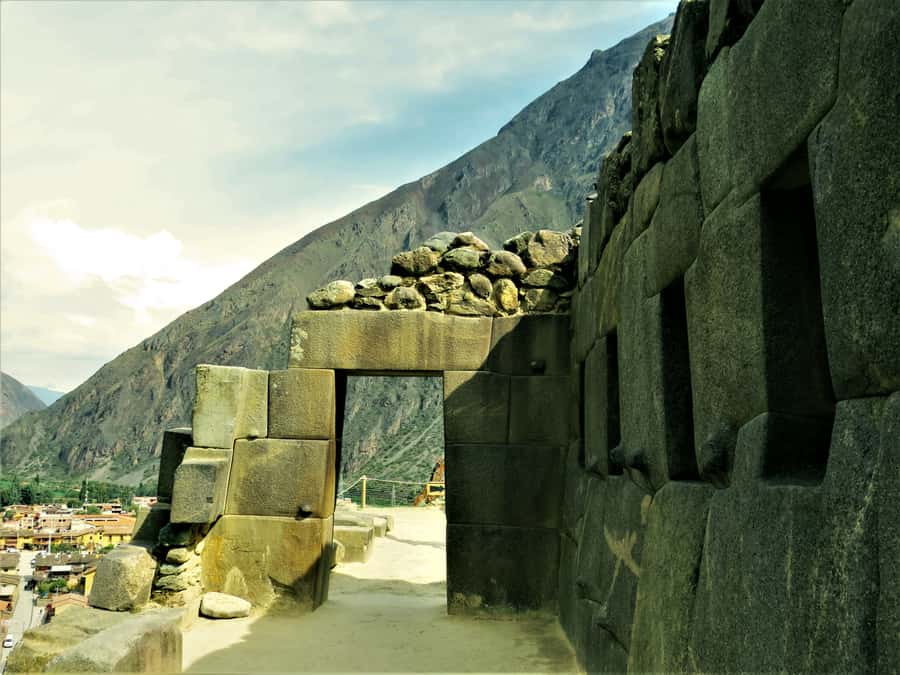
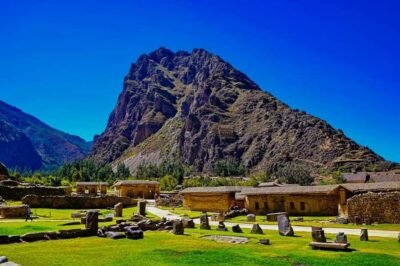
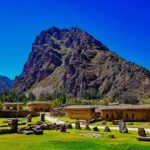
Next you head to Ollantaytambo, described as the last standing Inca citadel. The town is built above ancient Inca structures, so you feel that layering right away—modern life literally on top of older foundations.
At the archaeological site, you explore temples, terraces, storehouses, and a large Inca monolithic. This stop works because it connects the Sacred Valley’s agricultural power to the political and ceremonial side of Inca life.
You also get dinner included on Day 1 in Ollantaytambo, which helps keep the day flowing. Meals can be a hassle in this region, especially when timing is tight, so having dinner handled is a real quality-of-life upgrade.
Train to Aguas Calientes: The Easy Part of the Journey
Once you finish Ollantaytambo, you take the Expedition train to Aguas Calientes. The overnight stay is in a 3-star hotel there.
This is the segment that removes stress. Instead of figuring out train classes, platforms, and schedules on your own, you just follow the plan and get to sleep near Machu Picchu.
That said, be aware that transport timing can shift. One past group noted lateness on the train to Machu Picchu, which can affect your day’s edges. The best way to protect your mood is to stay calm if you hear about timing changes and treat your schedule as flexible, not brittle.
Machu Picchu Sunrise and the 3-Hour Guided Circuit
Day 2 starts early. You wake up, have breakfast, and take one of the first buses up to Machu Picchu. That early start is the point: you want to be inside the site and ready before the crowds fully stack up.
Entry is straightforward but strict: at the checkpoint, you show an original passport. No copy. No workaround mentioned. Bring the real thing and keep it easy to reach.
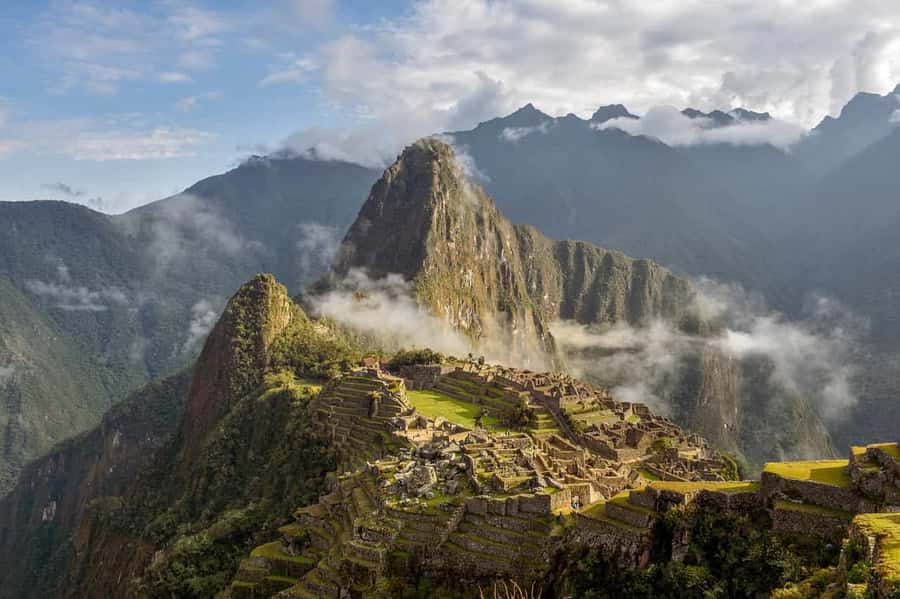
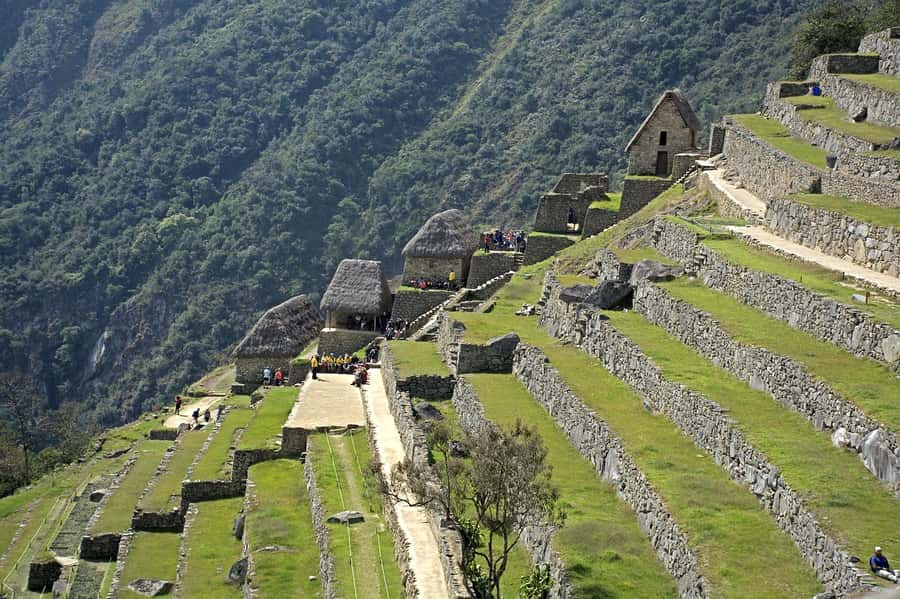
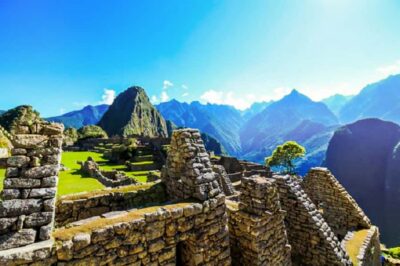
Inside, you get a guided tour of about 3 hours, hitting the most remarkable terraces, storehouses, temples, and palaces. What I like about a guided circuit is that you stop treating the ruins as a backdrop and start following the logic of the city—how different spaces relate to each other and what you are seeing beyond the obvious postcard angles.
The tone of the guide matters here. Past feedback specifically praised guides for clear, detailed explanations, including Herbert Vidal, who was described as very knowledgeable and patient when questions kept coming. That kind of engagement turns the ruins from impressive to understandable.
Optional Huayna Picchu or Machu Picchu Mountain: Choose Your Adventure Level
After the guided portion, you can add an extra hike: Huayna Picchu or Machu Picchu Mountain. This is optional and not included in the base package price.
If you like walking with payoff views and you are comfortable with altitude and steep paths, this can be a great add-on. If your energy is limited, the core Machu Picchu circuit is already a full day’s worth of walking and attention.
Just remember this option is extra. Plan your day with enough buffer so you do not feel rushed.
Getting Back to Cusco: Bus Down, Train Home, Van Pickup
Once you finish Machu Picchu, you take the bus down to Aguas Calientes. Lunch is on your own after that, but it gives you a chance to eat what you want at a pace that feels right.
Then you return by Expedition train to Ollantaytambo, followed by a van ride back to your hotel in Cusco. It is a full loop, which is exactly what you want when you are trying to minimize decision fatigue in a place where timing matters.
Price and Value: What $698 Really Buys You
At $698 per person for a 2-day, 1-night experience, this is not a budget add-on. But it is also not just paying for a ticket and a driver.
You are getting:
- Hotel pickup and door-to-door service in Cusco
- Transportation across the full loop
- Entrance tickets for Pisac, Moray, Salineras de Maras, Ollantaytambo, and Machu Picchu
- A buffet lunch in Urubamba and dinner in Ollantaytambo
- One night in a 3-star hotel in Aguas Calientes
- Round-trip bus up to Machu Picchu
- Round-trip Expedition train
- Expert guides
- All taxes and reservation charges included
That package structure is where the value lives. Machu Picchu logistics can become expensive and confusing fast when you try to piece it together. Here, the planning is done for you and you pay once.
The biggest reason it is worth it for many people: you spend more of the time looking at places and less time solving transport puzzles.
Still, it is only good value if the timing works for you. You cannot easily change your transport rhythm on a tour like this, and the Machu Picchu day is built around early entry.
Who Should Book This Tour (and Who Might Prefer DIY)
This tour fits best if you want:
- A guided explanation at major ruins, not just a self-paced photo walk
- A mix of Sacred Valley agriculture, architecture, and market time
- Help with transport and entry fees so you can focus on the experience
It might not fit if you:
- Strongly prefer choosing your own train times
- Need to carry large luggage (you are not allowed luggage or large bags)
- Want to travel totally at your own pace
It also is not suitable for people over 95 years, per the activity notes.
Practical Stuff to Know Before You Go
Pack like you are doing a city walking day plus some archaeology walking.
Bring:
- Passport (original)
- Daypack
Not allowed:
- Luggage or large bags
- Drones
- Alcohol and drugs
- Feeding animals
Also, you will need to share details for each participant after booking (including a contact number, WhatsApp, or email) so the provider can reach you if needed. That is normal for a tight, timed itinerary.
Should You Book This Sacred Valley & Machu Picchu Train Tour?
If you want a guided, efficient route that covers the Sacred Valley highlights and then gets you into Machu Picchu early, I think this tour is a solid choice. The combination of Pisac + Maras and Moray on Day 1, plus a sunrise-guided Machu Picchu experience on Day 2, is exactly the kind of “do it all without the stress” plan many people come to this region hoping for.
I would skip or at least scrutinize the fit if early mornings and fixed transport schedules make you cranky. Otherwise, this is a well-structured way to see a lot of iconic places in a short time, with guides who focus on explaining what you are seeing.
FAQ
What’s the duration of the Sacred Valley & Machu Picchu tour?
It runs 2 days with 1 night included.
Where does the tour start?
The tour includes hotel pickup in Cusco.
How many people are in the group?
The group is limited to 16 participants.
Is Machu Picchu entry included?
Yes. Entrance tickets to Machu Picchu are included, along with the round-trip bus to Machu Picchu.
Do I need a passport for Machu Picchu?
Yes. You must show an original passport at the checkpoint.
What sites are included in the Sacred Valley portion?
You visit Alpaca Center, Mirador Taray, Pisac Inca site, Pisac Market, the terraces of Moray, Salineras of Maras, and Ollantaytambo.
What meals are included?
Day 1 includes a buffet lunch in Urubamba and dinner in Ollantaytambo. Day 2 lunch is not listed, so you would handle it on your own.
Where do I stay overnight?
You stay for one night in a 3-star hotel in Aguas Calientes.
Are Huayna Picchu or Machu Picchu Mountain included?
No. Those optional hikes are not included and cost extra.
What can’t I bring on the tour?
You cannot bring luggage or large bags. Drones are also not allowed, and feeding animals is not permitted.
More Pisco and Nightlife





Deeper Into the Sacred Valley

Machu Picchu, More Ways In
Recent write-ups from around Cusco, just off the trail
- Cuzco: Rainbow Mountain Excursion
★ 5.0 · 3 reviews - 1 day excursion to Qeswachaka bridge and the 4 lagoons
★ 3.6 · 3 reviews - Waqrapukara 1 day trekking + meals
★ 3.9 · 3 reviews - Valle Sur Cusco | half day
★ 4.3 · 3 reviews - Full-Day Condor Viewpoint & Inca Sites Tour
★ 5.0 · 3 reviews
Machu Picchu Tours & Tickets, compared.
 ★ 4.7From Cusco: Full-Day Group Tour of Machu PicchuFrom $3211,767 reviews
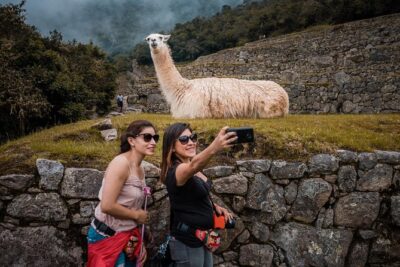 ★ 4.5Machu Picchu Day Trip from CuscoFrom $3361,644 reviews
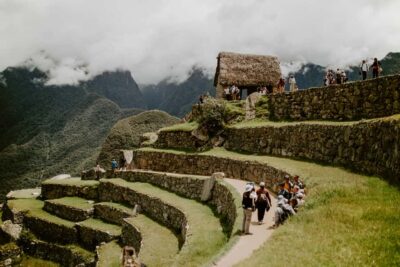 ★ 4.6Machu Picchu: Full-Day Tour from Cusco with Optional LunchFrom $283927 reviews
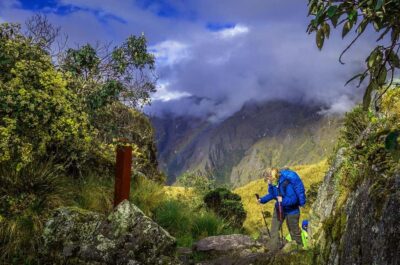 ★ 4.84-Day Inca Trail to Machu Picchu with AccommodationFrom $470432 reviews
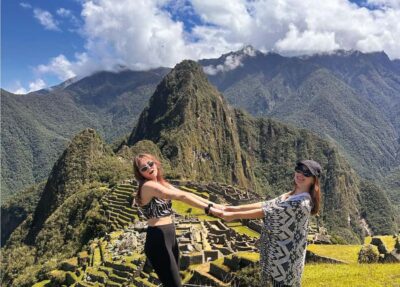 ★ 4.6From Cusco: 2-Day Trip to the Sacred Valley and Machu PicchuFrom $370265 reviews
 ★ 4.9Machu Picchu 2-Day Inca Trail with Panoramic TrainFrom $582260 reviews
 ★ 4.2From Cusco: 2-Day Inca Trail to Machu PicchuFrom $290244 reviews
 ★ 4.9Machu Picchu: Inca Trail 2-Day Overnight Guided TourFrom $585203 reviews
Browse the lists this tour appears in