
REVIEW · PISCO SOUR & NIGHTLIFE
Cusco: Historic Walking Tour with Pisco Sour and Music Show
Cusco clicks into place on this easy stroll. You’ll walk through core Inca and colonial landmarks, then round it out with a pisco sour or chicha morada stop. One thing to factor in: the music-show portion can depend on what’s open that day, so it might not match the schedule in your head.
I love that the route is built for real orientation in a short window. You get a guided story that connects places like Qoricancha and San Blas, not just a list of sights. And because the group is capped at 10, you’re more likely to ask questions and get straight answers.
The tour also has practical value beyond photos. You visit a luthier’s workshop, you sit through an Andean musical performance, and you finish with a drink that tastes like Cusco. Do keep in mind it’s not suitable for wheelchairs or serious mobility limits, since it’s a walking route.
In This Review
- Key things to know before you go
- Where it starts in Plaza de Armas, and how the pace feels in real life
- Plaza de Armas highlights: Cathedral views and colonial landmarks you can actually picture
- Qoricancha and the Inca-colonial layer cake you walk through
- Angled stones and the Andean Trilogy: why these details matter
- San Blas streets and 7 Borreguitos: walking for views that feel like Cusco
- The luthier workshop and Andean music show: history you can hear
- Temple of Manco Capac and your included drink finish
- Price and value at $10, plus the fine print you should know
- Should you book this Cusco walking tour?
- FAQ
- Where do I meet for the Cusco historic walking tour?
- How long is the walking tour in Cusco?
- What is included in the $10 price?
- Is museum entry included?
- What languages are the guides?
- Is the tour suitable for wheelchairs or mobility impairments?
- What is the group size limit?
- Are there any age restrictions?
- What’s the cancellation and payment flexibility?
- Is there any minimum requirement for French tours?
Key things to know before you go
- Small group size makes it easier to follow the guide and ask questions
- San Blas + 7 Borreguitos Street gives you classic Cusco scenes with context
- Qoricancha stop anchors the walk with the Sun Temple story
- Luthier workshop and Andean music show turn history into something you hear, not just read
- Pisco sour or Chicha Morada is included at the end, so you leave with closure (and a buzz, or not)
More pisco bars and late Cusco nights
- Cusco by Night: Planetarium Cusco, Dinner, and Pisco Sour★ 5.0 · 75 reviews
- Cusco: Historic Walking Tour with Pisco Sour and Music Show★ 4.6 · 65 reviews
- Cusco: Pub Crawl with Skip-the-Line Access and Drinks★ 4.6 · 57 reviews
- Pisco Sour Secrets: Hands-On Mixology in Historic Cusco★ 4.5 · 50 reviews
Where it starts in Plaza de Armas, and how the pace feels in real life
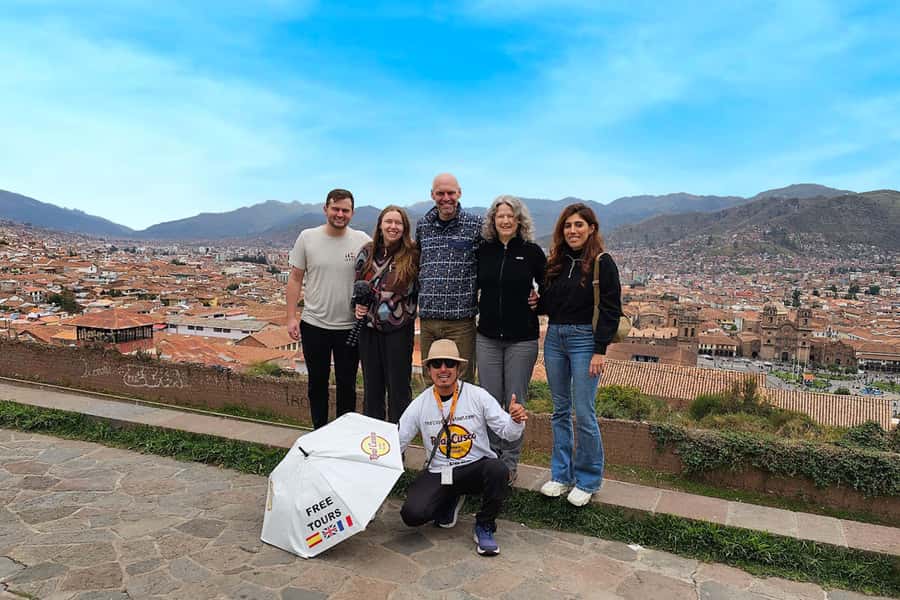
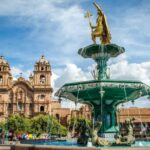
You’ll meet next to the Inca Fountain in Plaza de Armas. The coordinates are -13.516772, -71.9787231, and your guide will be holding a white umbrella. It’s a good meeting point because you’re already in the center of Cusco, and you won’t waste time figuring out where to begin.
This is a 2-hour walking tour, designed to fit a first day in Cusco or a day you want to stay light on logistics. The route is focused on the city center plus the San Blas area, so you’ll spend most of your time actually walking and looking up. You’ll also get enough stops that the story doesn’t blur into one long blur, especially since the guide keeps commentary moving as you go.
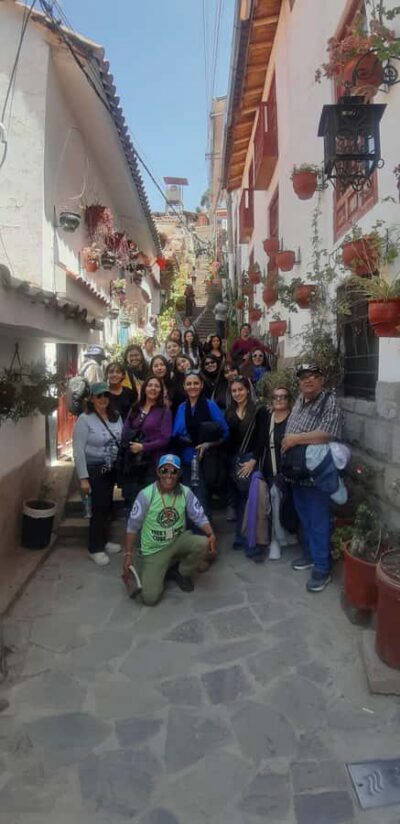
Group size matters here. With a limit of 10 participants, the tour doesn’t feel like an assembly line. Some groups have been tiny enough to feel close to private, which helps if you want to ask follow-ups about what you’re seeing.
One more practical note: this isn’t built for people who use wheelchairs or have mobility impairments. It’s also not suitable for babies under 1 year, and it’s not recommended for people over 95. If you’re in that range, you’ll likely have trouble keeping the pace and handling the stairs and uneven streets.
Plaza de Armas highlights: Cathedral views and colonial landmarks you can actually picture
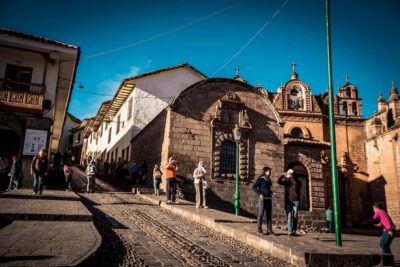
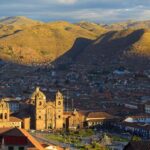
Most Cusco walking tours begin with the big obvious center, but this one uses Plaza de Armas to build a timeline. You start at the plaza and then head to the Cathedral, which gives you a clear visual anchor for the colonial era layered onto the older city. If you’re arriving and trying to understand why everything feels stacked, this opening makes it easier.
Next you’ll spot and learn about the Company of Jesus. Even if you only catch part of the façade, the point is the same: Cusco’s story isn’t one era, it’s overlapping eras. The guide ties what you see to why it matters, so the buildings don’t feel random.
You also get a moment that’s all about looking up at details. There’s a stop for the city’s most beautiful balcony, plus a chance to study the architecture in a way that regular sightseeing often skips. This is the kind of stop that’s great even if you’re tired from travel, because you’re not moving constantly—you’re absorbing.
As you walk, you’ll hear about major landmarks and a few local-known spots. That’s where the tour can feel better than a generic route: you’re not just checking boxes, you’re getting a sense of how locals experience these corners day to day. The guide’s job is to make Cusco legible fast, and this start helps.
Qoricancha and the Inca-colonial layer cake you walk through
One of the strongest parts of this tour is how it frames Qoricancha, also known as the Sun Temple. Qoricancha is more than a famous name; it’s a story about what changes and what gets reused. You see it in the walking flow of Cusco’s center, which makes it feel connected instead of isolated.
Around Qoricancha, you’ll get stops that help you understand Inca design and symbolism. That matters because many visitors look at walls without knowing what they’re looking for. The guide connects the physical space to cultural meaning, so you leave with better instincts for what’s worth noticing next.
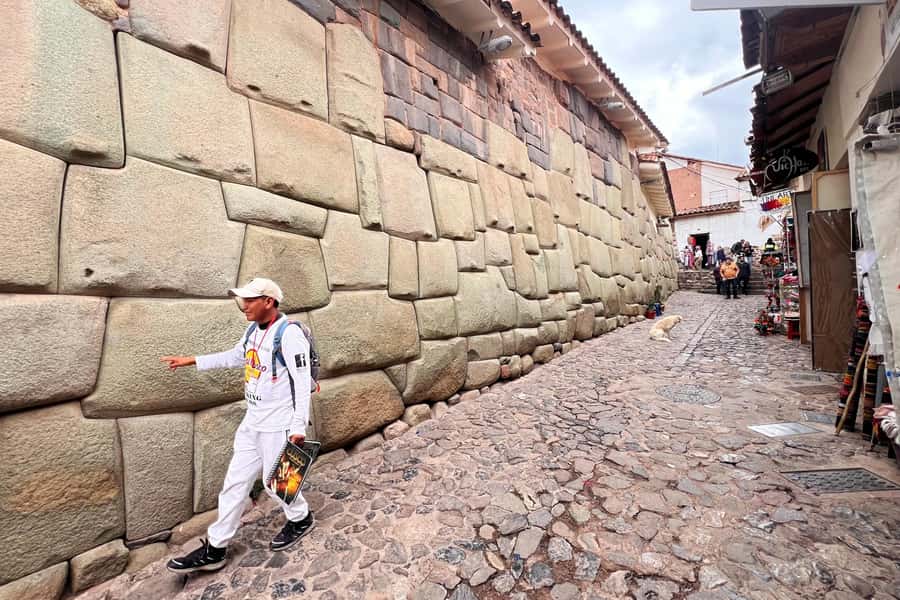
You’ll also hit some very specific visual markers that make the Inca story feel concrete. A couple of stops focus on what you can spot right away, like the 12 and 13 angled stones. These aren’t just quirky rock details; they’re a clue about precision and design thinking.
The tour also includes a look at something called the Andean Trilogy, with silhouettes of the Condor, Puma, and Snake carved into an Inca wall. This is the kind of detail that makes your photos better, but it’s also the kind of detail that makes the place stick in your memory. Instead of snapping one more picture, you learn what to look for in the next corner.
If you’re short on time in Cusco, Qoricancha plus these symbolism stops do a lot of heavy lifting. You’re not only seeing where the important sites are, you’re learning how they relate.
Angled stones and the Andean Trilogy: why these details matter
The 12 and 13 angled stones stop is one of those moments where your brain clicks. You see the shape, then you learn why it’s there. Even if you don’t become an archaeology expert by the end, you’ll understand the vibe: Inca builders cared about fit, form, and function, and they built with meaning.
Right after that, the Andean Trilogy symbolism takes over. Condor, Puma, and Snake show up as silhouettes carved into an Inca wall, and the guide helps you connect the shapes to broader Andean ideas. This is a great stop if you like symbolism you can actually see rather than abstract talk.
Why I like this part of the tour for you: it trains your eyes. Once you’ve been pointed toward these details, you start noticing other patterns around Cusco on your own. That means the tour pays off after you finish, not just during those two hours.
It also helps that the route keeps moving. Cusco streets can pull your attention in five directions at once—signs, balconies, stonework, street life. The guide keeps a thread, so you don’t get lost in what’s pretty and miss what’s important.
This section is also where you’ll feel the difference between a good walking guide and a basic one. When the commentary is handled well, those angled stones stop being trivia and become part of the bigger story you’ve been building all along.
A last few Cusco tours and experiences to fold into the trip
San Blas streets and 7 Borreguitos: walking for views that feel like Cusco
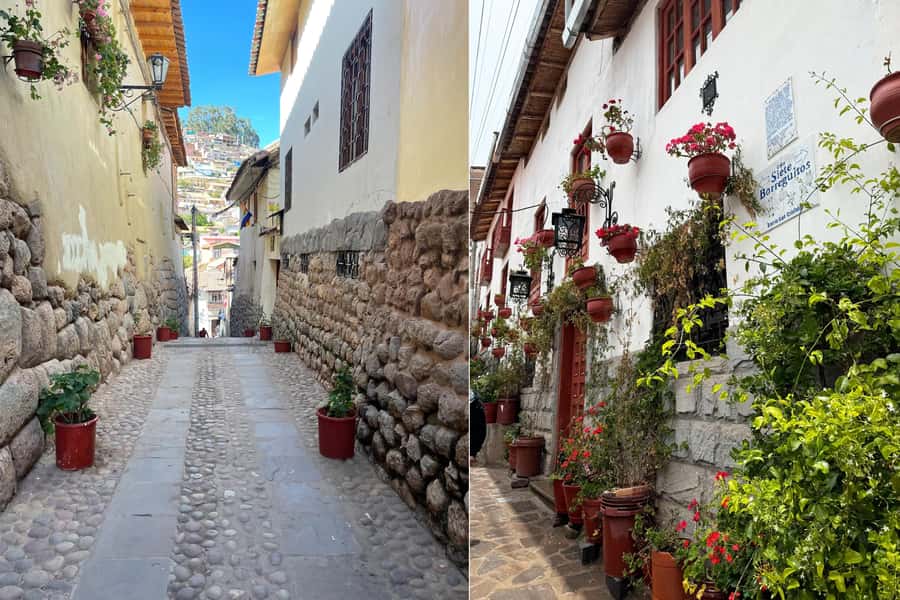
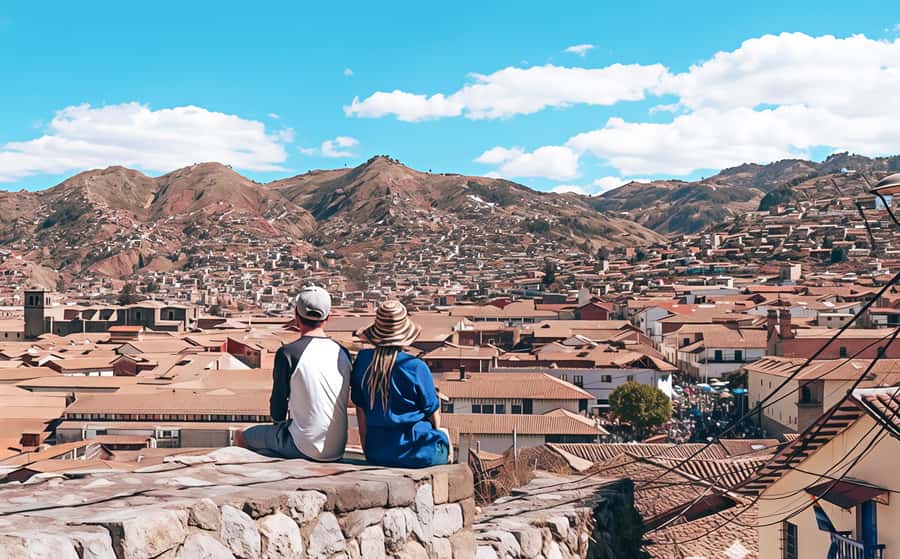
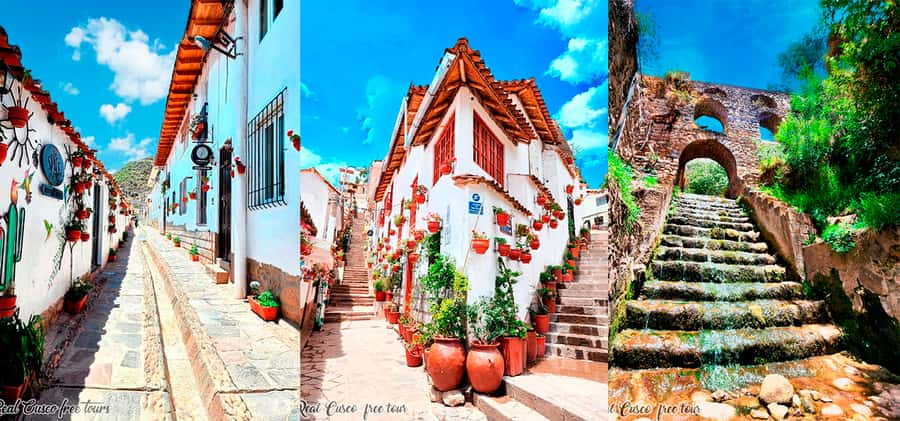
After the center stops, the tour shifts toward San Blas, a neighborhood that feels more personal than the main plaza area. You’ll stroll through its picturesque streets and get the kind of views you usually only get if you wander on purpose. This part is where Cusco starts to feel like a place people live, not just a museum outside your hotel.
You’ll also visit 7 Borreguitos Street, known for being one of Cusco’s most photogenic streets. The photos make it look easy, but the experience is better when you’re walking it with context. The guide’s commentary helps you notice details beyond the classic angle.
San Blas is also a nice mental reset. The walk changes pace a little, and the focus becomes the streets themselves—curves, textures, balconies, and doorways. If you’ve spent your day before this in crowds, San Blas can feel like a breather without leaving the city center.
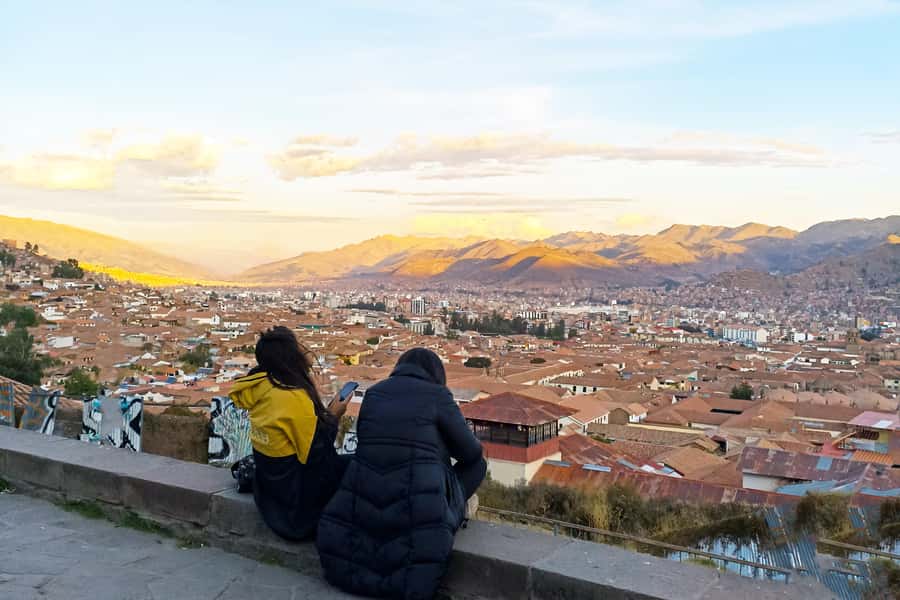
One more practical win: you’ll also get views from a higher spot during the tour. The exact viewpoint time depends on the route that day, but it’s built in. If skies cooperate, it can be a perfect moment for a slow look and a few photos you actually like.
The luthier workshop and Andean music show: history you can hear
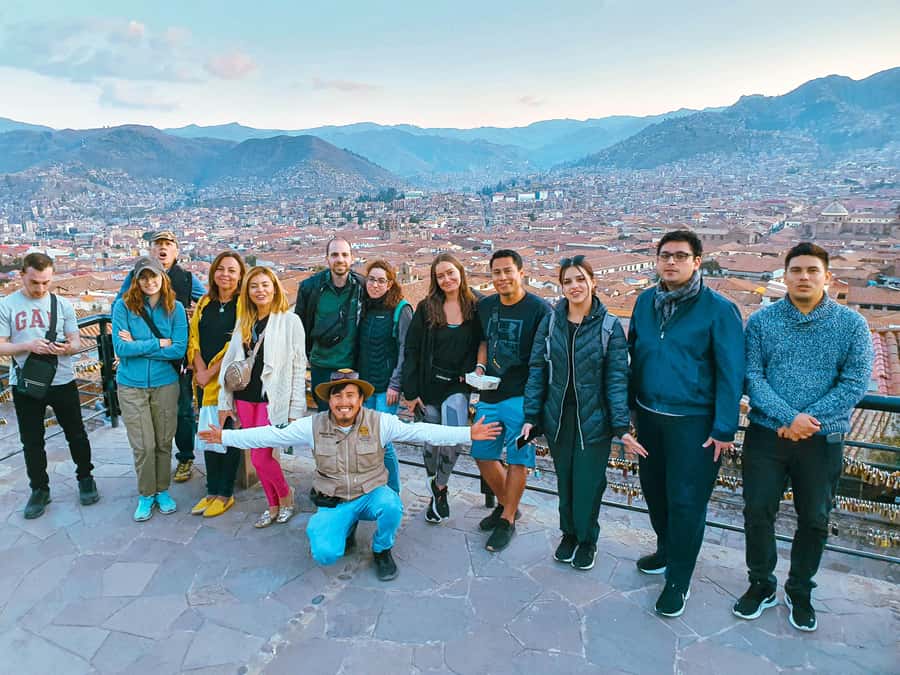
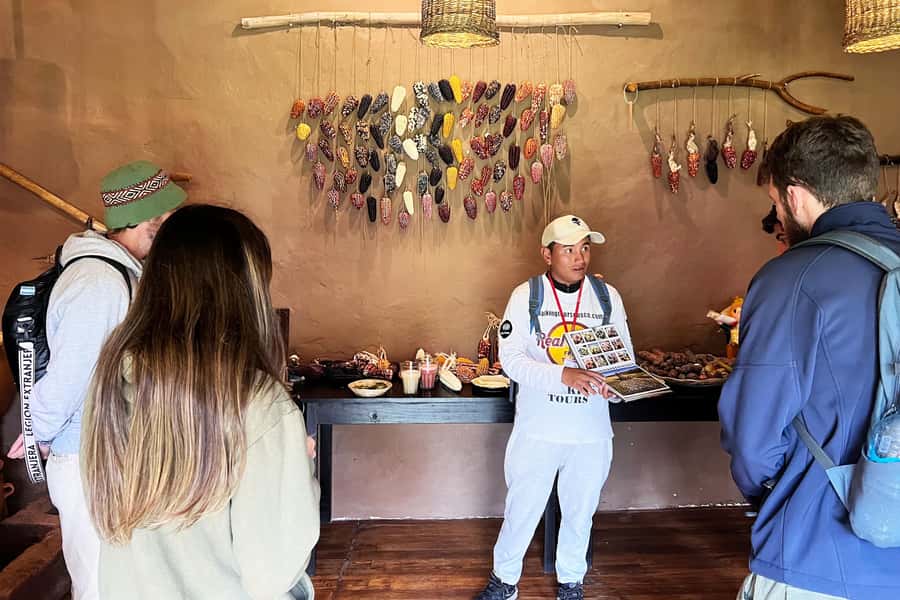
A standout included stop is a visit to a luthier’s workshop, meaning an instrument maker. This matters because Cusco’s music isn’t just entertainment; it’s craft. Seeing how instruments connect to culture helps the Andean music show land better, since you’re not just watching—you understand what you’re watching.
After the workshop, the group heads to an Andean music show. The idea is simple: pair the visual symbolism you learned earlier with sound. That combination is often what makes cultural stops feel real instead of staged.
There’s one consideration to keep in mind. The music-show portion can be sensitive to what’s open on the day you go. In at least one experience, the scheduled vendor location was closed, and the guide recommended a different local dance show afterward. That’s not ideal, but it does mean the guide may pivot if needed rather than leaving you stuck.
If music isn’t your top priority, this section still has value. Instruments are part of daily life here, and hearing even a short performance can teach you how locals categorize and value sound. Plus, it’s included, so you’re not hunting for another ticket after already paying for the tour.
Temple of Manco Capac and your included drink finish
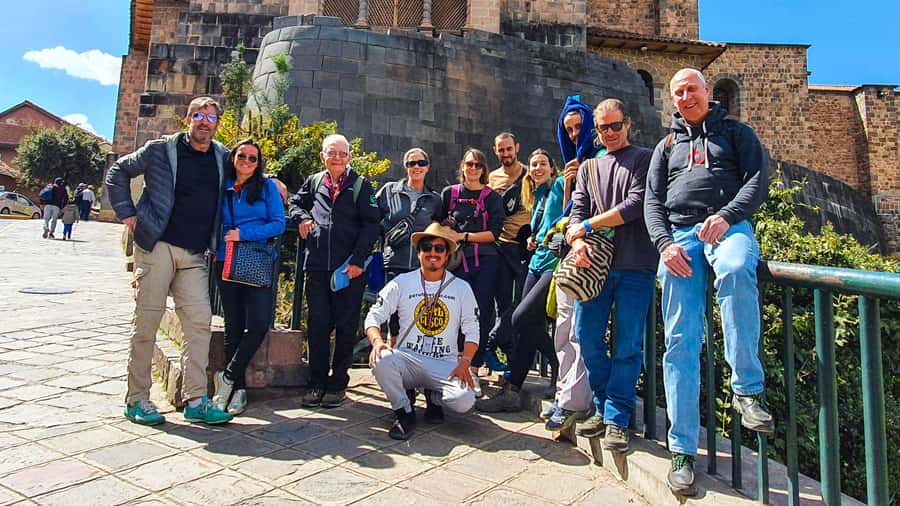
The tour ends with a spiritual and historical stop: the Temple of the First Inca Ruler, Manco Capac. Even if the site itself is small compared to bigger attractions, it gives the walk a clean closing chapter. You go from the city center symbols to a key figure tied to the beginning of the Inca story.
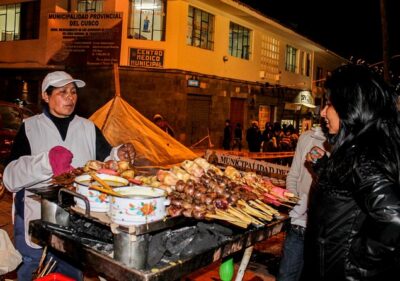
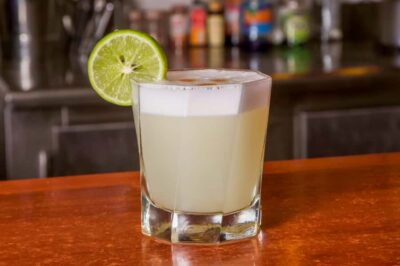
Then comes the part that most people remember even when they don’t plan to: the included drink. You choose between a Pisco Sour (Peru’s national drink) or Chicha Morada (a non-alcoholic favorite). This is a smart finish because it gives you a moment to breathe, chat, and re-check your notes before you head back into the streets.
If you’re trying to travel efficiently, this finish is especially convenient. You don’t have to decide on the spot where to eat or where to get a local drink. You already have a plan, and it tends to feel like a real end to the tour instead of a random stop that you rush through.
One last small bonus: the guide can often share practical tips for what to do next in Cusco after the tour. If you just arrived, that kind of advice saves time and prevents you from wandering into the wrong type of place.
Price and value at $10, plus the fine print you should know
At $10 per person for 2 hours, this tour is priced for access, not luxury. You’re getting a bilingual live guide, a luthier workshop stop, and a included drink. That’s a strong bundle for the central sights you’ll cover, especially if you’re already paying for other paid attractions in Cusco.
It also helps that the guide format is designed for small groups. With a max of 10 participants, you’re more likely to get a guided experience that feels like it’s happening to you, not just around you.
The tour also has a track record of quality, with a rating of 4.6 based on 65 reviews. Many comments focus on the pace and the guide’s ability to explain what you’re seeing, including guides such as Erick, Nilo, and Niki being singled out for strong energy and strong communication.
One caution from real-world expectations: some people felt there was a mismatch between what they expected and how the day played out, and a couple noted the feeling that the payment structure acts like a paid version of what you might otherwise tip at the end. It’s not a deal-breaker for most, but it’s worth knowing what kind of mental model you’re using when you book.
Should you book this Cusco walking tour?
Yes, if you want a fast, guided way to understand Cusco’s key layers—Inca symbolism, colonial landmarks, and the feel of San Blas—without building a whole day of logistics. It’s also a good first-stop tour if you’re arriving and want a helpful set of reference points for the rest of your trip.
Skip it (or consider a different format) if you need wheelchair access, have serious mobility limits, or rely on hearing accommodations. And if music is a major reason you booked, plan to stay flexible about the exact music-show setup on your day.
FAQ
Where do I meet for the Cusco historic walking tour?
You meet next to the Inca Fountain in the Plaza de Armas. Your guide will be holding a white umbrella, and the coordinates are -13.516772, -71.9787231.
How long is the walking tour in Cusco?
The duration is listed as 2 hours.
What is included in the $10 price?
The tour includes a bilingual tour guide, a visit to a luthier’s workshop, and a pisco sour or a non-alcoholic drink (chicha morada).
Is museum entry included?
Museum entry is not included. If you want to go into museums, you would need to pay separately.
What languages are the guides?
The tour is offered with live guides in English and Spanish.
Is the tour suitable for wheelchairs or mobility impairments?
No. It is not suitable for people with mobility impairments or wheelchair users.
What is the group size limit?
The group is limited to 10 participants.
Are there any age restrictions?
It is not suitable for babies under 1 year and it is not recommended for people over 95 years.
What’s the cancellation and payment flexibility?
You can cancel up to 24 hours in advance for a full refund. It also offers reserve now & pay later, so you can book without paying today.
Is there any minimum requirement for French tours?
For the French guided tour, a minimum of four customers is required to proceed.
More Walking Tours in Cusco

More Tour Reviews in Cusco
More Pisco and Nightlife


Recent write-ups from around Cusco, just off the trail
- Cuzco: Rainbow Mountain Excursion
★ 5.0 · 3 reviews - 1 day excursion to Qeswachaka bridge and the 4 lagoons
★ 3.6 · 3 reviews - Waqrapukara 1 day trekking + meals
★ 3.9 · 3 reviews - Valle Sur Cusco | half day
★ 4.3 · 3 reviews - Full-Day Condor Viewpoint & Inca Sites Tour
★ 5.0 · 3 reviews
Pisco Sour & Nightlife, compared.
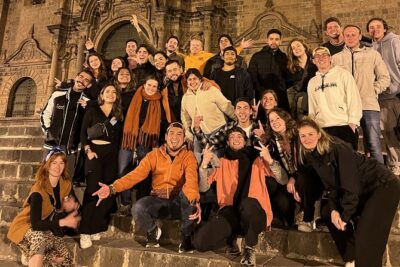 ★ 5.0Cusco Pub Crawl: Bar Tour, Drinks And Club with no waiting linesFrom $1976 reviews
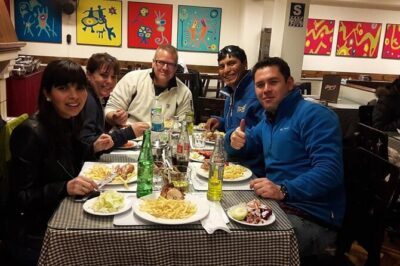 ★ 5.0Cusco by Night: Planetarium Cusco, Dinner, and Pisco SourFrom $9575 reviews
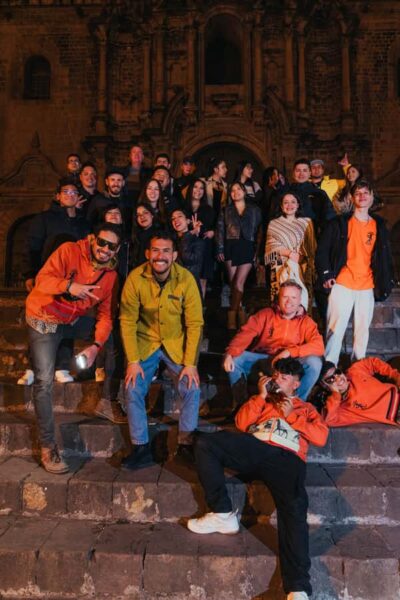 ★ 4.6Pub Crawl with Skip-the-Line Access and DrinksFrom $2057 reviews
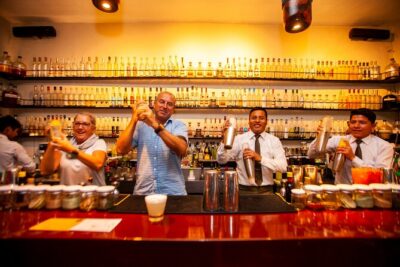 ★ 4.5Pisco Sour Secrets: Hands-On Mixology in Historic CuscoFrom $3550 reviews
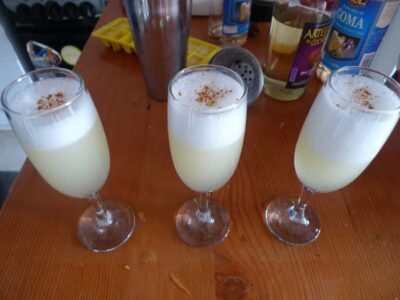 ★ 5.0Legends and History Night Tour with Pisco SourFrom $759 reviews
 ★ 4.9Planetarium and Night Tour with Dinner and Pisco SourFrom $799 reviews
 ★ 4.4Best of Cusco: Night Tour, Pisco Sour Lessons, and DinnerFrom $908 reviews
 ★ 5.0Sacred Valley & Machu Picchu by Train: 2-Day, 1-Night TourFrom $6986 reviews
Browse the lists this tour appears in