
REVIEW · WALKING TOURS
Cusco: Walking Tour Cusco
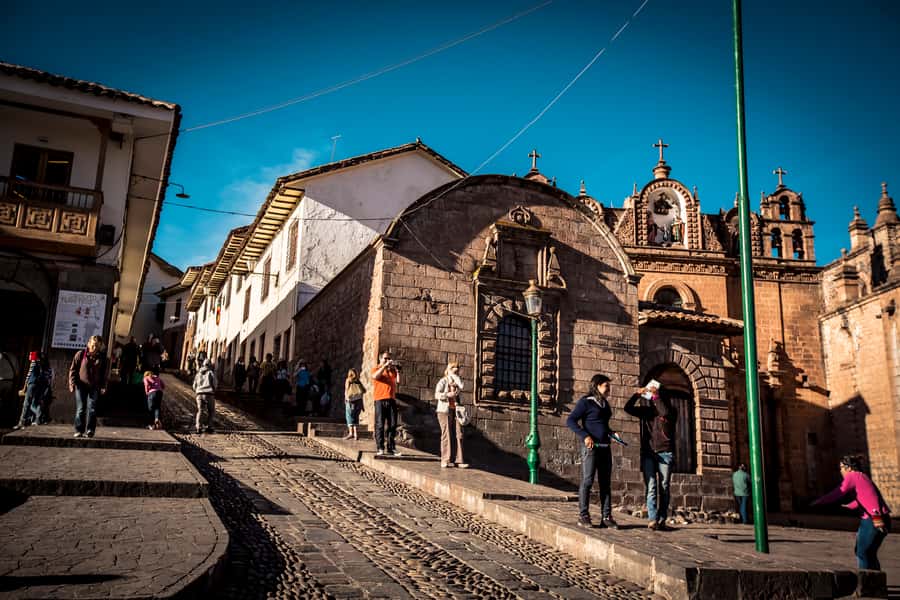
Cusco makes you walk to understand it. This Cusco walking tour strings together the city’s key stops in one smooth 210-minute loop, from Plaza de Armas to San Blas and the famous 12-angle stone. You’ll also end at San Pedro Market, which is one of the best ways to get your bearings fast and feel Cusco beyond the postcard look.
I especially like how the route balances big monuments with small, human details—churches and plazas on one side, and craft streets and market energy on the other. One thing to plan for: there’s no pickup, and the tour starts at the Plaza de Armas meeting point, so you’ll want to arrive 15 minutes early and be ready to walk.
In This Review
- Key highlights to know before you go
- Cusco in 210 minutes: what this walking loop actually covers
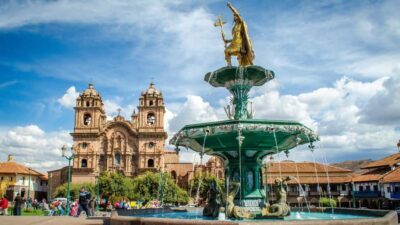
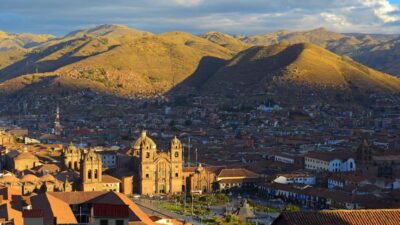
- Plaza de Armas: starting with the Cathedral and Iglesia de la Compañía de Jesús
- The 12-angle stone on the street to San Blas
- San Blas: artisan streets with Inca-built bones
- Coricancha (Temple of the Sun): why the sun matters in Cusco
- Plaza Regocijo and Plaza San Francisco: the patio of joy
- San Pedro Market: thousands of products and a sensory finish
- Price and guide quality: is $29 good value?
- Logistics that affect your comfort more than you’d think
- Who should book this Cusco walking tour
- Should you book this Cusco walking tour?
- FAQ
- Where is the meeting point?
- How long is the Cusco walking tour?
- What’s included in the price?
- What is not included?
- What should I bring?
- Is this tour wheelchair accessible?
Key highlights to know before you go
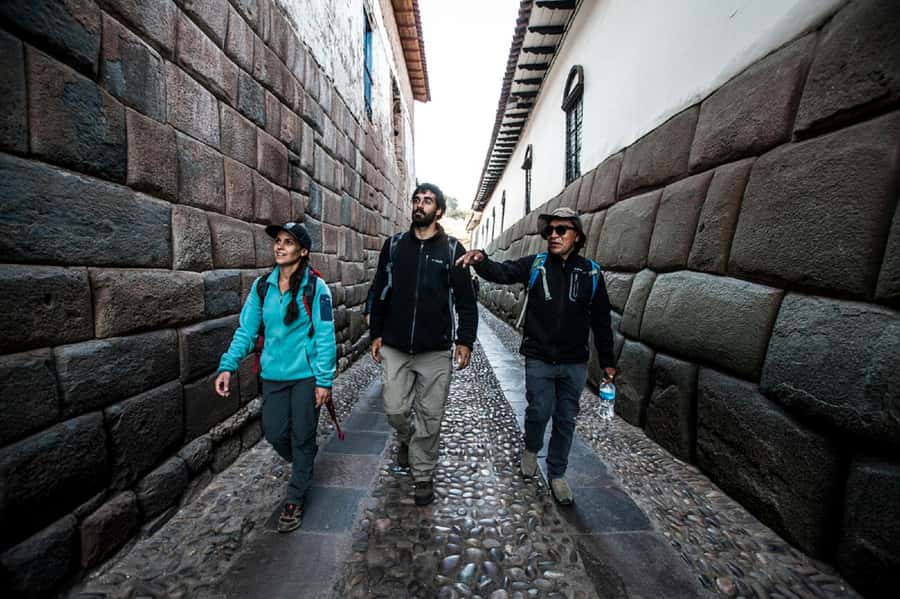
- 12-angle stone on the way to San Blas: you’ll see a tight slice of Inca engineering precision in the street itself
- San Blas as an artisan district: this is where Cusco’s craft workshops show up in your walk
- Coricancha / Temple of the Sun: Inca solar worship meets what remains of the built landscape
- Plaza Regocijo’s Cusipata origin: the story behind the name ties local tradition to public celebrations
- San Pedro Market at the end: thousands of products from different parts of the region, all in one place
A last few Cusco tours and experiences to fold into the trip
- Cusco: Historic Walking Tour with Pisco Sour and Music Show★ 4.6 · 65 reviews
- Walking Culinary Experience★ 5.0 · 41 reviews
- Cusco: Walking Tour with a Local Guide★ 4.3 · 5 reviews
- Cusco: Cultural Walking Tour with Local Guide⭐⭐⭐⭐⭐★ 5.0 · 4 reviews
Cusco in 210 minutes: what this walking loop actually covers
This tour is built for people who want the main hits without turning the day into a logistics puzzle. In about 3.5 hours, you’ll walk through several of Cusco’s most recognizable plazas and neighborhoods, with your guide adding context as you move.
It’s also a smart pacing choice because Cusco is at altitude. Even if you’re an active traveler, you’ll feel the difference when you’re walking from stone to stone for long stretches. Here, you get a steady sequence of stops rather than one huge push. You’ll still want comfortable shoes, because Cusco’s streets are not made for delicate footwear.
Price-wise, $29 per person is the kind of cost that makes a walking tour feel like a bargain compared with paying for taxis plus separate guided time. The tradeoff is that the tour doesn’t handle transportation for you, and it also doesn’t include admissions or snacks. So you’re paying mainly for route + interpretation from a professional guide, and then you handle the rest.
Plaza de Armas: starting with the Cathedral and Iglesia de la Compañía de Jesús
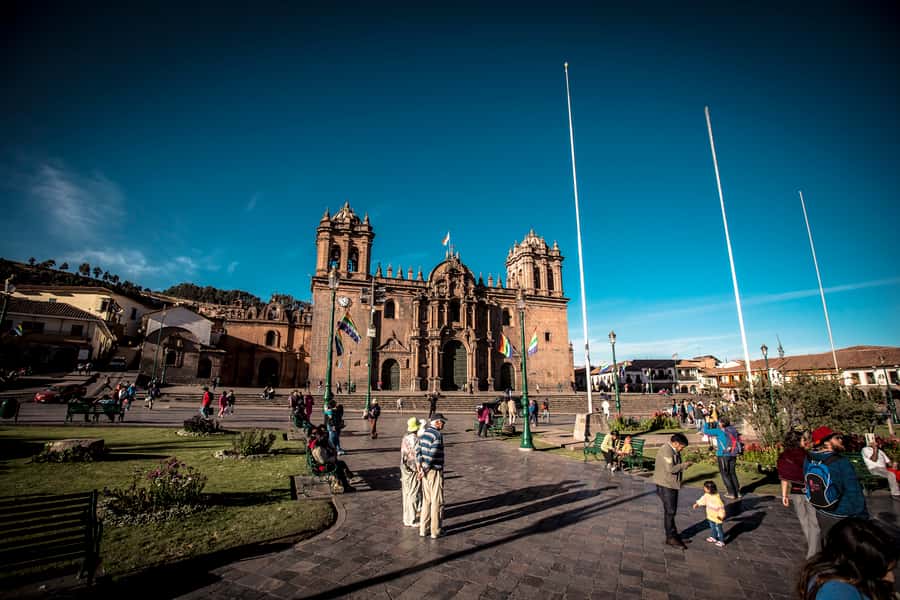
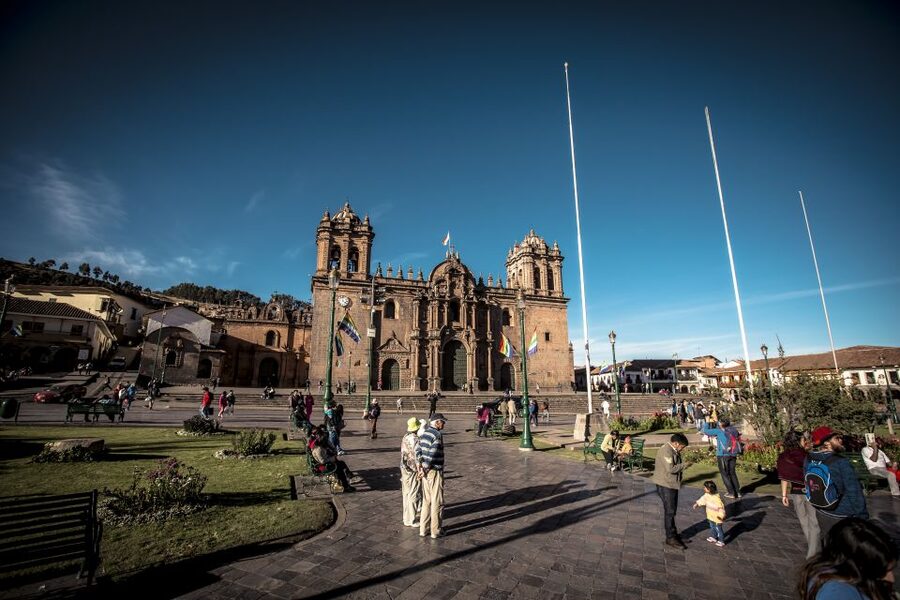
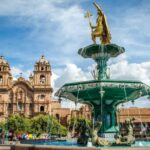
You start at Plaza de Armas (Plaza Mayor), Cusco’s central stage. Your guide meets you in the square near the inca monument, with a reference point on Calle Portal Belén. This matters because Plaza de Armas is the place where you can orient yourself quickly—almost everything connects outward from here.
From the start, the tour focuses on two major landmarks: the Cathedral and the Iglesia de la Compañía de Jesús. Even if you’ve seen European-style colonial churches before, Cusco does something different: the stone world around them feels tied to the Inca city that came before. You’re not just looking at buildings; you’re watching how power and belief took physical form in the same urban space.
Practical note: because this is a walking tour, early arrival helps. If you show up close to departure, you risk starting the day rushed—no fun when you’ll be climbing stairs and turning corners for the next several hours.
The 12-angle stone on the street to San Blas
After Plaza de Armas, the route moves toward San Blas. One of the most memorable stops is the 12-angle stone—a block known for the precision of its corners and sides. The point isn’t just that it looks interesting. It’s that this kind of detail explains why Inca architecture still gets people talking: the fit is so exact that it reads like engineering, not guesswork.
You’ll see it as part of the street scene rather than in a fenced-off museum moment. That’s a big value factor. When you spot something like this during an actual walk through Cusco’s streets, the city starts to feel like one coherent map instead of separate attractions.
What I’d keep in mind: the best view may come from walking positions, not from standing in one single spot forever. So don’t treat it like a photo booth. Move with the group, look from a couple of angles, and let your guide show you what to focus on.
San Blas: artisan streets with Inca-built bones
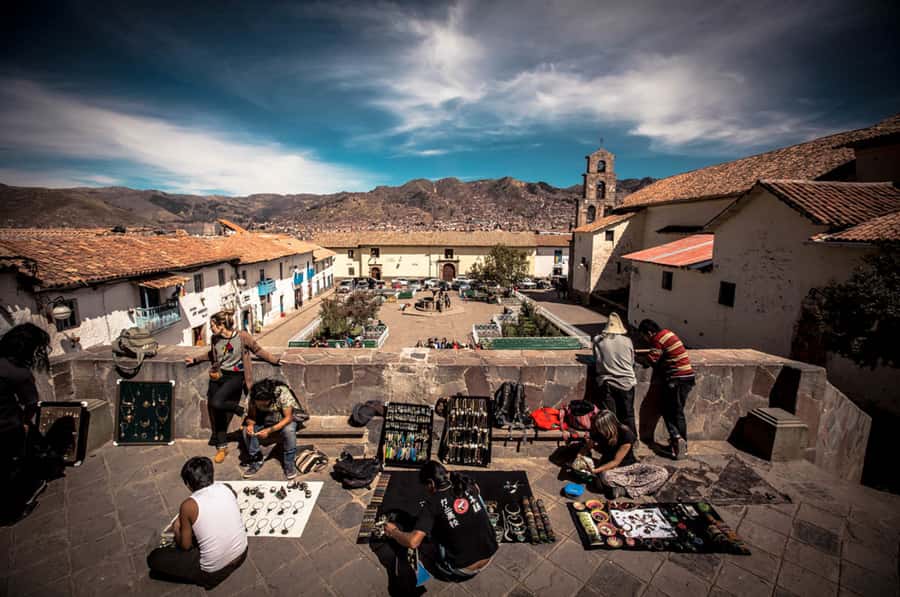
San Blas is one of Cusco’s most atmospheric districts. The tour describes it as originally inhabited by Inca nobility, and today it’s known for hosting prestigious artisan workshops. In other words, this is where you get the craft side of Cusco, not just the historic monuments.
As you walk through San Blas, you’ll notice the stone constructions and the way the streets feel shaped by long-term settlement. It’s also a neighborhood where you might spot workshops and craft activity as you go. Even if you don’t buy anything, the experience gives you context for why Cusco art and textiles are such a big deal here.
A small consideration: because San Blas is connected to artisan commerce, you may see plenty of storefronts. If you’re the type who likes to keep shopping pressure at zero, just focus on the walk and ask your guide questions instead of getting pulled into deals.
Coricancha (Temple of the Sun): why the sun matters in Cusco
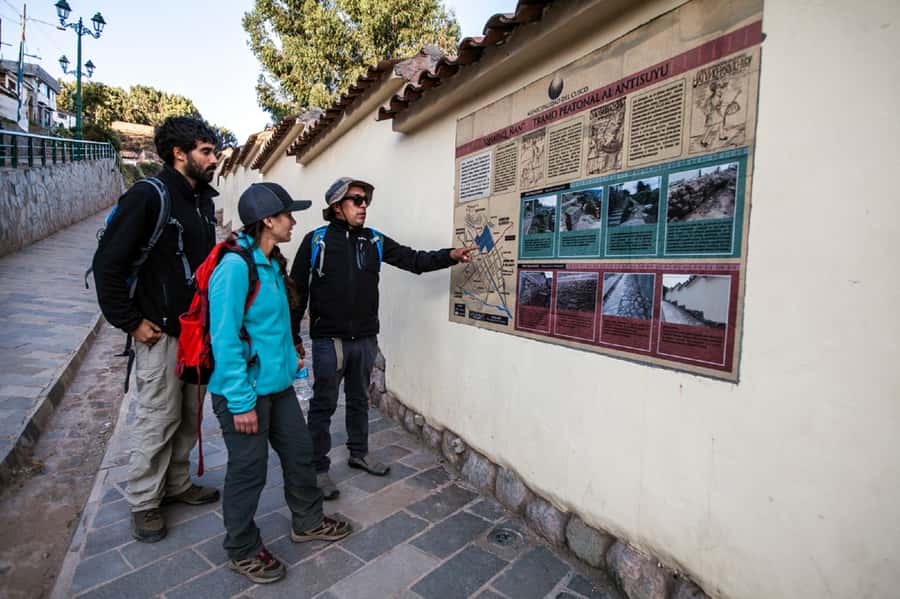
Next you’ll head toward Coricancha, also known as the Temple of the Sun. This is one of those stops where the explanation really changes what you’re looking at. During the Inca Empire, homage was paid to the sun (Inti). That makes the place more than a landmark; it’s a clue about how the Inca connected astronomy, power, and everyday life.
Coricancha is valuable because it sits at the intersection of meaning and place. You’re not just seeing a monument. You’re hearing how the Inca worldview shaped the built environment. And then, in Cusco, that worldview has had to coexist with colonial layers, which is exactly why guided context makes a difference.
Timing-wise, this is a good mid-tour anchor. You’ll have already seen Plaza de Armas and the walk toward San Blas, so Coricancha lands after you’ve started to understand the city’s rhythm. It also acts like a mental reset before the next plazas.
Plaza Regocijo and Plaza San Francisco: the patio of joy
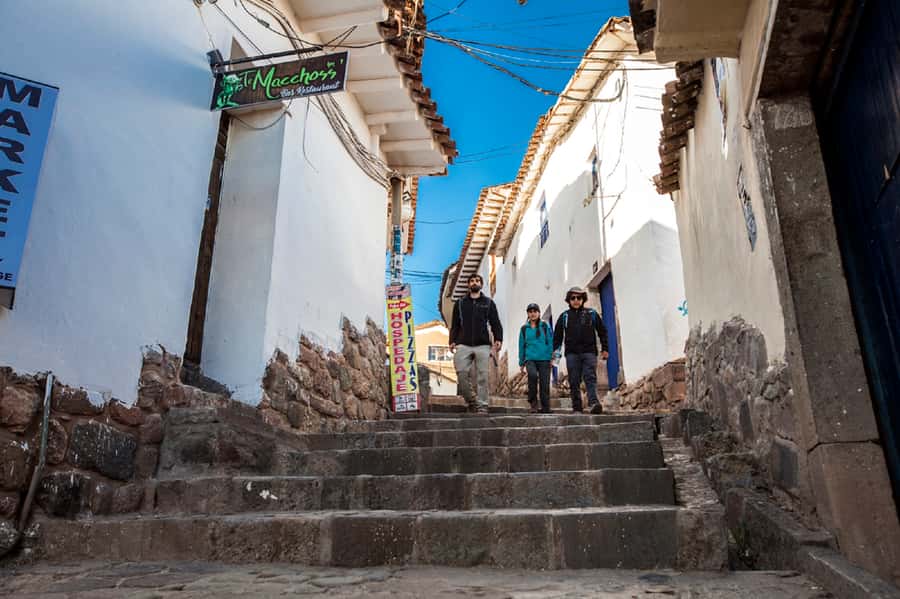
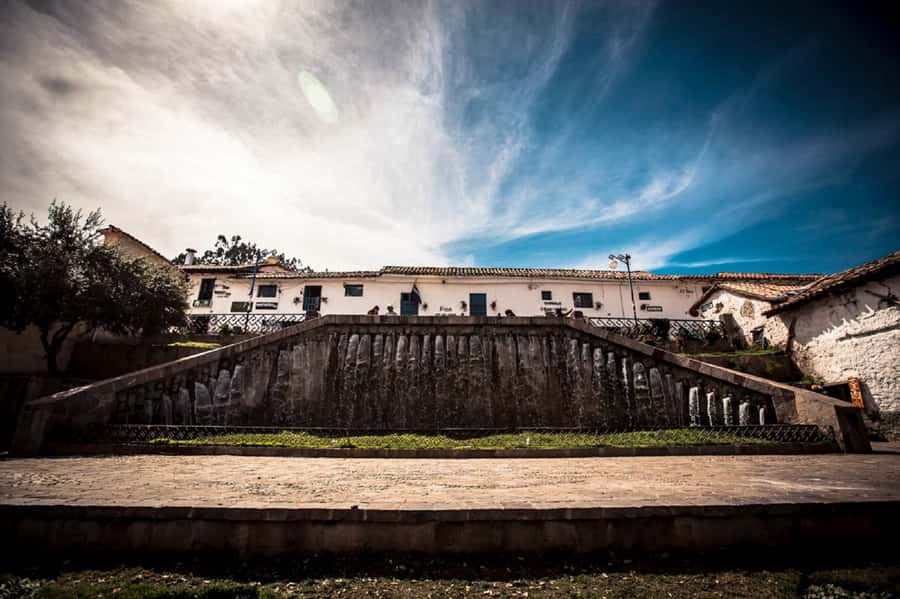
From Coricancha, the tour heads to Plaza Regocijo. The name comes from Quechua, linked to Cusipata, which means patio of joy. According to the tour info, public celebrations such as bullfights were held here.
That kind of detail is why I like walking tours with interpretation. If you just pass through Regocijo on your own, you’d probably register it as another pretty plaza. With the context, the space becomes a social history stop—where community life, entertainment, and tradition played out.
The tour also continues toward Plaza San Francisco, keeping you moving through Cusco’s central public spaces. These plazas are where locals and visitors both naturally “reset”—a chance to slow your breathing, look around, and take in how churches and colonial buildings sit in the same frame as everyday street life.
San Pedro Market: thousands of products and a sensory finish
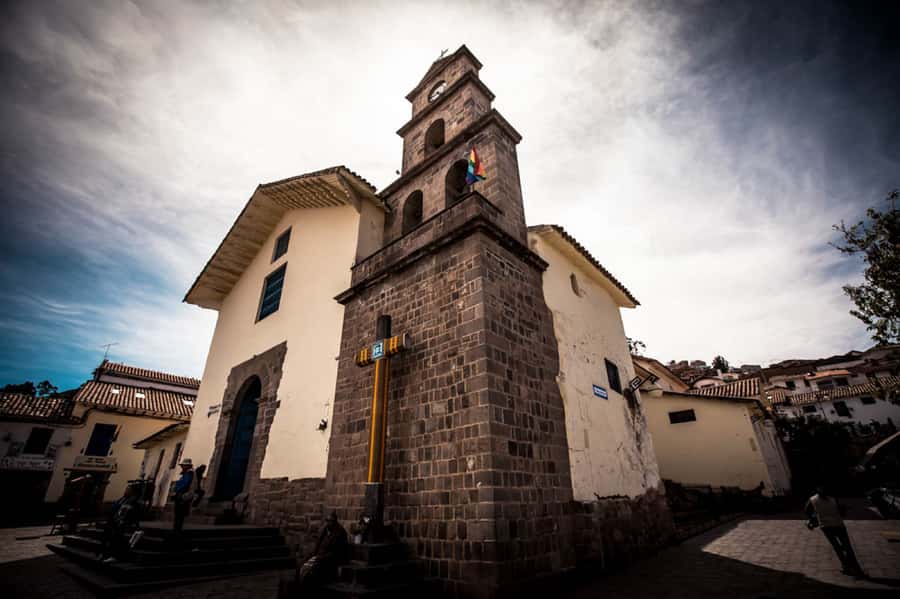
The tour ends at San Pedro Market, which is described as a display of thousands of products from different areas of Cusco. This is the stop that tends to make the tour feel real. It’s not only about history; it’s about modern Cusco and how the region shows up through food, goods, and daily exchange.
It’s also a practical finish. Market time gives you something to do with your energy. If you’ve been looking at architecture for hours, the market offers a change of pace: you get sights, smells, and the texture of everyday life.
What to expect: you’ll probably feel a little overwhelmed in a good way. Thousands of items sounds huge because it is. If you tend to get overstimulated, just choose a few themes—snacks, spices, fruits, textiles or small local goods—and let those guide what you look at. You don’t have to see everything.
Also, since the tour doesn’t include snacks or beverages, you’ll decide on your own whether you want to buy and eat here. If you do, it’s a good moment to try something local right at the end of the walk.
Price and guide quality: is $29 good value?
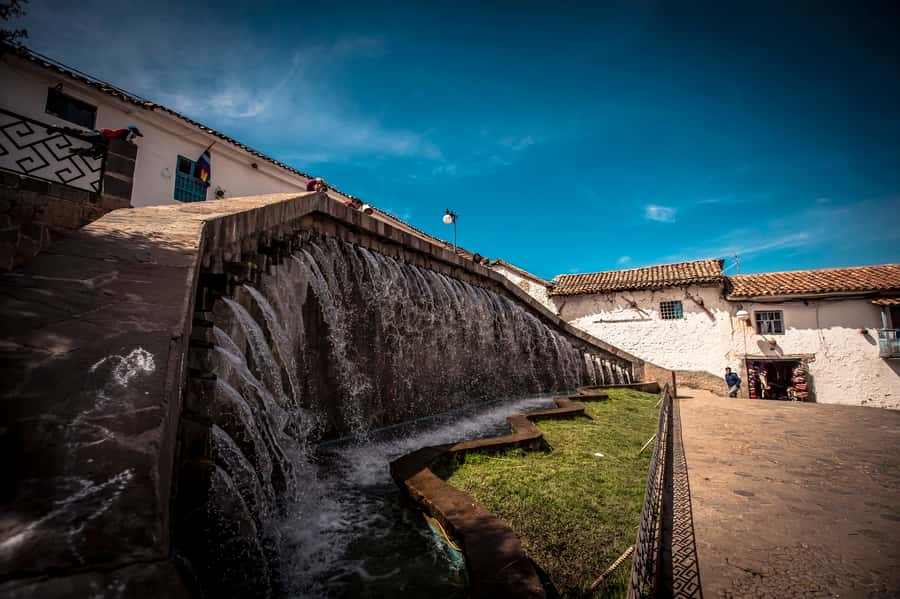
For $29 per person and 210 minutes of guided time, this is usually good value—especially because the guide is professional and offered in English, Spanish, and Portuguese. You’re not paying for a private car or pickup. You’re paying for the route and the explanations that help you connect the dots between sites.
Guide quality comes through in the reviews. One booking highlighted Juan as an excellent guide. Another review mentioned a very good overview of the city and that there’s genuinely a lot in Cusco—so yes, the “big picture” benefit is real. The only serious drawback surfaced in a review about an early start time issue. The lesson there is simple: show up early, at the right spot, and be ready to start on time.
So here’s the balanced take: if you do the basics right—arrive 15 minutes early at Plaza de Armas—you’re likely to feel like you got your money’s worth. If you’re late or counting on pickup, you’ll feel stressed fast because the tour expects you to meet it where it starts.
Logistics that affect your comfort more than you’d think
This tour is straightforward, but a few details can make or break your experience:
- No pickup and drop-off: you handle getting to the meeting point and returning to your hotel
- Admissions not included: if any site requires paid entry, you’ll pay separately
- Snacks and beverages not included: plan to eat before/after and consider bringing what you need
- Bring: comfortable shoes, sunscreen, and comfortable clothes
And one more comfort factor: wheelchair access isn’t supported. If you need step-free routes, this one likely won’t fit your needs.
Who should book this Cusco walking tour
I’d recommend this tour if you want:
- A fast, guided orientation to central Cusco
- A mix of Inca-era references (like the 12-angle stone and Coricancha) and colonial-era atmosphere (Cathedral, Compañía de Jesús, and plazas)
- A low-cost way to see top spots without paying for transport
It may be a weaker fit if:
- You strongly dislike walking or uneven stone streets
- You’re relying on transfers you won’t get
- You need accessibility accommodations
The sweet spot is travelers who enjoy walking, like learning what they’re looking at, and want the city to feel coherent by the end of the day.
Should you book this Cusco walking tour?
Yes, if your goal is to get a guided snapshot of Cusco’s center—Plaza de Armas → San Blas → Coricancha → Regocijo/San Francisco → San Pedro Market—in one well-timed walk. The $29 price makes it especially attractive when you factor in a professional guide and the fact that you’ll cover several standout areas without needing extra transportation.
Book it with two in-your-control habits: arrive at Plaza de Armas early (15 minutes), and wear shoes that can handle Cusco streets. If you do that, you’ll finish with a strong sense of the city’s layers—and a market stop that adds real life to the monuments.
FAQ
Where is the meeting point?
The tour meets at Plaza de Armas, Cusco (the inca monument), with a reference near Calle Portal Belén, Cusco.
How long is the Cusco walking tour?
The duration is 210 minutes (about 3.5 hours).
What’s included in the price?
It includes a professional tour guide in English, Spanish, and Portuguese.
What is not included?
Pickup and drop-off, snacks and beverages, personal expenses, and admissions are not included.
What should I bring?
Bring comfortable shoes, sunscreen, and comfortable clothes.
Is this tour wheelchair accessible?
No. It is not suitable for wheelchair users.
More Walking Tours in Cusco

More Tour Reviews in Cusco
Recent write-ups from around Cusco, just off the trail
- Cuzco: Rainbow Mountain Excursion
★ 5.0 · 3 reviews - 1 day excursion to Qeswachaka bridge and the 4 lagoons
★ 3.6 · 3 reviews - Waqrapukara 1 day trekking + meals
★ 3.9 · 3 reviews - Valle Sur Cusco | half day
★ 4.3 · 3 reviews - Full-Day Condor Viewpoint & Inca Sites Tour
★ 5.0 · 3 reviews
Walking Tours, compared.
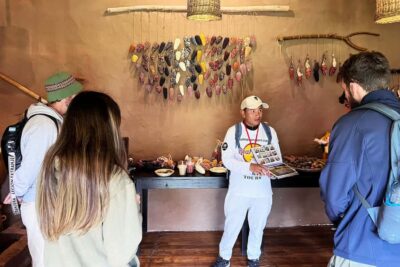 ★ 4.6Historic Walking Tour with Pisco Sour and Music ShowFrom $1065 reviews
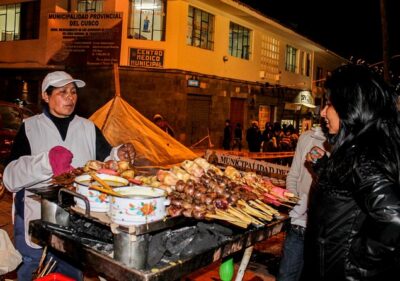 ★ 5.0Walking Culinary ExperienceFrom $7041 reviews
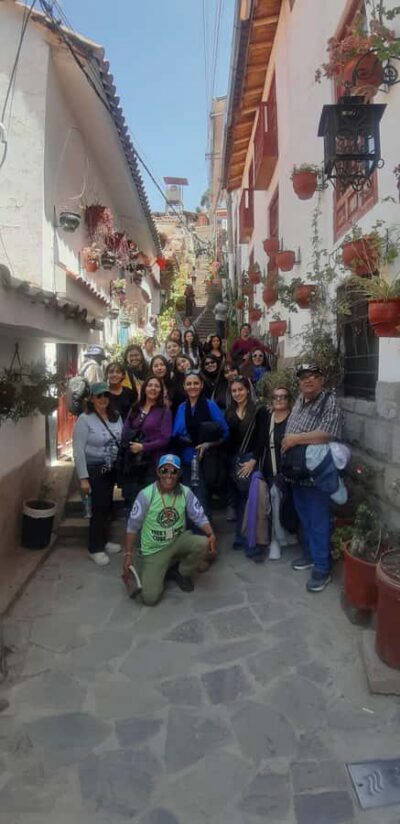 ★ 4.3Walking Tour with a Local GuideFrom $155 reviews
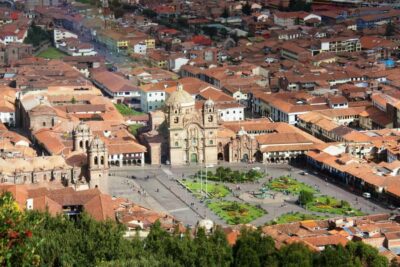 ★ 5.0Cultural Walking Tour with Local Guide⭐⭐⭐⭐⭐From $14 reviews
 ★ 3.6Best of Cusco: Private Walking Tour with a LocalFrom $203 reviews
 ★ 3.5Rainbow Mountain In Quad Bikes /walk 5 minutes/+mealsFrom $803 reviews
Browse the lists this tour appears in