
REVIEW · WALKING TOURS
Cusco: Walking Tour with a Local Guide
Cusco gets easier when you have a guide. I like how this walking tour turns key landmarks into real stories, especially the Temple of the Sun (Qoricancha) and the Inca legends around the city’s most famous square. One thing to consider is the walking is moderate and it’s not set up for wheelchair users.
I also like the way the route balances big sights with normal neighborhood life, from colonial streets to artisan workshops in San Blas. In my experience, a good guide changes the whole feel of Cusco: you stop taking photos and start noticing the details you’d otherwise miss. If you prefer very slow sightseeing, plan around the group pace for the full 150 minutes.
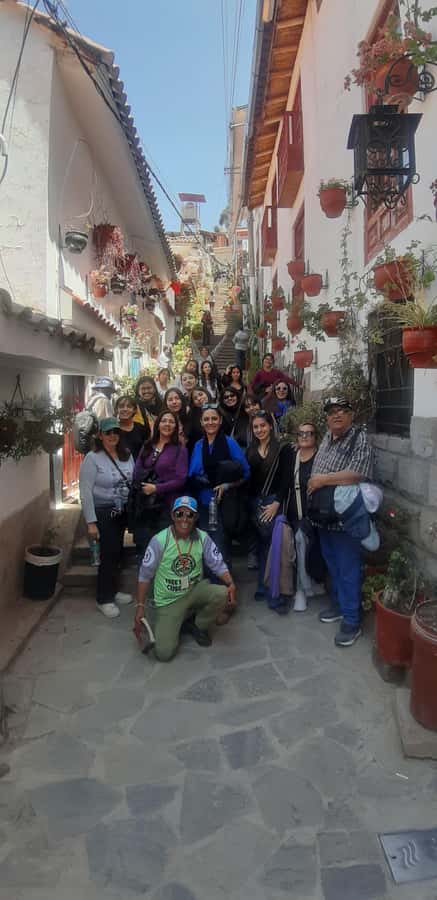
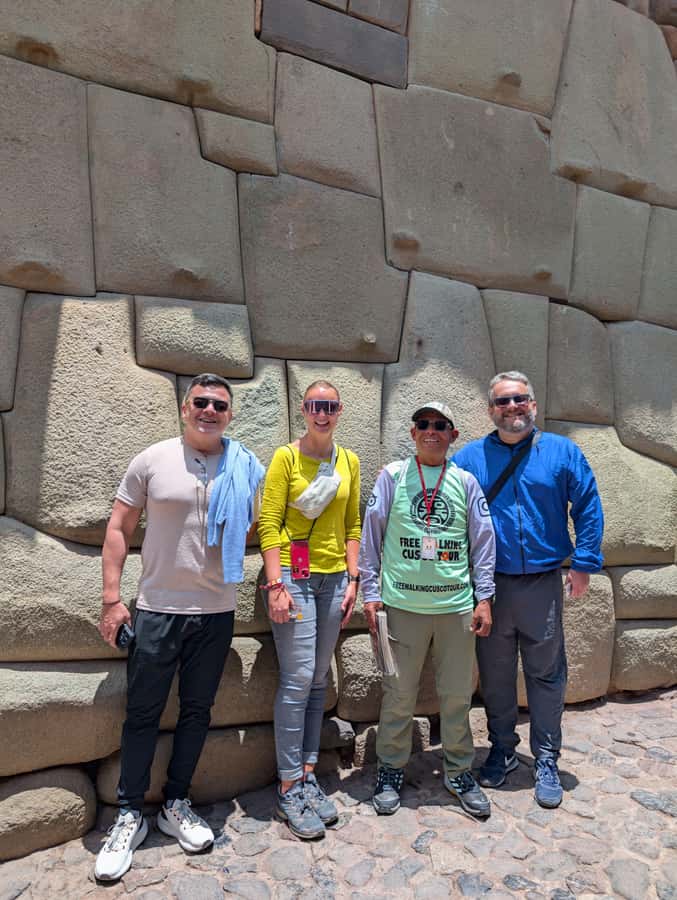
You’ll meet in central Cusco between Calle del Medio and Plaza de Armas (look for a green T-shirt), then follow a tight loop that ends at Mirador de San Blas. It’s a simple format, and that’s the point: you get context fast, walk at a human speed, and leave with a clearer sense of where you are in the city.
In This Review
- Key things you’ll notice on this Cusco walk
- A short guided loop that makes Cusco feel organized
- Meeting at Calle del Medio: finding the green T-shirt
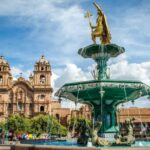
- Plaza de Armas: the square as a living story
- Loreto Street to Qoricancha: colonial streets leading to Inca symbolism
- Inka Palace Cusicancha: when an Inca site becomes a church
- Down Inka Roca Street: cobblestones and normal Cusco life
- San Blas: artisan workshops, churches, and a calmer vibe
- Price and value: why $15 for 150 minutes can make sense
- Pace, comfort, and the small rules that matter
- What kind of traveler should pick this
- Language: English and Spanish explanations that actually help
- A small reality check: when guides don’t show up
- Should you book this Cusco walking tour?
- FAQ
- How long is the Cusco walking tour?
- How much does the tour cost?
- Where do I meet the guide?
- What’s included in the price?
- Is food included?
- Do they offer pickup or drop-off?
- What languages are the guides available in?
- Is it wheelchair accessible?
- Is flash photography allowed?
- Can I smoke on the tour?
- FAQ
- What should I bring for the walk?
- Can I cancel for a refund?
- Do they skip the ticket line?
Key things you’ll notice on this Cusco walk
- Plaza de Armas with both Inca and colonial context, so the square feels less like a postcard and more like a timeline
- Qoricancha (Temple of the Sun) and how the sun mattered in Inca culture
- Inka Palace Cusicancha, an Inca site that’s now a church you can actually see on the route
- Loreto Street and Inka Roca Street for narrow cobblestones, shops, and everyday Cusco life
- San Blas artisan workshops plus a finish at Mirador de San Blas for a great end point
A last few Cusco tours and experiences to fold into the trip
- Cusco: Historic Walking Tour with Pisco Sour and Music Show★ 4.6 · 65 reviews
- Walking Culinary Experience★ 5.0 · 41 reviews
- Cusco: Walking Tour with a Local Guide★ 4.3 · 5 reviews
- Cusco: Cultural Walking Tour with Local Guide⭐⭐⭐⭐⭐★ 5.0 · 4 reviews
A short guided loop that makes Cusco feel organized
Cusco can overwhelm you fast. Streets twist, the buildings are layered, and it’s hard to know what matters first. This tour helps you sort it out with a clear route and a local guide who explains what you’re looking at as you walk.
I like that it’s built around two kinds of time travel: Inca-era importance (especially connected to the sun and legends) and colonial-era architecture that still shapes the streets today. You’re not just ticking off stops. You’re learning how Cusco’s story connects from the main square to the smaller lanes.
And because it lasts 150 minutes, you get enough ground covered without turning the day into a marathon. By the time you reach San Blas, you’ll have a mental map of the city’s main ideas.
Meeting at Calle del Medio: finding the green T-shirt
You’ll start between Calle del Medio and Plaza de Armas. The easiest way to avoid confusion is to arrive a few minutes early, then look for the group member wearing a green T-shirt.
The meeting point matters here because Cusco streets can feel like a maze—especially if you’re adjusting to altitude or first-time cobblestone walking. I’d rather you be early and relaxed than sprint to the plaza and start the tour stressed.
Also, bring your basics from the start: comfortable shoes and water. Cusco can be sunny even when you think you’re prepared, and this walk includes outdoor segments.
Plaza de Armas: the square as a living story
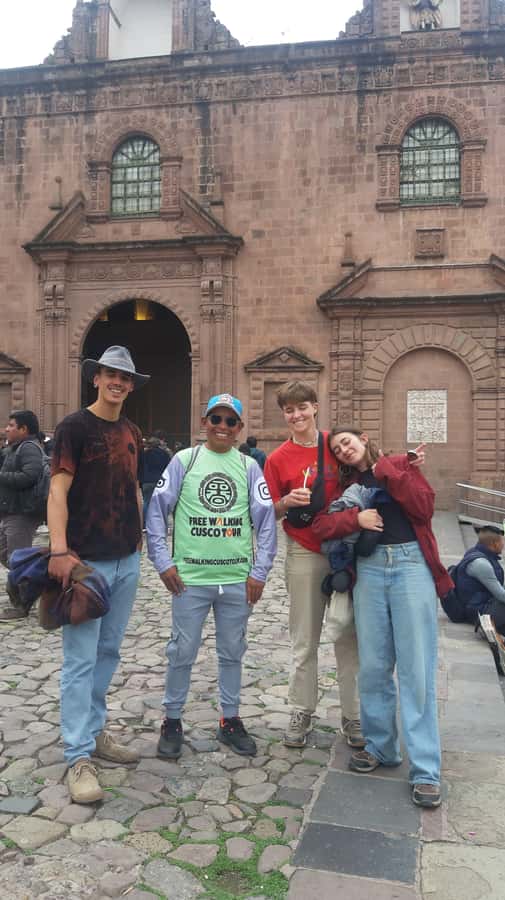
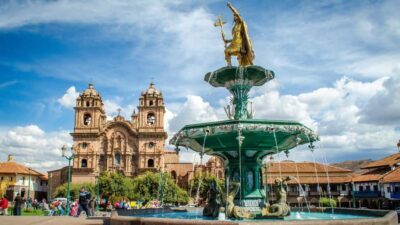
Your first big stop is Plaza de Armas, Cusco. This isn’t just about admiring the square’s scale; it’s about understanding why it became the city’s center.
You’ll learn about the plaza’s history, the colonial buildings that frame it, and the Inca legends tied to the place. That combination is powerful because Cusco isn’t one era. It’s multiple layers sitting on top of each other, and the square shows that in a very visible way.
One practical benefit: once you understand the square’s role, navigation gets easier. You’ll know which streets connect outward and what kind of story you’re walking into as you move away from the plaza.
Loreto Street to Qoricancha: colonial streets leading to Inca symbolism
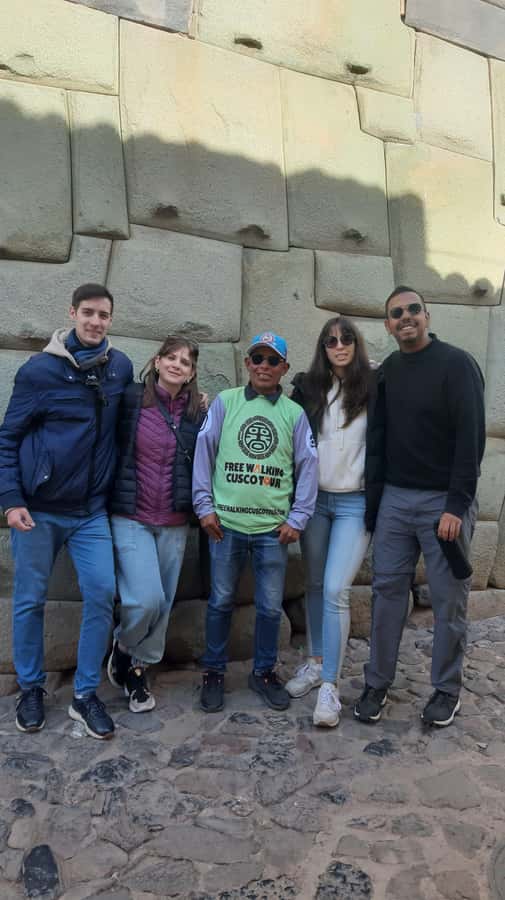
After Plaza de Armas, you head toward Loreto Street. This is where the tour slows down into everyday details—colonial architecture, local shops, and artisan workshops along the way.
I like this section because it grounds you. Big sights are great, but you’ll feel the city as a working place. You’ll see the kinds of storefronts and crafts that still define Cusco’s street rhythm.
Then comes the highlight stop: Qoricancha (Temple of the Sun). The focus here is the importance of the sun in Inca culture, along with seeing Inca architecture connected to that symbolism. Even if you don’t know a lot of Inca history going in, the guide’s explanations help you connect what you’re seeing to why it mattered.
Why this stop is worth your time: it’s one of the few places in Cusco where cultural meaning is front and center, not just background decoration. You finish feeling like you understand the logic behind the site, not only its appearance.
Inka Palace Cusicancha: when an Inca site becomes a church
Next you’ll visit Inka Palace Cusicancha, described as an Inca palace and temple that is now a church. That “now” is key. You’re not looking at a museum model—you’re moving through a site where different periods overlap in real life.
This stop adds balance to the tour because it shows how Cusco’s history didn’t freeze at one moment. The site still functions, and that makes the layers feel less like an academic concept.
If you like seeing how history changes use over time, this is a strong moment. It also helps you keep the tour’s theme in your mind: Cusco is about connection—between symbolism, architecture, and present-day life.
Down Inka Roca Street: cobblestones and normal Cusco life
From there you stroll down Inka Roca Street, known for narrow cobblestone lanes, colonial houses, and local life. This segment is less about monuments and more about atmosphere, and that’s exactly why it works.
If you’ve ever walked a historic city and felt like you were only seeing facades, this is the antidote. You’ll see the kinds of houses and streets where people actually live, not just where tourists line up for photos.
I find it’s also a great “reset.” After Qoricancha and the palace/temple church, this gives your brain a breather while still keeping you in context. You’re learning, but it doesn’t feel like an endless lecture.
San Blas: artisan workshops, churches, and a calmer vibe
The tour ends in the San Blas neighborhood, known for artisan workshops, colonial churches, and daily life of the Cusqueños. This is a neighborhood where the mood shifts a little from the main square energy.
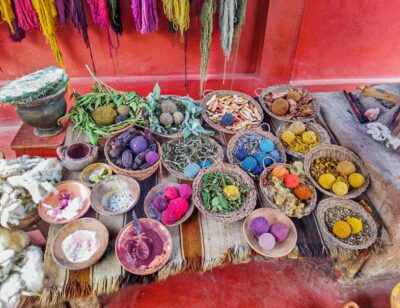
The artisan workshops are a big reason to include San Blas on a walking tour. Even if you don’t buy anything, you’ll understand what the area is for. The guide helps connect those workshops to the neighborhood’s character, rather than letting it feel like a random stop for souvenirs.
Then you finish at Mirador de San Blas. Finishing with a viewpoint is a smart move on a short tour because you get to do a quick “orientation scan” after walking. You can look around and realize where everything sits in relation to each other.
Price and value: why $15 for 150 minutes can make sense
At $15 per person for about 150 minutes, this tour is priced like an efficient, low-friction way to get context in Cusco. You’re paying for a professional guide and a structured route, not for transport or meals.
Here’s what makes that value believable: you’re visiting multiple major stops—Plaza de Armas, Qoricancha, Inka Palace Cusicancha, and San Blas—plus street sections that add up to real understanding of how Cusco works. For many people, that’s the difference between “I saw places” and “I understand the city.”
Also, the tour is set up to skip the ticket line, which is a practical time-saver in a busy place. If you only have a day or two in Cusco, cutting waits matters. Time is often your scarcest currency.
One last value note: this is a walking experience, so the guide’s ability to manage pace and flow directly affects your satisfaction. The tour’s strong reviews make it clear that the best version of this experience is when you get a guide who keeps energy steady and explanations clear.
Pace, comfort, and the small rules that matter
This is a moderate-walking tour. Comfortable shoes are not optional. Cusco cobblestones are charming, until you’re halfway through them wishing your soles were brand new.
I’d plan for sun and altitude-style fatigue. Bring a hat, sunscreen, and water. You’ll be outside during key parts of the route, and the sun can feel more intense than you expect in this region.
There are also clear behavior rules: no smoking and no flash photography. Those are easy to follow, but they’re worth mentioning because they shape the overall vibe of the walk—quiet, respectful, and smoother around sites.
What kind of traveler should pick this
This tour is ideal if you want a guided route that covers the basics without feeling rushed. If you like history explained in plain language and you enjoy street-level seeing—shops, workshops, and residential lanes—this fits your style.
It’s also a good choice if you’re solo or you’re pairing it with other Cusco plans. The duration is long enough to matter, but short enough to keep your day flexible.
It’s not a good fit if you have mobility impairments or you use a wheelchair, since it’s not wheelchair accessible and includes cobblestone walking.
Language: English and Spanish explanations that actually help
The guide speaks English and Spanish, which is useful if you want your questions answered in real time. Having the ability to understand the story at each stop changes the tour from background noise into something you can use later while exploring on your own.
If you’re traveling with someone who prefers a specific language, it’s worth checking availability for the language you want. Even when the facts are the same, the way stories are explained can feel very different.
A small reality check: when guides don’t show up
Most tours run smoothly, and this one appears to generally do. But one past experience included a situation where a guide didn’t arrive and communication wasn’t responsive, leading the person to join another free group in the plaza.
I can’t predict how your day will go, but here’s the practical takeaway: arrive early at the meeting point, confirm the exact time, and keep a backup plan. If you’re relying on this tour to anchor your schedule, don’t leave all your important timing to a single booking with no margin.
Should you book this Cusco walking tour?
Yes, if you want a fast, organized way to understand central Cusco and the San Blas neighborhood. This tour is good value for the number of meaningful stops—especially Qoricancha and the connection between Inca symbolism and colonial-era Cusco.
Book it if you like walking, you can handle cobblestones, and you’ll enjoy learning why these places matter instead of only what they look like. Skip it if you need wheelchair access or if long outdoor walking will slow you down too much.
If you’re short on time but want Cusco to make sense, this is the kind of tour that pays off the moment you step out and start exploring on your own.
FAQ
How long is the Cusco walking tour?
It runs for about 150 minutes.
How much does the tour cost?
The price is $15 per person.
Where do I meet the guide?
You meet between Calle del Medio and Plaza de Armas. Look for a green T-shirt.
What’s included in the price?
A professional guide is included.
Is food included?
No. Food and drinks are not included.
Do they offer pickup or drop-off?
No pickup or drop-off is included.
What languages are the guides available in?
The live tour guide is available in Spanish and English.
Is it wheelchair accessible?
No. It is not wheelchair accessible and isn’t suitable for people with mobility impairments.
Is flash photography allowed?
No, flash photography is not allowed.
Can I smoke on the tour?
No smoking is allowed.
FAQ
What should I bring for the walk?
Bring comfortable shoes, a hat, sunscreen, and water.
Can I cancel for a refund?
Yes. You can cancel up to 24 hours in advance for a full refund.
Do they skip the ticket line?
Yes, it includes skipping the ticket line.
More Walking Tours in Cusco

More Tour Reviews in Cusco
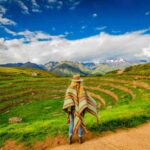
Recent write-ups from around Cusco, just off the trail
- Cuzco: Rainbow Mountain Excursion
★ 5.0 · 3 reviews - 1 day excursion to Qeswachaka bridge and the 4 lagoons
★ 3.6 · 3 reviews - Waqrapukara 1 day trekking + meals
★ 3.9 · 3 reviews - Valle Sur Cusco | half day
★ 4.3 · 3 reviews - Full-Day Condor Viewpoint & Inca Sites Tour
★ 5.0 · 3 reviews
Walking Tours, compared.
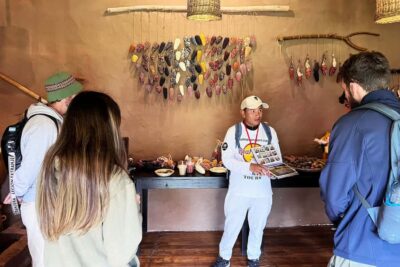 ★ 4.6Historic Walking Tour with Pisco Sour and Music ShowFrom $1065 reviews
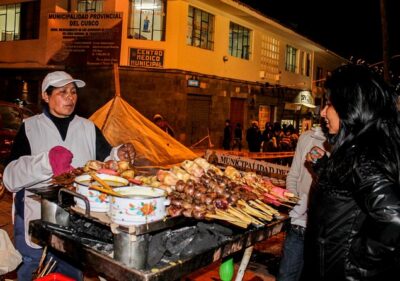 ★ 5.0Walking Culinary ExperienceFrom $7041 reviews
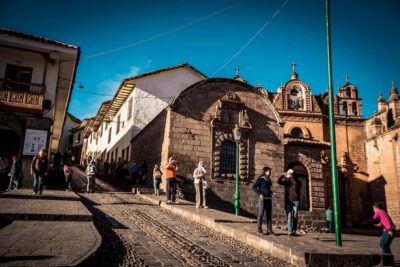 ★ 3.4Walking Tour CuscoFrom $296 reviews
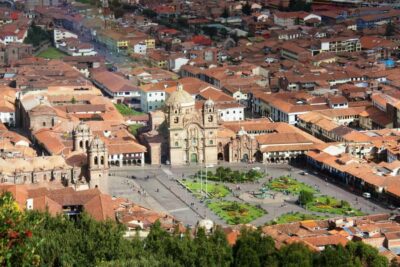 ★ 5.0Cultural Walking Tour with Local Guide⭐⭐⭐⭐⭐From $14 reviews
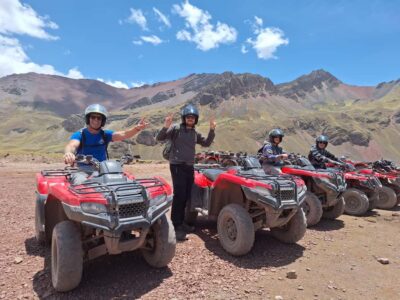 ★ 3.5Rainbow Mountain In Quad Bikes /walk 5 minutes/+mealsFrom $803 reviews
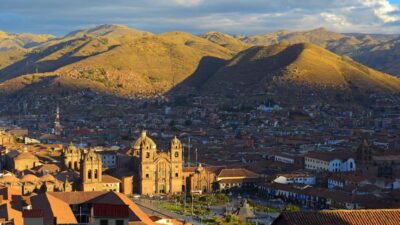 ★ 3.6Best of Cusco: Private Walking Tour with a LocalFrom $203 reviews
Browse the lists this tour appears in