
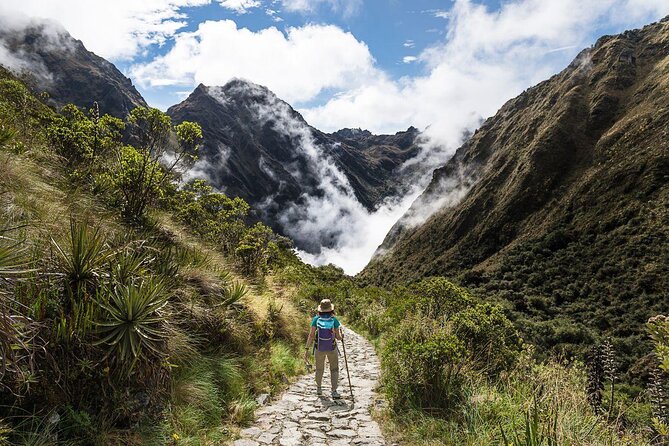
REVIEW · MACHU PICCHU TOURS & TICKETS
Small Group: 4-Day Inca Trail Trek to Machu Picchu
The Inca Trail hits different when it’s small. This 4-day trek (from Cusco with Inkayni Peru Tours) keeps the group tight, so you get more guide time on the path and at the ruins. I like the hassle-free logistics—hotel pickup, bus to Km 82, and the train/bus back are handled—and I also love the food + camp support, from a chef’s 3-course meals to hot water and an oxygen bottle when altitude gets pushy. One drawback: it’s still a tough high-altitude hike, and the tour isn’t recommended if you have serious back or heart issues.
What makes this feel practical is that it’s built around real trail needs. You start very early (meeting is 5:00 am), you camp at set sites, and you’re not stuck figuring out day-to-day details like tickets, porters, or where you’ll sleep. The main trade-off is that you’ll need to bring key items yourself—especially a sleeping bag (rental possible) and what you need for the first stretch of water.
In This Review
- Quick take: what you should know before you go
- Why this small-group Inca Trail feels more personal
- Day 1: Sacred Valley bus ride to Km 82, then Wilka Rakay to Wayllabamba
- Day 2: Tres Piedras to Dead Woman’s Pass (Warmihuañusca) and Pacaymayo camp
- Day 3: Runkurakay and Sayacmarca ruins, then cloud forest to Wiñayhuayna
- Day 4: Inti Punku (Sun Gate) and the first Machu Picchu sight
- Camp comfort on the Inca Trail: tents, hot water, oxygen, and your packing list
- Guides, Chasquis, and the food that makes the altitude manageable
- Price and logistics: does $850 deliver real value?
- Who should do this trek (and who should skip it)
- Should you book this Inca Trail to Machu Picchu?
- FAQ
- How many people are in the small group?
- What’s included in the tour price?
- Do I need a sleeping bag?
- Is Huayna Picchu included?
- What time does the trek start?
- Is this trek recommended if I have medical issues?
Quick take: what you should know before you go
- Small-group pacing: capped around 10 people, so the guide can slow down for questions and rest breaks
- High-altitude route, with support: oxygen bottle, first-aid kit, and a personal porter carrying up to 5 kg
- Comfort that matters at altitude: inflatable mattress, spacious tents, hot water every morning
- Real Machu Picchu timing: you reach Inti Punku (Sun Gate) before the main crowd surge, weather permitting
- Food that keeps you moving: chef-run meals in camp, plus steady support from Chasquis/porters
Other ways up to Machu Picchu, reviewed
- From Cusco: Full-Day Group Tour of Machu Picchu★ 4.7 · 1,767 reviews
- Machu Picchu Day Trip from Cusco★ 4.5 · 1,644 reviews
- Machu Picchu: Full-Day Tour from Cusco with Optional Lunch★ 4.6 · 927 reviews
- Cusco: 4-Day Inca Trail to Machu Picchu with Accommodation★ 4.8 · 432 reviews
Why this small-group Inca Trail feels more personal
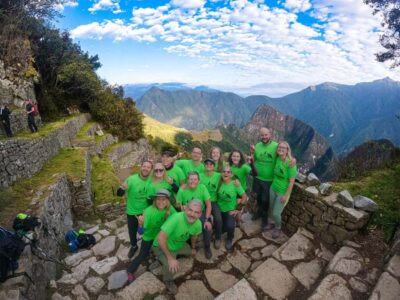
The classic Inca Trail can be busy, and busy usually means less attention and more “move along” energy. This tour stays intentionally small (maximum 10 travelers), which changes how the trek feels. You’ll walk with your group through the Sacred Valley route and then into the official starting point at Km 82, with a professional team running the whole operation.
I also like that the tour doesn’t try to be fancy. It’s practical: camp setup is handled, meals are planned, and you’re not spending your mental energy on logistics. Many hikers find the toughest part isn’t just the stairs—it’s decision fatigue. Here, you can focus on the hiking and the ruins.
Day 1: Sacred Valley bus ride to Km 82, then Wilka Rakay to Wayllabamba
Day 1 starts with an early pickup from your hotel and a private bus ride through the Sacred Valley stops—Chinchero, Urubamba, and Ollantaytambo. That drive matters more than you’d think. It gives your body time to adjust, and it lets you start thinking like a trail traveler: look up, breathe, and save your effort.
After about 2.5 hours of scenic driving, you reach Km 82, the official start of the Inca Trail. The hiking begins with a climb toward Wilka Rakay, a spot that rewards you with strong views over the Patallacta area and the Kusichaca Valley.
By late afternoon you arrive at Wayllabamba (3,000 masl / 9,842 ft.), where you camp. This is the “settle in and reset” night. You’ll set up for rest while the team prepares dinner. One practical thing: even if you feel fine on Day 1, your sleep can be affected at altitude, so treat the first night like training—get comfy, follow the team’s guidance, and aim for solid rest.
Good to know: the first hiking hours require you to bring water (the tour notes water coverage starts after the first 4 hours), so don’t assume you’ll be fully stocked right away.
Day 2: Tres Piedras to Dead Woman’s Pass (Warmihuañusca) and Pacaymayo camp
Day 2 is where the trail makes its point. After breakfast, you climb for about one hour to Tres Piedras (The Three Stones), then you enter the cloud forest zone. This is a nice shift from open exposure, and it often feels cooler and calmer under the trees.
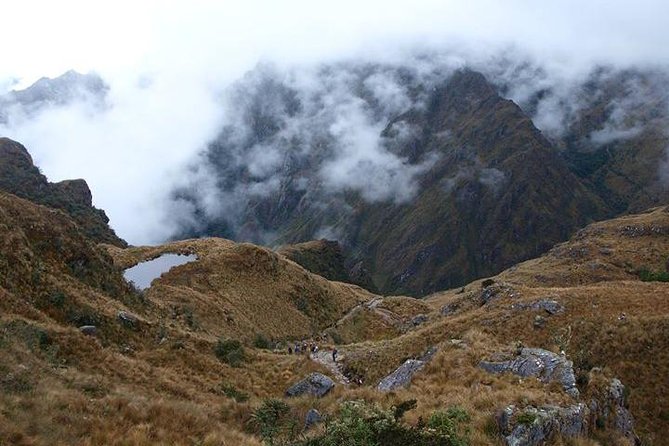
From there, you move toward the hardest, highest moment of the trek: Abra de Warmihuañusca (Dead Woman’s Pass) at 4,215 masl / 13,828 ft. Even if you’re not a “numbers” person, altitude math helps here. The higher you go, the more you’ll feel it in your breathing pace. Plan to walk slower than you think you need to.
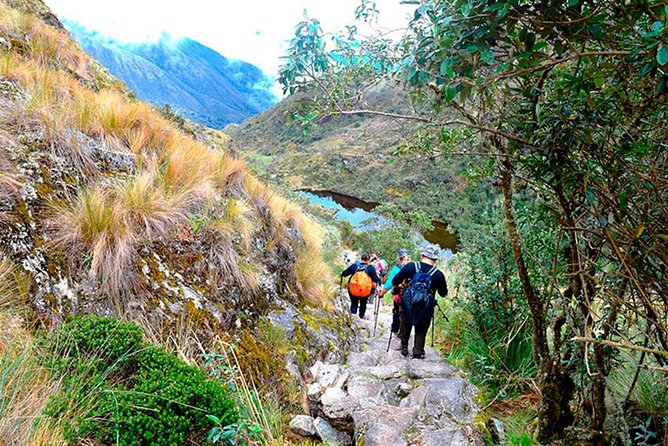
Once you crest the pass, you get rewarded with wide panoramic views and then a steep descent toward Pacaymayo (3,600 masl / 11,811 ft.). That contrast—hard climb, then faster legs—can mess with your knees if you go too fast downhill. Use trekking poles if you have them, and keep your steps controlled.
You’ll reach camp, eat well, and sleep with the next day’s ruins in mind. This is also one reason I like that the tour uses a team of porters and camp staff: it’s a long day, and you shouldn’t be spending extra energy on gear management.
Day 3: Runkurakay and Sayacmarca ruins, then cloud forest to Wiñayhuayna
Day 3 begins with a relatively short but steady climb: about 45 minutes up to Runkurakay, then another 45 minutes to the Runkurakay Pass (4,000 masl / 13,123 ft.), the second highest point on the route.
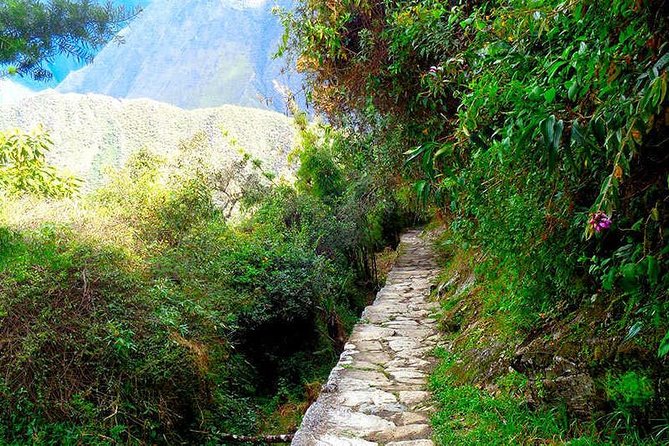
What I like here is the rhythm. You’re not hiking only for distance—you’re hiking toward Inca sites that actually feel “in context,” perched in the right places, not placed there for Instagram. After the pass, the trail descends to Sayacmarca, set high on a steep mountainside. The stone structures here are meant to be seen from angles, and the timing of your arrival matters.
After exploring Sayacmarca, you continue on a well-preserved Inca path toward Chaquicocha for lunch. Then you move deeper into the cloud forest, a different world from Day 2’s wide open stretches.
The last big emotional payoff of Day 3 is approaching Phuyupatamarca Pass and then descending into Wiñayhuayna, your final campsite before Machu Picchu. Even before you get to the famous city, the views over the Sacred Valley and the approach through terraces and ceremonial sites make it feel like the end is already near.
If you’re the type who needs motivation, this is your day for it: you’ll feel the trek shifting from effort to anticipation.
More Inca Trail departures we have walked through
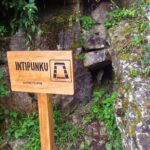
Day 4: Inti Punku (Sun Gate) and the first Machu Picchu sight
Day 4 is the big finish. You rise early to hike the final stretch to Inti Punku (Sun Gate). The trail here is described as easier, and that’s accurate in a relative way—your legs are tired, but the pacing is kinder.
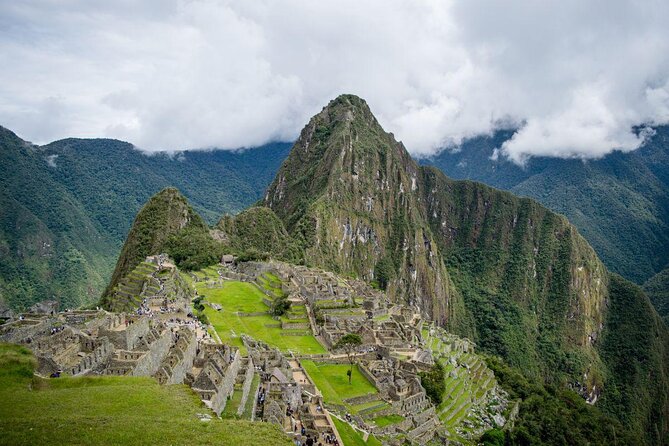
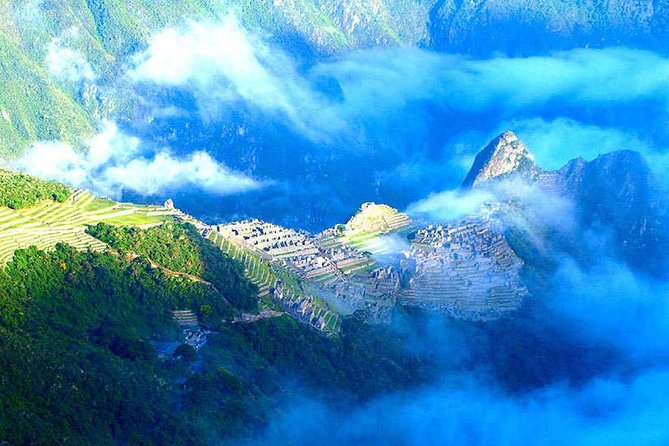
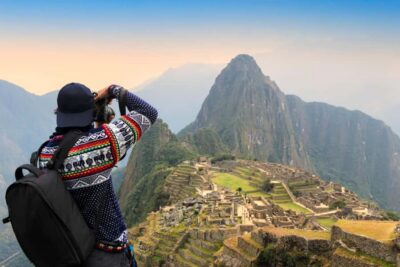
About one hour brings you to Inti Punku, where, weather permitting, you may catch sunrise over the Andes and your first major view of Machu Picchu. Even if the sky doesn’t cooperate, the “arrival moment” is still the point. You’ll be descending afterward toward the upper terraces, which are ideal for the classic photos.
Important detail: inside Machu Picchu, there’s an optional add-on cost for a re-entry ticket if you want a deeper guided tour of temples, ceremonial sites, terraces, and storage structures. Plan ahead for what you want. If you only care about seeing the city from the best viewpoints, you may be fine with the standard entry path. If you want the full guided walkthrough inside, budget for that extra ticket.
There’s also an option (extra cost) to hike Huayna Picchu or Machu Picchu Mountain if you pre-book. Those hikes can be amazing, but they’re additional exertion on an already exhausting day.
After Machu Picchu time, you head back to Aguas Calientes for a break and lunch (note: lunch on Day 4 is listed as not included), then you take the train to Ollantaytambo and a private van returns you to Cusco.
Camp comfort on the Inca Trail: tents, hot water, oxygen, and your packing list
Camping on the Inca Trail is not a hotel, but this tour does a smart job with the basics that affect how you feel the next morning.
Here’s what’s included:
- Inflatable sleeping mattress and inflatable pillow (you must carry the pillow)
- 4-man tents, described as very spacious, but used by two people per tent
- Hot water every morning
- A dining tent with tables and chairs
- Oxygen bottle
- First aid kit
This matters because on high-altitude treks, your comfort isn’t “extra.” It’s logistics for recovery. Hot water in the morning means you can clean up enough to feel human. The oxygen bottle doesn’t mean you won’t feel altitude; it means help is on-site if symptoms show up.
What you need to bring (from the provided guidance):
- Walking boots
- Waterproof jacket or rain poncho
- Warm jacket, hat, gloves
- Sunscreen (factor 35+)
- Insect repellent
- Personal medication, toiletries, hand sanitizer
- A torch/headlamp with spare batteries
- Plus a sleeping bag (not included; rental is available locally)
Also consider how water works on this trek. The tour notes water is provided except the first 4 hours, so bring a plan for your early hydration.
Guides, Chasquis, and the food that makes the altitude manageable
The people are a huge part of why this trek gets such high scores. The tour uses a professional English-speaking guide and a chef who runs camp meals, supported by Chasquis (the team of workers/porters).
Several different guide names show up in the experience, including Papa Freddy (Freddy), plus guides like Edwin, Herlin, Ronald Ccana Sotalero, and Paul. The consistent theme across names is the same: the guide’s job isn’t only route direction. It’s context—Inca sites, cultural meaning, and trail pacing.
What stands out even more is the food. Camp meals are described as 3-course dinners and lunches, and hikers specifically praise how chef-made meals help them keep going even on wet, cold, and hard days. One account talks about dishes so good they felt close to Michelin-level, but the practical point for you is this: you need hot food, not just calories. Cooking on a stove while everyone is hiking takes planning. That’s part of the value here.
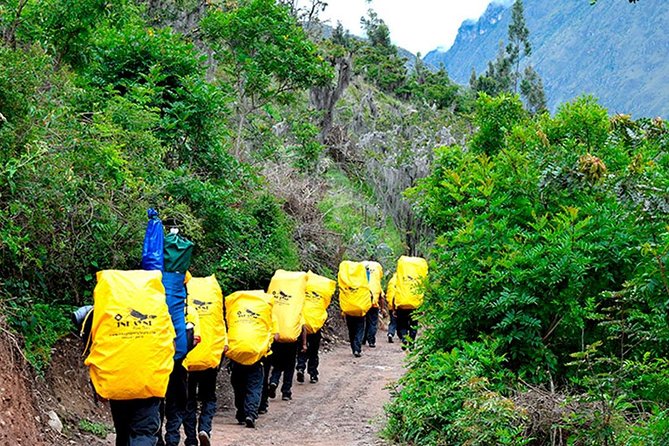
Also, you’ll have strong porter support. The tour includes porters to carry cooking and camping equipment, plus a personal porter for up to 5 kg of your gear. You’re still responsible for your day items, but you’re not dragging everything with you.
And yes, small moments like tea breaks can show up as part of the routine, which helps the day feel less like a grind.
Price and logistics: does $850 deliver real value?
At $850 per person (4 days), this isn’t a budget trek. But it also isn’t you paying for “a hike ticket.” A lot of the costly stuff is included, including:
- Admission tickets for the Inca Trail/Machu Picchu package parts noted as included
- Round-trip transport: bus to Km 82, plus train and bus back to Cusco
- Accommodation (camp setup), plus key comfort items
- Meals: breakfast/dinner/lunch counts are listed as included across the trip days
- Guide time, chef, and porter team support
- Hot water, oxygen bottle, first aid kit
Where you can lose value is if you add optional extras without thinking. Huayna Picchu entry is not included. Machu Picchu Mountain is also not included. And Day 4 lunch is listed as not included.
So how do you judge the deal? If you would otherwise spend money on transport, entry fees, and hiring a porter-equivalent service, this price starts to look fair. If you’re the type who enjoys handling every detail yourself, you might think it’s expensive. But most hikers find the trade is worth it: fewer headaches, better pacing, and more time with the guide.
Who should do this trek (and who should skip it)
This trek is a strong match for people with moderate physical fitness who want a real challenge and meaningful context at each stage.
It is not recommended for participants with:
- back problems
- heart disease
- other serious medical conditions
Also keep the age minimum in mind: minimum age is 6 years.
If you’re new to hiking, here’s the honest take: you can still do it, but treat training seriously. Many hikers find the altitude and long days are the true test, not just the trail distance.
Should you book this Inca Trail to Machu Picchu?
If you want a memorable Machu Picchu day with a trail that feels organized and supported, I’d book this. The small group size, the camp comfort, and the fact that transport + most meals + key gear are included make it a practical choice. It’s also the kind of trek where the guide and chef staff can make your experience feel thoughtful, not chaotic.
One last thing to consider: this experience is non-refundable, so don’t book unless your dates are solid.
If you want an Inca Trail trek that handles the heavy lifting for you—logistics, camp setup, and food—while you focus on the hike and the ruins, this is a strong pick.
FAQ
How many people are in the small group?
The group is capped at a maximum of 10 travelers for this experience. A chef and porters support the trek as part of the team.
What’s included in the tour price?
The tour includes an English-speaking professional guide, chef, porters (for cooking and camping equipment), a personal porter to carry up to 5 kg of your gear, hotel pickup, transportation to Km 82, and return transportation by train and bus to Cusco. It also includes admission tickets as stated, meals (breakfast/lunch/dinner across the trek days), dining tent setup, water (with the noted first-4-hours exception), hot water every morning, oxygen bottle, first aid kit, and camping items like inflatable mattresses and tents.
Do I need a sleeping bag?
Yes. A sleeping bag is not included. The info notes you can rent one from a local tour operator.
Is Huayna Picchu included?
No. Entrance to Huayna Picchu Mountain is not included, and you can hike it only if you have the extra ticket/entry.
What time does the trek start?
The meeting/start time is 5:00 am.
Is this trek recommended if I have medical issues?
The tour is not recommended for participants with back problems, heart disease, or other serious medical conditions. It’s also noted that you should have a moderate physical fitness level.
More Tour Reviews in Cusco
Still Set on the Inca Trail?
Machu Picchu, More Ways In
Recent write-ups from around Cusco, just off the trail
- Cuzco: Rainbow Mountain Excursion
★ 5.0 · 3 reviews - 1 day excursion to Qeswachaka bridge and the 4 lagoons
★ 3.6 · 3 reviews - Waqrapukara 1 day trekking + meals
★ 3.9 · 3 reviews - Valle Sur Cusco | half day
★ 4.3 · 3 reviews - Full-Day Condor Viewpoint & Inca Sites Tour
★ 5.0 · 3 reviews
Machu Picchu Tours & Tickets, compared.
 ★ 4.7From Cusco: Full-Day Group Tour of Machu PicchuFrom $3211,767 reviews
 ★ 4.5Machu Picchu Day Trip from CuscoFrom $3361,644 reviews
 ★ 4.6Machu Picchu: Full-Day Tour from Cusco with Optional LunchFrom $283927 reviews
 ★ 4.84-Day Inca Trail to Machu Picchu with AccommodationFrom $470432 reviews
 ★ 4.6From Cusco: 2-Day Trip to the Sacred Valley and Machu PicchuFrom $370265 reviews
 ★ 4.9Machu Picchu 2-Day Inca Trail with Panoramic TrainFrom $582260 reviews
 ★ 4.2From Cusco: 2-Day Inca Trail to Machu PicchuFrom $290244 reviews
 ★ 4.9Machu Picchu: Inca Trail 2-Day Overnight Guided TourFrom $585203 reviews
Browse the lists this tour appears in