
REVIEW · MULTI-DAY PERU TOURS
07 Day Andean Experience Through the Living Culture of the Incas
Cusco at altitude, then Machu Picchu. That’s the big emotional payoff here, and it’s built around real Inca places plus living Andean culture you can still feel in daily life. I like the way the route strings together the big names (Sacsayhuamán, Moray, Maras, Machu Picchu) without wasting your time. I also love that you get a professional English-speaking guide the whole trip, so you’re not just staring at stones and guessing. One thing to consider: this is a busy, long-day plan—especially the Machu Picchu day that runs about 12 hours, with lunch at Aguas Calientes not included.
You start the trip with a proper acclimatization day in Cusco (about 3,400 m), then you ramp up. The Sacred Valley stops feel like a “why this worked” lesson in Inca engineering and farming, not just sightseeing. Still, expect early mornings and a fair bit of walking—bring a rain layer and plan your energy around the altitude.
In This Review
- Key highlights worth circling
- Cusco arrival and acclimatization at 3,400 meters
- What I’d pack before you even land
- Sacsayhuamán, Qenko, Tambomachay, and Puca Pucara: the Cusco ring of sacred stops
- A practical tip for this day
- Machu Picchu day: early bus, guided tour, and mountain options
- Huayna Picchu or Machu Picchu Mountain: if you want more views
- The one drawback to plan around
- Moray terraces and the Maras salt mines: the science of microclimates and salt
- What to expect from Maras
- A flexible Cusco day: explore on your own, then pick an add-on
- Who this day suits best
- Cochawasi Animal Sanctuary and Pisac: condor-shaped ruins plus market time
- How to shop without feeling rushed
- Final morning in Cusco’s historic center and airport timing
- Value and pricing: what $1,299 buys you
- One more reality check
- What the guides do for your experience (not just facts)
- Should you book this 7-day Andean Inca route?
- FAQ
- How long is the tour?
- Where does the tour start?
- What’s included in the price?
- Is Machu Picchu included with a guided visit?
- Can I visit Huayna Picchu or Machu Picchu Mountain?
- Are transfers and hotel accommodations included?
- Is there a free day in Cusco?
- Does the tour include visits to Moray, Maras, and Pisac?
- What should I bring for this trip?
- Can I cancel and get a refund?
Key highlights worth circling
- Acclimatization in Cusco first (you don’t jump straight into Machu Picchu).
- Full guided time at Machu Picchu plus optional mountain add-ons if you prebook.
- Moray + Maras: Inca experimentation with microclimates, then salt harvesting still done today.
- Pisac ruins shaped like a condor and the market time right after.
- Cochawasi Animal Sanctuary with Andean wildlife encounters (pumas, condors, alpacas, llamas mentioned).
- Guide service praised again and again in multiple staff names like Yeny, Jonathan, Percy, Saul, Julio, Ronald Ccana Soralero, Herlin Apaza, and Grigio (your guide may differ).
More multi-day loops through the Andes
- 06 Day Andean Jewels of Cusco – Private Service★ 5.0 · 75 reviews
- 8-Day All-Inclusive Peru Tour: Cusco, Machu Picchu, and More★ 4.5 · 54 reviews
- 7-Day Tour: Peru Classic 7 Days★ 5.0 · 51 reviews
- 07 Day Andean Experience Through the Living Culture of the Incas★ 5.0 · 50 reviews
Cusco arrival and acclimatization at 3,400 meters
Your trip begins at Alejandro Velasco Astete Airport in Cusco. You’ll be welcomed by the Inkayni Peru Tours team and escorted to your lodging. The plan builds in rest on Day 1, which matters because Cusco sits at about 3,400 m (11,000 ft).
This is not a “maximize every minute” start. It’s a smart start. If you try to power through altitude with a full day the moment you land, you’ll feel it. Here, you get a relaxed afternoon, then a group briefing around 5:00 PM so everyone’s clear on what comes next.
If you’re thinking, great, I’ll just sit in a café and do nothing—good. You still want to move a little, drink water, and keep the pace easy. Your body needs time to adjust.
What I’d pack before you even land
The trip info is straightforward, and I’d follow it: bring a waterproof jacket or rain poncho and sun cream (factor 35+). Cusco weather can change fast, and sun at altitude can be sneaky.
Sacsayhuamán, Qenko, Tambomachay, and Puca Pucara: the Cusco ring of sacred stops
On Day 2 you start at Sacsayhuamán, a fortress-like complex above Cusco around 3,700 m. The key detail I like: the massive stone blocks, some over 100 tons, fit together with extreme precision. Even if you know nothing about Inca construction, you’ll feel how deliberate it is. The Spanish reused parts of the complex later, but what remains is still a powerful snapshot of Inca engineering.
From there, you visit several nearby sites—Qenko, Tambomachay, and Puca Pucara. The tour approach here is useful: each stop has its own purpose. Think sacred altars, ceremonial baths, and older defensive or guard-post style areas. It’s a theme day, not random driving.
In the afternoon, you head to Ollantaytambo. This town is important in Inca history and in modern daily life. You walk cobbled streets, then you explore the archaeological site there. The vibe shift is real: by the time you reach Ollantaytambo, you’re already living in the route that connects Cusco to the Sacred Valley.
A practical tip for this day
Start slow with photos. You’ll want pics, but the best photos come when you also pause and look. Notice how angles change from terrace to terrace and wall to wall. That’s where your “wait, how did they do this?” moment usually happens.
Machu Picchu day: early bus, guided tour, and mountain options
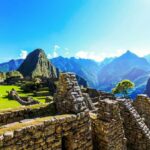
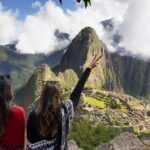
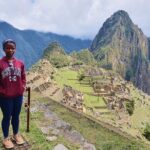
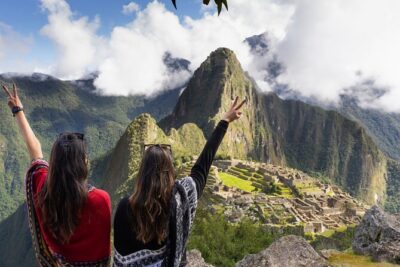
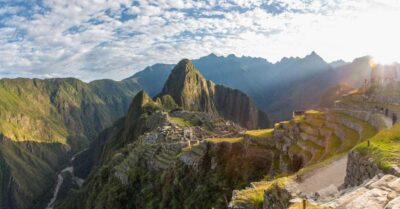
Day 3 is the one you’ve likely been waiting for. Breakfast first, then one of the morning buses to Machu Picchu. The tour enters the Inca citadel and keeps you moving with a detailed guide, focusing on temples, ceremonial areas, terraces, and storage structures.
This is where having a guide matters most. Machu Picchu is gorgeous, but without context it can become just a postcard. With a good guide, you understand why terraces were placed where they were, what certain buildings likely served, and how the city’s layout fits its purpose.
After the guided portion, you return to Aguas Calientes for rest and lunch (lunch not included). Then the day continues later in the evening as needed for timing back with the group.
Huayna Picchu or Machu Picchu Mountain: if you want more views
If you secured an extra ticket in advance, you can explore either Huayna Picchu or Machu Picchu Mountain for broader perspectives of the surrounding area. This is worth considering if you like viewpoints and don’t mind extra stairs or steep paths. If you prefer a more relaxed Machu Picchu experience, you can focus on the main guided visit.
The one drawback to plan around
This day is long—about 12 hours. So treat it like a full-day outing, not a quick trip. Eat breakfast like you mean it, and keep water handy. If you’ve got a rain poncho, use it before you’re soaked and annoyed.
Moray terraces and the Maras salt mines: the science of microclimates and salt
Day 4 is a classic Sacred Valley combo: Moray in the morning, then Maras Salt Mines. You travel from Aguas Calientes back to Ollantaytambo first.
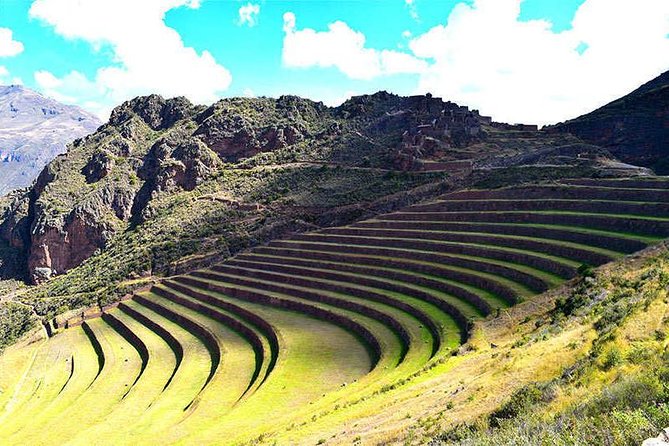
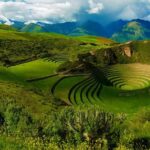
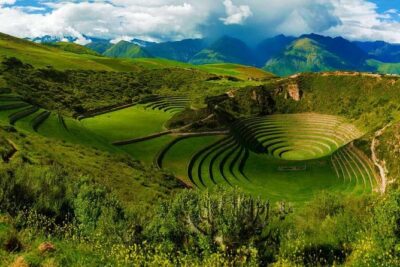
At Moray (about 11,482 ft), you see concentric terraces used as an Inca agricultural laboratory. The shape isn’t just “cool ruins.” It created microclimates—different conditions at different levels—so crops could be grown with more control. Even if you don’t remember every technical detail, the idea sticks: the Inca weren’t only building monuments; they were running systems.
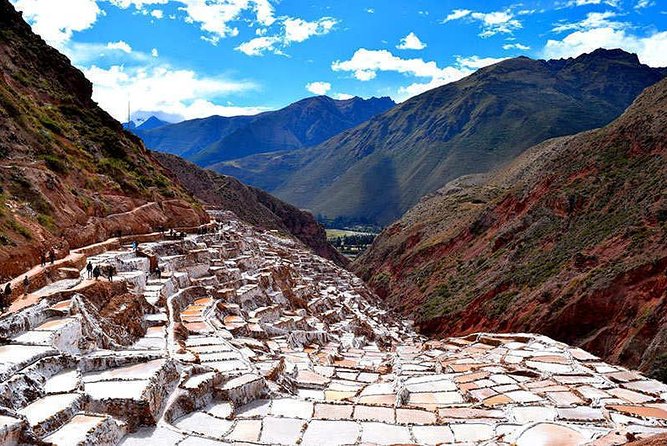
Then you visit Maras Salt Mines (around 11,090 ft). This is the part you’ll photograph like crazy: over 3,000 salt pools carved into the mountainside. The tour notes that salt harvesting is still done by local families, and you’ll see this shimmering pattern across the hillside. It’s pre-Inca in origin, which adds weight to what you’re seeing.
This stop pair works because it contrasts two kinds of Inca know-how: engineered agriculture and practical resource extraction.
What to expect from Maras
You’ll likely spend time walking and looking across the pools. Wear shoes with grip. The ground can be uneven. And bring a light layer even if it’s warm at the start—the higher you go, the more temperature shifts you feel.
A flexible Cusco day: explore on your own, then pick an add-on
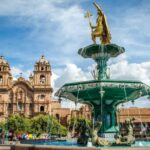
Day 5 is your freedom day. You explore Cusco at your own pace, focusing on the city’s cobbled streets where Inca foundations sit beneath colonial-style facades. You can wander plazas, slow down, and just absorb.
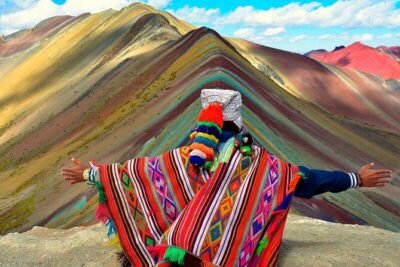
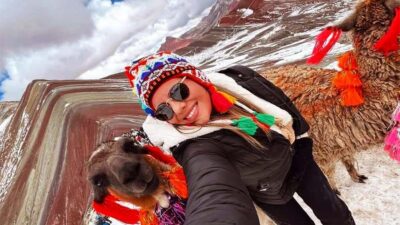
This day also includes time for structured options offered by Inkayni Peru Tours. For adventure-minded people, there’s a Rainbow Mountain Trek to Vinicunca (Vinicunca’s multicolored slopes are referenced). There are also ways to stay closer to Cusco like a city tour, a horseback option near Sacsayhuamán, or an ATV ride to Apukunaq Tianan (noted as a hidden gem near Cusco).
Important reality check: these extra activities may not be part of your base plan the way the main tour elements are. The day is designed for choice. If you want a particular add-on, ask what’s included and what you’d pay separately before you commit.
Who this day suits best
If you like slow travel, this is your day. If you want adventure, this is also your day. Either way, pace yourself. Altitude is sneaky, and a big trek on Day 5 can feel harder than it sounds on paper.
Cochawasi Animal Sanctuary and Pisac: condor-shaped ruins plus market time
Day 6 is a day with a different energy. You travel through the Sacred Valley to Cochawasi Animal Sanctuary, where you encounter Andean wildlife such as pumas, Andean condors, alpacas, and llamas (those names are specifically mentioned). It’s a reminder that this region’s stories aren’t only carved in stone.
Then you visit Pisac Ruins (about 2,972 meters / 9,751 ft). The ruins here are described as designed to resemble a condor. That’s a fun detail because it gives you something to watch for while you explore. From terraces to site placement, you start seeing the shape theme rather than random walls.
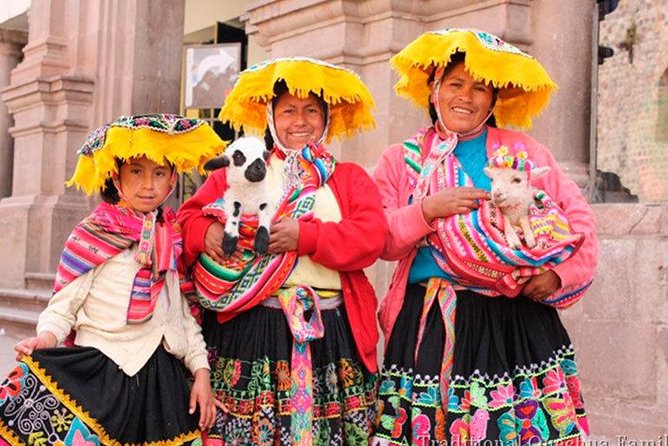
After the ruins, you go to Pisac Market. This is where the trip shifts into everyday culture. The market is known for colorful stalls with textiles, jewelry, and ceramics. The tour also highlights weaving traditions and local craft work, so you’ll have chances to see work firsthand, not just buy a souvenir and move on.
How to shop without feeling rushed
Take your time with textiles and small crafts. Ask questions. Prices and quality can vary, and the best value often comes when you’re willing to look longer and compare. If you want to support the people making the goods directly, this market time is your best shot on the trip.
Final morning in Cusco’s historic center and airport timing
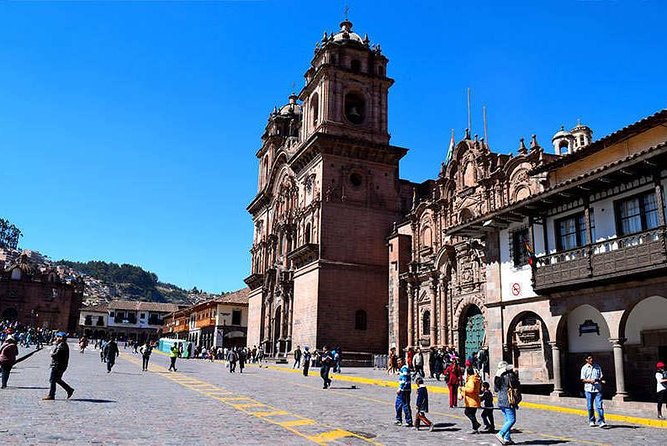
Day 7 wraps up with a quick tour of Cusco’s historical center. There’s also an optional free walking tour. You then get an airport transfer scheduled based on your flight time, so you’re not stuck guessing about timing at the end of the trip.
This kind of close-out matters. A smooth departure day turns into a stress-free landing after a week of altitude, buses, and early starts.
Value and pricing: what $1,299 buys you
At $1,299 per person for about 7 days, the value mostly comes from the bundle. You’re paying for:
- 6 nights in 3-star hotels (double occupation)
- Entrances included across the route
- All transfers
- Train service to Machu Picchu (Voyager/Incarail or Expedition train mentioned)
- Round-trip buses to Machu Picchu
- A professional English-speaking guide during the whole trip
- Breakfast included for 6 mornings
What’s not included is equally clear: international and local flights, travel insurance, and Huayna Picchu entrance fee. If you want Huayna Picchu, you’ll need to budget for that extra ticket. Lunch on Machu Picchu day is not included either.
So who is this deal for? If you’re planning to do Machu Picchu plus the Sacred Valley ruins with a guide and want most logistics handled, this price is in the “worth it” range. If you already have flights sorted, and you prefer to book every ticket yourself, you might find cheaper options—but you’ll spend more time coordinating, and you’ll lose some of the time-saving structure.
One more reality check
This is described as a private tour where only your group participates. That can be a big comfort upgrade, especially at the bus and ticket stages of Machu Picchu day. But it also means you’re tied to the group’s pace, not your own.
What the guides do for your experience (not just facts)
This trip is guided end-to-end, and the standout theme in the feedback is how guides handle people, not just facts. Names that appear repeatedly include Yeny, Jonathan, Percy, Saul, Julio, Ronald Ccana Soralero, Herlin Apaza, and Grigio. Many comments point to guides being friendly, proactive with logistics, and willing to help with practical stuff like taking lots of photos and assisting with restaurant reservations.
That’s a real value. When you’re at high altitude and switching towns multiple times, the guide isn’t just a translator. They’re the person managing time, meeting points, and the flow of the day.
A balanced note: at least one concern was raised about a guide’s inappropriate behavior at times. If you’re booking and this is a strong personal boundary for you, I’d ask the company how they match guides to groups and what you can do if any discomfort comes up. You should feel safe on a trip like this.
Should you book this 7-day Andean Inca route?
Book it if you want the classic Inca highlights in a clean, guided format—Cusco acclimatization, Sacred Valley engineering stops, then Machu Picchu with a structured visit. You’ll also like it if you value market culture and craft time in Pisac, plus a wildlife stop at Cochawasi.
Skip or rethink if you’re looking for total freedom and minimal structure. This schedule runs full days and includes a long Machu Picchu day. Also, if Huayna Picchu is your priority, remember the entrance fee isn’t included, so plan for that extra ticket early.
If your idea of a great vacation is: good pacing for altitude, strong guidance at the sites that matter, and fewer “where do we go next” moments, this is a solid match.
FAQ
How long is the tour?
It’s about 7 days.
Where does the tour start?
It starts in Cusco, Peru. The welcome is at Alejandro Velasco Astete Airport.
What’s included in the price?
The tour includes 6 nights in 3-star hotels (double occupation), entrance fees, all transfers, train service to Machu Picchu, round-trip buses to Machu Picchu, a professional English-speaking guide for the whole trip, and breakfast for 6 mornings.
Is Machu Picchu included with a guided visit?
Yes. You’ll go to Machu Picchu by morning bus and receive a guided tour of the Inca citadel. Admission is included.
Can I visit Huayna Picchu or Machu Picchu Mountain?
You can if you secure the additional ticket in advance. The Huayna Picchu entrance fee is not included.
Are transfers and hotel accommodations included?
Yes. You get accommodations for 6 nights and transfers are included.
Is there a free day in Cusco?
Yes. Day 5 is set up so you can explore Cusco at your own pace.
Does the tour include visits to Moray, Maras, and Pisac?
Yes. Moray and the Maras Salt Mines are visited on Day 4, and Pisac ruins plus Pisac Market are visited on Day 6.
What should I bring for this trip?
The tour info suggests a waterproof jacket or rain poncho, sun cream factor 35 or higher, personal medication, and your original passport.
Can I cancel and get a refund?
No. This experience is non-refundable and cannot be changed for any reason. If you cancel or ask for an amendment, the amount paid is not refunded.
More Tour Reviews in Cusco

More Multi-Day Andes Loops

Recent write-ups from around Cusco, just off the trail
- Cuzco: Rainbow Mountain Excursion
★ 5.0 · 3 reviews - 1 day excursion to Qeswachaka bridge and the 4 lagoons
★ 3.6 · 3 reviews - Waqrapukara 1 day trekking + meals
★ 3.9 · 3 reviews - Valle Sur Cusco | half day
★ 4.3 · 3 reviews - Full-Day Condor Viewpoint & Inca Sites Tour
★ 5.0 · 3 reviews
Multi-Day Peru Tours, compared.
 ★ 5.07 Day Exploration Tour from Cusco to LimaFrom $1,12985 reviews
 ★ 5.006 Day Andean Jewels of Cusco – Private ServiceFrom $1,02475 reviews
 ★ 4.58-Day All-Inclusive Peru Tour: Cusco, Machu Picchu, and MoreFrom $84554 reviews
 ★ 5.07-Day Tour: Peru Classic 7 DaysFrom $1,48051 reviews
 ★ 5.0Magical Cusco Tour 7 daysFrom $1,45233 reviews
 ★ 5.06-Day Tour of Cusco Magico-Machu Picchu-Rainbow MountainFrom $53930 reviews
 ★ 5.06-Day Andean Jewels ExperienceFrom $1,3184 reviews
 ★ 5.0Peru in 5 days: Lima, Cusco, Machupicchu & Rainbow MountainFrom $5593 reviews
Browse the lists this tour appears in