
REVIEW · SACRED VALLEY TOURS
Complete Sacred Valley Tour Small group Pisac, Maras, Moray & Ollantaytambo
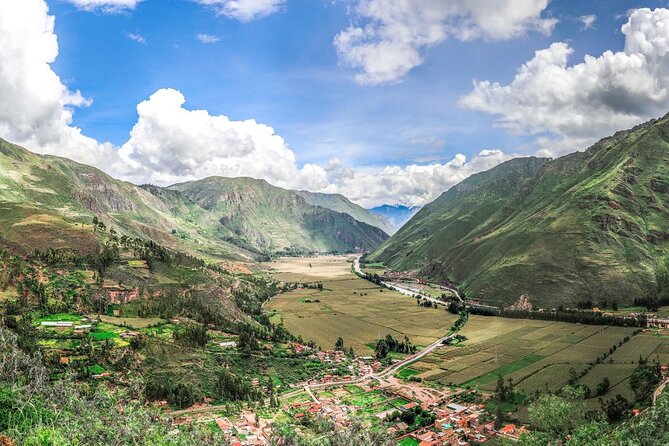
Cusco’s Sacred Valley day is packed, but in a good way. This small-group route is designed to hit the big Inca highlights—without the chaotic feel of a huge bus—with air-conditioned transport, a real guide, and a buffet lunch in Urubamba. You get a clear picture of how the Incas shaped this valley, from farming terraces to sacred engineering and salt production.
What I like most is that you’re not just “driving past” sites. Pisac gives you impressive stonework and terraces, then Moray and Maras shift gears into agricultural science and salt-work that you can actually see. The second standout is the pacing for a one-day plan: long enough to appreciate the ruins, short enough to stay comfortable at altitude—especially with breaks built in.
One possible drawback: the paid entry fees add up fast, and they’re cash-only for the big sites. If you show up under-prepared, you’ll spend part of your day handling money instead of enjoying the view.
In This Review
- Key things you’ll remember from this Sacred Valley loop
- Sacred Valley in One Day: what you get (and what you don’t)
- Pisac Archaeological Park: terraces, etched stone, and big photo angles
- Pisac Market stop: crafts, conversation, and a dose of real valley life
- Sacred Valley views and Inca engineering: why the valley was so important
- Moray: the agricultural laboratory terraces in a bowl
- Maras Salt Mines: 3000+ pools and a patchwork of bright mineral work
- Ollantaytambo Archaeological Park: Inca architecture plus Wiracocha symbolism
- Transportation and group size: why max 8 people changes the day
- Lunch in Urubamba: included, but go in with realistic expectations
- Price and value: how $73.47 really works on the ground
- Who should book this Sacred Valley day tour (and who should skip it)
- Practical tips for getting the most out of the day
- Should you book the Complete Sacred Valley Tour with Pisac, Moray, Maras & Ollantaytambo?
- FAQ
- How long is the Sacred Valley tour?
- What’s the maximum group size?
- Is hotel pickup in Cusco included?
- What languages do the guides speak?
- What’s included in the price?
- What entrance fees are not included?
- Is the Pisac Market stop included?
- Where does the tour start in Cusco?
- Does the tour end back at the same meeting point?
- What’s the cancellation policy?
Key things you’ll remember from this Sacred Valley loop
- Max 8 people: smaller group means more questions, more time for photos, less waiting
- Pisac + Market: ruins with terrace views, then a practical stop at local crafts
- Moray’s 3 amphitheaters: a “bowl” experiment site tied to crop testing
- Maras has 3000+ salt pools: a unique saltpatch view that’s pure Andes drama
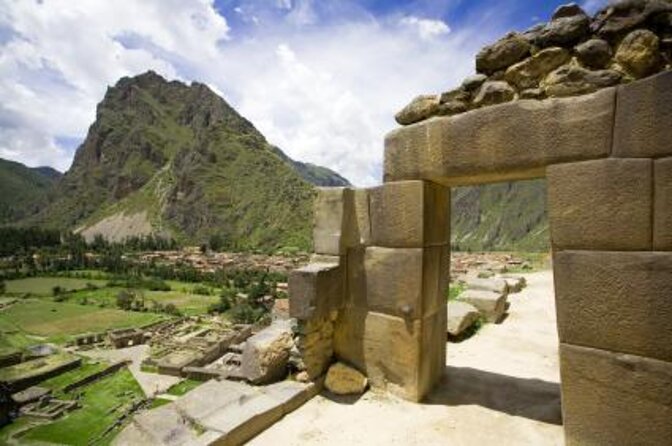
- Ollantaytambo ruins and Wiracocha rock: Inca architecture plus a symbolic rock formation
More of the Sacred Valley, village by village
- Sacred Valley: Chinchero, Moray, Ollantaytambo & Pisac+Lunch★ 4.8 · 501 reviews
- Sacred Valley: Maras & Moray by Quad Bike from Cusco★ 4.6 · 418 reviews
- From Cusco: 2-Day Trip to the Sacred Valley and Machu Picchu★ 4.6 · 265 reviews
- Full-Day Excursion to Sacred Valley, Pisac and Ollantaytambo from Cusco★ 4.5 · 174 reviews
Sacred Valley in One Day: what you get (and what you don’t)
A 12-hour day might sound rushed, but the Sacred Valley is one of those places where a tight route can actually work. The valley sits close enough to Cusco for a day trip, yet far enough that you’ll feel like you traveled—if your transport plan is good.
This tour keeps the group small—up to 8—and uses private A/C transportation. That matters. In this region, comfort helps you last through the day, and you’ll want your energy for stone ruins, walking paths, and standing around for photos.
You also get a guide throughout, plus a buffet lunch in Urubamba. Lunch being included is a real value here, since eating on the road can eat up both time and budget.
What this day trip won’t do is replace a multi-day stay in the valley. If you want slow hikes, extra viewpoints, or a more relaxed pace, you’ll eventually want more time. But if you’re connecting to Machu Picchu later (or you simply have one open day), this route is a solid way to see the core highlights.
Pisac Archaeological Park: terraces, etched stone, and big photo angles
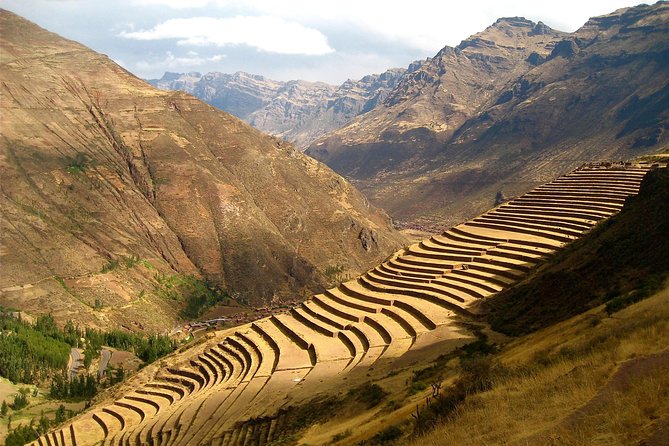
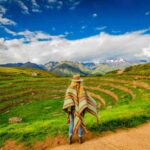
Pisac is your first major stop, and it sets the tone for the day. At the Parque Arqueológico Pisac, you’ll see Inca work that feels both precise and dramatic—especially the agricultural terraces cut into the slopes.
Two things make Pisac worth your attention:
- The terraces show how the Incas handled farming on steep terrain.
- You’ll also notice stone art etched into the rock, which gives the place personality beyond the standard ruin-view.
Expect about 1 hour here. That’s enough time to wander, take photos, and listen while your guide explains what you’re seeing. If you’re sensitive to altitude, pace yourself early—Pisac is usually easier than the very highest areas, but you’ll still feel the thinner air.
Also note: admission for Pisac’s Sacred Valley ticket is not included. You’ll want cash ready so you don’t lose time at the entrance.
Pisac Market stop: crafts, conversation, and a dose of real valley life
After ruins, you’ll transition to something more human: the Pisac Market. This stop is listed at about 45 minutes, and it’s one of the best places on the day trip to slow down a bit—at least for you to look, browse, and talk.
You’ll have time to interact with local people and buy crafts. I like this kind of stop when it’s short and focused. It keeps the day from turning into an all-day shopping detour, and it gives you a chance to buy small items that actually reflect the region.
Keep it practical:
- Go with a plan. If you want a couple of gifts, set a small budget before you arrive.
- Don’t expect a long wander like a standalone market day. This is a quick hit.
If you get the vibe that the schedule is tight, it’s not a reason to panic. Just ask your guide how much time you really have for buying, and prioritize what you care about most.
Sacred Valley views and Inca engineering: why the valley was so important
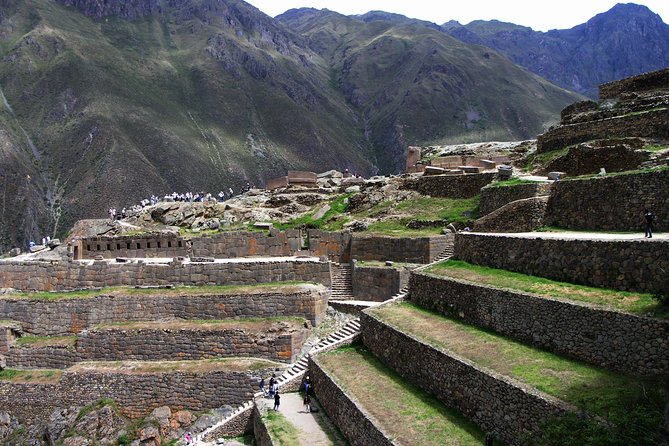
Between stops, you’ll get the big-picture story of why the Sacred Valley mattered. The valley’s climate supports fertile plains in a region that’s otherwise high and tough. That difference helps explain the Incas’ intense settlement and engineering effort here.
As you move through the valley, your driver and guide will point out the best photography spots to capture the valley’s scale. This is one of those “quick lessons” that makes the later ruins click. When you understand that the Incas sculpted mountain flanks with contour terraces and irrigation channels, you stop seeing the valley as just scenery and start seeing it as a system.
This part of the day is also where a good guide earns their keep. You’ll get more from the day if you listen for practical details—where water would run, why certain slopes were farmed, and how the terraces relate to production.
More Maras salt pans and Moray terraces
Moray: the agricultural laboratory terraces in a bowl
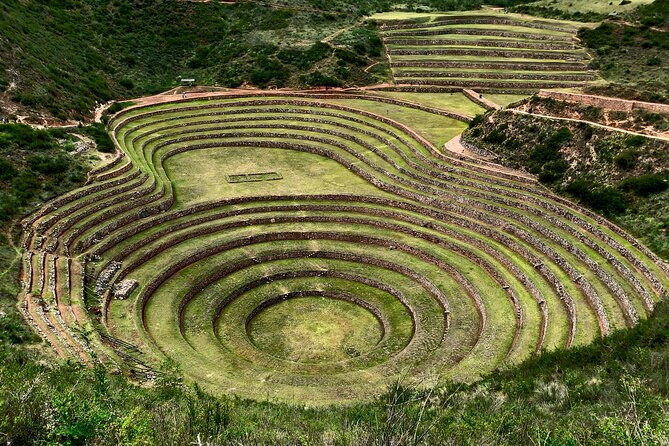
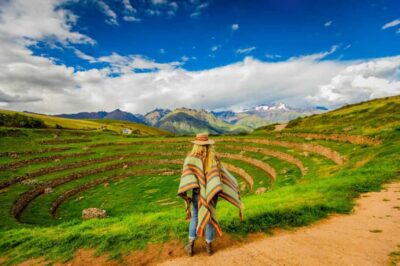
Moray is the day’s science-meets-the-land stop, and it’s one of the most interesting places if you like how people used their environment. Moray consists of three amphitheater-like terraces carved into the earth in a bowl shape.
The most useful way to understand it: Moray is thought to have functioned as an agricultural laboratory. In plain terms, it helped the Incas test conditions—likely temperature and microclimate differences—to find optimal growing environments for crops.
You’ll spend about 1 hour here. That’s a good window. You can walk the edges, take in the bowl shape, and still have time to absorb the explanation. If you’re short on time anywhere else in Peru, you’ll still want to keep your energy for Moray, because it’s visually unique and conceptually strong.
Admission for Moray is included under the Sacred Valley ticket you pay separately (not included in your base price).
Maras Salt Mines: 3000+ pools and a patchwork of bright mineral work
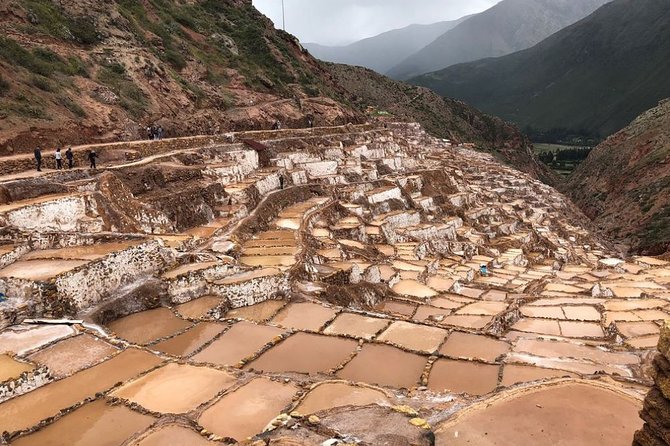
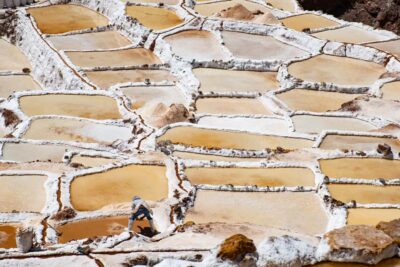
Then comes Maras, one of the most photogenic places in the region. These salt mines are close—about 2 miles away from where you’ll be in the area—and the view is instantly recognizable.
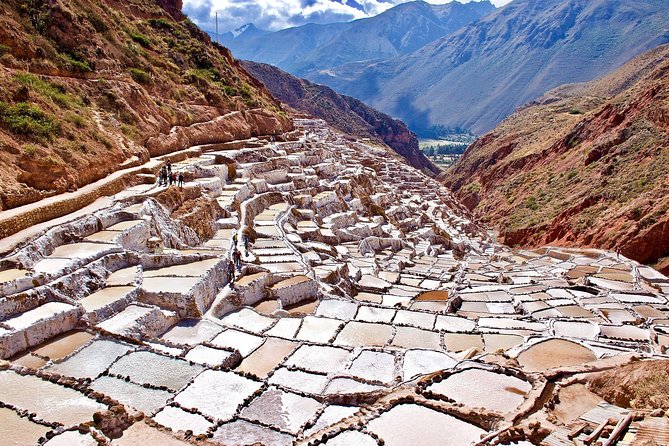
Here’s the big detail that makes Maras special: there are over 3000 salt pools carved into the mountain side. A small stream supplies water daily. As the water evaporates, salt is left behind, creating the glimmering patchwork you came to see.
You’ll typically have around 45 minutes at Maras. That’s enough time to:
- walk to a couple of viewpoints,
- take wide shots of the salt pattern,
- and zoom in on the textures and lines.
Important: the Salt mines ticket is not included and is listed as PEN 20 cash only. Plan cash in small bills if you can. This is where a quick money moment can derail the flow if you’re unprepared.
Ollantaytambo Archaeological Park: Inca architecture plus Wiracocha symbolism
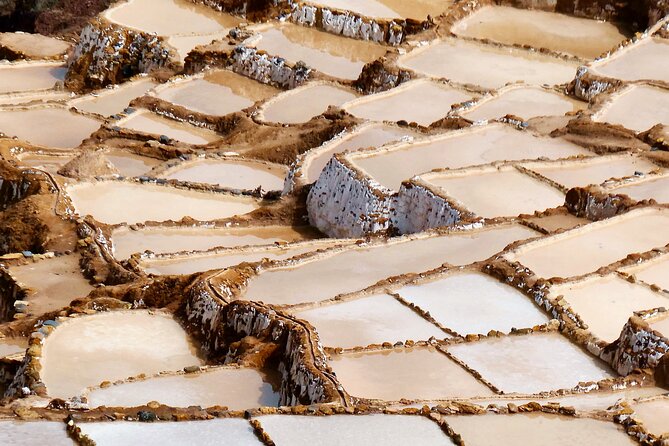
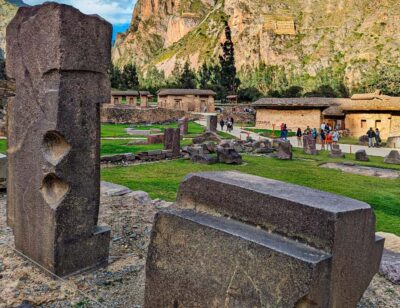
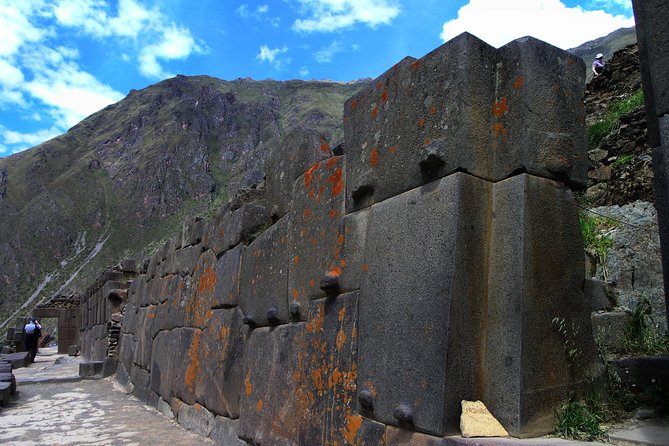
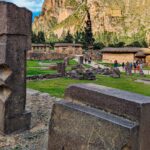
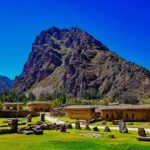
Your final major archaeological stop is Ollantaytambo. The ruins you’ll visit highlight remarkable Inca architecture built during the Incas’ height. It’s one of those sites where you feel the strength of Inca stonework—massive walls, clever engineering, and a sense of permanence.
You’ll also see an important rock formation representing the Inca god Wiracocha. That symbolic detail matters because it turns the site from “old stones” into something more meaningful. You’re not just walking a ruin—you’re seeing a connection between place, belief, and power.
Plan for about 1 hour here. If you care about photos, this is also a great place to take your time. Ollantaytambo tends to feel more dramatic as the light shifts, so you’ll get better results if you don’t rush your camera work.
Transportation and group size: why max 8 people changes the day
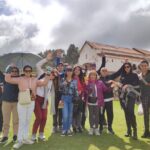
This is a small group tour: up to 8 people. That may not sound like a big deal until you’re on the road in a place where times matter. Smaller groups tend to mean fewer delays, faster transitions, and less time stuck waiting for someone to decide whether they’re ready.
You’ll also travel in a private vehicle with air-conditioning, which is a comfort win on long drives. Even if the scenery is great, the road hours add up in a 12-hour day. A cooler cabin helps you avoid getting drained before you reach the next ruin.
Your schedule is tight but not frantic. The stops are mostly set in the 30–60 minute range, with longer time at the bigger sites like Pisac and Ollantaytambo. That balance works well for a day trip, especially if you don’t want to spend your whole vacation in transit.
Lunch in Urubamba: included, but go in with realistic expectations
Lunch is included as a buffet in Urubamba. From the way the day is structured, it tends to land later than you might expect—around 2 pm is a reasonable expectation.
That timing affects your comfort. If you start thinking about lunch too early, you’ll just get hungry and restless. If you treat it as a mid-afternoon break—plus plan a little snack—you’ll feel better.
One practical tip: bring a snack or two. It keeps the day smooth if you’re waiting for the buffet to open and you’re also trying to stay hydrated.
As for the buffet itself, it can be very basic: food that’s filling, but not always labeled or protected in the way you might prefer. I’d stick to simpler choices like rice/pasta type items if you want to minimize uncertainty and keep your stomach happy.
The good news is that lunch being included helps you avoid hunting for food between sites when your time is limited.
Price and value: how $73.47 really works on the ground
At $73.47 per person, this tour price covers the major “hard parts”:
- guide in English / Spanish
- private A/C transportation
- hotel pickup if you selected it
- a buffet lunch
- small-group format (max 8)
What it does not cover are the big site entrance fees:
- Sacred Valley ticket: PEN 70 cash only
- Salt mines ticket: PEN 20 cash only (for Maras)
So your real out-of-pocket cost is your tour price plus about PEN 90 in cash entry fees. That’s not unusual in Peru, but it’s the part people forget until the moment they’re asked to pay.
Is it good value? In my book, yes—mainly because you’re getting transport with A/C plus guided explanations for a full 12-hour route. If you try to DIY this without a guide and private ride, the hidden costs in time, coordination, and missed photo spots can add up fast.
Who should book this Sacred Valley day tour (and who should skip it)
This tour makes a lot of sense if:
- you want the major Sacred Valley highlights in one go,
- you like having a guide explain the “why,” not just the “what,”
- you’re continuing to the Machu Picchu region and need a day to handle Cusco-area sightseeing,
- you prefer a small group over large bus crowds.
You might want to skip or upgrade to something longer if:
- you want long hikes and lots of free wandering,
- you dislike timed schedules,
- you hate paying multiple cash-only entrance fees.
Also, the tour is described as suitable for most travelers, so it’s broadly a good fit. Still, listen to your body at altitude. The day is structured to keep walking reasonable, but it’s still a full day.
Practical tips for getting the most out of the day
A few small choices can make this smoother:
- Bring cash specifically for the Sacred Valley ticket and Maras salt mines ticket (cash-only is stated).
- Wear shoes that handle uneven stone and outdoor paths.
- Plan for a later lunch and consider a snack so you don’t get cranky on the road.
- If you want more time at Pisac Market, politely ask your guide early—time here is fixed at about 45 minutes.
- For photos, don’t wait until the last minute. Your guide and driver will point out good angles, and having your camera ready saves time.
In terms of guide styles, names like Jimy and Jaime show up often in this route, and Juan is also associated with clear explanations across languages. Your experience will depend on your specific guide, but the format is built around commentary and context rather than silent transit.
Should you book the Complete Sacred Valley Tour with Pisac, Moray, Maras & Ollantaytambo?
If you want a one-day hit of the Sacred Valley’s key sites, this is an easy yes. The small-group limit, the guided structure, and the included buffet lunch make it feel efficient without turning into a rushed stampede.
Book it if you:
- are okay with paying PEN 70 + PEN 20 in cash for entrances,
- want a strong overview of Inca farming, engineering, and sacred symbolism,
- appreciate a full day that’s organized with realistic stop times.
Skip it if you:
- hate cash-only entrance fees,
- need a lot more time per site than this schedule allows,
- want a slower pace with more hiking and fewer transitions.
FAQ
How long is the Sacred Valley tour?
The tour runs about 12 hours (approx.).
What’s the maximum group size?
This is a small-group tour with a maximum of 8 travelers.
Is hotel pickup in Cusco included?
Hotel pickup is included if you select that option.
What languages do the guides speak?
The guide provides commentary in English / Spanish.
What’s included in the price?
Included are pickup (if selected), a professional guide, buffet lunch in Urubamba, private air-conditioned transportation, and the small-group format.
What entrance fees are not included?
The Sacred Valley ticket (PEN 70 cash only) and the Salt mines ticket (PEN 20 cash only) are not included.
Is the Pisac Market stop included?
Yes. There is a Pisac Market stop (about 45 minutes), and it’s listed as free.
Where does the tour start in Cusco?
The start point is Plaza Regocijo (Cusco) at the provided location.
Does the tour end back at the same meeting point?
Yes. The activity ends back at the meeting point.
What’s the cancellation policy?
You can cancel for a full refund if you cancel at least 24 hours in advance of the experience start time.
More Pisac and Ollantaytambo


More Salt Pans and Terraces

Deeper Into the Sacred Valley

Recent write-ups from around Cusco, just off the trail
- Cuzco: Rainbow Mountain Excursion
★ 5.0 · 3 reviews - 1 day excursion to Qeswachaka bridge and the 4 lagoons
★ 3.6 · 3 reviews - Waqrapukara 1 day trekking + meals
★ 3.9 · 3 reviews - Valle Sur Cusco | half day
★ 4.3 · 3 reviews - Full-Day Condor Viewpoint & Inca Sites Tour
★ 5.0 · 3 reviews
Sacred Valley Tours, compared.
 ★ 4.8From Cusco: Sacred Valley & Maras Salt Mines Tour with LunchFrom $282,227 reviews
 ★ 4.6Sacred Valley, Pisac, Ollantaytambo, Salt Mines MorayFrom $281,058 reviews
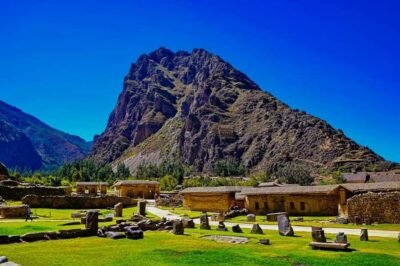 ★ 4.8Sacred Valley: Chinchero, Moray, Ollantaytambo & Pisac+LunchFrom $25501 reviews
 ★ 4.6Sacred Valley: Maras & Moray by Quad Bike from CuscoFrom $39418 reviews
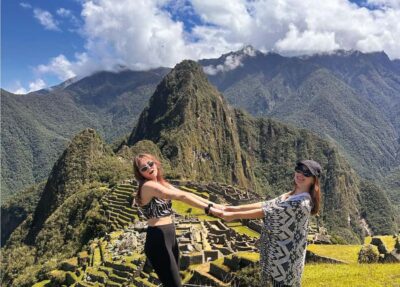 ★ 4.6From Cusco: 2-Day Trip to the Sacred Valley and Machu PicchuFrom $370265 reviews
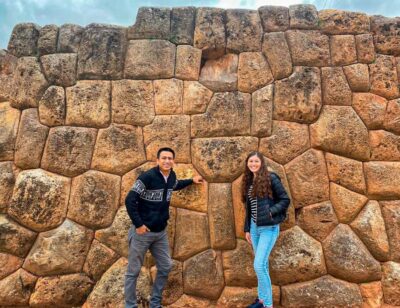 ★ 4.8Sacred Valley Pisaq,Ollantaytambo,Chinchero with LunchFrom $28183 reviews
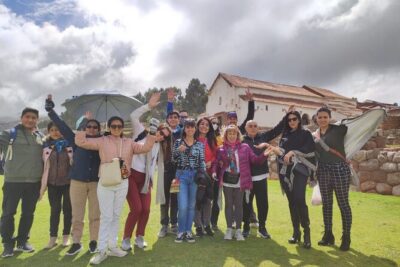 ★ 4.5Full-Day Excursion to Sacred Valley, Pisac and Ollantaytambo from CuscoFrom $47174 reviews
 ★ 5.0Food and Culture Full day Tour in the Sacred ValleyFrom $200144 reviews
Browse the lists this tour appears in