
REVIEW · MACHU PICCHU TOURS & TICKETS
From Cusco: 4-Day Inca Jungle Adventure to Machu Picchu
Machu Picchu starts with biking. In four days from Cusco, you get the Inca Jungle Trail feel right up to Machu Picchu, with mountain-bike time, optional Class III/IV rafting, and a guided morning at the site.
I love the range of hands-on days. One day focuses on coffee/coca country and an ancient Inca ridgeline walk, and another is built around recovery in Cocalmayo hot springs. I also like that it’s a small group, limited to 10, so the pace stays tight and you’re not stuck waiting around.
The main consideration is effort. You start early (hotel pickup at 5:30 a.m.), and you’ll do serious cycling plus long trek segments, so it’s not a good match if you have back or heart problems.
In This Review
- Key points worth clocking before you go
- Why this Inca Jungle route beats the usual Machu Picchu plan
- Day 1: Cusco pickup, Malaga Pass biking, lunch at Huamanmarca, then Santa Maria
- Day 2: Coffee/coca country, a family stop, Inca trail walking, and Cocalmayo hot springs
- Day 3: Optional zipline, Hydroelectric checkpoint, then the train-tracks trek into Aguas Calientes
- Day 4: First-bus Machu Picchu, guided highlights, and add-on hikes with advance tickets
- The Machu Picchu ticket situation: how to plan your add-on hike
- Price and what you actually get for about $519
- Fitness, altitude, and who should (and shouldn’t) take this
- Packing list that matches the real conditions
- Guide quality: why names like Wilbert, Jonny, and Freddy matter
- Should you book this Cusco to Machu Picchu Inca Jungle Adventure?
- FAQ
- What is the group size for this tour?
- What time do you start from Cusco?
- Is rafting included, or is it optional?
- Are zipline activities included?
- Where do you stay in Aguas Calientes?
- What is included for Machu Picchu on Day 4?
- Are Huayna Picchu or Machu Picchu Mountain hikes included?
- What is not included besides the optional hikes?
Key points worth clocking before you go
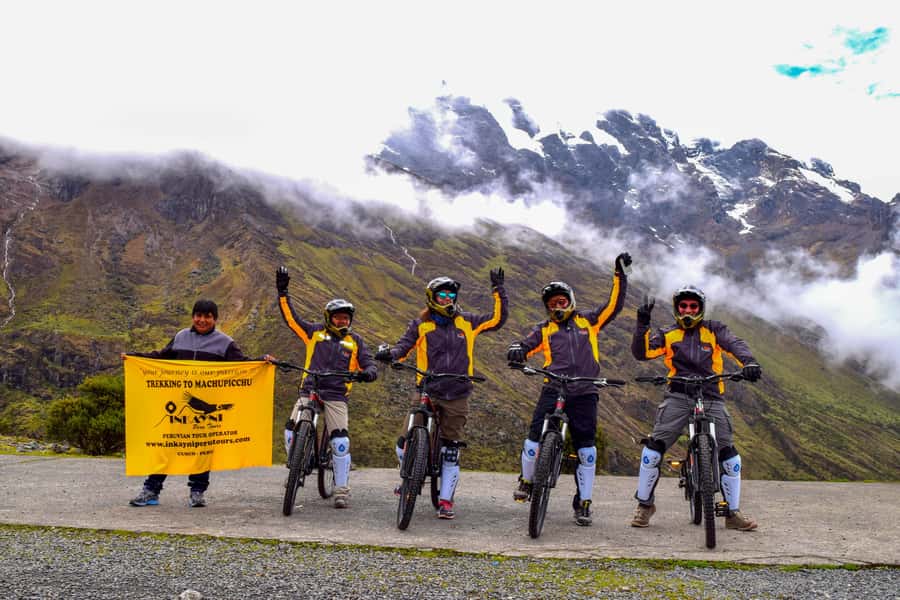
- Full-suspension bike gear (bike, helmet, gloves) is included for the descent from Malaga Pass.
- Adrenaline is optional: Class III/IV rafting on Day 1 and ziplining on Day 3 are built in, but you choose.
- You walk real Inca-connected routes, including an ancient trail stretch linking Machu Picchu toward Vilcabamba.
- Hot springs are scheduled, with Cocalmayo thermal waters as a recovery stop on Day 2.
- Machu Picchu is guided first, then you get time to explore on your own.
- Your return is by train, with a transfer to Cusco after the Aguas Calientes → Ollantaytambo ride.
Other ways up to Machu Picchu, reviewed
- From Cusco: Full-Day Group Tour of Machu Picchu★ 4.7 · 1,767 reviews
- Machu Picchu Day Trip from Cusco★ 4.5 · 1,644 reviews
- Machu Picchu: Full-Day Tour from Cusco with Optional Lunch★ 4.6 · 927 reviews
- Cusco: 4-Day Inca Trail to Machu Picchu with Accommodation★ 4.8 · 432 reviews
Why this Inca Jungle route beats the usual Machu Picchu plan
Most Machu Picchu trips put all the drama at the end: bus, ticket, photos, done. This one spreads the excitement across four days, so the journey matters as much as the destination. You’re cycling, rafting (if you opt in), ziplining (if you opt in), trekking, and soaking your legs, all before you even reach the site.
It also feels more “local-workout” than “travel-bus.” You’re moving through smaller Andean places, coffee/banana/coca-growing areas, and canyon viewpoints, instead of just riding from A to B. And because you finish with a guided tour at Machu Picchu, you don’t just see stones—you understand where you are and why it was built.
Day 1: Cusco pickup, Malaga Pass biking, lunch at Huamanmarca, then Santa Maria
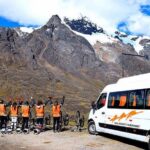
Your day starts fast. You’ll get picked up from your Cusco hotel area around 5:30 a.m., then ride about 3.5 hours toward Malaga Pass (4,350 m / 14,271 ft). That high point matters because it sets up what comes next: an earned-feeling downhill that doesn’t rely on shortcuts.
From the pass, you take a 3-hour mountain-bike descent through forests, rivers, and small Andean villages. This is more than a scenic ride. You’re in control of your pace with a bike designed for rougher terrain (full-suspension bikes are included), and you’ll come away feeling like you actually traveled the Andes, not just photographed them.
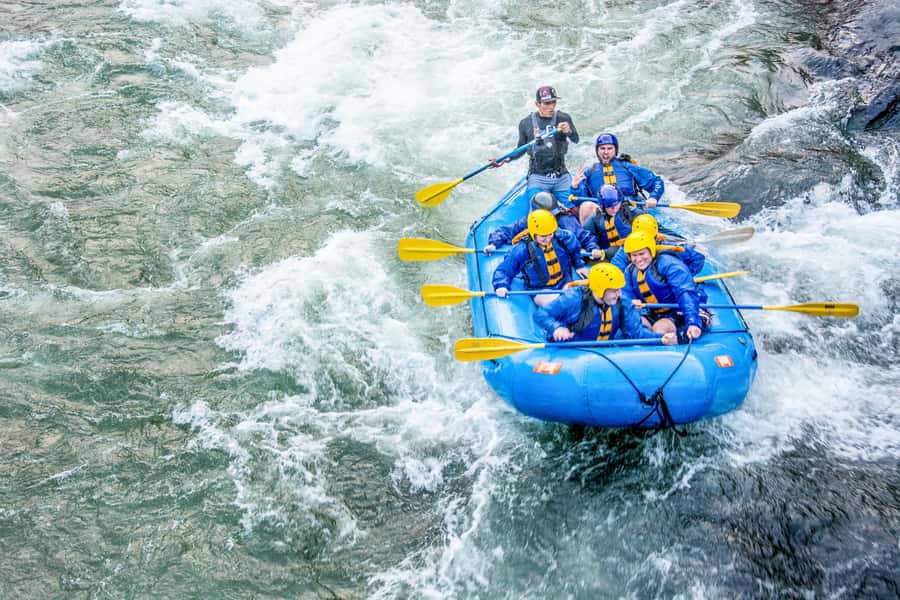
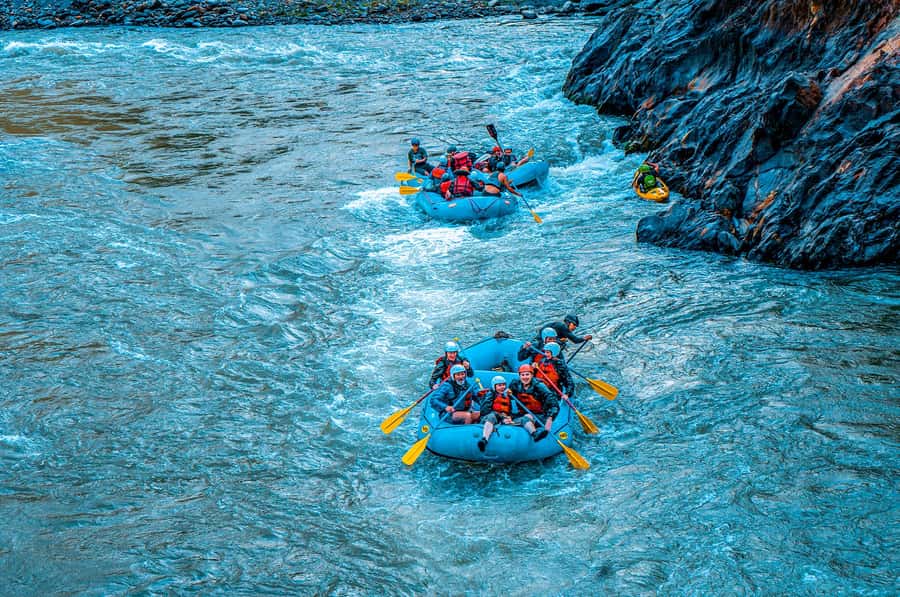
Lunch lands in Huamanmarca, where you refuel after the descent. Then the adrenaline option appears: you can add about 2 hours of rafting on Class III and IV rapids. If you go for it, you’ll get the classic Inca Jungle thrill—water, speed, and jungle scenery—without needing a separate booking.
You finish the day in Santa Maria, with dinner and rest. The lodge setup is included for the night, and the timing is built so Day 2 isn’t wasted by exhaustion.
Day 2: Coffee/coca country, a family stop, Inca trail walking, and Cocalmayo hot springs
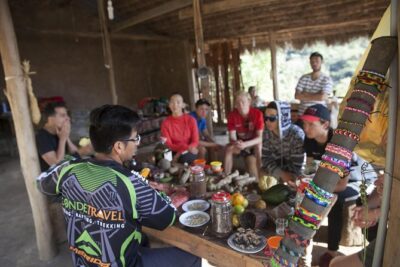
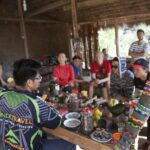
Day 2 is about moving more slowly and learning more as you go. You start with a 2-hour trek through plantations—coffee, bananas, and coca. You also stop at a local family home, where you can taste regional fruits and get a real feel for how families farm and work the land.
That family stop is one of the smartest parts of the whole route because it breaks the “activity tour” rhythm. It turns the day from motion into context. You still get viewpoints and walking, but you also understand what you’re seeing: how everyday Andean agriculture shapes the scenery and the economy.
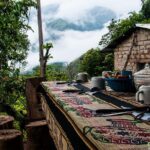
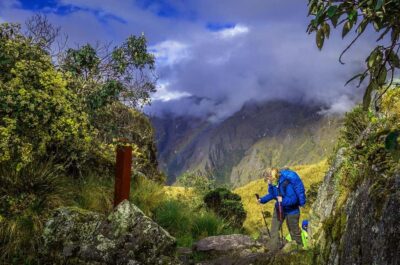
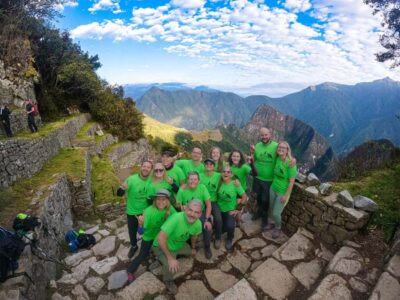
After that, you continue on an ancient Inca Trail segment tied to the larger network that once connected Machu Picchu toward Vilcabamba. You’ll walk along mountain ridges with views over the Huancarccasa Canyon, then descend toward Quellomayo for lunch. The hammocks here are a small detail, but they’re a big deal after a ridge walk—you get a real rest break before the next leg.
The payoff comes in the afternoon: Cocalmayo hot springs. You soak in the warm thermal waters, which is a practical recovery move after biking and trekking. Your body will thank you for this stop when Day 3 includes another active trek.
You finish in Santa Teresa for dinner and sleep in a basic hotel for the night.
Day 3: Optional zipline, Hydroelectric checkpoint, then the train-tracks trek into Aguas Calientes
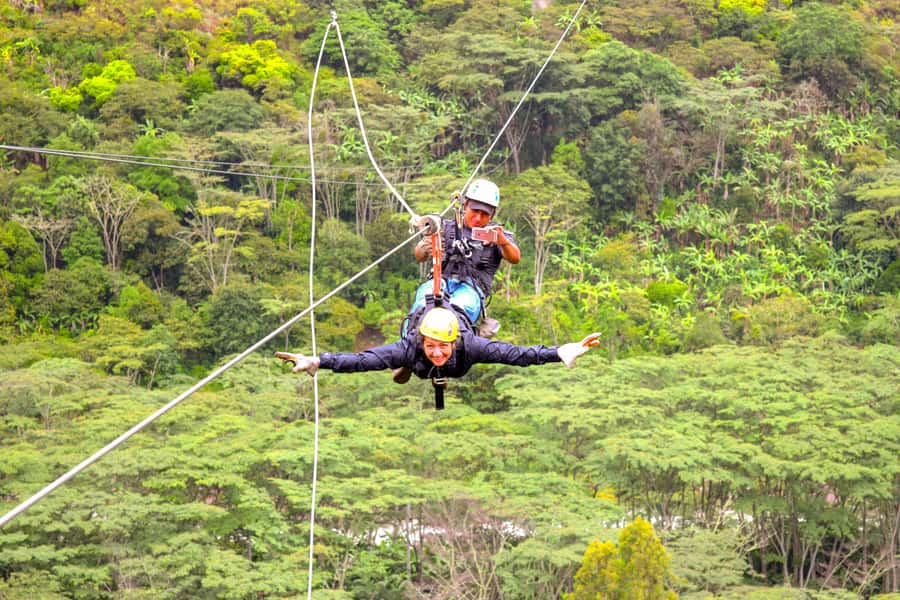
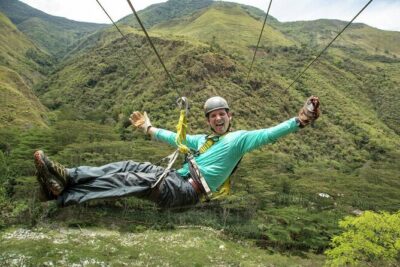
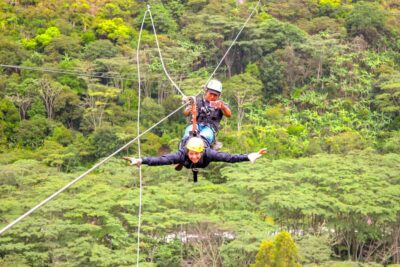
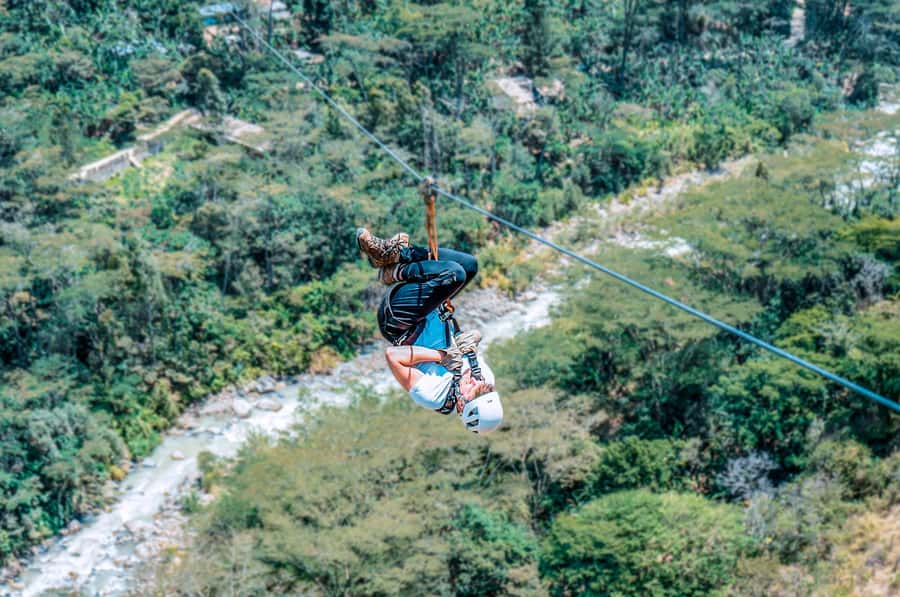
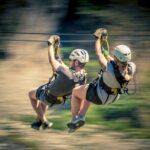
If Day 1 is downhill momentum and Day 2 is cultural walking, Day 3 is forward motion again. You have the choice of an optional zipline in the morning—good if you want one more adrenaline hit without committing to a separate tour.
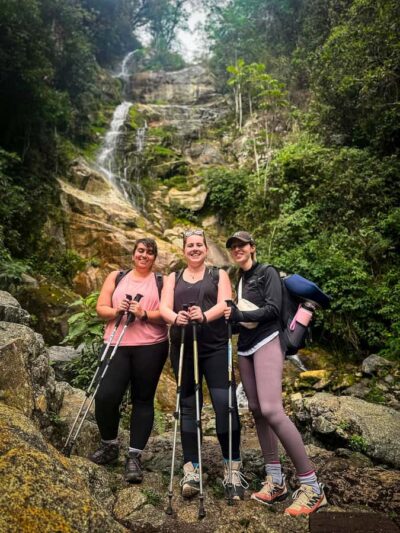
Then you travel to the Hydroelectric checkpoint. There’s a scenic lunch stop here, which helps a lot because the afternoon becomes the main workout block: a 3-hour trek along the train tracks. You pass waterfalls and move through dense jungle, which makes this segment feel like a journey inside the journey, not just a transfer.
By late afternoon you reach Aguas Calientes, the town that serves Machu Picchu. You check into the included three-star Golden Sunrise Hotel, and the evening is intentionally lighter than Day 3 could be. There’s a group dinner, and your guide shares final details for the next day’s Machu Picchu visit so you’re not figuring things out on an anxious schedule.
More Inca Jungle combos, bike, raft and trek
Day 4: First-bus Machu Picchu, guided highlights, and add-on hikes with advance tickets
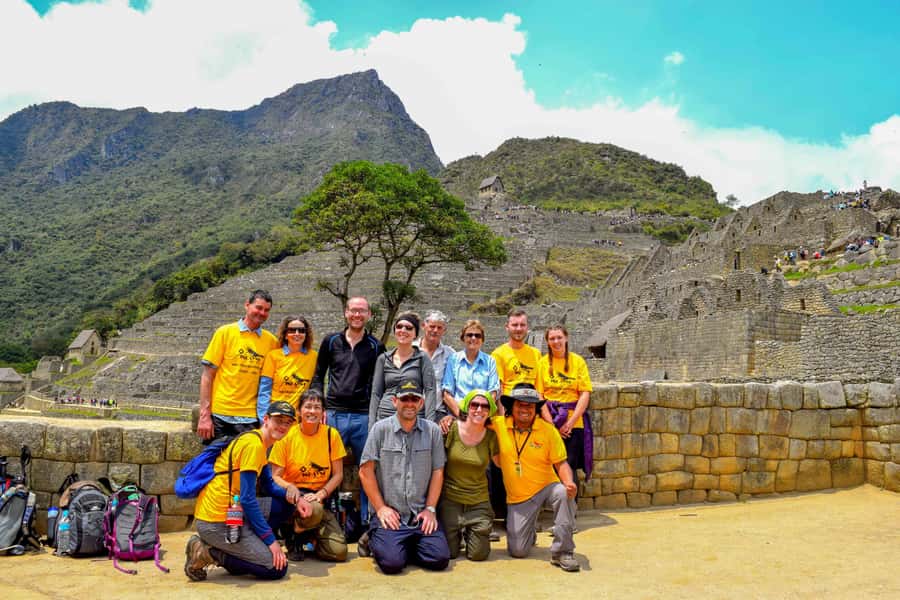
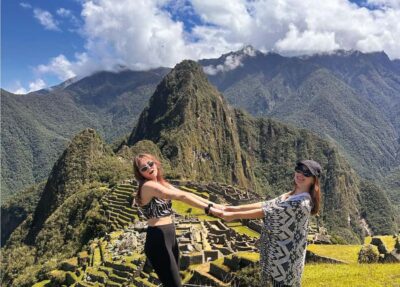
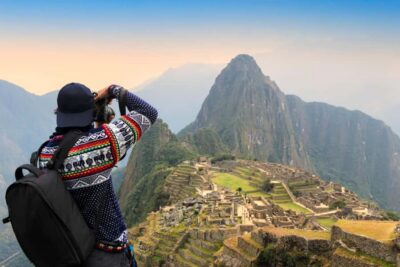
You get up early again, because Machu Picchu works best with good timing. You take one of the first buses to Machu Picchu, reaching the site around 2,430 m, as the sun lights up the terraces and temples. That early arrival is a real quality-of-day factor; it gives you a calmer start and better light for photos.
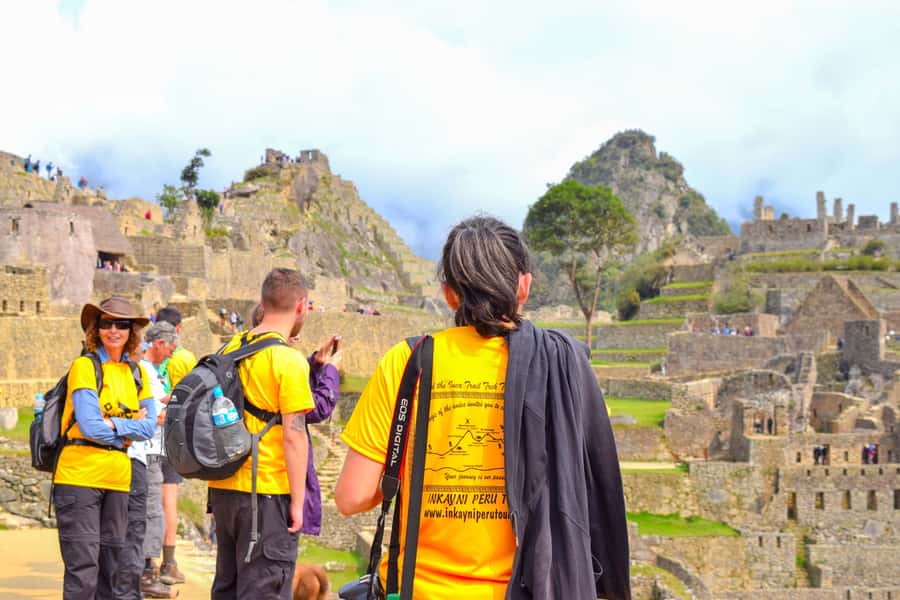
The morning includes a guided tour of the most important areas. This is where your visit becomes more than a view. A strong local guide helps you connect structures to purpose—what you’re looking at and how the site functioned.
After the guided portion, you explore at your own pace. You can also add one of two hikes, but both require extra planning. If you want Huayna Picchu (2,720 m) or Machu Picchu Mountain (3,082 m), you need separate tickets, and availability is limited—so reserve months in advance.
In the afternoon, you return to Aguas Calientes for lunch, then take the included train to Ollantaytambo. A private van takes you back to Cusco, finishing the loop after four days of action.
The Machu Picchu ticket situation: how to plan your add-on hike
This tour includes entrance to Machu Picchu and a guided tour around the key zones. The two big optional upgrades are the hikes: Huayna Picchu and Machu Picchu Mountain. Neither is included in the base package, and both have strict ticket limits.
Here’s how I’d decide:
- If you want the classic, steep viewpoint and lots of steps, choose Huayna Picchu.
- If you want a bigger, steadier outing with another major summit angle, consider Machu Picchu Mountain.
In both cases, treat the hike ticket as your first priority if you’re set on it. The earlier you lock it in, the less stress you’ll carry on Day 3 and morning-of Day 4.
Price and what you actually get for about $519
At $519 per person for 4 days, you’re paying for a package that bundles transport, adventure gear, food, lodging, and the Machu Picchu component. The value is in how many moving parts are included, not just the fact that it’s a guided Machu Picchu visit.
Included costs that matter a lot:
- Machu Picchu entrance + guided tour
- Bus to Machu Picchu (one way)
- Train Aguas Calientes → Ollantaytambo
- Bikes, helmets, gloves
- Rafting equipment (and rafting is an optional activity you can add)
- Zipline activity (optional)
- 3 breakfasts, 3 lunches, 3 dinners
- Lodging for 3 nights (1 night in a 3-star hotel in Aguas Calientes, plus 2 nights in basic accommodations on the way)
- A bilingual adventure guide and safety equipment/first aid kit
What’s not included (and you should budget):
- Huayna Picchu entrance fee
- Hot springs entrance fee (PEM 20)
- Travel insurance
- First breakfast and last lunch at Aguas Calientes
For many people, the hidden value is that this removes logistics headaches. You’re not hunting down gear, booking each segment separately, or trying to coordinate meal stops and transfers at altitude.
Fitness, altitude, and who should (and shouldn’t) take this
This is an active itinerary. You’ll bike for hours, trek multiple times, and walk train tracks in the afternoon. Even if you’re an experienced traveler, you should be honest about your body’s limits.
The operator lists clear no-go groups:
- Not suitable for people with back problems
- Not suitable for people with heart problems
- Not suitable for wheelchair users
Altitude is another practical factor. You’ll top out around 4,350 m at Malaga Pass and still be at altitude later (Machu Picchu around 2,430 m). That’s not meant to scare you, but it means you should take early mornings seriously, keep hydration in mind, and dress for cold.
If you want a simple rule: if you can handle long active days and you’ve ridden a bike before, you’re more likely to enjoy this. If your strength is mostly “walk a museum,” you’ll probably feel rushed.
Packing list that matches the real conditions
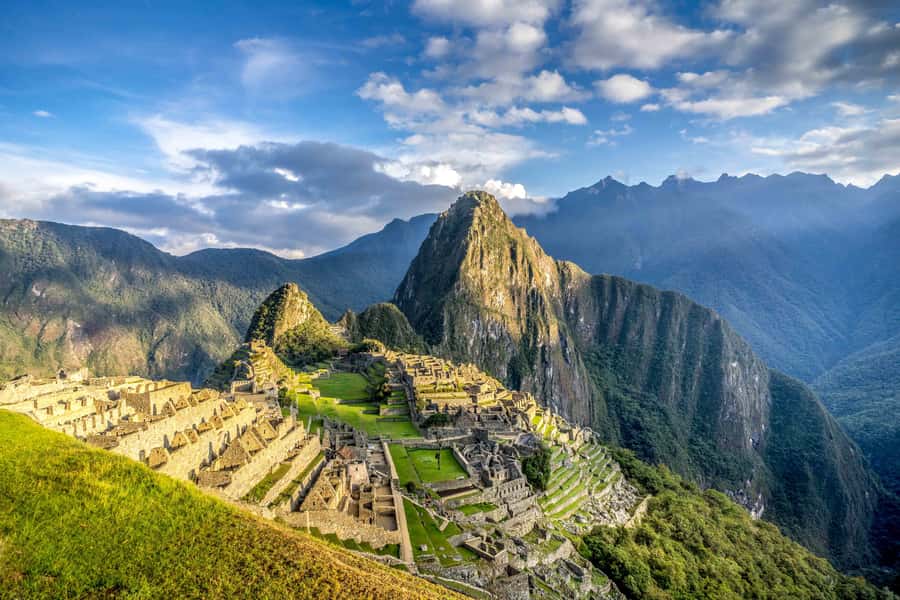
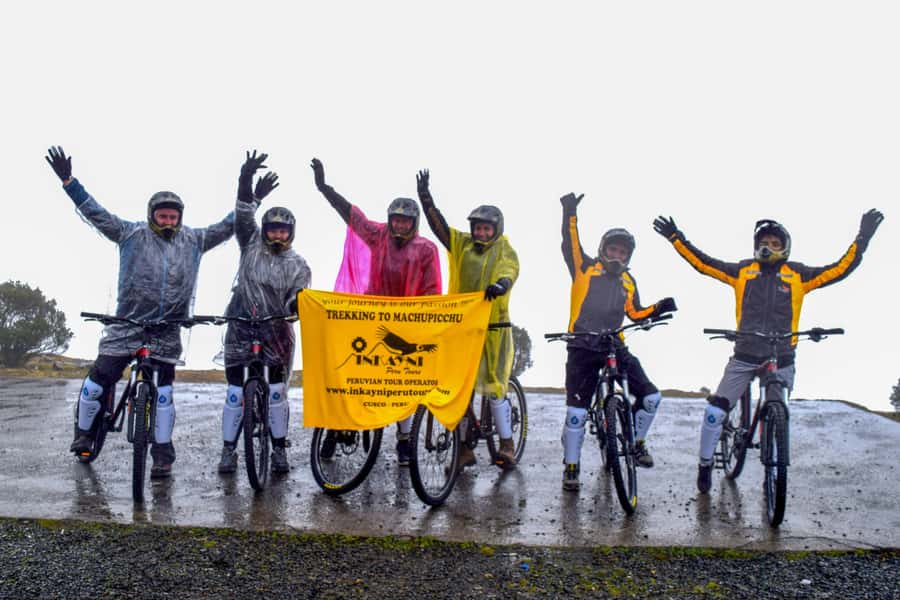
The tour provides adventure gear for biking and safety coverage, but you still need to show up properly dressed. I’d plan for mixed weather: sun in the valleys, cooler mornings at altitude, and rain that can show up without warning.
Bring:
- Walking boots
- Waterproof jacket or rain poncho
- Warm jacket
- Hat and gloves
- Sun cream (SPF 35 or higher) and insect repellent
- T-shirts and comfortable trousers
- Personal medication
- Toiletries and hand sanitizer
- Camera
- Flashlight with spare batteries
- Swimwear (for rafting)
Also make sure your passport or ID is ready. You’ll want it on hand for the Machu Picchu entry process.
Guide quality: why names like Wilbert, Jonny, and Freddy matter
A big part of this style of trip is pacing and communication. Several guides are highlighted for being helpful, informative, and genuinely fun to travel with. In particular, names like Jonny, Wilbert, and Freddy come up with strong feedback for being supportive, translating well, and helping people feel confident during the adventure parts.
You should expect your guide to:
- explain what you’re seeing on the trail and at Machu Picchu
- keep your group on schedule across multiple activity modes
- handle safety procedures for biking and optional rafting
Even if you’re not chasing adrenaline, this is the difference between a chaotic day and a smooth one.
Should you book this Cusco to Machu Picchu Inca Jungle Adventure?
Book it if you want Machu Picchu plus an Andes adventure, not just a single-day highlight. The biggest reason to choose this is the balance: you get hard action (bike and optional rafting), slower meaning (coffee/coca and an Inca-connected trail walk), then a guided Machu Picchu morning followed by time to hike if you planned ahead.
Skip it if you’re injured, have heart or back concerns, or you know you struggle with long trekking days and early starts. This trip is built for movement, and the schedule doesn’t slow down for first-timers.
If you’re on the fence about the add-on hikes, decide early. Lock in any desired Huayna Picchu or Machu Picchu Mountain ticket well ahead of time, and you’ll enjoy Day 4 instead of rushing it.
FAQ
What is the group size for this tour?
This is a small group experience with a maximum of 10 participants.
What time do you start from Cusco?
Hotel pickup in Cusco begins at 5:30 a.m. on Day 1.
Is rafting included, or is it optional?
Rafting is included as an optional activity on Day 1, and Class III and IV rapids are mentioned. Rafting equipment is included.
Are zipline activities included?
Zipline activity is included in the package, and it is also described as optional on Day 3.
Where do you stay in Aguas Calientes?
You stay one night in Aguas Calientes at the included three-star Golden Sunrise Hotel.
What is included for Machu Picchu on Day 4?
The package includes entrance to Machu Picchu, a guided tour in and around the site, and a bus one way to Machu Picchu.
Are Huayna Picchu or Machu Picchu Mountain hikes included?
No. Entrance fees for Huayna Picchu are not included, and both Huayna Picchu and Machu Picchu Mountain hikes require extra tickets reserved months in advance.
What is not included besides the optional hikes?
Hot springs entrance fee (PEM 20), Huayna Picchu entrance fee, travel insurance, plus the first breakfast and last lunch at Aguas Calientes are not included.
If you tell me your fitness level and whether you want Huayna Picchu, I can help you choose between the two hike options and prep for the hardest days.
More Tour Reviews in Cusco
Keep Going on the Inca Jungle
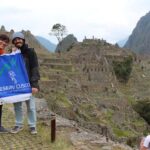
Machu Picchu, More Ways In
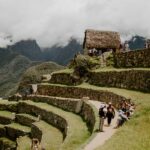
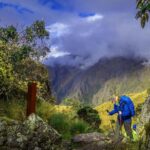
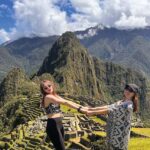
Recent write-ups from around Cusco, just off the trail
- Cuzco: Rainbow Mountain Excursion
★ 5.0 · 3 reviews - 1 day excursion to Qeswachaka bridge and the 4 lagoons
★ 3.6 · 3 reviews - Waqrapukara 1 day trekking + meals
★ 3.9 · 3 reviews - Valle Sur Cusco | half day
★ 4.3 · 3 reviews - Full-Day Condor Viewpoint & Inca Sites Tour
★ 5.0 · 3 reviews
Machu Picchu Tours & Tickets, compared.
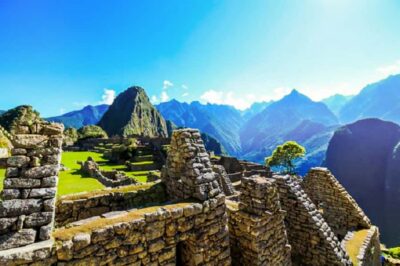 ★ 4.7From Cusco: Full-Day Group Tour of Machu PicchuFrom $3211,767 reviews
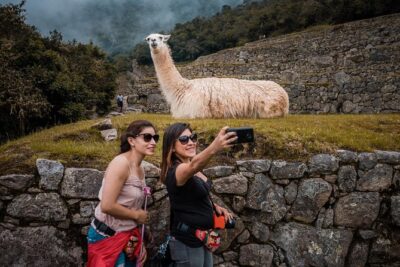 ★ 4.5Machu Picchu Day Trip from CuscoFrom $3361,644 reviews
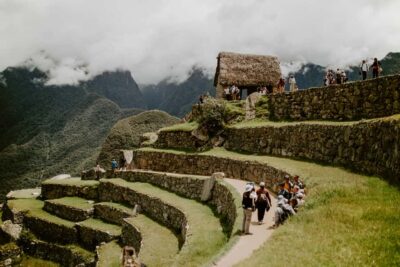 ★ 4.6Machu Picchu: Full-Day Tour from Cusco with Optional LunchFrom $283927 reviews
 ★ 4.84-Day Inca Trail to Machu Picchu with AccommodationFrom $470432 reviews
 ★ 4.6From Cusco: 2-Day Trip to the Sacred Valley and Machu PicchuFrom $370265 reviews
 ★ 4.9Machu Picchu 2-Day Inca Trail with Panoramic TrainFrom $582260 reviews
 ★ 4.2From Cusco: 2-Day Inca Trail to Machu PicchuFrom $290244 reviews
 ★ 4.9Machu Picchu: Inca Trail 2-Day Overnight Guided TourFrom $585203 reviews
Browse the lists this tour appears in