
REVIEW · MARAS & MORAY SALT MINES
From Cusco: Moray, Maras, and Salt Mines Half-Day Tour
A half-day that packs in big Sacred Valley views. You’ll start in Cusco and ride out to Chinchero, Moray, and the famous Salineras salt mines, with a local guide along the way. It’s a strong mix of people (weavers), engineering (Moray’s irrigation), and an honest look at how salt is made.
I really like how this tour slows down at the right moments. The Chinchero weaving workshop shows the Quechua tradition in action, including how artisans use natural plants to create color. I also love the Salineras salt mines: 3,000 small pools that still produce salt today.
One consideration: you’ll pay extra for entrances (Moray and the salt mines), and the site walking is not ideal if you have mobility limits. It’s also at high altitude, so take it steady from the start.
In This Review
- Key highlights you won’t want to miss
- From Plaza Regocijo: the quick Cusco start and Sacred Valley rhythm
- Chinchero weaving workshop: where the Quechua tradition feels real
- Moray terraces: irrigation engineering you can still read
- Maras village: preserved colonial stonework and easy photo stops
- Salineras salt mines: 3,000 small pools still producing salt
- Timing and travel: what 6 hours really means
- Price and value: what $15 covers, and what costs extra
- What to pack and how to pace yourself at altitude
- Who this tour fits best
- Should you book the Cusco Moray, Maras, and Salt Mines half-day tour?
- FAQ
- Where does the tour start?
- How long is the tour?
- What’s included in the tour price?
- Is food included?
- How much are the entrance tickets for Moray?
- How much is the entrance ticket for the salt mines?
- What language is the guide available in?
- What should I bring?
- Is the tour suitable for wheelchair users or limited mobility?
Key highlights you won’t want to miss
- Chinchero weaving workshop with practical, hands-on craft explanations
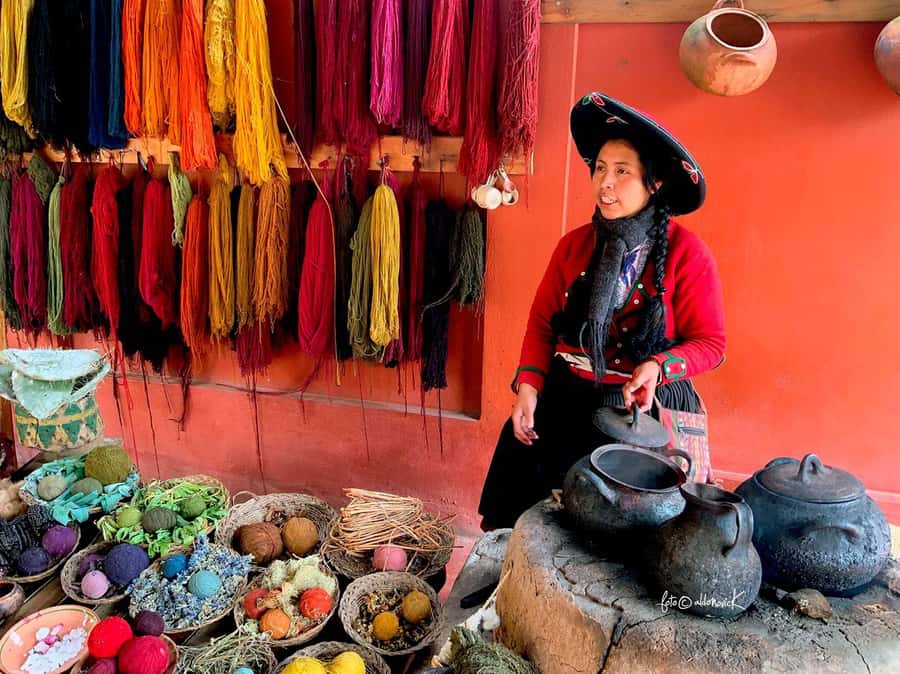
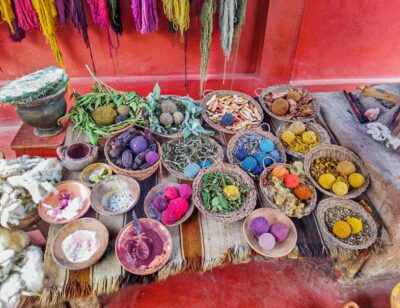
- Natural-plant dye colors used by local artisans for Andean art
- Moray’s terraces and irrigation system and how the channels work
- Maras photo stops plus preserved colonial stone architecture
- Salineras salt mines and their 3,000 small pools in operation
From Plaza Regocijo: the quick Cusco start and Sacred Valley rhythm
Your day begins in Cusco at Plaza Regocijo, with pickup arranged from your hotel. Then it’s straight into the van. Expect roughly an hour and change of driving total across the stops, with short breaks built in for photos and site time.
This kind of tour works well in the Sacred Valley because you’re not “just passing through.” The drive time is long enough to feel the scenery change, but the schedule is tight enough to keep the whole experience from dragging. At the same time, it’s a good reminder to go easy on your first hours in Cusco—these stops start high (Chinchero is listed at 3,762 m) and you’ll only have a half-day.
A practical tip: plan to drink water from the beginning. The route moves from one high-altitude point to another (Moray sits at 3,450 m), so you’ll want your body ready before you start walking around.
Chinchero weaving workshop: where the Quechua tradition feels real
Chinchero is one of those places that’s easy to enjoy even if you’re not hunting for ruins. You’ll get a photo stop and time for shopping, but the main reason to come is the weaving workshop.
Inside the workshop, you’re not just looking at finished textiles. You’ll see how local artisans keep the Quechua tradition going, including how they use natural plants to extract colors for Andean art. That detail matters. When you understand the dye process, a scarf or belt stops being a souvenir and becomes a small story: plant to color to thread to pattern.
What I like most is that it connects craft to everyday knowledge. You get a sense of skills that are learned through doing, not through a museum-style display. And if you like buying textiles, this is the kind of stop where you can ask questions and browse with more context.
Possible drawback: this is a workshop visit, so shopping time is time-limited. If you’re set on buying something specific, have a quick look first, then decide while you still have time.
Moray terraces: irrigation engineering you can still read
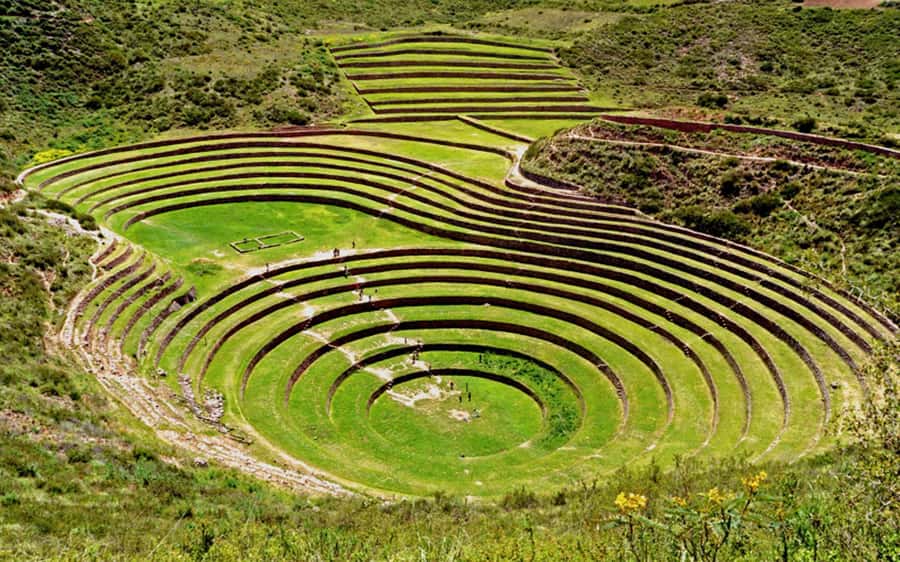
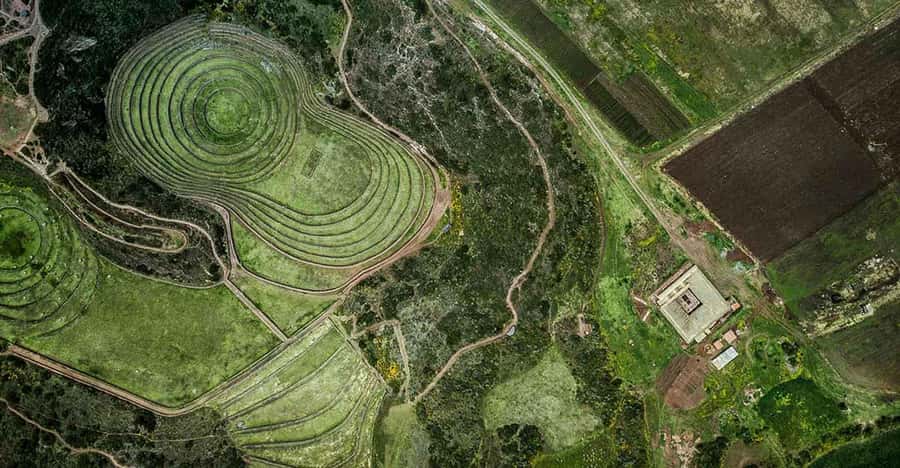
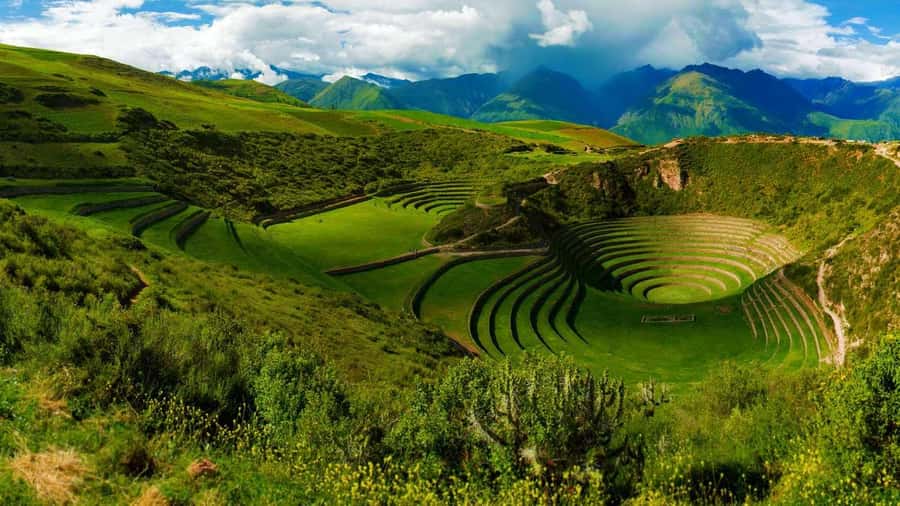
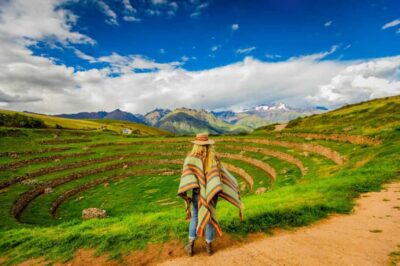
Next up is Moray, famous for its terraced structure and irrigation system. You’ll have time for a photo stop and then a guided visit focused on the terraced area. Even if you know nothing about agricultural engineering, Moray makes sense because the design is visible. You can see how water control and tiered cultivation connect.
The terracing is the headline. But the irrigation system is the real wow factor here. Terraces aren’t just decorative—they’re part of a system. Water is directed and managed in a way that supports the functioning of these planted levels.
Time is short (the guided visit is listed as about 40 minutes), so don’t expect to wander for an hour on your own. Go in with a mindset of: look first, then let the guide explain what you’re seeing. If your goal is to really understand the irrigation logic, keep your questions ready.
Also, Moray’s altitude is listed as 3,450 m, so don’t treat it like a casual stroll. Comfortable shoes matter more than you think here, especially if you’re trying to move at a steady pace across uneven areas.
Maras village: preserved colonial stonework and easy photo stops
After Moray, the tour continues to Maras, where you’ll see a preserved village setting with fine stone buildings and colonial-era architecture. This stop is more about atmosphere and views than long deep-reads of a single monument.
You’ll have time for photos and to absorb the way the town sits in the Sacred Valley setting. Maras also acts like a transition point: after the agricultural engineering of Moray, the tour shifts to a village where buildings and daily life are part of the landscape of salt production nearby.
This is also one of the easier breaks in the schedule. You’re not trapped in a single site for long. You can take your time with pictures, and it helps keep the day from feeling nonstop.
The tradeoff: if you’re expecting a long guided explanation of each building, this is not that kind of stop. It’s brief. Use it for photos, quick orientation, and then save your energy for the salt mines, where the scale is bigger.
Salineras salt mines: 3,000 small pools still producing salt
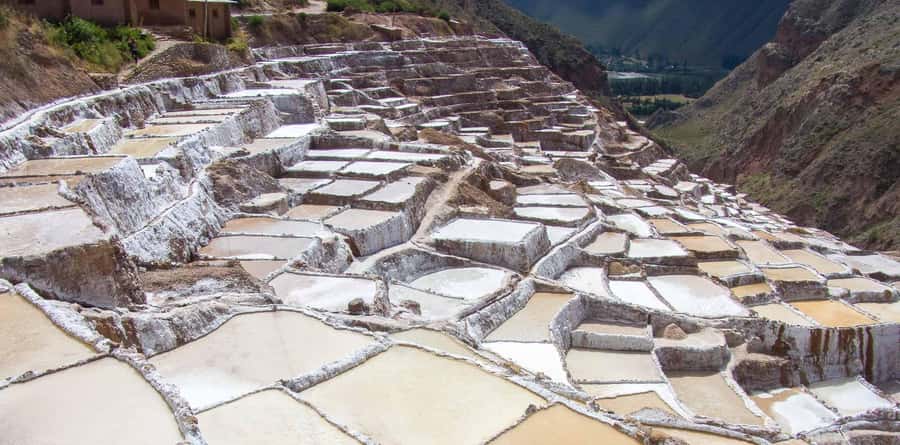
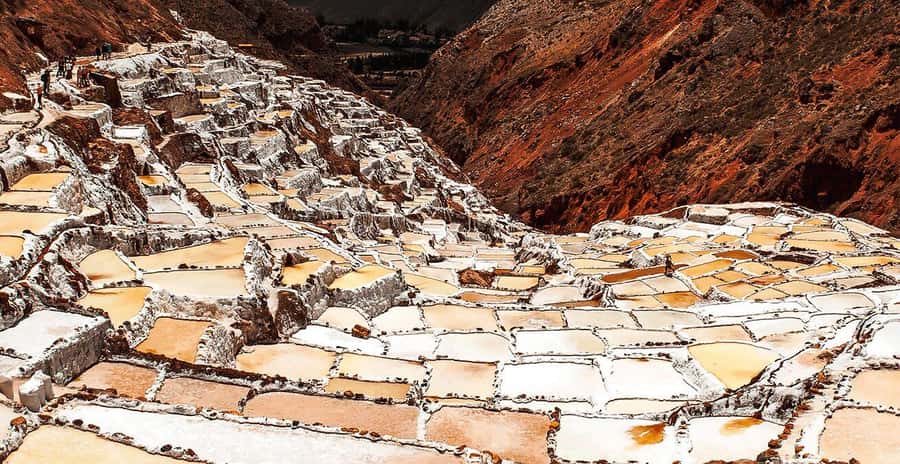
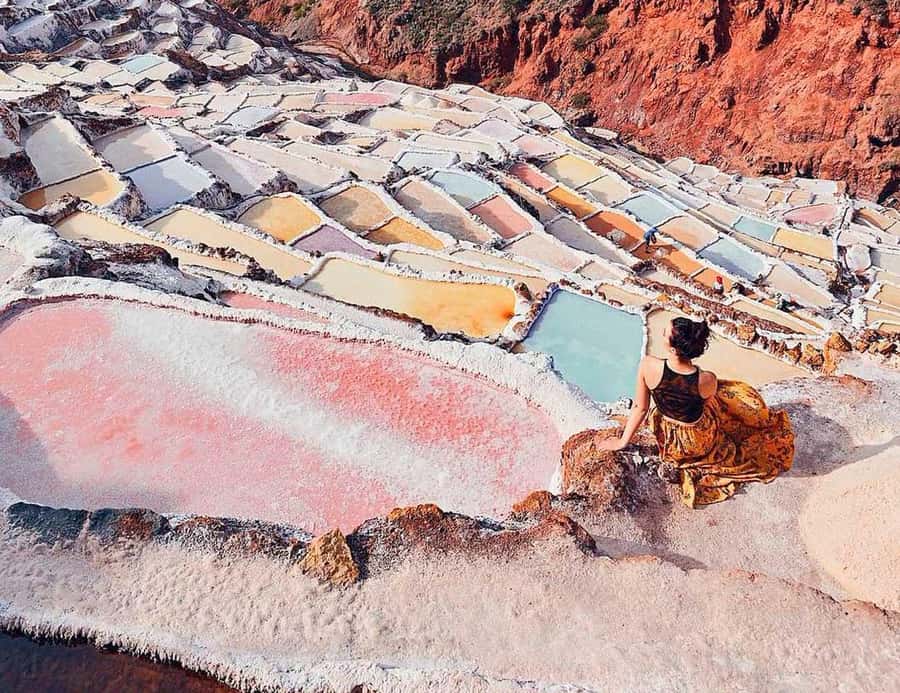
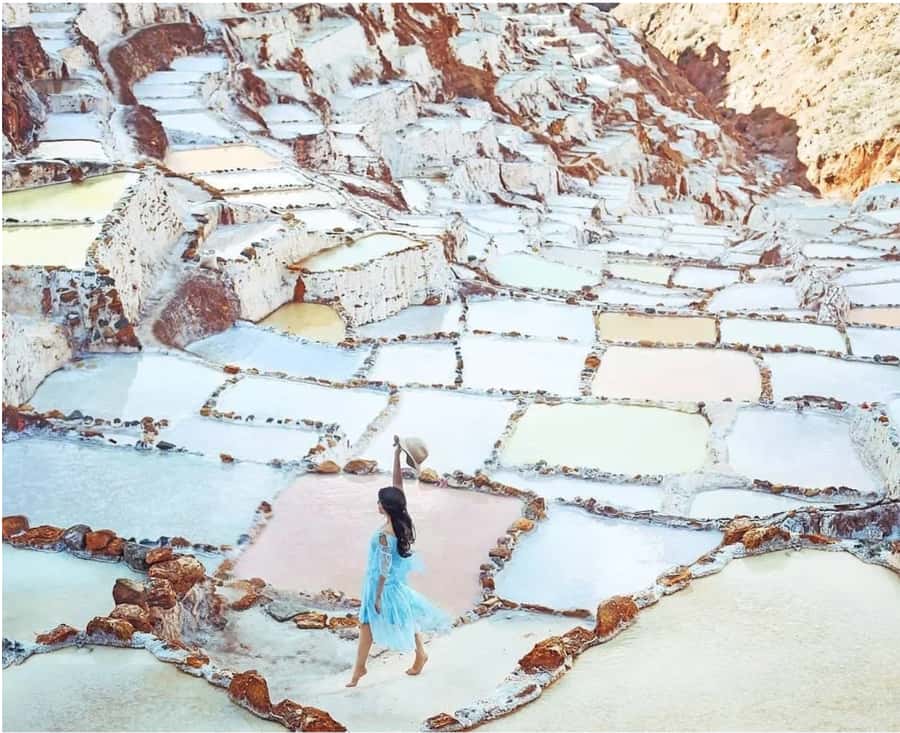
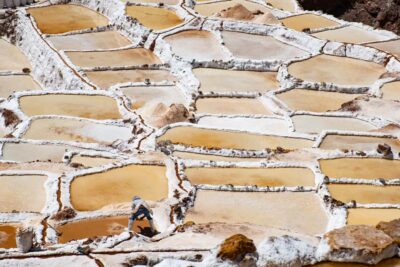
Now for the main event: the Salineras salt mines, also known as Salineras de Maras. You’ll head there and explore the pools. The big detail is the one you should remember: 3,000 small pools, created and used as part of a working salt operation with roots going back to pre-Incan times, and still producing salt today.
Here’s why this stop is so satisfying: it’s not staged. You’re seeing an active industrial process in a historic format. Even though the layout looks almost patterned like a grid, it’s made from practical work—water management, channels, and the movement of salt through processing stages in the region.
You also get a clear sense of scale. The pools aren’t one big “lake.” They’re many small compartments. That makes it easier to imagine how production happens step by step, pool by pool.
Entrance ticket detail: the salt mines ticket is listed as 20 soles and can be purchased in Maras. Bring cash if possible, because that’s the point where you’ll handle it.
Practical note: this is a photo-friendly stop, but you’ll want to watch your footing and keep moving. Comfortable shoes are not optional if you want to enjoy the pools rather than worry about your balance.
Timing and travel: what 6 hours really means
This tour is listed as 6 hours, with short segments of driving between each stop. Your van time is built in (about 50 minutes between some major points), and the rest is short site blocks:
- Chinchero includes a photo stop plus shopping time
- Moray includes photo time and a guided visit
- Maras is mainly a photo/architecture moment
- The salt mines are your longer exploration highlight
The “half-day” label is accurate, but it’s still an active day. Think of it as a sprint with great stops, not a slow countryside picnic.
Because food is not included, you’ll want a plan. If you tend to get hungry at altitude, eat before the pickup and then keep water handy. The tour includes water as something you should bring, but not food—so come prepared.
Price and value: what $15 covers, and what costs extra
The headline price is listed as $15 per person, which sounds like a bargain—because the tour includes real on-the-ground visits rather than a simple drive-by. You’re paying for pickup from your hotel in Cusco, a weaving workshop visit in Chinchero, a guided visit to Moray’s terraced area, and an exploration of the Salineras salt mines.
That said, you should budget for entrances:
- Moray entrance ticket: 70 soles (purchased on site)
- Salt mines entrance ticket: 20 soles (purchased in Maras)
So the total cost isn’t just the tour fee. Still, even with entrance tickets added, it can be good value if you want all three major stops in one day: craft in Chinchero, engineering at Moray, and the working salt mines at Salineras.
If you’re comparing options, think about time and guide value. You’re getting transportation across the Sacred Valley points plus a guided component at Moray and the workshop context in Chinchero. For many people, that’s what turns “I saw pictures online” into an experience with understanding.
What to pack and how to pace yourself at altitude
The tour requests a simple kit:
- Comfortable shoes
- Camera
- Sunscreen
- Water
I’d add a mindset tweak: go slow on the first walk after arrival at higher points. You’re already in Cusco, but altitude is still a factor at Chinchero (3,762 m) and Moray (3,450 m).** In practical terms, pace yourself and take breaks when you need them. You’ll enjoy the views more when you’re not rushing.
Also, the tour includes photo stops. Cameras are worth it here. But don’t treat every stop like a shoot-and-go moment. Spend a few minutes looking before you start snapping, especially at Moray and the salt mines, where the details reward attention.
Who this tour fits best
This tour makes the most sense if you want a focused Sacred Valley sampler without a full day commitment.
You’ll likely love it if:
- You enjoy hands-on cultural stops like a weaving workshop
- You like seeing how people work with water and land (Moray’s irrigation system)
- You want a famous Peru photo stop that’s also still functional (Salineras pools)
It’s not a good match if you have mobility challenges or use a wheelchair. The tour explicitly lists that it’s not suitable for people with mobility impairments and wheelchair users.
Should you book the Cusco Moray, Maras, and Salt Mines half-day tour?
If your goal is to see Chinchero, Moray, Maras, and Salineras in one well-paced day from Cusco, I’d say this is a strong choice. The price is low for the number of stops, and the weaving workshop adds something more meaningful than a quick photo moment.
I’d book it if you’re comfortable with:
- A 6-hour schedule
- Additional entrance tickets
- Walking around high-altitude sites
I’d skip it if you need a more relaxed day with fewer walking demands, or if you’re trying to avoid extra cash for entrances. But for most visitors—especially first-timers who want the Sacred Valley highlights with context—this tour hits the right notes.
FAQ
Where does the tour start?
The starting location is Plaza Regocijo.
How long is the tour?
The duration is listed as 6 hours.
What’s included in the tour price?
Included are hotel pickup in Cusco, a visit to a Chinchero weaving workshop, a tour of Moray’s terraced landscapes, and exploration of the Salineras salt mines.
Is food included?
No, food and drinks are not included.
How much are the entrance tickets for Moray?
The Moray entrance ticket is listed at 70 soles and can be purchased on site.
How much is the entrance ticket for the salt mines?
The salt mines entrance ticket is listed at 20 soles and can be purchased in Maras.
What language is the guide available in?
The live tour guide is available in Spanish and English.
What should I bring?
Bring comfortable shoes, a camera, sunscreen, and water.
Is the tour suitable for wheelchair users or limited mobility?
No. The tour is not suitable for people with mobility impairments or wheelchair users. Smoking is also not allowed.
Maras & Moray Salt Mines, compared.
 ★ 4.8From Cusco: Sacred Valley & Maras Salt Mines Tour with LunchFrom $282,227 reviews
 ★ 4.8From Cusco: Moray, Maras Salt Mines & Chinchero Weavers TourFrom $151,925 reviews
 ★ 4.6Sacred Valley, Pisac, Ollantaytambo, Salt Mines MorayFrom $281,058 reviews
 ★ 4.8Chinchero,Moray & Salt Mines drop-off in OllantaytamboFrom $27793 reviews
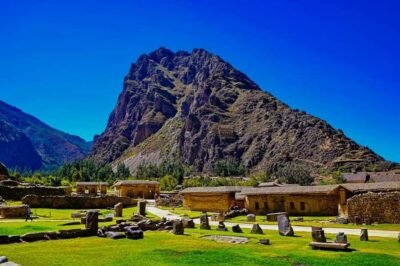 ★ 4.8Sacred Valley: Chinchero, Moray, Ollantaytambo & Pisac+LunchFrom $25501 reviews
 ★ 4.6Sacred Valley: Maras & Moray by Quad Bike from CuscoFrom $39418 reviews
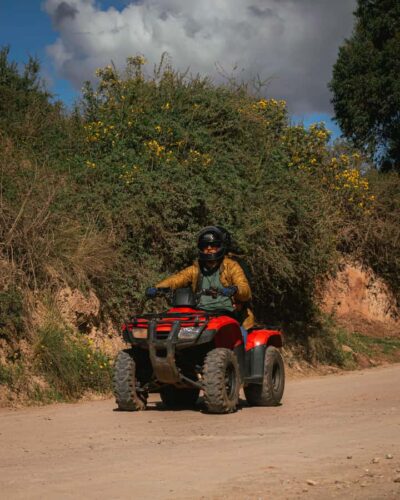 ★ 4.7From Cusco: Quad bike tour Moray and Salt MinesFrom $27314 reviews
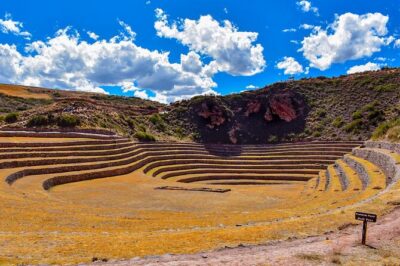 ★ 5.0From Cusco: Moray, Maras Salt Mines & Chinchero Weavers Half-DayFrom $15126 reviews
Browse the lists this tour appears in