
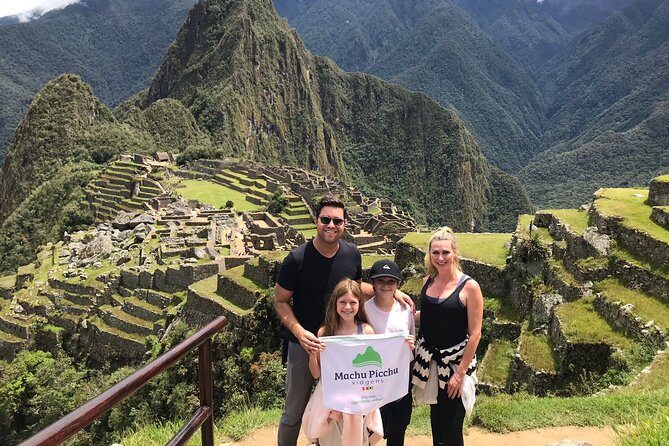
REVIEW · MACHU PICCHU TOURS & TICKETS
Machu Picchu & Sacred Valley 2-Day Tour
A truly good Machu Picchu plan is the one that saves you from decision fatigue. This 2-day Sacred Valley + Machu Picchu tour is tightly scheduled but not rushed, with a small group size and a guide who handles the moving parts for you. You also get a real Sacred Valley day, not just a long bus to the next stop.
Two things I really like: the small group (max 16) setup for more guide attention, and the way the day flows from cultural stops into train travel and then into an early Machu Picchu visit. One thing to keep in mind: you’ll be on the move for two days, and the tour depends on good weather for Machu Picchu.
In This Review
- Quick hits: what makes this tour work
- Day 1 in the Sacred Valley: history, markets, and Inca water work
- Awana Kancha museum stop: textiles and an animal shelter
- Pisac at 3,300 meters: the archaeology stop and the market
- Lunch by the Urubamba River: a real break at Tunupa
- Ollantaytambo: cobbled streets, drainage channels, and a long resistance story
- Train to Aguas Calientes: your evening base for Machu Picchu
- Day 2 Machu Picchu: early bus up, guided entry, and a set return plan
- Poroy and back to Cusco: the train transfer that closes the loop
- Hotel, breakfasts, and the meals you do not have to plan
- Small-group pacing and guide language: how you’ll actually experience the tour
- Price of $679: what you’re paying for, and what you should still budget
- Practical tips for a smooth two days (based on the tour setup)
- Who this tour suits best
- Should you book this Machu Picchu & Sacred Valley 2-Day Tour?
- FAQ
- How many people are in the tour group?
- What languages does the professional guide speak?
- What’s included for Machu Picchu?
- Is Huayna Picchu included?
- What do I need to provide before the tour?
- What happens if weather is bad?
Quick hits: what makes this tour work
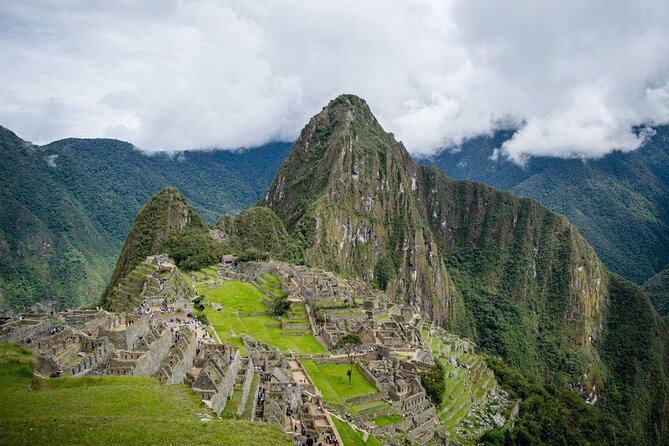
- Max 16 travelers means you’re not lost in a crowd.
- A full Sacred Valley day (Pisac + Ollantaytambo) before Machu Picchu.
- Hotel included for one night in Aguas Calientes plus breakfast and lunch.
- Guided time at Machu Picchu (included entrance + bus ticket), timed for an early start.
- Train runs Ollantaytambo ↔ Aguas Calientes in tourist class; no seat selection.
- Your guide is chosen by language option (Spanish, English, or Portuguese, not bilingual).
Other ways up to Machu Picchu, reviewed
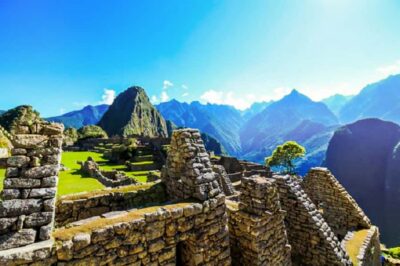
- From Cusco: Full-Day Group Tour of Machu Picchu★ 4.7 · 1,767 reviews
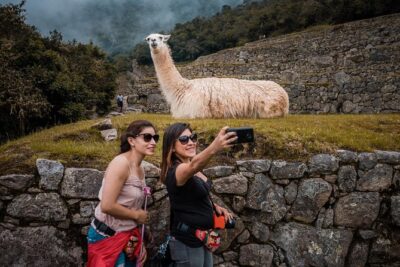
- Machu Picchu Day Trip from Cusco★ 4.5 · 1,644 reviews
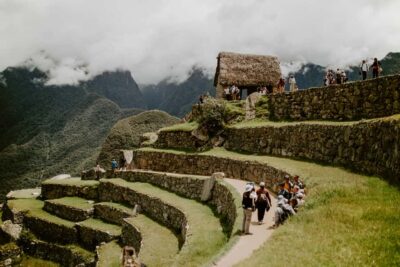
- Machu Picchu: Full-Day Tour from Cusco with Optional Lunch★ 4.6 · 927 reviews
- Cusco: 4-Day Inca Trail to Machu Picchu with Accommodation★ 4.8 · 432 reviews
Day 1 in the Sacred Valley: history, markets, and Inca water work
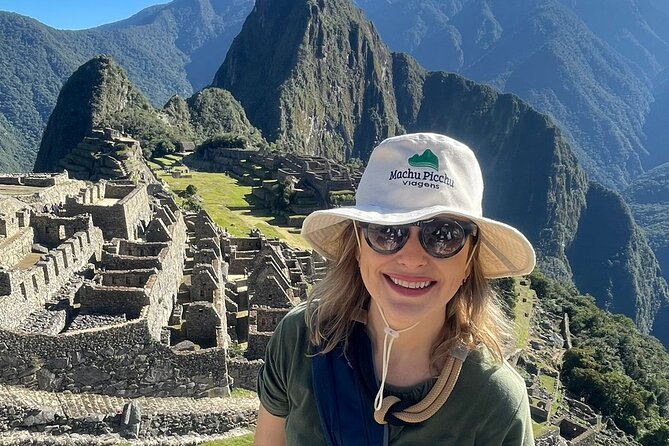
Day 1 is built like a steady storyline. You start with a cultural stop that’s less “ruins” and more everyday heritage, then you move into archaeology and a big local market, and finally you end with the kind of Inca town design you can still read on the streets. By the time you reach Ollantaytambo, the place doesn’t feel random—it feels like a chapter closing.
Also, the schedule is set up for altitude time. One of the key sites, Pisac, sits at about 3,300 meters. You’ll feel that in your body, so the order matters: you do the important viewpoints and walking in the morning window, then you get breaks like lunch and time to reset before the train day continues.
Awana Kancha museum stop: textiles and an animal shelter
You begin around 8:00 am with a short stop at Awana Kancha. This is an animal shelter with an exhibition focused on traditional Peruvian textiles. The timing is only about 20 minutes, so it’s not a long detour, but it’s a good palate cleanser after the early pickup.
Why I like this stop: it gives you a human-scale entry into Inca-and-Andes culture through what people wore and made. Textiles are not just decoration—they’re a way communities share identity and craft knowledge. Even if you’re heading straight for Machu Picchu, this helps you arrive there with better context for what you’ll later hear from your guide.
Tickets are free, and the stop is quick. The main value here is that the tour doesn’t treat culture like an afterthought.
Pisac at 3,300 meters: the archaeology stop and the market
Next comes Parque Arqueológico Pisac, about 1 hour at an archaeological site with views around the Sacred Valley area. Since you’re at 3,300 meters, this is a spot where your brain will work differently—take it slow, pause for air, and enjoy the way the site sits over the region.
Then you’ll head to the Pisac Market for about 40 minutes. This is one of the larger markets in the area, and it’s not only crafts. You’ll see handmade pieces from artisan sellers plus food, vegetables, and fruit.
What to do with your time here: don’t try to shop like you’re speed-running a mall. Use the market as a sensory reset. Look at how artisans display work, compare materials and patterns, and snack if that’s your thing—but keep it light so you’re not dragging yourself before lunch and the next ruins stop.
If you want a practical souvenir strategy, set a budget early and only buy after you’ve walked the whole market once.
Lunch by the Urubamba River: a real break at Tunupa
After the archaeology and market, you get an hour-long lunch at Tunupa Restaurant. The format is a buffet, and it’s described as being surrounded by the soothing sound of the Urubamba River.
This meal matters more than it sounds. Two-day tours can burn people out with constant motion, and Sacred Valley days have enough altitude and walking already. This is the point where you can actually fuel up without worrying about where to eat next.
One practical note: a buffet hour can turn into a slow hour if you’re chatty or indecisive. You’ll probably feel better if you eat efficiently, then use the remaining time to hydrate and rest.
More of the Sacred Valley, village by village
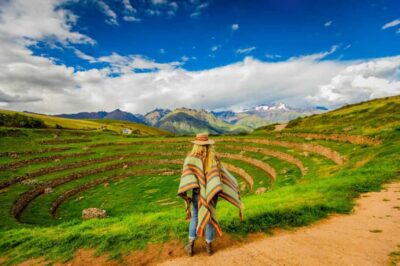
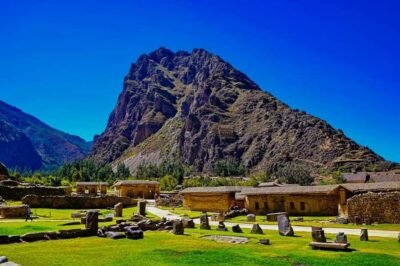

Ollantaytambo: cobbled streets, drainage channels, and a long resistance story
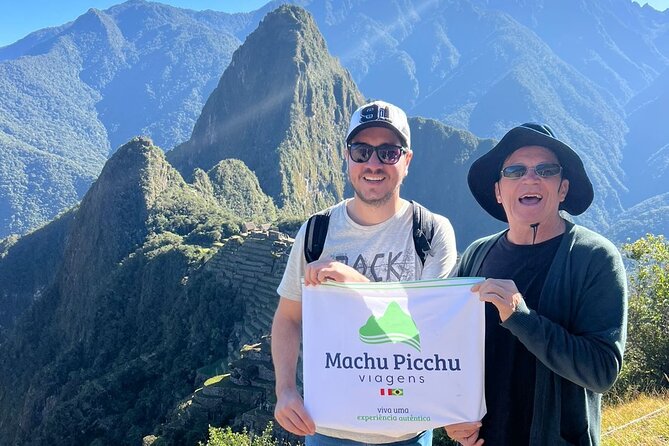
You finish Day 1 with Archaeological Park Ollantaytambo for about 1 hour. What makes this stop click is how it’s framed as Inca urban design—you’re not only seeing ruins. You’re seeing the logic of town planning.
The description highlights a few specific features:
- Cobbled streets
- An Inca open draining system
- A story of resilience, including that Ollantaytambo is recognized as the only place that defeated the Spanish army during colonization for almost 50 years
That last part gives the visit emotional weight. Instead of treating history like a photo caption, you get a narrative of people who held their ground.
Why this stop works before Machu Picchu: it teaches you what to look for. When you get to Machu Picchu later, you’ll be listening for how engineers built for the environment, not just where buildings sit.
Train to Aguas Calientes: your evening base for Machu Picchu
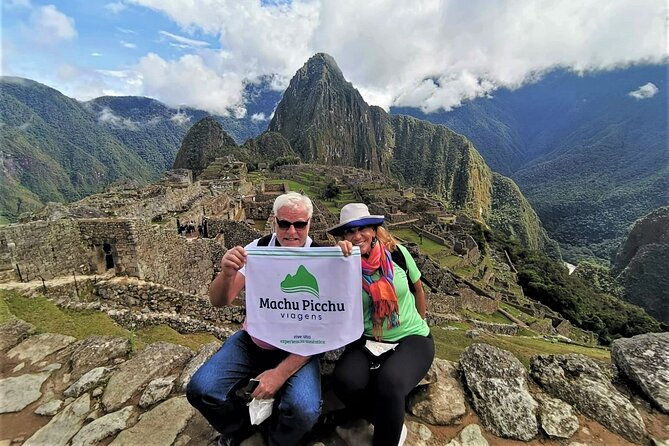
After Ollantaytambo, the tour moves you toward the train station. There’s a short transfer stage (about 15 minutes) to get you to Estación Ferroviaria de Ollantaytambo, then you ride the train to Aguas Calientes.
Key details:
- Train tickets are included round trip
- You travel in Tourist class
- Seat selection isn’t something you can control; PeruRail assigns seating automatically
This is one of those logistics things that can stress people out before the trip. Don’t overthink it. If seat assignment matters to you, plan on being flexible and focus on getting to the right side of the day rather than chasing “perfect seating.”
When you arrive in Aguas Calientes, a guide helps you reach your 3-star hotel, and you’ll have that included 1 night stay. You’re also set for an early start the next morning.
Day 2 Machu Picchu: early bus up, guided entry, and a set return plan
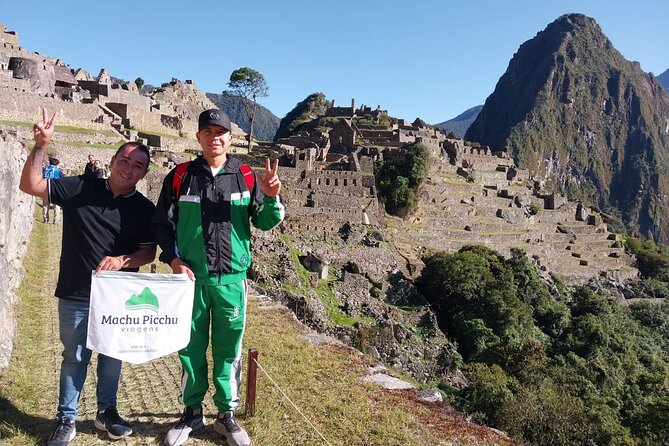
Day 2 starts early with pickup from your hotel. You board a bus to Machu Picchu’s main entrance. The ride is about 30 minutes from Aguas Calientes to the entrance.
At Machu Picchu, you’ll get a professional guided tour with included entrance ticket time. The guide covers the Inca culture and the place’s mysteries and fascinating facts, and your guided time is about 2 hours.
Then you go back down to Aguas Calientes to return to Cusco.
I like how this portion is handled. Machu Picchu is the kind of place where “figuring it out” can become your enemy. When the bus, entrance, and guide plan are set, you can spend your energy looking up, walking, and listening.
Also, your pacing is built around an early morning. That matters because the site is most enjoyable when your first steps aren’t rushed by crowds and confusion.
Poroy and back to Cusco: the train transfer that closes the loop
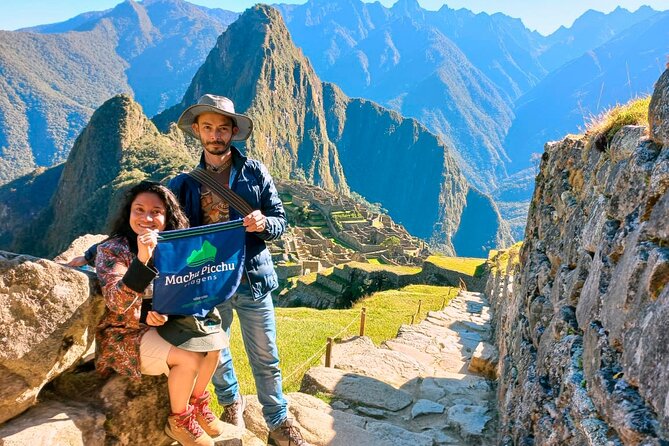
After Machu Picchu, the tour uses a train transfer system that includes Poroy. You take the train to Poroy Train Station, which is described as about 30 minutes away from Cusco, then the team transfers you back to your Cusco hotel (about 15 minutes).
This matters because it turns a long travel day into a sequence you can actually follow. Your schedule isn’t just bus to station to walk and hope. You’re met by your team at each stage.
One day, two days like this one always raise one question: will you feel like you’re mostly traveling? Here, the answer is no. Travel time is real, but it’s attached to specific built-in activities—Pisac, Ollantaytambo, the market, and then your guided Machu Picchu time.
Hotel, breakfasts, and the meals you do not have to plan
Included in the package:
- 1 night in Aguas Calientes at a 3-star hotel
- Breakfast (Day 2 morning is covered by the included breakfast)
- Lunch on Day 1
You’ll handle other meals on your own, but you won’t be stuck hungry while trying to solve logistics. That’s a big part of the value. Most people come to this region for the sights. The tour makes sure you’re not spending precious energy on food hunting.
Aguas Calientes is also where Machu Picchu convenience lives. Staying overnight there is what makes an early start realistic, and that early start is part of the tour’s whole point.
Small-group pacing and guide language: how you’ll actually experience the tour
This is a small-group tour limited to 16 travelers. That’s not a marketing detail. It usually means fewer lost hands in the air, clearer meeting points, and faster help when you’re trying to find the next step.
Language is another key detail that affects your experience. The tour provides a professional guide in Spanish, English, or Portuguese, and it’s not bilingual. So when you book, you’re effectively choosing how the group will be instructed.
One real-world detail from the experience: even when someone ended up in a Spanish-speaking group, the guide Franco translated information into English for that guest. That suggests the guides do care about comprehension. Still, don’t assume translation across languages will always happen the same way—choose the language option that matches what you want most.
Price of $679: what you’re paying for, and what you should still budget
At $679 per person, this isn’t a cheap add-on. But it’s also not just a guided walk. You’re paying for a full machine of tickets, transportation, and overnight lodging.
Included costs cover:
- Machu Picchu entrance ticket
- Round trip bus ticket to Machu Picchu
- Train tickets Ollantaytambo ↔ Aguas Calientes (round trip, tourist class)
- Sacred Valley guided tour
- Pisac & Ollantaytambo entrance ticket
- Hotel night in Aguas Calientes (3-star)
- Lunch and breakfast
- Cusco hotel pickup and drop-off
- Transport to and from Ollantaytambo and Poroy
- 24 hours assistance and personalized concierge
What costs extra:
- Huayna Picchu hike ticket (optional, not included, and must be booked in advance)
- Tips and personal expenses
- Travel insurance
- Any meals and drinks not listed
How to judge the value for yourself: if you were to book separately—hotel, train, tickets, and guided entry—you’d likely spend time and money juggling schedules. This package charges you for that problem-solving.
If you hate planning, this is often the better deal. If you love arranging everything yourself, you might find cheaper options—but you’ll be accepting more uncertainty.
Practical tips for a smooth two days (based on the tour setup)
Here’s how to make the tour feel easier, not harder:
- Plan for early mornings. Pickup is set around 8:00 am, and departures run between 7:30 am and 8:00 am depending on pickup address. Your exact time is confirmed based on your hotel.
- Expect some walking and altitude adjustment. The tour asks for moderate physical fitness. Pisac sits around 3,300 meters, so pace yourself on the first big morning.
- Remember passport details. You’ll need your passport information to book both the train and the Machu Picchu entrance ticket.
- Don’t count on choosing train seats. PeruRail assigns seats automatically, so pack patience with the rest of your gear.
- Know your optional hike decision early. If Huayna Picchu matters to you, it’s not included and must be reserved in advance.
One more practical thought: the bus ride and train rides are part of the experience. A review noted the bus is comfortable but with small leg rooms. So if you’re tall or have stiff knees, pick shoes that make walking easier and stay mindful during longer seated stretches.
Who this tour suits best
This tour fits best if you want:
- A guided, low-planning route connecting Sacred Valley to Machu Picchu
- Small-group attention with up to 16 people
- A full day of culture first, then the big-ticket site with expert explanation
- Included hotel night in Aguas Calientes, so you can do Machu Picchu early
It may not be your best match if you want total freedom to linger and wander without schedules, or if you strongly prefer custom itinerary building. This is a structure tour. The upside is less stress. The tradeoff is fewer choices.
It’s also a good fit for adults who can handle moderate activity. Kids under 5 don’t pay as long as they don’t occupy a seat, which can help families plan.
Should you book this Machu Picchu & Sacred Valley 2-Day Tour?
I’d book this tour if you want the classic route done in a way that keeps you moving with support: pickup in Cusco, Sacred Valley highlights, train to Aguas Calientes, and then a guided Machu Picchu visit with tickets handled. The inclusion list is the big selling point—hotel, major entries, and transportation—because it reduces the part of travel that usually steals time and energy.
But book with your eyes open. Two days means early starts and a lot of motion, and the experience depends on weather. If you know you’ll be okay with that, this is a strong value way to check off one of the New7Wonders of the World without turning your vacation into a logistics project.
FAQ
How many people are in the tour group?
The tour is limited to a maximum of 16 passengers, which is designed to keep the experience more personal.
What languages does the professional guide speak?
The guide is provided in Spanish, English, or Portuguese. It is not a bilingual tour.
What’s included for Machu Picchu?
You get a guided Machu Picchu tour, the Machu Picchu entrance ticket, and a round trip bus ticket to Machu Picchu.
Is Huayna Picchu included?
No. Admission tickets to Huayna Picchu are optional and not included. If you want it, you must book it in advance.
What do I need to provide before the tour?
You’ll need your passport details so the operator can book your train and Machu Picchu entrance tickets.
What happens if weather is bad?
The tour requires good weather. If it’s canceled due to poor weather, you’ll be offered a different date or a full refund.
More Tour Reviews in Cusco

Deeper Into the Sacred Valley


Machu Picchu, More Ways In
Recent write-ups from around Cusco, just off the trail
- Cuzco: Rainbow Mountain Excursion
★ 5.0 · 3 reviews - 1 day excursion to Qeswachaka bridge and the 4 lagoons
★ 3.6 · 3 reviews - Waqrapukara 1 day trekking + meals
★ 3.9 · 3 reviews - Valle Sur Cusco | half day
★ 4.3 · 3 reviews - Full-Day Condor Viewpoint & Inca Sites Tour
★ 5.0 · 3 reviews
Machu Picchu Tours & Tickets, compared.
 ★ 4.7From Cusco: Full-Day Group Tour of Machu PicchuFrom $3211,767 reviews
 ★ 4.5Machu Picchu Day Trip from CuscoFrom $3361,644 reviews
 ★ 4.6Machu Picchu: Full-Day Tour from Cusco with Optional LunchFrom $283927 reviews
 ★ 4.84-Day Inca Trail to Machu Picchu with AccommodationFrom $470432 reviews
 ★ 4.6From Cusco: 2-Day Trip to the Sacred Valley and Machu PicchuFrom $370265 reviews
 ★ 4.9Machu Picchu 2-Day Inca Trail with Panoramic TrainFrom $582260 reviews
 ★ 4.2From Cusco: 2-Day Inca Trail to Machu PicchuFrom $290244 reviews
 ★ 4.9Machu Picchu: Inca Trail 2-Day Overnight Guided TourFrom $585203 reviews
Browse the lists this tour appears in