
REVIEW · SACRED VALLEY TOURS
Sacred Valley: Chinchero, Maras, Moray, Ollantaytambo Private or Small-Group
Cusco’s Sacred Valley feels like a time machine, but in a good way. This day trip strings together Chinchero textile traditions and major Inca engineering stops—so you’re not just looking at ruins, you’re learning how people lived and farmed. I especially like how the route keeps moving without feeling rushed, and the small-group/private format gives you real chances to ask questions.
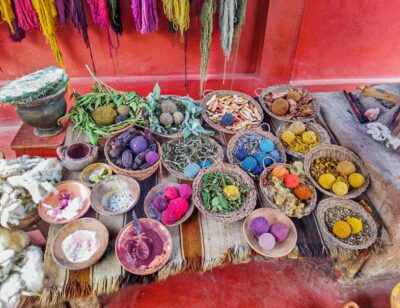
I also like that you get hands-on cultural detail early, including traditional women’s tissue and coloring techniques in Chinchero. Then the day pivots to practical history—Inca agriculture at Moray and the famous salt pools at Maras—so the sites feel connected instead of random.
One drawback to plan for: admission fees and lunch are not included, and you’ll spend a fair chunk of the day riding between stops. If you dislike long drives, pack snacks and treat the transit time as part of the experience.
In This Review
- Key Highlights You’ll Care About
- A One-Day Sacred Valley Route That Actually Makes Sense
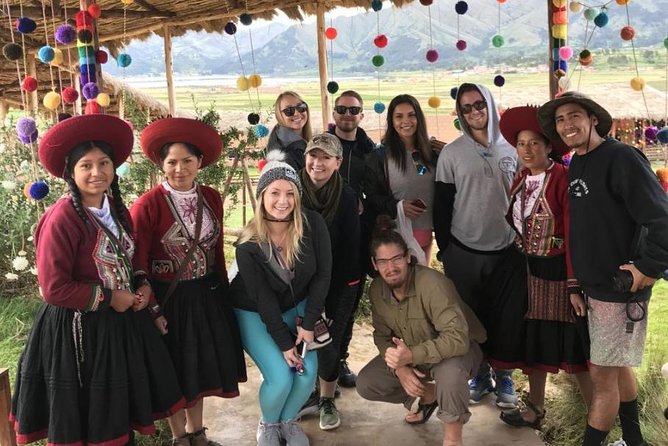
- Chinchero: Tissue and Coloring Techniques Up Close
- Moray: The Inca Agricultural Testing Site (Crater Terraces)
- Salinas de Maras: 3,000 Salt Pools on a Mountain Side
- Ollantaytambo: Temple of the Sun and Manyaraqui Square
- How the Driving Time Fits the Experience
- Lunch and Admission Fees: Budget Reality Check
- Private or Small-Group Attention: What It Means Day-to-Day
- Weather, Timing, and the Last-Mile Details
- Who This Tour Fits Best (And Who Might Prefer Something Else)
- Should You Book This Sacred Valley Tour?
- FAQ
- What’s the duration of the Sacred Valley tour?
- What time does the tour pick you up and when do you return?
- Are entrance fees included for Chinchero, Moray, Maras, and Ollantaytambo?
- Is lunch included?
- Does the tour include hotel transfers from Cusco or the Sacred Valley?
- How many people are on the tour?
- Is there a guide, and what languages do they speak?
- What does the tour provide for safety?
- Is the tour affected by weather?
Key Highlights You’ll Care About
- Chinchero textiles: watch tissue and coloring techniques tied to local traditions
- Moray’s agricultural testing: crater-like terraces used to study growing temperatures
- Salinas de Maras salt pools: about 3,000 pools fed by a mountain stream
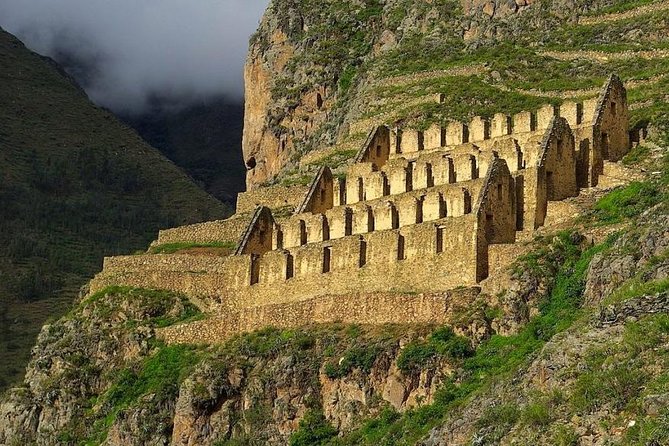
- Ollantaytambo’s stone terraces: Temple of the Sun and Manyaraqui Square views
- Bilingual guidance + small groups: English/Spanish support and personal attention
More of the Sacred Valley, village by village
- Sacred Valley: Chinchero, Moray, Ollantaytambo & Pisac+Lunch★ 4.8 · 501 reviews
- Sacred Valley: Maras & Moray by Quad Bike from Cusco★ 4.6 · 418 reviews
- From Cusco: 2-Day Trip to the Sacred Valley and Machu Picchu★ 4.6 · 265 reviews
- Full-Day Excursion to Sacred Valley, Pisac and Ollantaytambo from Cusco★ 4.5 · 174 reviews
A One-Day Sacred Valley Route That Actually Makes Sense
This is the kind of Sacred Valley day trip that works because it connects ideas. You start with Chinchero’s textile knowledge, then you move into how the Inca managed crops and resources, and you end with Ollantaytambo’s impressive stone engineering. Even if you’re not an architecture nerd, you’ll notice the theme: Inca Peru wasn’t just about monuments. It was about systems—craft, farming, and logistics.
The schedule is built around a long-ish day: pick-up around 8am from Cusco or Sacred Valley hotels, then a return by 4–5pm. Total time on the ground varies by pace and conditions, but it’s typically 8 to 9 hours. You’ll be driving between towns and sites, and those views through the Andes are part of the reward.
A big value point here is that you get round-trip transfers plus a bi-lingual guide (English/Spanish). That matters because Sacred Valley sites are easier to appreciate when someone can translate the why behind what you’re seeing. You’re not stuck reading signs while the day slips away.
Chinchero: Tissue and Coloring Techniques Up Close
Chinchero is a strong opening stop because it’s not only about stone. You’re there for living craft traditions—especially traditional women’s tissue work and the coloring techniques used by locals. This is the moment where you shift from “Inca facts” into “Inca culture.”
You’ll spend about 1 hour at the archaeological complex area. Admission isn’t included, so you’ll want to plan for the site fee. What I like about this stop is that it gives you a lens for the rest of the day. Textile knowledge isn’t separate from the Inca story; it’s part of identity, skill, and the daily work that supported communities.
Practical tip: if you’re the type who likes to ask questions, Chinchero is a great place to do it. You can usually get more context here than at the bigger ruins, and your guide can steer you toward what to look for as you move.
Moray: The Inca Agricultural Testing Site (Crater Terraces)
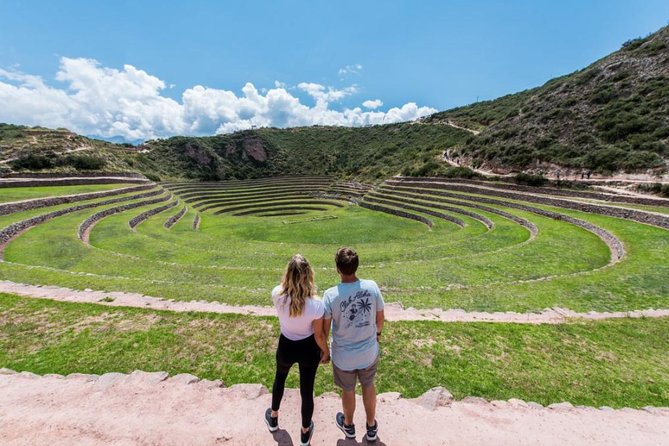
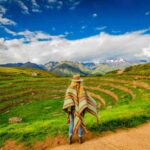
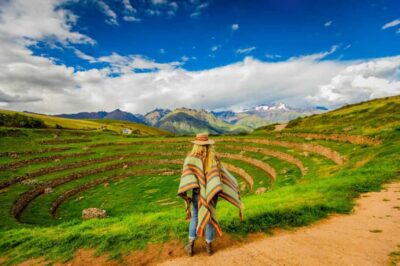
Next comes Moray, the Inca agricultural testing site built into a series of terraces that look like a natural bowl from above. The big idea is temperature control. The Incas carved out dome-like shapes to experiment with growing conditions for different crops.
In your visit, plan for about 40 minutes of exploring. You’re walking around terraces and getting a feel for how intentionally “designed nature” can help farmers. Even the time you spend standing and looking matters here, because the terraces change how you perceive the site. You’ll understand faster if you pause and let the guide point out the reason behind the shape.
This is also one of the stops where your guide’s timing helps. If you walk quickly, you’ll miss the agricultural logic. If you take it slow, you’ll start connecting Moray with Chinchero’s craft side—because both are forms of applied knowledge.
Salinas de Maras: 3,000 Salt Pools on a Mountain Side
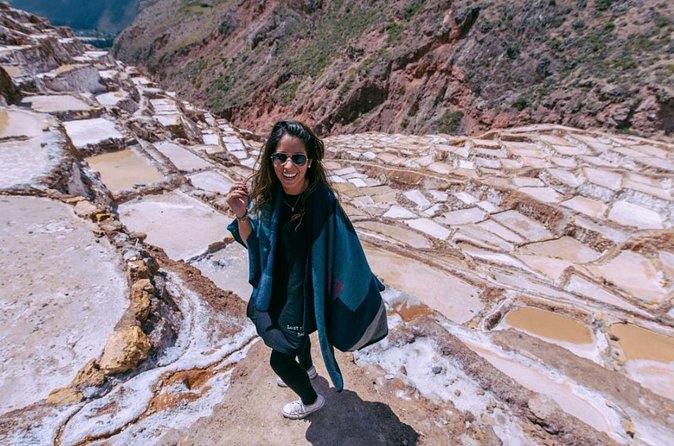
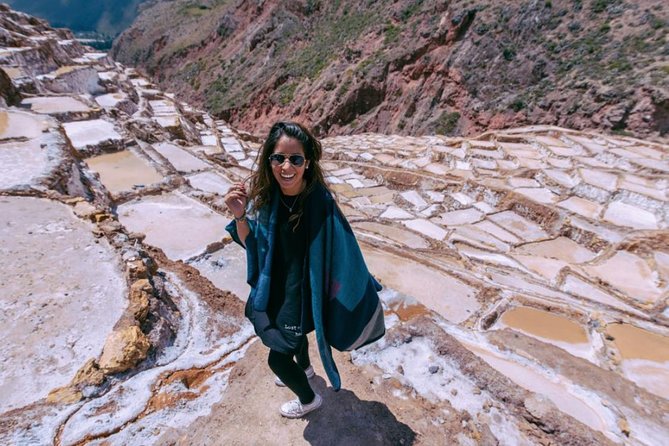
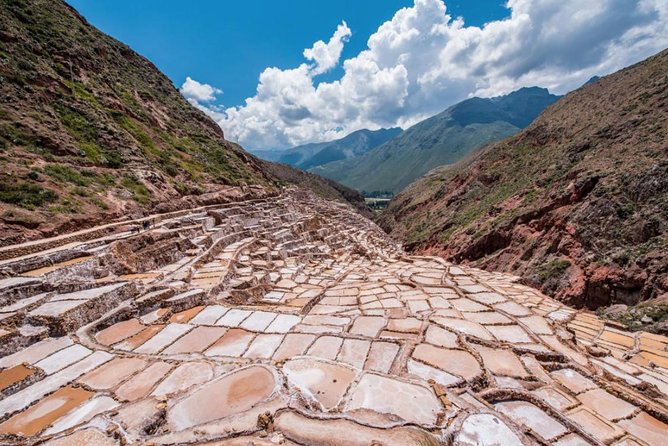
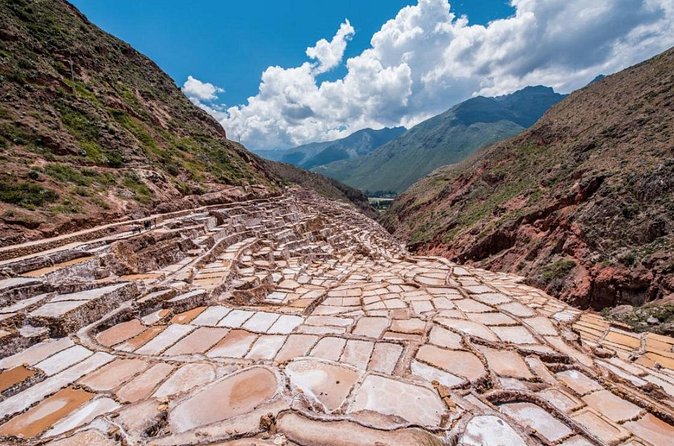
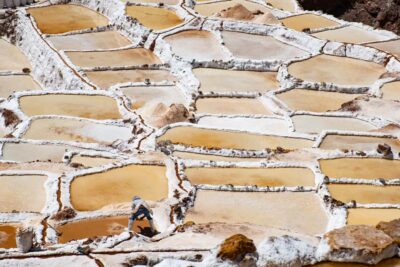
Then you get to Maras, and it’s a sensory change. You’re no longer in a study of agriculture—you’re in a resource site. Salinas de Maras refers to the salt mines, with origins that date back to pre-Inca times. You’ll see roughly 3,000 salt pools carved into the mountain, fed by a mountain stream of water.
Your time here is about 40 minutes. The area rewards careful looking: the pools, the water flow, and the way the mountain environment shapes how the salt-making process works. It’s also visually striking in a way that’s different from the stone-and-terrace look of other sites.
One thing to keep in mind: because this is an active-style production landscape (even if it’s historic), it can feel more exposed than a covered ruin. Dress for changing conditions and bring what you need for sun and wind.
More Maras salt pans and Moray terraces
Ollantaytambo: Temple of the Sun and Manyaraqui Square
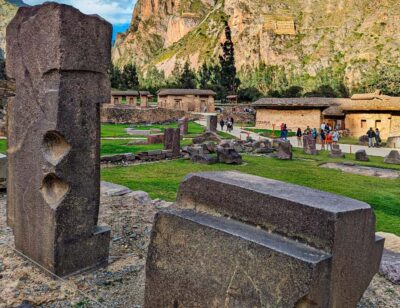
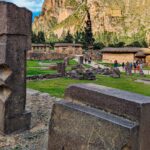
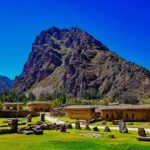
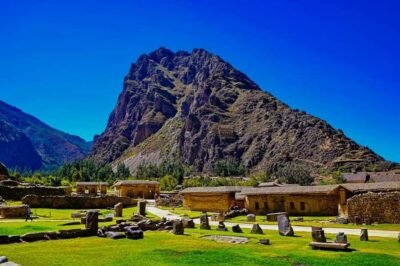
Your final stop is Ollantaytambo, a massive Inca fortress area known for its terraces and stone structures on a hillside. This is where the day delivers its biggest “wow” in terms of scale.
You’ll visit for about 30 minutes at the archaeological park area. Expect to see notable features like the Temple of the Sun and Manyaraqui Square, along with the large stone blocks, terraces, and steps that lead up to higher points.
Because the time is shorter here, I’d treat Ollantaytambo like a “best-of” visit: don’t try to see everything. Instead, pick a couple of viewpoints and let your guide orient you. If you do that, the site will land better than if you try to sprint through.
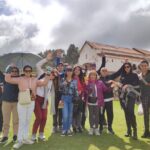
Also, this is a good place to take photos, not as a chore, but as a way to remember the details later. In the reviews, guides were praised for taking great pictures of guests—so if you want a few clean shots, ask. It can save you time and frustration.
How the Driving Time Fits the Experience
The route includes a lot of movement. After leaving the Cusco area, you’ll drive roughly 45 minutes and pass through smaller towns and valleys before reaching the main sites. Then there are shorter drives between Moray, Maras, and Ollantaytambo (including a noted stretch of about 15 minutes between stops).
This driving time is not wasted. It’s how you get your bearings for Sacred Valley geography, and it’s when you get those Andes views that make the whole day feel like more than a checklist. Still, it can feel long if you’re tired or if you’re prone to motion discomfort.
What I suggest: take water, wear comfortable shoes, and don’t plan anything tight right after you return. Cusco is already high enough on your body; the day’s effort plus road time adds up.
Lunch and Admission Fees: Budget Reality Check
This tour is priced at about $148.72 per person. The big included value is private transportation, a bi-lingual guide (English/Spanish), and first aid kit / oxygen, plus round-trip pickup and drop-off from Cusco or Sacred Valley hotels.
But two costs sit outside the base price:
- Lunch is not included
- Admission fees are not included and are listed as about $30 per person for the sites
When you’re deciding if it’s a good deal, treat that extra admission cost as part of the real total. Also, lunch matters because your day is timed to keep you moving, so you’ll want a meal you can actually enjoy rather than grabbing something rushed.
In the experience’s best versions, the day ends up feeling worth it because admissions and transit are covered by organization, not luck. If you’d rather pick your own places for lunch, bring that preference into your planning so you’re not caught hungry at an awkward moment.
Private or Small-Group Attention: What It Means Day-to-Day
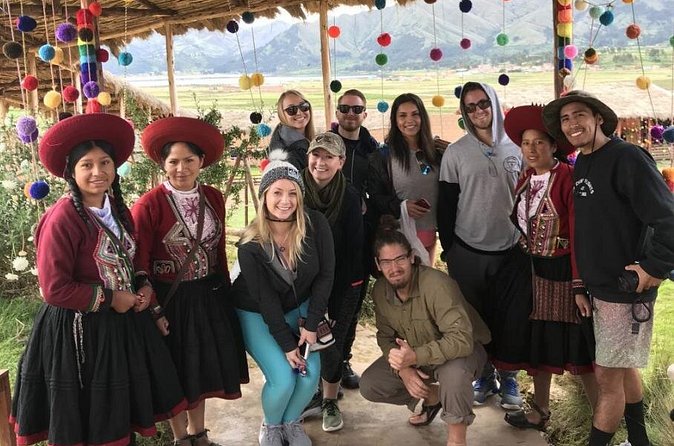
This experience is set up so you don’t blend into a crowd. The tour description emphasizes private participation (your group only). Even if you booked an option marketed as small-group, the key promise is the same: you get more direct attention from your guide.
That matters because Sacred Valley sites can be overwhelming fast. When your guide can pause, answer questions, and re-check details for your group, you actually remember what you saw. In the reviews connected to this tour, guides were repeatedly praised for being professional, for knowing their material, and for helping people who had trouble climbing—one traveler even noted guide support all the way when they struggled.
Two guide names came up in the feedback you shared: Noe and Guillermo. That’s a good sign for service consistency. A great guide can also make a short stop at Ollantaytambo feel meaningful instead of hurried.
Weather, Timing, and the Last-Mile Details
This tour requires good weather. That’s practical: sites like Maras and Moray aren’t the kind of places where you can fully recreate the experience if conditions are poor. If weather cancels the trip, you’ll be offered another date or a full refund.
Timing is also important. You’re picked up in the morning, then you’re back in Cusco around 4–5pm. If you’re managing altitude fatigue or you’ve got evening plans, pick something low-key. You’ll be tired in the best way.
And keep in mind that day-of operations can sometimes include last-minute adjustments. One review noted a guide cancellation and reassignment the night before, with a solo tour combined with another person. The practical lesson: stay flexible. This kind of tour runs with real humans, real drivers, and real schedules.
Who This Tour Fits Best (And Who Might Prefer Something Else)
I think this is a strong choice if you want:
- A single day that covers multiple Sacred Valley highlights
- Textile culture plus major Inca sites (agriculture, salt production, and fortress architecture)
- A guide who can explain what you’re seeing and help you navigate
It’s also a good fit if you like structured sightseeing but still want time for questions—especially at Chinchero and Moray, where the meaning is easier to grasp with guidance.
You might want to consider a different pace if:
- You hate long drives and want minimal transit
- You’re very sensitive to walking and stairs (Ollantaytambo includes terraces and steps; the tour duration is short but the terrain is active)
Should You Book This Sacred Valley Tour?
I’d book it if you’re in Cusco for a limited time and you want the “most understood” version of Sacred Valley in one efficient day. The combination is smart: Chinchero textiles, Moray’s farming experiments, Maras salt pools, and Ollantaytambo’s fortress terraces. It’s a clean story arc, and the bilingual guide plus hotel pickup removes a lot of effort.
I’d hesitate only if your budget is tight and you don’t want to handle extra costs like admissions and lunch, or if you’re strongly averse to spending much of the day in the car.
If you’re deciding between doing it on your own versus with a guide, this tour gives you the advantage of context. You’re not just checking boxes—you’re learning why these places matter.
FAQ
What’s the duration of the Sacred Valley tour?
It runs about 8 to 9 hours total.
What time does the tour pick you up and when do you return?
Pickup is at 8am, and you return to Cusco around 4–5pm.
Are entrance fees included for Chinchero, Moray, Maras, and Ollantaytambo?
No. Admission fees are not included, and the listed total is about $30 per person for those sites.
Is lunch included?
No. Lunch is not included.
Does the tour include hotel transfers from Cusco or the Sacred Valley?
Yes. You get round-trip transfers from Cusco or Sacred Valley hotels.
How many people are on the tour?
The experience is described as private, meaning only your group participates. The title also mentions private or small-group, so what you get can depend on what you choose.
Is there a guide, and what languages do they speak?
Yes. You’ll have a bi-lingual guide (English / Spanish).
What does the tour provide for safety?
The tour includes a first aid kit and oxygen.
Is the tour affected by weather?
Yes. The experience requires good weather. If it’s canceled due to poor weather, you’ll be offered a different date or a full refund.
If you want, tell me your travel month and whether you’re booking the private option—then I can help you map out a tight plan for what to do with the rest of your Cusco days.
More Pisac and Ollantaytambo

More Salt Pans and Terraces
Deeper Into the Sacred Valley
Recent write-ups from around Cusco, just off the trail
- Cuzco: Rainbow Mountain Excursion
★ 5.0 · 3 reviews - 1 day excursion to Qeswachaka bridge and the 4 lagoons
★ 3.6 · 3 reviews - Waqrapukara 1 day trekking + meals
★ 3.9 · 3 reviews - Valle Sur Cusco | half day
★ 4.3 · 3 reviews - Full-Day Condor Viewpoint & Inca Sites Tour
★ 5.0 · 3 reviews
Sacred Valley Tours, compared.
 ★ 4.8From Cusco: Sacred Valley & Maras Salt Mines Tour with LunchFrom $282,227 reviews
 ★ 4.6Sacred Valley, Pisac, Ollantaytambo, Salt Mines MorayFrom $281,058 reviews
 ★ 4.8Sacred Valley: Chinchero, Moray, Ollantaytambo & Pisac+LunchFrom $25501 reviews
 ★ 4.6Sacred Valley: Maras & Moray by Quad Bike from CuscoFrom $39418 reviews
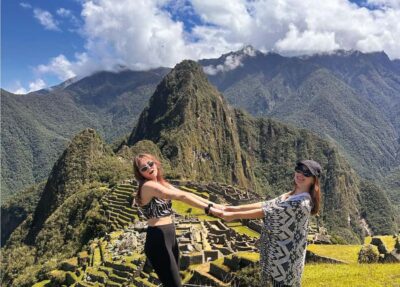 ★ 4.6From Cusco: 2-Day Trip to the Sacred Valley and Machu PicchuFrom $370265 reviews
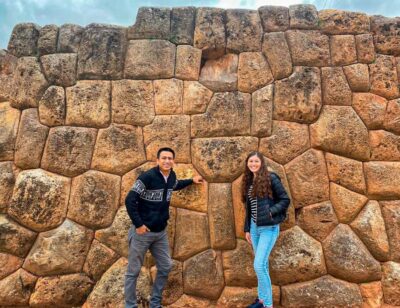 ★ 4.8Sacred Valley Pisaq,Ollantaytambo,Chinchero with LunchFrom $28183 reviews
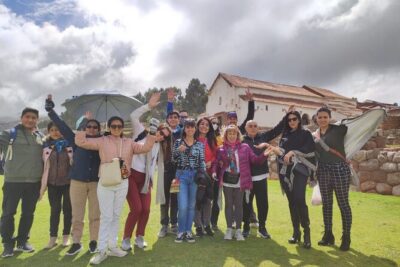 ★ 4.5Full-Day Excursion to Sacred Valley, Pisac and Ollantaytambo from CuscoFrom $47174 reviews
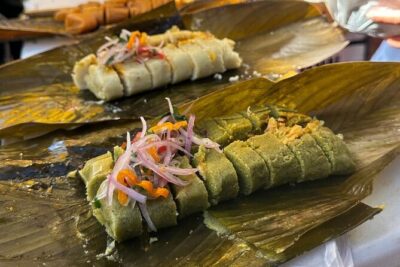 ★ 5.0Food and Culture Full day Tour in the Sacred ValleyFrom $200144 reviews
Browse the lists this tour appears in