
REVIEW · SACRED VALLEY TOURS
Sacred Valley Vip Cusco
Five Sacred Valley stops, one long day.
This small-group tour strings together big Inca places and a colonial church, with a live guide in English or Spanish. You’ll start at 7:00 am, hit Chinchero, Moray, Maras, Ollantaytambo, and Pisac, then roll back to Cusco around 7:00 pm.
I especially like the way Chinchero mixes Inca wall construction with a colonial church and a textile stop, so the story isn’t stuck in one era. I also like how Moray and Maras Salt Mines connect practical Inca engineering with dramatic visuals, including over 3,000 salt wells.
One thing to watch: the day is long, and timing matters. Also, double-check the Maras Salt Mines entrance cost, because an app number may not match what you’re asked to pay on site.
In This Review
- Key highlights to know before you go
- A full-day Sacred Valley run that’s built for first-timers
- Chinchero’s Inca walls, colonial church, and textile stop
- Moray’s circular terraces and the Inca’s science of farming
- Maras Salt Mines: 3,000+ wells and the one cost to budget
- Urubamba buffet lunch: the reset point you’ll be glad you planned
- Ollantaytambo, the last living Inca city feeling
- Pisac market for handicrafts plus the Inca stone park
- Your day pacing: how to survive 12 hours without rushing ruins
- Price and value for a five-stop Sacred Valley day
- Should you book Sacred Valley Vip Cusco?
- FAQ
- What does the Sacred Valley tour include?
- How long is the tour?
- What time does the tour start and when do you return to Cusco?
- How many people are in the group?
- What languages are the live guides available in?
- What will I see in Chinchero?
- Is there anything I should budget for at Maras Salt Mines?
Key highlights to know before you go
- Chinchero’s blend of eras: Inca walls, a colonial church, and a textile center
- Moray’s circular terraces: an Inca agricultural site built for experimentation
- Maras salt wells (3,000+): thousands of small wells carved into the mountainside
- Urubamba buffet lunch: a full meal break before Ollantaytambo
- Pisac for buying handicrafts: market time plus the Archaeological Park of Pisac
More of the Sacred Valley, village by village
- Sacred Valley: Chinchero, Moray, Ollantaytambo & Pisac+Lunch★ 4.8 · 501 reviews
- Sacred Valley: Maras & Moray by Quad Bike from Cusco★ 4.6 · 418 reviews
- From Cusco: 2-Day Trip to the Sacred Valley and Machu Picchu★ 4.6 · 265 reviews
- Full-Day Excursion to Sacred Valley, Pisac and Ollantaytambo from Cusco★ 4.5 · 174 reviews
A full-day Sacred Valley run that’s built for first-timers
This is a true one-day circuit. The schedule is packed, but that’s the point: you get to compare several key Sacred Valley stops in the same day, rather than choosing just one or two.
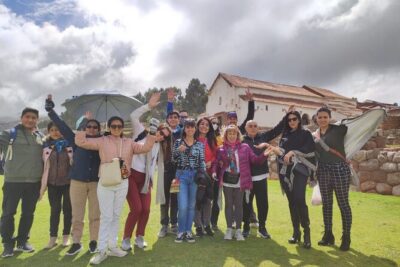
The format is also part of the value. With a small group capped at 10, the guide can actually keep your bearings as the route changes. It’s a live tour with Spanish and English, so you’re not stuck reading plaques you can’t understand.
That long stretch from 7:00 am to about 7:00 pm is the main trade-off. You’ll want to pace yourself, because you may be doing a mix of looking, walking around viewpoints, and moving between towns for hours. If you prefer slow travel, this might feel like too much. If you want a solid “greatest hits” day with a guide, it fits.
Provider note: the operator is Uyuni Experience EIRL, so you’ll want to confirm any pickup/drop-off details directly with them ahead of time.
Chinchero’s Inca walls, colonial church, and textile stop
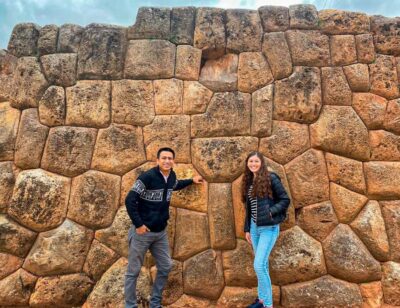
Chinchero is where the tour sets its tone. You’ll start by seeing Inca wall constructions—stonework that still looks sharp even when you’re surrounded by modern buildings. It’s the kind of stop where a guide helps you read what you’re seeing instead of just snapping photos and moving on.
Then comes the colonial church. That contrast matters. In a few hours you go from Inca construction to a Spanish-era religious building, which helps explain how these places kept being reused and reshaped after the Inca period.
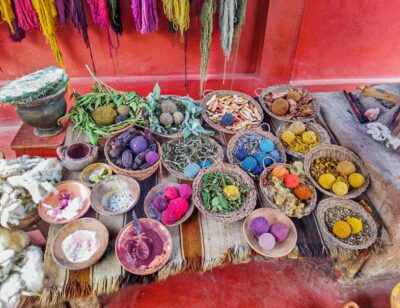
You also visit the textile center in Chinchero. This is a practical stop, because it’s tied to what people still make and sell. If you like fiber arts, it’s easier to appreciate what you’re seeing when you understand it’s not just a craft demo—it connects to local production and design traditions.
What to consider here: Chinchero is early in the day, and that’s a good thing. It gives you fresh energy before the route turns into more moving, more stairs, and more time outdoors. But it’s also one of the stops where you’ll likely feel the “one-day intensity” if you arrive without a plan for how you want to spend your photo time.
Moray’s circular terraces and the Inca’s science of farming
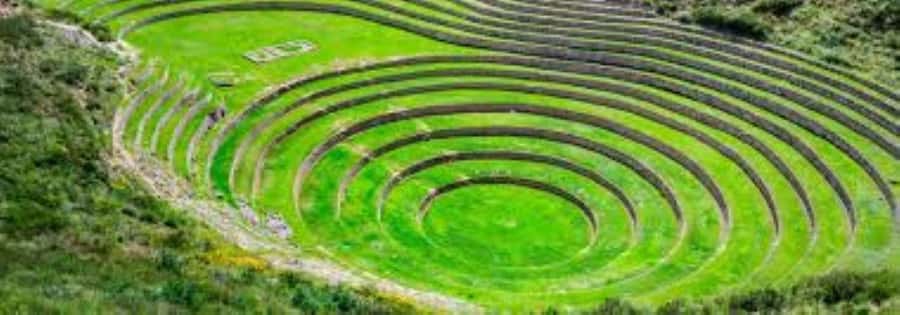
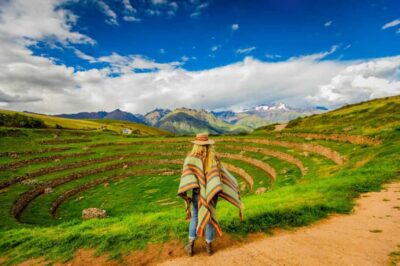
Moray is the tour’s “wait, how did they do that?” moment. You’ll see the circular terraces, an agricultural site from Inca times. The layout is unusual at first glance, and that’s exactly what makes it memorable.
Why it works on a guided tour: your guide can point out how the terraces were used as a controlled farming environment. Even if you know basic Inca agriculture, Moray’s design makes you see the idea more clearly. The shape isn’t just for drama—it’s tied to how crops could be experimented with.
This stop is also a nice rhythm change. Chinchero gives you human history stacked on top of history. Moray gives you a more “systems” feel: how people designed land to help them grow food better. It’s one of those places where you can stand back, look, and start forming your own theory before the guide fills in the details.
What to plan: Moray is an outdoor site, so you’ll want to give your body a chance to rest between viewpoints. If you tend to rush, you’ll miss the moment when the terraces click into place visually.
Maras Salt Mines: 3,000+ wells and the one cost to budget
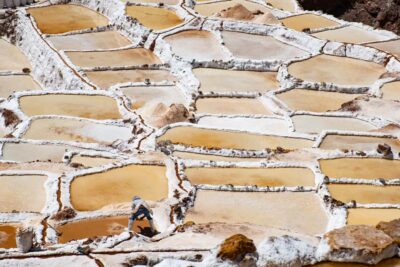
Maras Salt Mines are scenic in a very direct way: you’re looking at thousands of small salt wells spread across a slope. The tour highlights that there are over 3,000 salt wells, and when you’re there, that number stops being trivia and starts being the whole visual.
This stop is also historically meaningful. The wells were historically used by the Incas, so the salt isn’t just a modern souvenir backdrop. It’s a working tradition that connects landscape, labor, and food supply—exactly the kind of practical knowledge that makes Sacred Valley stops more than just views.
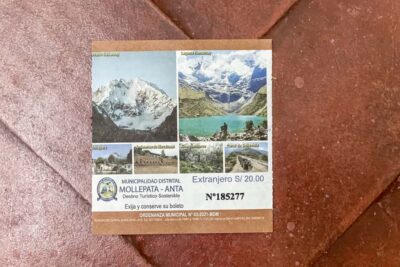
The big practical consideration is money. One important caution: don’t trust every number you see for this site. Budget for the possibility that the entrance fee is around 20 soles, even if an app number shows less. The safest move is to confirm the current on-site cost before you go, or at least have extra small bills on you.
Maras can also be a little visually overwhelming at first, because you’re surrounded by repeating shapes. If you like detail, slow down and pick one or two sections of wells to focus on. That’s how the place turns from “lots of wells” into “a real system.”
Urubamba buffet lunch: the reset point you’ll be glad you planned
After Maras, the tour heads to Urubamba for a buffet lunch. This is more than a meal break. It’s your chance to regroup before the late afternoon stretch, when the itinerary turns into another long sequence of walking, scanning ruins, and moving between towns.
I like this stop because buffet lunch is usually flexible for timing. You’re not stuck with one long wait for one dish. And since you’re eating during a busy circuit day, efficiency matters.
What you should do: treat lunch as your energy checkpoint. If you need water or a quick snack for later, this is where you do it rather than hoping you’ll find it at the next stop. Also, don’t underestimate how lunch can affect your pace—if you eat lightly, you’ll likely feel better for the remaining sites.
Urubamba is also a reminder that Sacred Valley isn’t only archaeology. It’s a lived-in region, and the lunch stop helps keep the day from turning into a nonstop museum marathon.
Ollantaytambo, the last living Inca city feeling
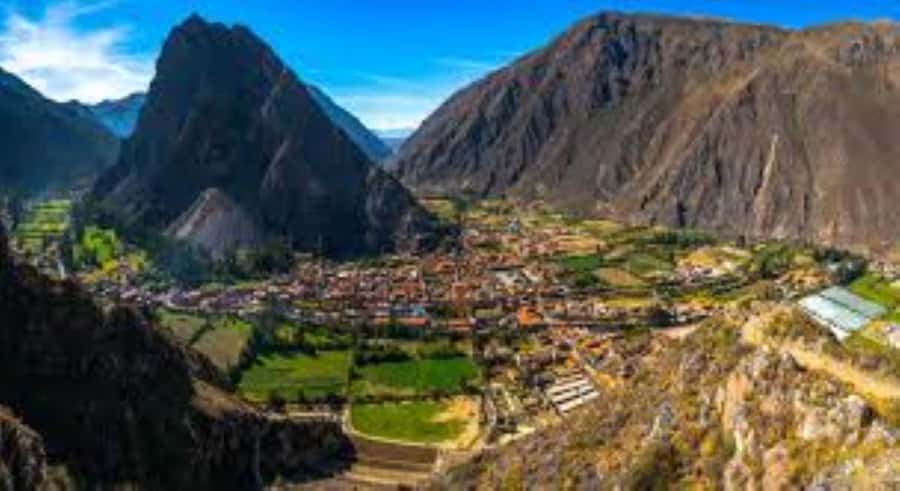
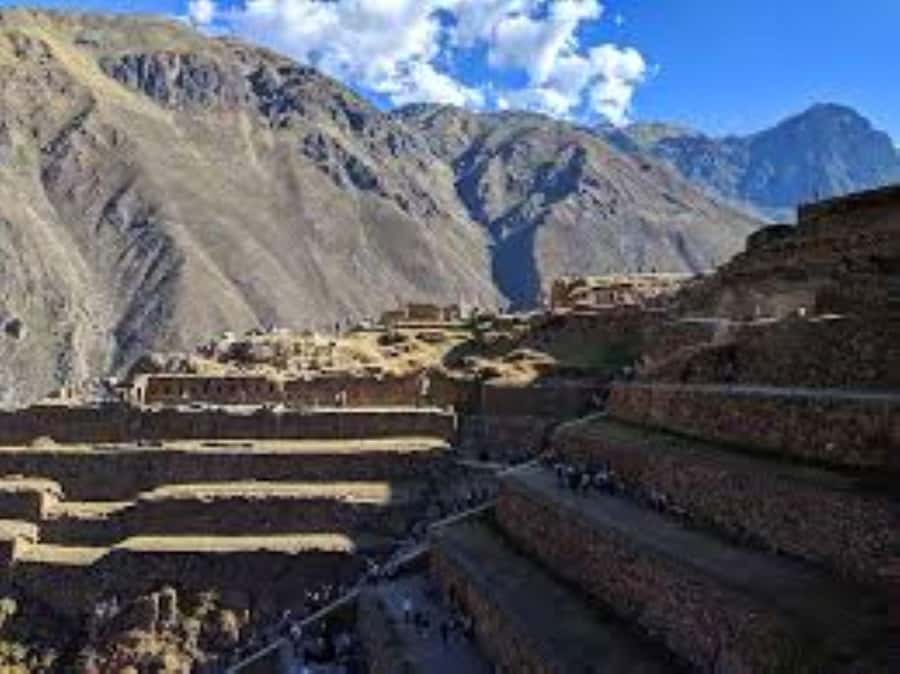
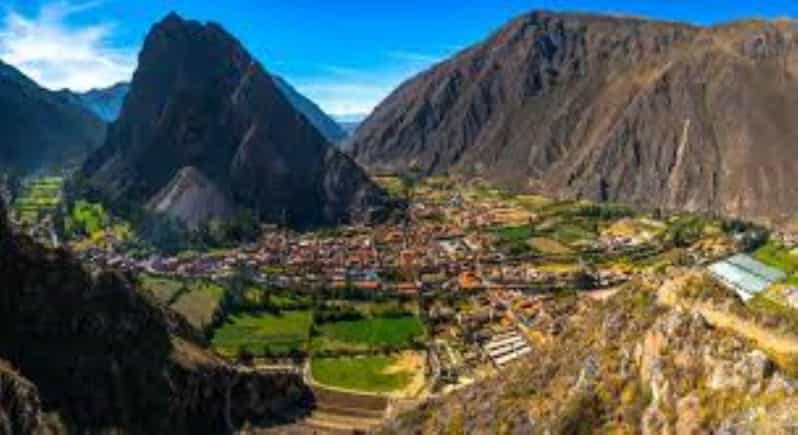
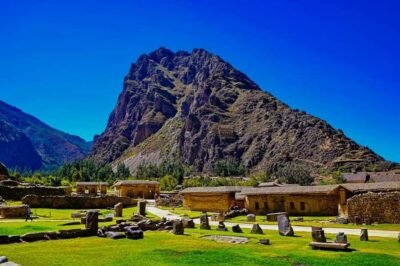
Next up is Ollantaytambo, described as the last living Inca city. That phrase matters because it hints at why the town feels different from an isolated ruin. You’re not just walking through stone leftovers; you’re in a place with continuity in how people occupy the area.
The guide can help you connect what you’re seeing to the city’s role in Inca life. That’s where the stop tends to pay off. Without context, it’s easy to see walls and terraces and move on quickly. With context, it becomes more about planning, defense, and daily life.
What makes this stop work in the tour flow: after Urubamba, you’ll have a short window to shift gears from food and convenience back into history. Ollantaytambo pulls that off well, and it’s one of the best places to slow down for a bit if you’re able.
Drawback to keep in mind: it can be another “walk and look” site, and you may feel the fatigue from an earlier day start. If you know you tire easily, wear comfortable shoes and plan to spend extra time at just a couple viewpoints instead of trying to catch everything.
Pisac market for handicrafts plus the Inca stone park
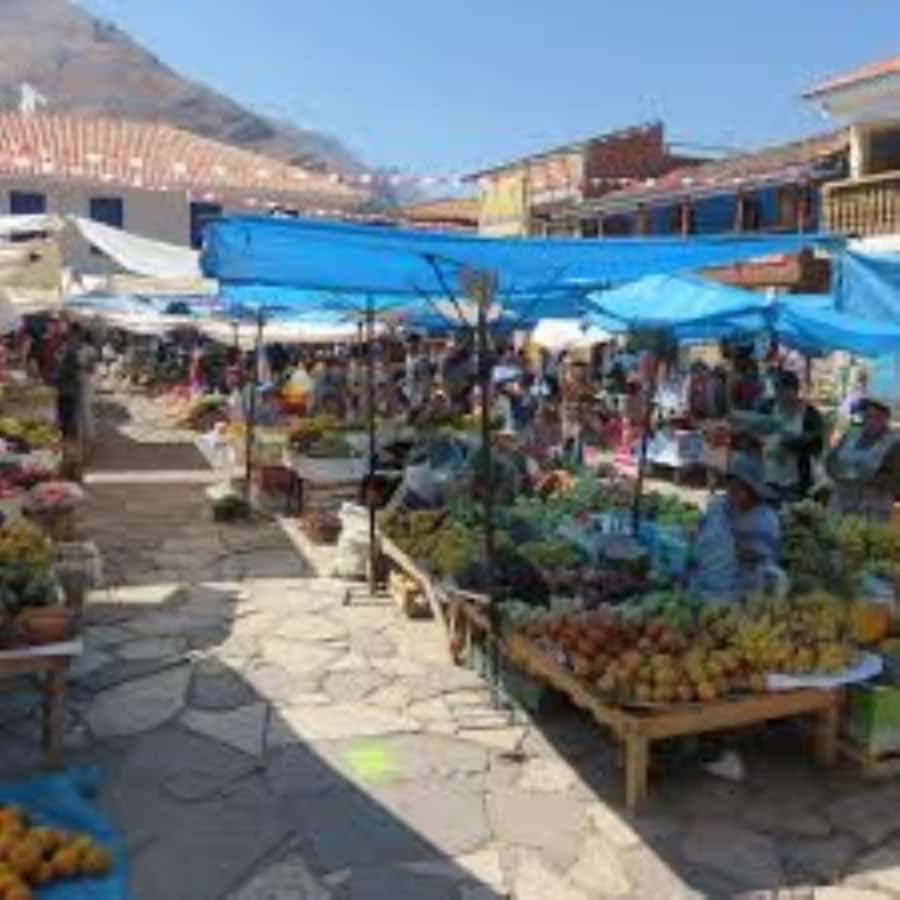
Pisac is two stops in one day. First, you’ll visit the town on the slopes of Intihuatana hill and explore the indigenous market. This is the tour’s shopping window, and it’s also one of the most cultural moments because you’re seeing what local sellers offer.
I like markets in guided days because you get a short, structured window to browse without needing to figure everything out on your own. If handicrafts are on your list, this is where you’ll likely find more choice and better odds of finding something you actually want to take home.
Then you’ll visit the Archaeological Park of Pisac. This is where you can shift from buying to seeing, with finely crafted Inca stone buildings. The change of pace is satisfying: you go from people and trade to stone geometry and historical design.
The best way to enjoy Pisac is to give yourself a simple goal for each part. For the market, decide what you’re shopping for—textiles, smaller crafts, or souvenirs. For the archaeological park, decide what kind of photos you want—wide views of the stonework patterns or closer shots of details the guide points out.
Also, Pisac often becomes an emotional “end of day” stop. By this point, you’ve seen Inca engineering at Moray, salt production at Maras, and town life at Ollantaytambo. Pisac ties those threads together.
Your day pacing: how to survive 12 hours without rushing ruins
This tour runs about 12 hours, starting at 7:00 am and returning to Cusco around 7:00 pm. That’s a full day, so I treat it like a stamina game, not a checklist.
A good approach is to alternate your attention. When you arrive at a stop, give yourself 10 to 15 minutes to look first, then let the guide bring structure. When you’re moving between places, use that time to reset—hydrate, snack if needed, and avoid getting caught staring at your phone the whole ride.
Group size helps here. With only up to 10 participants, you’re less likely to feel like you’re in a huge herd at each site. Still, you should expect some waiting at transitions. If you need exact bathroom timing, plan for it before each major site so you’re not scrambling later.
If you’re sensitive to long days, the itinerary might feel intense. If you enjoy learning fast and seeing a lot in one go, it’s a strong plan. I’d especially recommend it if this is your first time around the Sacred Valley and you want a guided overview that still includes standout sites.
Price and value for a five-stop Sacred Valley day
Even without a listed price here, you can judge the value by what’s included and what’s delivered. This tour gives you a full circuit of five major stops: Chinchero, Moray, Maras Salt Mines, Ollantaytambo, and Pisac—plus a buffet lunch in Urubamba and a live guide in English or Spanish.
That combination is usually where the money makes sense. You’re paying for access, transport between stops, and interpretation that helps you understand what you’re seeing—especially at places like Moray and the Inca stone sections of Pisac.
The one cost to watch is Maras Salt Mines entrance pricing. Since the on-site entrance may be around 20 soles, you should treat that as a separate budget item. Having a little extra cash on hand is smart for this region, where prices can differ from whatever you may see in advance.
Overall, this is the sort of day tour that works best when you want breadth. If you’re the type who prefers a deep, slow study of just one or two ruins, you might feel rushed. If you want the broad “this is what makes the Sacred Valley special” picture, you’ll likely feel satisfied.
Should you book Sacred Valley Vip Cusco?
I’d book it if you want one-day coverage of the core Sacred Valley highlights with a live guide, a small group, and a lunch break that keeps the day realistic. Chinchero’s mix of Inca walls, colonial church, and textiles is a solid opener, and Moray plus Maras gives you two very different ways to see Inca design.
I wouldn’t book it if you hate long days or you need lots of downtime. Also, if you’re very price-sensitive, plan for the Maras Salt Mines entrance cost and confirm it ahead of time, since it may not match what you see somewhere else.
FAQ
What does the Sacred Valley tour include?
It covers Chinchero, Moray, Maras Salt Mines, Ollantaytambo, and Pisac, with a buffet lunch in Urubamba.
How long is the tour?
The duration is 12 hours.
What time does the tour start and when do you return to Cusco?
It starts at 7:00 am and you return to Cusco around 7:00 pm.
How many people are in the group?
The group is small, limited to 10 participants.
What languages are the live guides available in?
The live tour guide is available in Spanish and English.
What will I see in Chinchero?
You’ll see Inca wall constructions and a colonial church, plus a visit to a textile center.
Is there anything I should budget for at Maras Salt Mines?
You should expect to pay an entrance fee at Maras Salt Mines, and it may be around 20 soles.
More Tour Reviews in Cusco

Deeper Into the Sacred Valley


Recent write-ups from around Cusco, just off the trail
- Cuzco: Rainbow Mountain Excursion
★ 5.0 · 3 reviews - 1 day excursion to Qeswachaka bridge and the 4 lagoons
★ 3.6 · 3 reviews - Waqrapukara 1 day trekking + meals
★ 3.9 · 3 reviews - Valle Sur Cusco | half day
★ 4.3 · 3 reviews - Full-Day Condor Viewpoint & Inca Sites Tour
★ 5.0 · 3 reviews
Sacred Valley Tours, compared.
 ★ 4.8From Cusco: Sacred Valley & Maras Salt Mines Tour with LunchFrom $282,227 reviews
 ★ 4.6Sacred Valley, Pisac, Ollantaytambo, Salt Mines MorayFrom $281,058 reviews
 ★ 4.8Sacred Valley: Chinchero, Moray, Ollantaytambo & Pisac+LunchFrom $25501 reviews
 ★ 4.6Sacred Valley: Maras & Moray by Quad Bike from CuscoFrom $39418 reviews
 ★ 4.6From Cusco: 2-Day Trip to the Sacred Valley and Machu PicchuFrom $370265 reviews
 ★ 4.8Sacred Valley Pisaq,Ollantaytambo,Chinchero with LunchFrom $28183 reviews
 ★ 4.5Full-Day Excursion to Sacred Valley, Pisac and Ollantaytambo from CuscoFrom $47174 reviews
 ★ 5.0Food and Culture Full day Tour in the Sacred ValleyFrom $200144 reviews
Browse the lists this tour appears in