
REVIEW · SACRED VALLEY TOURS
Sacred Valley (VIP) – Full Day Trip
One-day tours can work—this one hits a lot of highlights fast. You start with Cusco hotel pickup and a bilingual guide (English and Spanish), then spend a full day bouncing between major Inca-era sites—Chinchero, Moray, Maras, Ollantaytambo, and Pisac—so you leave with a real sense of how the Incas shaped agriculture and stone. The trade-off is pace: it’s a jam-packed itinerary, and a few stops can feel rushed.
I also like the practical details: a buffet lunch in Urubamba with a vegan option, and enough time at each stop to get photos and understand what you’re seeing. If you’re staying outside Cusco hotels (like a private rental), pick-up may not include you, and you’ll also need extra money for key admissions, especially for the salt mines.
In This Review
- Key things to know before you go
- Price and logistics: what your $55 really buys
- The real value of a 12-hour Sacred Valley circuit
- Chinchero: adobe village views and the Sunday-market feel
- Moray: the circular terraces that act like a crop lab
- Maras salt mines: bring cash for the entrance and your best camera
- Ollantaytambo: fortress power and steep-temple stairs
- Pisac: Intihuatana sundial and the legend that turns to stone
- Urubamba lunch: buffet comfort before the climb of the day
- Guides, pace, and the shopping stops reality check
- Who this Sacred Valley VIP trip is best for
- Should you book this VIP day trip?
- FAQ
- How long is the Sacred Valley VIP full day trip?
- Where does pickup happen?
- What’s the price per person?
- Do I need additional tickets beyond the tour price?
- Is the Salt Mines of Maras included in the price?
- What does lunch include?
- Are guides available in multiple languages?
- How big is the group?
- Is free cancellation available?
- When will I get confirmation?
Key things to know before you go
- Hotel pickup in Cusco (not private residences): you’ll need to be at the right place to board.
- Tickets cost extra: plan for the Partial Tourist Ticket plus Maras-related entrance fees.
- Bring cash for admissions: the day runs on sites that can require onsite payments.
- A real buffet in Urubamba: lunch includes a vegan option.
- Bilingual guides can make or break the day: this tour offers English/Spanish guidance, with guides like Richard, Irving, Jhonnatan, and Warner cited for solid explanations.
- Shopping stops may slow you down: some parts of the day can feel like sales time, so decide ahead of time what you’ll say yes to.
More of the Sacred Valley, village by village
- Sacred Valley: Chinchero, Moray, Ollantaytambo & Pisac+Lunch★ 4.8 · 501 reviews
- Sacred Valley: Maras & Moray by Quad Bike from Cusco★ 4.6 · 418 reviews
- From Cusco: 2-Day Trip to the Sacred Valley and Machu Picchu★ 4.6 · 265 reviews
- Full-Day Excursion to Sacred Valley, Pisac and Ollantaytambo from Cusco★ 4.5 · 174 reviews
Price and logistics: what your $55 really buys
At $55 per person, this Sacred Valley VIP day trip is mainly about two things: transportation plus a guided route that strings together the biggest sites in one long day. You’re also getting a buffet lunch in Urubamba (including a vegan option) and hotel transfers within Cusco.
What’s not included is important. You’ll need to purchase a Partial Tourist Ticket (70 soles per person) and you’ll pay an entrance fee for the Salt Mines of Maras (20 soles per person). So even if the headline price looks low, budget for the add-ons so you aren’t scrambling at the last minute.
Also watch the pickup rules. Pickup is included from Cusco hotels, but it’s not included from private residences. If you’re staying in an apartment, guesthouse that isn’t in their pickup plan, or somewhere tricky to find, confirm where the meeting point will be before you go.
The real value of a 12-hour Sacred Valley circuit
This is a classic “see the big stuff” route. The Sacred Valley is spread out and elevation is no joke, so a one-day plan only makes sense if you want depth-through-seeing rather than slow wandering.
I like the logic of this itinerary. You move from high Andean villages and Inca town planning (Chinchero), to Inca agricultural experiments (Moray), to the salt economy (Maras), then into fortress-like and ceremonial space (Ollantaytambo), and finally to mountain-top religious astronomy and terraces (Pisac). That progression helps you connect the dots instead of treating each site as a stand-alone postcard.
The drawback is obvious once you do it: it’s a long day. Expect steady walking, uneven ground, and plenty of stairs. If you’re prone to rushing, or you like time to sit with one view long enough to actually feel it, you may wish there were less switching and more breathing room.
Chinchero: adobe village views and the Sunday-market feel
Chinchero starts you high up, about 3,765 meters, with big open views toward the Cordillera Vilcabamba and the snow-capped peak of Salkantay. Even when you’re just standing and catching your breath, it helps you understand why people settled here in the first place: visibility, wind, and a wide sweep of valley scenery.
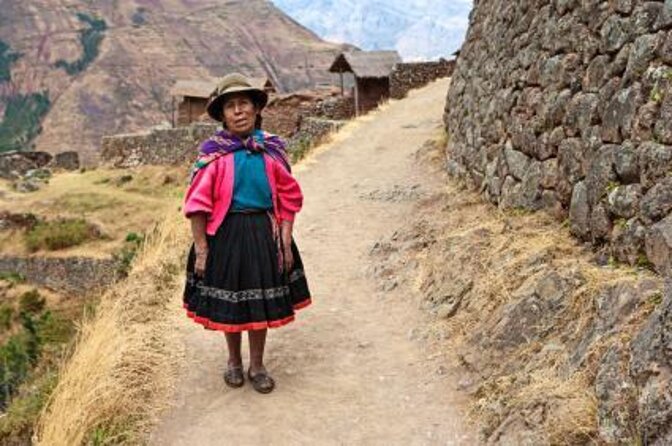
This stop is also a shortcut to Andean culture. Chinchero is described as a small Andean Indian village with mud-brick (adobe) houses and locals working in traditional dress. The Inca presence shows up in the massive stone wall in the main plaza with ten trapezoidal niches—one of the clearer reminders that this wasn’t just a village, it was part of a larger Inca world.
If your timing lines up with the Sunday market, you’ll have a bonus. The Sunday market here is said to feel less tourist-oriented than Pisac’s market, which can matter if you want everyday life rather than staged crafts.
Possible drawback: since it’s one hour, you’ll want to decide quickly whether you’re mainly there for photos and ruins or for browsing the market. Either is fine—just don’t try to do both perfectly.
Moray: the circular terraces that act like a crop lab
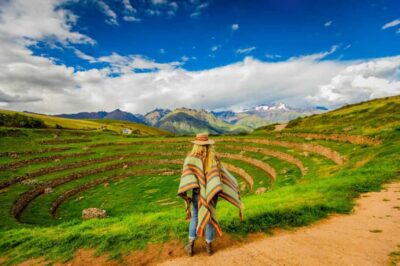
Moray is one of those Inca ideas that feels too clever to be real. The highlight is the system of circular terraces—built with retaining walls and an irrigation setup—reaching down as much as 330 feet. Those terraces are basically a set of microclimates, used to grow different crops by manipulating temperature and moisture.
Think of Moray as the Incas running experiments in the landscape. Instead of modern greenhouses, they built an architecture that changes growing conditions. That’s why the site is often described as a crop lab: the circular design lets you see how they were thinking in systems, not just planting.
Time is tight—about 45 minutes. You’ll get enough time to walk the right areas and absorb the “why it looks like this” story. Just don’t expect long, slow exploration. If you want to read every information panel and take long pauses, you may feel slightly rushed.
A last few Cusco tours and experiences to fold into the trip
Maras salt mines: bring cash for the entrance and your best camera
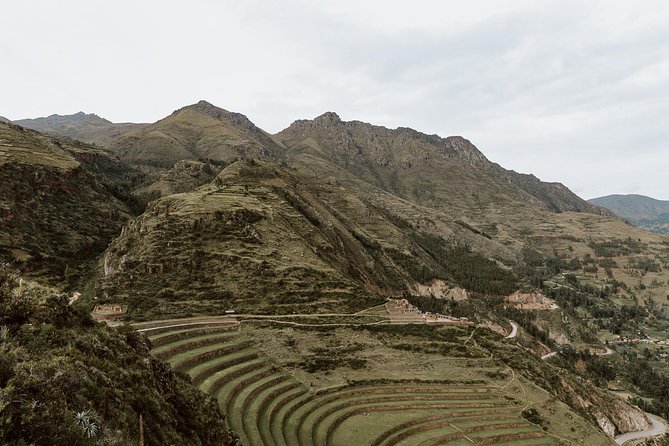
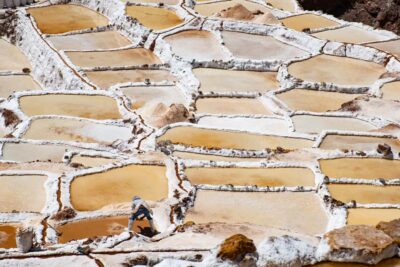
Maras is all about the salt pools—an intense pattern of bright squares in a hillside setting. This is a photography lover’s stop because the view spreads out in all directions, and you’ll likely find angles where the whole hillside becomes a mosaic.
The tour notes that you should bring extra cash for admissions at Maras and Moray, and the itinerary’s stated add-on makes it clear what you’re paying for: the Salt Mines of Maras entrance fee is 20 soles per person.
There’s also a walking or hiking angle for active visitors. The area is noted as good for photographers, hikers, and even mountain biking, with trails connecting the salt mines with nearby villages.
One more bonus: the Sanctuary of Tiobamaba, a colonial adobe church with paintings associated with Cusco themes such as The Last Supper. If you like cultural layers—Inca setting plus colonial-era art—this is a nice moment to slow down for a few minutes.
Ollantaytambo: fortress power and steep-temple stairs
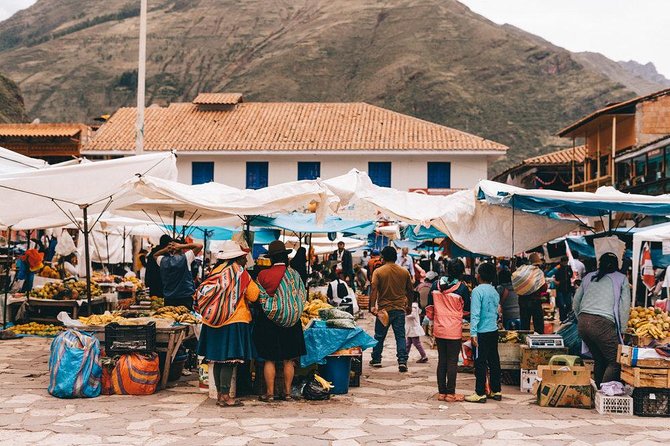
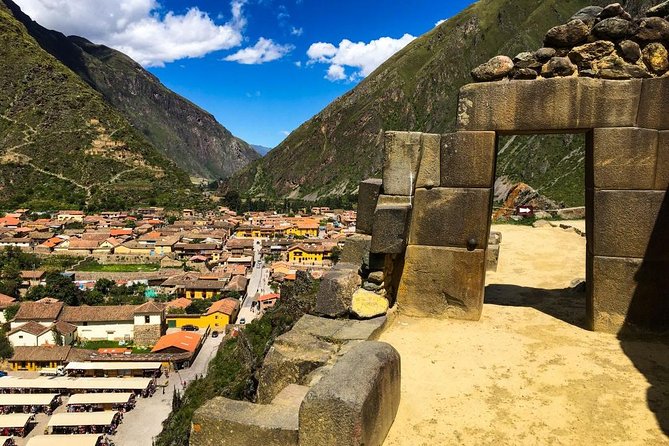
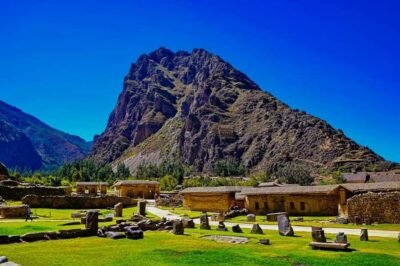
Ollantaytambo is where the day shifts from agricultural engineering into defense and ceremonial space. It sits at about 9,160 feet, and the town keeps old patterns in its layout, so it doesn’t feel like a dead ruin the moment you step off the bus.
The big draw points are the ceremonial water temple and the fortress. The ceremonial complex has terraces stacked above one another, reached by a steep stairway. It’s the kind of place where you get why the Incas were masters of engineering: stairs, sightlines, and terraces that connect function with meaning.
Then there’s the fortress: a stone colossus built between two mountains to guard the valley entrance against invasions. It reads like a natural fort plus serious human planning. You can also spot other named areas, including the Temple of Inti (sun god), Incamisana, the baths of the Ñustas, and funerary towers like Cachiccata. The site is huge, and even with an hour, you can still hit the core story.
Local texture helps too. Ollantaytambo is described as a community meeting point, with groups like Huayruros de Willoc identified by their red and black ponchos and hats.
Possible drawback: steep steps. If your knees don’t love stairs, plan to take it slow. Also, because this tour is time-boxed, you’ll want to focus on the highlights rather than aiming to “do everything.”
Pisac: Intihuatana sundial and the legend that turns to stone
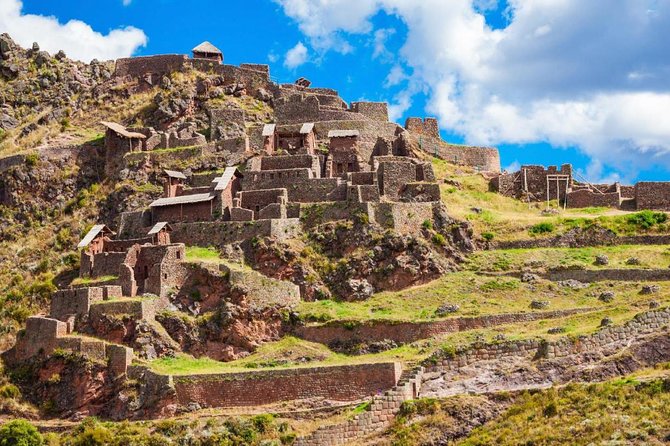
Pisac offers two things at once: architecture you can’t stop looking at, and stories that make the place stick in your head.
The stone block walls are described as having balanced proportions—size, perfect joints, and connected elements without messy mixing. That’s a good cue for what you should pay attention to here: the precision.
From there, you’ll likely focus on several specific features:
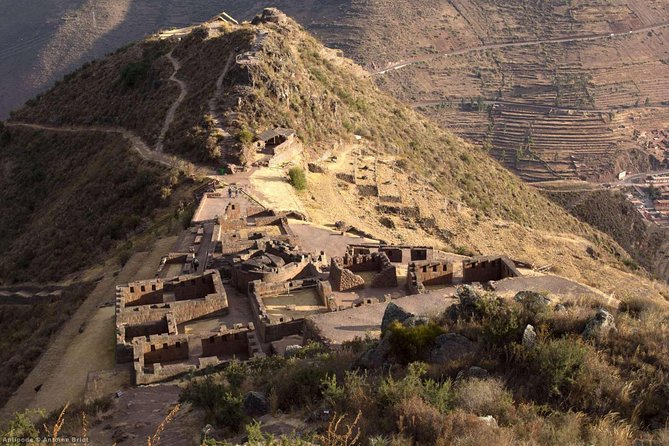
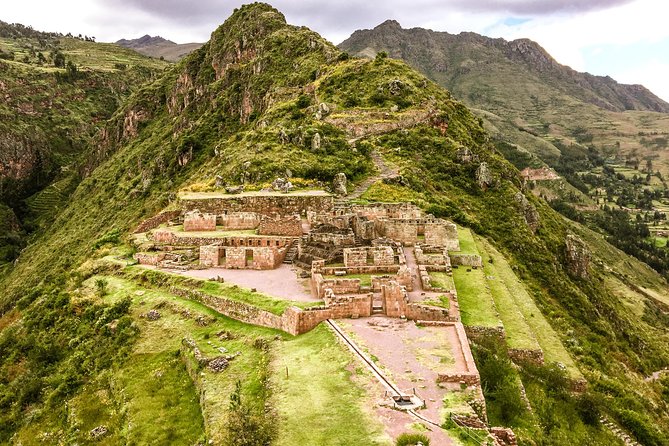
Intihuatana, described as a ceremonial and religious site known as the Sundial. It’s positioned at the top so you can see the valley. It’s also linked to astronomy, including alignment with the rising sun around the June Solstice.
La ciudad de las torres, or the City of the Towers. About 20 towers are noted on the edges of the mountain, and they’re described as tied to water channels, with water still managed through the existing systems.
Then there’s the story of Ñusta Encantada (Enchanted Princess). A legend explains how a princess and a prince become stone after breaking a condition during a bridge-building task. Legends like this aren’t just entertainment—they give you a reason to remember the shape of a rocky complex and why locals attach meaning to it.
Pisac takes an hour on this itinerary. That’s enough time to see the best points, but it’s not enough to linger like you would on a slower day trip. If you’re a detail person, aim for the features above and let the smaller side areas go.
Urubamba lunch: buffet comfort before the climb of the day
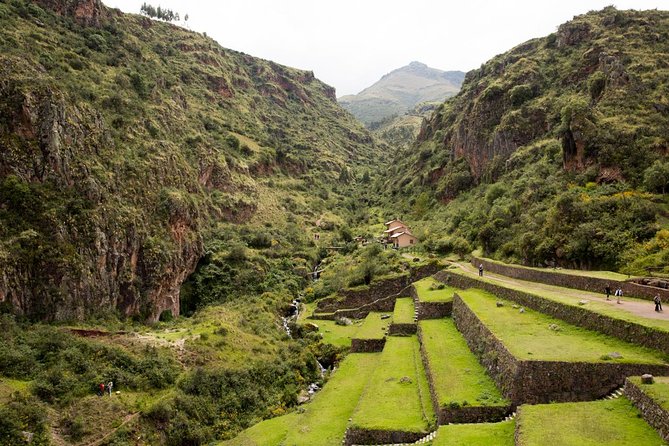
Lunch in Urubamba is one of the most practical parts of the trip. You get a buffet, which matters when you’ve been on the move for hours and you don’t want to gamble on whether you can find something you’ll actually eat.
The vegan option is specifically noted, which is a relief if you’re traveling with dietary needs. After that, you’ll likely head back to sites that involve stairs and uneven ground, so eating well here helps you stay steady later.
Guides, pace, and the shopping stops reality check
The tour uses a bi-lingual guide (English & Spanish), and the reviews include named guides such as Richard, Irving, Jhonnatan, Warner, and others who were praised for being friendly, attentive, and enthusiastic, with strong explanations. In a fast-moving itinerary, a good guide is the difference between “I saw ruins” and “I understand what I saw.”
Now for the part I’d plan around: sales pressure. Some experiences include stops tied to alpaca processing, salt or drink presentations, and a final jewelry stop. One complaint calls out heavy push to sell items that can feel like a tourist trap. Another says the alpaca stop was worthwhile but other commercial stops felt like wasted time.
My advice: decide your strategy before you board.
- If you want local products, enjoy a quick look.
- If you don’t, you can still listen to the guide’s explanation, but you don’t have to buy anything.
- If the bus timing gets tight, prioritize the sites over the stores.
Pace also comes up. People describe it as jam-packed and sometimes rushed. If you’re the kind of person who gets cranky when you feel hurried, you’ll want to mentally accept that this trip is more “great highlights in one day” than “slow museum pacing.”
Who this Sacred Valley VIP trip is best for
This works well if:
- you have limited time in Cusco and want maximum variety in one day
- you enjoy Inca engineering—terraces, irrigation, astronomy, and stone construction
- you like guided context more than self-paced wandering
- you want a tour that includes lunch and hotel transfers, not a patchwork of public transport
It might be less ideal if:
- you want long stays at fewer places
- you hate stairs or uneven ground
- you dislike shopping stops or scripted sales moments
- you need lots of quiet time to absorb each ruin slowly
Should you book this VIP day trip?
If your goal is to check the Sacred Valley’s headline sites in one long day, I think this is a strong value. The $55 base price covers hotel pickup in Cusco, guided commentary in English and Spanish, transport, and lunch with a vegan option. When you add the Partial Tourist Ticket (70 soles) and Maras salt mines entrance (20 soles), you’re clearly paying for the sites too—but you’re still buying a guided route that would take planning to replicate.
I’d book it if you’re okay with a full day and you’re willing to focus on the main features at each stop. Bring cash, wear solid shoes, and treat the commercial stops as optional side quests. If that sounds like your style, this trip can leave you feeling like you actually understood the Sacred Valley’s logic, not just collected stamps.
FAQ
How long is the Sacred Valley VIP full day trip?
It’s listed at about 12 hours.
Where does pickup happen?
Pickup from Cusco hotels is included, but pickup is not included from private residences.
What’s the price per person?
The price is $55 per person.
Do I need additional tickets beyond the tour price?
Yes. You need a Partial Tourist Ticket (70 soles per person) at an additional charge.
Is the Salt Mines of Maras included in the price?
No. Entrance to the Salt Mines of Maras costs 20 soles per person and is not included.
What does lunch include?
Lunch in Urubamba is a buffet, and a vegan option is available.
Are guides available in multiple languages?
Yes. The tour includes a bi-lingual guide in English and Spanish.
How big is the group?
The tour lists a maximum of 19 travelers.
Is free cancellation available?
Yes. Free cancellation is available up to 24 hours before the start time for a full refund.
When will I get confirmation?
Confirmation is received at the time of booking.
More 1-Day Tours in Cusco


More Tour Reviews in Cusco

Deeper Into the Sacred Valley


Recent write-ups from around Cusco, just off the trail
- Cuzco: Rainbow Mountain Excursion
★ 5.0 · 3 reviews - 1 day excursion to Qeswachaka bridge and the 4 lagoons
★ 3.6 · 3 reviews - Waqrapukara 1 day trekking + meals
★ 3.9 · 3 reviews - Valle Sur Cusco | half day
★ 4.3 · 3 reviews - Full-Day Condor Viewpoint & Inca Sites Tour
★ 5.0 · 3 reviews
Sacred Valley Tours, compared.
 ★ 4.8From Cusco: Sacred Valley & Maras Salt Mines Tour with LunchFrom $282,227 reviews
 ★ 4.6Sacred Valley, Pisac, Ollantaytambo, Salt Mines MorayFrom $281,058 reviews
 ★ 4.8Sacred Valley: Chinchero, Moray, Ollantaytambo & Pisac+LunchFrom $25501 reviews
 ★ 4.6Sacred Valley: Maras & Moray by Quad Bike from CuscoFrom $39418 reviews
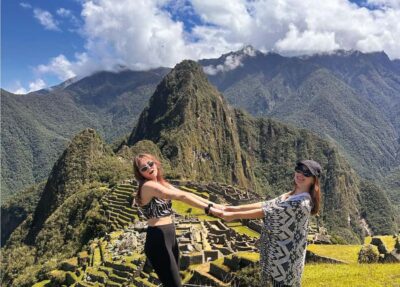 ★ 4.6From Cusco: 2-Day Trip to the Sacred Valley and Machu PicchuFrom $370265 reviews
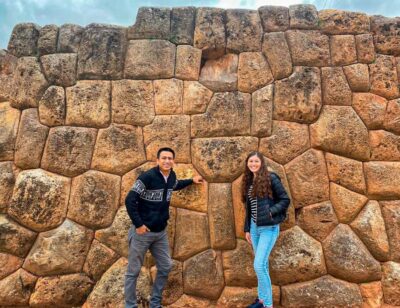 ★ 4.8Sacred Valley Pisaq,Ollantaytambo,Chinchero with LunchFrom $28183 reviews
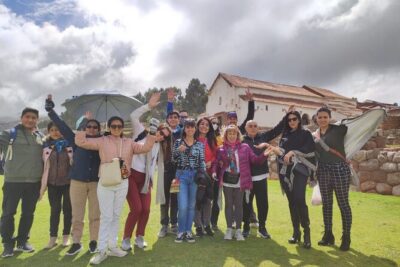 ★ 4.5Full-Day Excursion to Sacred Valley, Pisac and Ollantaytambo from CuscoFrom $47174 reviews
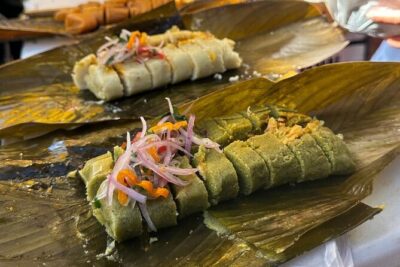 ★ 5.0Food and Culture Full day Tour in the Sacred ValleyFrom $200144 reviews
Browse the lists this tour appears in