
REVIEW · MANU PARK & AMAZON JUNGLE
Amazonas Manu Cultural Zone 4 Days / 3 Nights
Jungle birds greet you before sunrise. I love how this trip combines cloud-forest hiking with expert viewing gear, and I also love the promise of Pilcopata camping for an outdoorsy feel in the Manu region. One thing to consider: the days start early, and Day 1 breakfast is not included, so plan for that before pickup.
You’re not just “going to the jungle.” You’re getting guided stops like Ajanaco at 3500m, Atalaya by boat, and dawn at the parrot clay lick, with night walks built into the schedule. With a small group limited to 15, you get a calmer pace and more time for telescope-and-binocular spotting.
The main drawback is timing and effort. You’ll spend real hours on roads, then shift to boats and short treks, so this is best for people who are happy to be active and flexible for wildlife.
In This Review
- Key highlights you will feel quickly
- Cusco to Ajanaco (3500m): the cloud-forest start that sets the tone
- Watchtower, monkeys, and the Atalaya boat route
- Machuhuasi lagoon and the animal-watching rhythm
- Dawn at the parrot clay lick and the Ceiba tree trail
- Night walks: what you are really doing in the dark
- Price and value: what $430 buys in the Manu cultural zone
- What you actually get on the ground: gear, food, and lodging comfort
- Who should book this Amazonas Manu 4-day tour
- Should you book the Amazonas Manu Cultural Zone 4 Days / 3 Nights?
- FAQ
- How long is the Amazonas Manu Cultural Zone tour?
- Where does the tour start from on Day 1?
- What wildlife-focused activities are included?
- How do you get to the lodge area from Atalaya?
- What meals are included in the price?
- What kind of accommodations will I have?
- What languages are the guides?
Key highlights you will feel quickly
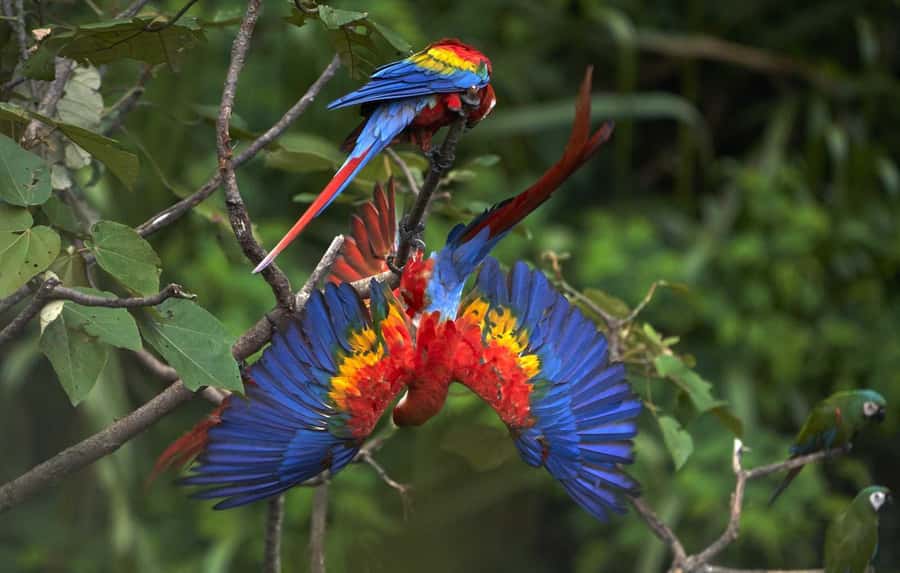
- Dawn at the parrot clay lick to watch parrots feed on the nutrient-rich wall
- Ajanaco (3500m) to cloud forest descent, with orchids, heliconias, ferns, and possible named birds
- Atalaya transport by bus and boat, plus optional river swimming and a mud bath en route
- Machuhuasi lagoon raft time, with a chance to see capybaras, tapirs, dwarf caimans, and more
- Night walks built into multiple days, including insect and amphibian-focused routes
- Ceiba trail exploration, including the chance to see the thick, tall tree species called ceiba
More Manu and Amazon jungle escapes
- Manu National Park Tour 4days/3night★ 5.0 · 69 reviews
- Manu Adventure (4 Days)★ 5.0 · 50 reviews
- From Cusco: 4-Day Manu National Park Guided Tour★ 4.6 · 48 reviews
- 3-Day Eco-Sustainable Private Tour Manu National Park★ 4.5 · 41 reviews
Cusco to Ajanaco (3500m): the cloud-forest start that sets the tone
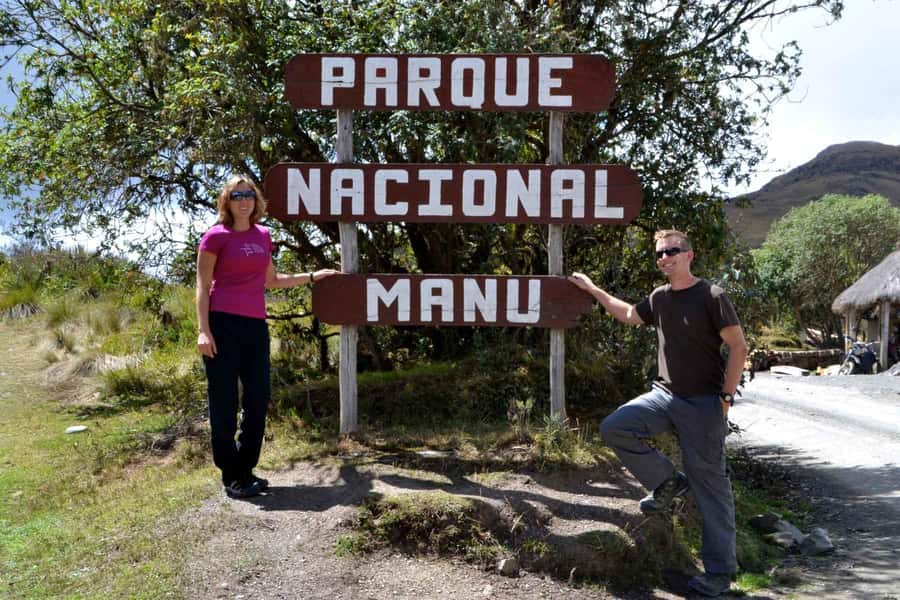
Your day begins early in Cusco, with pickup between 5:30 and 6:00 AM from the meeting point. Then you head out on winding Andes roads, passing villages and towns as the elevation climbs and the air changes.
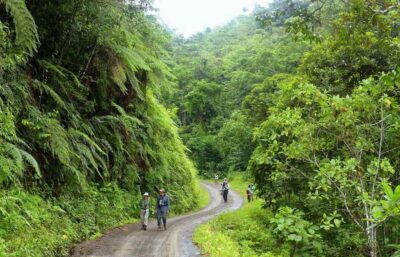
The first big moment is reaching Ajanaco at 3500m, where you switch from the high-country drive into forest hiking. From there, you descend into cloud forest, and that’s where the trip’s feel turns from travel to discovery. This is a place full of plant life you’ll actually notice up close: orchids, heliconias, and ferns. If you enjoy nature watching more than just photo stops, this part lands well.
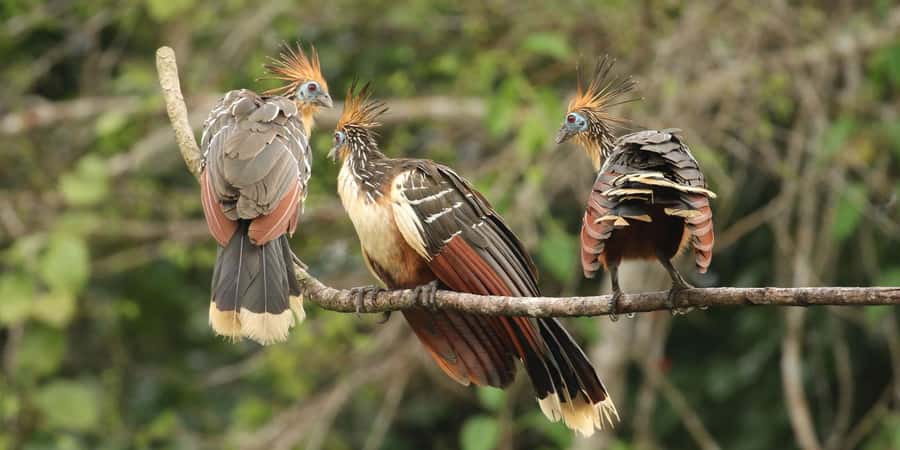
What I like here is the guided focus. Your guide comes with telescope and binoculars, so when birds start moving through the canopy, you’re not stuck guessing. The trip specifically calls out possible sightings such as cock-of-the-rock, umbrella bird, trogon, quetzal, or orioles. You may not see every one, but the method is solid: slow walking, careful scanning, and time to look rather than rush.
At the end of Day 1, you arrive at the lodge to relax and recover. This matters on a wildlife trip. If you burn all your energy in transit, the next day’s chances for real sightings get harder.
Possible consideration: the altitude shift and the early start mean you’ll want to dress in layers. Even if the jungle is warm, the morning ride up top can feel cool.
Watchtower, monkeys, and the Atalaya boat route
Day 2 starts with breakfast, then a nature walk to look for birds and monkeys. It’s a gentle warm-up after Day 1’s hike, and it helps you get your eyes “trained” for movement in the trees.
Next comes the transportation day, and it’s part of the experience. You take a 1-hour bus ride to the port of Atalaya, then a 30-minute boat ride to the lodge area. This isn’t a bland transfer. The trip builds in time to experience the river environment.
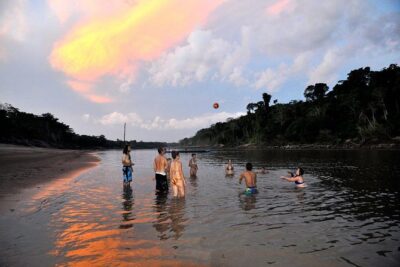
On the way, you have the chance to do things that most jungle tours skip, including swimming in the river or enjoying a mud bath. That’s one of those moments that turns the whole day from scenic travel into memory-making. If you’re comfortable getting wet and muddy, you’ll likely enjoy it. If you’re not, you can treat it as optional and simply watch.
Atalaya is also where the tour leans into big views and big water. Even the names—Atalaya and watchtower—suggest a more open vantage. You spend time looking out, not just moving forward.
After lunch, you shift from boat travel into raft time. You sail on the Machuhuasi lagoon, and that’s when the day’s animal watching gets more active. The trip calls out a range of possible wildlife: shanshos, monkeys, reptiles, dwarf caimans, capybaras, tapirs, and more.
This is a good balance: you’re on the water, but you’re still guided and timed for animal spotting. A raft ride can be uncomfortable for some people, but the schedule keeps meals and breaks in place. The trade-off is that water time also means you’ll want to be okay with a bit of sitting and handling gear.
After dinner, there’s a night walk, and the lodge setup includes private bathrooms and showers for that overnight. Night walks on this kind of route are often about learning what hides in the dark. Here, the goal stays broad—wildlife is the focus, but insects and nocturnal activity are part of the picture.
Machuhuasi lagoon and the animal-watching rhythm
If you want to understand why this tour feels more productive than a basic jungle day trip, look at its rhythm. Day 2 uses a sequence that matches animal behavior: early scouting, then water travel at the right time, then lagoon time, then a nighttime route.
The Machuhuasi lagoon segment is the centerpiece. By spending time on the water, you change your perspective and you often get better visibility for animals that approach shorelines or move near the surface. The trip’s list includes dwarf caimans and capybaras, both of which fit that kind of environment. Tapirs and other animals are also possible, and that’s why the raft time is structured as a guided ride rather than a quick look-and-go.
You’re also not left alone with uncertainty. Your guide is there with telescope and binoculars, which matters when animals are small, distant, or partially hidden. You can still enjoy the scenery, but the guide’s job is to help you turn sightings into something you can actually observe.
One practical note: you’ll likely feel tired at the end of Day 2. That night walk plus travel adds up. The lodge overnight and meals are part of the design, so you don’t spend the night hungry or trying to figure out logistics.
Dawn at the parrot clay lick and the Ceiba tree trail
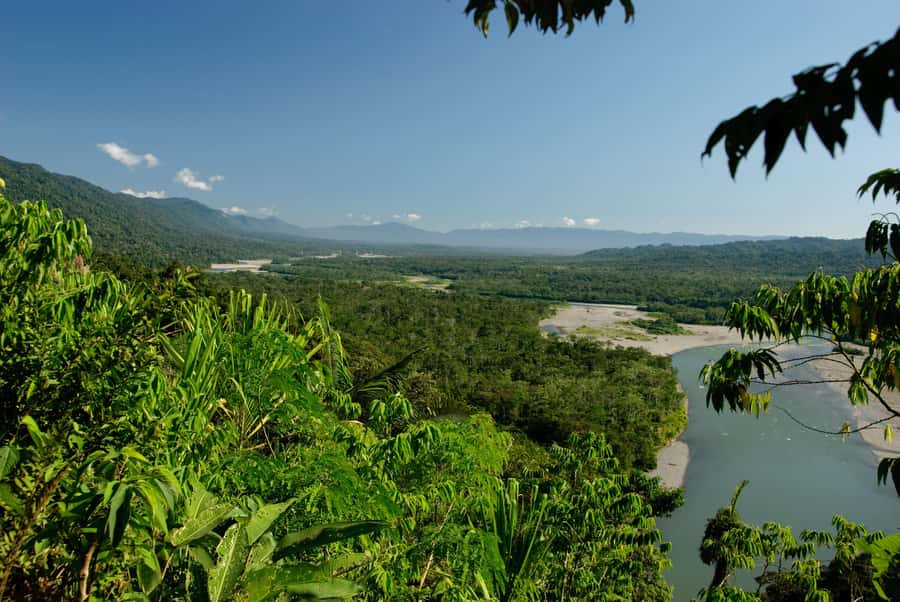
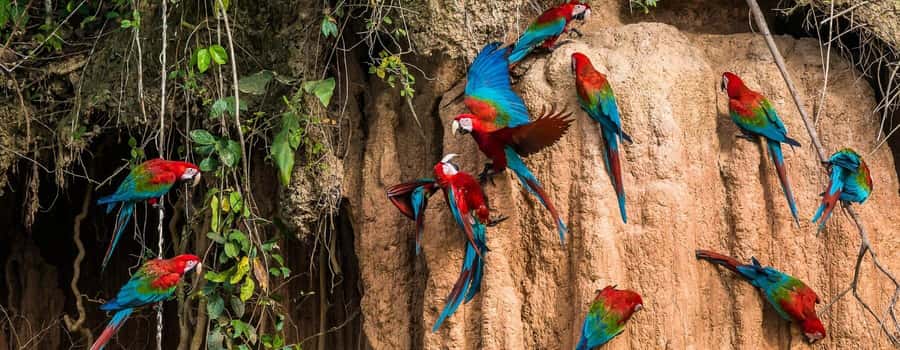
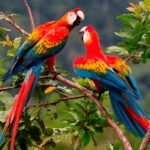
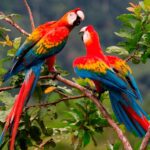
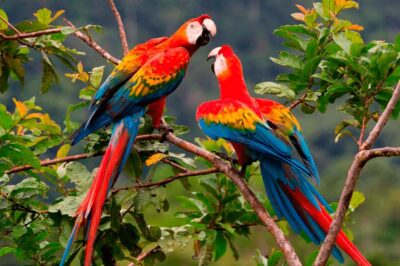
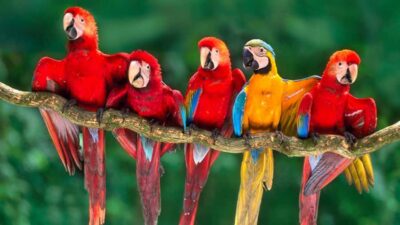
Day 3 starts before the day gets loud. At dawn, you sail to the parrot clay lick to watch parrots feeding on a nutrient-rich wall.
This is one of the most compelling wildlife moments in the entire schedule, because it’s time-based. Animal behavior tends to cluster around feeding windows, and the tour’s timing gives you a real shot at that action. If you’ve ever tried to see parrots in the Amazon without a guide, you know how random it can feel. Here, the tour gives you a specific target.
After that feeding stop, you return for breakfast and rest. I like that break. Dawn wildlife can be intense, and then you get time to reset before the trails.
Then comes the main hiking stretch of Day 3. The route explores diverse flora and fauna, including ceiba, described as the tallest and thickest tree. This is a great stop for people who care about the “living architecture” of the jungle, not just animals. When you see ceiba, you’re seeing how the forest structure supports the ecosystem.
The tour again lists possible wildlife on the trails: monkeys, reptiles, dwarf caimans, capybaras, or tapirs. Your odds improve when you’re moving slowly through habitat with a guide scanning and calling out signs.
Day 3 ends with another night walk, but this one is described as focused on insects, amphibians, or snakes. That is a very specific direction. If night walks are what you’re here for, this is the day that leans hardest into it.
Then you spend another night at the lodge. Rooms can include private and shared bathroom/shower options, so you’ll want to check what your room setup will be when you confirm.
A last few Cusco tours and experiences to fold into the trip
Night walks: what you are really doing in the dark
Night walks are where the Amazon changes from “day wildlife” into “night systems.” On this tour, you get night walking on Day 2 and Day 3.
What makes these walks valuable is the focus. Day 2’s night walk is described as intriguing, while Day 3’s is explicitly oriented toward insects, amphibians, or snakes. That tells me the guides aren’t treating night as a casual stroll. They’re trying to help you observe patterns: movement, calls, and the small life that usually escapes attention.
There’s also a practical side. This kind of guided night walk is usually safer than trying to do your own exploration after dark, especially in an area where trails and wildlife behavior matter. The trip includes safety equipment and a first aid box, which is reassuring when you’re in active conditions.
Possible consideration: night walking usually means uneven ground and a stronger need for careful footing. Wear what the trip recommends and listen to the guide’s pacing.
Price and value: what $430 buys in the Manu cultural zone
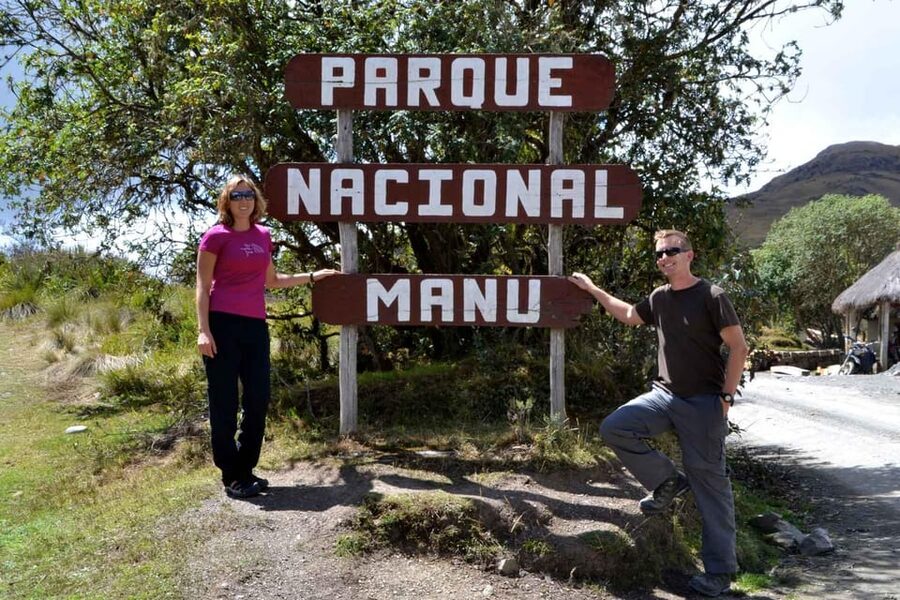
At $430 per person for 4 days and 3 nights, you’re paying for much more than transport. You’re paying for the mix of guided wildlife time, multi-leg travel, and full board.
Here’s what that price effectively covers, based on what’s included:
- Land and river transport by bus and boat
- Professional guides with telescope and binoculars
- A boat driver, crew member, and cook
- Safety equipment and a first aid box
- Meals and snacks: breakfasts, lunches, dinners across the days
- Lodge accommodations, with private or shared bathroom/shower options
- Wellingtons (water-friendly footwear)
- Mineral water at the lodge
- Dietary accommodations for vegetarian, vegan, or gluten-free meals
So when you look at the value, the key isn’t just the daily cost. It’s that you’re getting guided time in the cloud forest, lagoon raft time, a specific dawn wildlife target, and multiple night walks. Those are the parts that are hard to replicate independently without local expertise.
What’s not included also matters. First day breakfast is excluded, and alcoholic drinks, soft drinks, and water for breakfast on the first day are not included. That’s pretty normal on multi-day tours, but it does affect how you start Day 1.
Another value check: the group size is limited to 15 participants, which usually keeps spotting and guide attention realistic. If you’re sensitive to crowded tours, this helps.
What you actually get on the ground: gear, food, and lodging comfort
The trip is built around comfort enough to keep you looking for animals, but not so “hotel-like” that it loses its jungle edge.
You’ll have breakfast, lunch, dinner, and snacks provided during the tour. That includes meal flexibility for vegetarian, vegan, or gluten-free diets, which is a big deal when you’re away from big-city grocery options.
Accommodation is lodge-based, with rooms that include private or shared bathroom/shower. Day 2 specifically notes private bathrooms and showers for that overnight, which is a nice boost after a long travel day. Also, mineral water is provided at the lodge, which keeps you from having to guess what’s safe to drink while you’re out.
Footwear is covered by wellingtons. On a jungle route, that’s not a small detail. Having the right footwear reduces stress and lets you focus on observing the forest instead of worrying about slipping or getting soaked.
Who should book this Amazonas Manu 4-day tour
This tour is a good fit if you:
- Want wildlife-focused days with telescopes and binoculars
- Like structured nature watching: morning forest, lagoon time, dawn targets, and night routes
- Prefer small groups (up to 15)
- Are okay with early starts and active hiking in and around cloud forest and jungle trails
It’s especially good for people who care about named wildlife moments, like the parrot clay lick feeding window and the ceiba trail. If you mainly want cultural shows or city sightseeing, this won’t be that kind of tour. This is nature-first.
Also, if you enjoy being on water and moving through the region by boat, you’ll appreciate the Atalaya route and the lagoon raft schedule. On the other hand, if you hate boat rides or don’t like night walking, you might find the pacing less comfortable.
Should you book the Amazonas Manu Cultural Zone 4 Days / 3 Nights?
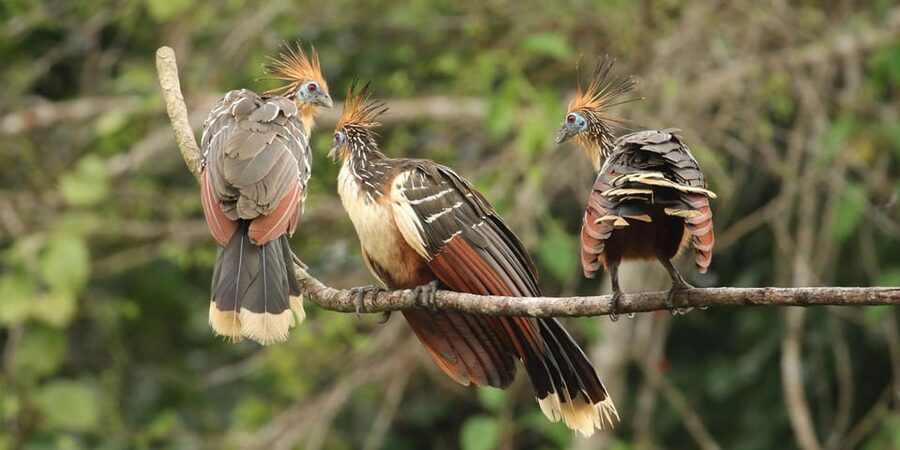
If your priority is high-quality Amazon wildlife time in a small group, I think this is a solid choice. The combination of Ajanaco cloud-forest descent, a guided Machuhuasi lagoon raft day, and the specifically timed parrot clay lick at dawn gives you multiple chances for real sightings instead of betting everything on one stop. Add in night walks and the ceiba trail, and you’ve got a complete jungle experience arc.
I’d book it if you’re comfortable with early mornings, a bit of travel time on roads and water, and active walking. I wouldn’t book it if you want a relaxed, slow itinerary or if night hikes aren’t your thing.
If you do book, start Day 1 prepared for an early pickup and remember that first day breakfast is not included. Everything else is built to keep you fed, guided, and watching.
FAQ
How long is the Amazonas Manu Cultural Zone tour?
It lasts 4 days and 3 nights.
Where does the tour start from on Day 1?
It starts in Cusco, with pickup between 5:30 and 6:00 AM from the meeting point.
What wildlife-focused activities are included?
You’ll do cloud-forest hiking and nature walks, bird and monkey watching, a night walk, a dawn visit to the parrot clay lick, a trail hike that includes ceiba, and additional night hiking focused on insects, amphibians, or snakes. You also raft on the Machuhuasi lagoon and can potentially spot more wildlife there.
How do you get to the lodge area from Atalaya?
You take a 1-hour bus ride to the port of Atalaya, then a 30-minute boat ride to the lodge.
What meals are included in the price?
The tour includes breakfasts, lunches, dinners, and snacks. Day 1 breakfast is not included.
What kind of accommodations will I have?
You stay at a lodge, with rooms that have private or shared bathroom/shower. Mineral water is provided at the lodge.
What languages are the guides?
The live tour guide provides Spanish and English.
More 4-Day Experiences in Cusco
More Tour Reviews in Cusco
Into Manu and the Amazon
Recent write-ups from around Cusco, just off the trail
- Cuzco: Rainbow Mountain Excursion
★ 5.0 · 3 reviews - 1 day excursion to Qeswachaka bridge and the 4 lagoons
★ 3.6 · 3 reviews - Waqrapukara 1 day trekking + meals
★ 3.9 · 3 reviews - Valle Sur Cusco | half day
★ 4.3 · 3 reviews - Full-Day Condor Viewpoint & Inca Sites Tour
★ 5.0 · 3 reviews
Manu Park & Amazon Jungle, compared.
 ★ 5.04 Day Tour to the Manu National ParkFrom $38981 reviews
 ★ 5.0Manu National Park Tour 4days/3nightFrom $47069 reviews
 ★ 5.0Manu Adventure (4 Days)From $1,00050 reviews
 ★ 4.6From Cusco: 4-Day Manu National Park Guided TourFrom $42748 reviews
 ★ 4.53-Day Eco-Sustainable Private Tour Manu National ParkFrom $38941 reviews
 ★ 4.4From Cusco: Manu National Park Tour & Accommodation 3 Days12 reviews
 ★ 4.9Living Nature from Cusco: 3 Days Manu Jungle all inclusiveFrom $39012 reviews
 ★ 4.4From Cusco: 4 Day Puerto Maldonado Sandoval Lake ExcursionFrom $4308 reviews
Browse the lists this tour appears in