
REVIEW · CHOCOLATE & CACAO WORKSHOPS
Cusco: Bean to bar chocolate workshop
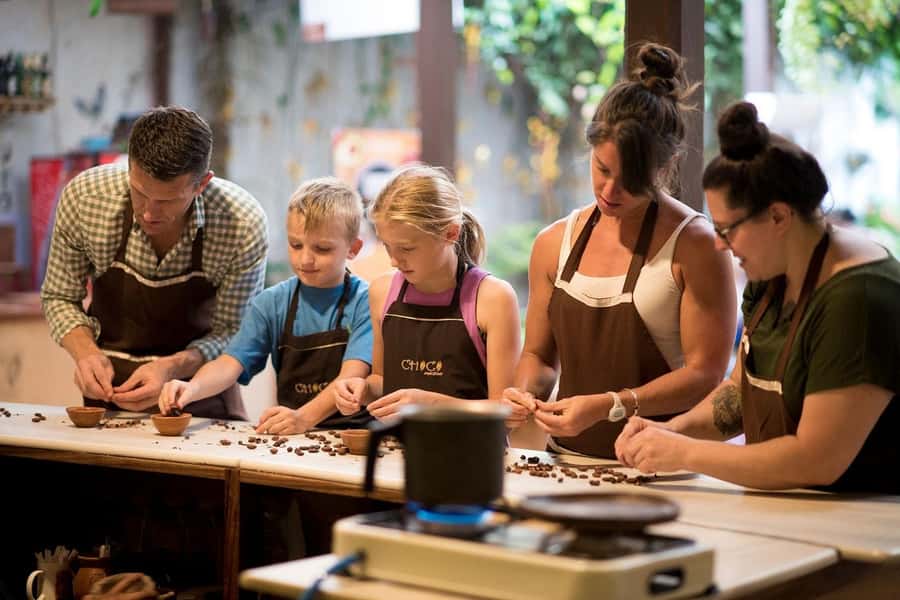
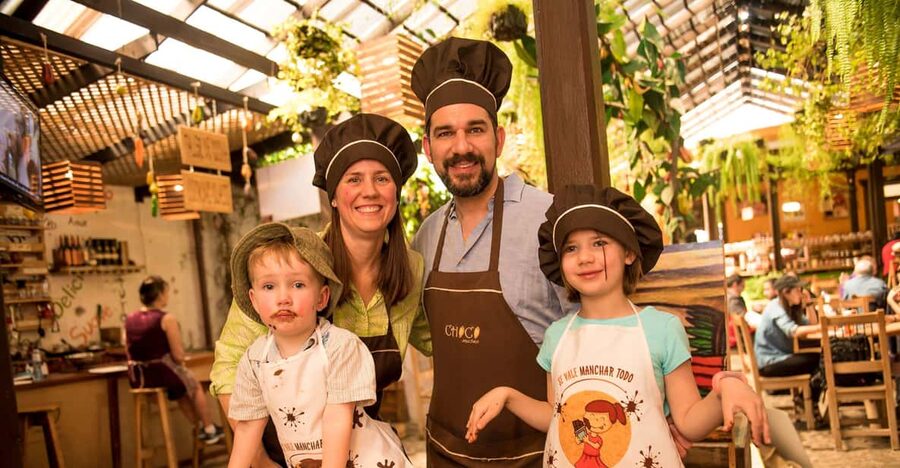
Chocolate making can feel mysterious. Here, the mystery gets practical fast, starting at the cacao tree and ending with your own handmade organic chocolate. You also get the extra layer of a small museum feel, so it is not just hands-on work—it is hands-on work with context.
I love that you do the process yourself, including roasting, peeling, and grinding cacao on a metate with a mano, the same way people did long ago. I also like that you leave with a chocolate bar and hot chocolate you helped create, plus you get to try drinks such as the Maya and the conquistadores.
One thing to consider: this is a tight, two-hour experience, so you need to be ready to move from step to step without expecting a slow, ultra-detailed pace for every technique.
In This Review
- Key Highlights at a Glance
- Entering the Workshop: What Happens in the First Minutes
- The Cacao Origins and Why Cusco Matters
- The Four Processing Steps You’ll Actually Do
- 1) Roasting the cacao beans
- 2) Removing the cacao husk
- 3) Grinding cacao nibs on a metate with a mano
- 4) Refining the cacao paste in a melangeur
- Your Hot Chocolate: More Than Just a Sip
- Maya and Conquistadores: Trying Drinks With a Story
- Building Your Own Organic Chocolate Bar
- Timing and Pace: Two Hours, No Fluff
- What This Workshop Is Best For
- Who Might Want to Rethink It
- Practical Tips to Get More Out of the Class
- Should You Book the Cusco Bean-to-Bar Workshop?
- FAQ
- How long is the Cusco bean-to-bar chocolate workshop?
- Will the class be in English or Spanish?
- What will I make during the workshop?
- Do I take the chocolate home?
- What traditional drinks are included?
- Can I cancel for a refund, and is there a way to pay later?
Key Highlights at a Glance
- Real bean-to-bar steps, from roasting cacao beans to molding your bar
- Metate + mano grinding, a direct link to historic cacao preparation
- Melangeur refining, so your chocolate paste is smoother
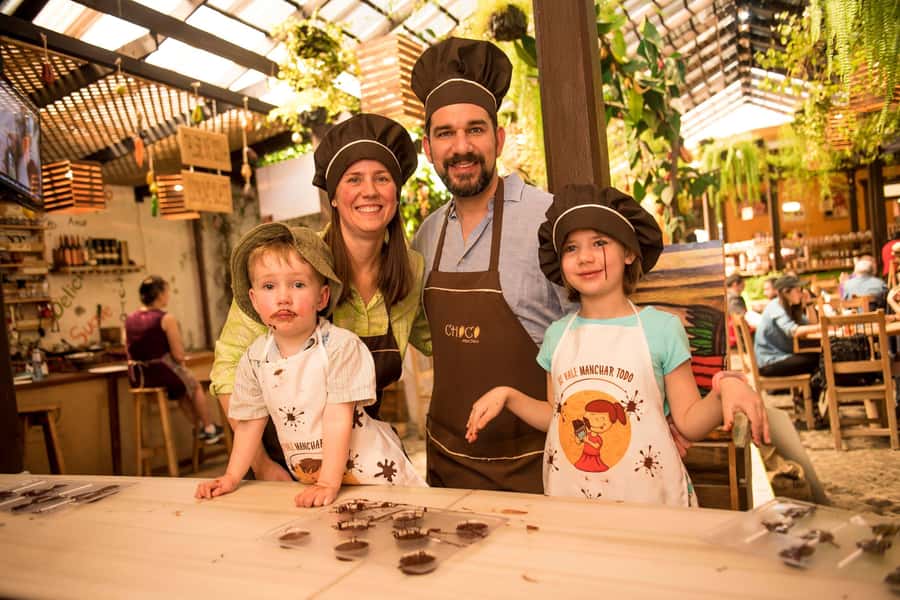
- You personalize flavors, choosing ingredients for your final chocolate
- You try traditional-style drinks, including the Maya and the conquistadores
- Take-home chocolate, unless you eat it sooner
More cacao and chocolate workshops
- Cusco Cooking Class by ChocoMuseo in Cusco★ 5.0 · 29 reviews
- Cusco: Chocolate Workshop with the Best Local Organic Cacao★ 4.5 · 23 reviews
- 1.5h Cusco Chocolate Workshop – Truffles & Hot Chocolate★ 4.3 · 8 reviews
- Cusco: Bean to bar chocolate workshop★ 5.0 · 3 reviews
Entering the Workshop: What Happens in the First Minutes
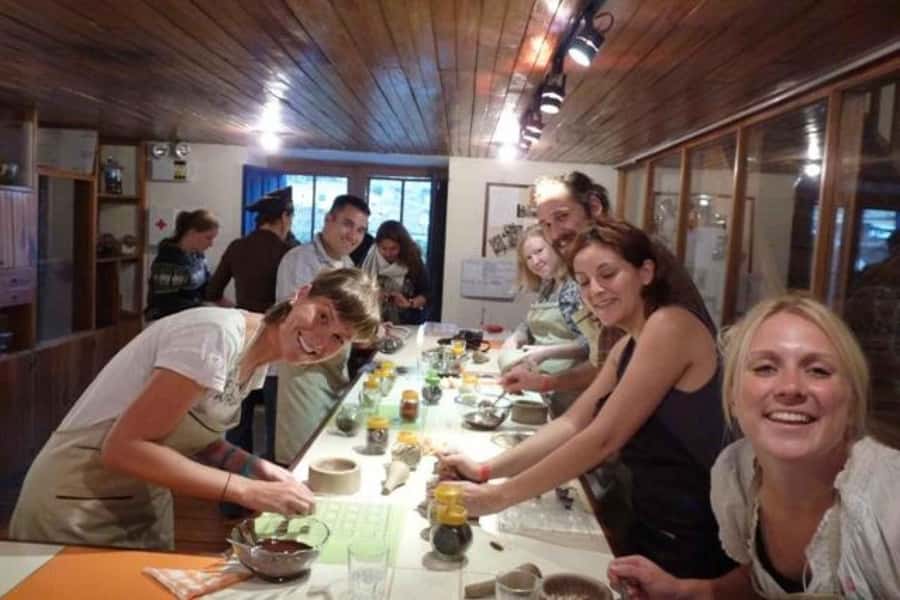
Expect a warm, guided setup where you learn the big story first: how cacao becomes chocolate. You start with the raw ingredient (cacao) and work forward, so each step you do later makes sense instead of feeling like busy work.
Right away, you will be thinking about transformation. Roasting changes aroma. Peeling changes texture. Grinding changes how it feels in your mouth later. Even the order matters, and the guide helps you keep the logic straight.
If you like experiences that are active—hands, senses, and learning together—this format tends to click.
The Cacao Origins and Why Cusco Matters
A major part of the value here is the context. You learn about the history behind cacao beans and why this region is known for producing fine chocolate. Cusco gets treated as more than a place where chocolate is sold; it is framed as a place where cacao traditions and quality meet.
You will also learn why the process is worth caring about. It is not just about sweetness. It is about bringing out flavors hidden inside the cacao bean and turning them into something stable enough to mold into a bar.
This kind of explanation matters if you want more than a souvenir. It helps you taste later with better awareness—what to look for, what roasting does, and what grinding and refining actually change.
The Four Processing Steps You’ll Actually Do
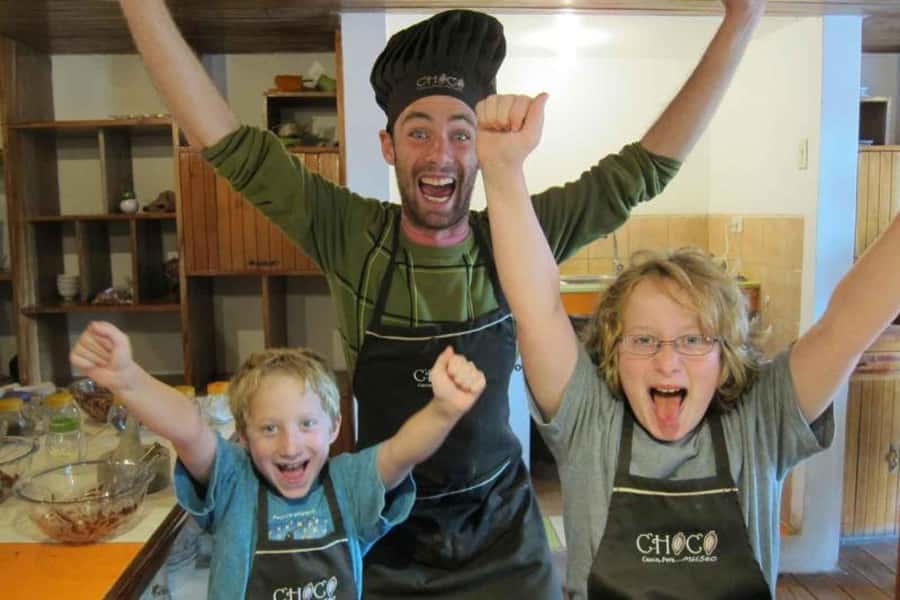
This workshop is built around four processes. That is what makes it feel like a true bean-to-bar class instead of a simple tasting.
1) Roasting the cacao beans
Roasting is where you wake up flavor. You learn how the beans shift before they even become paste. In practical terms, this step helps drive aroma and develops the flavor profile you will notice later in your hot chocolate and bar.
A good tip here: pay attention to the smell and the visual cues your guide points out. Roasting is the step where your senses do real work.
A last few Cusco tours and experiences to fold into the trip
2) Removing the cacao husk
After roasting, the next step is taking away the husk. The husk is not what you want for making chocolate. Removing it gets you to the cacao nibs, which are the basis for paste and chocolate.
This step is quick but important, because your final texture depends on removing what would otherwise add bitterness or unwanted graininess.
3) Grinding cacao nibs on a metate with a mano
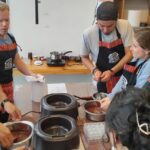
This is the hands-on, historic part. You grind the cacao nibs on a metate using a mano, in the style people used long ago. Even if you have never used one of these tools, you get the idea quickly: you are breaking down solids into something cohesive.
From a value standpoint, this is often what people remember. It turns the story of cacao into something physical you can repeat in memory later.
4) Refining the cacao paste in a melangeur
Grinding gets you to paste, but refining is about making it smoother. A melangeur helps transform the paste into a more chocolate-like consistency so your bar tastes less gritty and feels more like what you buy.
If you are the kind of person who likes knowing the difference between steps, this is where you get those answers in real time. You see that smoothness does not happen by accident.
Your Hot Chocolate: More Than Just a Sip
You will create delicious hot chocolates as part of the class. And crucially, you are not just watching hot chocolate happen—you are making a cacao paste that goes into the drink.
This is one of the most praised parts of the experience: you get to roast, peel, and grind your own cacao into paste for hot chocolate. That means the drink tastes like your work, not like something poured for you.
It also helps you learn what stage affects flavor. Roasting sets the tone. Grinding affects how the cacao releases. Refining helps the result feel consistent.
If you are someone who loves food experiences where you can taste the difference you created, do not skip the drink time.
Maya and Conquistadores: Trying Drinks With a Story
Alongside the bean-to-bar focus, the workshop includes tastings of drinks such as the Maya and the conquistadores. Think of this as culture paired with cacao knowledge.
Even if you are not a history buff, these names make you pay attention. They encourage you to connect cacao to how people used it in different eras and traditions. That makes the class more memorable because you are not only learning a technique—you are learning how chocolate-like drinks traveled and changed.
Practical note: drinks can vary in intensity. If you are sensitive to strong flavors, start slowly and taste one at a time so you can identify what you actually like.
Building Your Own Organic Chocolate Bar
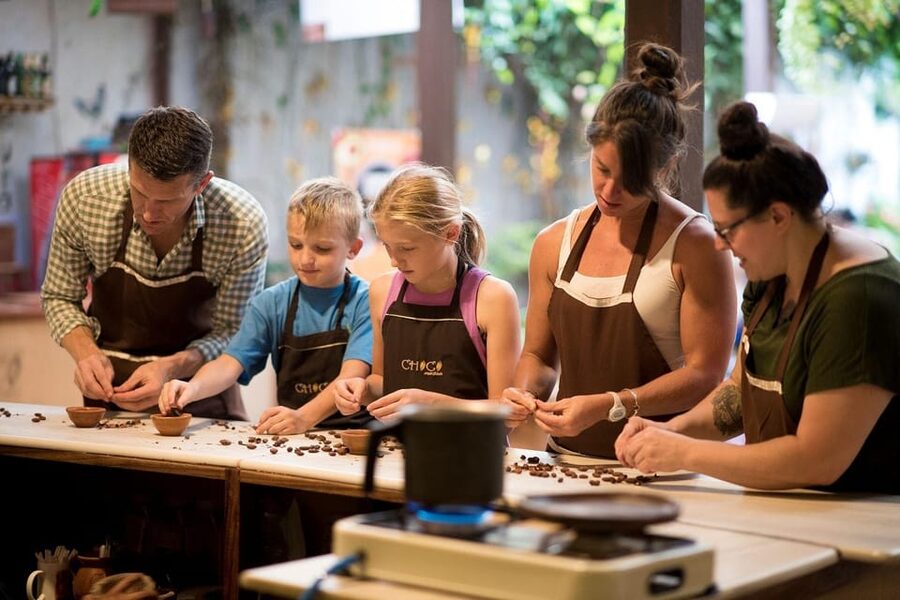
After the heavy lifting with roasting, husk removal, grinding, and refining, you move toward what most people came for: molding your own chocolate.
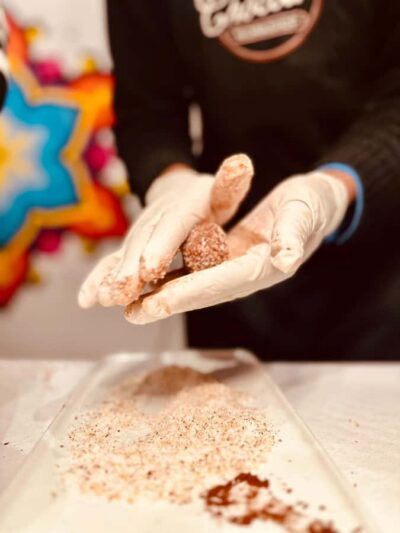
You will create your own handmade organic chocolates and you get to choose ingredients. That personalization is a big reason this workshop feels worth doing. Many chocolate experiences stop at tasting; this one turns tasting into creation.
When you pick ingredients, you learn the difference between cacao flavor and added flavors. You also learn that sweetness and texture are not interchangeable. The guide’s coaching helps you build a bar that matches your taste instead of forcing a one-size-fits-all product.
Take-home matters here too. You can generally take your handmade chocolates with you unless you have already eaten them on the spot—which is not hard to imagine.
Timing and Pace: Two Hours, No Fluff
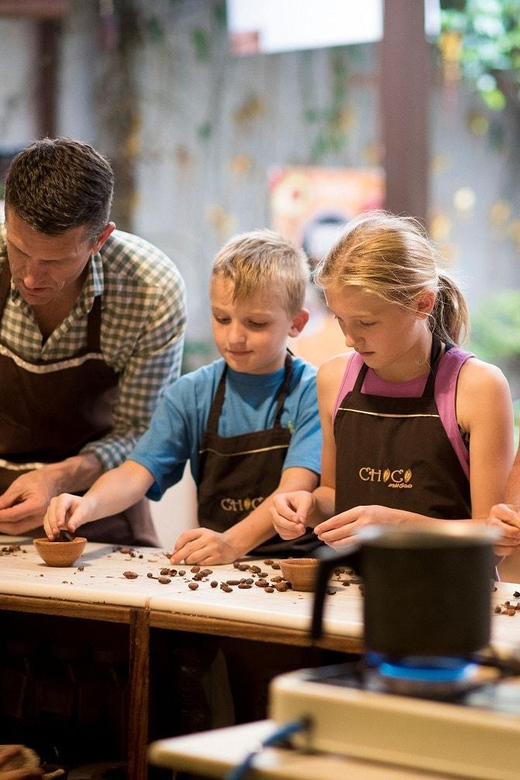
The total duration is about 2 hours. That is short enough to fit well in a busy Cusco itinerary, but it also means you should arrive ready to focus.
The upside of a fast pace: you do not spend the afternoon waiting. You go from cacao basics to tools to paste to bar, and you end with something you made.
The possible drawback: if you want a super slow class with time to perfect every technique, you may feel a little rushed. The workshop is designed to deliver the key steps and a final product, not to turn into a full-day artisan apprenticeship.
Still, the structure is exactly why it works for most visitors: you get a lot in a short window.
What This Workshop Is Best For
This is a great fit if you want an experience that mixes education and doing. You will learn the processes—roast, husk removal, metate grinding, melangeur refining—then you build chocolate with your own choices.
You’ll also get a nice boost if you are traveling solo or with friends who want something interactive that does not require special athletic effort. It is hands-on, but it is not physically intense.
If you are traveling with kids, it might work well for older kids who like cooking activities. But since the class is in English and Spanish and runs on a tight schedule, you will want to make sure everyone can handle that pace.
Who Might Want to Rethink It
If you are the type of traveler who expects a deep, multi-session craft course, this two-hour format can feel like a strong highlight reel. You will learn the steps and do them, but you will not have days to practice technique the way a professional does.
Also, if you are not interested in drinks at all, the Maya and conquistadores tastings might feel like extra time you would rather use for more chocolate making. On the flip side, that drink component is part of what makes the workshop more than a kitchen demo.
Practical Tips to Get More Out of the Class
- Go with an open mind on flavor. You will likely notice cacao’s natural bitterness and aroma before you fully move into sweetness. That is normal and part of learning.
- Be ready to use your senses. Roasting and grinding are easier to understand when you pay attention to smell and texture.
- Plan for the take-home chocolate. If you are going straight to dinner or a long walk, consider how you will store the bars and avoid melting in warm conditions.
Should You Book the Cusco Bean-to-Bar Workshop?
I think you should book it if you want a hands-on Cusco experience that ends with tangible results: your own organic chocolate bar, plus hot chocolate made from cacao you prepared. The best value comes from doing the real steps—especially the metate grinding and the roasting/peeling work that feeds your paste.
Skip it only if you are looking for a long, slow artisan course or you do not care about learning the process. In those cases, you might prefer a straight tasting-focused stop.
If you do book, treat it like a skill you are trying on for the day. Ask questions, watch the guide’s guidance during each step, and taste what you made right away so the whole bean-to-bar chain sticks in your memory.
FAQ
How long is the Cusco bean-to-bar chocolate workshop?
It lasts about 2 hours.
Will the class be in English or Spanish?
Yes. The live tour guide offers English and Spanish.
What will I make during the workshop?
You will learn the bean-to-bar process and create hot chocolates and your own chocolate bar, using your choice of ingredients.
Do I take the chocolate home?
Yes. You can take home your handmade chocolates unless you have already eaten them.
What traditional drinks are included?
You will try drinks such as the Maya and the conquistadores.
Can I cancel for a refund, and is there a way to pay later?
Yes. You can cancel up to 24 hours in advance for a full refund, and you can reserve now and pay later.
More Drinking Tours in Cusco
More Tour Reviews in Cusco
More Cacao Workshops
Recent write-ups from around Cusco, just off the trail
- Cuzco: Rainbow Mountain Excursion
★ 5.0 · 3 reviews - 1 day excursion to Qeswachaka bridge and the 4 lagoons
★ 3.6 · 3 reviews - Waqrapukara 1 day trekking + meals
★ 3.9 · 3 reviews - Valle Sur Cusco | half day
★ 4.3 · 3 reviews - Full-Day Condor Viewpoint & Inca Sites Tour
★ 5.0 · 3 reviews
Chocolate & Cacao Workshops, compared.
 ★ 5.0Chocolate Workshop in Cusco with Premium Organic CacaoFrom $4575 reviews
 ★ 5.0Cusco Cooking Class by ChocoMuseo in CuscoFrom $5429 reviews
 ★ 4.5Chocolate Workshop with the Best Local Organic CacaoFrom $4723 reviews
 ★ 4.31.5h Cusco Chocolate Workshop – Truffles & Hot ChocolateFrom $378 reviews
Browse the lists this tour appears in