
REVIEW · CHOCOLATE & CACAO WORKSHOPS
Cusco: Chocolate Workshop with the Best Local Organic Cacao
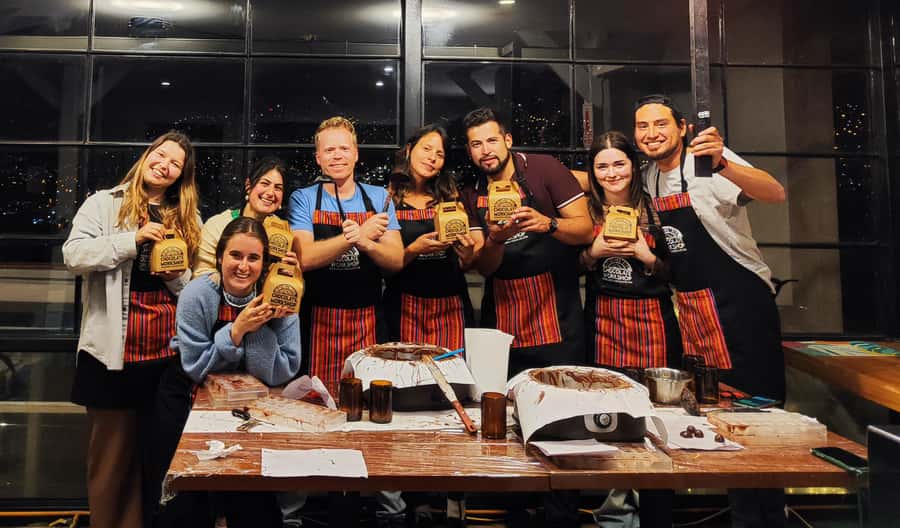
Chocolate, with a Cusco view. I love the panoramic Limbus Restobar setting and the hands-on chance to work with organic Chuncho cacao while you make Belgian-style pralines and mendiants.
One thing to plan around: this is a do-the-work experience. There are no spectators, and kids under 12 are not allowed, so it’s not a drop-off or watch-from-the-side kind of outing.
In This Review
- Quick hits to know
- Cusco chocolate workshop at Limbus Restobar: view, team energy, and how it flows
- Why Chuncho cacao is the star: what you learn and why it matters
- Belgian pralines and mendiants: what you make in 2.5 hours
- Fillings and toppings: the fun part that makes your box personal
- Tempering and technique (the stuff you can reuse)
- Hot chocolate tasting and making: a warm finish with a real flavor lesson
- Price and value check: what $47 gets you in real terms
- Logistics that affect your day: timing, no pick-up, and language
- A quick note if you’re managing health needs
- Who should book this workshop (and who should skip it)
- Should you book the Cusco chocolate workshop?
- FAQ
- How much does the Cusco chocolate workshop cost?
- How long is the workshop?
- Where do I meet for the workshop?
- Is pick-up included?
- What do I make and how much do I take home?
- Is hot chocolate included?
- What languages are the instructors available in?
- Is it suitable for children or people with diabetes?
- What is the cancellation and payment policy?
Quick hits to know
- Limbus Restobar meeting point with a city view that makes the whole workshop feel special before you even start
- Chuncho organic cacao from the Cusco jungle used to create your bonbons
- Belgian pralines & mendiants made from scratch, not just assembled
- Hot chocolate tasting and making part of the session
- You take home your own box (around 21 pralines and 10 mendiants, plus lots of chocolate weight-wise)
More cacao and chocolate workshops
- Cusco Cooking Class by ChocoMuseo in Cusco★ 5.0 · 29 reviews
- Cusco: Chocolate Workshop with the Best Local Organic Cacao★ 4.5 · 23 reviews
- 1.5h Cusco Chocolate Workshop – Truffles & Hot Chocolate★ 4.3 · 8 reviews
- Cusco: Bean to bar chocolate workshop★ 5.0 · 3 reviews
Cusco chocolate workshop at Limbus Restobar: view, team energy, and how it flows
You meet at Limbus Restobar in Cusco, and the first surprise is the setting. It’s a proper restobar with a panoramic view over the city, so you start the experience in a calm, scenic mood instead of standing in a storefront line. At reception, say you’re coming for el taller de chocolate (or the Chocolate workshop). The staff will point you to the right place.
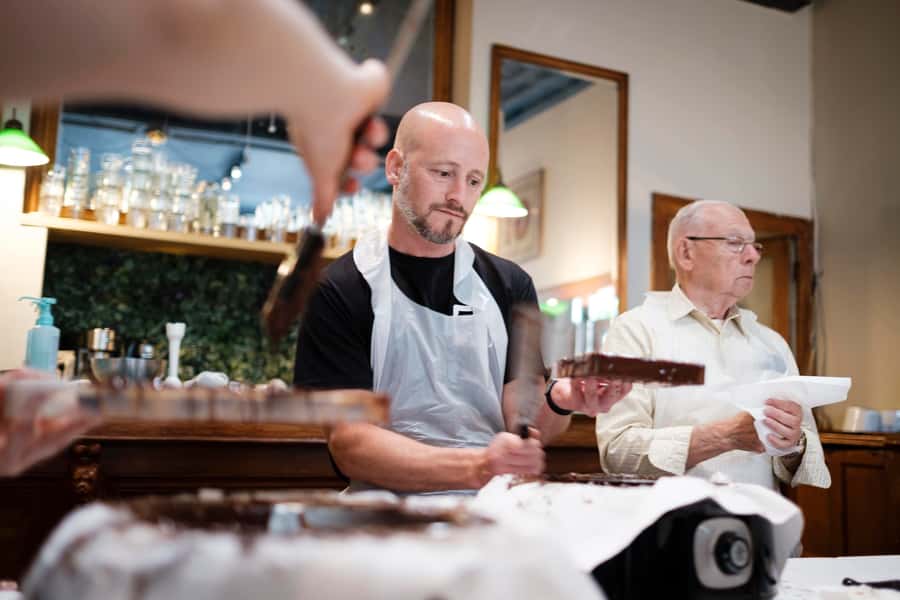
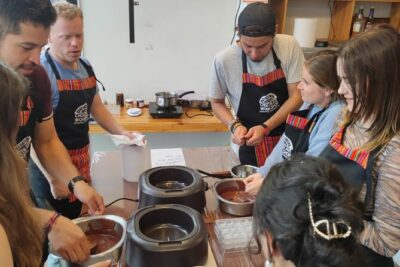
This workshop runs about 150 minutes, and it feels designed for active participation. You’re not there to watch someone else work; you’re there to make chocolate. That matters because the learning sticks better when you’re doing the steps with guidance in real time. The teaching team also brings a high-energy style—names that pop up include David, Ken, Angel, Marco, and Alex—and that personality makes the session more fun than a lecture.
No pick-up is part of the deal, so you’ll want to build in time to get there on your own. Once you’re inside, the flow is practical: a bit of chocolate culture and history up front, then you get your hands busy with pralines and mendiants. It ends with you packing your work into a box to share later.
Why Chuncho cacao is the star: what you learn and why it matters
The big “why” of this workshop is the cacao they use: 100% organic, artisanal Chuncho from the jungle of the Cusco region. You’re not just tasting chocolate—you’re learning what makes it special and how it connects to Peru.
You’ll hear why Peruvian chocolate is unique in the world, and you’ll also get the specific “Chuncho” story. The workshop frames Chuncho as one of the best organic cacaos in the world, and it’s presented as a local product with strong regional identity. Even if you’re not a chocolate nerd (yet), the point is easy to grasp: flavor isn’t random. It comes from where the cacao grows and how the ingredient is treated.
One useful thing to keep in mind: you can’t assume this is a full roasting-and-processing show from bean to finished couverture. A past participant flagged that they’d have liked to see the cacao beans roasted and opened more clearly. So if you’re hoping for a very visual “from raw bean to chocolate” production sequence, you might want to go in with realistic expectations—this class focuses more on making pralines/mendiants and learning techniques than on a full industrial-style processing demonstration.
Where this workshop really shines is that it connects origin to craft. When you later choose fillings and toppings, you’ll have a better sense of what you’re tasting—because you didn’t just start with a generic bar. You started with a specific organic cacao story.
Belgian pralines and mendiants: what you make in 2.5 hours
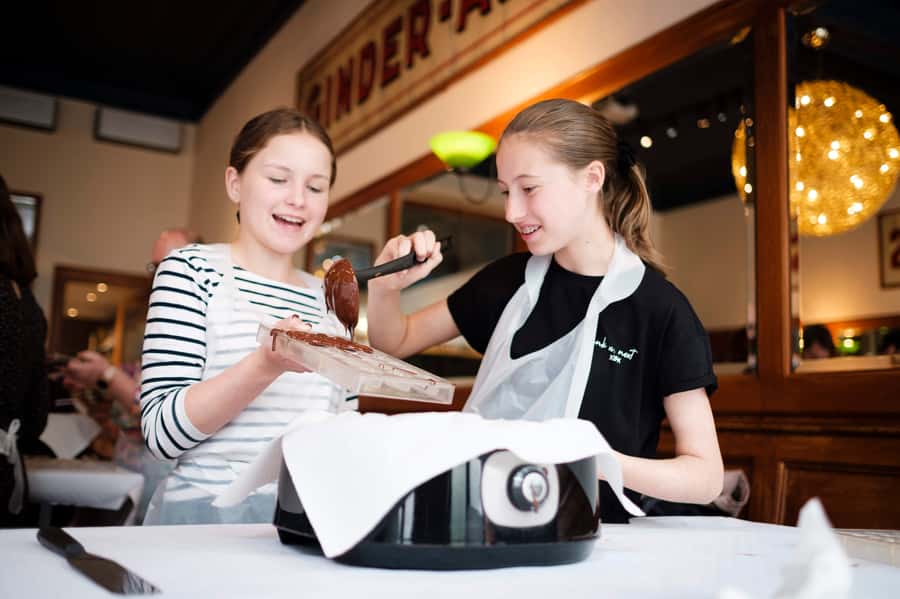
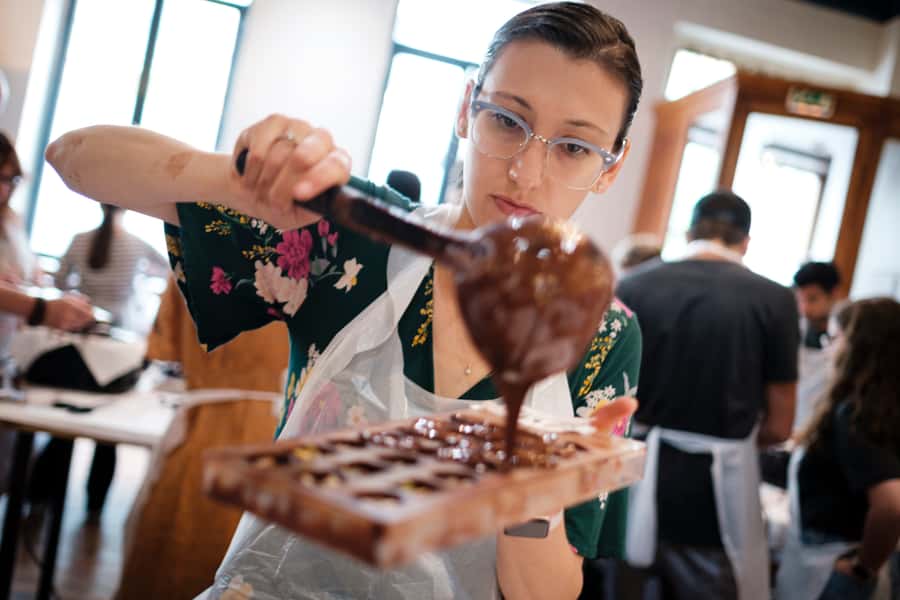
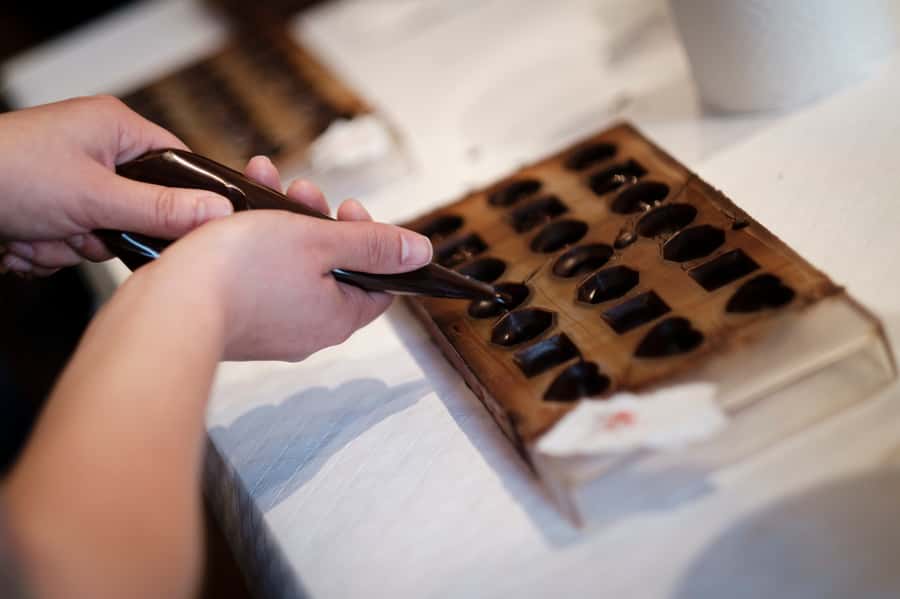
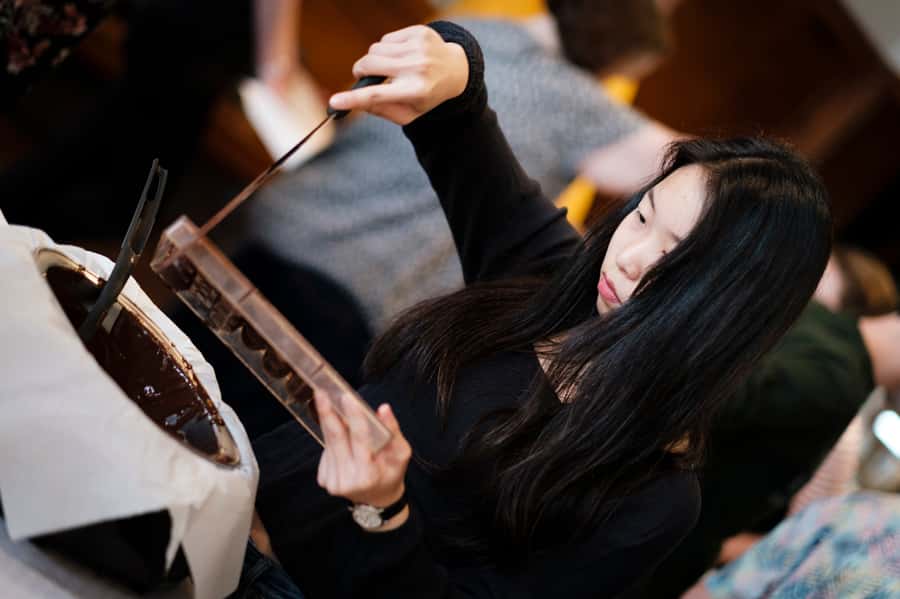
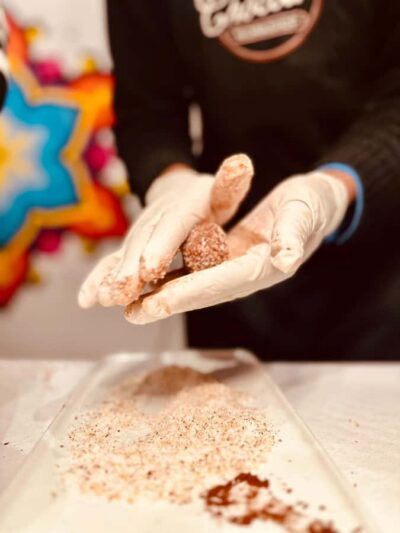
This is a “do it yourself” workshop built around Belgian-style bonbons: pralines and mendiants. The session is designed to teach you the method, but also to get you producing enough finished pieces that you’ll leave with something real (not a tiny sample tray).
Here’s the core of what you’ll do:
- You’ll start with a short explanation of chocolate culture and history, then move quickly into technique.
- You’ll learn how to make your pralines and mendiants from scratch.
- You’ll get guided help through the process—so if you’re new to chocolate work, you’re not left guessing at the worst possible time (when things get messy).
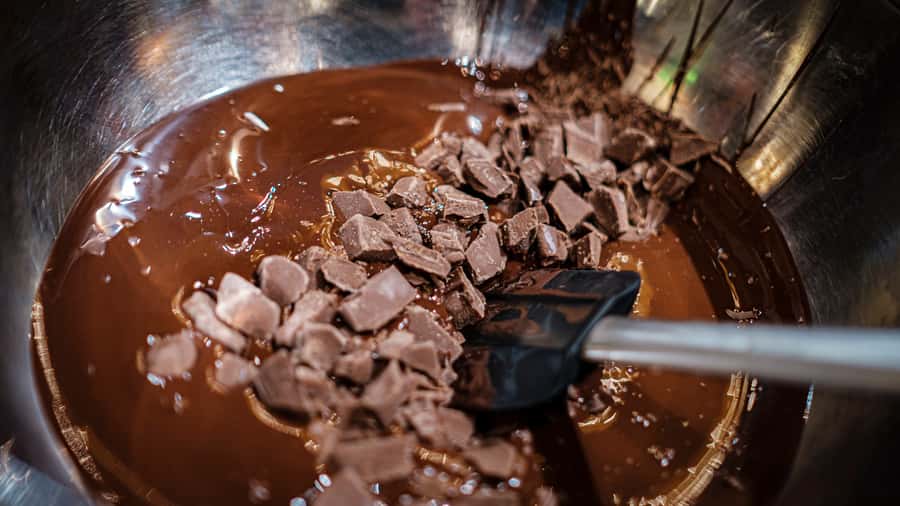
Your take-home output is part of the value. You should expect to bring home around 21 pralines and 10 mendiants, and the workshop also includes 300 grams of chocolate per person in the materials you work with. That’s a lot of chocolate labor packed into 150 minutes.
Fillings and toppings: the fun part that makes your box personal
The workshop doesn’t stop at generic “melt and pour.” You’ll be choosing from a range of toppings and filling options while you build what goes into each piece. Examples include:
- ganache made by yourself
- homemade local jam
- local and organic nuts (among other topping choices)
That variety is more than extra options—it’s how the class helps you build confidence. Once you understand how the base behaves, you can start imagining flavor combinations beyond the session.
Tempering and technique (the stuff you can reuse)
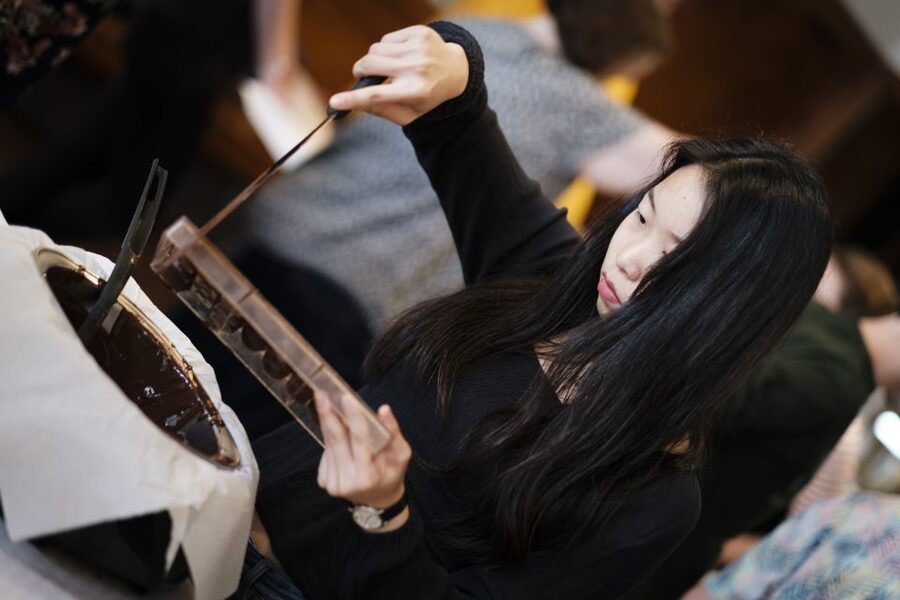
At least part of the session includes teaching technique such as tempering. You’ll also practice building bonbons, and you’ll hear about ganache and the logic behind the process. It’s the kind of information that makes you feel like you could do this again later—especially because you leave with the exact box of your own creations, so it’s not just theory fading by dinner time.
Hot chocolate tasting and making: a warm finish with a real flavor lesson
Chocolate workshops should end with something you can actually taste, not just admire. Here, you get a hot chocolate tasting, and you also learn how to make it. It’s a smart inclusion because hot chocolate is forgiving. It lets you focus on flavor and balance without requiring perfect bonbon form.
The tasting portion helps you connect what you learned about cacao to how it tastes when warmed. Then, when you make it, you get a quick “aha”—the cocoa character changes when heat brings out different notes. Even if you’re mainly there for pralines and mendiants, this warm finish makes the experience feel complete.
It also gives you a practical takeaway. If you’re the kind of person who buys chocolate, then forgets it until the next souvenir trip, this part helps you keep a cacao-centered memory at home that doesn’t require specialized tools.
Price and value check: what $47 gets you in real terms
At $47 per person for about 2.5 hours, the workshop is fairly priced for Cusco—mainly because you aren’t just paying for a demo. You’re getting:
- a full workshop experience
- assistance from start to end
- 300 grams of chocolate per person
- a hot chocolate tasting
- a take-home box with your own handmade bonbons
- filtered water included
The take-home piece matters. You’re not leaving with a single bite or a small sample. You’re taking dozens of pieces (around 21 pralines and 10 mendiants) plus the overall chocolate amount used during the session. That turns the class into a real souvenir: something edible, personal, and shareable.
If you compare this to buying chocolate in town, the value depends on what you care about. If you just want the flavor, you can buy bars. If you want craft, technique, and a box you made yourself with Chuncho organic cacao, this pricing is easier to justify.
Logistics that affect your day: timing, no pick-up, and language
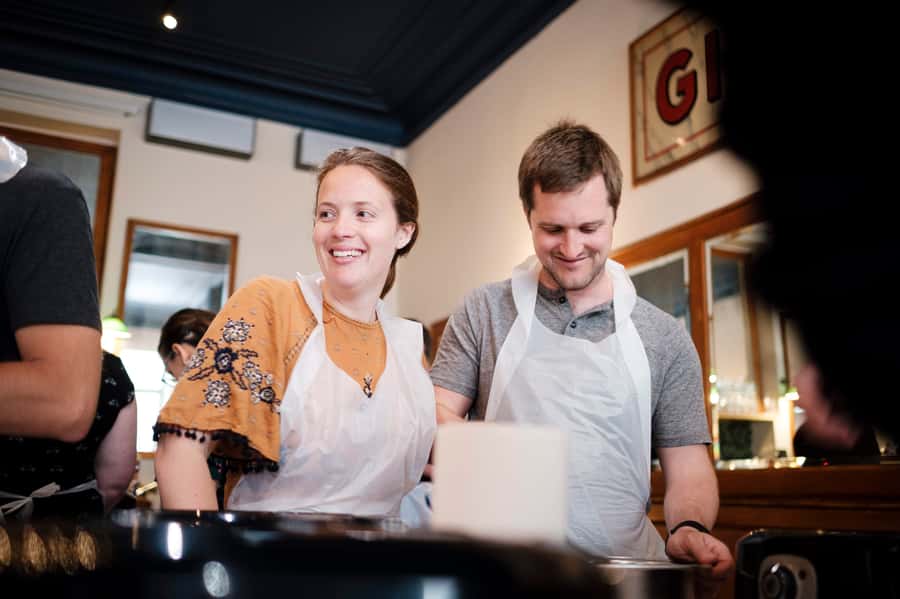
This workshop is 150 minutes long, and you’ll need to meet directly at Limbus Restobar. There’s no pick-up, so plan to arrive a few minutes early. It’s also a good idea to wear something comfortable. Chocolate work gets hands-on.
Languages offered include English, Spanish, and French, and the instructor team has a friendly teaching style. Reviews also highlight that the hosts explain clearly and add humor, which helps a lot if your chocolate vocabulary is limited.
Also note the workshop rules: no spectators. That keeps the group focused and gives everyone enough space to work. If you want to bring company, that’s not the format here.
A quick note if you’re managing health needs
This experience is not suitable for people with diabetes. Chocolate work involves sugar and tasting, so if you’re concerned about blood sugar impacts, treat this as a clear “no.”
Who should book this workshop (and who should skip it)
This class is ideal if you:
- enjoy hands-on learning more than museum-style experiences
- want a Cusco souvenir that you’ll actually eat
- like chocolate that’s tied to a specific local ingredient story (Chuncho)
- are curious about Belgian pralines and mendiants, including technique like tempering
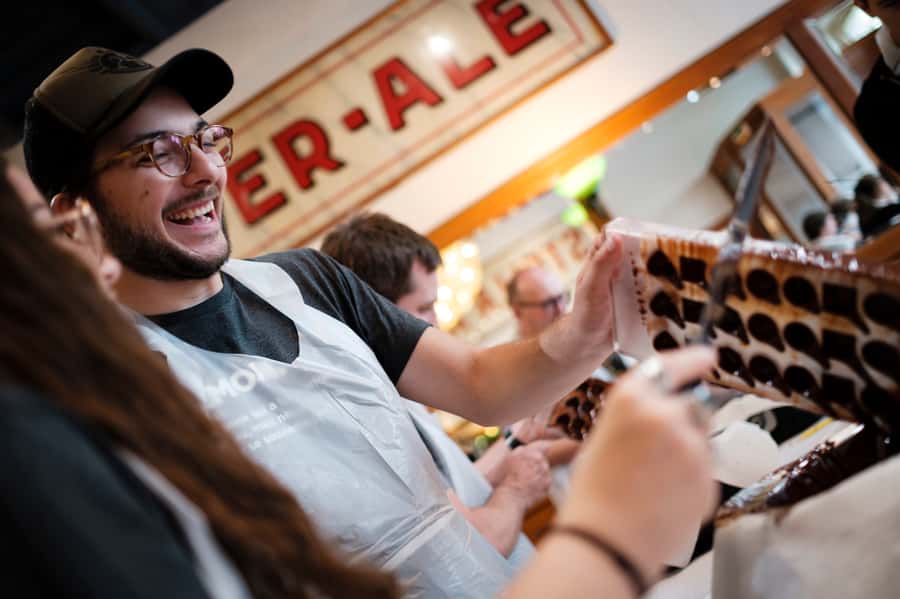
It’s also a fun choice if you want an interactive social moment. The vibe described by past participants is energetic and group-friendly, with lots of hands-on guidance and laughter.
You may want to skip it if you:
- need a spectator-friendly format (this workshop does not allow spectators)
- are traveling with children under 12 (not allowed)
- want something that’s compatible with diabetes management (not suitable)
- are hoping for a purely visual bean-to-bar processing tour (you might find the focus is more on making than on roasting/opening)
One more practical fit check: unaccompanied minors are not allowed, so if you’re bringing minors at all, plan around that rule.
Should you book the Cusco chocolate workshop?
I’d book it if you want something genuinely Cusco—not just a chocolate tasting, but a hands-on craft session using organic Chuncho cacao and leaving with a personal box. The view at Limbus Restobar adds a nice layer of atmosphere, and the teaching style seems upbeat and clear, especially with instructors like David, Marco, Ken, Angel, and Alex showing up in the experience.
I’d think twice if you’re bringing kids under 12, if you want to sit back and watch, or if you need to avoid sugar for health reasons.
If you’re flexible and you like the idea of learning technique you can repeat at home, this is the kind of afternoon you’ll remember when the rest of your Cusco photos start fading into the background.
FAQ
How much does the Cusco chocolate workshop cost?
It costs $47 per person.
How long is the workshop?
The workshop lasts about 150 minutes (2.5 hours).
Where do I meet for the workshop?
You meet directly at Limbus Restobar. Tell the reception staff you’re coming for el taller de chocolate.
Is pick-up included?
No. There is no pick-up. You need to meet at the workshop location.
What do I make and how much do I take home?
You make Belgian pralines and mendiants and can take home around 21 pralines and 10 mendiants, plus the workshop includes 300 grams of chocolate per person.
Is hot chocolate included?
Yes. You get a hot chocolate tasting, and you also learn how to make hot chocolate during the workshop.
What languages are the instructors available in?
The instructor speaks English, Spanish, and French.
Is it suitable for children or people with diabetes?
No. Children under 12 are not allowed, and the workshop is not suitable for people with diabetes.
What is the cancellation and payment policy?
You can cancel up to 24 hours in advance for a full refund. You can also reserve now & pay later, so you don’t pay anything today.
More Dessert Tours in Cusco
More Tour Reviews in Cusco

More Cacao Workshops
Recent write-ups from around Cusco, just off the trail
- Cuzco: Rainbow Mountain Excursion
★ 5.0 · 3 reviews - 1 day excursion to Qeswachaka bridge and the 4 lagoons
★ 3.6 · 3 reviews - Waqrapukara 1 day trekking + meals
★ 3.9 · 3 reviews - Valle Sur Cusco | half day
★ 4.3 · 3 reviews - Full-Day Condor Viewpoint & Inca Sites Tour
★ 5.0 · 3 reviews
Chocolate & Cacao Workshops, compared.
 ★ 5.0Chocolate Workshop in Cusco with Premium Organic CacaoFrom $4575 reviews
 ★ 5.0Cusco Cooking Class by ChocoMuseo in CuscoFrom $5429 reviews
 ★ 4.31.5h Cusco Chocolate Workshop – Truffles & Hot ChocolateFrom $378 reviews
 ★ 5.0Bean to bar chocolate workshop3 reviews
Browse the lists this tour appears in