
REVIEW · LAKE TITICACA & PUNO
From Cusco: Full-Day Touristic Bus to Puno with Guided Tours
A long Cusco-to-Puno day that’s actually packed. This full-day bus tour threads together some of the Route of the Sun’s best-known stops, with short guided visits plus big views from Raya Pass. I especially loved how the itinerary mixes standout sights like Andahuaylillas with context on Inka and colonial-era Peru, and the included buffet lunch in Sicuani is a real breather. The one thing to consider: communication can be a little hands-off, so I recommend you confirm your pickup details ahead of time.
You’ll start early in Cusco and settle in on a modern bus with reclining seats and hot/cold drinks, then roll across the southern altiplano corridor to Puno. The pacing is designed so each stop runs roughly 20 to 40 minutes, which works if you want highlights without the pressure of a full private tour. If you need long, unhurried museum time, you might feel a bit rushed—but you can still ask questions and take photos while you’re there.
In This Review
- Key highlights I’d circle first
- A 10-hour Cusco-to-Puno route with real structure
- Cusco pickup and the early start reality
- Andahuaylillas: the Sistine Chapel of the Andes, minus the waiting line
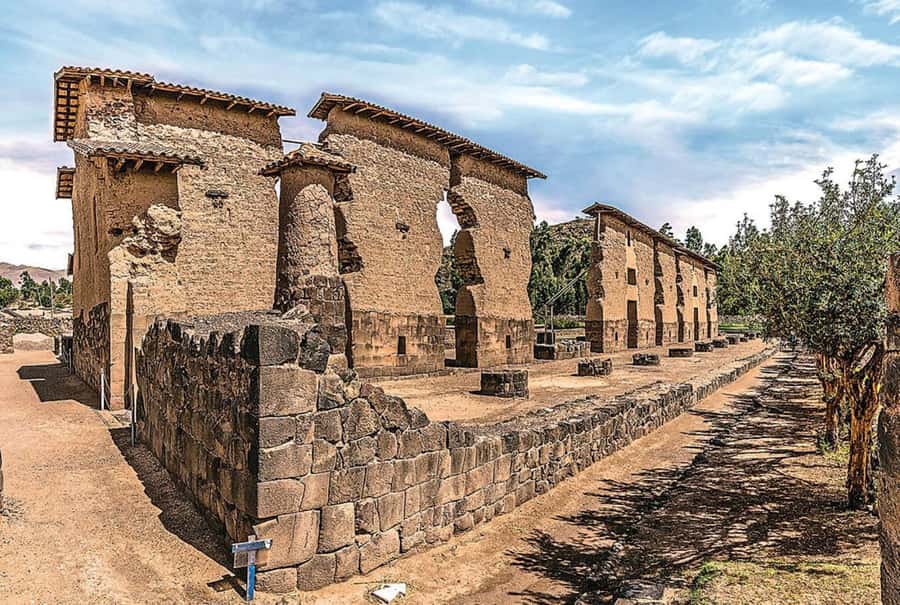
- Raqchi’s Inka temple: turning ruins into a story
- Sicuani lunch: a practical break that keeps the day enjoyable
- Raya Pass (4335 m): big Andes views and cold-air comfort
- Pukara Lithic Museum: Inkan and Aymaran culture through objects
- Arrival in Puno: transferring out, not lingering
- Price and value: what $130 actually buys you
- Who this Cusco-to-Puno tour fits (and who should adjust expectations)
- Quick practical tips before you go
- Should you book this Cusco to Puno bus tour?
- FAQ
- How long is the Cusco to Puno tour?
- What stops are included on the way to Puno?
- Is lunch included?
- What languages is the guide available in?
- Are entrance fees included?
- Will I have time to take photos and ask questions?
- Is there support for altitude?
- What does the bus include during the ride?
- What should I bring?
Key highlights I’d circle first
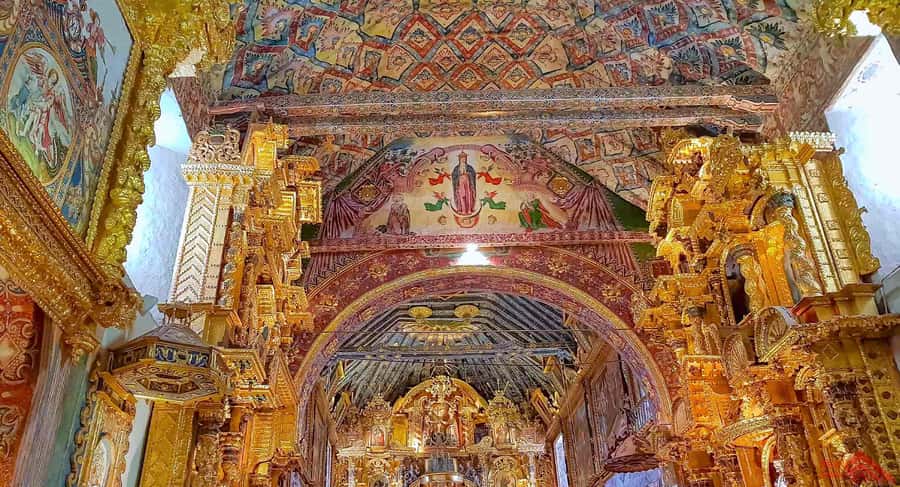
- Andahuaylillas’ 16th-century church with dramatic mural and gold details (the Sistine Chapel of the Andes nickname is earned)
- Raqchi’s Inka temple grounds, where sun-worship themes make the story of the empire easier to grasp
- Lunch in Sicuani, timed as a practical pause on a long day
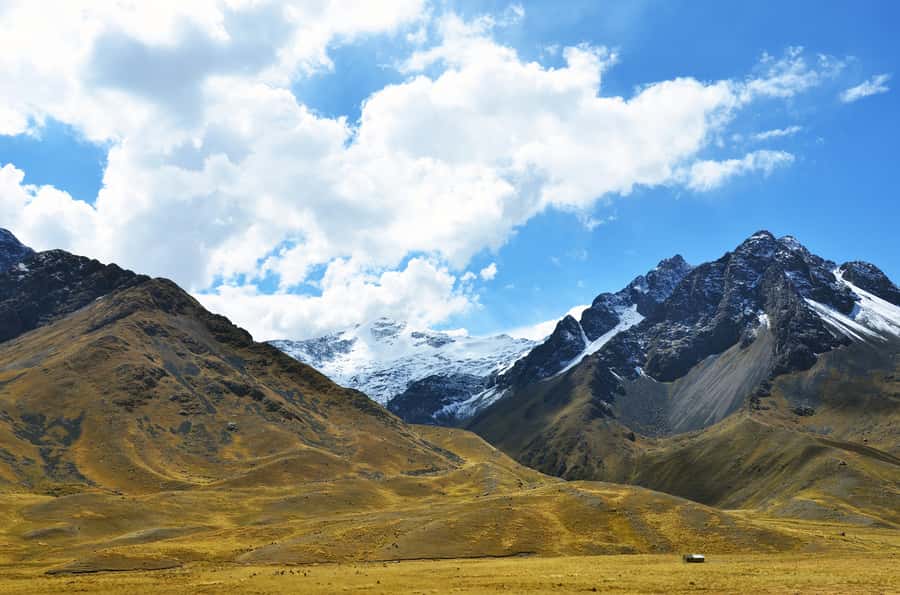
- Raya Pass viewpoint (4335 m) for big Andes panoramas and souvenir stops
- Pukara Lithic Museum, focused on Inkan and Aymaran culture through artifacts and an archaeological setting
- Support for altitude day with included oxygen and first-aid kit on board
More of Lake Titicaca and Puno from Cusco
- Full Day Lake Titicaca Tour from Cusco★ 4.5 · 91 reviews
- From Cusco: 2-Day Lake Titicaca Tour★ 4.4 · 74 reviews
- From Cusco: Titicaca Lake – Full day tour with sleeper bus★ 3.9 · 72 reviews
- From Cusco: 2-Night Lake Titicaca Excursion★ 3.7 · 62 reviews
A 10-hour Cusco-to-Puno route with real structure
This isn’t just transportation. It’s a guided day built around the idea that you’ll get something meaningful while crossing the altiplano between Cusco and Puno. You spend a lot of time on the bus, yes, but the stops are scheduled so you don’t lose the day to transit alone.
What makes it work for most people is the balance: guided tours where it counts, plus enough free moments to move at your own speed. Each visit is short—about 20 to 40 minutes—so you should go in with a simple goal: see the highlights, understand what you’re looking at, then decide if you want to come back later on your own.
The bus itself matters more than you’d think for a long day. You’ll have comfortable reclining seats and hot and cold drinks on board, which helps when weather shifts fast in the Andes. The tour also includes medicated oxygen and a first-aid kit, a reassuring detail given the highest point on the schedule is 4335 meters at Raya Pass.
Cusco pickup and the early start reality
You’ll be picked up from your accommodation in Cusco and start the day bright and early. That timing is key because the road and the viewing points are much better earlier, when you have more energy and fewer rushed decisions at the stops.
Once you’re on the highway, you’ll get gorgeous views of mountains and lakes along the way. Even when you can’t get out, it’s still a scenic corridor, and the guide’s commentary helps you connect what you’re seeing to what you’re visiting later.
Practical tip: ask your hotel to confirm the exact pickup location and time range. In at least one booking experience, communication wasn’t proactive, so don’t assume everything will be sent to you automatically. A quick message to PVTravel (or the provider handling your reservation) a day or so before travel can save stress, especially when pickup coordination is involved.
Andahuaylillas: the Sistine Chapel of the Andes, minus the waiting line
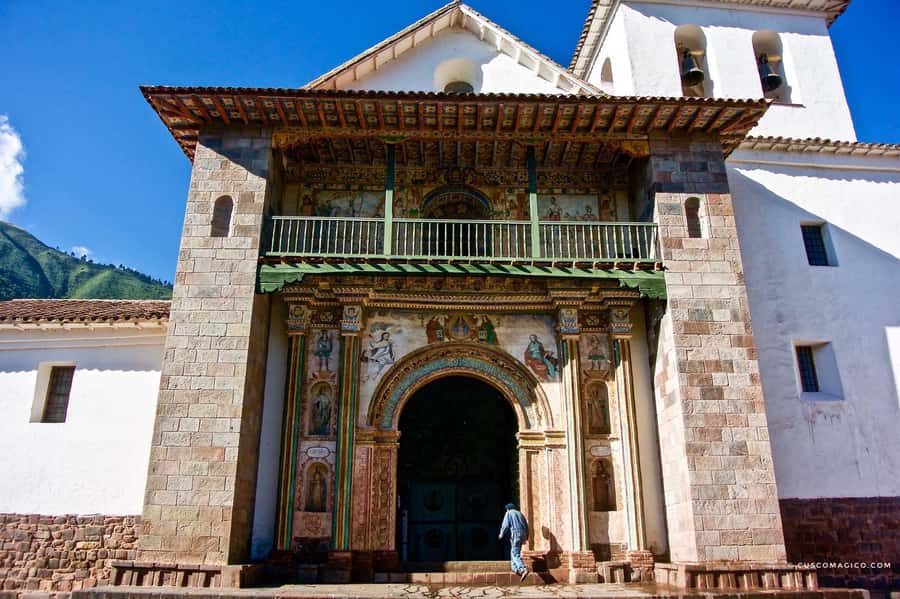
The first major stop is St. Peter the Apostle of Andahuaylillas, a 16th-century church famous for its painted murals and gold embellishments. The nickname “Sistine Chapel of the Andes” isn’t just marketing. The space is small enough that you feel the impact fast, and the decoration makes it easy to see how colonial influence blended into local life.
I like this stop because it’s visually strong but also information-friendly. A good guide can point out what to focus on—what the murals are showing, where the gold details sit, and why people keep describing the church as a peak moment on this route. In 20 to 40 minutes, you won’t do a slow art-history seminar, but you can absolutely leave understanding what you just saw.
Possible drawback: because the stop is short and interior viewing can be weather-dependent, you’ll want to come prepared to move quickly once you arrive. If you’re the type who likes to linger for an hour of sketching or reading every detail, you may have to accept “highlights only” today.
Raqchi’s Inka temple: turning ruins into a story
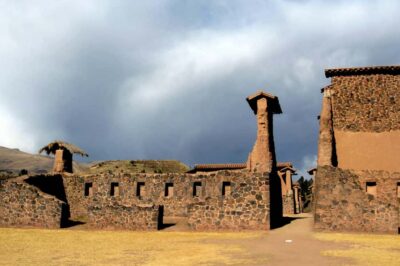
Next up is Raqchi, home to the Inka temple grounds. Here, the tour shifts from murals and colonial-era art to the deeper logic of the Inkan Empire. The focus is the temple’s significance and what it suggests about how worshippers related to the sun.
If you’ve ever looked at Inka stonework and thought, Okay, but what does it mean for everyday people? this stop helps answer that. You get guided context for how the empire used sacred architecture, and you can see the scale of the site without needing technical archaeology knowledge.
What I appreciate is the way the schedule gives you time to walk the grounds at a comfortable pace. The visit is still time-boxed, but it feels more expansive than a quick photo stop because the temple site invites you to look around and compare structure styles, materials, and layout.
If you’re sensitive to altitude: you may feel it here too, even before Raya Pass. Move slowly, drink water, and let the guide’s pacing work for you. The included oxygen isn’t only for the highest point.
Sicuani lunch: a practical break that keeps the day enjoyable
Around this part of the route, you’ll stop for a buffet lunch in the town of Sicuani. This is one of those “quietly valuable” inclusions. You’re traveling across long distances in a single day, and if lunch were left to chance, the whole schedule could wobble.
A buffet helps because you can choose what feels good in your stomach. It’s also a chance to sit down away from constant boarding and disembarking. If you’re feeling altitude effects, eating something you can tolerate matters more than chasing a gourmet moment.
Since lunch is included, you also avoid the common trap of spending extra money on the road just to stay fueled. The tour lists extra meals and drinks as not included, so treat this buffet as your main onboard reset point.
Raya Pass (4335 m): big Andes views and cold-air comfort
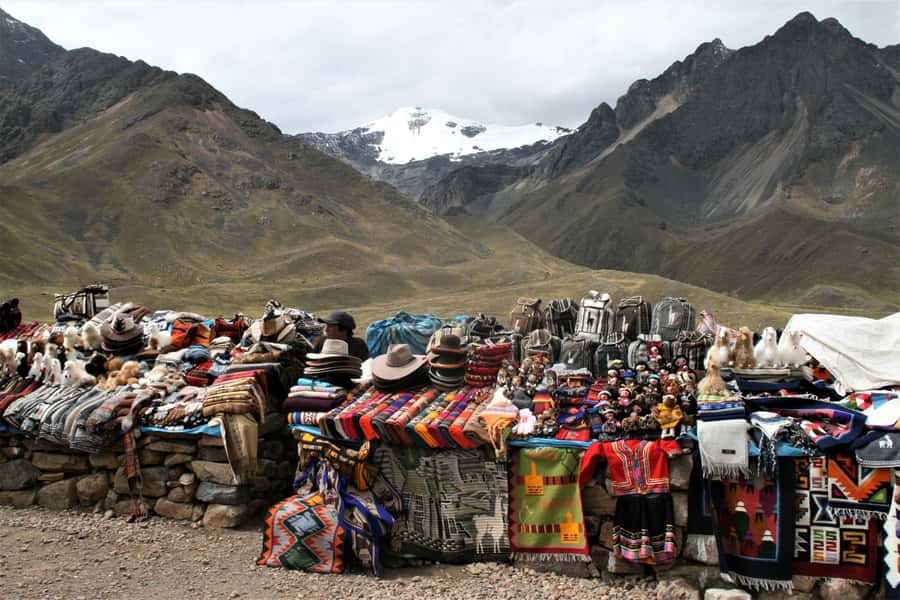
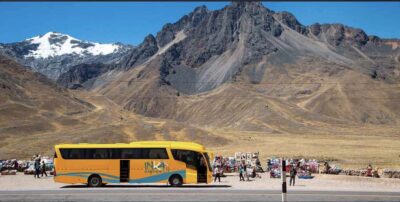
Now for the peak moment: Raya Pass at 4335 meters above sea level. The payoff is panoramic views of the Andes—plus freshwater pools and snow-capped mountains in the mix. This is also where the tour leans into the Route of the Sun idea: sacred geography, high-altitude travel corridors, and the sense that people have crossed these heights for generations.
You’ll have time for photos and a stop area where vendors sell traditional souvenirs. It’s a good time to browse without feeling like you’re sprinting through the market chaos. If you want to buy something, plan to be ready with payment (and keep your hands warm for the cold).
Altitude reality check: Raya Pass is high enough that even people who feel fine at sea level may feel it. The tour includes medicated oxygen and a first-aid kit, which helps you feel safer if you start feeling symptoms. Still, I recommend you treat this like a “slow down and breathe” moment—don’t race uphill for a better photo, and give yourself a few minutes to re-center if you feel lightheaded.
Short timing note: because the stop is still part of a 10-hour day, you won’t have hours at the pass. You’ll get a viewing window that’s long enough to enjoy, but not long enough to forget you’re on a schedule.
Pukara Lithic Museum: Inkan and Aymaran culture through objects
The final guided stop is the Pukara Lithic Museum. This part of the day shifts from scenic altitude triumph to something more reflective. You’ll learn about Inkan and Aymaran culture through rare artifacts, then visit an archaeological site setting within/around the museum area.
I like this stop because it’s specific. Instead of general “history of the region,” you’re seeing objects and how they connect to the broader culture of the Andes highlands. If you enjoy museums but don’t want a full-day commitment in one building, this works well: guided explanation, time to look, and an environment that supports context.
Like the other major stops, your museum time is limited—about 20 to 40 minutes—so don’t expect to read every label. But you can still walk away with a clearer sense of how the region’s cultures shaped each other over time.
Arrival in Puno: transferring out, not lingering
Once you reach Puno, you’ll part ways with the group and be transferred to your accommodation. That’s a smart way to end a bus tour: you’re not stuck waiting for the next step, and you can plan your evening right away.
Because the day ends in Puno after an early start, you’ll likely want a simple dinner and an easy night. If you’re sensitive to altitude, plan for rest. Your body will have done a lot of work even if you didn’t feel it immediately.
Price and value: what $130 actually buys you
At $130 per person for a 10-hour day, this tour can feel like a lot at first glance—until you break down what’s included. You’re paying for:
- Transport in modern buses with comfortable reclining seats
- Guided tours at Andahuaylillas, Raqchi, and Pukara
- Entrance fees to the places visited
- Lunch in Sicuani (buffet)
- Bilingual guide support in English and Spanish
- On-board drinks, plus medicated oxygen and a first-aid kit
When you consider that you’re covering multiple high-profile sites and the altitude peak in one day, the pricing starts to look less like “just a transfer” and more like a bundled sightseeing day with added safety. The main trade-off is time: you can see a lot, but you won’t do any one site in full depth.
Also note what isn’t included: extra meals/drinks beyond lunch, and accommodation in Cusco or Puno. If you already have lodging booked, this tour fits cleanly into your plan. If you’re still deciding between open-jaw options, keep in mind this doesn’t replace your overnight travel planning.
Who this Cusco-to-Puno tour fits (and who should adjust expectations)
This tour is a strong match if you:
- want to go from Cusco to Puno with guided sightseeing, not just a bus ticket
- like history that has a visual anchor (church murals, temple grounds, museum objects)
- need help with pacing on a long day and prefer scheduled stops
- appreciate included logistics like lunch and entrances
It’s less ideal if you:
- hate short stops and need lots of time per site
- want a slow, unstructured museum experience
- are extremely altitude-sensitive and prefer to avoid even short high points (though oxygen is included, it doesn’t make altitude disappear)
One more quick note from a practical standpoint: communication may not be perfectly proactive. If you’re the kind of person who likes certainty, message the provider ahead of time to confirm pickup and any details you need.
Quick practical tips before you go
- Bring your passport, since it’s the listed required item.
- Dress for cold changes: mornings and high points can feel sharp, especially around the pass.
- Keep expectations realistic: each guided stop is 20 to 40 minutes, so save long reading for later.
- If you plan to buy souvenirs at Raya Pass, keep your payment ready and your hands warm.
- For altitude comfort, pace yourself. The tour includes oxygen, but your effort level still matters.
Should you book this Cusco to Puno bus tour?
If you want a day that feels like sightseeing without adding extra hotel nights, I think this is an easy yes. You’re getting guided visits to several of the Route of the Sun’s most memorable stops—Andahuaylillas, Raqchi, and the Pukara Lithic Museum—plus the big altitude-view moment at Raya Pass. The included lunch in Sicuani and the oxygen support make the long haul feel more manageable.
The only “pause” reason for me is the communication angle. Don’t wait for everything to arrive in perfect order. Confirm pickup and coordination in advance, especially if you’re relying on the provider for timing details.
Overall, PVTravel’s Cusco-to-Puno day tour is best for people who want highlights, clear explanations, and a straightforward plan from one city to the next.
FAQ
How long is the Cusco to Puno tour?
The tour runs for about 10 hours.
What stops are included on the way to Puno?
You’ll visit Andahuaylillas, Raqchi, Raya Pass, and the Pukara Lithic Museum, with time at each location for guided touring.
Is lunch included?
Yes. You get a buffet lunch in Sicuani.
What languages is the guide available in?
The guided service is bilingual: English and Spanish.
Are entrance fees included?
Yes. Entrances to the places visited are included.
Will I have time to take photos and ask questions?
Yes. Each guided visit lasts about 20 to 40 minutes, so you can ask questions and take photos during that time.
Is there support for altitude?
Yes. The tour includes medicated oxygen and a first-aid kit.
What does the bus include during the ride?
You’ll have comfortable reclining seats and service on board of hot and cold drinks.
What should I bring?
You should bring your passport.
More Tour Reviews in Cusco
On to Lake Titicaca
Recent write-ups from around Cusco, just off the trail
- Cuzco: Rainbow Mountain Excursion
★ 5.0 · 3 reviews - 1 day excursion to Qeswachaka bridge and the 4 lagoons
★ 3.6 · 3 reviews - Waqrapukara 1 day trekking + meals
★ 3.9 · 3 reviews - Valle Sur Cusco | half day
★ 4.3 · 3 reviews - Full-Day Condor Viewpoint & Inca Sites Tour
★ 5.0 · 3 reviews
Lake Titicaca & Puno, compared.
 ★ 4.8Scenic Route of the Sun to Puno with Buffet LunchFrom $44101 reviews
 ★ 4.5Full Day Lake Titicaca Tour from CuscoFrom $8691 reviews
 ★ 4.4From Cusco: 2-Day Lake Titicaca TourFrom $25974 reviews
 ★ 3.9From Cusco: Titicaca Lake – Full day tour with sleeper busFrom $11972 reviews
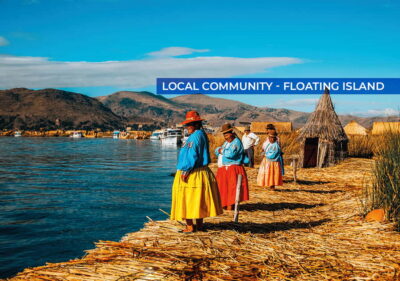 ★ 3.7From Cusco: 2-Night Lake Titicaca ExcursionFrom $8662 reviews
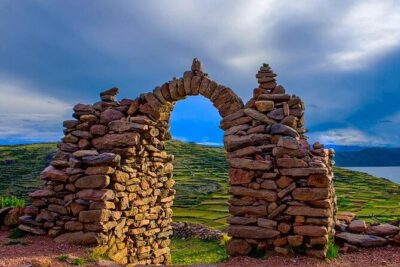 ★ 4.5From Cusco to Lake Titicaca: 2-Day Homestay TourFrom $10956 reviews
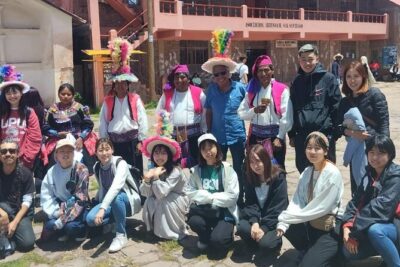 ★ 4.5Titicaca Lake 2 Day 1 Night from Cusco to PunoFrom $26933 reviews
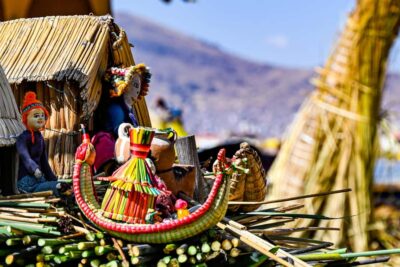 ★ 3.7From Cusco: Lake Titicaca, Uros and Amantani by sleeper busFrom $9024 reviews
Browse the lists this tour appears in