
REVIEW · SACRED VALLEY TOURS
From Cusco: Sacred Valley & Maras Salt Mines with Lunch
Sacred Valley in one day feels like speed dating. You’ll hit Chinchero, Moray, Maras salt mines, Ollantaytambo, and Pisac with a real guide guiding the meaning, not just the photos. I especially love the mix of Inca agriculture at Moray and the hands-on feel of the salt mines in Maras.
The one thing to plan for: it’s a long day at high altitude with lots of transfers, and most stops are time-boxed—so you’ll want comfortable shoes and a calm pace.
In This Review
- Key Things to Know Before You Go
- Sacred Valley in One Shot from Cusco (with a VIP-style flow)
- Pickup, Transfers, and the Altitude Math You Should Not Ignore
- Chinchero District: Textiles, Community Weaving, and What You Can Learn Fast
- Moray Agricultural Laboratory: Circular Terraces with an Inca Purpose
- Maras Salt Mines: The Photo Stop That Actually Requires a Ticket
- Urubamba Buffet Lunch: Cusquenian Fuel That Keeps the Day Honest
- Ollantaytambo: Big Stone Terraces, the Sun Temple, and Princess Baths
- Pisac Archaeological Site and the Handicraft Market for Mineral Work
- The Guide Makes the Difference: Rudy’s Energy and Clear Explanations
- What You Really Pay: $30 Value Versus Extra Tickets
- Who This Tour Fits Best (and Who Might Prefer Something Else)
- Should You Book This Sacred Valley & Maras Day Tour?
- FAQ
- How long is the Sacred Valley & Maras Salt Mines tour?
- Where does the tour start and how do you meet the guide?
- Is lunch included?
- What sites are included in the day?
- What’s the tour guide language?
- Are entry tickets included in the price?
- What time does the tour end?
- What’s the altitude like on this route?
- What are the cancellation terms?
Key Things to Know Before You Go
- Guided stops across the Sacred Valley so you’re not just looking at stones and terraces
- Chinchero textiles via a local community and a textile interpretation center
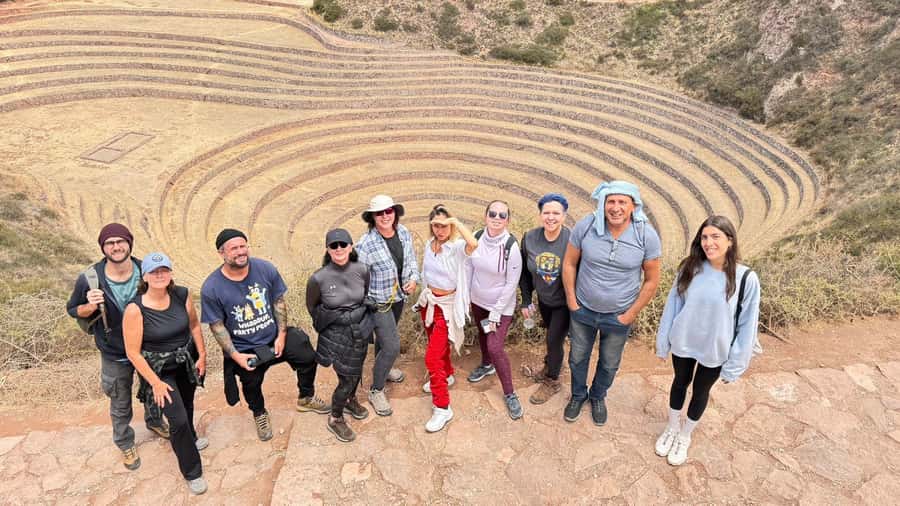
- Moray’s circular terraces explained as an Inca agricultural laboratory
- Maras salt mines with a guided visit plus a separate salt-mine entry ticket
- Urubamba buffet lunch (included) that actually helps you keep going
- Ollantaytambo + Pisac stacked back-to-back for a strong afternoon of ruins and market time
More of the Sacred Valley, village by village
- Sacred Valley: Chinchero, Moray, Ollantaytambo & Pisac+Lunch★ 4.8 · 501 reviews
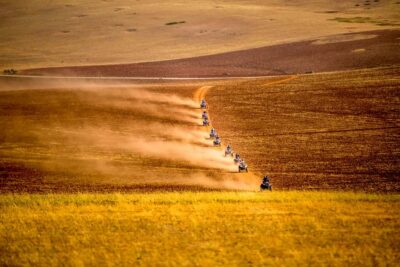
- Sacred Valley: Maras & Moray by Quad Bike from Cusco★ 4.6 · 418 reviews
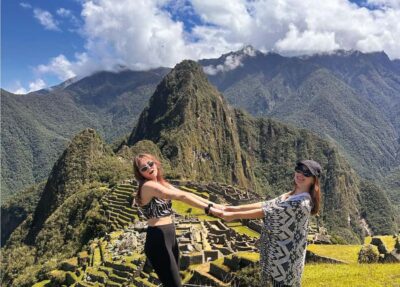
- From Cusco: 2-Day Trip to the Sacred Valley and Machu Picchu★ 4.6 · 265 reviews
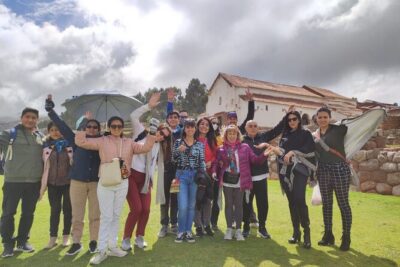
- Full-Day Excursion to Sacred Valley, Pisac and Ollantaytambo from Cusco★ 4.5 · 174 reviews
Sacred Valley in One Shot from Cusco (with a VIP-style flow)
This is the kind of day tour that makes sense when you want the biggest Sacred Valley highlights without juggling tickets, private transport, and a dozen timing decisions. You start with a morning pickup in downtown Cusco and head north through the valley, hitting multiple sites that are central to how the Incas worked the land and organized life.
I like the overall rhythm: you get guided time at each major stop, then you move on before the day gets stale. The tour includes a buffet lunch in Urubamba, which matters because it reduces the stress of finding food at the wrong moment—especially when you’re adjusting to altitude.
One more practical note: this tour is sold as a VIP Valley-type experience, and the pace reflects that. You’re not getting endless wandering at every ruin, but you are getting the key pieces explained clearly, including what each place was used for.
Pickup, Transfers, and the Altitude Math You Should Not Ignore
Cusco sits at 3,350 meters (10,990 feet), and this route climbs quickly. Chinchero, Moray, and Maras are all at about 3,762 meters (12,342 feet), which is noticeably higher than Cusco. Then you drop down for lunch around 2,780 meters (9,120 feet) in Urubamba, before heading back up again for Pisac (about 3,300 meters / 10,826 feet at the archaeological site).
What this means for you:
- Expect short waits, a bit of walking, and photo stops at elevation.
- Go easy on yourself the first day. If you push hard, altitude can make even simple steps feel harder.
- Bring a layer. High spots can feel chilly, and you’ll be moving in and out of vehicles all day.
Timing-wise, the tour is structured with transfers between sites (so you’re not stuck planning your own route). You’ll finish back in central Cusco around 18:30–19:00, near Plaza de San Francisco / Plaza Regocijo area.
Chinchero District: Textiles, Community Weaving, and What You Can Learn Fast
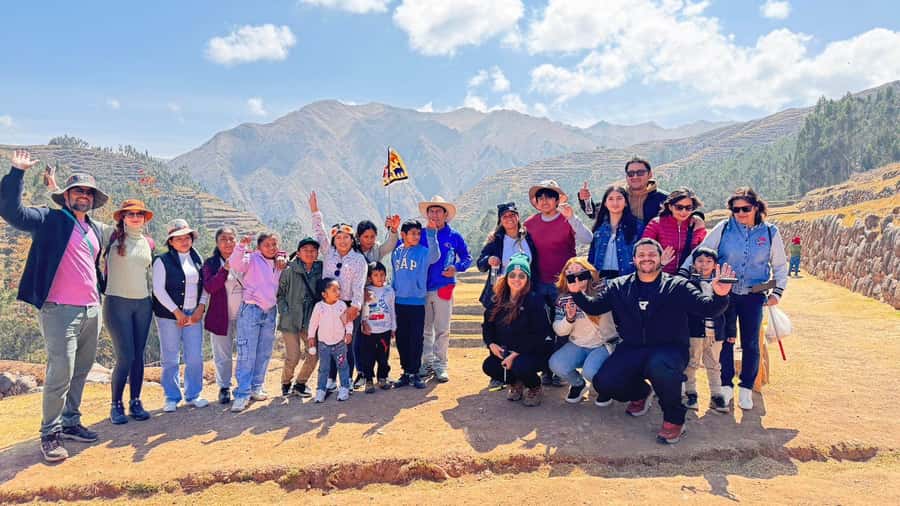
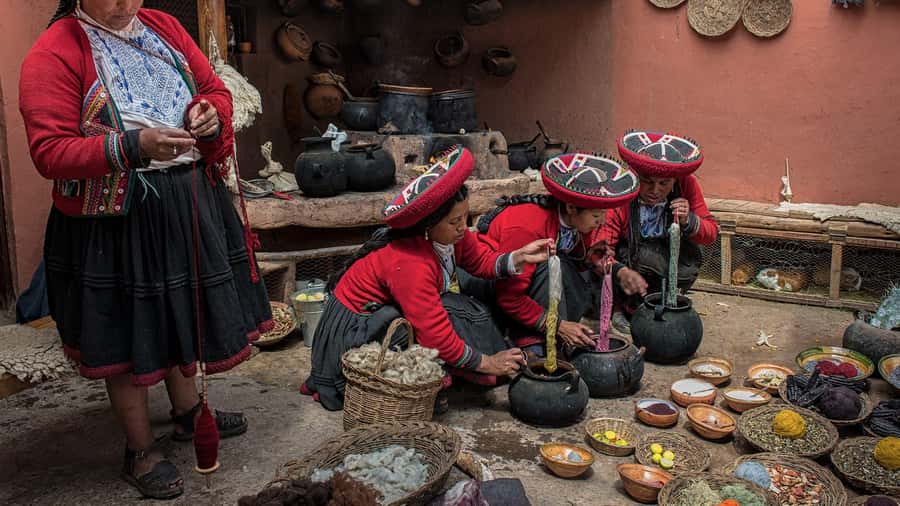
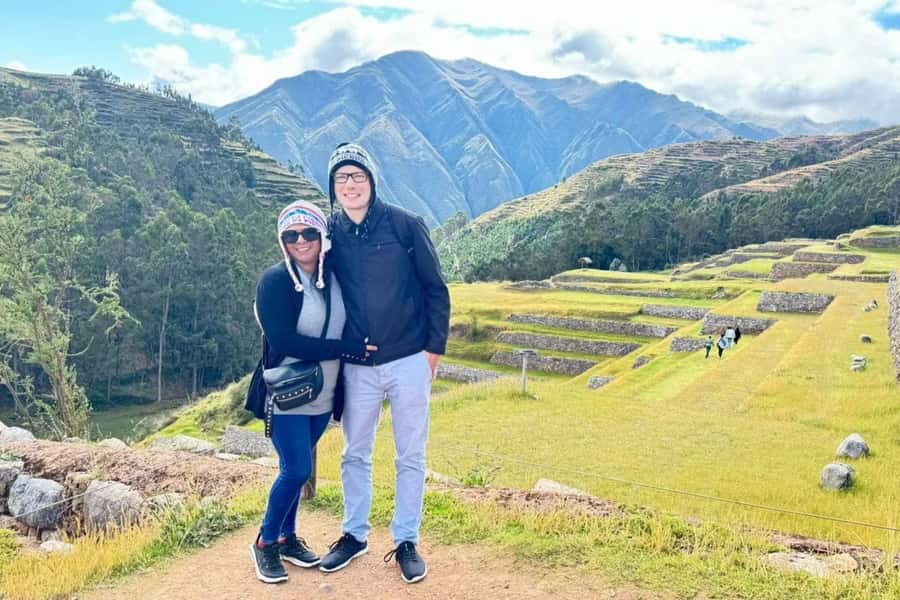
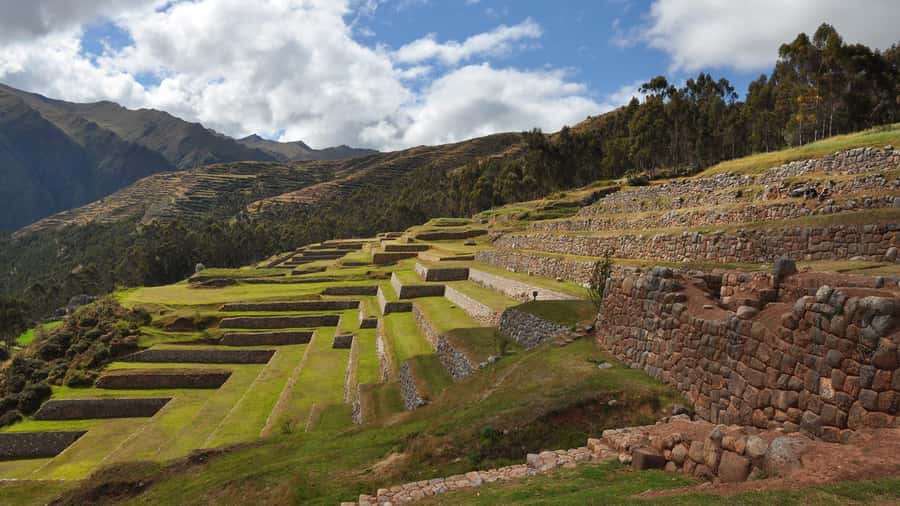
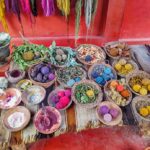
You’ll begin in the Chinchero area (around 3,762 meters). The standout here is the local community textile experience and the Textile Interpretation Center. Instead of treating weaving like a souvenir, the guide helps you understand how textiles connect to daily life and cultural knowledge.
This stop is short enough that it won’t exhaust you, but long enough for you to ask questions. If you’ve ever looked at Peruvian textiles and wondered why patterns repeat or how colors are chosen, this is the kind of place where a guide can turn it from pretty fabric into something you can actually read.
Practical tip: keep an eye on your breathing and take slow steps during sightseeing. Even if you feel okay in Cusco, the jump to Chinchero can sneak up on you.
Moray Agricultural Laboratory: Circular Terraces with an Inca Purpose
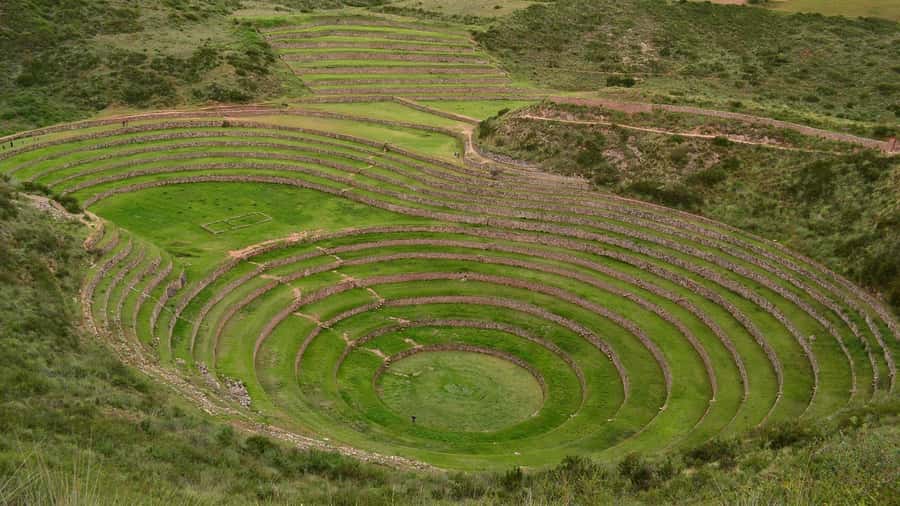
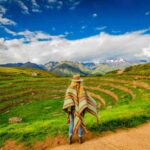
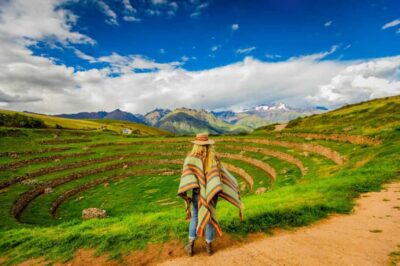
Next comes Moray, also at about 3,762 meters. Moray is famous because of its stone circular terraces, often described as the Inca approach to experimenting with agriculture. Here, the guide’s job is crucial: the terraces look like something you’d build for views, but you’ll learn that the layout was about growing conditions.
You’ll get a photo stop plus a guided visit, plus a short walk around the area. Even with limited time, the explanation helps you notice things you would otherwise miss—like how the structure changes what’s possible in different parts of the terraces.
Drawback to consider: because the visit is relatively brief, you won’t get a slow, lingering wander. If you’re the type who loves soaking in one site for an hour or two, you may find Moray goes by quickly.
More Maras salt pans and Moray terraces
Maras Salt Mines: The Photo Stop That Actually Requires a Ticket
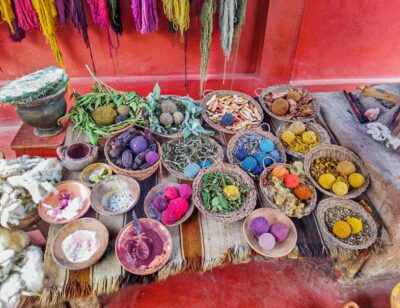
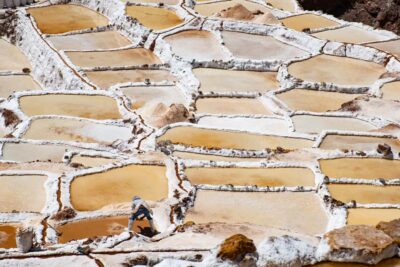
Then you’ll pass through the town of Maras and head to the Maras Salt Mines. This is one of the most visually distinctive spots in the Sacred Valley—rows and rows of salt pans patterned across the hillside.
You’ll get:
- a guided visit
- a set time for sightseeing and photos
There’s also an important budgeting point: the tour price includes transportation, the guide, and lunch, but salt mines entry is not included. The salt mine ticket is listed separately (about 20 soles).
What to watch for during Maras:
- Footing. You’ll likely walk on uneven ground and around active-looking areas where people work.
- Time at altitude. This stop is at about 3,762 meters, so it’s not just a simple stroll.
If you’re bringing your camera, you’ll enjoy this stop most if you’re patient. The best angles often mean waiting for different light and pacing yourself, not sprinting from view to view.
Urubamba Buffet Lunch: Cusquenian Fuel That Keeps the Day Honest
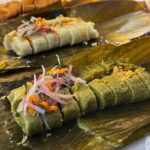
After the higher-altitude stops, you head to Urubamba (about 2,780 meters) for lunch. The tour includes a buffet and describes the meal as a novoandino buffet lunch of Cusquenian cuisine.
This is a real value moment in the day. When you’re doing multiple sites in a single long loop, lunch can easily become a weak spot—either overpriced or too rushed. Here, you get a structured stop where you can actually eat enough to power the afternoon ruins.
I recommend keeping lunch simple: eat something you know you can digest well. Altitude plus walking can make heavy meals feel harder than they should.
Ollantaytambo: Big Stone Terraces, the Sun Temple, and Princess Baths
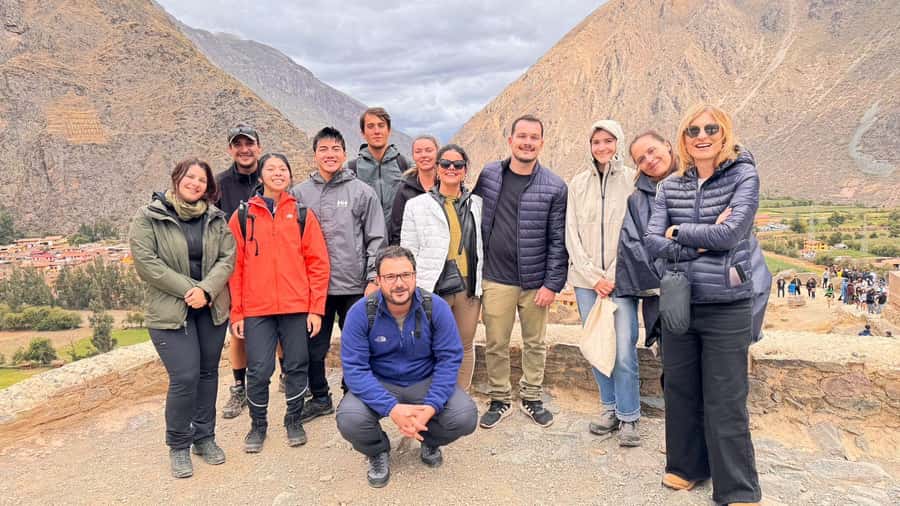
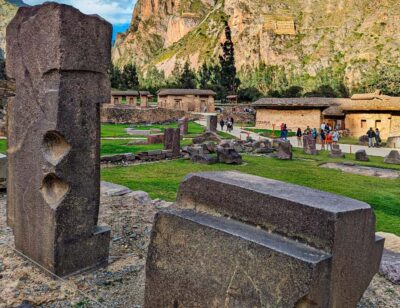
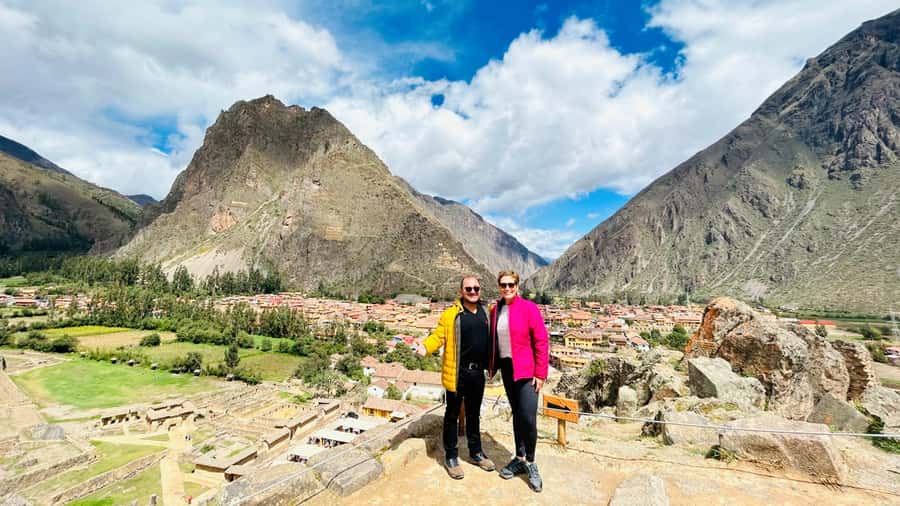
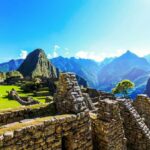
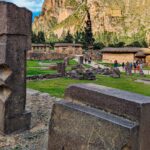
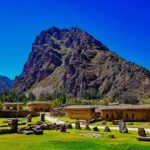
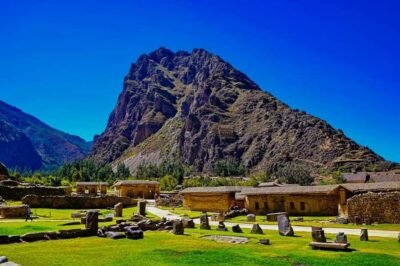
Ollantaytambo is next, at about 2,790 meters. This is one of those places where the stones look dramatic even before the guide talks. You’ll explore the most important stone buildings, including:
- the great stone terraces
- the Temple of the Sun
- the fountain of the Princess Baths
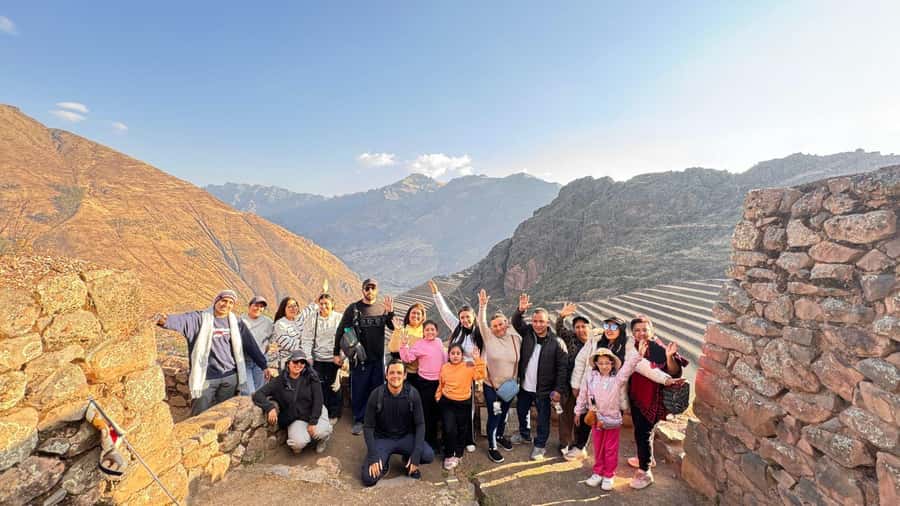
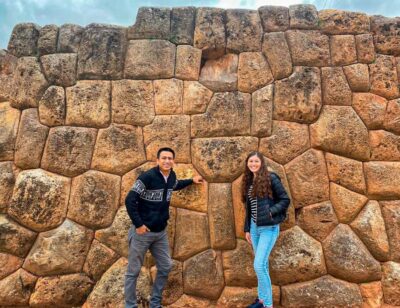
The tour includes a guided visit with a solid block of time, so you’re not stuck with only a quick photo stop. You’ll also learn context that helps the site make sense, including the role of Ollantaytambo as an old tambo (resting place). The guide also notes that it’s the starting point to reach Machu Picchu, which makes this stop especially relevant if you’re doing Machu Picchu later during your trip.
Small drawback: because the day is packed, you still won’t have unlimited time here. If Ollantaytambo is your top priority, plan to focus on the structures your guide points out rather than trying to see everything at once.
Pisac Archaeological Site and the Handicraft Market for Mineral Work
On the way back toward Cusco, you’ll stop in Pisac. The archaeological site is built on a mountain, and you’ll be at about 3,300 meters (10,826 feet).
The key part of Pisac for most people is the mix:
- archaeological sightseeing with a guided explanation
- time in Pisaq Pueblo for the handicraft market
The market detail matters. The tour notes that local people are experts in working with minerals, so shopping here is not random. You’ll be able to do some browsing with a clearer sense of what you’re looking at.
Practical tip: if you want to buy something, set aside the energy for it. Pisac can feel like a shopping detour if you’re tired, so choose what you’ll actually carry home and enjoy, not just what looks tempting for two minutes.
The Guide Makes the Difference: Rudy’s Energy and Clear Explanations
A standout detail from the experience: the guide is described as very knowledgeable and also fun, with great energy. In particular, Rudy gets called out for being knowledgeable and upbeat, and that combination matters on a day like this.
At Sacred Valley sites, the difference between good and great is often timing and interpretation. A lively guide helps you understand why Moray’s terraces matter and why Ollantaytambo’s features were built the way they were, without turning it into a lecture. It also helps you keep moving through transitions—especially when you’re feeling altitude effects.
If you have a question mid-walk, this is the kind of tour where you’re more likely to get a real answer instead of a shrug.
What You Really Pay: $30 Value Versus Extra Tickets
The price is listed at $30 per person for a 1-day tour. That’s not just “cheap transport.” It includes:
- pickup from your hotel in Cusco
- shared tourist mobility
- a buffet lunch in Urubamba
- an English/Spanish professional guide
What’s not included:
- tourist entry ticket (70 soles)
- salt mines entry (20 soles)
So the real cost is the base tour price plus those site fees. If you’re budgeting tightly, factor them in early. In places like the Sacred Valley, entry fees add up fast, and planning for that avoids last-minute money stress.
Is it still good value? For most people doing Cusco for the first time, yes—because you’re packing multiple major sites into one day with guided context and lunch handled. If you were to do this on your own, you’d spend time figuring out routes, paying for separate transport, and coordinating guide services.
Who This Tour Fits Best (and Who Might Prefer Something Else)
I’d recommend this tour if you:
- want a high-impact overview of the Sacred Valley
- like guided explanations for Inca sites instead of self-guided guessing
- want lunch included so your day stays smooth
You might want a different pace if you:
- hate long transfer days
- want deep time at only one site (rather than a “greatest hits” route)
- get altitude headaches easily and know you need slower breaks
This tour does include some “photo stop” moments, so if you’re expecting a strict, slow museum-style walk at every place, you’ll probably find it moves on.
Should You Book This Sacred Valley & Maras Day Tour?
Book it if you want the strongest mix of Sacred Valley highlights—textiles in Chinchero, Moray’s Inca agricultural experiments, Maras salt mines, and then the stone work of Ollantaytambo and Pisac—with lunch and a real guide already built into the day. The $30 price is attractive, and the guide approach (including energetic Rudy) helps the day feel more meaningful than a checklist.
Skip or adjust expectations if you’re sensitive to altitude or you’d rather spend half a day slower and deeper somewhere like Ollantaytambo. You’ll still get a lot here, but it’s a packed route, and it rewards travelers who are okay with moving.
If you’re doing Cusco for a short visit, this is a solid way to leave with context, not just photos.
FAQ
How long is the Sacred Valley & Maras Salt Mines tour?
It lasts one day.
Where does the tour start and how do you meet the guide?
Pickup is available from hotels in downtown Cusco. If you’re staying in private accommodation, you share your address and phone number, and you’ll be given a nearby meeting point. The guide or transfer may take 10–15 minutes to find you.
Is lunch included?
Yes. Lunch is included as a buffet in Urubamba.
What sites are included in the day?
You’ll visit Chinchero, Moray, the Maras Salt Mines, Ollantaytambo, and Pisac (including the archaeological site and the handicraft market in Pisac Pueblo).
What’s the tour guide language?
The guide is listed as English and Spanish.
Are entry tickets included in the price?
No. The tourist entry ticket is listed as 70 soles, and the salt mines ticket is listed as 20 soles.
What time does the tour end?
It ends in the Cusco city center around 18:30–19:00.
What’s the altitude like on this route?
Cusco is about 3,350 meters. Chinchero, Moray, and Maras are about 3,762 meters. Urubamba is lower, and Pisac’s archaeological site is about 3,300 meters.
What are the cancellation terms?
Free cancellation is available up to 24 hours in advance for a full refund.
More Tour Reviews in Cusco
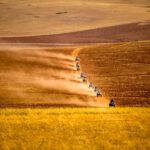
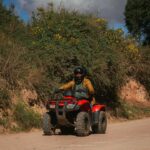
More Salt Pans and Terraces
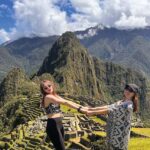
Deeper Into the Sacred Valley
Recent write-ups from around Cusco, just off the trail
- Cuzco: Rainbow Mountain Excursion
★ 5.0 · 3 reviews - 1 day excursion to Qeswachaka bridge and the 4 lagoons
★ 3.6 · 3 reviews - Waqrapukara 1 day trekking + meals
★ 3.9 · 3 reviews - Valle Sur Cusco | half day
★ 4.3 · 3 reviews - Full-Day Condor Viewpoint & Inca Sites Tour
★ 5.0 · 3 reviews
Sacred Valley Tours, compared.
 ★ 4.8From Cusco: Sacred Valley & Maras Salt Mines Tour with LunchFrom $282,227 reviews
 ★ 4.6Sacred Valley, Pisac, Ollantaytambo, Salt Mines MorayFrom $281,058 reviews
 ★ 4.8Sacred Valley: Chinchero, Moray, Ollantaytambo & Pisac+LunchFrom $25501 reviews
 ★ 4.6Sacred Valley: Maras & Moray by Quad Bike from CuscoFrom $39418 reviews
 ★ 4.6From Cusco: 2-Day Trip to the Sacred Valley and Machu PicchuFrom $370265 reviews
 ★ 4.8Sacred Valley Pisaq,Ollantaytambo,Chinchero with LunchFrom $28183 reviews
 ★ 4.5Full-Day Excursion to Sacred Valley, Pisac and Ollantaytambo from CuscoFrom $47174 reviews
 ★ 5.0Food and Culture Full day Tour in the Sacred ValleyFrom $200144 reviews
Browse the lists this tour appears in