
REVIEW · SACRED VALLEY TOURS
From Cuzco: Sacred Valley, Moray Terraces, and Salt Mines
Moray feels like nature plus math. This trip is built around Moray terraces and the Maras salt mines, with a professional bilingual guide explaining what you’re seeing and why it mattered to the Incas. I like that you get guided context instead of just standing around taking photos, and I also like the flexibility between a shorter Moray-and-salt-mines outing and a longer Sacred Valley loop. The main drawback is simple: you’ll cover a lot of ground and you may spend serious time in the car, with at least one past guest reporting rough driving.
You’ll start in Cusco with pickup from your hotel (they list lots of pickup options across the city). Then it’s on to the Urubamba Valley for terraces, salt pans, and in the longer option, more Inca sites like Chinchero, Ollantaytambo, and Pisac. Expect guided time on the ground, plus some free time to slow down and look.
In This Review
- Key Points to Know Before You Go
- Moray Terraces and Maras Salt Mines: The Main Event
- Timing From Cusco: Pickup Windows and How Long You’ll Be Out
- Moray: Circular Terraces and the Farming Logic Behind Them
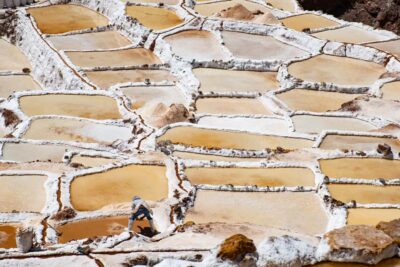
- Maras Salt Mines: Thousands of Pans, One Working System
- The Full Sacred Valley Option: Chinchero to Pisac in One Long Day
- Chinchero and the Inca wall in the main square
- Moray terraces
- Salt mines at Maras
- Urubamba lunch with many typical dishes
- Ollantaytambo: built to guard an entrance
- Pisac: terraces and buildings scattered up the mountain
- Price and What You Actually Get for About $25
- Comfort Check: Walking Time, Footwear, and Motion on Shared Transport
- Who This Tour Suits Best (And Who Should Skip It)
- Should You Book This Moray and Maras Tour?
- FAQ
- How long is the tour from Cusco?
- What is the pickup time from my hotel?
- Is Moray and Maras tickets included in the price?
- Do I get lunch on the full Sacred Valley route?
- What language will the guide speak?
- How much free time do I have at Moray and Maras?
- Where does the tour end and drop me off?
- What should I bring?
- Is this tour suitable for everyone?
Key Points to Know Before You Go
- Two route styles: a half-day focused on Moray + Maras, or a full Sacred Valley day that adds Chinchero, Urubamba lunch, Ollantaytambo, and Pisac
- Guided history on-site: a professional bilingual guide (English and Spanish) helps you connect the dots at each stop
- You’ll likely pay separate tickets: Moray needs a tourist ticket, and Maras salt mines has its own entrance fee
- Time for photos: Moray includes guided tour plus about 50 minutes of free time; Maras includes guided time plus about 50 minutes as well
- Shared transport, big schedule: the day runs long enough that comfortable shoes and patience matter
More of the Sacred Valley, village by village
- Sacred Valley: Chinchero, Moray, Ollantaytambo & Pisac+Lunch★ 4.8 · 501 reviews
- Sacred Valley: Maras & Moray by Quad Bike from Cusco★ 4.6 · 418 reviews
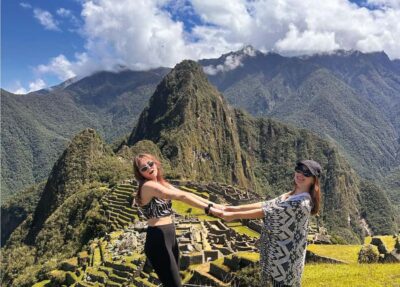
- From Cusco: 2-Day Trip to the Sacred Valley and Machu Picchu★ 4.6 · 265 reviews
- Full-Day Excursion to Sacred Valley, Pisac and Ollantaytambo from Cusco★ 4.5 · 174 reviews
Moray Terraces and Maras Salt Mines: The Main Event
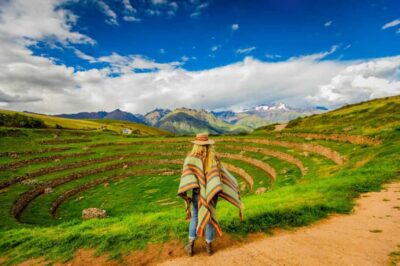
This is one of those Cusco excursions where the big sights are also the big ideas. Moray is not just pretty. It’s a set of circular terraces that helped people farm crops in different microclimates—different temperatures and growing conditions, all created by the shape of the place. When your guide walks you through how the terraces function, the site clicks into something more than ruins.
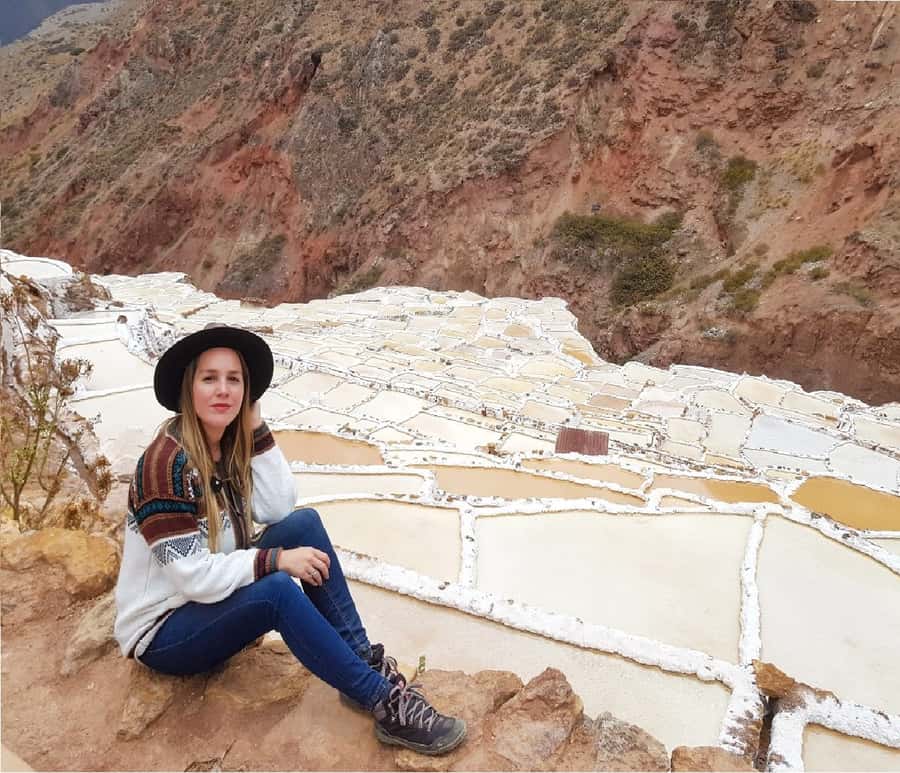
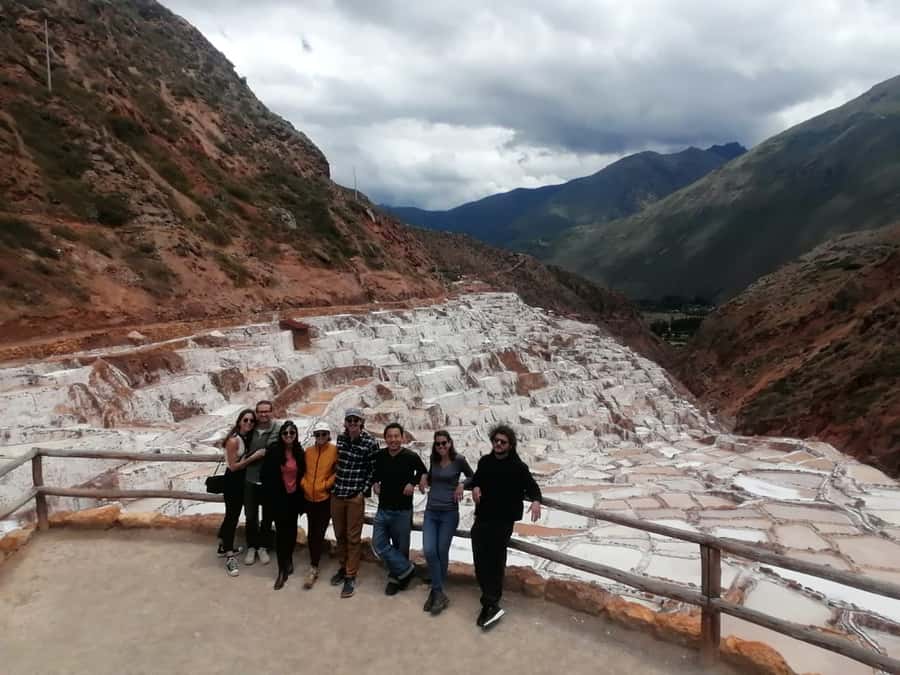
Then you head toward Maras, famous for its salt mines—thousands of small salt pans cut into the mountainside. This isn’t a museum stop. It feels like a living landscape of work, where the view is dramatic and the activity is practical. The combination of “ancient engineering at Moray” plus “salt production at Maras” gives the day a nice sense of purpose. You’re seeing how people used the Andes for food and resources, not just where they built things.
One thing to keep in mind: this tour is active and scenic in parts, but it’s also schedule-driven. A short day version can still feel like a full day of movement. A longer day version multiplies that, because it stacks multiple archaeological areas into one ride.
Timing From Cusco: Pickup Windows and How Long You’ll Be Out
The tour duration is listed as 6–12 hours, depending on which option you choose. That range matters, because the “what you’ll see” is different too.
- For the shorter Moray + Maras style, pickup is described around 7:30–8:00 AM (and in one option, pickup is specifically listed at 7:40 AM). You visit Moray first, then Maras, then return with drop-offs near Calle Plateros or Calle Saphy.
- For the full Sacred Valley style, pickup is described between 6:35–6:55 AM and the tour finishes around 7:00 PM.
So yes, you’ll get an early start. The upside is that you’re out during the morning hours when the Andes scenery and the sites often feel more manageable and less rushed.
A practical tip: plan your Cusco morning the day of the tour like you would for a train. Eat first, charge your phone, and wear shoes you can walk in for repeated stops. One past guest summed it up as very nice but very tiring. That’s not a scare tactic—it’s the reality of seeing several places in one day.
Moray: Circular Terraces and the Farming Logic Behind Them
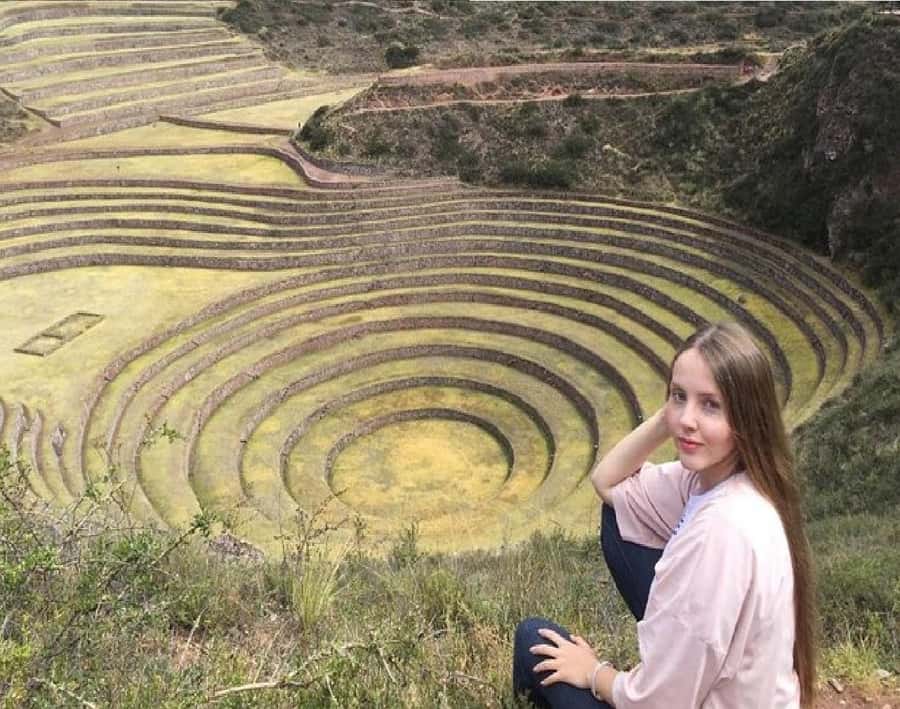
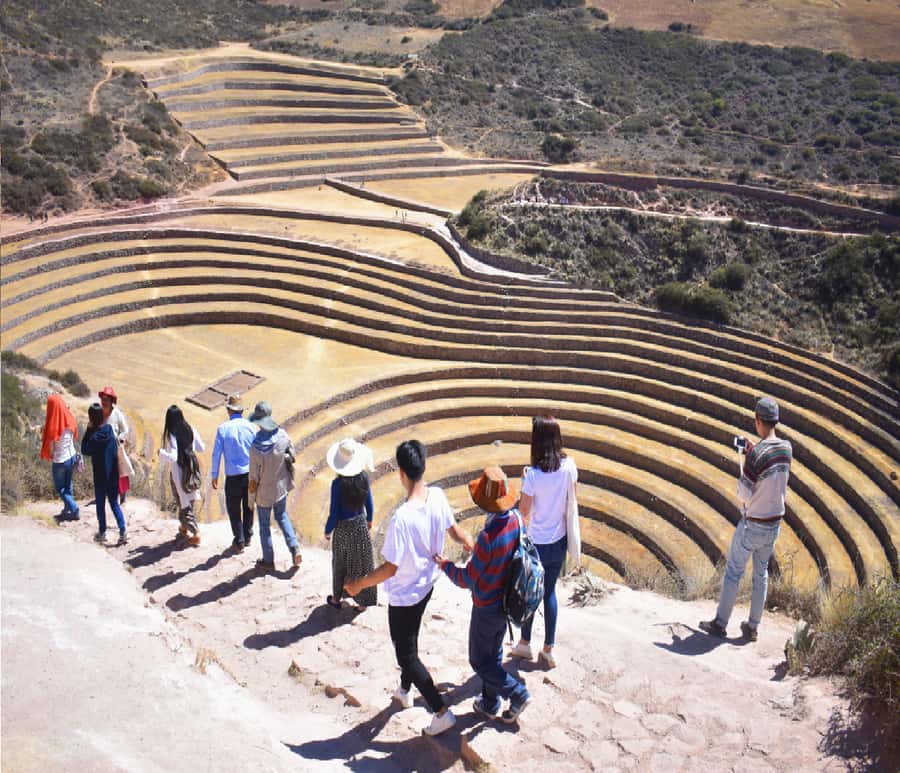
At Moray, you’ll get a mix of photo moments, a guided visit, and then time to look on your own. The itinerary lists about 50 minutes of free time at Moray, after the guided portion. That free window is valuable. You’re not trapped listening for hours. You can take in the full circular layout and notice the way the terraces step down.
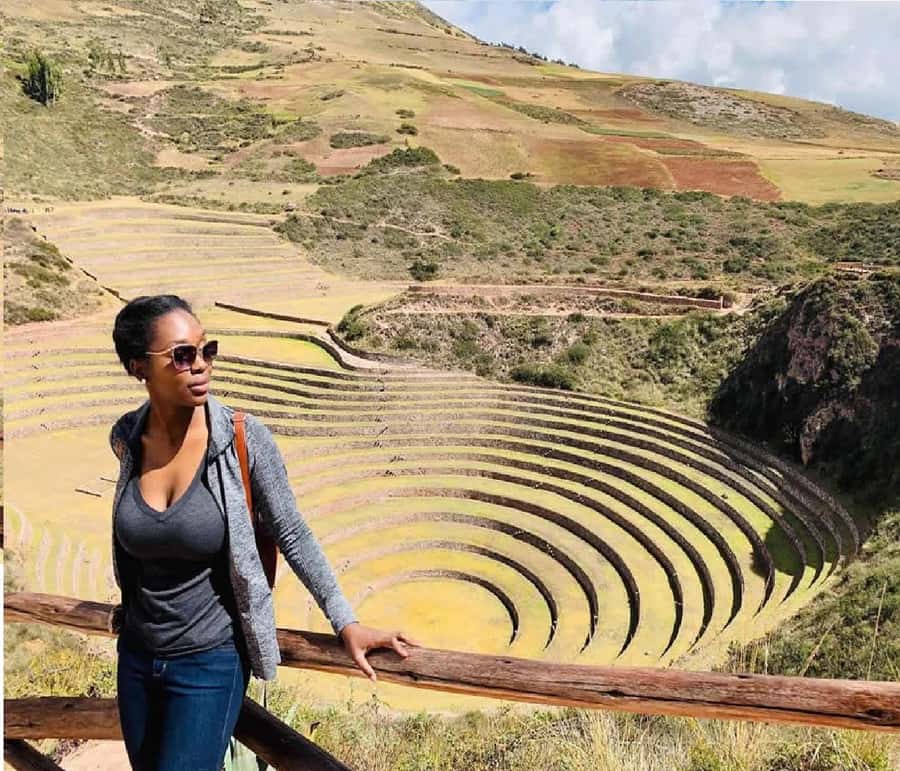
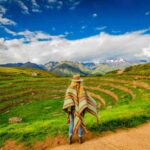
What your guide focuses on is the reason Moray is so famous: the circular terraces and their different floor heights create conditions for growing different Andean products. It’s essentially an ancient weather-and-temperature organizer built from stone. When you understand that, the site stops being random. It feels like a working system.
One more practical consideration: Moray includes walking on uneven ground, and your time on-site is split between guided narration and free wandering. Comfortable shoes aren’t optional here.
Maras Salt Mines: Thousands of Pans, One Working System
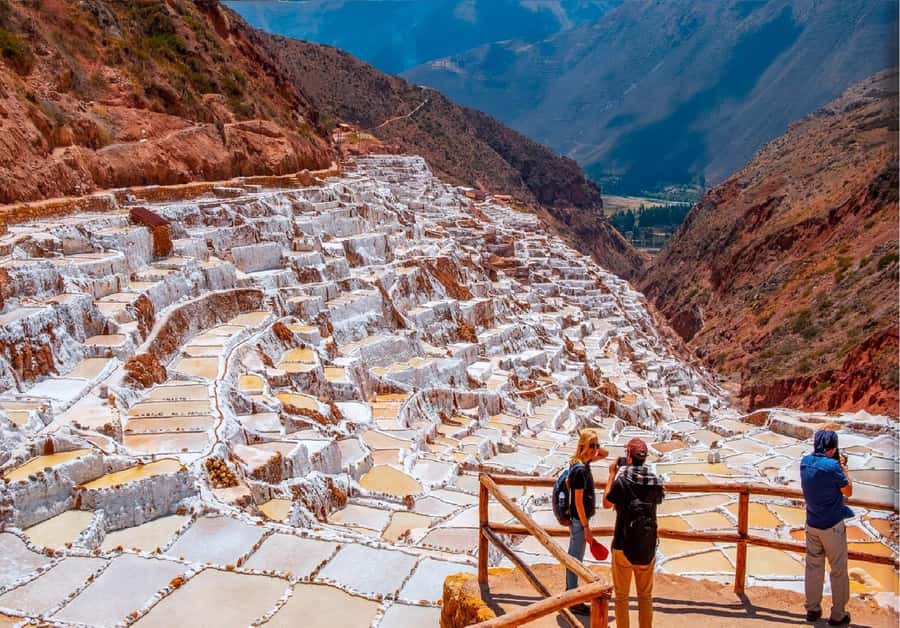
Maras is the other half of the “wow” equation. You’ll visit the salt mines with a guided tour and then additional time to explore and take photos (the itinerary lists about 50 minutes of time there).
The salt pans are arranged across the hillside. What hits you is scale. Not just the mountainside view, but the sheer number of small sections. Your guide will explain the history and the mining process at a level that keeps it grounded—this isn’t just art on rocks.
Important money note: the tour data lists entrance costs for Maras salt mines as 20 soles in one place, and 10 pen in another note. So don’t assume one number only. Bring cash and check at the moment you arrive or when your guide confirms what you need.
Also, this part of the day can feel visually repetitive in the best way. Once you’ve picked a viewpoint and started noticing the patterns, the salt pans keep giving. It’s a site where your photos get better the longer you stay.
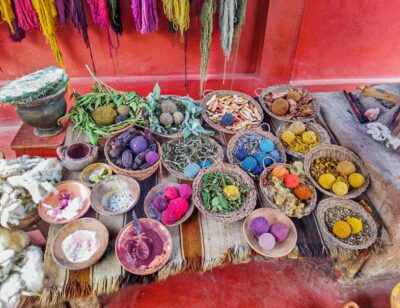
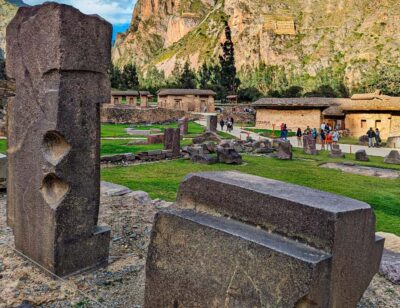
More Maras salt pans and Moray terraces
The Full Sacred Valley Option: Chinchero to Pisac in One Long Day
If you choose the full route, your day becomes a classic Sacred Valley sweep. It starts with pickup around 6:35–6:55 AM, then heads into the Urubamba Valley with multiple stops.
Here’s what you’ll see on the longer option:
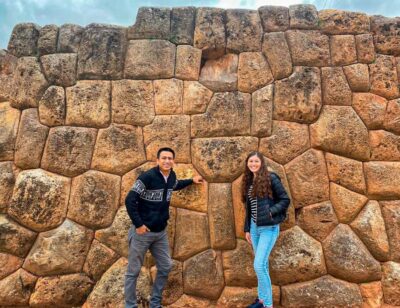
Chinchero and the Inca wall in the main square
You’ll first visit Chinchero, where you can see remains of the Inca royal hacienda tied to Túpac Inca Yupanqui. One of the highlights you’re likely to focus on is a well-preserved Inca wall in the main square. This stop helps set the tone: the valley sites aren’t isolated. They connect through rulers, systems, and local landscapes.
Moray terraces
Moray stays in the center of the day, and you’ll go in with the guide to understand the circular agricultural design.
Salt mines at Maras
Then comes the salt mines, again with guide time so the “why” matches the “wow.”
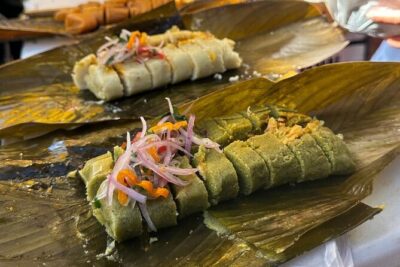
Urubamba lunch with many typical dishes
Lunch is included on the all-day Sacred Valley option, and it’s described as a meal with more than 30 varieties of typical dishes. The value here is practical: rather than hunting for food between sites, you get a structured break.
Ollantaytambo: built to guard an entrance
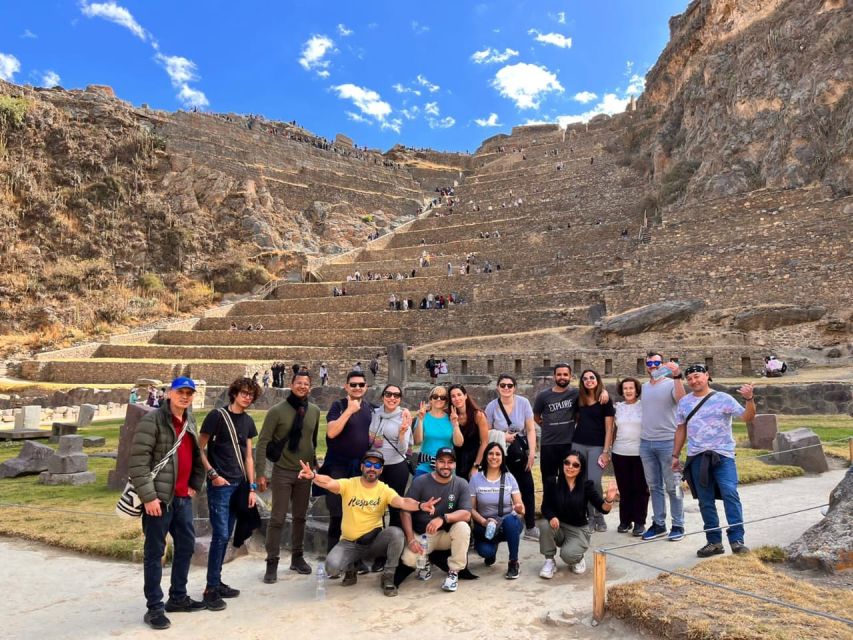
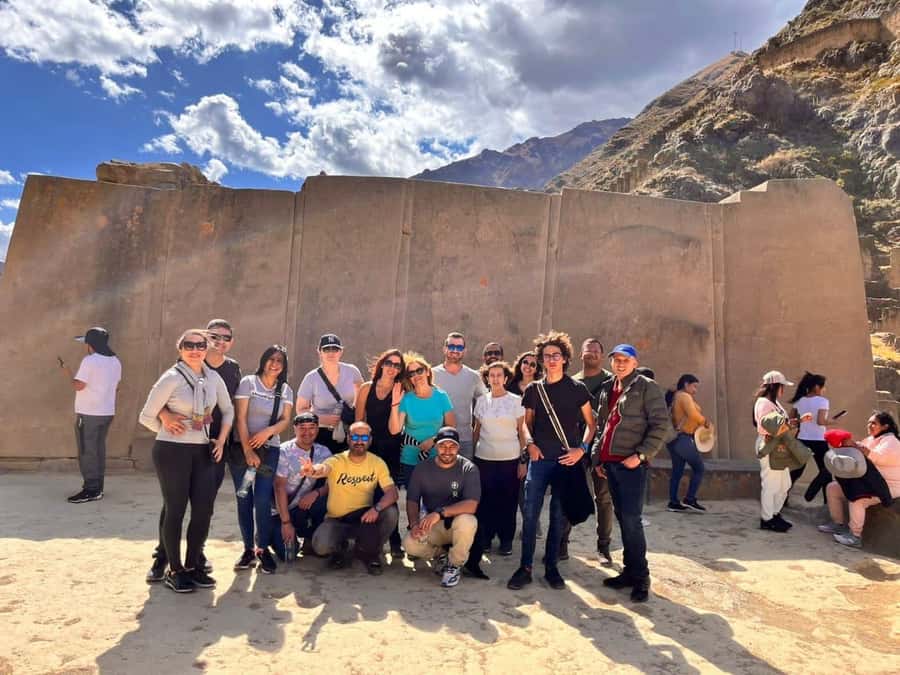
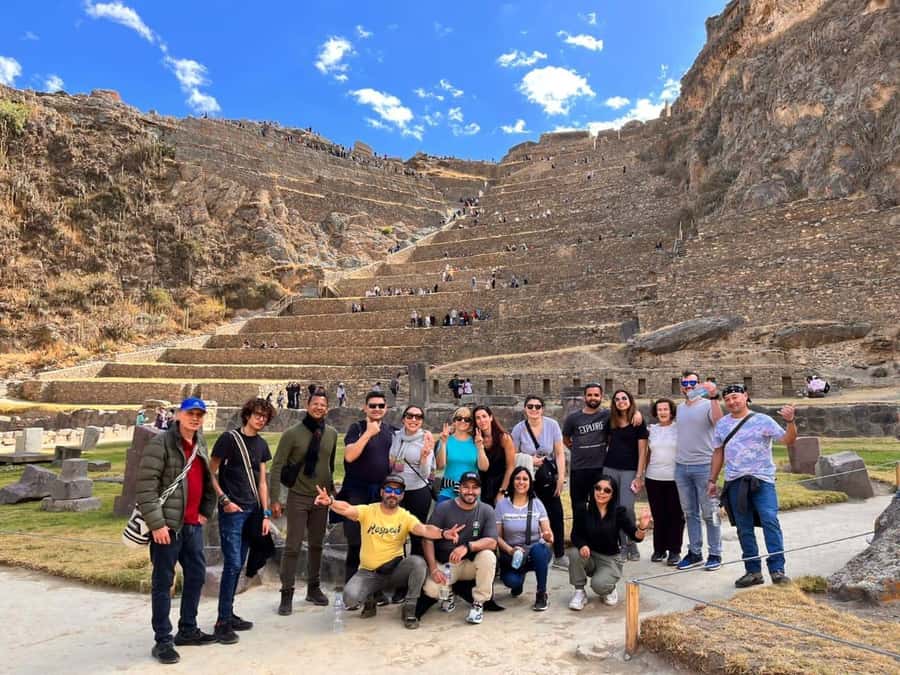
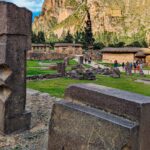
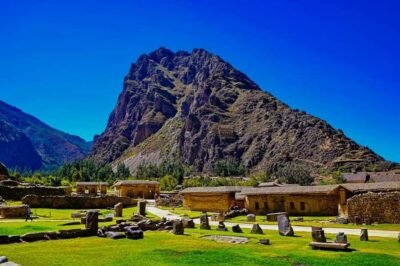
Next you’ll visit Ollantaytambo, described as built to guard the entrance to this part of the valley and protect it from invasions from the jungle. You also get time to walk through the small streets of the town, which helps you imagine the place as a living Inca center—military, religious, and cultural.
Pisac: terraces and buildings scattered up the mountain
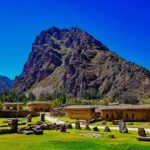
Finally, Pisac rounds out the day. It’s described as platforms and architectural structures across slopes and up toward the top of the mountain. If you like sites where architecture and views work together, Pisac is often the kind of finale that makes the earlier drive feel worth it.
One caution for the full day: it’s a lot. It’s not “hard hiking,” but it is time-on-feet plus time-on-road. If you tend to get motion sick, the shared transport part is something to consider. There’s at least one report of very rough driving, even though most of the rest of the day seems to go smoothly.
Price and What You Actually Get for About $25
The tour price is listed as $25 per person, and that’s a big deal when you compare it to how many sites you can cover.
What’s included:
- Hotel pickup
- Round-trip shared transportation
- Professional bilingual guide
What’s not included:
- A tourist ticket to access Moray, listed as 70 soles
- Entrance fee for Maras salt mines, listed as 20 soles in one place and 10 pen in another note
- Food and drink
So your real cost depends on which option you choose and what you already paid for in Cusco. The value is strongest when you count the guide time and the fact that transport is handled. Even if you pay separate site fees, you’re still getting a guided route connecting multiple points across the Urubamba Valley.
Also, there’s an option where lunch is included: the all-day Sacred Valley route includes lunch in Urubamba. If you’re planning to eat anyway, that’s part of the value equation.
Finally, take the “shared” part seriously. You’ll be on a vehicle with multiple stops and multiple pickup points across Cusco. This can be efficient, but it also means you can’t expect a perfectly quiet ride the whole way.
Comfort Check: Walking Time, Footwear, and Motion on Shared Transport
This isn’t a sit-and-smile tour. Moray and Maras both involve walking on uneven ground and climbing at least a little. The itinerary includes guided time plus around 50 minutes of free time at both Moray and Maras, so you’ll likely stretch your legs and look around more than you think.
What to bring (from the tour guidance):
- Passport
- Passport or ID card
- Comfortable shoes
- Breathable clothing
- Cash
Not allowed:
- Bikes
- Alcohol and drugs
One more practical angle from the reviews: some people found the day very tiring, and one person mentioned discomfort from the driver’s driving style. That doesn’t mean your day will be awful, but it does mean you should come prepared. If you’re sensitive to vehicle motion, plan accordingly before you go.
Who This Tour Suits Best (And Who Should Skip It)
This works especially well if you want a guided day that’s still flexible. You can choose:
- A shorter route that concentrates on Moray + Maras
- Or a full day that adds Chinchero, Urubamba lunch, Ollantaytambo, and Pisac
It’s also a good match if you appreciate engineering and resource systems. Moray and Maras are not just “pretty views.” They’re about how the Andes were used intelligently.
Not suitable for:
- People with mobility impairments
- People over 95 years
If that applies to you, it’s worth looking for a gentler alternative with fewer steps and less uphill terrain.
For language: the tour runs in English and Spanish, and one past guest noted that having at least a bit of Spanish can help, since there were more Spanish-speaking travelers on their day. Even if you don’t speak Spanish fluently, you’ll still likely be fine because the guide is bilingual, but it can make the experience more satisfying.
Should You Book This Moray and Maras Tour?
If you want one of the most practical Cusco day trips, I’d lean yes. The combination is strong: Moray’s circular terraces for ancient agricultural logic, plus Maras salt mines for a resource system that’s still visible and still working.
Book it if:
- You like guided context (not just wandering ruins)
- You want either a focused half-day or a full Sacred Valley sampler
- You’re comfortable with an early start and a full day of movement
Think twice (or read the route choice carefully) if:
- You’re very sensitive to bumpy shared transport
- You can’t manage uneven walking at Moray and Maras
- You’d rather not handle separate cash payments for Moray and Maras entrance fees
If you do book, my best advice is simple: wear sturdy shoes, bring cash for the site tickets, and give yourself permission to be a little tired. This is one of those days where you’ll remember the feeling of seeing the terraces and pans in person, not just the photos.
FAQ
How long is the tour from Cusco?
The duration is listed as 6–12 hours, depending on the option you choose.
What is the pickup time from my hotel?
Pickup is included, and you’re told to wait at your hotel from 7:30–8:00 AM. For the full Sacred Valley option, pickup is listed between 6:35 AM and 6:55 AM.
Is Moray and Maras tickets included in the price?
No. The Moray tourist ticket is listed as 70 soles, and the Maras salt mines entrance fee is listed as 20 soles in one note and 10 pen in another note.
Do I get lunch on the full Sacred Valley route?
Lunch in Urubamba is included only on the all-day Sacred Valley option.
What language will the guide speak?
The guide is listed as professional bilingual, with English and Spanish.
How much free time do I have at Moray and Maras?
Moray includes free time of about 50 minutes. Maras also includes time on-site, with guided visit and about 50 minutes listed.
Where does the tour end and drop me off?
Drop-off points are listed as Calle Plateros and Calle Saphy, and one option says the transport leaves you near Plaza de Armas.
What should I bring?
Bring your passport (or ID card), comfortable shoes, breathable clothing, and cash.
Is this tour suitable for everyone?
It’s not suitable for people with mobility impairments and people over 95 years. Bikes are also not allowed.
More Tour Reviews in Cusco



More Salt Pans and Terraces
Deeper Into the Sacred Valley


Recent write-ups from around Cusco, just off the trail
- Cuzco: Rainbow Mountain Excursion
★ 5.0 · 3 reviews - 1 day excursion to Qeswachaka bridge and the 4 lagoons
★ 3.6 · 3 reviews - Waqrapukara 1 day trekking + meals
★ 3.9 · 3 reviews - Valle Sur Cusco | half day
★ 4.3 · 3 reviews - Full-Day Condor Viewpoint & Inca Sites Tour
★ 5.0 · 3 reviews
Sacred Valley Tours, compared.
 ★ 4.8From Cusco: Sacred Valley & Maras Salt Mines Tour with LunchFrom $282,227 reviews
 ★ 4.6Sacred Valley, Pisac, Ollantaytambo, Salt Mines MorayFrom $281,058 reviews
 ★ 4.8Sacred Valley: Chinchero, Moray, Ollantaytambo & Pisac+LunchFrom $25501 reviews
 ★ 4.6Sacred Valley: Maras & Moray by Quad Bike from CuscoFrom $39418 reviews
 ★ 4.6From Cusco: 2-Day Trip to the Sacred Valley and Machu PicchuFrom $370265 reviews
 ★ 4.8Sacred Valley Pisaq,Ollantaytambo,Chinchero with LunchFrom $28183 reviews
 ★ 4.5Full-Day Excursion to Sacred Valley, Pisac and Ollantaytambo from CuscoFrom $47174 reviews
 ★ 5.0Food and Culture Full day Tour in the Sacred ValleyFrom $200144 reviews
Browse the lists this tour appears in