
REVIEW · CUSCO CITY & SACSAYHUAMAN
Guided tour of Cusco and its 4 ruins
Cusco hits fast, and this tour is a smart way to see its biggest Inca landmarks without getting lost. It strings together Qoricancha, Sacsayhuamán, and major shrines, with minibus hops that keep the day moving.
I especially like two things: the focus on the “why” behind the sites (not just what they look like), and the way the route connects Spanish-era layers with Inca architecture, especially at Qoricancha and the Cusco Cathedral. One drawback to consider is timing and visit order—on at least some days, the sequence can change, which can affect how long you spend at the places you care about most.
In This Review
- Key highlights to know before you go
- A Smooth Six-Hour Sweep of Cusco’s Big Inca Sites
- Plaza de Armas and the Cusco Cathedral: Inca Gold Meet Spanish Stone
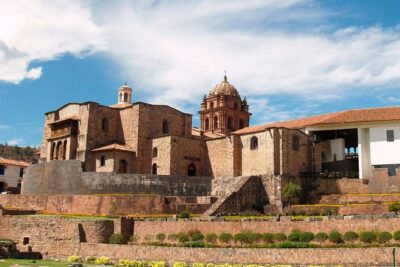
- Entering Qoricancha: The Temple of the Sun and the Inca-Spanish Blend
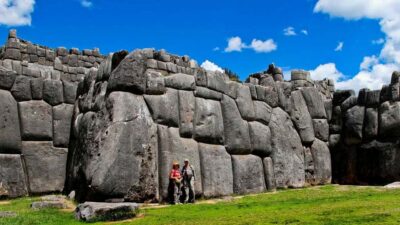
- Sacsayhuamán Fortress: Why Those Walls Still Command Attention
- Qenqo Shrine and the Sacred Purpose Behind the Stone
- Puca Pucara (Red Fortress) and Tambomachay: Water Worship Gets Its Own Stop
- Puca Pucara (Red Fortress)
- Tambomachay (Inca Bath)
- Price and Value: The $20 Tour Plus the Entrances You’ll Want to Plan
- Timing and Order: When Sunday Changes the Plan
- Who This Tour Best Fits
- Should You Book This Cusco Guided Tour?
- FAQ
- FAQ
- How long is the Cusco guided tour?
- What sites are included in the route?
- Is pickup included?
- What transportation is used during the tour?
- What is the price of the tour?
- Are the entrance fees included in the $20?
- How much is the Cusco Cathedral entrance for foreign visitors?
- How much is the Qoricancha entrance?
- How much is the entrance to the 4 ruins for foreign visitors?
- What languages are the guides available in?
Key highlights to know before you go
- Qoricancha (Temple of the Sun): a major Inca religious center with a clear Inca-Spanish fusion you can see up close
- Sacsayhuamán fortress: guided explanations of why these walls are considered an architectural masterwork
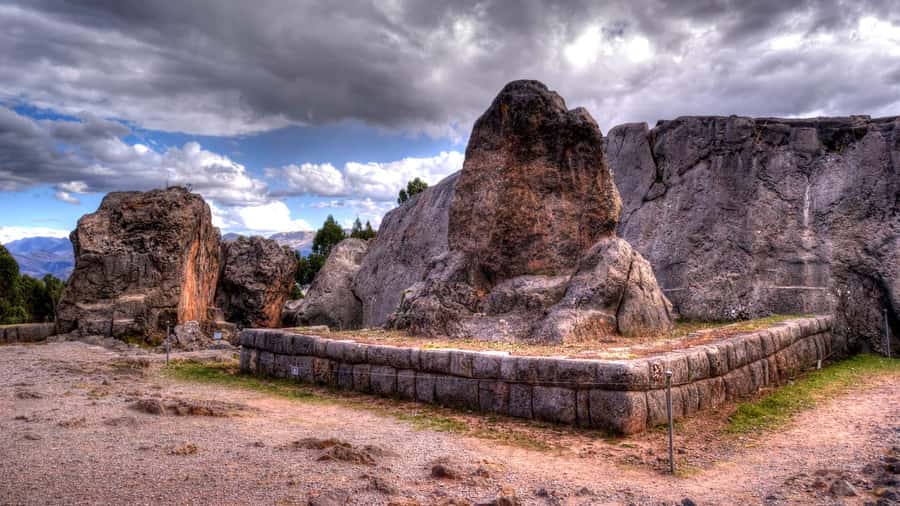
- Qenqo shrine: one of the most important sanctuaries of the time, with a guide to help you read what you’re seeing
- Puca Pucara (Red Fortress): a watchtower stop that adds variety to the fortress/shrine mix
- Tambomachay (Inca Bath): water worship gets its own chapter on the route
- Minibus route: you’re not walking between everything, so you can keep your energy for the sights
More Cusco city and Sacsayhuaman walks
- Cusco in 3 days: city tour, Rainbow Mountain and Machupicchu★ 4.9 · 7 reviews
A Smooth Six-Hour Sweep of Cusco’s Big Inca Sites
This is a guided, minibus-assisted Cusco loop built around concentration, not sprawl. You’re picked up at the meeting point, shuttled to the city’s core, then taken outward to the ruins and back again. The total duration is 6 hours, with the active sightseeing described as about 4.5 hours, which usually means you’re spending time looking at stone instead of only watching traffic.
You’ll also get a real guide on the ground. The tour runs with live interpretation in English and Spanish, so you can follow the story of each place rather than guessing. And because it’s structured, it’s a good choice if you want Cusco’s “greatest hits” in one go.
The big thing to plan for: entrances are not bundled into the low headline price. That changes the true cost, depending on what you’re willing to add.
Plaza de Armas and the Cusco Cathedral: Inca Gold Meet Spanish Stone
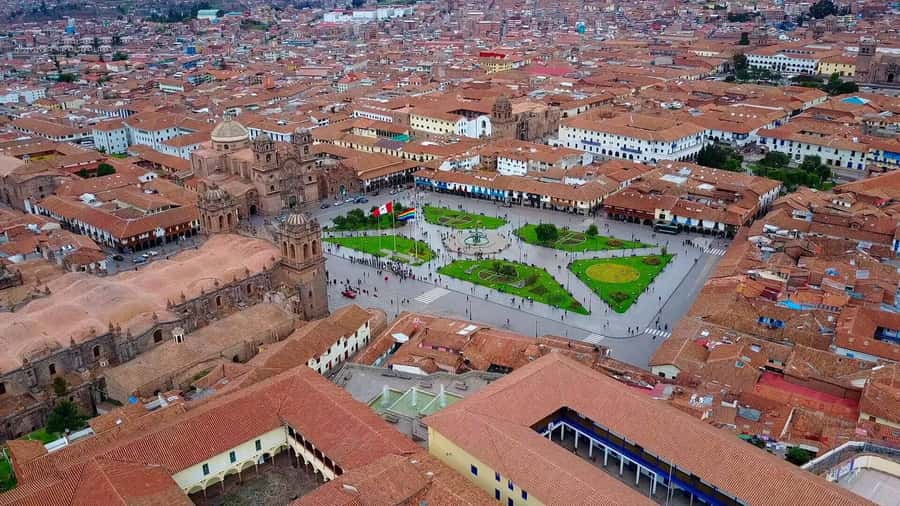
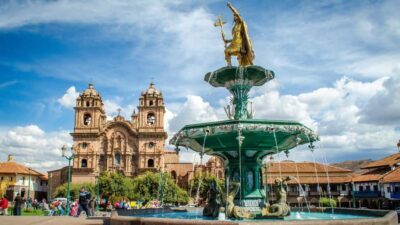
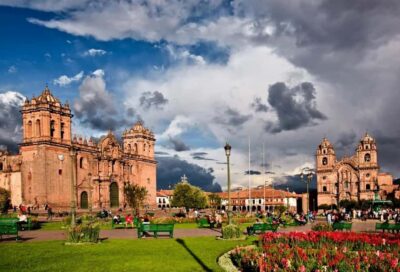
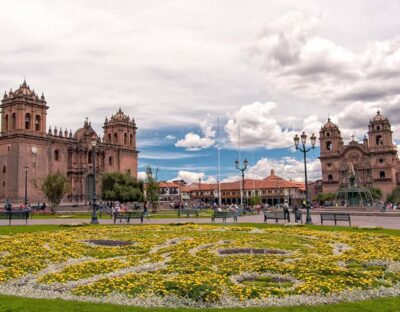
The day starts back in central Cusco. After pickup, you go to the Plaza de Armas, where the Cusco Cathedral sits. You enter the cathedral as part of the tour, and your guide points out architecture and artistic details as you move through.
Here’s one of the most interesting reasons this stop matters: the cathedral includes decorative elements made with Inca gold. That’s not a small detail. It’s a concrete reminder that conquest didn’t erase everything; it reshaped what was already there. Even if you focus more on archaeology than religion, this stop helps you understand how Spanish and Inca worlds overlapped in Cusco.
Do note the practical catch: the cathedral entrance fee is not included. For foreign visitors it’s listed as 40 S/ (about 10.70 US$), and for locals it’s 12.50 S/ (about 3.40 US$). If you’re budgeting tightly, this is one of the first numbers you should pencil in.
Entering Qoricancha: The Temple of the Sun and the Inca-Spanish Blend
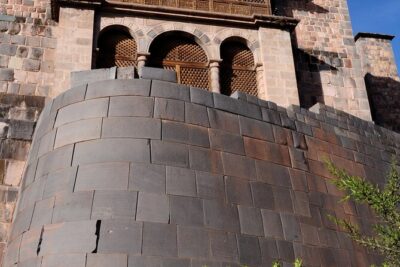
Next comes one of the most famous stops in the entire region: Qoricancha, also called the Temple of the Sun. The tour frames it as one of the Inca Empire’s most important religious centers, and it also calls out something you’ll actually notice when you arrive: this is one of the clearest examples of Inca-Spanish fusion.
Construction is described as still partly mysterious in terms of exact date, but that mystery is part of the appeal. What you’re really touring is a site where layers of power and belief show up in the physical form. The guide’s job here is to help you “read” what you’re seeing—how the Inca sacred space connects to what came later.
This is also a paid entrance stop on top of the $20 tour price: 15 S/ (about 4 US$) per person. If Qoricancha is on your short list, plan your time for it as more than a quick photo stop. The value of the guided format is that it helps you understand why this place mattered, not just that it’s well-known.
Sacsayhuamán Fortress: Why Those Walls Still Command Attention
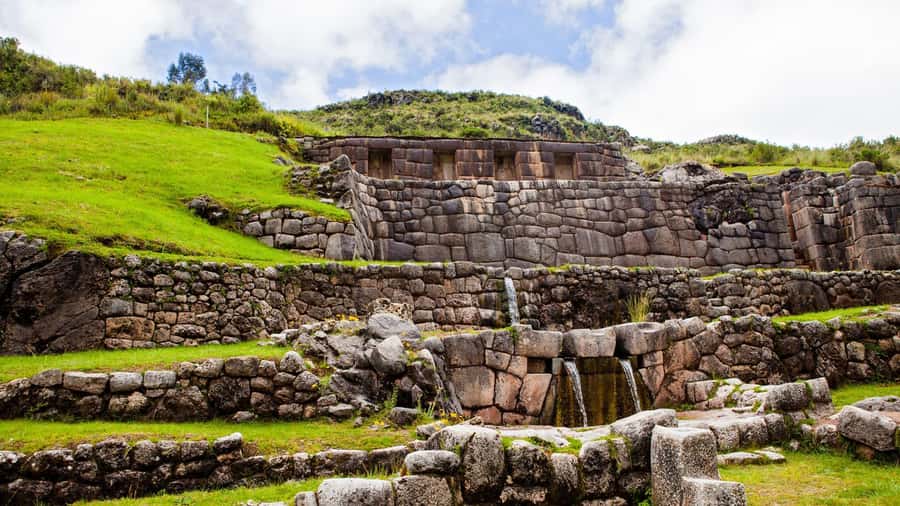
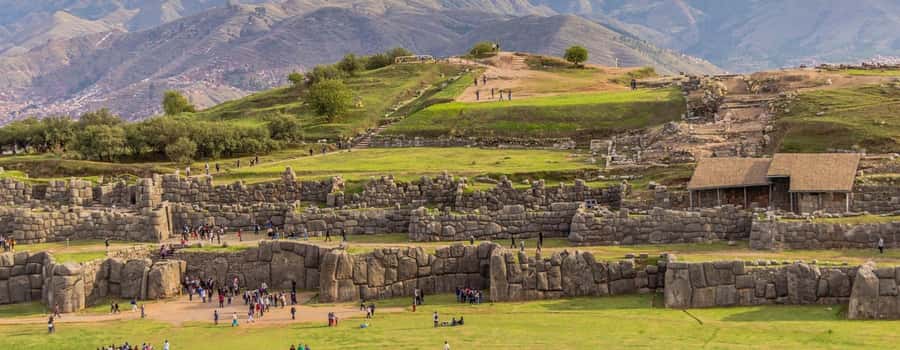
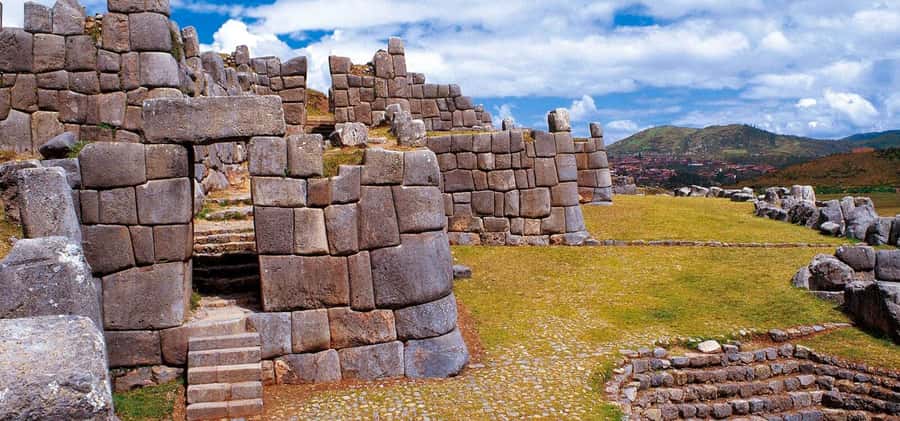
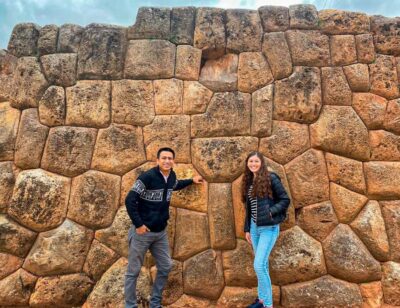
After a minibus ride—about half an hour—you reach Sacsayhuamán, the fortress associated with Inca engineering and military power. Your guide leads you through this stop with the goal of explaining why it’s considered one of the Incas’ greatest architectural works.
This is where the tour’s guided element becomes especially useful. Fortress sites can feel like a maze of angles if you only look at surfaces. With a guide, you get a clearer sense of the fortress logic: how the site was designed to dominate its surroundings, and how the construction reflects the priorities of the people who built it.
Also remember that this leg is inside the ruins area, so it tends to be the core of the “active” part of your day. If you’re choosing between skipping something, this is rarely the place people wish they’d rushed.
Sacsayhuamán and the additional ruins are covered under the “4 ruins” ticket, and those entrance costs also fall outside the $20 tour price. For foreign visitors, the 4 ruins entrance is listed at 70 S/ (about 18.80 US$), and for locals it’s 40 S/ (about 10.70 US$). That one line item affects the total cost more than you might expect.
Qenqo Shrine and the Sacred Purpose Behind the Stone
From Sacsayhuamán, the route continues to Qenqo, described as one of the most important sanctuaries of the time. This is a different kind of site than the fortress: instead of defense-focused mass and strength, Qenqo is about spiritual and ritual meaning.
A good guided explanation changes how you experience Qenqo. On your own, you might see rock features without understanding the sacred intent behind them. On this tour, you get the context that makes it easier to connect the physical form of the shrine to its function.
This stop sits inside the same “4 ruins” entrance category, so your budget for that ticket gets you more than just one point of interest. It’s one reason the tour can work well for people who want more than a single ruin highlight.
Puca Pucara (Red Fortress) and Tambomachay: Water Worship Gets Its Own Stop
The day doesn’t end after the big names. You’ll also visit:
Puca Pucara (Red Fortress)
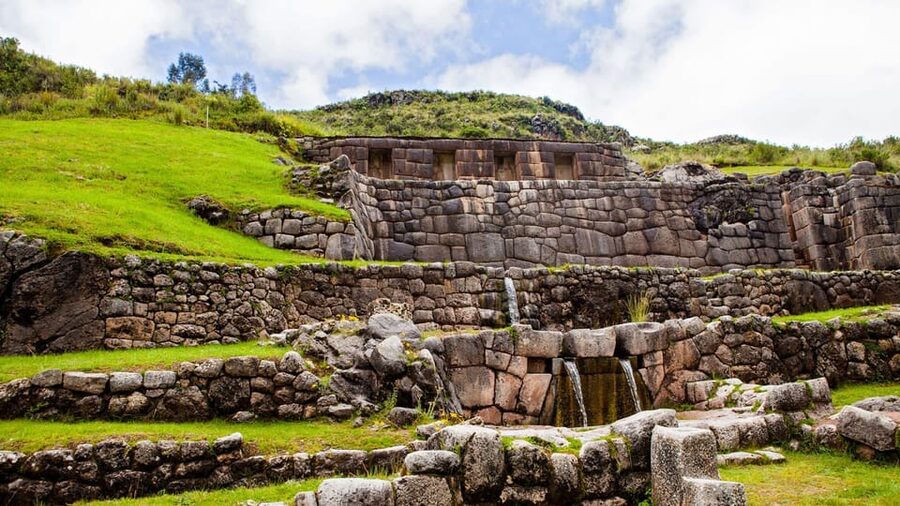
This is described as a watchtower stop, known as the Red Fortress. It adds variety to the tour because it’s not just another shrine-like stone arrangement. A watchtower viewpoint can help you understand the broader system—how the Inca landscape connected places for observation, signaling, or control.
Tambomachay (Inca Bath)
Finally, you reach Tambomachay, also called the Inca Bath. The tour says this is where the Incas worshiped water. Even though the word “bath” can make it sound like a modern wellness stop, the important point here is ritual: water had meaning, and Tambomachay is presented as a dedicated space for that worship.
Together, these two stops round out the story of Cusco’s outskirts—fortress power, sanctuary ritual, and water-focused devotion—without turning your day into a list of identical ruins.
After the tour wraps, you’re left near the Plaza de Armas after about 4.5 hours of touring time, and the activity description also notes return transfer back to central Cusco.
Price and Value: The $20 Tour Plus the Entrances You’ll Want to Plan
At $20 per person, this tour looks like a bargain on its face. The real question is how the “included” costs stack up against the “not included” entrance fees.
Here’s what the tour includes:
- pickup at the meeting point and return transfer to the center of Cusco
- minibus transportation
- a guide
What’s not included:
- Cusco Cathedral entrance: 40 S/ (about 10.70 US$) for foreign visitors; 12.50 S/ (about 3.40 US$) for locals
- Qoricancha entrance: 15 S/ (about 4 US$) per person
- 4 ruins entrance: 70 S/ (about 18.80 US$) for foreign visitors; 40 S/ (about 10.70 US$) for locals
So even though the guided transportation and city stops come at a low sticker price, your all-in total for international visitors can rise quickly once you add cathedral + Qoricancha + the 4-ruins ticket. If you’re the type who likes to see everything on the itinerary, this becomes a “know your full budget” situation, not a cheap free-for-all.
That said, you are getting a lot of guidance for your money: the structure matters when ruins are involved. A $20 guided loop can still be strong value if it saves you from figuring out timing, sequencing, and explanations on your own.
Timing and Order: When Sunday Changes the Plan
One important consideration showed up clearly in a real-world experience: on Sundays, the visit order may change. In that case, the group saw the ruins first and visited Qoricancha and the cathedral later, which didn’t match what the schedule seemed to promise.
I don’t think you should assume this will happen every time. But you should plan like it might. If the cathedral and Qoricancha are your top priorities, you’ll want to mentally prepare for the possibility that the sequence could run in a different order than you expect based on a typical flow.
A smart move: treat the tour as a guided loop, not as a strict minute-by-minute promise for a specific order. With Cusco tours, a half-hour to an hour can shift based on operating days and on-site conditions.
Who This Tour Best Fits
This guided circuit tends to suit you best if:
- you want multiple Inca sites plus the Sun Temple in one day
- you like having a guide explain what you’re seeing, especially at Sacsayhuamán and Qenqo
- you want a practical minibus route instead of self-planning travel between scattered ruins
- you’re comfortable budgeting for entrance fees on top of the base tour price
If you care most about one stop and you’re very time-sensitive, you should take the order-variation note seriously and double-check your priorities before booking.
The tour also has bilingual support (Spanish and English), which helps if your group needs shared understanding without splitting up.
Should You Book This Cusco Guided Tour?
If you’re trying to get your bearings fast and you like a guided explanation for the major sites—especially Qoricancha and the fortress-and-sanctuary mix—this is a solid choice. The biggest reason is that it connects Spanish-era elements and Inca meaning in a way that’s easier to follow when someone is guiding you through the logic of each place.
I’d only hesitate if entrance fees are a problem for you, or if you’re very strict about exact timing for a specific stop. In that case, confirm your priorities (cathedral vs. Sun Temple vs. the ruins ticket) and be ready for possible order changes on certain days.
FAQ
FAQ
How long is the Cusco guided tour?
The tour lasts 6 hours.
What sites are included in the route?
You visit the Cusco Cathedral area by the Plaza de Armas, Qoricancha (Temple of the Sun), Sacsayhuamán fortress, Qenqo shrine, Puca Pucara (Red Fortress), and Tambomachay (Inca Bath).
Is pickup included?
Yes. Pickup is included at the meeting point, plus a return transfer back to the center of Cusco.
What transportation is used during the tour?
The tour includes minibus transportation between stops.
What is the price of the tour?
The price is $20 per person.
Are the entrance fees included in the $20?
No. The cathedral entrance, Qoricancha entrance, and the 4 ruins entrance are listed as not included.
How much is the Cusco Cathedral entrance for foreign visitors?
It’s listed as 40 S/ (about 10.70 US$) per foreign person.
How much is the Qoricancha entrance?
It’s listed as 15 S/ (about 4 US$) per person.
How much is the entrance to the 4 ruins for foreign visitors?
It’s listed as 70 S/ (about 18.80 US$) per foreign person.
What languages are the guides available in?
The live guide is available in Spanish and English.
More Tour Reviews in Urubamba
More of Cusco on Foot
Recent write-ups from around Urubamba, just off the trail
- 1 Day – Humantay Lake
★ 3.1 · 3 reviews - From Cusco: Salkantay trek 5 days/4 nights meals included
★ 4.0 · 3 reviews - Sun and Moon Tour
★ 4.5 · 3 reviews - From Cusco: Sacred Valley VIP Tour with Buffet Lunch
★ 4.7 · 3 reviews - From Cusco: Sacred Valley & Moray, Salt Mines with Lunch
★ 4.6 · 3 reviews
Cusco City & Sacsayhuaman, compared.
 ★ 4.6Half-Day City Tour with Sacsayhuaman and Q’encoFrom $131,129 reviews
 ★ 4.7City Tour Cusco Qoricancha Sacsayhuaman y TambomachayFrom $13617 reviews
 ★ 4.0Sightseeing Tour of the City on an Open-Top BusFrom $12481 reviews
 ★ 4.5Open Bus Cusco City TourFrom $14219 reviews
 ★ 4.6City Tour | Half-Day Tour to 4 Archaeological SitesFrom $29206 reviews
 ★ 5.0City Tour in Cusco & visit Museum South American Camelid Private.From $49147 reviews
 ★ 4.5Cusco City Sightseeing, San Pedro Market, Cathedral and Qorikancha TempleFrom $59139 reviews
 ★ 4.2Half-Day City TourFrom $17129 reviews
Browse the lists this tour appears in