
REVIEW · SACRED VALLEY TOURS
Sacred Valley Tour 1 Day
One day, five stops, lots to learn. I love how this route strings together major Sacred Valley sites with a bilingual guide who keeps the story clear, not confusing. The day’s energy stays high, and Pisac plus Ollantaytambo are the payoff.
I also like the practical pacing: you’re not stuck staring at a single ruin for hours. When my guide was Auqui, he explained what mattered at each stop, and the variety helped you stay sharp at altitude. One watch-out: it’s moderate walking at high altitude, so plan for slow steps and take breaks when offered.
In This Review
- Quick take: who this Sacred Valley day trip fits best
- What you’ll experience on this 11-hour Sacred Valley route
- Price and value: why $39 can be a smart deal
- Morning kickoff: Chinchero textiles and terraces
- Maras Salt Mines: the shimmering patchwork moment
- Moray terraces: why circular ruins aren’t just scenic
- Urubamba lunch: refuel with a buffet (and a breather)
- Ollantaytambo: fortress views and the best guided climbing
- Pisac: market colors plus the ruins that make sense
- Transportation, guides, and what’s actually included
- What to bring (so you feel good, not annoyed)
- How difficult is it, really? (And how to handle altitude)
- The most praised moments: what you should plan to prioritize
- Should you book this Sacred Valley day trip?
- FAQ
- How long is the Sacred Valley tour from Cusco?
- What’s the tour price?
- Does this tour include transportation from Cusco?
- Is lunch included?
- Are entrance fees included?
- What languages are provided for the guide and audio?
- Where do I meet the guide?
- What should I bring for the day?
- Is the tour suitable for everyone?
- Is there anything I should pay for myself besides the entrance fees?
Quick take: who this Sacred Valley day trip fits best
If you want a one-day Sacred Valley plan that covers the big names plus the best photo moments, this tour makes sense. You get a guided sweep through classic archaeological sites and a working salt-mining area, with a real lunch stop in between. It’s built for people who like structure and commentary, not a do-it-yourself scramble.
If you’re sensitive to altitude or you’re not big on walking, you may want a shorter option. And if you get claustrophobic, keep in mind some parts of historic sites can feel tight.
More of the Sacred Valley, village by village
- from Urubamba & Ollantaytambo:Sacred Valley Full-Day Private★ 4.9 · 31 reviews
- Super Sacred Valley★ 3.8 · 6 reviews
- Cusco: Sacred Valley and Salt Mines Ending in Ollantaytambo★ 4.6 · 5 reviews
- From Cusco: Sacred Valley VIP Tour with Buffet Lunch★ 4.7 · 3 reviews
What you’ll experience on this 11-hour Sacred Valley route
This is a full-day outing from Cusco (about 11 hours) that covers roughly 95 km round trip. The highest point is around 3,700 m near Chinchero, and the lowest is around 2,792 m near Urubamba. That’s not “extreme,” but it is real altitude, and you’ll feel it if you rush.
The tour is a group experience with comfortable round-trip transportation. Your guide leads the story in English and Spanish, and there’s also an audio guide available in both languages. That matters because when you hit a complex site, the commentary helps you see what you’re looking at.
You also get a buffet lunch in Urubamba and regular comfort stops. That’s a big deal on a day like this: you’re out long enough that food and bathroom timing can either make you happy or cranky.
Price and value: why $39 can be a smart deal
At $39 per person, the biggest value isn’t just the sites—it’s the logistics. You’re getting transport, a professional bilingual guide, and guided time at multiple places in a single day. In Cusco, that kind of coverage can cost more when you start piecing it together with separate tickets, taxis, and someone trying to navigate routes between remote points.
You do need to plan for entrance fees separately (they’re not included). You’ll need the Boleto Turístico for site access. Still, even with that add-on, you’re paying for organization and interpretation, not just bus rides.
If you like your travel days efficient, with clear explanations and minimal stress, this price feels fair.
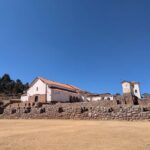
Morning kickoff: Chinchero textiles and terraces
You’ll start early from Cusco, then head to Chinchero, where the focus shifts from stone to living tradition. This is one of the best stops on the route if you care about how Andean culture continues today—not only how it looked centuries ago.
Here’s what to expect:
- You’ll see terraces and get a sense of how farming adapted to steep terrain.
- You’ll meet or observe artisans connected to textile work, with explanation of techniques and traditions.
Why I like this stop: it trains your eye for the rest of the day. When you later see Incan engineering at places like Moray or Ollantaytambo, you’ll be thinking about practical design—water, slope, temperature, and how people made the land usable.
Practical tip: go in with a relaxed pace. Even at the start of the day, Chinchero sits at the day’s highest altitude, around 3,700 m, so slow steps help.
Maras Salt Mines: the shimmering patchwork moment
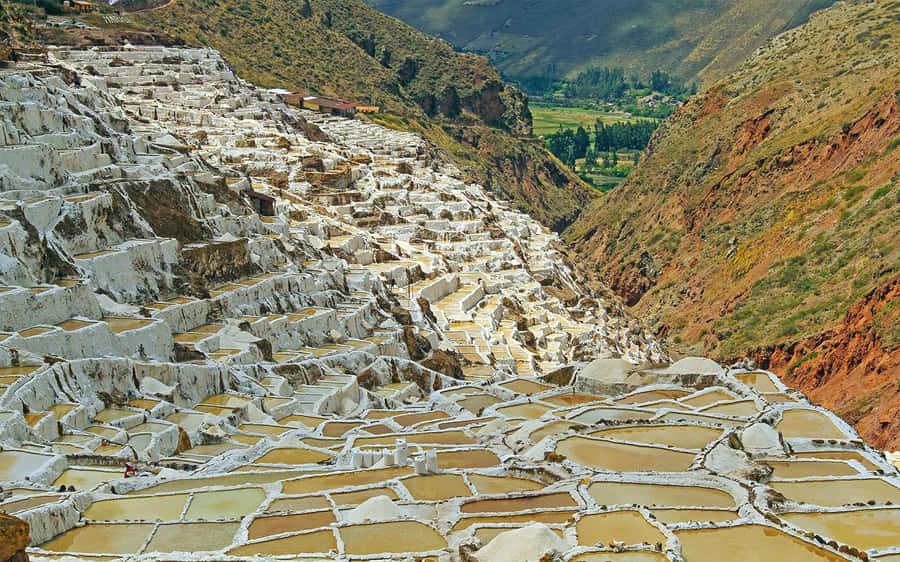
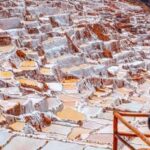
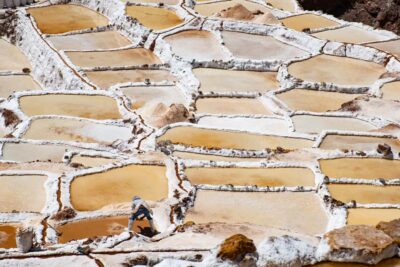
After Chinchero, the route heads to the Maras Salt Mines. This is the stop many people remember most, because the visuals are instant. Patchwork salt pans appear in a grid-like pattern, catching light and reflecting the sky in a way that feels almost unreal.
What you’ll get from the guided portion:
- A tour of the salt pans area
- Context on how these salt operations connect to older practices
This is also the part where photography is easiest. You’ll likely spend enough time here to get a few angles without feeling rushed.
Consideration: if the sun hits hard where you stand, you’ll want goggles and sunscreen (the gear list includes goggles; it’s smart). Bring something for dust too—your guide will give you the real-time cues.
A last few Urubamba tours and experiences to fold into the trip
Moray terraces: why circular ruins aren’t just scenic
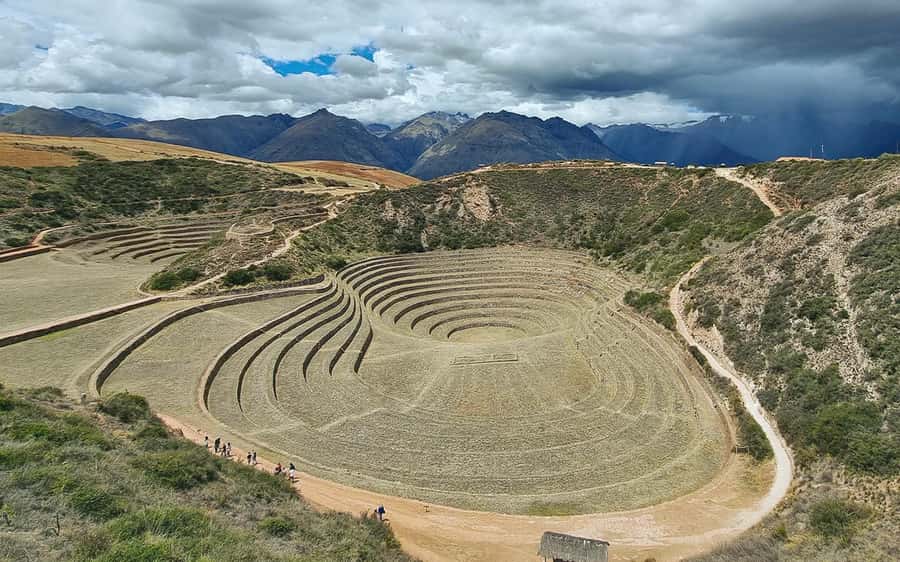
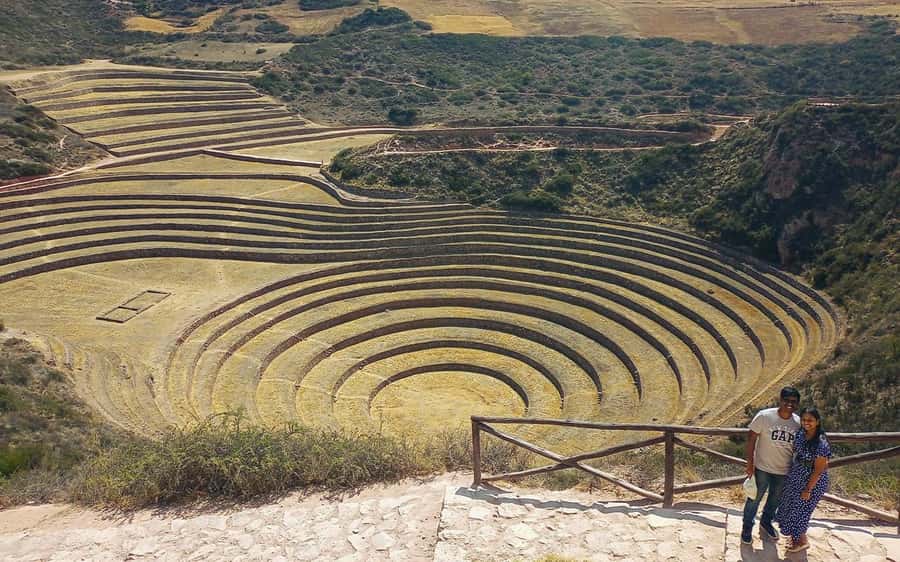
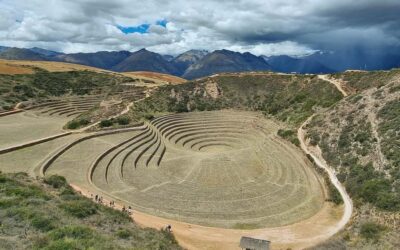
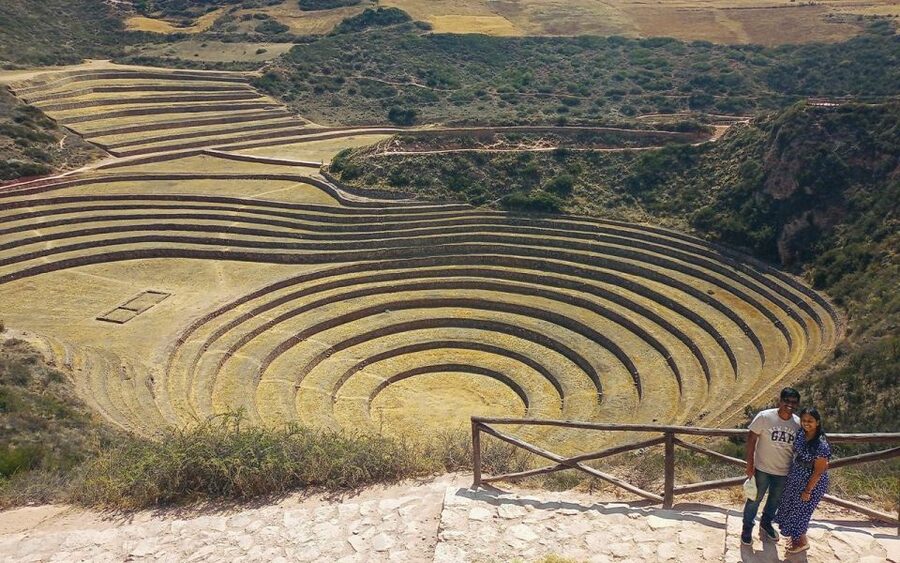
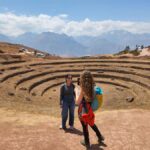
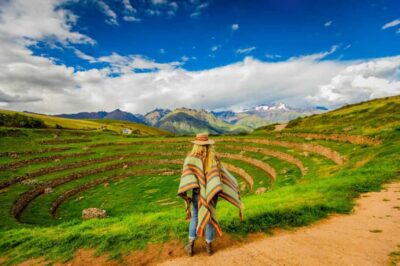
Next comes Moray, known for its circular terracing system. It’s easy to see why people treat this as a “wow” stop: geometry, repetition, and scale.
But the real value is understanding the idea behind it. The terraces are believed to have been an agricultural experiment, using design to test how growing conditions change. In other words, Moray isn’t just pretty ruins—it’s like a living lab concept.
What you can watch for as you walk:
- How the circular shape influences exposure and temperature
- How terrace engineering works with the terrain
Even if your Spanish and English history vocabulary is light, the guide’s job is to make the purpose clear. And because you’ll have already warmed up on Chinchero’s terrace logic, Moray clicks faster.
Urubamba lunch: refuel with a buffet (and a breather)
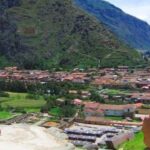
After Moray, the itinerary pauses in Urubamba, the heart of the Sacred Valley. You’ll have a delightful buffet lunch here. It’s not a five-star meal, but it’s the right kind of stop for this day: real food, a chance to sit, and a reset before Ollantaytambo and Pisac.
This is also when you’ll appreciate the tour’s structure. With your feet getting a workout and altitude in the background, having lunch where you don’t worry about finding a place matters.
Practical advice:
- Sip water before you eat and after.
- Keep your clothing layers ready; mornings can feel cooler and afternoons warmer.
Ollantaytambo: fortress views and the best guided climbing
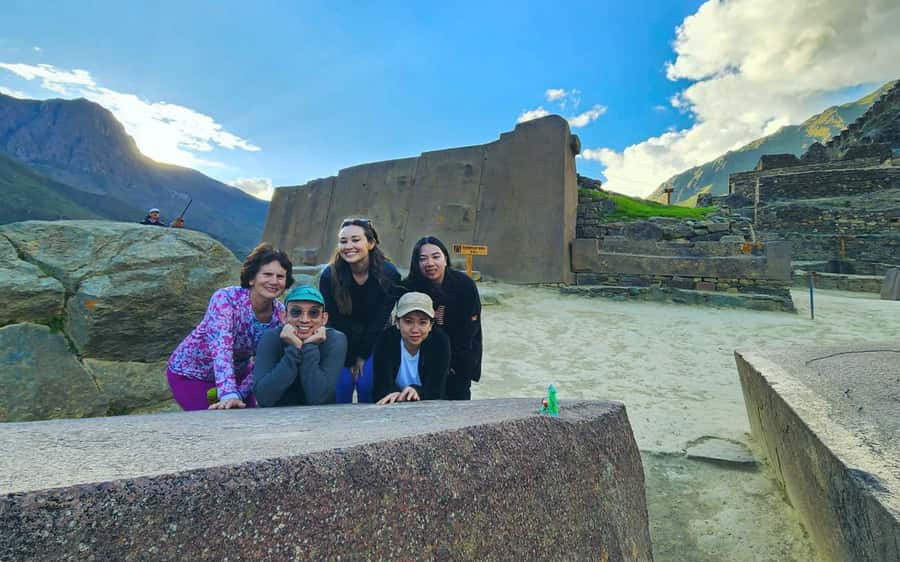
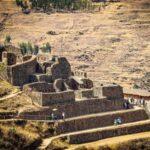
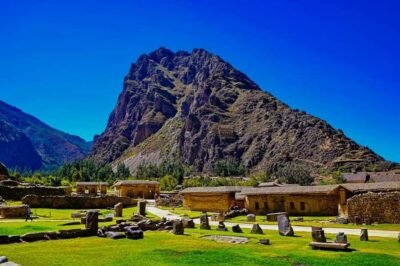
Then you head to Ollantaytambo, and this is where the day starts to feel like a storybook turning pages. You’ll visit the guided archaeological area, including the fortress and terrace systems.
What to expect:
- Walking on stepped terrain (not technical hiking, but not flat either)
- Explanations of strategic significance—why this place mattered
The best part for most people is the combination of structure and view. You get that sense of power when you see how the Incan builders used the valley walls.
This is also one of the two stops you should treat as the day’s top priority, because your energy needs to be focused here:
- I love that you can climb the terraces slowly while getting a guided explanation.
- It makes the site feel intentional, not just like random stones.
One caution: because it’s outdoors and elevated, pace yourself. If you push too hard, the afternoon can feel long.
Pisac: market colors plus the ruins that make sense
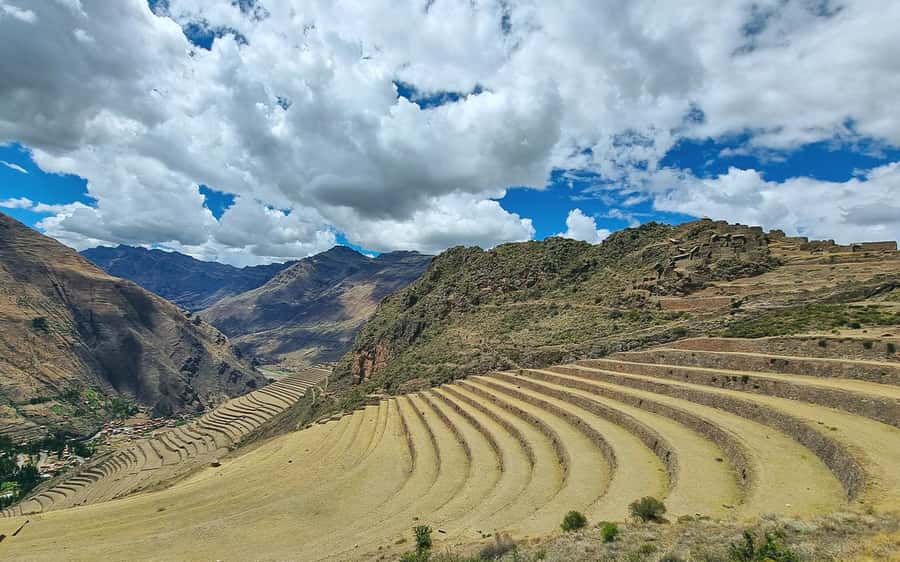
Your final main stop is Pisac, famous for two things: the market and the archaeological site. If you love people-watching, you’ll get plenty here. If you love history, you’ll get it too—but with the kind of guided context that helps you connect the ruins to daily life.
Here’s how the visit tends to land:
- You’ll explore the ruins with guidance
- You’ll have time to stroll the Pisac market, where local artisans sell handmade goods
Why Pisac is often the highlight: it gives you a full-circle feeling. Earlier today you learned about textiles and terrace logic. Now you see crafts and the market side of Andean life. It turns the whole day into more than a list of ancient points.
Practical tip: budget a little time for shopping at the pace you like. The tour includes comfort stops for restrooms and chances to buy snacks or souvenirs along the way, but you’ll still want to be ready to navigate crowds in the market area.
Transportation, guides, and what’s actually included
This tour is built around a few essentials that keep the day smooth:
Included:
- Professional bilingual guide (English and Spanish)
- Round-trip transportation from a designated Cusco meeting point
- Buffet lunch in Urubamba
- Guided visit components at Maras Salt Mines, Moray, Ollantaytambo, and Pisac (market and ruins)
- Comfort stops for restrooms and time to buy snacks or souvenirs
- All transportation fees for the day
- A group experience
Not included:
- Entrance fees to sites (you need the Boleto Turístico)
- Travel insurance
- Personal expenses (souvenirs, extra drinks, snacks outside the included meal)
- Breakfast and dinner (just lunch is included)
- Any extra transportation from individual hotels if your pickup isn’t directly at the meeting point
Meeting point detail: your guide will be wearing a Red 69 Explorer jacket. That’s an easy ID, and it helps if you’re early.
What to bring (so you feel good, not annoyed)
The tour includes lunch and guide support, but you’ll still want to show up prepared. Here’s what to bring based on the recommended gear list:
- Passport or ID card
- Daypack
- Camera
- Headphones (helpful for audio guidance)
- Insect repellent
- Goggles
- Clothes that can get dirty (you’ll be outside and on uneven terrain)
- Change of clothes
- Food and drinks (yes, even though lunch is included, it’s smart to have options)
- Cash and a credit card (handy if you shop)
- First aid kit
Little altitude reality: food and water can be your best friends when you’re walking more slowly than you’re used to.
How difficult is it, really? (And how to handle altitude)
The tour is labeled moderate difficulty. The key detail isn’t fitness—it’s altitude and walking on uneven ground. You’ll have some walking at high elevation, and there will be terrace steps at places like Moray and Ollantaytambo.
How you can make it easier:
- Take breaks when offered. Comfort stops aren’t filler; they keep you moving safely.
- Keep your pace steady, not heroic.
- If you feel a headache or nausea building, slow down immediately and sip water.
Also note the tour isn’t suitable for everyone. It’s listed as not suitable for people with claustrophobia, non-swimmers, or epilepsy. Even if the day doesn’t scream “danger,” those constraints matter for how the sites and schedules are managed.
The most praised moments: what you should plan to prioritize
If you want to match how the day tends to feel at its best, aim your energy toward these parts:
- Pisac and Ollantaytambo: These are the strongest “highlight” pairing, with ruins plus a bigger sense of place.
- The guide explanations: When you get a guide like Auqui, the day feels coordinated. You don’t just follow the group; you understand what you’re seeing.
- The variety of stops: Having multiple locations in one day keeps attention from drifting, especially important when your body is adjusting to altitude.
Should you book this Sacred Valley day trip?
Book it if:
- You’re short on time in Cusco and want a full Sacred Valley overview in one go
- You like guided sites, not just wandering
- You care about both archaeology and cultural life (market + textiles + salt mines)
- You want strong value at $39, and you’re okay adding the Boleto Turístico entrance fees
Skip or choose a different format if:
- You don’t handle altitude or walking well
- You strongly dislike crowds in market areas
- You need a totally low-movement day (this includes outdoor walking and terrace steps)
My practical advice: treat this as an active cultural day, not a light sightseeing cruise. If you show up with water, layers, and a steady pace, you’ll get a lot more out of it than the check-the-box version of Sacred Valley.
FAQ
How long is the Sacred Valley tour from Cusco?
It’s about 11 hours for the full day.
What’s the tour price?
The price is $39 per person.
Does this tour include transportation from Cusco?
Yes. Round-trip transportation is included, with pickup and return to a designated meeting point in Cusco.
Is lunch included?
Yes. A buffet lunch is included in Urubamba.
Are entrance fees included?
No. Entrance fees are not included, and you’ll need the Boleto Turístico.
What languages are provided for the guide and audio?
The live guide is available in English and Spanish, and an audio guide is included in English and Spanish.
Where do I meet the guide?
Look for your guide wearing a Red 69 Explorer jacket at the meeting point in Cusco.
What should I bring for the day?
Bring passport or ID, a daypack, camera, headphones, insect repellent, goggles, cash, and a first aid kit. You should also bring change of clothes and clothes that can get dirty.
Is the tour suitable for everyone?
It’s not suitable for people with claustrophobia, non-swimmers, or people with epilepsy. It also includes moderate walking at high altitude.
Is there anything I should pay for myself besides the entrance fees?
Yes. Travel insurance and personal expenses are not included, and breakfast and dinner are not included.
More 1-Day Tours in Urubamba
More Tour Reviews in Urubamba
Deeper Into the Sacred Valley
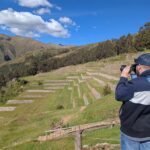
Recent write-ups from around Urubamba, just off the trail
- 1 Day – Humantay Lake
★ 3.1 · 3 reviews - From Cusco: Salkantay trek 5 days/4 nights meals included
★ 4.0 · 3 reviews - Sun and Moon Tour
★ 4.5 · 3 reviews - From Cusco: Sacred Valley VIP Tour with Buffet Lunch
★ 4.7 · 3 reviews - From Cusco: Sacred Valley & Moray, Salt Mines with Lunch
★ 4.6 · 3 reviews
Sacred Valley Tours, compared.
 ★ 4.8From Cusco: Sacred Valley & Maras Salt Mines Tour with LunchFrom $282,227 reviews
 ★ 4.6Sacred Valley, Pisac, Ollantaytambo, Salt Mines MorayFrom $281,058 reviews
 ★ 4.8Sacred Valley: Chinchero, Moray, Ollantaytambo & Pisac+LunchFrom $25501 reviews
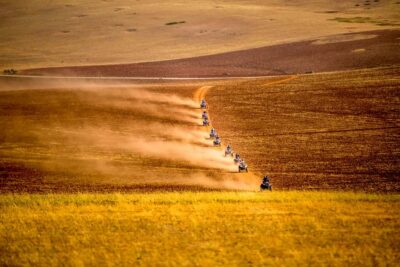 ★ 4.6Sacred Valley: Maras & Moray by Quad Bike from CuscoFrom $39418 reviews
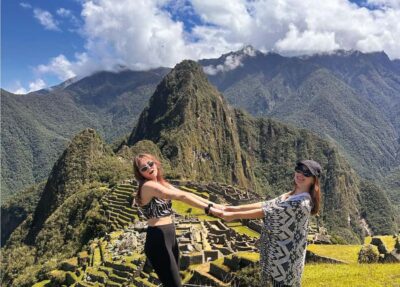 ★ 4.6From Cusco: 2-Day Trip to the Sacred Valley and Machu PicchuFrom $370265 reviews
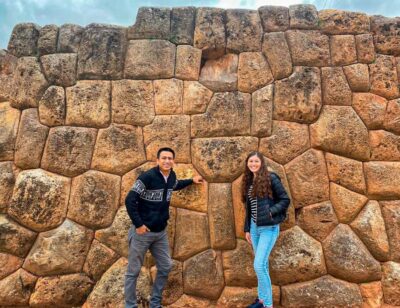 ★ 4.8Sacred Valley Pisaq,Ollantaytambo,Chinchero with LunchFrom $28183 reviews
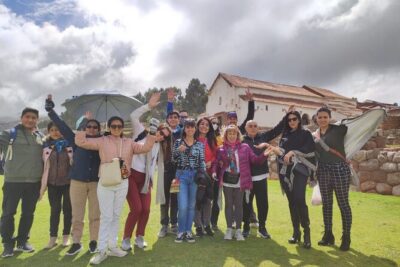 ★ 4.5Full-Day Excursion to Sacred Valley, Pisac and Ollantaytambo from CuscoFrom $47174 reviews
 ★ 5.0Food and Culture Full day Tour in the Sacred ValleyFrom $200144 reviews
Browse the lists this tour appears in