
REVIEW · MACHU PICCHU TOURS & TICKETS
4-Day Lares Trek to Machu Picchu from Cusco
Machu Picchu starts with a climb. This 4-day Lares Trek route mixes high-altitude trails, mountain communities, and hot-spring time with an early bus to Machu Picchu so you see the ruins as the mist lifts. You’ll also travel in a small group with a bilingual guide on the hike and at the sanctuary.
I especially love the guide-led pacing and explanations, plus the way the team keeps things organized on steep days. I also like the food setup: meals are prepared fresh by the cook, and there’s a vegetarian option available with advance notice.
One consideration: the trekking is tough at altitude (often around 4,000m+), and Day 4 starts very early, so you’ll want to show up ready for cold mornings and a steady pace.
In This Review
- Key things I’d circle before booking
- Lares to Machu Picchu: the itinerary’s real personality
- Day 1 from Cusco: Lares Town, hot springs, and Wakawasi camp
- Day 2 over Ipsayccocha Pass: lake lunch and a llama-and-alpaca camp
- Day 3: train day to Aguas Calientes, plus a real chance to reset
- Day 4 at first light: Machu Picchu guided walk, then your own time
- Price and logistics: what you’re paying for (and what you’re not)
- Guides and group size: why it feels smoother in real life
- Camping comfort: what the setup includes and what you should expect
- Food on the trail: why the meals actually change your experience
- Packing and fitness: how to prepare for 4,400m without drama
- Should you book the 4-Day Lares Trek to Machu Picchu?
- FAQ
- How hard is the Lares trek portion, and what altitude will I reach?
- What group size is this tour?
- Are meals included, and can I get vegetarian food?
- Is a sleeping bag included?
- What’s included in the Machu Picchu visit, and do I get time on my own?
- Can I cancel or change this booking?
Key things I’d circle before booking
Small-group size (max 15, avg around 4) with a professional, bilingual guide.
Altitude-focused itinerary over Ipsayccocha Pass and through mountain communities.
Camping logistics that lighten your load thanks to horses carrying cooking/camping gear (plus a limited shared carry allowance).
First-bus Machu Picchu timing to maximize morning light and mist conditions.
Fresh, filling trail meals with a vegetarian option available for every meal.
Optional peak hikes (like Huayna Picchu) with strict ticket limits and advance requirements.
Other ways up to Machu Picchu, reviewed
- From Cusco: Full-Day Group Tour of Machu Picchu★ 4.7 · 1,767 reviews
- Machu Picchu Day Trip from Cusco★ 4.5 · 1,644 reviews
- Machu Picchu: Full-Day Tour from Cusco with Optional Lunch★ 4.6 · 927 reviews
- Cusco: 4-Day Inca Trail to Machu Picchu with Accommodation★ 4.8 · 432 reviews
Lares to Machu Picchu: the itinerary’s real personality
This trip is built for people who want Machu Picchu, yes—but also want the road that leads there. Instead of jumping straight from Cusco to the ruins, you earn altitude views over several days, sleep in simple camps, and walk past agricultural terraces and local communities in the Lares region.
What makes the route feel special is the blend of tough hiking + comfortable structure. You’ll get a guide for the hard parts, meals planned each day, and transfers handled for the train and bus segments—while still having freedom to explore Aguas Calientes and Machu Picchu on your own time window.
This is also a route that rewards good pacing. Your hike includes long days (up to ~8 hours on Day 2), pass crossings, and steep sections. If you treat it like a steady “finish strong” mission, the rewards come fast: glacier views on the early climb, camps with llamas/alpacas nearby, and that first glimpse of Machu Picchu from the bus.
Day 1 from Cusco: Lares Town, hot springs, and Wakawasi camp
Your day starts with a pickup around 6:00 am from Cusco, followed by a bus to Lares Town (2,900m). This is where you get your first altitude check and your first chance to loosen up. The hot springs in Lares Town are extra cost (10 soles), but it’s a very logical splurge after the morning transfer—especially if you’re feeling stiff.
Then the trail begins: a ~6-hour trek (about 14 km) that zigzags upward toward Wakawasi (3,850m). This section isn’t just exercise; it’s also your first taste of how “alive” the Lares landscape feels—glacier views on clear stretches, local communities you can actually see and pass near, and wildlife in the higher zones.
You’ll camp in the Wakawasi community area. That’s a big part of why people rate this trek so highly: it’s not a faceless stop. You’re sleeping in the kind of place where locals live in harmony with the land, and the day feels more like travel with a sense of place than a checklist.
Watch-outs for Day 1: it’s steady climbing, so start slow. You’re going up, so breathe early and don’t sprint the first hour just because you feel okay.
Day 2 over Ipsayccocha Pass: lake lunch and a llama-and-alpaca camp
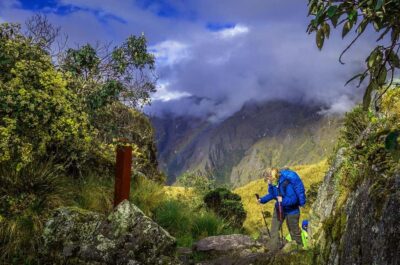
Day 2 is the longest walking day. You start with an uphill trek for about 4 hours, heading over Ipsayccocha Pass (4,400m). That number matters: above 4,000m, the air is thinner, and your pace will likely feel slower than you’re used to. Plan to walk “for duration,” not “for speed.”
After the pass, you walk downhill for around 40 minutes to your lunch stop next to the lake. This is a useful rhythm break: you’ve done the hard push, then you get food and time to steady your breathing. Lunch here isn’t a formality—it’s a reset.
Then it’s another ~3-hour walk to Patacancha (3,800m) for camping. The camp setting is one of the standout practical details: you’ll be surrounded by llamas and alpacas and near native crop plantations. You’re not just sleeping in the open; you’re in an active agricultural area, which helps the days feel real.
Possible drawback on Day 2: the altitude + length can hit you emotionally as much as physically. Bring your patience. If you expect to feel good every hour, you’ll be disappointed. If you expect the day to be slow and then satisfying, you’ll be happier.
Day 3: train day to Aguas Calientes, plus a real chance to reset
Day 3 is a break from the steepest trekking rhythm. You’ll start from Patacancha (3,800m) and walk about 4 more hours toward Ollantaytambo. This is still walking time, but it’s not framed like a pass-day grind.
At Ollantaytambo, you’ll have lunch and then board the train to Aguas Calientes. You’ll spend the night in a 3-star hotel there, and your guide will meet with you to explain the plan for Machu Picchu the next day. After that, you’re free to roam: there are cafes, shops, and internet cafes, plus the relaxed time you usually crave after camping nights.
This hotel-and-town night is a big value piece, even if you’re not a luxury traveler. It gives you a chance to sleep in a bed and manage your gear. It also helps with altitude fatigue. Machu Picchu morning is early, and you’ll appreciate having the evening to eat, pack, and settle.
Tip: use Day 3 night for practical things—charge what you can, organize your layers, and don’t overplan your evening. You’re saving energy for the first-bus ride.
Other Lares Valley treks worth a look
Day 4 at first light: Machu Picchu guided walk, then your own time
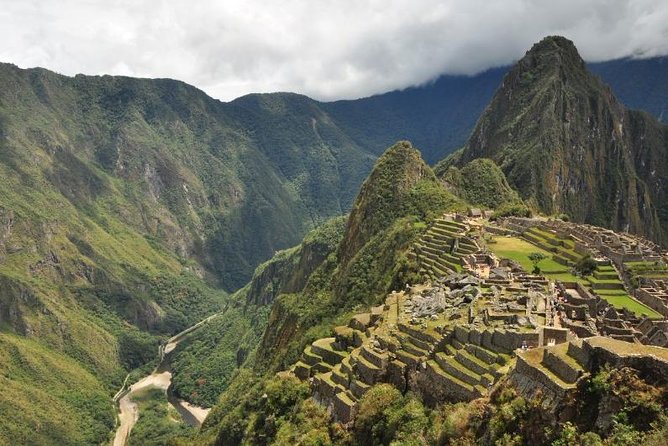
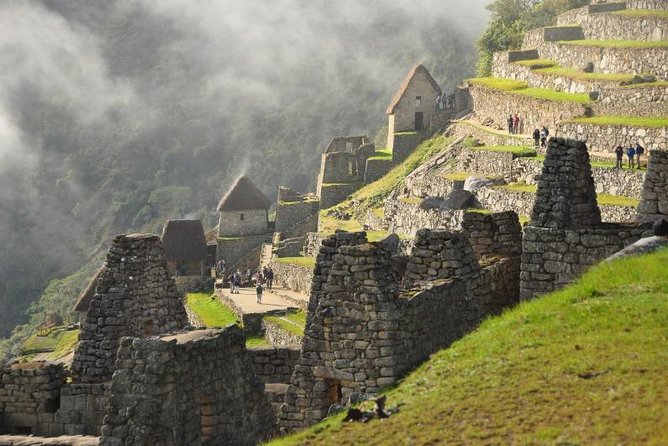
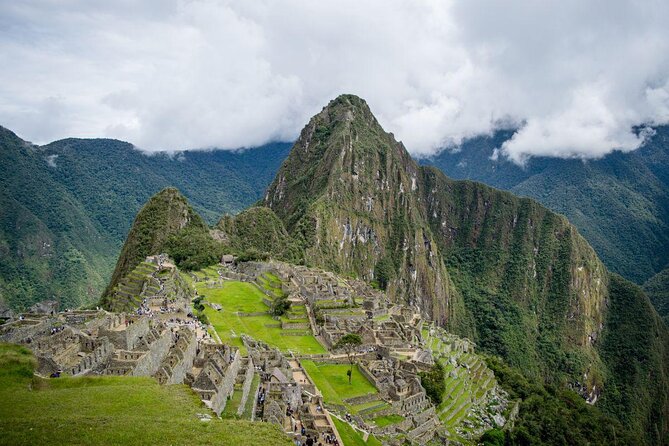
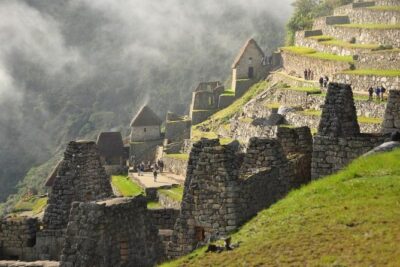
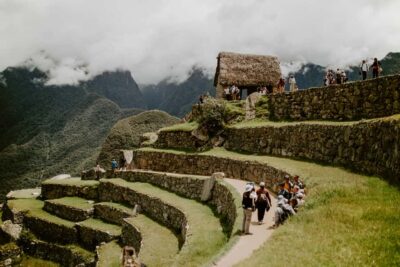
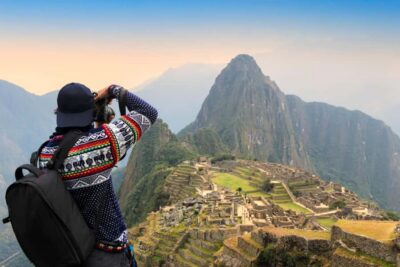
Day 4 is the highlight, timed for the morning conditions. You catch one of the first buses around 05:30, and the ride to Machu Picchu takes about 25 minutes. The whole point of that early schedule is to see the sanctuary when the mist is still thinning—so your photos and your first impressions both benefit.
Once you’re there, you get a walking tour of about 2 hours with your guide. This isn’t just wandering. You’ll cover the key areas and get context on what you’re looking at, which helps the site stop feeling like ruins and start feeling like a functioning worldview.
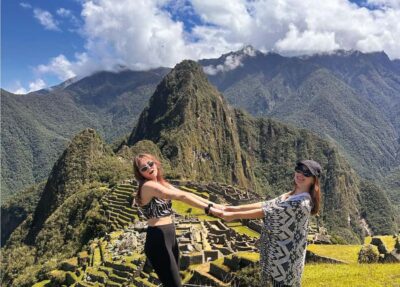
After the guided portion, you have time to explore on your own. This is when Machu Picchu becomes personal: you can take pictures at your pace, linger where the views hit harder, and walk the paths you’re most curious about.
If you still have energy, there’s an optional hike to Huayna Picchu. It’s inside the Machu Picchu archaeological site and typically takes about 45–60 minutes uphill. The catch is the ticket system: you need to purchase in advance (at least 2 weeks), and 400 passes are allocated—200 at 7:00 am and 200 at 10:00 am.
After your time at the sanctuary, you bus back to Aguas Calientes, then shop around the market near the train station until it’s time to go. You’ll take the return train to Ollantaytambo and then a bus back to Cusco, arriving around 8:00 pm, where you’ll be dropped near Plaza San Francisco.
Price and logistics: what you’re paying for (and what you’re not)
At $847 per person, the value is strongest if you factor in what would cost real money and time on your own.
You’re covered for:
- A bilingual guide on both the trek and the Machu Picchu portion
- Camping accommodation for Days 1–2 (including basic mattress and tents for two people)
- A 3-star hotel night in Aguas Calientes
- Train Ollantaytambo → Aguas Calientes round trip (plus the return train)
- Buses for Aguas Calientes → Machu Picchu and the final transfer back to Cusco
- Most meals: 3 breakfasts, 3 lunches, 3 dinners, plus 3 snacks
- Practical support: a first aid kit and emergency oxygen bottle
- A small-group setting (max 15, avg around 4)
You’re not covered for:
- Sleeping bag rental (listed at $15 USD for the trek)
- Hot springs at Lares Town (10 soles)
- Bottled water and a couple of meals (Day 1 breakfast, Day 4 lunch)
- Optional peak hikes (Huayna Picchu and other optional mountain hikes)
- Tips
So the question isn’t just whether it’s “cheap.” It’s whether you want the heavy lifting handled for you. This itinerary does the real work: it organizes altitude camping, carries much of the camp gear, schedules train/bus logistics, and pairs it with a guide who can explain what you’re seeing.
Guides and group size: why it feels smoother in real life
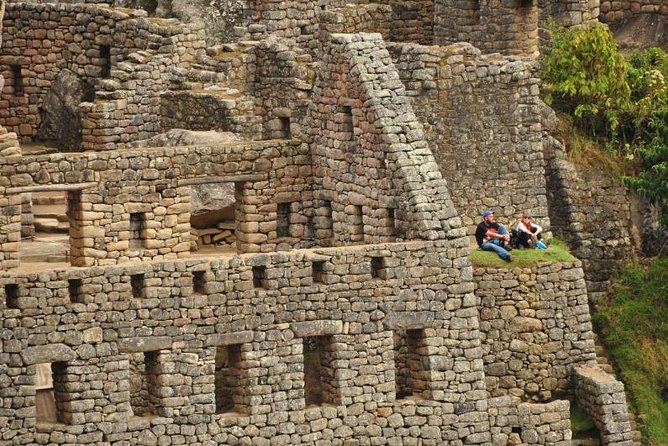
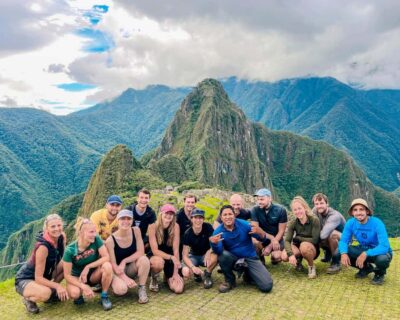
Small group size changes the vibe. With a max of 15 and an average closer to 4, you’re more likely to get attention, questions answered quickly, and a pace that doesn’t feel like cattle-herding.
One detail that stood out from past hikers: a guide named Percy was described as experienced, funny, helpful, and considerate, with very good English. That kind of guide presence matters. It turns the trek from just “walking and waiting” into “walking and understanding,” which makes the effort feel worth it.
Also, the tour notes emphasize a mandatory pre-departure briefing in Cusco the evening before at 6:00 pm, where you’ll confirm departure details and get a list of what to bring. That briefing isn’t fluff. When you get it, you know what to expect and you pack smarter.
On the transfers (bus and train), you’re not accompanied by a guide. That’s normal for many systems, but it does mean you should stay organized with the schedule and follow the instructions given at briefing.
Camping comfort: what the setup includes and what you should expect
This trip isn’t “glamping,” and that’s part of the honesty. Your camping setup includes:
- Tents for two people
- A basic sleeping mattress
Single travelers share a tent on Days 1–2, while couples get a private tent. On Day 3, singles share a room and couples get a private room.
The trip also uses horses to carry cooking and camping equipment, plus it includes a limited carry allowance for each trekker for the first three days. The stated allowance is up to 7 kilos total for each trekker, including 2.5 kilos for your sleeping bag and mattress plus 2.5 kilos for personal items. Translation: you still need a daypack with your essentials, but you’re not carrying everything like you’re on a wilderness expedition.
Bring reality-check layers. Even when the sun is out, nights and early mornings at altitude can get cold fast. Your trekking boots and rain gear matter more than you’d think. The suggested packing list calls out trekking boots, warm socks, thermals, gloves, a hat, sun protection, and rain pants/poncho.
Food on the trail: why the meals actually change your experience
Food can make or break a hike, and this itinerary is built around real meal planning. Meals are prepared fresh by the cook, with variety and plenty of quantity. There’s a vegetarian option available for every meal if you request it in advance (at least 2 days before departure).
The provided meal examples are very “trail practical”: hot breakfasts like porridge and quinoa or oats, eggs or pancakes, and sweet add-ons like fried bananas. Lunch and dinner include soups and then hearty second-course dishes that can rotate through chicken and beef stews, quinoa, fried rice, spaghetti bolognese, and typical Peruvian dishes like aji de gallina and ajiaco de olluco. Even snacks are planned for energy: hot tea/coca, coffee, chocolate/milk, and cookies or crackers.
When you’re walking 6–8 hours at altitude, you need regular fuel. This schedule—breakfast, lunch at a meaningful stop, dinner after setup—keeps you from running empty.
Packing and fitness: how to prepare for 4,400m without drama
The trek is rated difficult and requires good physical conditions. The altitude climbs up to 4,400m at Ipsayccocha Pass, and much of the walking happens around 4000m. That means you should train your legs, but you also need to respect your breathing.
Your best preparation checklist:
- Plan for cold mornings and windy afternoons
- Wear layers you can adjust while hiking
- Bring warm items like gloves and a hat
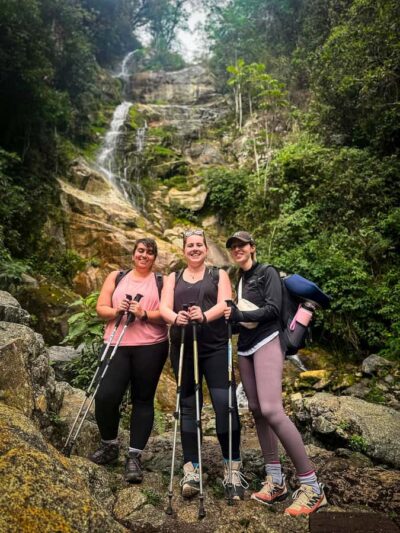
- Use trekking poles if you have them
- Bring a rain poncho or rain pants
- Expect you’ll walk slower than normal, especially on the pass day
The tour suggests in particular: trekking boots, warm socks, sweater, thermals, sun hat, sunscreen, sunglasses, flashlight/torch, and waterproof storage for your camera. Also pack extra cash for snacks/water bought along the way, since those can cost more along the trail.
If you’ve never done altitude hiking, don’t treat this like a casual day trip. Do it like a challenge you’ve prepared for, and it will feel rewarding rather than punishing.
Should you book the 4-Day Lares Trek to Machu Picchu?
Book it if you want Machu Picchu with context. This itinerary gives you the guided sanctuary walk, plus multiple days of walking through living Andean communities, rather than arriving on a bus and calling it a day. The small-group size, bilingual guidance, and the way meals are handled make a real difference.
Skip it (or consider another option) if you dislike early starts or if the idea of sustained altitude trekking sounds stressful. Day 4 starts with a very early 05:30 bus, and Day 2 includes Ipsayccocha Pass at 4,400m.
One final decision helper: if you’ll value organization—train, hotel, camping gear structure, and a clear guide plan—this trip is built for you.
FAQ
How hard is the Lares trek portion, and what altitude will I reach?
This hike is difficult and requires good physical conditions. You’ll walk at high altitude, including a pass crossing at Ipsayccocha Pass (4,400m), plus long trekking days with multiple climbs.
What group size is this tour?
It runs as a small group experience with a maximum of 15 travelers, with an average group size around 4.
Are meals included, and can I get vegetarian food?
Meals are included throughout the trek (and you’ll have breakfast/lunch/dinner plus snacks). A vegetarian option is available for every meal if you request it in advance (at least 2 days before departure).
Is a sleeping bag included?
A sleeping bag is not included. You can rent one for $15 USD for the trek.
What’s included in the Machu Picchu visit, and do I get time on my own?
You’ll take an early bus to Machu Picchu and get a 2-hour guided walking tour. After that, you’ll have time to explore on your own and take pictures.
Can I cancel or change this booking?
The experience is non-refundable and cannot be changed for any reason. If you cancel or request an amendment, the amount you paid will not be refunded.
If you want, tell me your hiking comfort level (and whether you’ve done altitude before). I can help you sanity-check whether this fits you well, especially for that Day 2 pass day.
More Tour Reviews in Cusco
More Lares Valley Treks
Machu Picchu, More Ways In
Recent write-ups from around Cusco, just off the trail
- Cuzco: Rainbow Mountain Excursion
★ 5.0 · 3 reviews - 1 day excursion to Qeswachaka bridge and the 4 lagoons
★ 3.6 · 3 reviews - Waqrapukara 1 day trekking + meals
★ 3.9 · 3 reviews - Valle Sur Cusco | half day
★ 4.3 · 3 reviews - Full-Day Condor Viewpoint & Inca Sites Tour
★ 5.0 · 3 reviews
Machu Picchu Tours & Tickets, compared.
 ★ 4.7From Cusco: Full-Day Group Tour of Machu PicchuFrom $3211,767 reviews
 ★ 4.5Machu Picchu Day Trip from CuscoFrom $3361,644 reviews
 ★ 4.6Machu Picchu: Full-Day Tour from Cusco with Optional LunchFrom $283927 reviews
 ★ 4.84-Day Inca Trail to Machu Picchu with AccommodationFrom $470432 reviews
 ★ 4.6From Cusco: 2-Day Trip to the Sacred Valley and Machu PicchuFrom $370265 reviews
 ★ 4.9Machu Picchu 2-Day Inca Trail with Panoramic TrainFrom $582260 reviews
 ★ 4.2From Cusco: 2-Day Inca Trail to Machu PicchuFrom $290244 reviews
 ★ 4.9Machu Picchu: Inca Trail 2-Day Overnight Guided TourFrom $585203 reviews
Browse the lists this tour appears in