
REVIEW · MACHU PICCHU TOURS & TICKETS
Cusco: 4-Day Lares Trek to Machu Picchu with Panoramic Train
Four days, two trains, and Machu Picchu at sunrise.
This Lares trek from Cusco is interesting because it mixes Andean villages, hot springs, and real trail time with a smooth, scenic finish at Machu Picchu via the panoramic train.
I love how it builds in human moments: weaving communities and support for women-run cooperatives, plus time in local households and school stops where you can learn a few Quechua phrases. I also love the pace of the big days—after hard altitude trekking, you get warm water in Lares, then later you arrive at Machu Picchu early enough to catch sunrise light.
One consideration: altitude and cold are real parts of the plan. Condor Pass reaches 4,750 m, and the camping nights at around 3,900 m can get chilly, so pack for weather and bring a mindset for slow breathing and small breaks.
In This Review
- Key moments to know before you go
- Day 1: Cusco markets, Puyas de Raimondi, and Lares Hot Springs at Blue Lagoon
- Day 2: Condor Pass (4,750 m), offering ceremony, and Canchacancha village life
- Day 3: Downhill into the Sacred Valley, Maras salt mines, and Ollantaytambo to Aguas Calientes
- Day 4: Machu Picchu sunrise, guided walking tour, and Vistadome panorama home
- Value for $690: what’s included (and why it usually costs more to piece together)
- Guide-led walking plus chefs and muleteers: the team that makes it feel smooth
- Who this Lares trek suits best (and who should skip it)
- Should you book this 4-day Lares trek to Machu Picchu with panoramic train?
- FAQ
- What languages does the guide speak?
- Is breakfast, lunch, and dinner included?
- What type of lodging do I get during the trek?
- Do I need to bring a sleeping bag?
- How do I get to Machu Picchu and back?
- What optional add-ons are available at Machu Picchu?
- What should I bring for the trek?
- Who is this tour not suitable for?
Key moments to know before you go
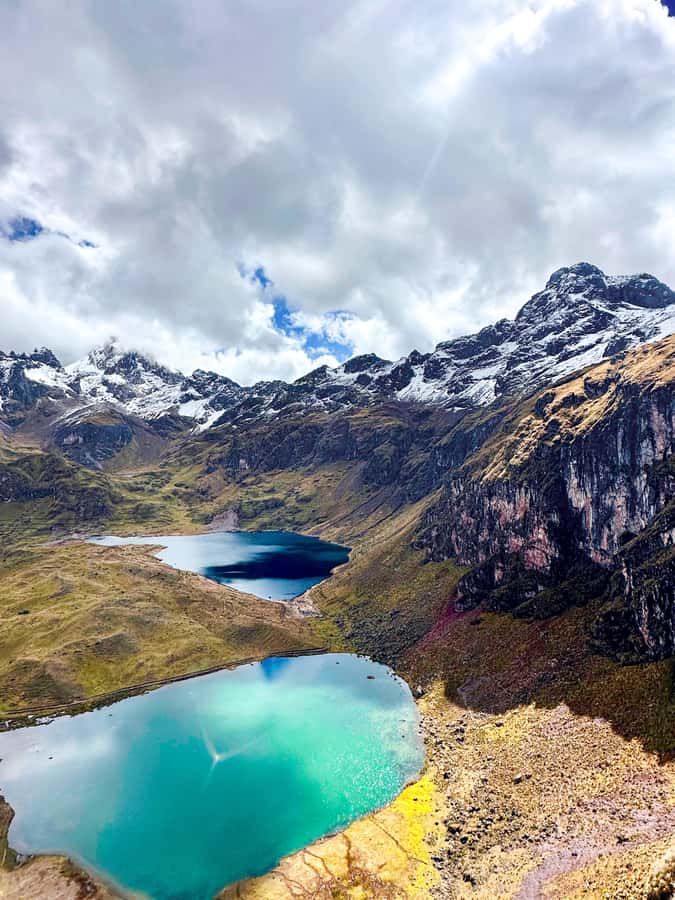
- Lares Hot Springs and Blue Lagoon campsite at about 3,900 m, with stargazing and coca tea after dinner
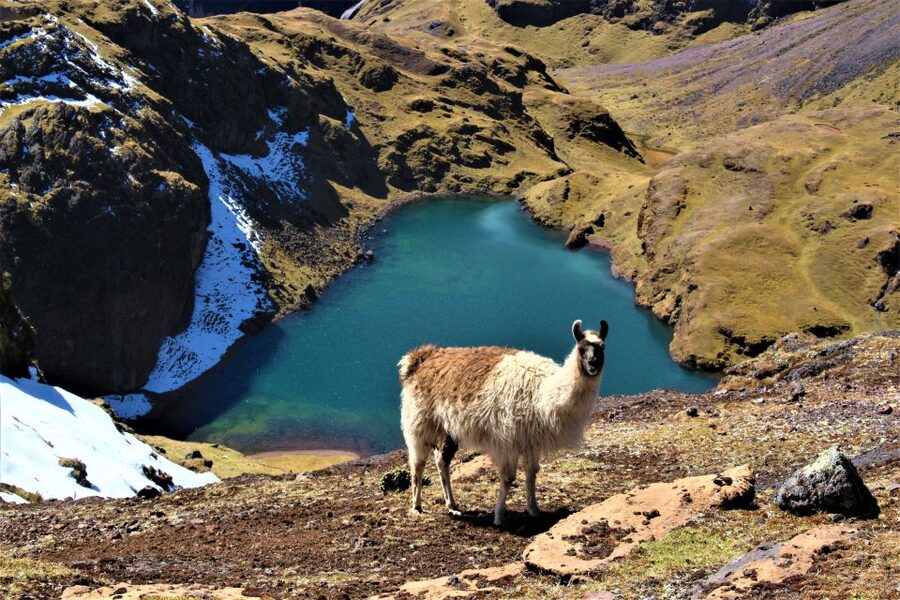
- Condor Pass (4,750 m) for wide views of snowy peaks and turquoise lagoons, plus an offering ceremony
- Canchacancha village time to meet families and learn basic Quechua phrases, not just pass through
- Maras salt mines (Salineras) to see traditional salt harvesting up close
- Machu Picchu at sunrise with a 2–3 hour guided walk through the main highlights
- Vistadome panoramic train for a scenic return back toward Ollantaytambo
Other ways up to Machu Picchu, reviewed
- From Cusco: Full-Day Group Tour of Machu Picchu★ 4.7 · 1,767 reviews
- Machu Picchu Day Trip from Cusco★ 4.5 · 1,644 reviews
- Machu Picchu: Full-Day Tour from Cusco with Optional Lunch★ 4.6 · 927 reviews
- Cusco: 4-Day Inca Trail to Machu Picchu with Accommodation★ 4.8 · 432 reviews
Day 1: Cusco markets, Puyas de Raimondi, and Lares Hot Springs at Blue Lagoon
Your day starts with an early pickup from Cusco (or the Sacred Valley area, depending on where you’re joining). You’ll begin with a practical Cusco warm-up by visiting Calca’s market and stopping at the ancient Inca site of Ancashmarca. It’s a good way to get your bearings before the trekking really starts.
Then the route climbs toward a high plateau where you can look for the rare Puyas de Raimondi. If you’ve never seen these plants, this is one of those “wow, nature has its own weird schedule” moments—slow-growing, tall, and perfect for people who like small surprises beyond the big-ticket places.
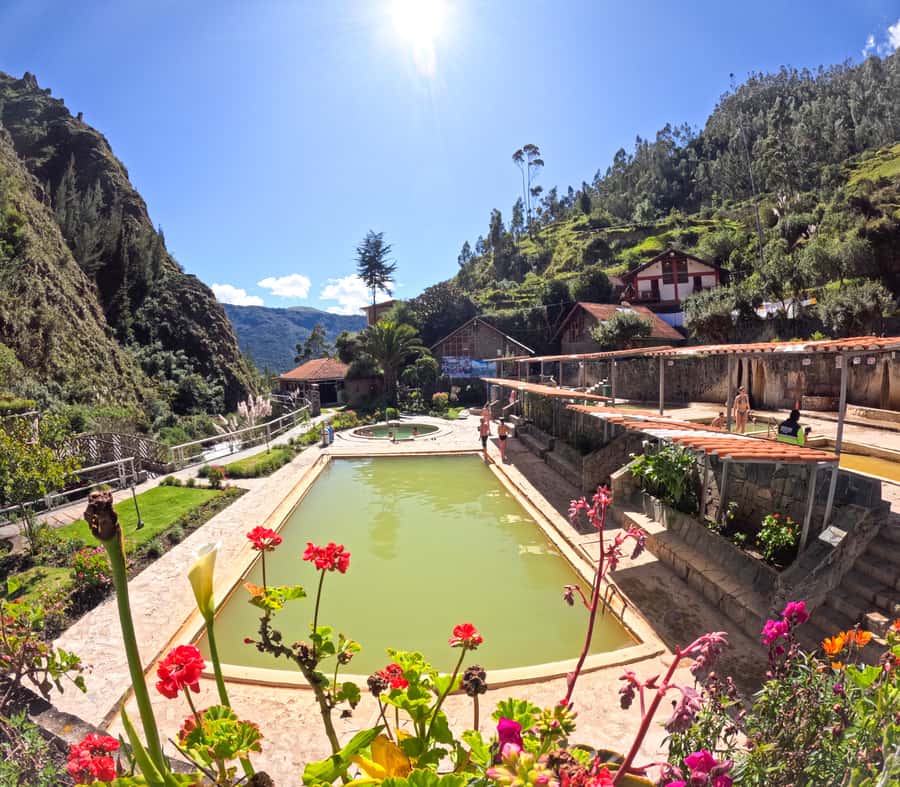
Next comes the payoff: Lares Hot Springs. After a day that includes altitude and walking, warm water with mountain views feels like part of the itinerary design, not a random bonus. You’ll get breakfast and coca tea-style comfort, and it sets you up for the evening camp.
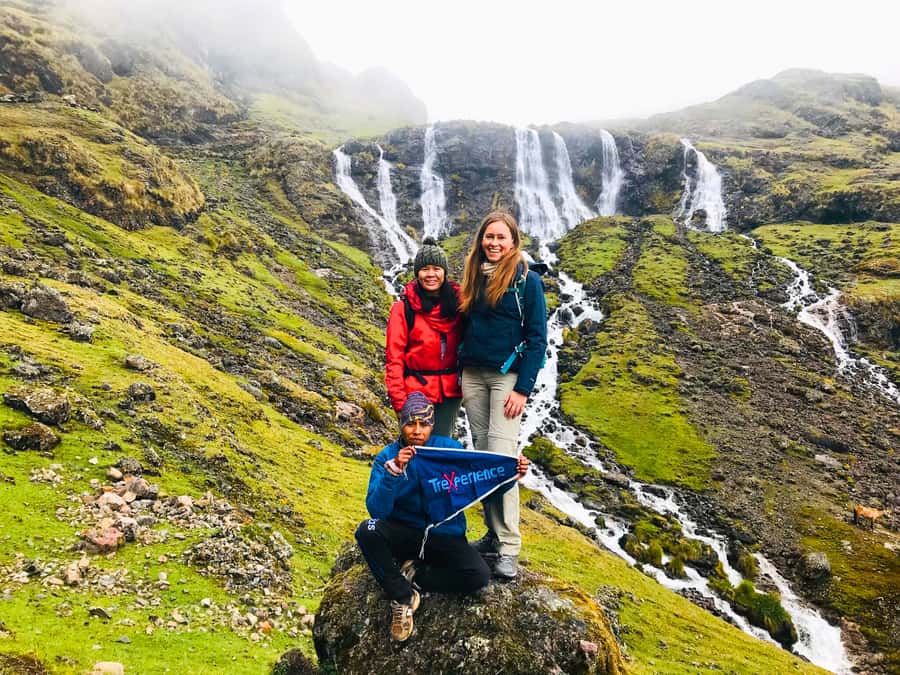
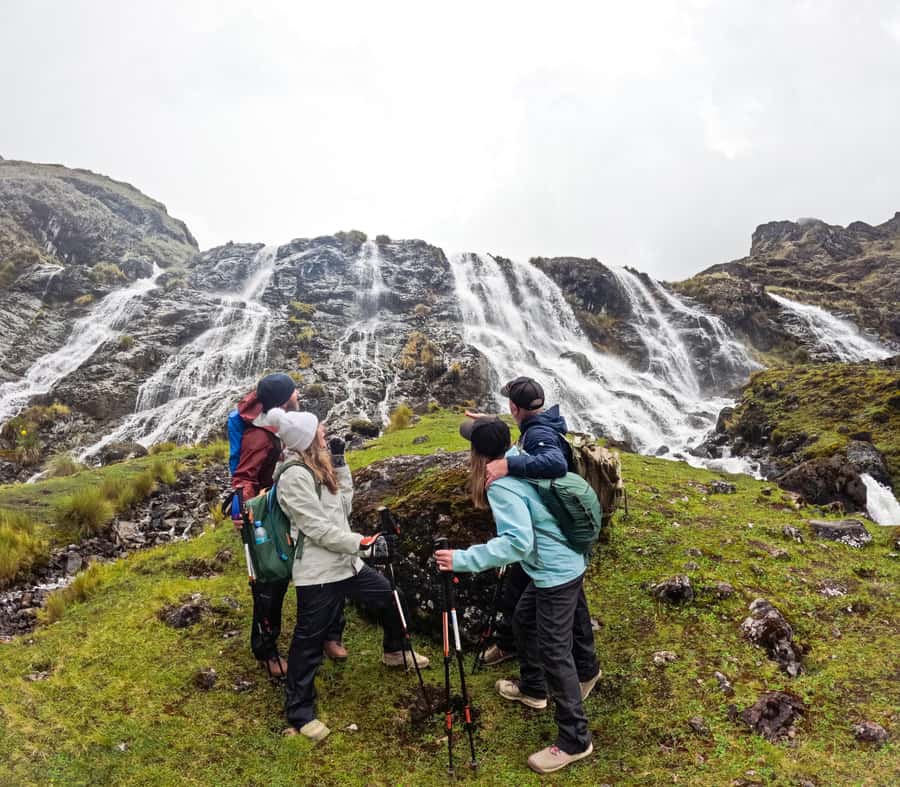
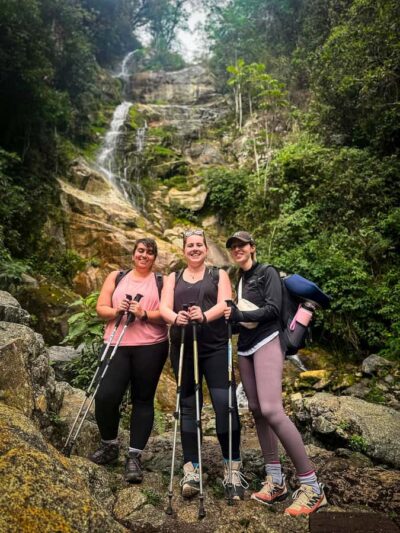
You’ll finish the day hiking through valleys dotted with alpacas and lined with potato fields, with breaks built in—like a fresh lunch at Kiswarani and time to follow the waterfall. Camp is at the Blue Lagoon area (around 3,900 m), where you’ll have dinner and stargazing. At that height, the night sky can feel huge. Even if you’re tired, this is the kind of moment that makes the effort feel worth it.
What to watch for on Day 1: you’ll be changing elevations quickly. Bring your patience. The trek is designed to be manageable, but your body still needs time to adjust.
Day 2: Condor Pass (4,750 m), offering ceremony, and Canchacancha village life
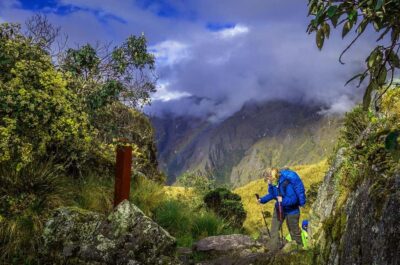
Day 2 begins easy on purpose: coca tea or coffee at your tent, followed by breakfast. Then you start a steady climb through valleys with lakes and Andean wildlife. This is one of the best days if you like views that keep unfolding instead of one big reveal.
Eventually you reach Condor Pass at 4,750 m. This is the high point of the trek and where you’ll get sweeping views of snowy peaks and turquoise lagoons. The altitude here is why the trek asks you to move steadily. You don’t need to race. If you stay in control, you’ll see more and panic less.
At the pass, you’ll take part in a traditional offering ceremony. It’s not the kind of “tourist spectacle” stop that feels pasted on. It’s a chance to understand how local traditions connect to the mountains.
After that, the route descends toward Acopata for a hot lunch. Then you hike through valleys with llamas and alpacas, which makes the trail feel alive and close to the way locals move through these areas.
You’ll finish in Canchacancha village (around 3,750 m). This is where the trip becomes more than scenery. You meet local families, learn a few Quechua phrases, and share the kind of conversation that’s hard to manufacture on a normal day tour. Dinner comes with mountain views and another chance to feel that quiet high-altitude air.
Practical tip: bring small cash and keep it accessible for any optional moments like donations you might be offered later. You’ll handle that more easily if it’s ready.
Day 3: Downhill into the Sacred Valley, Maras salt mines, and Ollantaytambo to Aguas Calientes
Day 3 mixes trekking with culture and then hands you off smoothly toward Machu Picchu.
You start with breakfast and mountain views, then spend time back in Canchacancha village—visiting homes and the school. There’s even an option to donate supplies, which can be a simple, meaningful way to leave a positive footprint. If you’re someone who likes doing more than taking photos, this section matters.
Then you shift gears into a downhill hike into the Sacred Valley. This part is about rhythm: from potato fields to corn and avocado crops, the colors change with the lower elevation. It takes about 4 hours of downhill walking, and it can feel like your legs finally get a break from the constant climb—though you still need good shoes because downhills can be tough on knees.
You’ll reach Huaran (around 2,700 m) for a picnic lunch. After lunch, you’ll say goodbye to your muleteers and chef. This moment is surprisingly emotional if you’ve been chatting with them during the trek. They carry the food and gear so you can focus on walking and enjoying the view.
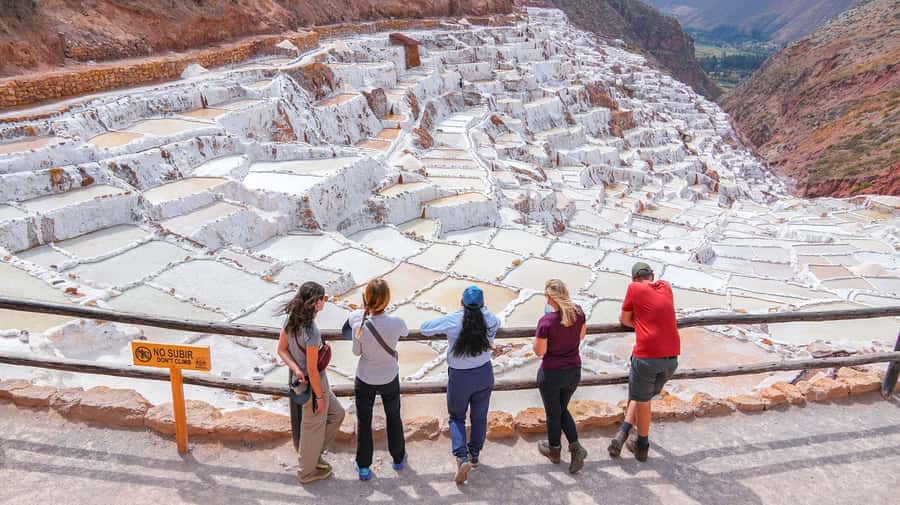
From there, you ride by private van to Salineras Maras—the salt mines. You’ll learn how traditional salt harvesting works, which gives you context for what you’re actually seeing. Maras isn’t just a pretty stop; it’s an active system shaped by local knowledge.
Next comes Ollantaytambo, described as the last living Inca town. You’ll explore it before dinner and boarding the train to Aguas Calientes (the town used as the base for Machu Picchu visits). You sleep in a comfortable 3-star hotel that night—an actual bed helps a lot when you have an early Machu Picchu start coming.
What to expect: this day feels like a hinge. Morning includes trail effort, afternoon moves into cultural learning and then sets up a comfortable night so you’re not wrecked for sunrise.
Day 4: Machu Picchu sunrise, guided walking tour, and Vistadome panorama home
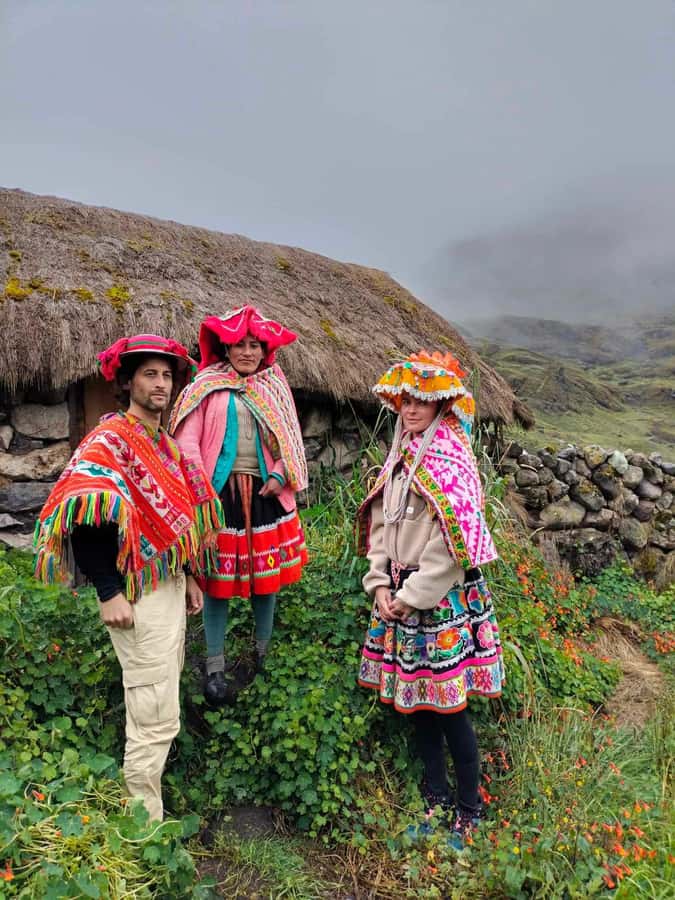
This is the day that people plan Peru around.
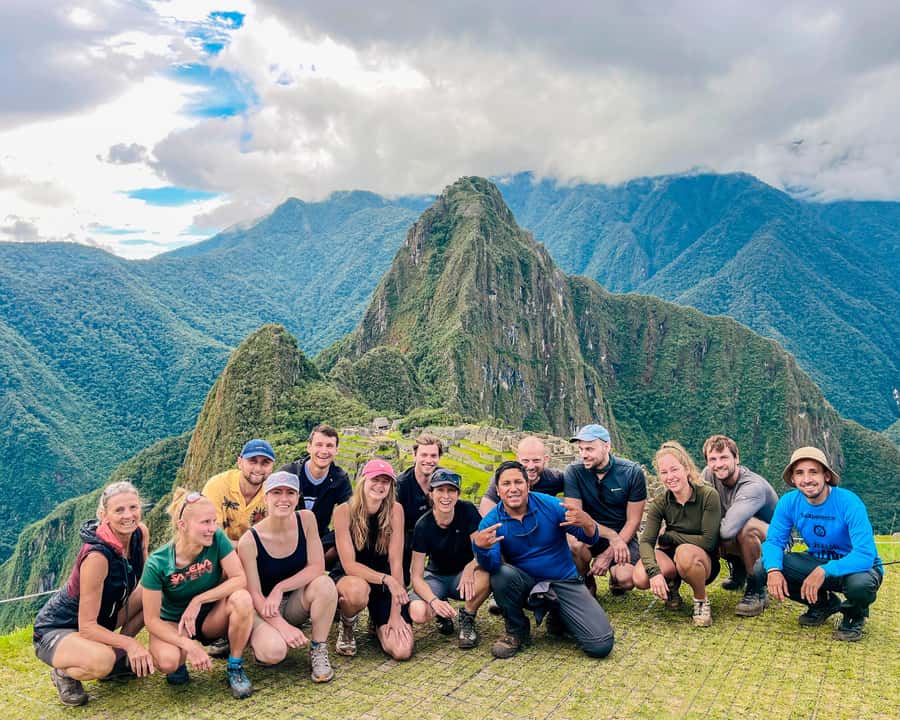
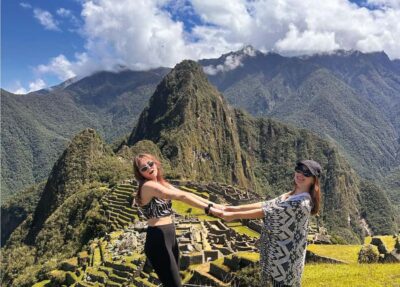
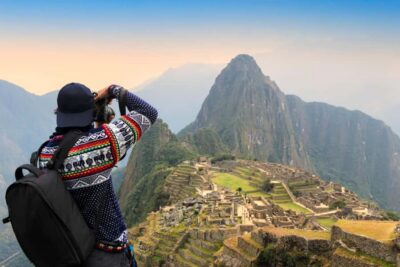
You’ll start with early breakfast at the hotel, then catch the bus to Machu Picchu, arriving just as sunrise is starting to paint the citadel. Getting there early isn’t only about photos. It also means cooler air, fewer crowds, and time to take in the Inca site when it feels new and alive.
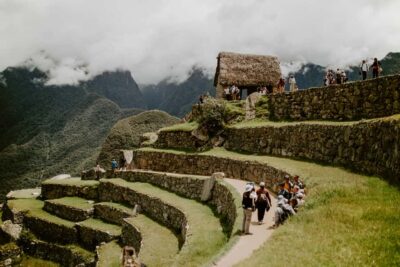
You’ll pause at key viewpoints for panoramic photos, then join your guide for a 2–3 hour walking tour focused on the most interesting landmarks. This is where Inca engineering turns from textbook fact into a real sense of place: terraces, alignments, and the way buildings relate to each other. And since the tour includes daily life context, you’re not just staring at stones—you’re learning how people used the site.
After the walking tour, you return to Aguas Calientes for lunch and leisure time. Then comes the scenic payoff that makes this trip feel different from standard “trek then disappear” tours: you board the Vistadome train back toward Ollantaytambo. Expect big windows and an easy ride with valley views rather than a cramped, purely functional transfer.
A private transfer takes you back to Cusco by evening.
One smart move: if you tend to get cold quickly, dress in layers on the train. Heights and shade can change fast, and the train ride can feel cooler than you expect.
Other Lares Valley treks worth a look
Value for $690: what’s included (and why it usually costs more to piece together)
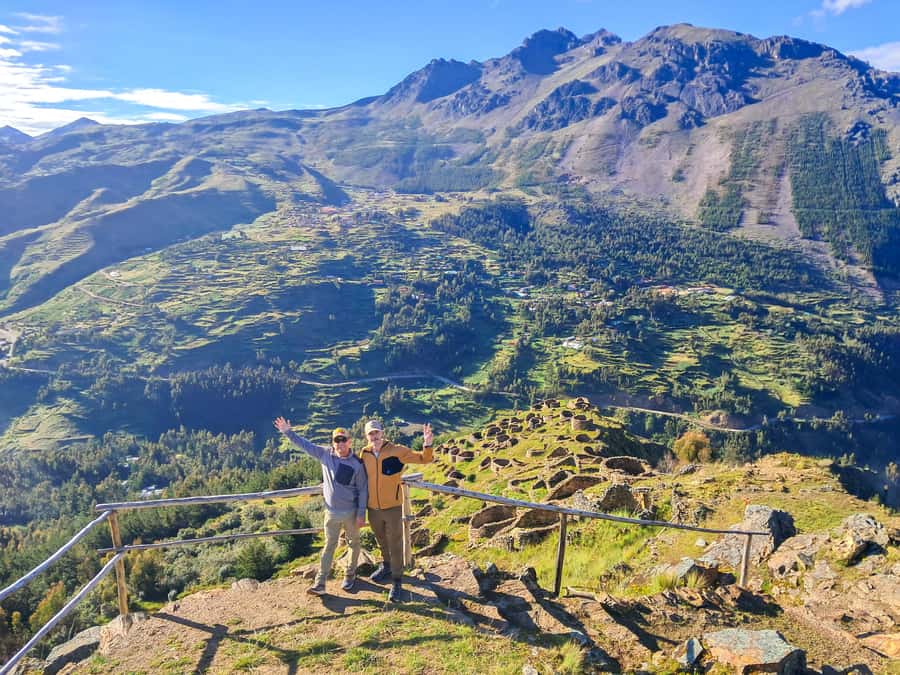
At $690 per person for a 4-day Cusco region trek with camping, a hotel night, entrance fees, and transportation, this is the kind of price that makes sense when you look at what’s bundled.
Here’s what you’re paying for in practical terms:
- A certified professional guide throughout the trekking and site time
- Entrance fees to Machu Picchu, Maras salt mines, and Lares Hot Springs
- Round-trip transportation elements: bus to Machu Picchu, plus the Vistadome return train and transfers
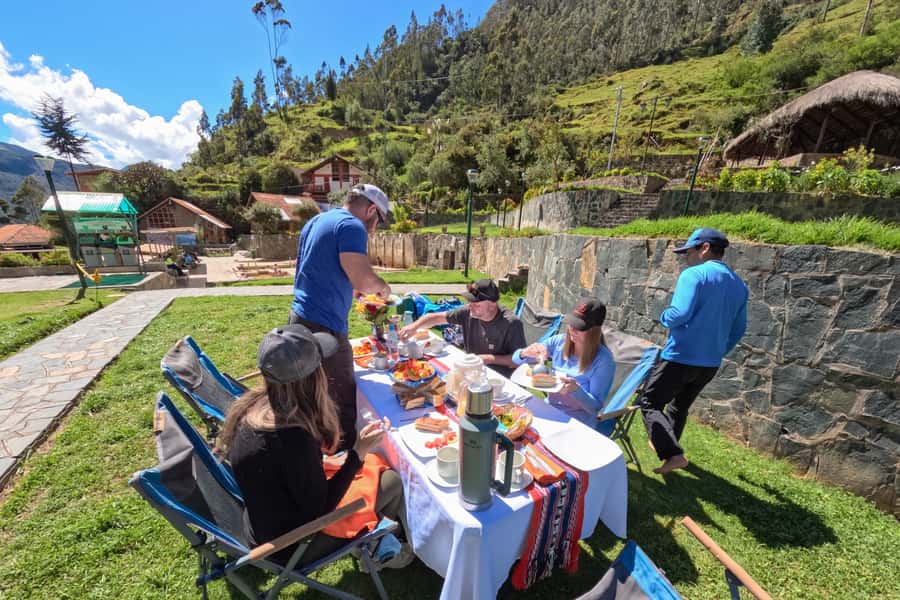
- Food support: trekking chefs provide 4 breakfasts, 3 lunches, and 3 dinners
- Porters/mule support for equipment and food
- Sleeping setup is partly supported, but you must plan your sleeping gear (see below)
This is one place where you should be picky about your own packing list. Sleeping bag, air mattress, and trekking poles aren’t included, though you can rent them on request. Since the camp is around 3,900 m, don’t assume a light blanket is enough. Bring warm layers and ask about rental options if you’re unsure.
What’s not included:
- Lunch on the final day in Aguas Calientes
- Optional add-ons like Huayna Picchu or Machu Picchu Mountain
- Travel insurance (recommended, and in real life you’ll want it)
The value angle: if you tried to combine a Lares trek, Machu Picchu entry, Maras, transport, and the Vistadome train on your own, you’d spend time and money juggling permits, guides, and schedules. This package trades planning stress for a more straightforward experience.
Guide-led walking plus chefs and muleteers: the team that makes it feel smooth
This trip runs because of the team, and the best part is that you’ll feel them in daily life, not just at orientation.
You’re led by a certified guide with English/Spanish support. In past departures, guides like Manolo and Filio were specifically praised for helping the group and keeping the pacing right. That matters on a route where altitude can slow you down fast. Good guiding means you get breaks without losing momentum.
Food is also a big deal here. Trekking chefs prepare meals during the trek, and they can accommodate special dietary needs like vegan requests. If you have dietary requirements, advise them when booking. It’s the kind of detail that prevents a lot of stress later.
Your muleteers handle horses and mules to transport food and equipment. You also get a personal duffle bag (up to 7 kg / 11 lb) carried by muleteers for your camping gear. Translation: you should pack your day essentials in a small, manageable way and trust the system for camp items.
Why I like this setup for you: it lets you walk with less weight and spend more mental energy on the views and the people you’ll meet.
Who this Lares trek suits best (and who should skip it)
This experience is not for everyone. It’s designed for people who can handle walking days and altitude at high points.
It’s not suitable for:
- Pregnant women
- People with back problems
- People with mobility impairments
- People with heart problems
- Wheelchair users
If you’re generally healthy and can handle a high-altitude hike mindset—slow pace, layer up for cold nights, and take short breaks—you’ll likely do well. One of the most helpful things you can do is plan to be a little slower than your ego wants. The trek passes through high places like Condor Pass at 4,750 m, and nighttime temperatures at camp can reduce energy even for strong walkers.
If you get cold fast: prioritize warm clothing for camp. The route includes rain gear in the suggested packing list for a reason.
If you’re a first-time trekker: it can still work, as long as you’re honest about your fitness and you’re ready for altitude. The guide’s pacing and stop structure are part of what keeps it manageable.
Should you book this 4-day Lares trek to Machu Picchu with panoramic train?
I think this is a smart booking if you want three things in one trip: real hiking days, genuine local interaction, and an easy-to-enjoy Machu Picchu finish.
Book it if:
- You’re excited by villages like Canchacancha and the salt mines at Maras, not just Machu Picchu
- You want Lares Hot Springs as a real recovery stop
- You like the comfort of a hotel night before Machu Picchu and the scenic Vistadome ride afterward
- You value a guided experience that makes Machu Picchu feel understandable, not just impressive
Skip it if:
- You’re sensitive to altitude or you can’t handle high, cold nights
- You need wheelchair access or have mobility limits
- You’re looking for a totally relaxed day-by-day plan with minimal walking
One last practical tip: pack like you’ll be climbing and camping in cool air. The weather can turn faster at elevation than you expect, and the whole trip works best when you’re comfortable enough to stop, look, and breathe.
FAQ
What languages does the guide speak?
The tour guide speaks Spanish and English.
Is breakfast, lunch, and dinner included?
Yes. Trekking chefs provide 4 breakfasts, 3 lunches, and 3 dinners across the 4 days.
What type of lodging do I get during the trek?
You’ll have 2 nights of scenic camping and 1 night in a comfortable 3-star hotel.
Do I need to bring a sleeping bag?
Sleeping bag, air mattress, and trekking poles are not included, but they can be rented upon request.
How do I get to Machu Picchu and back?
You’ll take the bus to Machu Picchu early in the morning, then return via train using the panoramic Vistadome service.
What optional add-ons are available at Machu Picchu?
Optional add-ons include entrance tickets to Huayna Picchu or Machu Picchu Mountain.
What should I bring for the trek?
You’ll want your passport, comfortable and hiking shoes, sunglasses, sun hat, sunscreen, rain gear, insect repellent, toiletries, cash, and weather-appropriate hiking clothing. Trek-specific items like hiking pants and a camera also help.
Who is this tour not suitable for?
It’s not suitable for pregnant women, people with back problems, people with mobility impairments, people with heart problems, or wheelchair users.
More Tour Reviews in Cusco
More Lares Valley Treks
Machu Picchu, More Ways In
Recent write-ups from around Cusco, just off the trail
- Cuzco: Rainbow Mountain Excursion
★ 5.0 · 3 reviews - 1 day excursion to Qeswachaka bridge and the 4 lagoons
★ 3.6 · 3 reviews - Waqrapukara 1 day trekking + meals
★ 3.9 · 3 reviews - Valle Sur Cusco | half day
★ 4.3 · 3 reviews - Full-Day Condor Viewpoint & Inca Sites Tour
★ 5.0 · 3 reviews
Machu Picchu Tours & Tickets, compared.
 ★ 4.7From Cusco: Full-Day Group Tour of Machu PicchuFrom $3211,767 reviews
 ★ 4.5Machu Picchu Day Trip from CuscoFrom $3361,644 reviews
 ★ 4.6Machu Picchu: Full-Day Tour from Cusco with Optional LunchFrom $283927 reviews
 ★ 4.84-Day Inca Trail to Machu Picchu with AccommodationFrom $470432 reviews
 ★ 4.6From Cusco: 2-Day Trip to the Sacred Valley and Machu PicchuFrom $370265 reviews
 ★ 4.9Machu Picchu 2-Day Inca Trail with Panoramic TrainFrom $582260 reviews
 ★ 4.2From Cusco: 2-Day Inca Trail to Machu PicchuFrom $290244 reviews
 ★ 4.9Machu Picchu: Inca Trail 2-Day Overnight Guided TourFrom $585203 reviews
Browse the lists this tour appears in