
REVIEW · MACHU PICCHU TOURS & TICKETS
4-Day Lares Trek to Machu Picchu
You trade the crowds for real mountain life on the Lares Trek. I like how this route keeps you on the less-crowded trail, with Quechua communities, alpine lakes, and ruins along the way. The pacing also feels manageable for a trek this size, especially with support like mules and a proper camp setup.
My second favorite part is the altitude story: you’ll crest high passes close to 14,000 feet (4,400m) and still reach Machu Picchu the same week. The one drawback to plan around is timing and elevation—there’s a 5:00am start and you need strong fitness to enjoy the climbs without feeling wrecked.
In This Review
- Key things to know before you go
- Why the Lares Trek feels different than the usual Machu Picchu rush
- Price and what you truly get for $656.42
- Cusco, Sacred Valley, and Pumahuanca: Day 1’s climb with Inca context
- The 14,000-foot high point: Day 2 pass views and Yanacocha’s dark reflection
- Day 3: local families, Quechua words, and arriving at Lares hot springs
- Day 4: Machu Picchu guided tour, optional peaks, and solo time
- Aguas Calientes hotel night: the reset you need after trekking
- Guide support makes altitude feel manageable
- What to pack for weather, altitude, and real trail needs
- Who this trek is best for (and who should be cautious)
- Should you book the 4-Day Lares Trek to Machu Picchu?
- FAQ
- How long is the Lares Trek to Machu Picchu?
- Where does the trek start and what time do you meet?
- How high does the trek get?
- What’s included in the price?
- Do I need a sleeping bag?
- Is Huayna Picchu included?
- Is this trek refundable if plans change?
Key things to know before you go
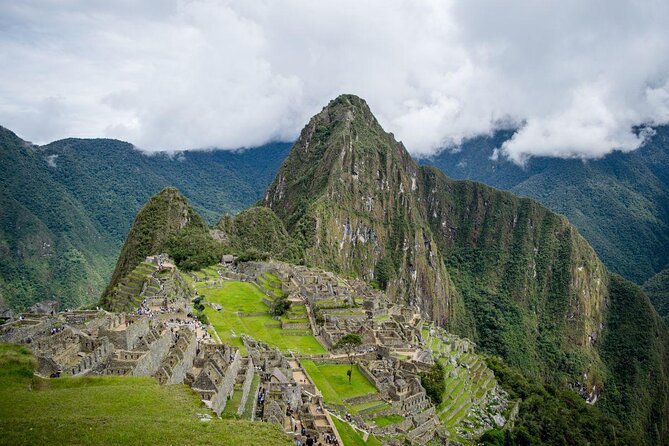
- Quieter route through Lares villages instead of the busiest trail corridors
- Near 14,000 ft pass plus big views over remote valleys
- Yanacocha (Black Water Lake) shows up on the descent as a dramatic calm moment
- Local home visit with chances to meet an Andean family and shop alpaca textiles
- Machu Picchu morning timing with bus from Aguas Calientes to beat crowds
- Small group cap (max 15) plus bilingual guiding and camp support
Other ways up to Machu Picchu, reviewed
- From Cusco: Full-Day Group Tour of Machu Picchu★ 4.7 · 1,767 reviews
- Machu Picchu Day Trip from Cusco★ 4.5 · 1,644 reviews
- Machu Picchu: Full-Day Tour from Cusco with Optional Lunch★ 4.6 · 927 reviews
- Cusco: 4-Day Inca Trail to Machu Picchu with Accommodation★ 4.8 · 432 reviews
Why the Lares Trek feels different than the usual Machu Picchu rush
The normal Machu Picchu game plan is fast and crowded. This version slows you down in the right places: you hike through real Andean terrain, not just a corridor of other tour groups. You’ll get that sense of being out in the mountains, with villages and fields you can actually see working.
I also like that the trip mixes nature and human places. You pass high passes and lakes, then you meet people in their daily routines—cooking, weaving, farming, and greeting visitors. That balance is what makes the trek more than just a way to reach a ruin.
One more point that matters: you’ll still finish with a big-ticket cultural payoff. After the trek, you ride to Aguas Calientes and go up to the Inca citadel with a guided tour and solo time to explore.
Price and what you truly get for $656.42
At $656.42 per person, this isn’t a budget hike—but it’s also not you paying for a bare-bones plan. The value comes from how much is bundled together.
Included basics that affect your real cost:
- Pickup in Cusco and transport to the trail start
- Bilingual professional guide, plus an assistant guide for groups of 9+
- Chef and camp setup, including dining tent and tables/chairs
- Mules to carry cooking/camping gear and up to 7kg of your personal items
- All meals during the trek (with the two clear exceptions noted below)
- Hotel in Aguas Calientes (Day 3 night)
- Entrance fees (and you handle Huayna Picchu separately if you want it)
- Transfers: train and bus to return toward Cusco and get to Machu Picchu
What’s not included (and you should plan for):
- Sleeping bag (you can hire from them)
- Breakfast on Day 1 and lunch on Day 4
- Huayna Picchu entrance (extra ticket needed)
- Tips and travel insurance
If you’ve ever added up a Cusco-to-Machu Picchu package from scratch, you’ll know the transfers, hotel night, guiding, and entry fees can add up quickly. Here, they’re bundled, which is why the price feels more reasonable than it first appears.
Cusco, Sacred Valley, and Pumahuanca: Day 1’s climb with Inca context
Day 1 starts early with pickup from your Cusco hotel. You’ll head into the Sacred Valley by private transport, with views of traditional villages and snow-capped peaks along the way. Then you begin the trek at Pumahuanca, where your guide ties the setting to the region’s Inca presence.
You’re hiking about 14 km with a gradual ascent, gaining roughly 1,150 m. The route moves through native forests, streams, and a scenic valley that stays calm and quiet compared to the more famous alternatives. This is also where the altitude starts to feel real, since Cusco already sits high.
A useful detail here: you’re visiting the Inca site of Pumahuanca, and your guide explains local history plus flora and birdlife. That kind of commentary matters on a first trekking day because it keeps you engaged while your legs adjust to the climb.
Practical consideration: Day 1 is described as taking about 7 hours. If you’re the type who hates being rushed, this is a good match. If you dislike long days right after altitude exposure, you’ll want to take day one slow and steady.
The 14,000-foot high point: Day 2 pass views and Yanacocha’s dark reflection
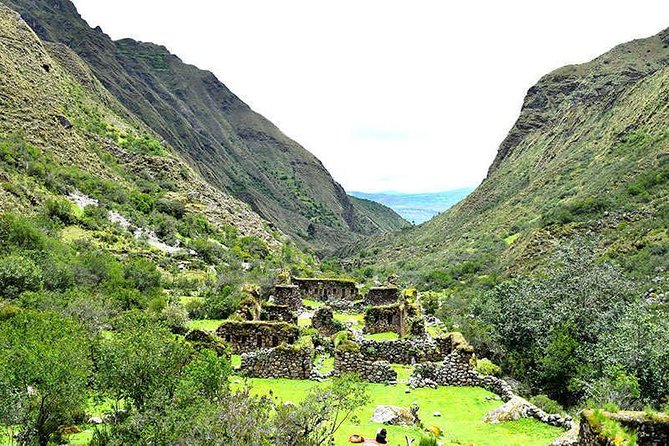
Day 2 is the mental and physical hinge of the trip. You start from a high campsite (Puyoc), then hike around 13 km toward Cuncani. The good news is that much of the route is a gentle downhill once you clear the hardest part.
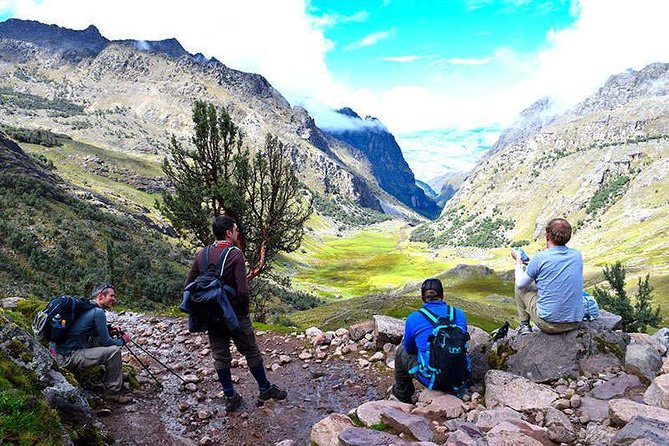
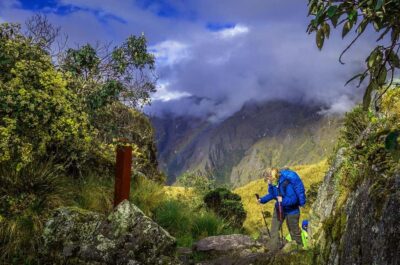
The start of the day brings a two-hour climb to the highest pass on the trek. This is where you’ll feel that altitude pressure in your breathing and your pacing. The reward is sweeping views of snow-covered peaks and remote valleys that look like they belong to a different world.
Then you descend and get one of the most memorable visual breaks on the whole itinerary: Yanacocha (Black Water Lake). The lake is described as mirror-like with dark reflections, which is exactly the kind of stop that makes a tough day feel worth it.
Cultural note that you’ll appreciate: the day’s side of the pass brings a contrast from the previous one, so the scenery isn’t just mountains—it becomes a sense of regions meeting. That’s part of why the Lares route feels more varied than you might expect.
Other Lares Valley treks worth a look
Day 3: local families, Quechua words, and arriving at Lares hot springs
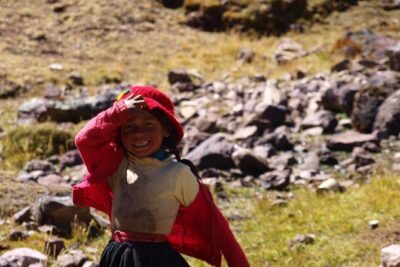
Day 3 is shorter by hiking time, but it’s emotionally richer. After an early wake-up, you’ll visit a local home where an Andean family shares traditions. This is the point where the trek stops being only about views and becomes more about people.
There’s even a language moment built in. By this stage, you might pick up a few Quechua phrases, and it’s clear everyone treats that try with humor and warmth. It’s the kind of interaction that makes you feel like a respectful visitor, not just a camera.
You also have time to offer small gifts and browse handwoven alpaca textiles, known for their quality. This isn’t about buying souvenirs for the sake of it. It’s about understanding craft—what’s being woven, why it matters, and how the materials connect to daily life.
After the home visit, you hike a gentle descent of about 6 km toward the Lares hot springs. The route passes quinoa and tarwi fields, so you’re walking through agricultural landscapes still active today. Then you reach the hot springs area at around 3,150 masl, which sets you up for a relaxed evening after the day’s exchanges.
This is also where you’ll be thinking about recovery. Even with a shorter hike, you’re still at altitude, so take advantage of the hot springs break as actual rest, not just a quick dip.
Day 4: Machu Picchu guided tour, optional peaks, and solo time
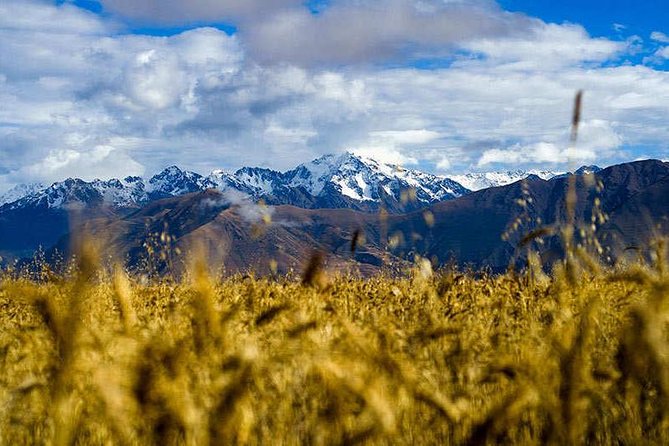
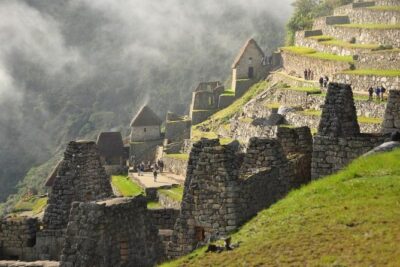
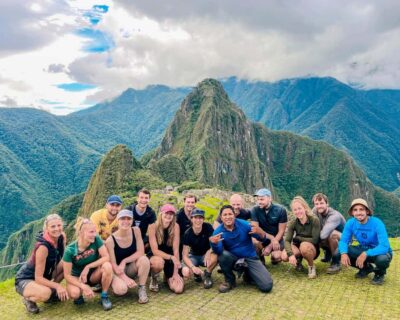
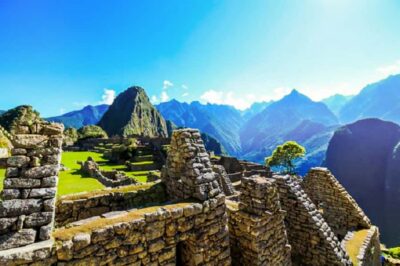
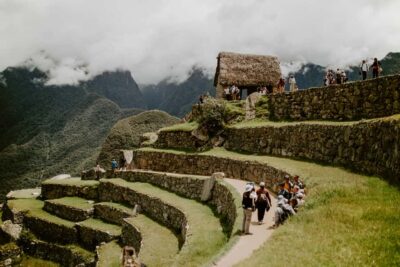
Day 4 begins with breakfast before heading up by bus to Machu Picchu in the morning. Morning timing matters here because Machu Picchu can feel crowded later in the day. You’ll enter the Inca citadel and your guide will lead you through an in-depth tour covering temples, ceremonial areas, terraces, and storage structures.
This guided portion is worth doing even if you’ve read about Machu Picchu before. A guide helps you see how the spaces connect and what different structures likely did. You don’t just look at stones—you understand the layout.
After the tour, you get time to explore on your own. That’s where you can slow down, choose your favorite viewpoints, and re-check details at your own pace. It also gives you a chance to take photos without the pressure of keeping up with a moving group line.
Optional add-on: if you secured an extra ticket in advance, you can explore either Huayna Picchu or Machu Picchu Mountain for a different perspective. Entrance to these is not included in the base price, so you’ll want to decide before you go and plan around availability.
Finally, you return to Aguas Calientes after the Machu Picchu visit and take the route back toward Cusco using train and bus connections.
Aguas Calientes hotel night: the reset you need after trekking
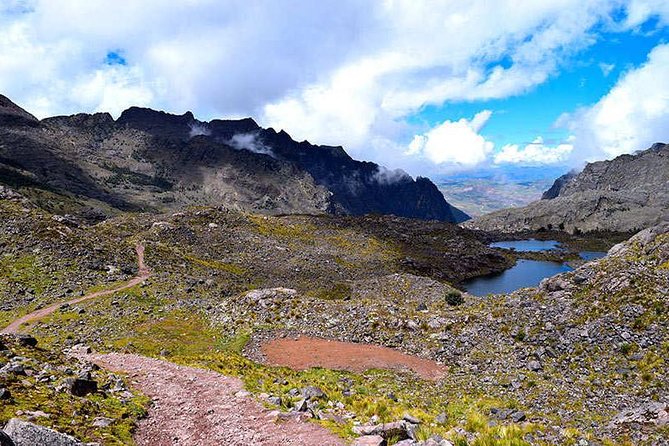
You stay in a hotel in Aguas Calientes on Day 3 night. That matters because it gives your body a real recovery window before the morning bus up to Machu Picchu.
Also, Aguas Calientes is the staging point for your Machu Picchu day. You’ll use a bus from Aguas Calientes to the citadel (round trip is included), so the logistics are built around that one base. The flow keeps you from scrambling to find last-minute transportation when you’re already tired.
The trek ends, you soak where you can, you sleep in a real room, and then you face Machu Picchu refreshed. That sequence is one of the smartest parts of this package.
Guide support makes altitude feel manageable
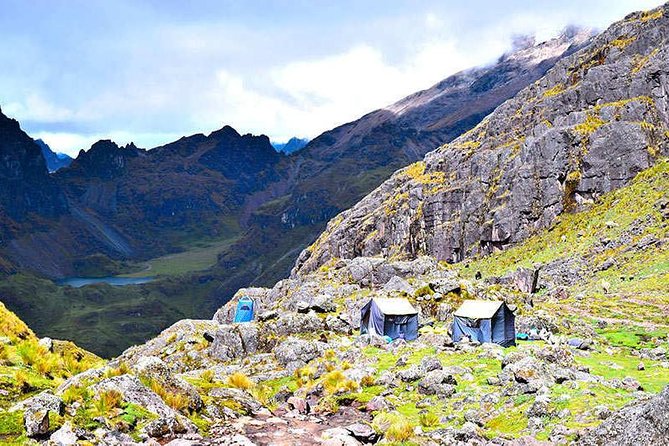
In the feedback tied to this trip, Edgar is specifically praised for support and encouragement on the hardest climbs. That lines up with what you should expect from a quality guiding team on high-altitude treks: the guide isn’t just pointing directions—they help you pace, breathe, and keep moving when you’re annoyed with your own lungs.
This tour also includes an assistant guide for groups of 9+ and keeps the group size capped at max 15. Smaller groups tend to mean more personal attention during slower moments, especially when people get hit by altitude fatigue.
You’ll also appreciate practical safety extras that are included:
- Oxygen bottle
- First aid kit
- Clear support systems on camp and during the hike
No safety kit can erase altitude risks, but it does signal that the operator plans for reality, not just marketing.
What to pack for weather, altitude, and real trail needs
The checklist here is practical, not fancy. You’ll want walking boots and a waterproof jacket or rain poncho, because mountain weather changes fast. Bring a warm jacket plus hat and gloves so your body stays comfortable when temperatures drop.
Don’t skip:
- Sunscreen factor 35 or higher
- Insect repellent
- Toiletries and hand sanitizer
- Personal medication
- Camera gear and a torch with spare batteries
Altitude also changes how you feel in your head and chest, so pack with the mindset of comfort and readiness. If you can’t move comfortably, you won’t enjoy the view.
Also bring your original passport, and your ISIC card if you’re a student and want to qualify for a discount. The operator requests passport and personal details for each traveler at booking.
And remember the one timing detail: water is provided, but not for the first 4 hours of the trek, so you’ll want to start with water in hand.
Who this trek is best for (and who should be cautious)
This is for people who want a serious trek but still want structure and support. You’ll be hiking multiple days, reaching high altitude, and spending long hours on your feet.
This tour asks for strong physical fitness, and the route includes a high pass. If you’re prone to altitude headaches, slow recovery, or you haven’t done hikes with elevation before, you may want to think hard about whether this is the right time.
It fits well if you:
- Want fewer crowds and more village life
- Enjoy guided context at major sites
- Like the idea of camp comfort (tents, mattresses, meals) rather than a totally self-supported hike
Minimum age is 6, so families can consider it if the child can handle long hiking days and altitude, but the physical requirement still stands.
Should you book the 4-Day Lares Trek to Machu Picchu?
If you want Machu Picchu without feeling like you’re in a queue simulator, this is a strong pick. The value comes from the combination of less-crowded trekking, guided explanations, camp support, meals, and a planned Machu Picchu morning.
I’d book if you like authentic mountain villages, want the visual payoff of places like Yanacocha, and you’re ready to respect altitude with a steady pace. It’s also a good fit if you want a small group experience capped at 15.
I’d pause before booking if you’re worried about early starts, you’re not confident with high-altitude hiking, or you need something more flexible. This trip is built to run on schedule, with a non-changeable booking setup noted by the operator.
Overall: if you can handle the climbs and you’re excited by a quieter Lares route, this package is the kind of plan you’ll remember long after Machu Picchu fades into photos.
FAQ
How long is the Lares Trek to Machu Picchu?
The trek runs for about 4 days.
Where does the trek start and what time do you meet?
You’re picked up in Cusco and the start time is 5:00am.
How high does the trek get?
You’ll reach nearly 14,000 feet (4,400m) on high mountain passes.
What’s included in the price?
A professional bilingual guide, assistant guide for groups of 9+, chef, mules for camp gear and up to 7kg of your personal items, pickup and transport to the trail start, train and bus transfers back toward Cusco, water (excluding the first 4 hours of the trek), meals (breakfast/lunch/dinner during the trek with Day 1 breakfast and Day 4 lunch excluded), a hotel in Aguas Calientes for Day 3 night, camping equipment like tents and sleeping mattress, oxygen bottle and first aid kit, plus the Machu Picchu bus service and entrance fees.
Do I need a sleeping bag?
Sleeping bag is not included, but you can hire one from the provider.
Is Huayna Picchu included?
No. Entrance to Huayna Picchu Mountain is not included, and you’d need an additional ticket if you want to go.
Is this trek refundable if plans change?
No. It’s non-refundable and cannot be changed for any reason.
More Tour Reviews in Cusco
More Lares Valley Treks
Machu Picchu, More Ways In
Recent write-ups from around Cusco, just off the trail
- Cuzco: Rainbow Mountain Excursion
★ 5.0 · 3 reviews - 1 day excursion to Qeswachaka bridge and the 4 lagoons
★ 3.6 · 3 reviews - Waqrapukara 1 day trekking + meals
★ 3.9 · 3 reviews - Valle Sur Cusco | half day
★ 4.3 · 3 reviews - Full-Day Condor Viewpoint & Inca Sites Tour
★ 5.0 · 3 reviews
Machu Picchu Tours & Tickets, compared.
 ★ 4.7From Cusco: Full-Day Group Tour of Machu PicchuFrom $3211,767 reviews
 ★ 4.5Machu Picchu Day Trip from CuscoFrom $3361,644 reviews
 ★ 4.6Machu Picchu: Full-Day Tour from Cusco with Optional LunchFrom $283927 reviews
 ★ 4.84-Day Inca Trail to Machu Picchu with AccommodationFrom $470432 reviews
 ★ 4.6From Cusco: 2-Day Trip to the Sacred Valley and Machu PicchuFrom $370265 reviews
 ★ 4.9Machu Picchu 2-Day Inca Trail with Panoramic TrainFrom $582260 reviews
 ★ 4.2From Cusco: 2-Day Inca Trail to Machu PicchuFrom $290244 reviews
 ★ 4.9Machu Picchu: Inca Trail 2-Day Overnight Guided TourFrom $585203 reviews
Browse the lists this tour appears in