
REVIEW · CUSCO CITY & SACSAYHUAMAN
City Tour Cusco
Cusco’s best hits come in one morning. I really like the way this tour teaches Inca culture from Cusco’s capital and then makes the architecture click at Sacsayhuaman. I also enjoy how you get pointers on the styles of Cusco art, not just dates and names. The main consideration: it’s not suitable for people with mobility impairments, and you’ll be moving through uneven historic areas.
For a $15 price, you’re getting more than a sightseeing bus ride. You get tourist transport, a professional guide, and guided time on the sites (about 5 hours), plus agency help available 24/7. Just keep in mind entrance tickets and meals are not included, so budget a bit extra for that.
In This Review
- Key things to know before you go
- Cusco in 5 hours: why this city circuit works
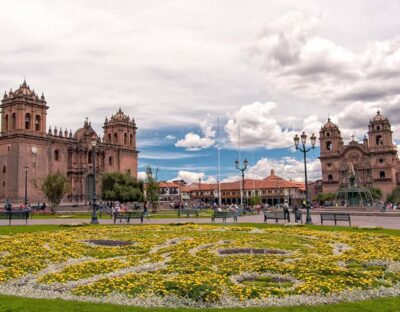
- Getting started: Plaza de Armas and hotel pickup
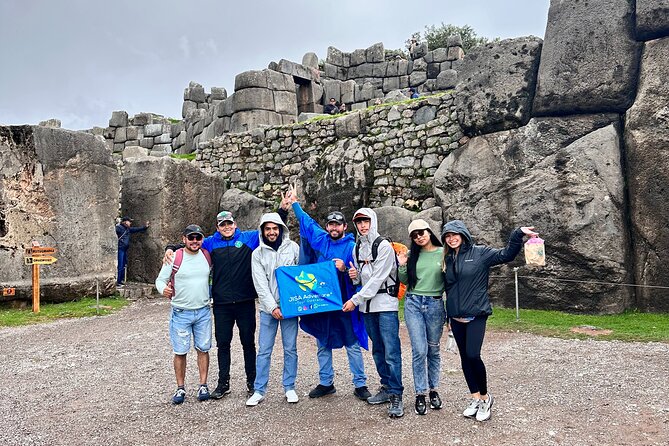
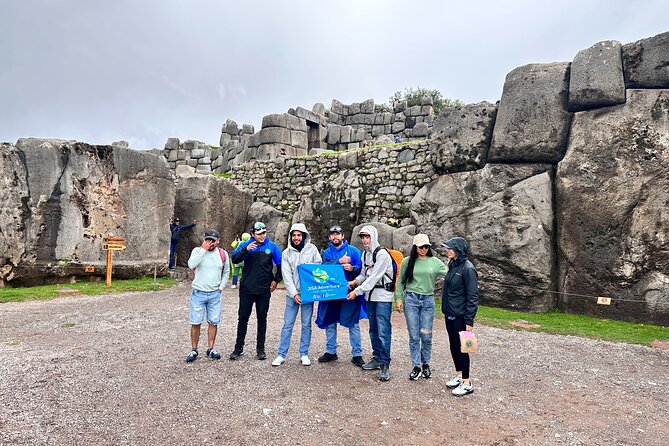
- Sacsayhuaman’s three levels and the tower bases
- Q’enqo: the Puma shrine and Pachamama sacrifice altar
- Tambomachay springs: architecture tied to Andean water
- Puca Pucará watchtower: strategy over the imperial city
- Inca and Spanish architecture plus Cusco art styles
- Price and logistics: is $15 actually good value?
- Who should book this Cusco city tour?
- Should you book City Tour Cusco?
- FAQ
- How much does the City Tour Cusco cost?
- How long is the tour?
- Where do I get picked up?
- What languages are the guides available in?
- What’s included in the price?
- Are entrance tickets included?
- What should I bring with me?
- Is luggage allowed?
- Is the tour accessible for people with mobility impairments?
- Is there free cancellation?
Key things to know before you go
- Sacsayhuaman in three levels: you see the bases of towers that once dominated Cusco in Inca times
- Q’enqo as a Puma shrine: you learn how the site relates to Pachamama and the altar used for sacrifices
- Tambomachay’s spring waters: you’ll connect architecture with living water that still helps irrigate fields and terraces
- Puca Pucara as a watchtower: you get a strategic view over the valley and the imperial city
- Cusco art explained: you’ll get guidance on the mix of influences you see around town
- Hotel pickup + guided sites: the tour is designed to reduce hassle and keep you moving with a guide
More Cusco city and Sacsayhuaman walks
- City Tour Cusco Qoricancha Sacsayhuaman y Tambomachay★ 4.7 · 617 reviews
- Cusco: Sightseeing Tour of the City on an Open-Top Bus★ 4.0 · 481 reviews
- Open Bus Cusco City Tour★ 4.5 · 219 reviews
- Cusco: City Tour | Half-Day Tour to 4 Archaeological Sites★ 4.6 · 206 reviews
Cusco in 5 hours: why this city circuit works
This tour is built for people who want the “big picture” of Cusco without spending all day hopping around. You start in the city, then head out to key Inca sites that explain how the landscape, religion, and politics all connect.
What makes it efficient is the order. You move from major ceremonial and defensive space (Sacsayhuaman) to spiritual places (Q’enqo), then to architecture tied to Andean cosmovision and water (Tambomachay), and finish with a commanding strategic point (Puca Pucara). You’ll come away with a clearer sense of why Cusco mattered—not only what you saw.
It’s also a good fit if you like learning as you travel. The guide covers what’s often missed by people who just snap photos and keep walking.
Getting started: Plaza de Armas and hotel pickup
Pickup makes or breaks these short tours, and this one handles it well. You can be picked up from Plaza De Armas, Cusco, and pickup is also offered from your hotel. If schedules need coordination, pickup can be arranged from a neutral point and you’ll receive a collection schedule.
The tour ends back at the Cusco Main Square. That matters because it saves you from the awkward scramble of figuring out your return transport right after you’ve done a full run of ruins and viewpoints.
One practical note: you’ll need to bring a passport or ID card. Also, luggage or large bags aren’t allowed, so travel light.
Sacsayhuaman’s three levels and the tower bases
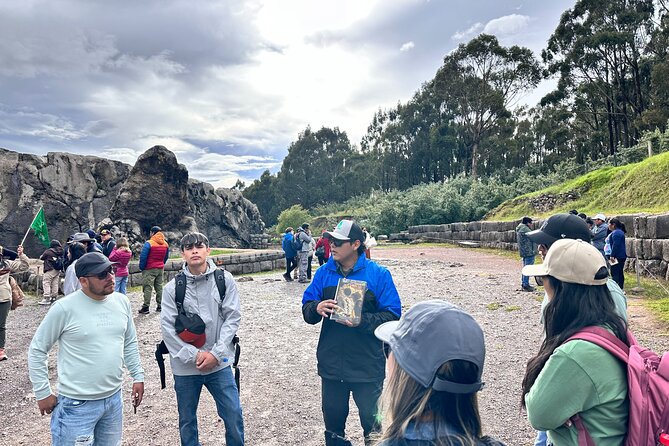
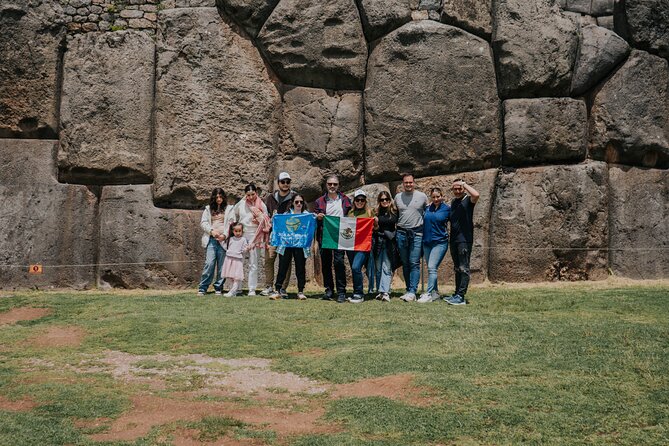
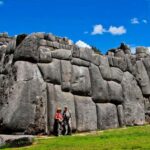
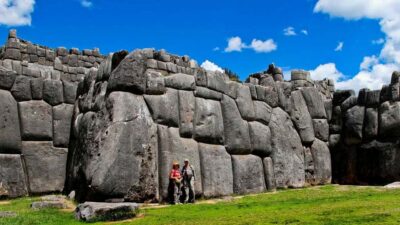
Sacsayhuaman is the kind of place that makes you stand still. It’s a ceremonial fortress with colossal constructions, and it sits in a way that feels tied to the land rather than plopped on top of it.
Here’s the part I like: the guide walks you through the three levels of the site. That structure helps you understand the fortress as a designed system—different parts with different roles—rather than one big pile of stones.
On the upper area, you’ll focus on the bases of the great towers that once dominated Cusco during Inca times. That detail is easy to overlook if you’re just looking for the “main photo spot.” With the explanation, you start noticing how the size and placement of elements would have worked in real Inca life.
If you like panoramic thinking—how a site functioned in daily reality—this stop delivers. If you want a fully seated, low-walking experience, plan for more time on your feet.
Q’enqo: the Puma shrine and Pachamama sacrifice altar
After Sacsayhuaman, the tone shifts. Q’enqo is an ancient shrine linked to the Puma and it includes an altar associated with sacrifices inside the Pachamama concept.
This stop is valuable because it adds meaning. You’re not only seeing carved stone—you’re learning how Cusco’s spiritual worldview shaped where and how people built sacred spaces.
The “inside the Pachamama” phrasing may sound poetic, but the point is practical: Q’enqo is presented as a place of ritual use, not just decoration. The guide’s job here is to connect the physical features to the spiritual logic behind them.
One watch-out: Q’enqo isn’t the place for rushing. Give it time. If you skim, you miss the relationships between the shrine symbolism and what you’re seeing on the ground.
A last few Cusco tours and experiences to fold into the trip
Tambomachay springs: architecture tied to Andean water
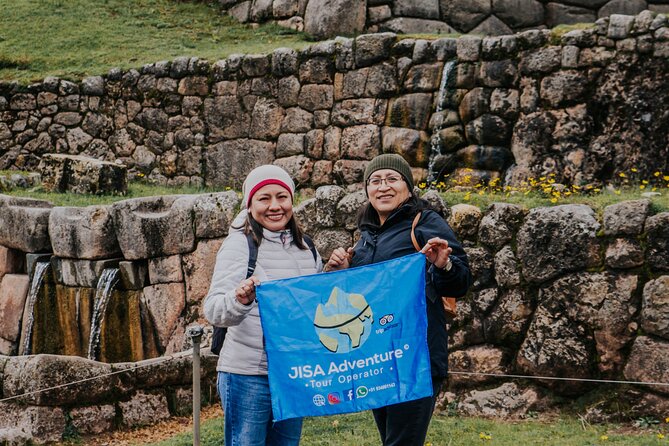
Tambomachay stands out for architectural excellence and for its role in Andean cosmovision. But the biggest payoff is what you learn about the spring water sources.
You’ll observe how those springs still help irrigate the fields and terraces of the city. That’s the kind of connection I really appreciate: the tour shows you that Andean engineering isn’t just historic—it keeps working.
When you understand this, Tambomachay becomes more than an impressive ruin. It turns into a lesson in how people planned for water, agriculture, and belief systems at the same time.
Drawback to keep in mind: because this tour ties meaning to what you’re viewing, your experience improves if you actually listen during the explanations. If you’re the type who tunes out on the move, you’ll get less out of the stop.
Puca Pucará watchtower: strategy over the imperial city
Puca Pucará gives you the view that helps everything click. You enter the watchtower at a strategic place that dominates the valley and the imperial city.
From a learning standpoint, this is one of the most useful stops because it shifts your thinking from ceremony and water to control and movement. The location is presented as a vantage point—exactly where you’d want eyes on the valley.
I like the way this ending frames the whole day: Cusco’s Inca story wasn’t only about sacred sites. It was also about planning, security, and who could see what from where.
If you’re a “show me why it matters” kind of traveler, this is your moment. The view helps you understand the architecture and siting in a way that photos alone can’t.
Inca and Spanish architecture plus Cusco art styles
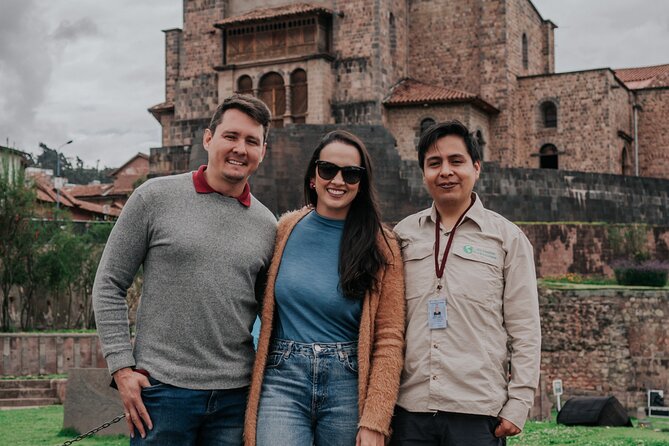
One of the tour highlights is discovering Inca & Spanish architecture and learning the styles of Cusco art. You’ll feel this as you travel through and around the city, then connect those ideas when you’re at the Inca sites.
Even when you’re focused on ruins, Cusco isn’t frozen in one era. You can see the layered outcome of different cultures and building traditions. A good guide helps you spot the patterns: what looks Inca, what reflects Spanish influence, and how local art traditions carry those combined influences forward.
For me, this matters because it turns the day from “ruins tour” into “place understanding.” You leave with a sense of why Cusco looks the way it does and how to look more carefully when you explore on your own later.
Price and logistics: is $15 actually good value?
$15 for a 5-hour guided city tour with transportation and a professional guide is strong value, especially in Cusco where time is precious. You’re not just paying for someone to point at stones—you’re paying for guided interpretation and movement between multiple sites.
The one financial catch is simple: entrance tickets aren’t included. That means your total cost will depend on what tickets you need for each stop. If you want no surprises, set aside extra money for entrances and plan to pay on arrival as required.
Meals and beverages also aren’t included, so think about timing. Since the tour lasts about 5 hours (and can run around 5.5 hours depending on the schedule), it’s smart to eat before you start or plan a snack afterward.
Overall, if you want a structured route with a guide and you’re okay with adding a bit for entrances, this price-to-time ratio makes sense.
Who should book this Cusco city tour?
This works best for you if:
- You want a tight introduction to major Inca sites around Cusco without planning each step.
- You learn better when a guide explains meaning, not just history labels.
- You’re interested in the overlap of Inca culture, Spanish influence, and Cusco art styles.
It may not be the best choice if:
- You need an accessible route, since it’s not suitable for mobility impairments.
- You travel with large bags or luggage, because they aren’t allowed.
If you’re traveling solo, as a couple, or in a small group, the pickup and guided structure can feel especially helpful—you get less stress and more momentum.
Should you book City Tour Cusco?
I’d book this tour if you want a guided Cusco circuit that moves you through the “why” of the sites: ceremony at Q’enqo, water and architecture at Tambomachay, defense/fortress thinking at Sacsayhuaman, and strategic sightlines at Puca Pucará.
Skip it if you need step-free access or if you’re hoping for a relaxed pace with no extra costs. The entrance tickets and meals not being included are the only real downside to the value equation.
If you do book, go in ready to listen. The best part of this experience is how the guide turns stone, position, and water into a story you can actually remember.
FAQ
How much does the City Tour Cusco cost?
The price is $15 per person.
How long is the tour?
It runs for about 5 hours. The schedule can be checked for available starting times, and the route may take around 5.5 hours.
Where do I get picked up?
Pickup is available either from Plaza De Armas, Cusco or from your hotel. A neutral meeting point can also be coordinated.
What languages are the guides available in?
The live guide is available in English and Spanish.
What’s included in the price?
Included are tourist transportation, a professional tourist guide, guided time at the sites (about 5 hours), and agency assistance 24/7.
Are entrance tickets included?
No. Entrance tickets are not included.
What should I bring with me?
Bring your passport or an ID card.
Is luggage allowed?
No. Luggage or large bags are not allowed.
Is the tour accessible for people with mobility impairments?
No. It’s not suitable for people with mobility impairments.
Is there free cancellation?
Yes. You can cancel up to 24 hours in advance for a full refund.
More City Tours in Cusco
More Tour Reviews in Cusco
More of Cusco on Foot
Recent write-ups from around Cusco, just off the trail
- Cuzco: Rainbow Mountain Excursion
★ 5.0 · 3 reviews - 1 day excursion to Qeswachaka bridge and the 4 lagoons
★ 3.6 · 3 reviews - Waqrapukara 1 day trekking + meals
★ 3.9 · 3 reviews - Valle Sur Cusco | half day
★ 4.3 · 3 reviews - Full-Day Condor Viewpoint & Inca Sites Tour
★ 5.0 · 3 reviews
Cusco City & Sacsayhuaman, compared.
 ★ 4.6Half-Day City Tour with Sacsayhuaman and Q’encoFrom $131,129 reviews
 ★ 4.7City Tour Cusco Qoricancha Sacsayhuaman y TambomachayFrom $13617 reviews
 ★ 4.0Sightseeing Tour of the City on an Open-Top BusFrom $12481 reviews
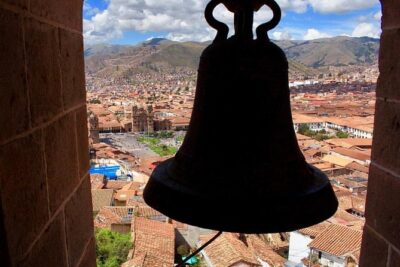 ★ 4.5Open Bus Cusco City TourFrom $14219 reviews
 ★ 4.6City Tour | Half-Day Tour to 4 Archaeological SitesFrom $29206 reviews
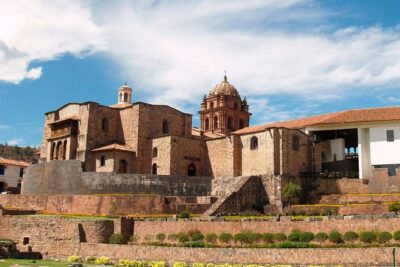 ★ 5.0City Tour in Cusco & visit Museum South American Camelid Private.From $49147 reviews
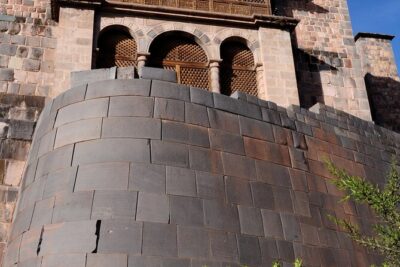 ★ 4.5Cusco City Sightseeing, San Pedro Market, Cathedral and Qorikancha TempleFrom $59139 reviews
 ★ 4.2Half-Day City TourFrom $17129 reviews
Browse the lists this tour appears in