
REVIEW · CUSCO CITY & SACSAYHUAMAN
City Tour Cusco
Cusco can feel like information overload at first, and this tour turns it into an easy loop around town. You get a guided look at the big Inca sites close to Cusco, plus private transportation that keeps you moving without the stress of figuring out logistics. I especially like that the pace is built for sightseeing in about 5 hours, not an all-day marathon; the only drawback is the entrance tickets are not included, so you’ll want to budget extra money up front.
What makes this circuit genuinely useful is the way it pairs major monuments with the stories behind them—temples, fortresses, ritual spaces, and water worship. You also get an oxygen ball included, which is handy in Cusco if altitude hits you faster than expected. And with a maximum of 12 people, you should get time for questions instead of feeling like you’re just being herded between stops.
In This Review
- Key highlights
- A 5-hour Cusco loop that’s easy to start with
- Private van from Plaza de Armas: the comfort factor
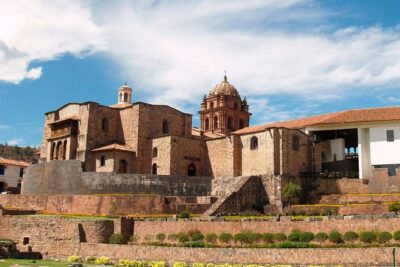
- Qorikancha: Temple of the Sun meets Spanish Cusco
- Saqsayhuamán: enormous stones and a fortress mindset
- Q’enqo: ritual chambers carved into rock
- Puka Pukara: the red military fortress
- Tambomachay: Baño del Inca and water worship
- Price and the real cost of entry tickets
- How the guide experience changes the tour
- Who should book this Cusco city tour
- Should you book this one?
- FAQ
- FAQ
- How long is the Cusco city tour?
- Where does the tour start and end?
- What sites are included in the tour?
- Is the entrance fee included in the $32 price?
- What is included in the tour price?
- How large is the group?
- When does the tour operate?
- Is the tour refundable if I cancel?
Key highlights
- Up to 12 people means a calmer pace and easier listening
- Private transportation helps you cover multiple sites in one morning or afternoon
- Oxygen ball included for those first-day altitude moments
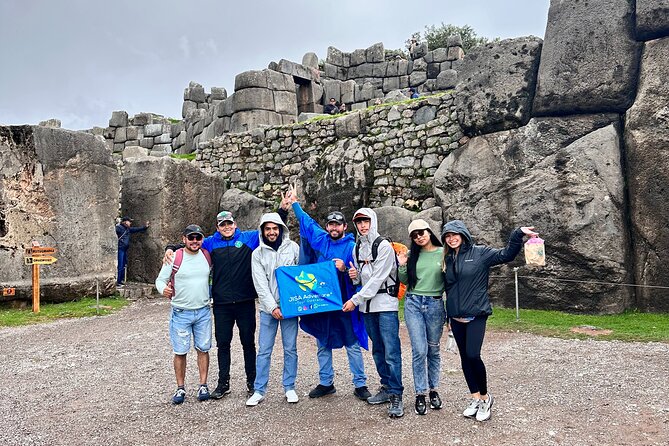
- Five Inca sites in sequence: Qorikancha, Sacsayhuamán, Qenqo, Puka Pucara, Tambomachay
- Official tourism guide keeps the history practical and understandable
More Cusco city and Sacsayhuaman walks
- City Tour Cusco Qoricancha Sacsayhuaman y Tambomachay★ 4.7 · 617 reviews
- Cusco: Sightseeing Tour of the City on an Open-Top Bus★ 4.0 · 481 reviews
- Open Bus Cusco City Tour★ 4.5 · 219 reviews
- Cusco: City Tour | Half-Day Tour to 4 Archaeological Sites★ 4.6 · 206 reviews
A 5-hour Cusco loop that’s easy to start with
This tour is built for orientation. In about 5 hours, you see a clean cross-section of what Cusco was for the Inca: religion, defense, ceremony, and water-based worship. If you’re arriving in Cusco and want to understand the city’s “why,” this route does that fast.
The time plan is also realistic. Each main stop is roughly an hour, and the driving stretches are short enough that you’re not wasting your whole day in a van. That matters because Cusco’s elevation can make long days feel harder than they look on a calendar.
There’s also value in how concentrated the sites are. You’re not hopping far afield; you’re staying in the area where Cusco’s monumental history feels tied to the modern city. It’s an efficient way to build mental bookmarks before you go deeper into Peru’s bigger adventures.
Private van from Plaza de Armas: the comfort factor
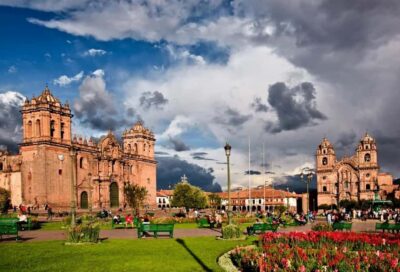
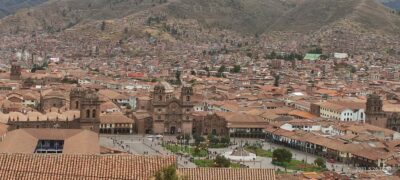
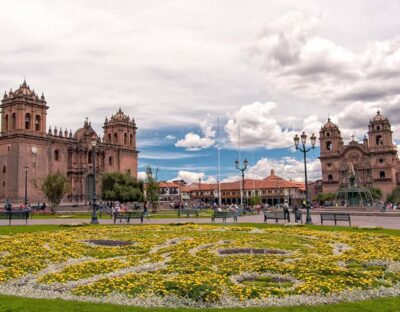
You start and end at Plaza de Armas Cusco, which is about as convenient as it gets. That’s helpful if you’re also wandering on your own before or after your tour, because you’re not stuck learning a new neighborhood grid.
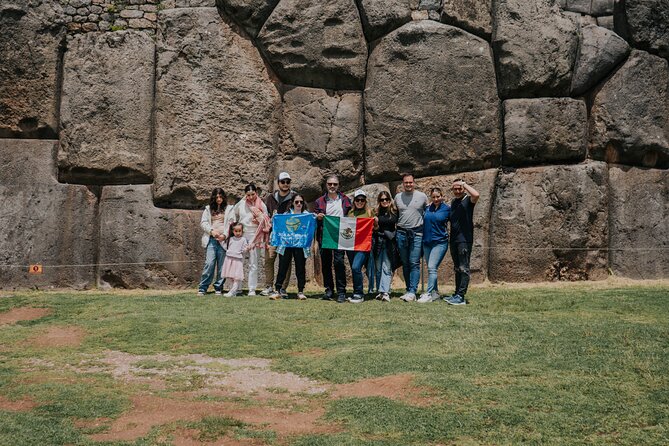
Transportation is listed as private, and the group limit is capped at 12. In practice, that usually means fewer bottlenecks when you stop, walk, and wait. It also helps the guide manage timing without turning the tour into a race.
The tour runs daily between 12:00 AM and 6:00 PM (as listed), so you can likely fit it into different travel rhythms. You’ll also get confirmation at booking, and the meeting spot is described as near public transportation, which can be useful if your plans shift slightly.
Qorikancha: Temple of the Sun meets Spanish Cusco
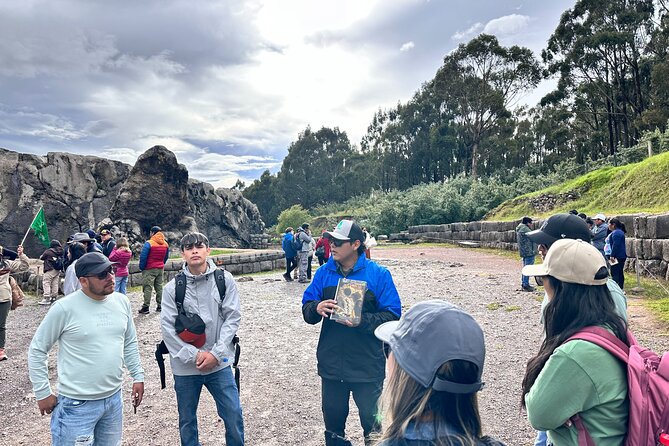
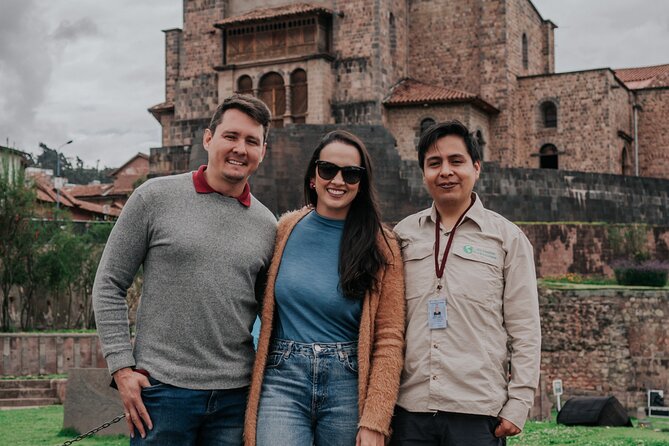
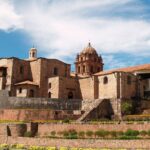
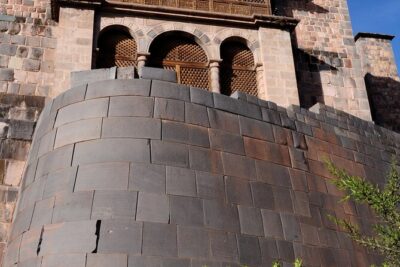
Your day begins at Qorikancha (Temple of the Sun), starting right after pick-up at the main square. You’ll spend about 45 minutes here with a guided walk. The highlight is the fusion of Inca and Spanish colonial architecture—so you can actually see how power and beliefs changed on the same sacred ground.
This isn’t just a quick photo stop. The guide focuses on why Qorikancha mattered religiously and culturally, which helps you connect the site to the Inca worldview instead of treating it like a museum artifact. If you like “read the room” history, this is a strong first stop because it sets the tone for everything you see next.
One practical thing: Qorikancha’s entrance is specifically listed as not included (with a separate fee noted), so plan for that cost if you’re doing a budget check. The good news is you’re not guessing what you’ll face; the tour’s ticket needs are spelled out.
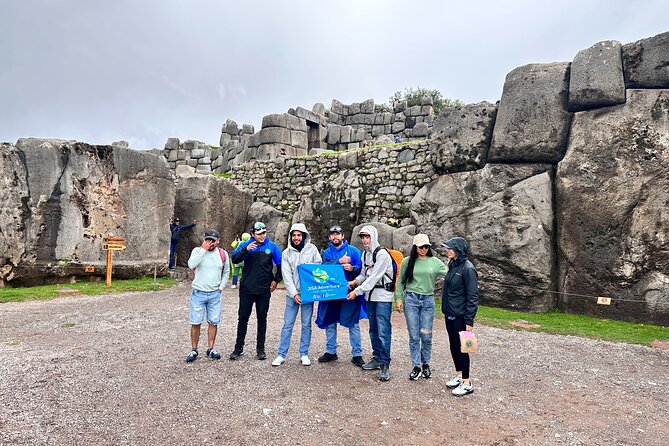
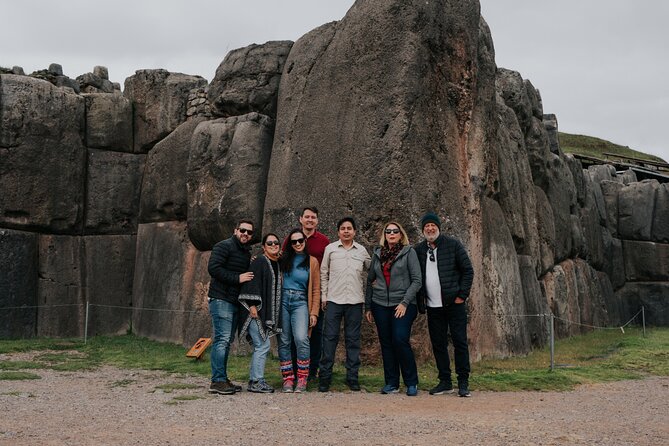
Saqsayhuamán: enormous stones and a fortress mindset
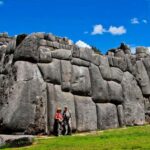
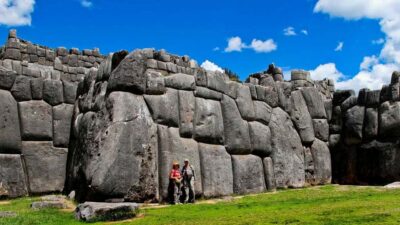
Next up is Saqsayhuamán, reached after about 20 minutes of driving. This is one of those places where the big things are the main story: massive carved stones, imposing walls, and an overall fortress energy.
You’ll get about an hour here with a guided tour. The focus is on Inca construction techniques and the ceremonial and historical importance of the site. That pairing is important—if all you do is stare at the walls, it’s impressive but abstract; with context, you start to see how architecture served purpose in Inca life.
This stop also tends to be visually rewarding in a different way than Qorikancha. Qorikancha teaches how Inca and Spanish layers can overlap. Saqsayhuamán shows scale and engineering, so you leave with a clearer sense of how the Inca built to last and built to matter.
A last few Cusco tours and experiences to fold into the trip
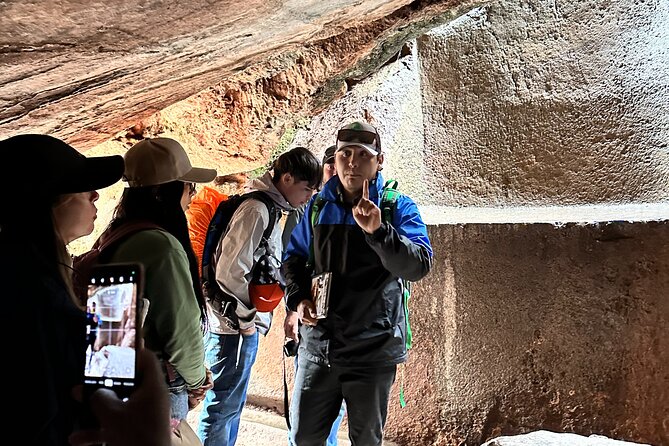
Q’enqo: ritual chambers carved into rock
After another drive (this one is part of the continuous run), you reach Q’enqo, described as a ritual center on a rocky outcrop. Here you’ll spend about an hour, including time to explore underground chambers and rock-carved altars.
The “mysticism” you’re meant to feel is not just mood—it’s tied to what the Inca believed and how they expressed it in ritual spaces. The guide’s job in this stop is to connect the physical details (chambers, altars carved into stone) with the rituals and worldview behind them.
If you enjoy understanding symbolism—how a society turns beliefs into architecture—this is a standout. It’s also a nice break from fortress-style viewpoints. You shift from defense and monumental walls into internal, spiritual space.
Puka Pukara: the red military fortress
Next is Puka Pukara, also reached with a short drive (listed as about 15 minutes). This site is described as a military fortress, and the signature detail is the red construction. That color cue is useful; it makes it easier to remember this as a different category of Inca site than the more purely ceremonial locations.
You’ll have about an hour to explore and learn about defensive and strategic function. The guided explanation matters here because the stones alone can look abstract. When the guide ties the layout to military purpose, the site turns from scenery into information.
This stop can be especially satisfying if you like “cause and effect” history—how geography and construction support function. Even if you’re not a military history person, the tour language is aimed at making the space make sense.
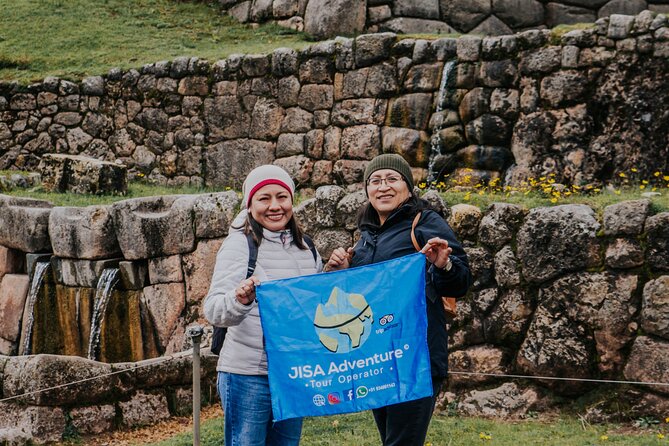
Tambomachay: Baño del Inca and water worship
Your final stop is Tambomachay, known as the Baño del Inca. It’s about water worship and ceremonies, with impressive stone fountains and canals that point to advanced hydraulic engineering.
You’ll get about an hour here. The best payoff is seeing how practical engineering and spiritual practice overlap. Water wasn’t only useful; it was symbolic. With that lens, the canals and fountains stop feeling like random stonework and start feeling like a system designed for sacred use.
After Tambomachay, the tour returns you to Cusco via transportation and ends back at the meeting point. That makes it easy to continue your day on your own—dinner near Plaza de Armas, a museum visit, or just wandering while the sites are still fresh in your head.
Price and the real cost of entry tickets
The tour price is listed as $32.00 per person, for approximately 5 hours. On its own, that sounds like a solid deal when you compare it to what you’d pay for a guided day in Cusco. The important part is what’s included and what isn’t.
Included is official tourism guide, private transportation, and an oxygen ball. Those add real value on Day 1, especially transportation, because it reduces friction in a city where you’ll likely want to spend time, not commute time.
Not included are the ticket costs. The data lists $25 for a partial ticket for all archaeological centers, plus $7 for entrance to Qorikancha. If you follow those amounts literally, your day becomes about $64 before tips ($32 tour + $25 + $7). That doesn’t make it overpriced; it just means you should budget like a grown-up and not get surprised at the gate.
How the guide experience changes the tour
This kind of city tour lives or dies by the guide. The tour is built around guided explanations at each stop, and the reviews attached to this provider repeatedly highlight energy and clarity.
You may run into guides such as Jhonny, Victor, Jorge, Saul, or Elvis on Cusco departures with Jisa Adventure. The recurring theme is that they explain history in a way you can actually hold onto, and they keep the timing feeling right instead of dragging.
That matters because these sites can be overwhelming on your own. With a guide, you’re not just learning names; you’re learning why Qorikancha mattered, what Saqsayhuamán’s stones were about, and how Q’enqo’s chambers fit ritual life. The best guides also make photo time feel built-in rather than stolen.
And yes, it can be fun. One review noted a group inside joke involving Richard and Johnny Walker, which tells you the guides often bring personality, not just facts.
Who should book this Cusco city tour
This tour is a great match if you want a first introduction to Cusco’s most important nearby Inca sites without committing to a full day. It’s also ideal if you prefer a structured route with private transport and a clear stop sequence.
It’s less ideal if you already know you want to spend hours at one site. The tour is designed around about an hour per major stop, so you’re seeing a lot, not lingering forever.
If you’re traveling with limited time, or if your schedule is tight between Cusco and other Peru highlights, this is the kind of tour that keeps momentum. It also works well as the opener to a longer trip, because it gives you context that makes later excursions feel less random.
Should you book this one?
I’d book it if you want a 5-hour guided circuit that hits the big Cusco Inca sites close to town, with private transport and a small group size. The price is fair for what’s included, and the sights are well matched to the time you have.
Just go in knowing the main extra costs are admissions, especially the listed Qorikancha entrance. If you’re happy to plan for tickets and tips, you’ll likely get exactly what this tour promises: a fast, structured way to understand Cusco beyond postcard views.
FAQ
FAQ
How long is the Cusco city tour?
It runs for approximately 5 hours.
Where does the tour start and end?
It starts at Plaza de Armas in Cusco and ends back at the same meeting point.
What sites are included in the tour?
The tour visits Qorikancha, Saqsayhuamán, Q’enqo, Puka Pukara, and Tambomachay.
Is the entrance fee included in the $32 price?
No. Tourist entrance tickets are not included. A partial ticket is listed as $25 for archaeological centers, and Qorikancha entrance is listed as $7.
What is included in the tour price?
The tour includes an oxygen ball, an official tourism guide, and private transportation.
How large is the group?
The maximum group size is 12 travelers.
When does the tour operate?
It runs Monday through Sunday, with hours listed from 12:00 AM to 6:00 PM.
Is the tour refundable if I cancel?
No. The experience is non-refundable and cannot be changed for any reason.
More City Tours in Cusco
More Tour Reviews in Cusco
More of Cusco on Foot
Recent write-ups from around Cusco, just off the trail
- Cuzco: Rainbow Mountain Excursion
★ 5.0 · 3 reviews - 1 day excursion to Qeswachaka bridge and the 4 lagoons
★ 3.6 · 3 reviews - Waqrapukara 1 day trekking + meals
★ 3.9 · 3 reviews - Valle Sur Cusco | half day
★ 4.3 · 3 reviews - Full-Day Condor Viewpoint & Inca Sites Tour
★ 5.0 · 3 reviews
Cusco City & Sacsayhuaman, compared.
 ★ 4.6Half-Day City Tour with Sacsayhuaman and Q’encoFrom $131,129 reviews
 ★ 4.7City Tour Cusco Qoricancha Sacsayhuaman y TambomachayFrom $13617 reviews
 ★ 4.0Sightseeing Tour of the City on an Open-Top BusFrom $12481 reviews
 ★ 4.5Open Bus Cusco City TourFrom $14219 reviews
 ★ 4.6City Tour | Half-Day Tour to 4 Archaeological SitesFrom $29206 reviews
 ★ 5.0City Tour in Cusco & visit Museum South American Camelid Private.From $49147 reviews
 ★ 4.5Cusco City Sightseeing, San Pedro Market, Cathedral and Qorikancha TempleFrom $59139 reviews
 ★ 4.2Half-Day City TourFrom $17129 reviews
Browse the lists this tour appears in