
REVIEW · CUSCO CITY & SACSAYHUAMAN
City Tour in Cusco
Cusco’s Inca bones still show. This half-day tour strings together the big hitters, from the Qorikancha to the Cathedral of Cusco, with stops that explain how Cusco’s spiritual life shifted from Inca to colonial times. I also love the mix of “up close” stonework and “look down” viewpoints, especially at Sacsayhuaman and Puca Pucara.
One thing to keep in mind: the tour runs in specific languages (Spanish, English, or Portuguese), and I’ve seen past confusion happen when the language didn’t match what people expected. Also, admission tickets are not included, so you’ll want a little cash/card ready for that.
In This Review
- Key Stops You’ll Actually Remember
- Cusco in One Half Day: Why This Route Works
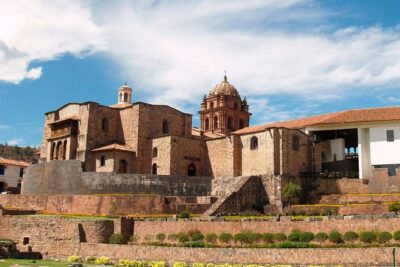
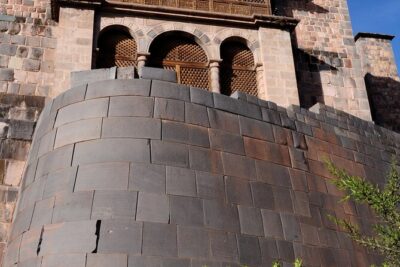
- Qorikancha and the Cusco Cathedral: The Inca Foundations You Can Still See
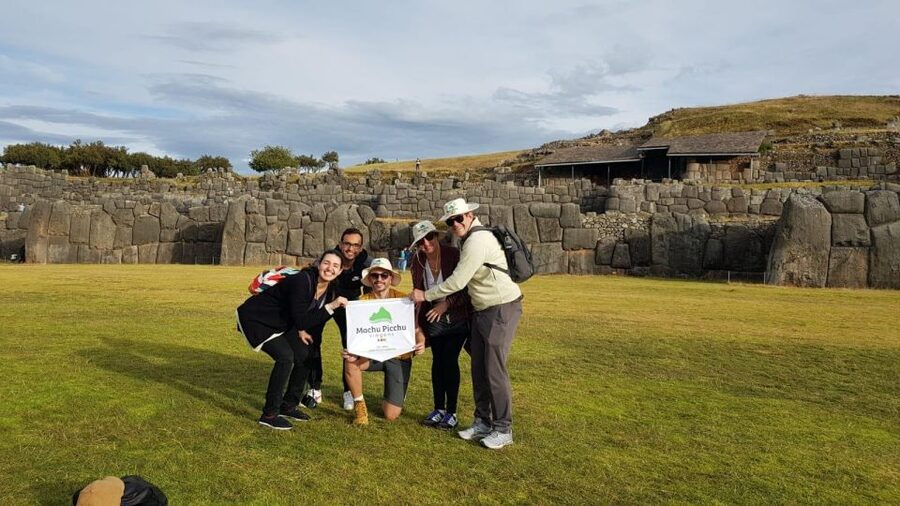
- Sacsayhuaman: Megaliths, Big Scale, and a Fortress Feel
- Qenqo: Gloomy Ceremonial Space and How to Interpret It
- Puca Pucara: Cusco From Above Without the Long Haul
- Tambomachay: Working Water Fountains and Inca Hydraulic Genius
- Price and Value: What $20 Buys (and What It Doesn’t)
- Language, Pickup, and the One Day-Flow Check I Recommend
- Timing and Comfort: How to Make the Most of Four Hours
- Wheelchair Accessibility: What’s Promised
- Who Should Book This Cusco City Tour
- Should You Book This Cusco City Tour?
- FAQ
- How long is the Cusco City Tour?
- How much does the tour cost?
- What’s included in the price?
- Are admission tickets included?
- What languages are available for the guided tour?
- Where do you get picked up and dropped off?
- Is the tour wheelchair accessible?
- Is free cancellation available?
- Can I reserve and pay later?
Key Stops You’ll Actually Remember
- Qorikancha: Inca Temple of the Sun foundations under later colonial worship space
- Cusco Cathedral: Baroque style built on older Inca palace groundwork
- Sacsayhuaman: Giant megalithic fortress walls that make Inca engineering feel real
- Qenqo: A darker ceremonial site where the setting helps you picture ritual purpose
- Puca Pucara: A mountain angle for panoramic Cusco photos without a full trek
- Tambomachay: Working water features tied to Inca hydraulic know-how
More Cusco city and Sacsayhuaman walks
- City Tour Cusco Qoricancha Sacsayhuaman y Tambomachay★ 4.7 · 617 reviews
- Cusco: Sightseeing Tour of the City on an Open-Top Bus★ 4.0 · 481 reviews
- Open Bus Cusco City Tour★ 4.5 · 219 reviews
- Cusco: City Tour | Half-Day Tour to 4 Archaeological Sites★ 4.6 · 206 reviews
Cusco in One Half Day: Why This Route Works
Cusco is packed. If you only have a few hours, you have two choices: rush around on your own, or pick a route that hits the core sites while a guide gives you the “what am I looking at?” story.
This tour is designed for exactly that. In 4 hours, you cover a strong arc: start in the historic center with the Inca-to-colonial transition, then move outward to the ceremonial and fortress sites, and finish with viewpoints and water engineering. It’s not just a sightseeing loop—it’s a way to understand Cusco as a layered city, where new rulers didn’t erase what came before; they built on it.
Qorikancha and the Cusco Cathedral: The Inca Foundations You Can Still See
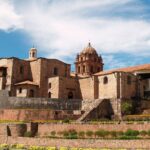
The first major stop is Qorikancha, often described as the Temple of the Sun. Even if you’ve seen photos, what surprises you on site is how the spirit of place lingers even after centuries of change. You’re standing where Inca worship once centered, then learning how Catholic structures later took root atop Inca foundations.
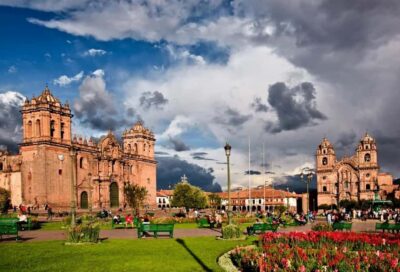
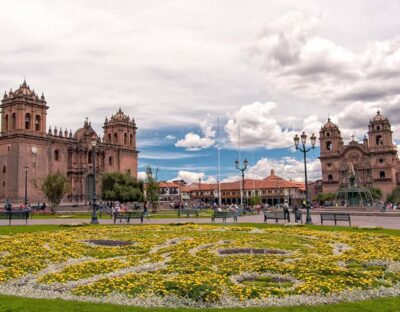
Right after that, you head to the Cathedral of Cusco. This is one of those spots where architecture is basically a time machine. The baroque look grabs your attention, but the real value is the explanation: the cathedral’s foundations link back to a former Inca palace. That means you’re not only seeing art and stonework—you’re tracing how power and belief were reorganized on the same ground.
If you’re the type who likes to connect details, ask your guide to point out how the layers are read in the site. The tour format makes that easier than wandering alone, because someone can steer your eyes to the right surfaces.
Sacsayhuaman: Megaliths, Big Scale, and a Fortress Feel
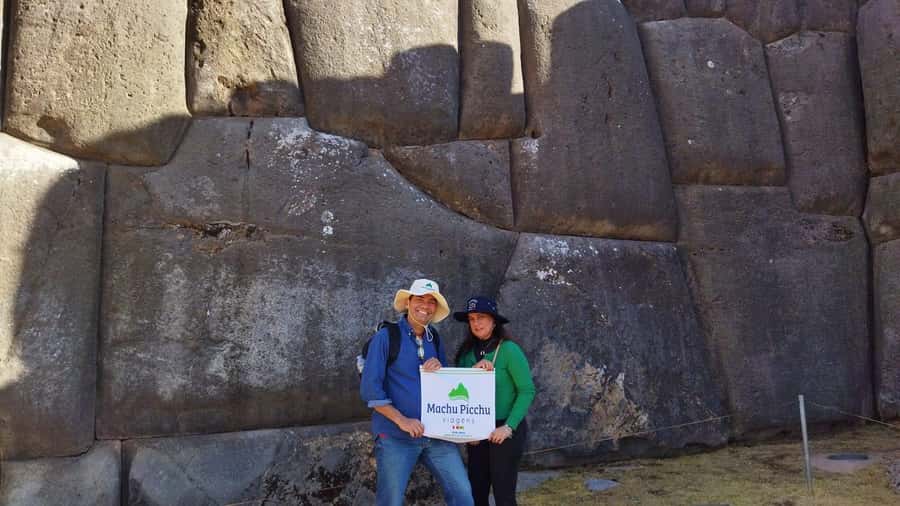
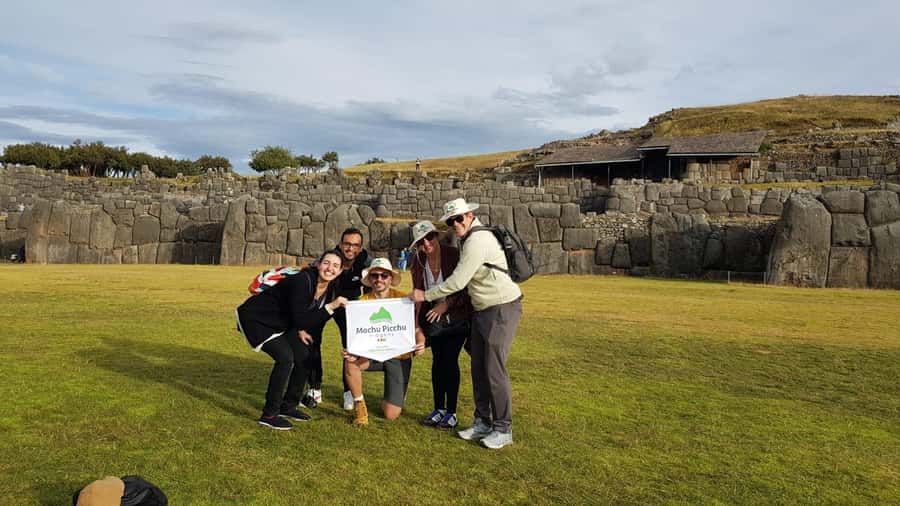
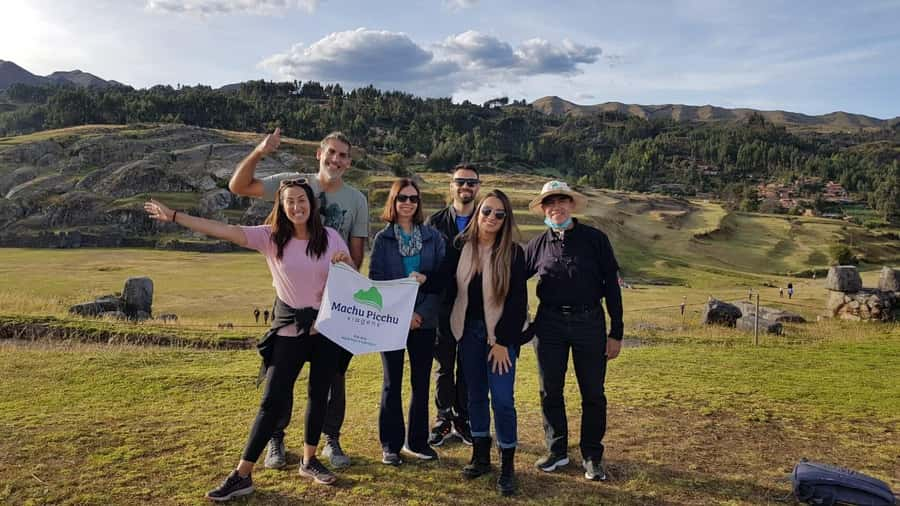
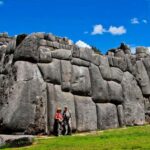
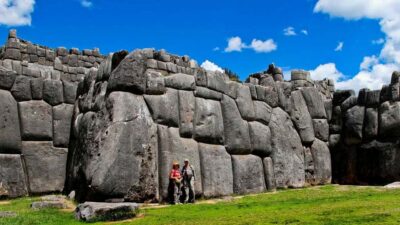
Next up is Sacsayhuaman, a ceremonial fortress with monumental stonework. In plain terms: this is where you really feel the engineering. The walls look almost unreal—huge blocks, precise placement, and a layout meant to impress people from multiple angles.
What makes this stop work in a half-day schedule is the combination of storytelling and vantage. As you move around, you start to understand that this wasn’t a random pile of rocks. It was a designed presence—something you visited, staged moments in, and used to define the city’s skyline.
Practical tip: wear shoes with solid grip. Some areas can be uneven, and you’ll want to walk comfortably so you don’t spend the whole stop watching your feet.
Qenqo: Gloomy Ceremonial Space and How to Interpret It
Then comes Qenqo Archaeological Site, described as a ceremonial center with a darker tone. The setting helps. Compared with the open feel of other sites, Qenqo gives you that “this place was meant for specific moments” impression, which is exactly what the tour aims to clarify.
Here, the guide’s role matters because you’re not just looking at stones. You’re learning how ritual purpose shaped the way parts of the site were used. Even when you can’t know every detail, understanding what ceremonies were believed to involve helps you read the layout with more context than sightseeing alone.
If you like atmospheric sites, Qenqo is often the one that sticks in your memory because it feels different. It’s not polished like a museum. It’s a working archaeological environment with mood.
A last few Cusco tours and experiences to fold into the trip
Puca Pucara: Cusco From Above Without the Long Haul
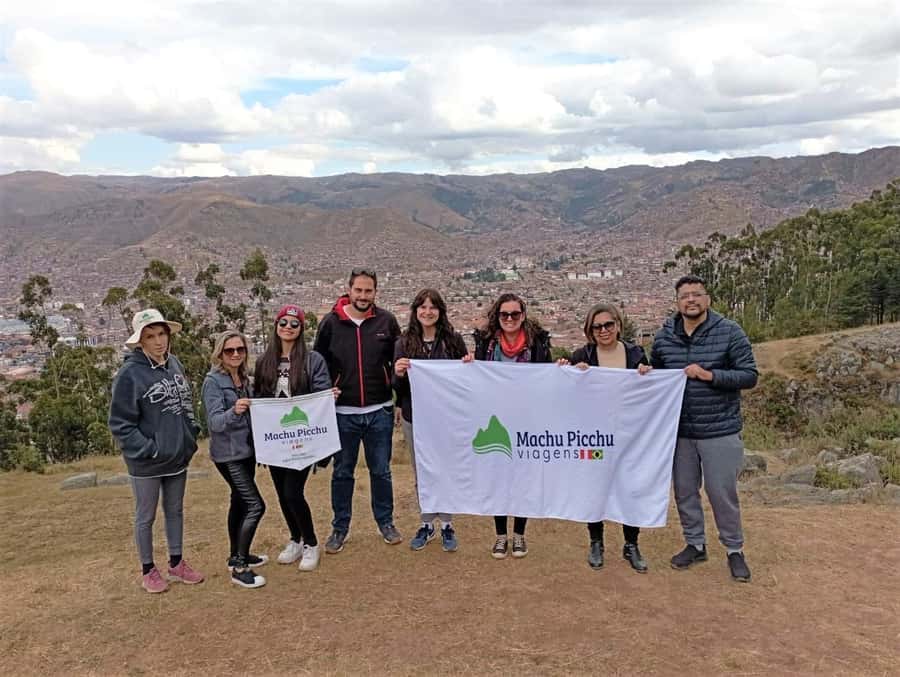
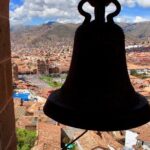
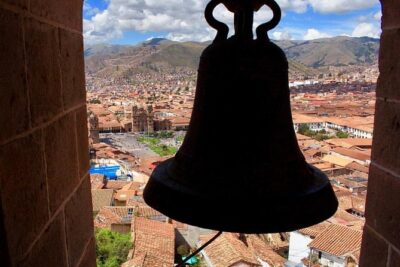
At Puca Pucara, you get the mountain-side view of Cusco from above. This is a smart inclusion if you’re thinking, I want the big panorama, but I don’t have time for a full day out.
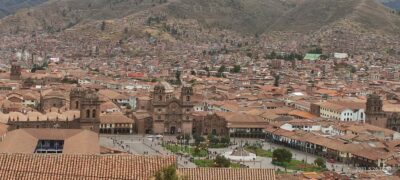
Why the stop is worth it: viewpoints change how you understand the city. When you can see the city’s shape and surrounding terrain, it’s easier to imagine how travelers, ceremonies, and settlements related to each other across distances. It also makes photos more meaningful, because you’re capturing a relationship—not just a skyline.
Take a moment to slow down here. In a busy tour day, it’s easy to rush to the best camera angle. This is one of the places where stopping longer gives you better memories.
Tambomachay: Working Water Fountains and Inca Hydraulic Genius
The tour ends with Tambomachay, known for Inca hydraulic engineering and its water features. This is one of the most satisfying stops because it’s not just about what the Incas built—it’s about how they made nature behave.
You’ll see still-functional irrigation channels and a set of water fountains. The fact that the system still works is a big deal. It turns history from something you read into something you can observe in action.
The names and details will depend on your guide’s explanation, but the core idea stays the same: the Incas paid attention to water management at a practical, almost engineering-forward level. When you connect that with what you’ve seen earlier—ceremonial spaces, fortress scale, and spiritual centers—you get a fuller picture of Inca life as both meaningful and technical.
Price and Value: What $20 Buys (and What It Doesn’t)
At $20 per person for a 4-hour tour, the value is mainly in the guided context and the route efficiency. Cusco’s top sites are spread out enough that doing them solo can cost you time (and taxis add up fast). Here, you get a guided plan plus roundtrip transport from most hotels using an air-conditioned vehicle.
What’s included:
- A professional certified guide in Spanish, English, or Portuguese
- Roundtrip transportation to and from most Cusco hotels
- A complimentary water bottle
- Air-conditioned vehicle
What’s not included:
- Admission tickets
- Meals and drinks
- Gratuity (optional)
That admission gap is worth planning for. If you show up without realizing tickets aren’t included, it’s an easy way to ruin the smooth feeling of a guided day. I’d treat it like: budget a little extra for site entry, and you’ll enjoy the tour without scrambling.
Also note: the tour uses one bus per language. That’s a small detail with big practical impact. It can mean better communication and less confusion than mixed-language groups.
Language, Pickup, and the One Day-Flow Check I Recommend
I’m big on smooth logistics because Cusco can throw curveballs—streets change, meeting points can be tricky, and the clock matters when you’re doing a half-day plan.
Based on what I’ve seen people run into before, the two practical checks that save stress are:
1) Confirm the tour language before you go. If you booked Portuguese and the group runs in Spanish, your ability to follow the explanations drops fast. Some guides (like Fernando, who was described as helpful and polite) can make things easier, but you still need the language match.
2) Double-check the exact pickup location. If your hotel’s front desk gives you an incorrect meeting spot, you might waste time walking around while the bus is already rolling. If you’re prone to anxiety, take five minutes the day before to verify the meeting point clearly with your provider or hotel concierge.
If you do those two things, you keep the day focused on the sites instead of on logistics.
Timing and Comfort: How to Make the Most of Four Hours
Four hours is short—so you’ll want to come ready. The tour is paced to keep you moving between key landmarks, and that means you won’t get the long, slow wander you might want at just one stop.
To get the best experience:
- Start the day hydrated (you get a water bottle, but it helps to arrive ready)
- Wear layers if you’re sensitive to temperature shifts
- Keep your phone charged for photos at the viewpoints
This is also why the air-conditioned vehicle matters. Travel in Cusco traffic can be warm and slow. Having AC for the transfers helps your energy last through multiple stops.
Wheelchair Accessibility: What’s Promised
The tour is listed as wheelchair accessible, which is great news if you’re planning mobility needs in advance. Because the exact path surfaces and stop layouts aren’t described in detail here, I suggest you contact the provider ahead of time with your specific requirements so they can confirm how each stop is handled.
Who Should Book This Cusco City Tour
This tour is ideal if you want:
- A compact route through Cusco’s Inca and colonial storytelling highlights
- A guided explanation that helps you understand why sites matter, not just what they look like
- A realistic plan that fits into a short stay
It’s also a strong choice for first-timers who feel overwhelmed by the sheer number of sites. And if you like engineering details, Tambomachay is a satisfying closer.
You might look elsewhere if you want long time at a single museum-style site, or if you prefer to roam at your own pace without scheduled stops.
Should You Book This Cusco City Tour?
If you want maximum context in minimum time, I think this is a smart pick. The route covers the big connections—Qorikancha to the Cathedral, the fortress-scale presence of Sacsayhuaman, the mood of Qenqo, mountain views at Puca Pucara, and working water engineering at Tambomachay.
My main “only-if” conditions are practical: confirm the tour language and the pickup point. Do that, and you’ll spend your time learning and looking, not chasing instructions.
FAQ
How long is the Cusco City Tour?
It lasts about 4 hours.
How much does the tour cost?
The price is $20 per person.
What’s included in the price?
You get a professional certified guide (Spanish, English, or Portuguese), roundtrip transportation from most Cusco hotels, a complimentary water bottle, and an air-conditioned vehicle.
Are admission tickets included?
No. Admission tickets are not included.
What languages are available for the guided tour?
The guide is available in Portuguese, Spanish, or English.
Where do you get picked up and dropped off?
There is roundtrip transportation to and from most Cusco hotels, and the tour concludes with a drop-off at your accommodation or at Plaza de Armas if you prefer.
Is the tour wheelchair accessible?
Yes, it’s listed as wheelchair accessible.
Is free cancellation available?
Yes. You can cancel up to 24 hours in advance for a full refund.
Can I reserve and pay later?
Yes. The option is available to reserve now and pay later.
More City Tours in Cusco
More Tour Reviews in Cusco

More of Cusco on Foot
Recent write-ups from around Cusco, just off the trail
- Cuzco: Rainbow Mountain Excursion
★ 5.0 · 3 reviews - 1 day excursion to Qeswachaka bridge and the 4 lagoons
★ 3.6 · 3 reviews - Waqrapukara 1 day trekking + meals
★ 3.9 · 3 reviews - Valle Sur Cusco | half day
★ 4.3 · 3 reviews - Full-Day Condor Viewpoint & Inca Sites Tour
★ 5.0 · 3 reviews
Cusco City & Sacsayhuaman, compared.
 ★ 4.6Half-Day City Tour with Sacsayhuaman and Q’encoFrom $131,129 reviews
 ★ 4.7City Tour Cusco Qoricancha Sacsayhuaman y TambomachayFrom $13617 reviews
 ★ 4.0Sightseeing Tour of the City on an Open-Top BusFrom $12481 reviews
 ★ 4.5Open Bus Cusco City TourFrom $14219 reviews
 ★ 4.6City Tour | Half-Day Tour to 4 Archaeological SitesFrom $29206 reviews
 ★ 5.0City Tour in Cusco & visit Museum South American Camelid Private.From $49147 reviews
 ★ 4.5Cusco City Sightseeing, San Pedro Market, Cathedral and Qorikancha TempleFrom $59139 reviews
 ★ 4.2Half-Day City TourFrom $17129 reviews
Browse the lists this tour appears in