
REVIEW · CUSCO CITY & SACSAYHUAMAN
Cusco 4-Hour Private Tour Including Sacsayhuaman and Qenqo
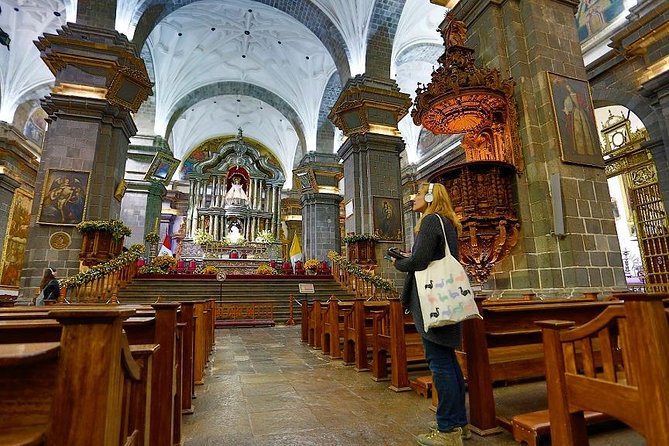
Cusco is best when it’s organized. This private 4-hour tour threads together major Inca sites near Cusco with a quick hit of the Plaza de Armas and Cusco Cathedral area, so you get context fast. I also like that it’s truly private, meaning your guide can pace the day around your questions instead of marching you with a crowd.
The main thing to watch is cost at the door: several key places have separate entrance fees (Saqsayhuaman, Cusco Cathedral, and Qorikancha). If you don’t plan for that, the total can feel higher than the base price.
Key highlights to know before you go
- Private guide + private vehicle keeps the pace realistic in Cusco’s altitude
- Saqsayhuaman adds the big Inca-stone scale right on the city edge
- Qorikancha shows how Spanish building repurposed Inca foundations
- Q’enqo includes an intriguing canal story and ritual theories
- Tambomachay feels different, with canals, aqueducts, and waterfall-style terraces
- Optional textile factory can add a craft stop at no extra cost
In This Review
- Why This 4-Hour Cusco Mix Works So Well
- Price and Value: The $87 Base vs. Entrance Fees
- Plaza de Armas and Cusco Cathedral: The City Center Jump-Start
- Saqsayhuaman: Big Stones, Real Timeline
- Qorikancha and the Santo Domingo Story: Where Old Stones Get Reused
- Puka Pukara: The Red Fortress-Watchtower Checkpoint
- Q’enqo: The Labyrinth Canal and Ritual Theories
- Tambomachay: Aqueduct Terraces and the Baños del Inca
- How the Pace Feels With Pickup, Private Transit, and Walking
- The Guide Makes the Difference: What to Look For
- Optional Textile Factory Stop: A Smart Bonus If You Like Craft
- Should You Book This Cusco Private Tour?
- FAQ
- What’s included in the private tour?
- How long is the tour?
- What sites are included on the itinerary?
- Are entrance fees included?
- Does the tour offer an optional textile factory visit?
- What languages are guides available in?
- Is the tour private or shared?
- What’s the minimum age for participants?
- What if the weather is bad?
- What’s the cancellation policy?
Why This 4-Hour Cusco Mix Works So Well
This tour is built for the common Cusco problem: you want the “greatest hits,” but you only have half a day. The itinerary is tight, but it doesn’t feel rushed in theory because you’re not doing tons of transit by bus. You’re riding in a private vehicle, then walking just enough at each stop to actually look around.
You’ll also get a useful story line. Instead of treating ruins as random photo spots, your guide ties together what you see in Inca Cusco and what you see in Spanish-era Cusco. It’s the kind of context that helps when you later visit other places in the Sacred Valley.
A small plus that matters more than you think: the day includes snacks. In Cusco, low energy can kill your attention span. A snack break keeps you sharper for the sites that require more than quick picture-taking.
More Cusco city and Sacsayhuaman walks
- City Tour Cusco Qoricancha Sacsayhuaman y Tambomachay★ 4.7 · 617 reviews
- Cusco: Sightseeing Tour of the City on an Open-Top Bus★ 4.0 · 481 reviews
- Open Bus Cusco City Tour★ 4.5 · 219 reviews
- Cusco: City Tour | Half-Day Tour to 4 Archaeological Sites★ 4.6 · 206 reviews
Price and Value: The $87 Base vs. Entrance Fees
The tour costs $87 per person for a private 4-hour experience. What you get here is more than just a guide holding a map: you also get hotel pickup and drop-off, a private vehicle, and snacks, plus an English- or Spanish-speaking guide.
Now the practical part: entrance fees are not included for three of the big stops:
- Saqsayhuaman: PEN 70 per person
- Cusco Cathedral: PEN 40 per person
- Qorikancha: PEN 15 per person
That’s PEN 125 total if you enter all three. The value question becomes simple: if you plan to see these key sites anyway, this tour likely saves you time and headache compared with piecing it together on your own. If you’re trying to cut costs and you know you won’t enter one of the paid sites, you may want to adjust expectations.
Plaza de Armas and Cusco Cathedral: The City Center Jump-Start
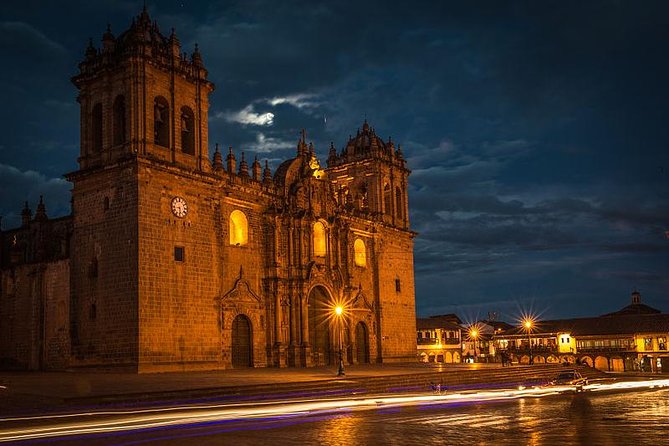
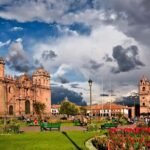
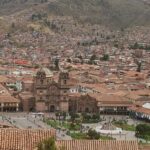
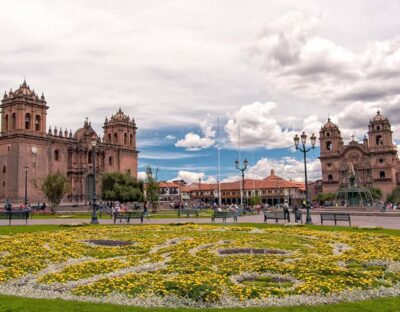
You start with a quick city hit at Plaza de Armas. This square is famous for a reason. You get the colonial-style buildings that show Spanish influence, but the key detail is that the area mattered well before the Conquest. It was a starting point for developing the Imperial City that became the Inca capital.
Even the short time here pays off. Plaza de Armas is the orientation point for Cusco, so when you later look at Inca stonework or Dominican architecture, you can picture where everything sits in the city’s larger story.
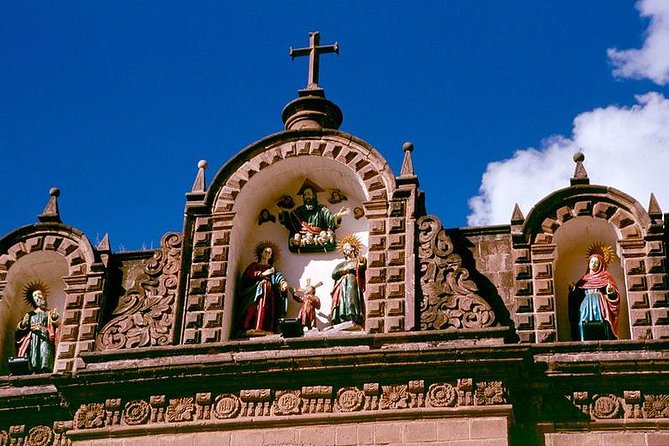
Then you head toward Cusco Cathedral, located on the Plaza. The cathedral is the mother church of the Roman Catholic Archdiocese of Cusco. It’s not just a church stop; it’s part of the same “layers of history” theme that runs through the rest of the tour. Ticket is separate, so if you’re deciding on energy levels, this is one of the places to judge based on how your body is handling altitude.
Saqsayhuaman: Big Stones, Real Timeline
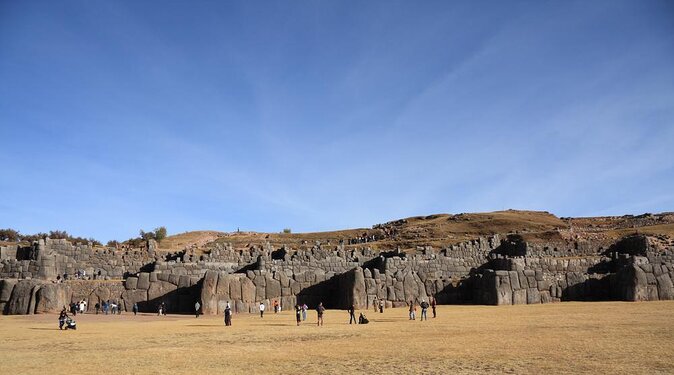
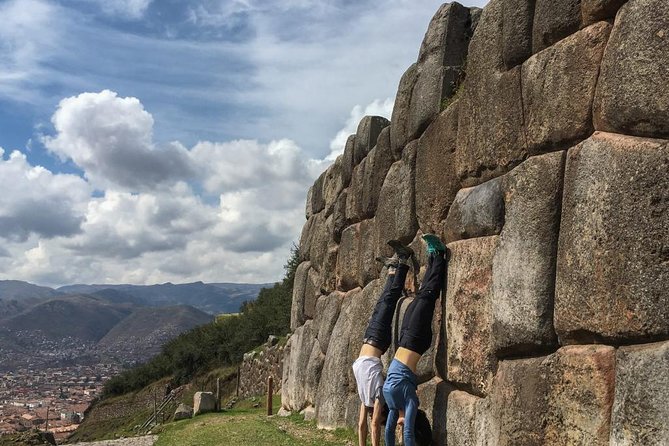
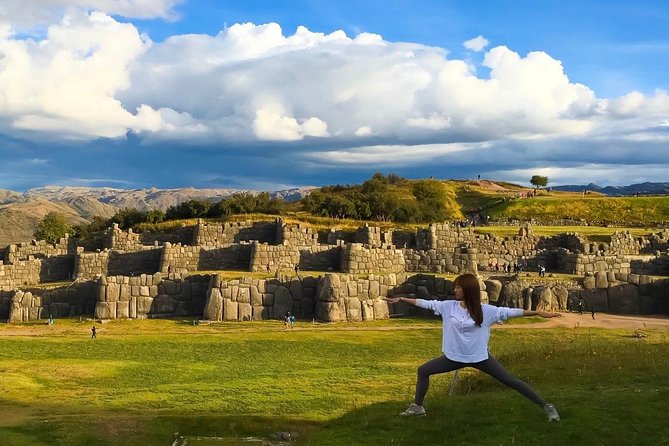
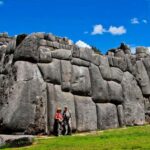
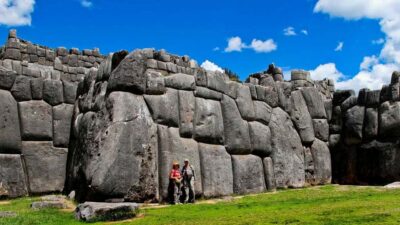
Saqsaywaman (you’ll see multiple spellings) is on the northern outskirts of Cusco. It’s a citadel-style complex and one of the easiest ways to feel the scale of Inca engineering without making a whole day out of it.
Here’s what makes it especially interesting: sections of the complex trace back to around 1100 CE, built by the Killke culture, which had occupied the area since about 900 CE. Your guide should help you understand that you’re not just looking at one “Inca era” moment. You’re looking at a site shaped by older local roots and later Inca use.
Two practical notes:
- This stop is typically 30 minutes, so you’ll want to focus on angles and stone patterns, not trying to see everything at once.
- Comfortable shoes matter. Even when it’s not long distances, you’ll be standing and walking on uneven ground.
Qorikancha and the Santo Domingo Story: Where Old Stones Get Reused
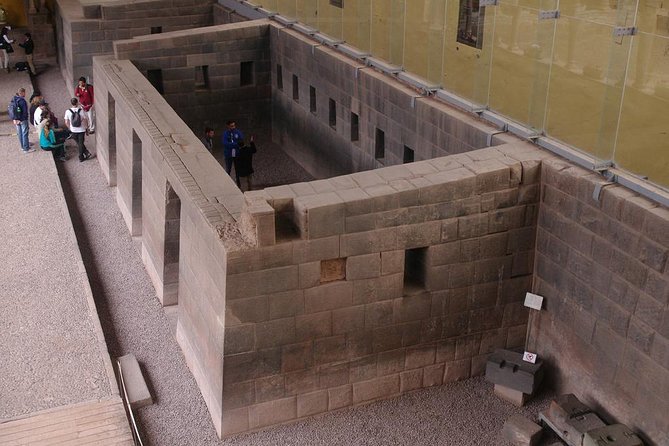
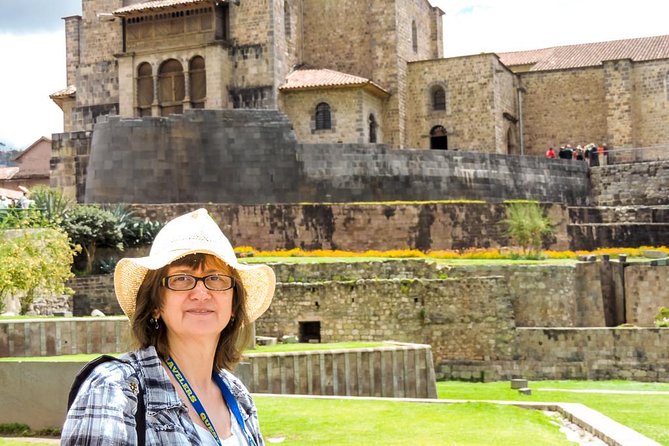
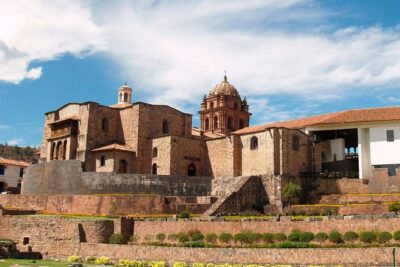
Next is Qorikancha, originally called Intikancha / Intiwasi in the descriptions you’re given. It was dedicated to Inti, the sun. In other words, this was not an obscure side chapel. It was tied to the heart of Inca cosmology.
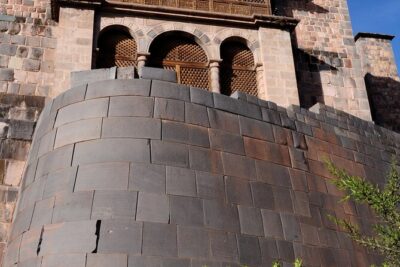
After the 16th-century conflict with the Spanish, much of the temple was destroyed. Then settlers reused and dismantled parts of it to build churches and residences. One of the most vivid links is that much of the Inca stonework became the foundation for the Santo Domingo Convent. That convent was built after the 1650 earthquake destroyed the first Dominican convent.
Why this stop matters: you’ll see how conquering isn’t only political. It’s architectural. You’re literally standing where one sacred system ended and another began, with stones repurposed like historical paperwork stuffed into a new folder.
Puka Pukara: The Red Fortress-Watchtower Checkpoint
Puka Pukara is about 6 km from Cusco. The name comes from Quechua: puca means red, and pucara means fortress-watchtower. The description frames it as a strategic point along the road toward Antisuyo, the jungle part of the Inca empire.
This is one of those stops that feels quieter than the headline ruins. That’s actually a good thing. You often get a better chance to notice how the site relates to the road and the surrounding terrain. Think of it as a checkpoint for movement and control—military and administrative—rather than a grand ceremonial stage.
If you like “how did they run an empire” questions, you’ll probably enjoy this stop more than you expect.
Q’enqo: The Labyrinth Canal and Ritual Theories
Q’enqo means labyrinth or zig-zag. The temple gets its name from a crooked canal cut into the rock. The canal suggests there was some kind of liquid moving through it, but the exact purpose is still uncertain.
The theories are the fun part because they tie archaeology to belief systems. The possibilities include:
- holy water
- chicha (corn beer)
- blood
And then comes the big interpretive thread: all three possibilities point toward death rituals. That could mean embalmment-related practices or a way to judge whether someone lived a good life based on what happened with the liquid’s path.
You’re not expected to “solve” it. What you get is a glimpse of how careful observers interpret physical clues when written records are limited or filtered. It’s also a good contrast to the more structural sites like Saqsayhuaman.
Tambomachay: Aqueduct Terraces and the Baños del Inca
The last archaeological stop is Tambomachay, also known by the Spanish name El Baño del Inca. The site is described as a set of aqueducts, canals, and waterfalls running through terraced rocks.
This one can feel different from the others because the concept is practical and engineered, even when it’s tied to ceremony. Water management in the Andes isn’t a side quest—it’s survival, agriculture, and ritual all mixed together. If your guide points out how the canals follow the rock and terraces, you’ll start seeing the empire’s “infrastructure mindset” more clearly.
It’s also a nice ending note before returning toward Cusco city, since it gives you something to look at that isn’t just walls and terraces.
How the Pace Feels With Pickup, Private Transit, and Walking
A 4-hour tour can either feel perfect or exhausting. Here, the structure helps. Hotel pickup and drop-off reduce the time you’d otherwise spend figuring out local transport. Then you’re doing short, timed visits—often 10 to 30 minutes per stop—so you’re not burning the day with long waits.
In the real world, Cusco altitude can hit people differently. If you’re still adjusting, your best strategy is to use the breaks wisely:
- Drink water steadily (you’ll have snacks and likely some water support through the day)
- Don’t plan big museum-style reading afterward
- Take photos early, then slow down to watch the details
One more small but useful tip: dress according to the season, and bring a camera because you’ll want to document the stonework and city architecture.
The Guide Makes the Difference: What to Look For
This is where private tours earn their keep. The best guides don’t just list facts. They connect the dots between places so your brain files it correctly.
I’ve seen how different guides on this format can stand out—names that have come up include Alfredo, Ruben, Patricia, Solidad/Soledad, and Victor. The common thread: they explain the history behind the sites in a clear, organized way, and they’re happy to answer questions instead of rushing on.
Look for these signs during the tour:
- Your guide ties Plaza de Armas and the cathedral to the larger city story
- They explain why Qorikancha changed after the Spanish conflict
- They give you context for uncertain questions, like Q’enqo’s canal theories
- They adjust pacing if you’re tired from altitude
If that’s what you want, you’ll likely feel the tour as more than a checklist.
Optional Textile Factory Stop: A Smart Bonus If You Like Craft
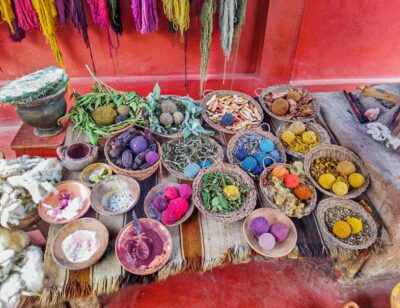
The tour includes an optional visit to a textile factory at no additional charge. That can be a great way to round out the cultural side of Cusco, especially if you’re interested in what people wore and how they made it.
In practice, this is often paired with seeing how fibers come from llamas and alpacas and how traditional crafts translate into textiles. Even if you’re not a textile person, it helps you understand the everyday life behind the historic sites.
The key is choice. If you’re feeling great and curious, take it. If you’re conserving energy for the core ruins and cathedral, you can likely skip or keep the focus on what matters most to you.
Should You Book This Cusco Private Tour?
Book it if:
- you want a private guide and hate the stress of group timing
- you want major Inca-near-Cusco sites in one half day: Saqsayhuaman, Qorikancha, Q’enqo, Tambomachay
- you also care about Cusco’s Spanish-era layers at Plaza de Armas and the cathedral area
- you like learning from local context, not just photo stops
Skip it (or at least think hard) if:
- you’re strictly cost-driven and don’t plan to pay entrance fees at Saqsayhuaman and Qorikancha
- you’re the type who gets overwhelmed by multiple stops in altitude conditions
- you’d rather spend more time at one site than sample several
If you’re in Cusco for a short window and want the day to feel organized, this is a solid use of time. You’ll leave with enough context to make your later stops around the region land better in your mind.
FAQ
What’s included in the private tour?
You get a private English- or Spanish-speaking guide, hotel pickup and drop-off, snacks, and transport by a private vehicle.
How long is the tour?
It’s about 4 hours.
What sites are included on the itinerary?
The tour includes Saqsayhuaman, Plaza de Armas, Cusco Cathedral area, Qorikancha, Puka Pukara, Q’enqo, and Tambomachay.
Are entrance fees included?
No. The entrance fees listed separately are for Cusco Cathedral (PEN 40), Qorikancha (PEN 15), and Saqsayhuaman (PEN 70).
Does the tour offer an optional textile factory visit?
Yes. An optional visit to a textile factory is available at no additional charge.
What languages are guides available in?
The guide is available in either English or Spanish.
Is the tour private or shared?
It’s private. Only your group participates.
What’s the minimum age for participants?
The booking info says you must be at least 2 years of age.
What if the weather is bad?
The experience requires good weather. If it’s canceled due to poor weather, you’ll be offered a different date or a full refund.
What’s the cancellation policy?
Free cancellation is available. You can cancel up to 24 hours in advance for a full refund.
More Tour Reviews in Cusco
More of Cusco on Foot
Recent write-ups from around Cusco, just off the trail
- Cuzco: Rainbow Mountain Excursion
★ 5.0 · 3 reviews - 1 day excursion to Qeswachaka bridge and the 4 lagoons
★ 3.6 · 3 reviews - Waqrapukara 1 day trekking + meals
★ 3.9 · 3 reviews - Valle Sur Cusco | half day
★ 4.3 · 3 reviews - Full-Day Condor Viewpoint & Inca Sites Tour
★ 5.0 · 3 reviews
Cusco City & Sacsayhuaman, compared.
 ★ 4.6Half-Day City Tour with Sacsayhuaman and Q’encoFrom $131,129 reviews
 ★ 4.7City Tour Cusco Qoricancha Sacsayhuaman y TambomachayFrom $13617 reviews
 ★ 4.0Sightseeing Tour of the City on an Open-Top BusFrom $12481 reviews
 ★ 4.5Open Bus Cusco City TourFrom $14219 reviews
 ★ 4.6City Tour | Half-Day Tour to 4 Archaeological SitesFrom $29206 reviews
 ★ 5.0City Tour in Cusco & visit Museum South American Camelid Private.From $49147 reviews
 ★ 4.5Cusco City Sightseeing, San Pedro Market, Cathedral and Qorikancha TempleFrom $59139 reviews
 ★ 4.2Half-Day City TourFrom $17129 reviews
Browse the lists this tour appears in