
REVIEW · CUSCO CITY & SACSAYHUAMAN
Cusco: Archaeological Park Morning Tour
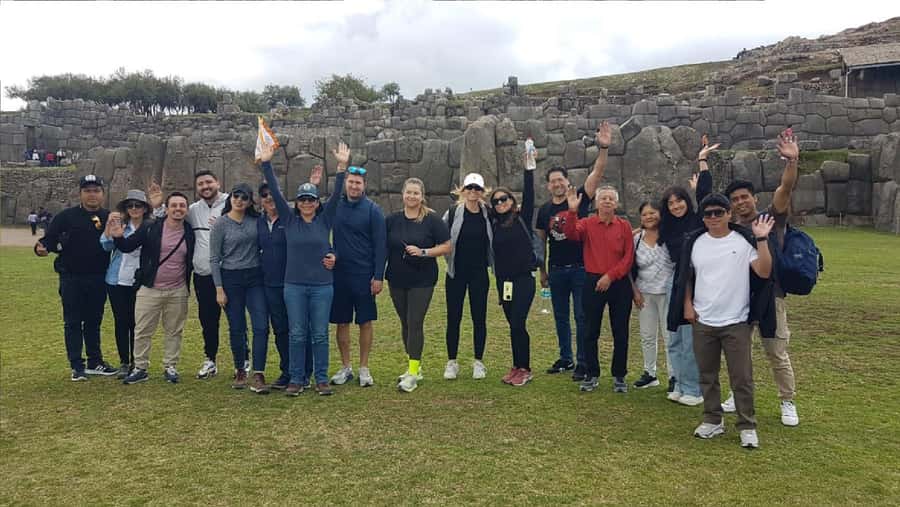
Stonework plus waterworks equals Inca magic. This morning tour is built around four major archaeological stops where you’ll connect Inca worship of the Sun with the way they managed water in daily life. I love how the sites aren’t just photographed-from-a-distance; you get guided context as you move from huge stone walls to underground passages and aqueduct channels.
Two highlights I especially like are the Sacsayhuaman rock complexes (towers and temples linked to reverence for the sun and water), and Qenqo’s underground gallery system that’s described as a labyrinth used for Sun God rituals. The main consideration is that you’ll be on your feet for several stops, and there’s also an outside chance of an extra stop that can feel salesy if you want a strictly archaeology-only day.
In This Review
- Key things that make this tour worth your morning
- Koricancha, then the uphill Inca ramp: how the day flows
- Sacsayhuaman: the rocks are the point
- Qenqo’s underground galleries: ritual space under the ground
- A eucalyptus photo break at K’enko (yes, it’s short)
- Puca Pucara watchtowers: terraces and surveillance
- Tambomachay: where water engineering does the talking
- Transport, timing, and your return to Cusco
- The real cost: $13 is the tour, tickets are extra
- Guides, group pace, and the “sales pitfall” to watch
- What to bring (and what to skip)
- Who this Cusco morning circuit fits best
- Should you book this tour?
- FAQ
- What time does the morning tour start?
- How long is the Cusco Archaeological Park morning tour?
- How much does the tour cost?
- Is hotel pickup included?
- What language is the guide?
- What’s not included in the price?
- Where does the tour end?
- What should I bring?
- Are pets allowed, and is it suitable for pregnant women?
Key things that make this tour worth your morning
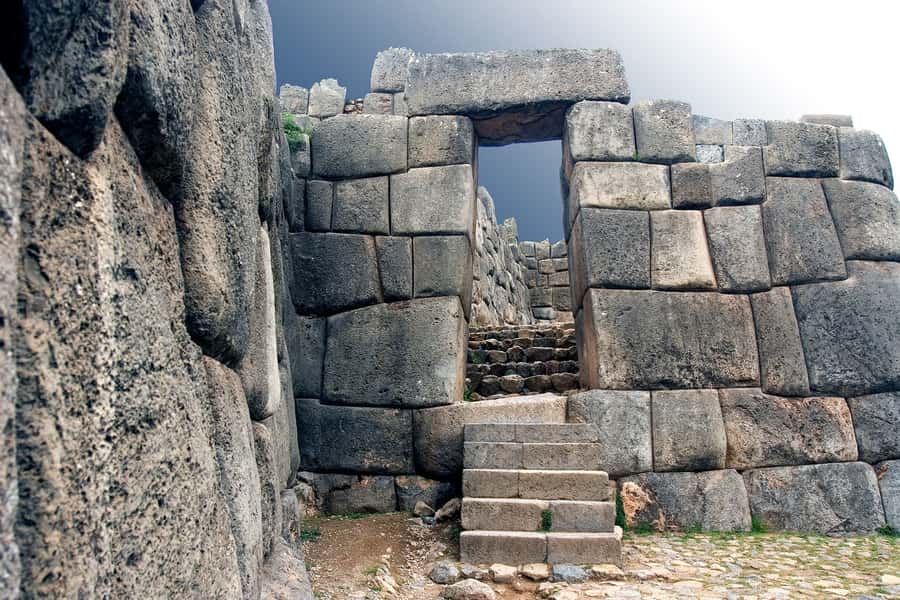
- Sacsayhuaman’s scale: massive rocks and monumental towers tied to Inca sun-and-water belief
- Qenqo’s underground labyrinth: guided explanation of the underground galleries and ritual use
- Puca Pucara’s military-watch layout: terraces, staircases, and big walls made for surveillance
- Tambomachay aqueducts: water gutters, aqueducts, and waterfall features that show Inca hydraulic thinking
- Hotel pickup + a 2:00–2:30 finish: you’re back in Cusco with time for your afternoon plans
More Cusco city and Sacsayhuaman walks
- City Tour Cusco Qoricancha Sacsayhuaman y Tambomachay★ 4.7 · 617 reviews
- Cusco: Sightseeing Tour of the City on an Open-Top Bus★ 4.0 · 481 reviews
- Open Bus Cusco City Tour★ 4.5 · 219 reviews
- Cusco: City Tour | Half-Day Tour to 4 Archaeological Sites★ 4.6 · 206 reviews
Koricancha, then the uphill Inca ramp: how the day flows
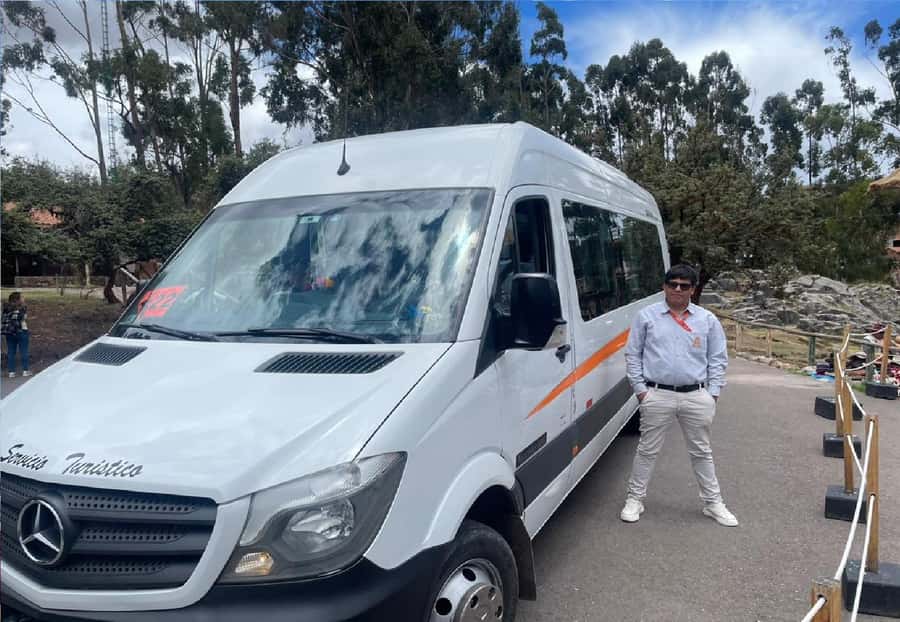
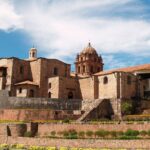
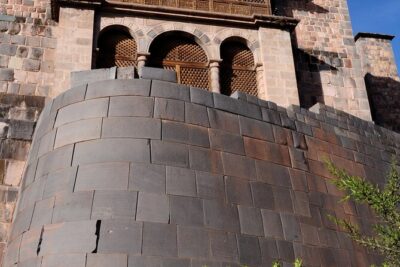
Most mornings start with hotel pickup around 8:45 AM, then you ride by coach to the first major site. The route typically includes Koricancha (Coricancha) first, with a guided walk that runs about 45 minutes. This matters because it sets the tone: you’re not just seeing ruins, you’re building a mental map of how Inca places related to sun worship and power.
Koricancha is followed by the climb up toward Sacsayhuaman. Expect the pace to be steady. You’ll get guided time (again about 45 minutes at each main stop), which is the sweet spot for Cusco sightseeing: long enough to understand what you’re looking at, short enough to keep the day moving.
If you’re the type who likes to know what each wall or passage is supposed to represent, this structure helps. If you prefer wandering slowly and taking endless photos without a schedule, keep in mind you’ll be guided through a sequence with set time blocks.
Sacsayhuaman: the rocks are the point
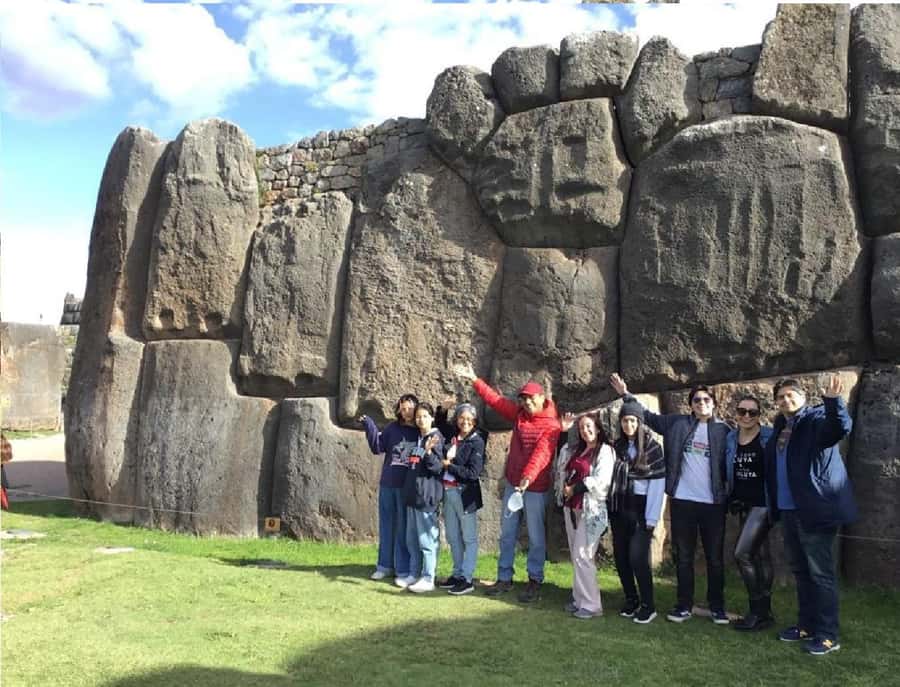
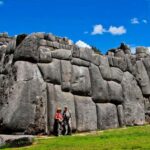
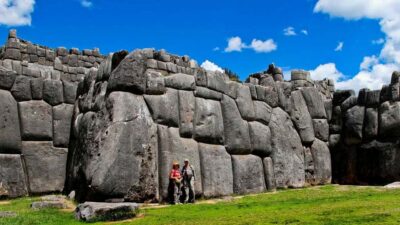
Sacsayhuaman is where the tour earns its name. You’ll spend about 45 minutes at this enormous rock-and-stone complex, and the guided focus is on the towers and temples connected to reverence for the Sun God and water. Even before you memorize details, the sheer engineering feel of the place hits you: it’s built to last and built to impress.
What I like about this stop is how the tour frames the structures as more than decoration. Sacsayhuaman is presented as a place where belief and practical life overlap—especially around the idea of water as something sacred and controlled. When your guide points out how the complex is laid out, you start reading the site like a system, not a collection of rocks.
Practical note: bring comfortable shoes. The day includes multiple archaeological areas, and the walking is part of the deal. This is not the kind of tour where you can safely treat your footwear like optional luggage.
Qenqo’s underground galleries: ritual space under the ground
Next comes Qenqo (Q’enco), another 45-minute guided stop. Here the story shifts underground. You’ll visit the archaeological complex described as having underground galleries that form a labyrinth, used for sacrifices to the Sun God.
This is one of those sites where the value is in the explanation. Without guidance, you might see entrances and passages and assume it’s just a cool construction detail. With a good guide, you can understand why the labyrinth layout matters—because it supports a specific kind of experience: controlled movement, dramatic staging, and a clear connection to religious purpose.
I also like that this stop keeps the tour’s theme consistent. The day isn’t random archaeology hopping. It’s building one connected picture: sun worship shows up at Sacsayhuaman, then you see it again in Qenqo’s underground ritual spaces.
A eucalyptus photo break at K’enko (yes, it’s short)
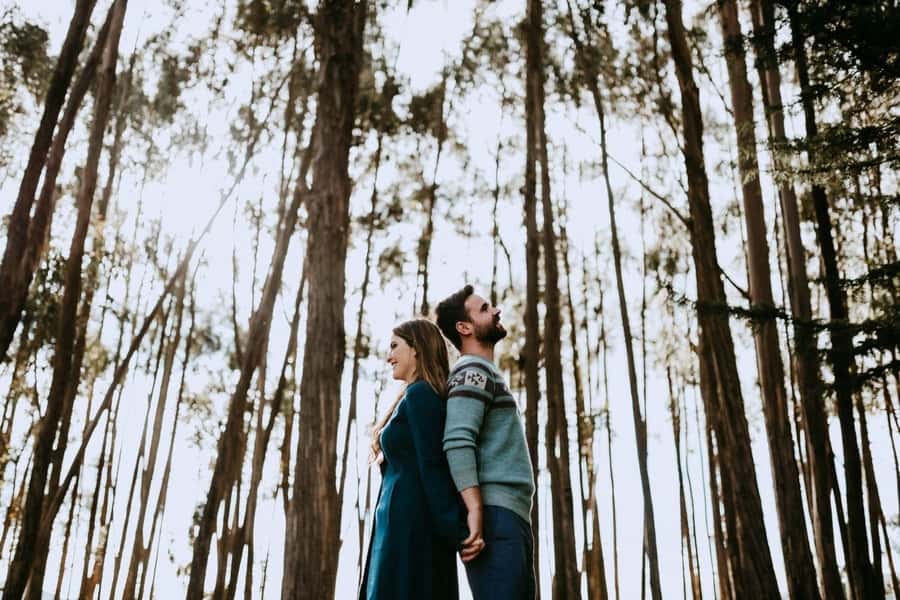
Between Qenqo and the later viewpoint stops, there’s a photo stop at Bosque de Eucaliptos de K’enko, with about 35 minutes set aside. This is the “catch your breath and reset your eyes” moment of the morning.
You don’t get a long nature excursion here. You get a break in the middle of the run, which is useful if you’re trying to keep the day enjoyable rather than exhausting. If your legs are already protesting, this pause is the kind of timing that helps the whole tour feel manageable.
Puca Pucara watchtowers: terraces and surveillance
Then you head to Puca Pucara, described as an Inca surveillance center. You’ll see terraces, staircases, and large walls—basically the architecture of watching and controlling visibility.
The best way to approach Puca Pucara is to think like a ruler or a guard. Why would you build in such a way? The answer is in the details: terraces create layered vantage points, staircases channel movement, and the big walls help define a controlled zone.
The tour includes time for photos and viewpoints, so you can connect the site to the broader Cusco region without turning it into a long hike. If you like panoramic thinking—how a place was designed for observation—this is one of the more rewarding stops.
Tambomachay: where water engineering does the talking
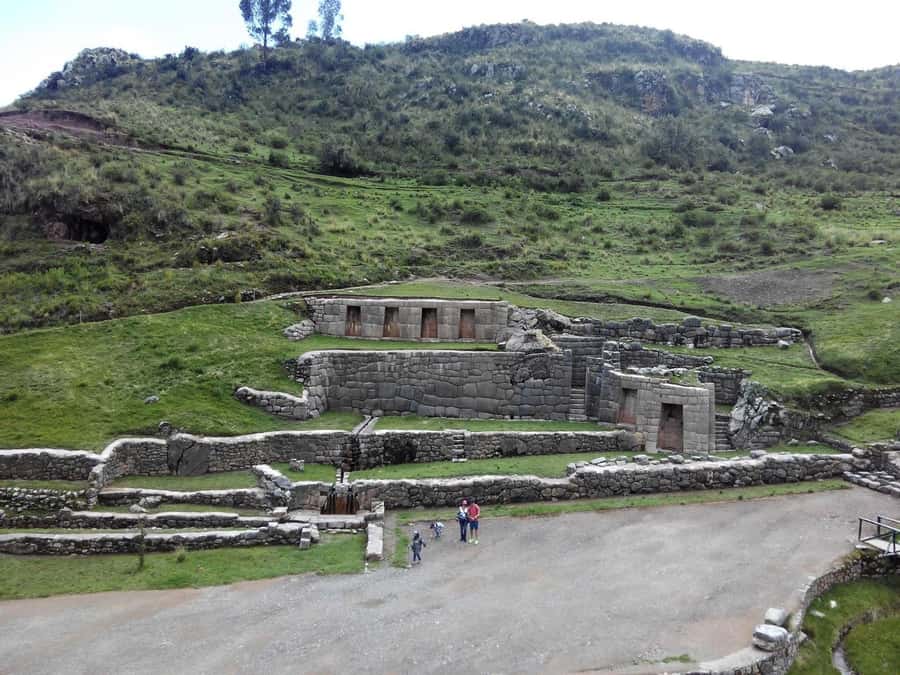
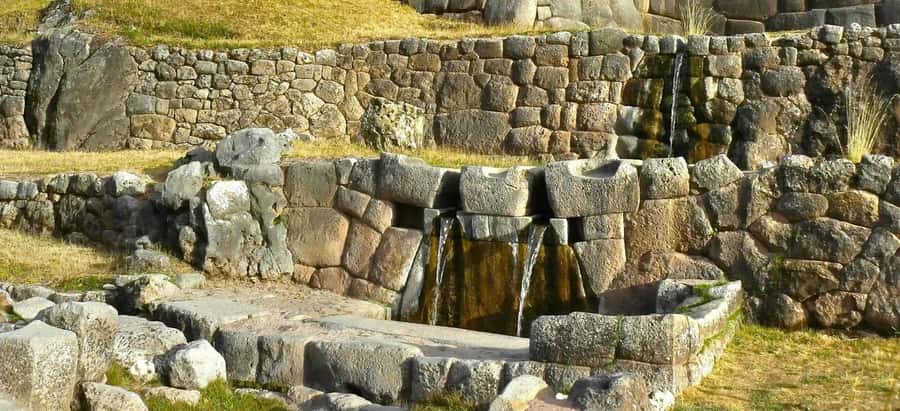
The final major site is Tambomachay, presented as an Inca resting place with water features. You’ll spend time here with guided explanation of aqueducts, waterfalls, and water gutters.
Tambomachay is the tour’s “okay, now I get it” moment for many people. The earlier stops emphasize religious meaning and structures, and Tambomachay brings it back to practical mastery. Even if you’re not a construction nerd, it’s hard not to respect the way the water system is integrated into the site.
For me, the standout value is the connection between belief and engineering. The tour repeatedly links sun reverence with water in the Inca worldview. Tambomachay’s aqueducts and channels make that connection feel concrete: you can see how water moves and how the site is organized around that motion.
Transport, timing, and your return to Cusco
The whole tour is 6 hours long. Pickup happens at 8:45 AM, and you return at an average time between 2:00 PM and 2:30 PM. That mid-afternoon finish is a practical win. You’ll still have time for lunch and Cusco errands without feeling like you lost your whole day.
You’ll also have round-trip transportation. Hotel pickup is included, and pickup is aimed at hotels near the main square. If your hotel is farther out, you should receive an exact address for where to meet.
One heads-up from the experience: one booking reported trouble at the end of the day when the drop-off felt confusing and took extra time to reach their hotel. My advice: when you start the day, confirm the end point with your guide using a nearby landmark you can recognize fast, not just an address you might have trouble finding while tired.
The real cost: $13 is the tour, tickets are extra
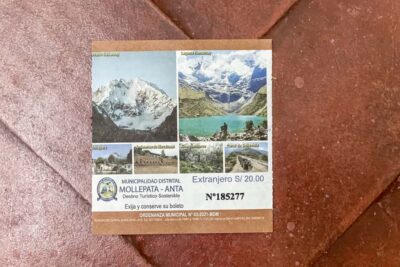
The headline price is $13 per person, which is strong for a guided half-day with round-trip transportation. But the archaeological ticket costs are not bundled in that number.
Plan on budgeting for:
- Tourist ticket: 70 soles
- Koricancha entry: 15 soles
Also, keep in mind you’ll want passport or ID with you. Cusco sites and entry rules can require ID checks, and you don’t want to waste your morning tracking paperwork.
If you’re comparing value, treat it like this: you’re paying the tour price for transport + a professional guide. You’re paying separate site fees for entry. Get that math right and the overall experience often looks better than the base price alone.
Guides, group pace, and the “sales pitfall” to watch
This tour is led by a professional guide and runs in Spanish or English. A good guide makes a difference here because you’re dealing with sites that need context—especially the underground passages at Qenqo and the symbolic framing around the Sun God.
The positive side shows up clearly in the feedback. Maria Eduarda (Brazil) rated it 5 out of 5 and called it a really good way to understand the region’s history. Another booking praised the guide’s quality too, giving 4 out of 5, even while noting a downside.
The downside? One note called out a sales pitch connected to a llama farm. That’s not part of the core archaeology sites, but it’s something you should be prepared for as a possibility depending on the day and the route. If you’re the type who wants pure ruins the whole time, ask your guide ahead of your pickup what the schedule includes beyond the main stops. A quick question can save you from an unexpected detour.
What to bring (and what to skip)
For a smooth morning, stick to what the tour requests:
- Comfortable shoes
- Water
- Passport or ID card
Also:
- No pets
- Not suitable for pregnant women
If you’re unsure whether the walk time and uneven terrain will work for you, this is one you should double-check carefully. The tour is short on paper, but archaeology days add up in steps fast.
Who this Cusco morning circuit fits best
This tour works best if you:
- Want guided context at multiple Inca sites in one half-day
- Like thematic connections (Sun God worship and water engineering)
- Prefer a schedule that gets you back by early afternoon
It’s a solid choice for first-time Cusco visitors who want major highlights without spending all day in transit. It’s also good for people who don’t want to piece together four separate sites on their own and risk losing time.
If you hate structured pacing, or if you’re very sensitive to walking between stop points, you might feel rushed. In that case, consider a slower, more flexible format.
Should you book this tour?
Book it if you want a tight, guide-led morning that ties together Inca religious ideas and water-related engineering, finishing around 2:00–2:30 PM so you can still enjoy your afternoon.
Skip or reconsider if:
- You dislike any possible detours that feel like marketing (there’s at least one reported experience involving a llama-farm sales pitch)
- You prefer to control every minute yourself, because the tour runs on set time blocks
- You need an option designed for pregnancy or limited mobility (this one isn’t suitable per the provided info)
Bottom line: for $13, plus the separate site fees, it’s a strong value way to get several of Cusco’s most famous Inca sites into one organized morning—especially if you like understanding what you’re looking at, not just collecting photos.
FAQ
What time does the morning tour start?
The tour starts with hotel pickup at 8:45 AM.
How long is the Cusco Archaeological Park morning tour?
The duration is 6 hours.
How much does the tour cost?
The price listed is $13 per person.
Is hotel pickup included?
Yes. Hotel pickup and round-trip transportation are included.
What language is the guide?
The live guide is available in Spanish and English.
What’s not included in the price?
You’ll need to pay the tourist ticket (70 soles) and Koricancha entry (15 soles) separately.
Where does the tour end?
The tour finishes at Calle Plateros, and the return to the Cusco main square is typically between 2:00 PM and 2:30 PM.
What should I bring?
Bring passport or ID, comfortable shoes, and water.
Are pets allowed, and is it suitable for pregnant women?
Pets are not allowed, and the tour is not suitable for pregnant women.
More Tour Reviews in Cusco

More of Cusco on Foot
Recent write-ups from around Cusco, just off the trail
- Cuzco: Rainbow Mountain Excursion
★ 5.0 · 3 reviews - 1 day excursion to Qeswachaka bridge and the 4 lagoons
★ 3.6 · 3 reviews - Waqrapukara 1 day trekking + meals
★ 3.9 · 3 reviews - Valle Sur Cusco | half day
★ 4.3 · 3 reviews - Full-Day Condor Viewpoint & Inca Sites Tour
★ 5.0 · 3 reviews
Cusco City & Sacsayhuaman, compared.
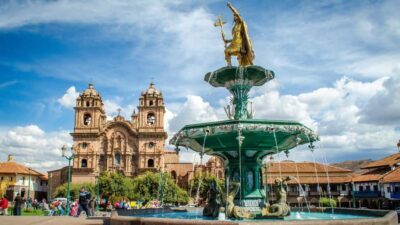 ★ 4.6Half-Day City Tour with Sacsayhuaman and Q’encoFrom $131,129 reviews
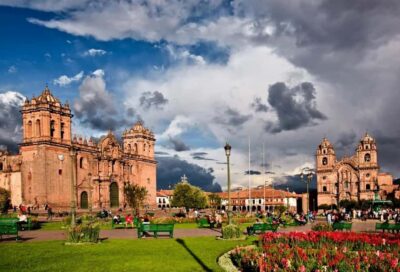 ★ 4.7City Tour Cusco Qoricancha Sacsayhuaman y TambomachayFrom $13617 reviews
 ★ 4.0Sightseeing Tour of the City on an Open-Top BusFrom $12481 reviews
 ★ 4.5Open Bus Cusco City TourFrom $14219 reviews
 ★ 4.6City Tour | Half-Day Tour to 4 Archaeological SitesFrom $29206 reviews
 ★ 5.0City Tour in Cusco & visit Museum South American Camelid Private.From $49147 reviews
 ★ 4.5Cusco City Sightseeing, San Pedro Market, Cathedral and Qorikancha TempleFrom $59139 reviews
 ★ 4.2Half-Day City TourFrom $17129 reviews
Browse the lists this tour appears in