
REVIEW · CITY TOURS
Cusco: City and Nearby Ruins 5-Hour Guided Tour
Cusco hits different when you have a guide giving you the why, not just the where. This 5-hour small-group tour mixes Inca ceremonial sites and major fortress ruins, with just enough driving to keep the day moving. I like that the stops are concentrated: you see Coricancha, Sacsayhuaman, Qenqo, and more without spending your whole afternoon in transit.
I especially love the chance to stand near those massive Inca walls at Sacsayhuaman and still have time to process what you’re seeing. And Qenqo is genuinely odd in the best way, with carved stone and subterranean passages that make you think about what ritual space meant to the Incas. One thing to keep in mind: the tour can feel slightly rushed near the end, and there may also be a shop stop that can eat time.
In This Review
- Key highlights you’ll care about
- A Cusco ruins tour that stays focused (and fairly efficient)
- Price and what $22 buys you in real life
- Stop by stop: what you actually see and what to look for
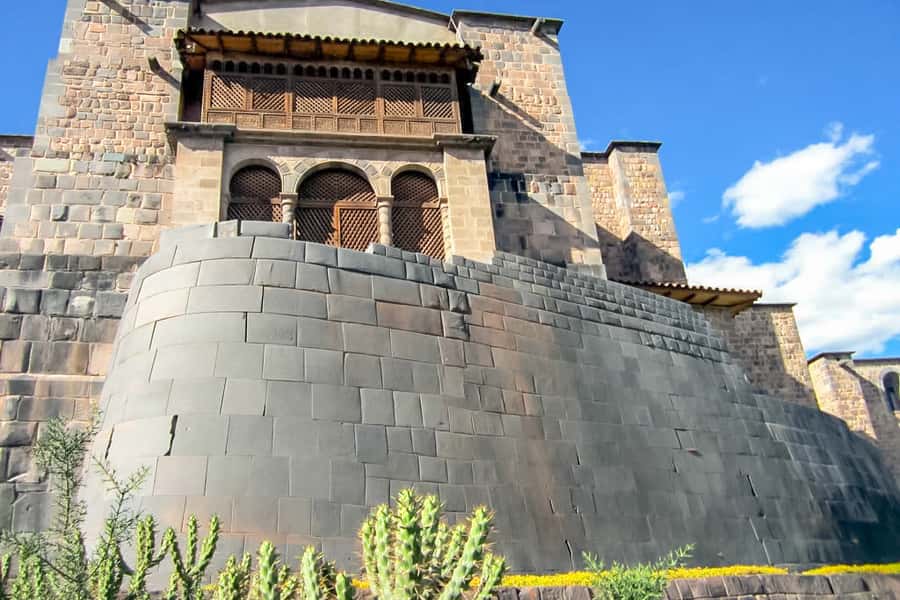
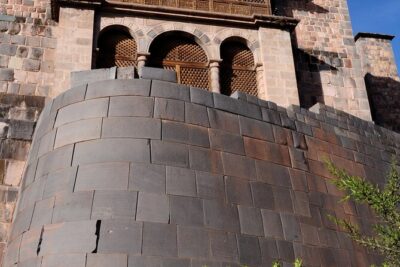
- Coricancha Sun Temple: the ceremonial start that sets the mood
- Plaza de Armas and the cathedral interior built on Inca foundations
- Sacsayhuaman: walking near walls that feel impossible
- Qenqo (zigzag): carved stone, underground passages, and ritual clues
- Tambomachay: the Inca baths
- Puka Pukara: a military lookout point
- Guides make or break it: the Peto factor and the language question
- The shop stop issue: plan your expectations
- Who this tour fits best
- Practical tips to make the day smoother
- Should you book this Cusco City and Nearby Ruins tour?
Key highlights you’ll care about
- Coricancha Sun Temple: a high-impact ceremonial site that sets the tone fast
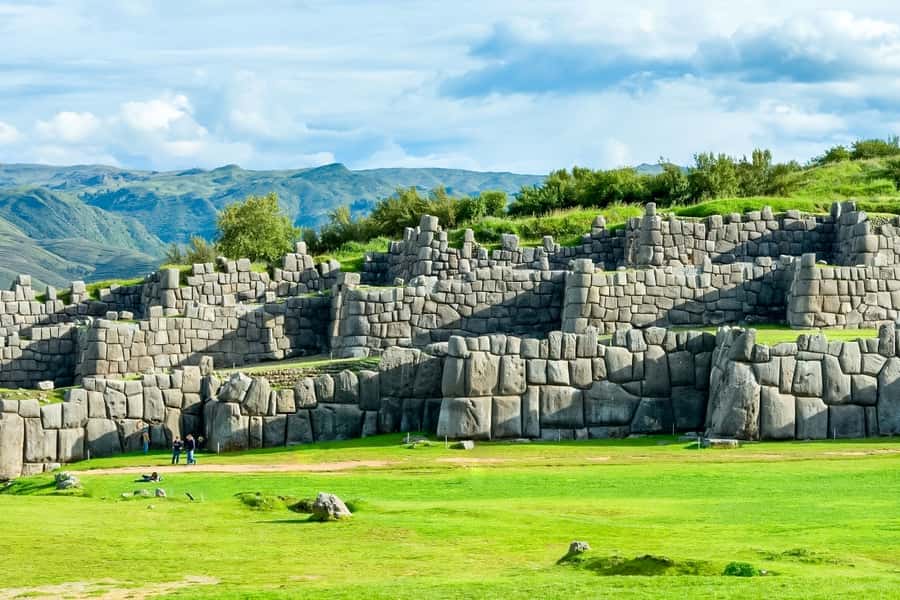
- Sacsayhuaman walls: enormous stones fitted with extraordinary precision
- Qenqo (zigzag): carved stone interior and hidden underground passages
- Cathedral at Plaza de Armas: explained as built atop earlier Inca structures
- Tambomachay + Puka Pukara: baths and a military lookout with quick payoff
- Small-group flow: early afternoon start, with a mix of walking and a vehicle
A last few Cusco tours and experiences to fold into the trip
- Cusco: Half-Day City Tour with Sacsayhuaman and Q’enco★ 4.6 · 1,129 reviews
- City Tour Cusco Qoricancha Sacsayhuaman y Tambomachay★ 4.7 · 617 reviews
- Cusco: Sightseeing Tour of the City on an Open-Top Bus★ 4.0 · 481 reviews
- Open Bus Cusco City Tour★ 4.5 · 219 reviews
A Cusco ruins tour that stays focused (and fairly efficient)
This tour is built for people who want big Cusco names in one afternoon: Coricancha, Plaza de Armas with the cathedral interior, then the northern Inca sites around Sacsayhuaman, Qenqo, Tambomachay, and Puka Pukara. For $22, the value is in the fact that transportation and a professional guide are included, so you’re not cobbling together multiple taxis and self-guided logistics.
You’ll typically start in the early afternoon with pickup from downtown Cusco. The itinerary keeps a simple rhythm: a couple of stops you can walk through, then a drive out to the northern ruins where the scale really starts to hit you. You should plan for a finish back in central Cusco after about five hours.
The main thing I like about this kind of format is that it helps you connect the dots. Cusco’s Inca layers aren’t just “ruins over there.” They sit under, beside, and around places you can visit in town, and the guide’s explanations help you notice that relationship without turning it into homework.
Price and what $22 buys you in real life
At $22 per person for a 5-hour guided outing with transportation included, this is priced like a budget-friendly way to cover multiple major sites. Entrance fees are not included, so you’ll want to budget a bit extra on top of the tour price. That matters because the final cost is really: tour fee plus whatever you’re asked to pay at each stop.
Here’s the practical angle: paying for a guide can still be excellent value in Cusco, because the sites are famous but not always intuitive on your first visit. A good guide helps you read the stones, the layouts, and the transformation of sacred spaces after the Spanish arrived—especially around the cathedral area.
Also, this tour is labeled small-group, and that’s a big deal. It usually means fewer people blocking your view at the walls and fewer delays at the stops. It’s not private-only, but you’re not herded like a full coach either.
Stop by stop: what you actually see and what to look for
Coricancha Sun Temple: the ceremonial start that sets the mood
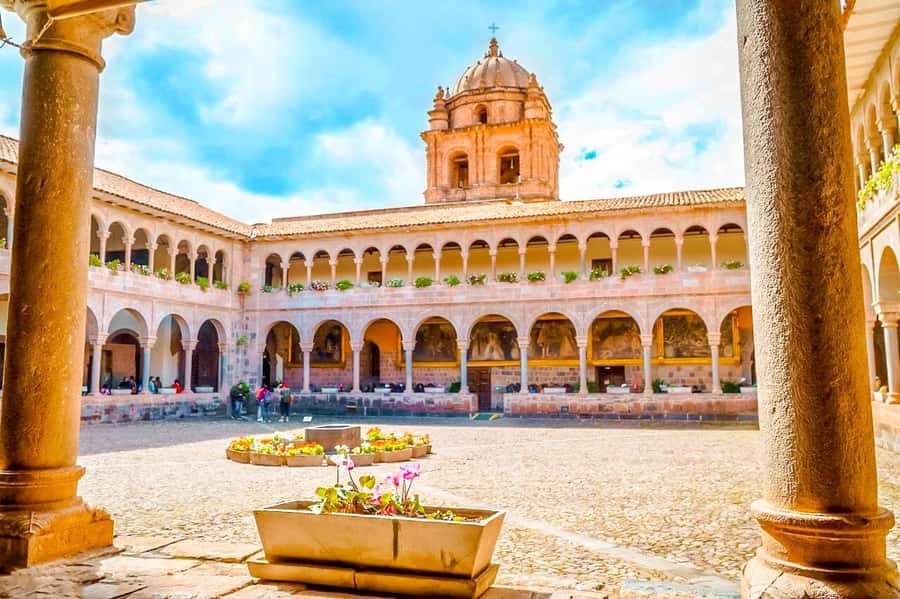
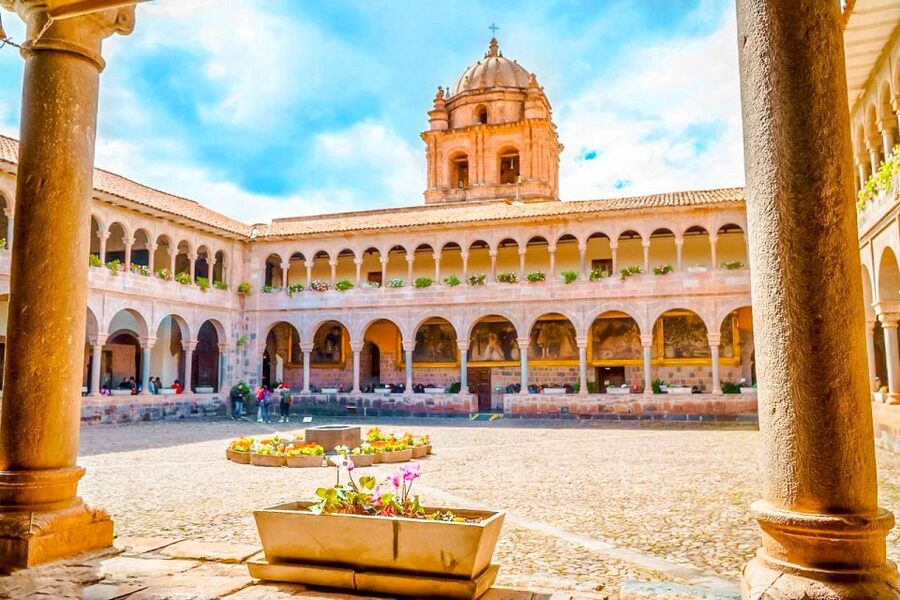
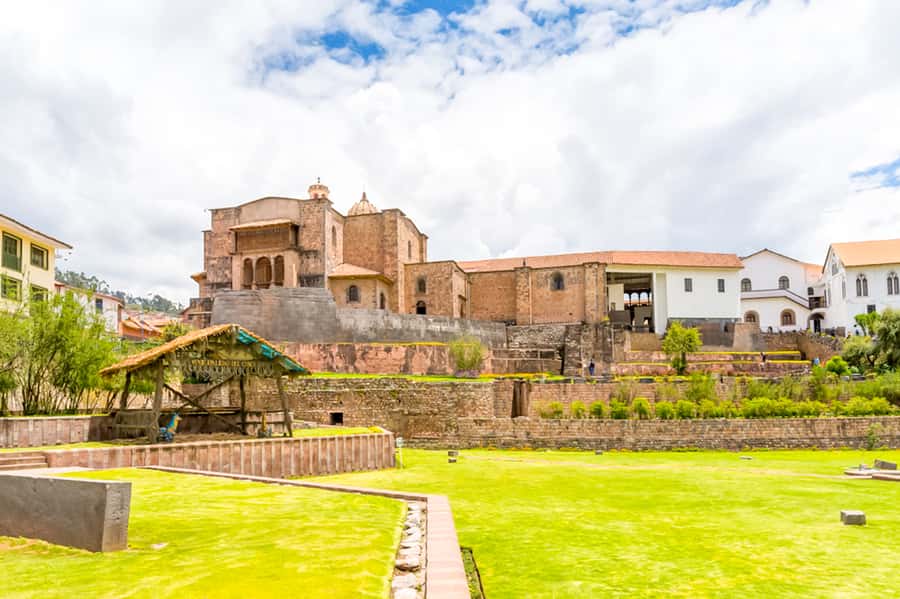
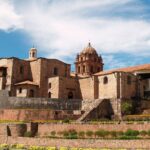
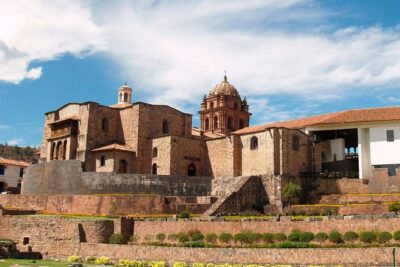
Most afternoons in Cusco end up becoming a mix of streets and viewpoints. This one starts with a true ritual space: the Coricancha Sun Temple. Coricancha is remembered as a ceremonial construction from the height of the Incas, and that matters because it makes you see Cusco not as a random hill city, but as a planned spiritual capital.
What I recommend you do here is slow down and look for the logic of the space. Even if you only catch parts of the structure, the vibe is different from open ruins because it feels designed for ceremonies, not just sightseeing. If your guide points out how the Incas used key spaces for spiritual practice, you’ll feel that immediately—like you’re stepping into a place with rules.
Plaza de Armas and the cathedral interior built on Inca foundations
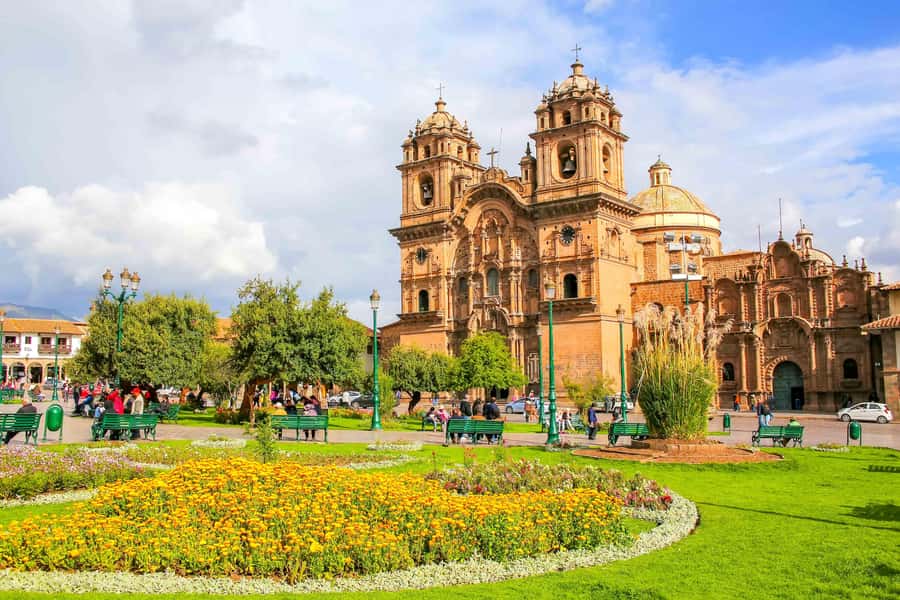
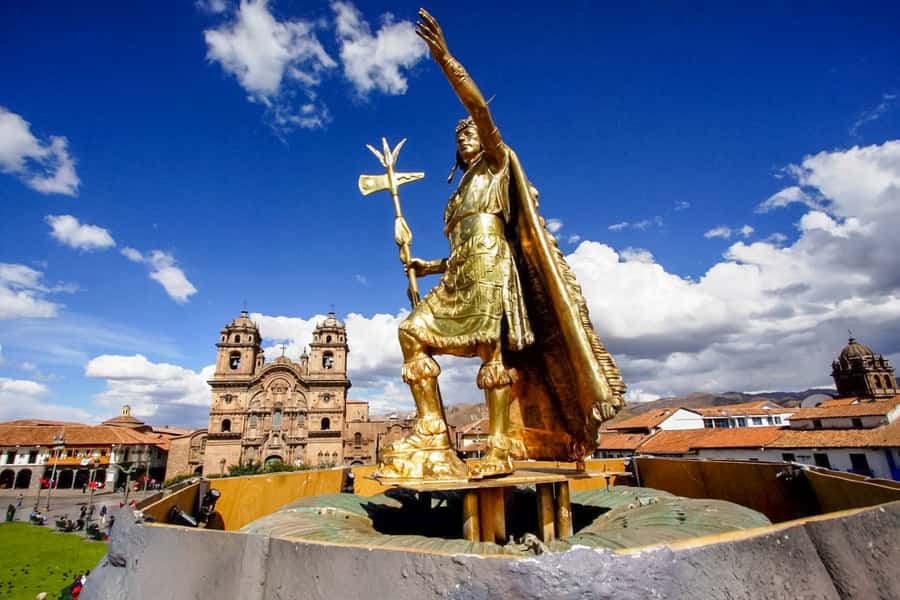
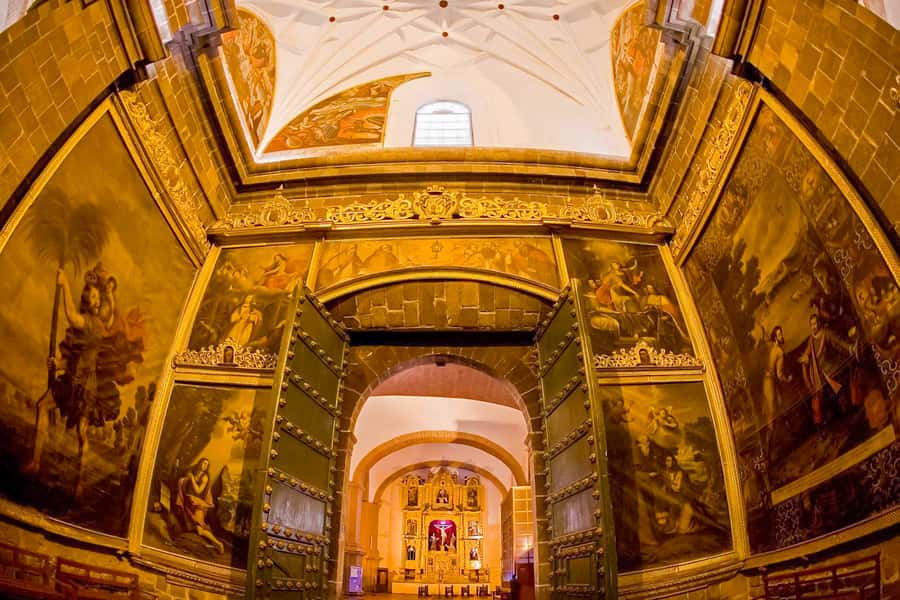
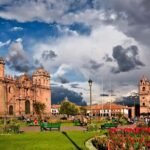
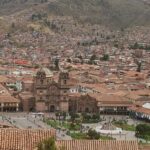
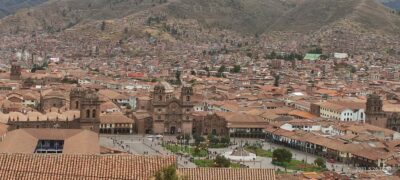
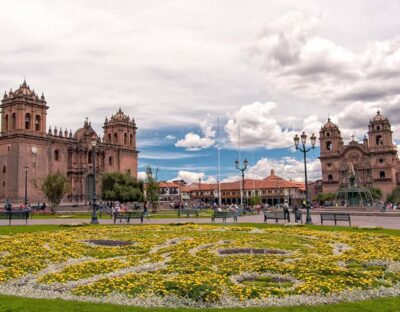
After Coricancha, you head back to the center of town: the Plaza de Armas, Cusco’s main square. Then the tour focuses on the cathedral’s interior and explains how it was built on top of Inca buildings.
This is one of those Cusco moments that you can’t really understand by walking past it. The guide’s explanation is what turns it into a story you can feel: one civilization layering over another, using the old city’s gravity and bones. If you’re the kind of traveler who likes to see how architecture reflects power shifts, this stop will land well.
One note from the tour information: the cathedral visit is not included on the morning tour. Since this experience runs early afternoon, you should expect cathedral interiors to be part of your timing, but do keep an eye on what time your pickup gets you.
Sacsayhuaman: walking near walls that feel impossible
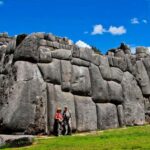
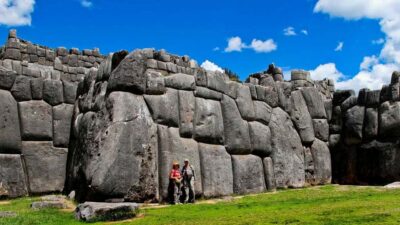
Next comes the big one: the spectacular Inca complex at Sacsayhuaman. You drive to Cusco’s northern outskirts, then pass through openings in the huge Inca walls made of massive rocks—rocks that can be up to 180 tons and are fitted with extreme precision.
This is where I think a guide earns their fee. Without explanation, you might admire the size and move on. With the right framing, you start noticing the engineering decisions: how the stones lock, how the wall holds shape, and how the fortification relates to controlling the surrounding area.
Also, if you’re sensitive to crowds, this stop is best early in the afternoon rhythm. You’re not arriving as part of the first wave every day, and that can make it easier to take your time and get a clean look at the stones.
Qenqo (zigzag): carved stone, underground passages, and ritual clues
Then you hit Qenqo, sometimes described as zigzag. This is an unusual place compared to the classic “big wall” ruins. The stone interior is carved with hidden subterranean passages.
What to do here: don’t treat Qenqo like a quick photo stop. Stand in a couple of spots and let the geometry register. The idea that the Incas likely used these spaces for mummification is part of what makes Qenqo feel eerie in a good way, even if you don’t have every detail in your head. The physical design supports the story—concealment, access, and controlled movement.
If you like sites where the atmosphere does some of the work, you’ll enjoy Qenqo.
Tambomachay: the Inca baths
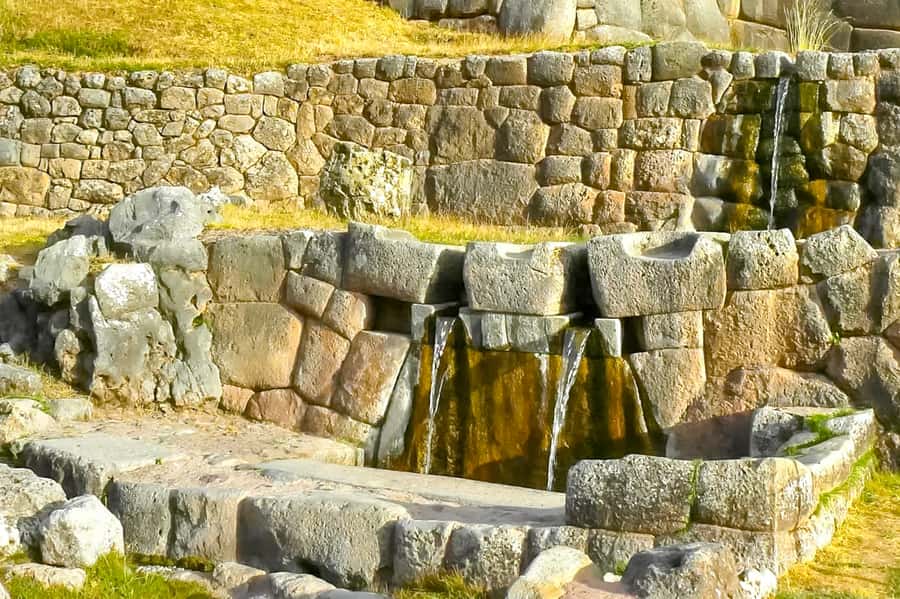
After Qenqo, the tour moves to Tambomachay, described as the Inca baths. This stop tends to be appreciated for its function—water, stone, and a site layout that fits daily or ritual life rather than just defense.
You might find this one a bit calmer compared to Sacsayhuaman. That’s a good thing. It breaks up the day so you don’t feel like you’re only doing fortress and ceremonial wow moments. A good guide will point out details tied to how water and stone interact, which helps you appreciate it beyond the basics.
Puka Pukara: a military lookout point
Finally, you visit Puka Pukara, a military lookout point. The payoff here is the viewpoint logic: the Inca chose locations that helped them watch and respond.
If you’ve been thinking about Sacsayhuaman as a defensive complex, Puka Pukara feels like part of the same mindset. It’s not just a random ruin; it’s connected to controlling visibility and movement.
Then you’re driven back to downtown Cusco, finishing after about five hours.
Guides make or break it: the Peto factor and the language question
One of the strongest signals from the reviews is about the guide quality. A standout example is a guide named Peto, described as giving clear, detailed explanations and showing obvious love for Cusco and Inca culture. That kind of guide presence changes how you experience stonework: you start understanding why it was made, not just that it was made.
There’s also a practical warning worth taking seriously. The tour info says the live guide offers Spanish and English. One negative review claims the tour was only in Spanish and that it didn’t match expectations. Translation issues can happen when group members are mostly Spanish-speaking, so if you need English narration, confirm the language plan when you book and be ready to ask the guide for clarification on key points.
The shop stop issue: plan your expectations
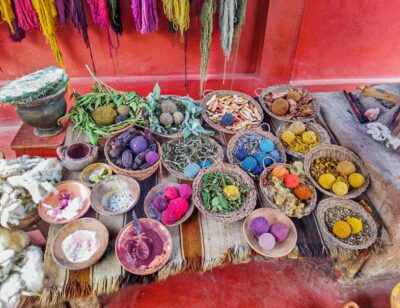
One theme in the feedback is time loss due to a shop stop. Some reviews describe a textiles or baby alpaca sales location where the group spent around 45 minutes, creating a sales-atmosphere rather than a pure cultural stop. Another review notes that the schedule felt tight, and late stops happened in dim light or darkness because time got swallowed earlier.
So here’s the balanced guidance: if you’re hoping for uninterrupted ruins time, keep your expectations realistic. This tour is designed as a route with multiple stops and includes transportation. If a shop stop is part of the day for your group, it may reduce time at later ruins.
You can protect yourself by setting a mindset of flexible timing and deciding ahead of time how you’ll handle shopping. If you want to shop, great. If you do not, treat it as a quick pause, not an extension of your sightseeing.
Who this tour fits best
I’d point this tour at you if:
- You have limited time in Cusco and want major Inca sites in one afternoon.
- You like guided explanations that connect the dots between sacred Inca spaces and later colonial layers.
- You prefer small groups with a mix of walking and vehicle transport, rather than totally self-guided rushing.
I might steer you elsewhere if:
- You strongly dislike any shop stop and would rather avoid even small stretches of sales pressure.
- You’re very language-sensitive and need consistent English narration with no compromise.
- You hate any schedule tightness and want extra time sitting with one site rather than moving to the next.
Practical tips to make the day smoother
A few things that can make this tour feel better on the ground:
- Bring patience for uneven timing. With multiple major sites, the day can run tight if earlier stops run long.
- Expect entrance fees to come up at the sites, since they’re not included in the tour price.
- Wear shoes that handle walking on uneven surfaces. Even the “easy” walking bits in Cusco can be more demanding than you expect.
If you’re the kind of traveler who likes to learn actively, ask your guide a question about each stop’s purpose—ceremony at Coricancha, sacred layering at Plaza de Armas and the cathedral, engineering and defense at Sacsayhuaman, ritual concealment at Qenqo, water function at Tambomachay, and observation at Puka Pukara.
Should you book this Cusco City and Nearby Ruins tour?
Yes—with eyes open. If you want a guided afternoon that covers Coricancha, Sacsayhuaman, Qenqo, Tambomachay, and Puka Pukara without planning each leg yourself, this is a strong way to get value for $22, especially since transportation and a professional guide are included. The guide quality can be excellent, and when the English narration lands, it turns famous ruins into a story you’ll remember.
But don’t ignore the trade-offs. Entrance fees are extra, and there’s a real chance of a shop stop eating into the timing. If you’re sensitive to sales pressure or you need guaranteed English, confirm language details before you go and mentally budget for a slightly tight schedule.
If you do book it, approach it like an efficient sampler of the Cusco area’s most important Inca spaces—then, if something grabs you most (for many people it’s Qenqo or Sacsayhuaman), you’ll know exactly which site is worth revisiting on your own.
More City Tours in Cusco
More Tour Reviews in Cusco
Recent write-ups from around Cusco, just off the trail
- Cuzco: Rainbow Mountain Excursion
★ 5.0 · 3 reviews - 1 day excursion to Qeswachaka bridge and the 4 lagoons
★ 3.6 · 3 reviews - Waqrapukara 1 day trekking + meals
★ 3.9 · 3 reviews - Valle Sur Cusco | half day
★ 4.3 · 3 reviews - Full-Day Condor Viewpoint & Inca Sites Tour
★ 5.0 · 3 reviews
City Tours, compared.
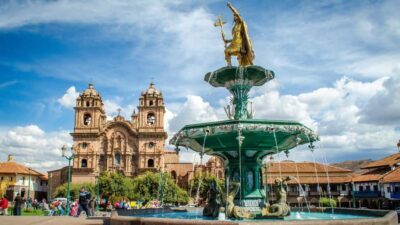 ★ 4.6Half-Day City Tour with Sacsayhuaman and Q’encoFrom $131,129 reviews
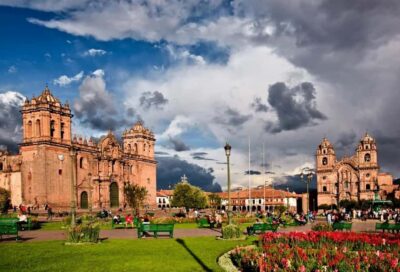 ★ 4.7City Tour Cusco Qoricancha Sacsayhuaman y TambomachayFrom $13617 reviews
 ★ 4.0Sightseeing Tour of the City on an Open-Top BusFrom $12481 reviews
 ★ 4.5Open Bus Cusco City TourFrom $14219 reviews
 ★ 4.6City Tour | Half-Day Tour to 4 Archaeological SitesFrom $29206 reviews
 ★ 5.0City Tour in Cusco & visit Museum South American Camelid Private.From $49147 reviews
 ★ 4.5Cusco City Sightseeing, San Pedro Market, Cathedral and Qorikancha TempleFrom $59139 reviews
 ★ 4.2Half-Day City TourFrom $17129 reviews
Browse the lists this tour appears in