
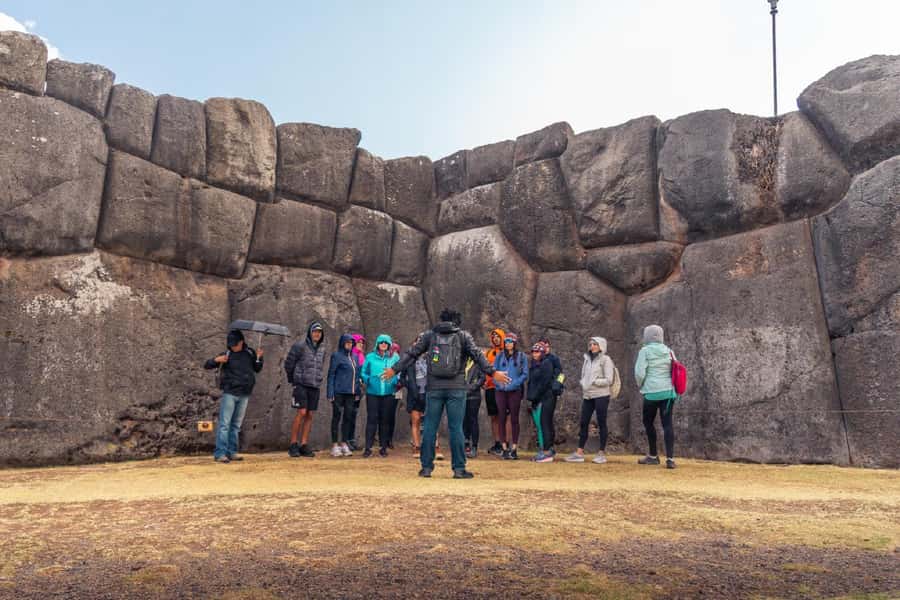
REVIEW · CUSCO CITY & SACSAYHUAMAN
Cusco : City Tour of 4 Ruins and Sun Temple
Cusco’s stone still tells stories.
This Cusco city tour of 4 ruins and the Sun Temple is a smart way to see major Inca sites without fighting taxi lines or confusing directions. You get a guided run through Coricancha (Sun Temple), Saqsayhuamán (the fortress above town), Qenqo (carved ceremonial spaces), Tambomachay (water channels), and Puca Pucara (military stronghold). It’s also one of those routes where Inca and Spanish-era building styles are right next to each other, so you can read the city’s layers as you go.
What I like most is the pairing of big panoramic viewpoints with hands-on-style site explanations. Coricancha in particular stands out because it mixes Inca craftsmanship with later colonial structures, and it’s an easy first stop if you’re adjusting to the Cusco rhythm.
One drawback to plan around: the tour pace can vary, and some departures may spend extra time on shopping stops. That can cut into the time you’d expect at certain ruins, and English narration may be shorter than the Spanish.
In This Review
- Quick hit checklist: what makes this tour worth your time
- Coricancha and the Temple of the Sun: where Inca meets colonial Cusco
- Saqsayhuamán fortress above Cusco: big stone, bigger views
- Qenqo’s carved rock mazes: a ceremonial site you can almost walk into
- Tambomachay’s water sources and ritual purification channels
- Puca Pucara: the military fortress with panoramic control
- Price and tickets: what $16 covers, and what you still need to pay
- Guides, languages, and the shopping-time factor
- How the 5-hour schedule actually feels on your feet
- What to pack (and what to skip) for Cusco ruin hopping
- Best for who: get more out of it if your travel style matches
- Should you book this Cusco city tour of 4 ruins and Sun Temple?
- FAQ
- What’s the duration of the tour?
- How much does it cost?
- What’s included in the price?
- What entrance fees are not included?
- Can I buy tickets on the day?
- What stops are included in the tour?
- What time should I expect to be picked up?
- What language will the guide speak?
- What should I bring?
- Is the tour suitable for altitude sickness?
- (Optional) Quick note on weather
Quick hit checklist: what makes this tour worth your time
- Coricancha’s Inca + Spanish mix gives you a clear “how Cusco changed” story fast
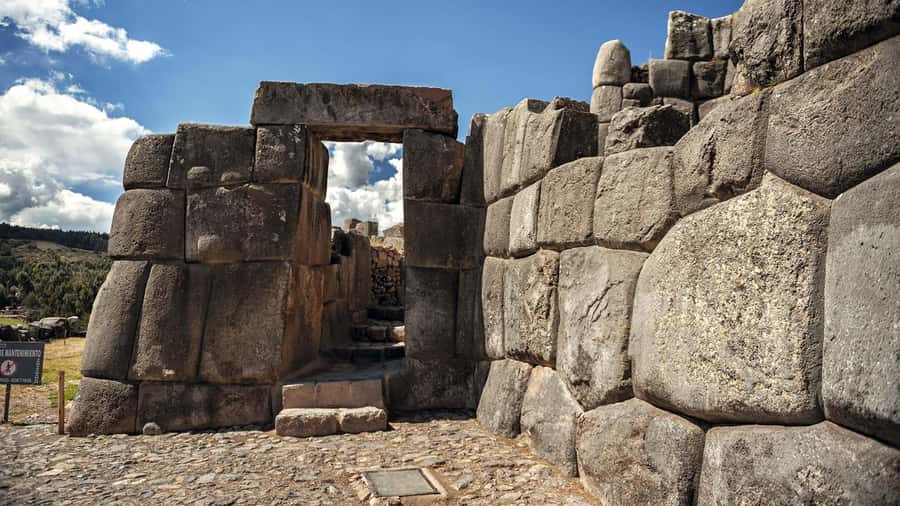
- Saqsayhuamán fortress views help you understand where Cusco’s power sat
- Qenqo’s carved rock forms and water features make the ceremonial function feel physical
- Tambomachay’s stone channels show how water was tied to purification and ritual
- Puca Pucara’s military role comes through in the way it controls the surrounding area
More Cusco city and Sacsayhuaman walks
- City Tour Cusco Qoricancha Sacsayhuaman y Tambomachay★ 4.7 · 617 reviews
- Cusco: Sightseeing Tour of the City on an Open-Top Bus★ 4.0 · 481 reviews
- Open Bus Cusco City Tour★ 4.5 · 219 reviews
- Cusco: City Tour | Half-Day Tour to 4 Archaeological Sites★ 4.6 · 206 reviews
Coricancha and the Temple of the Sun: where Inca meets colonial Cusco
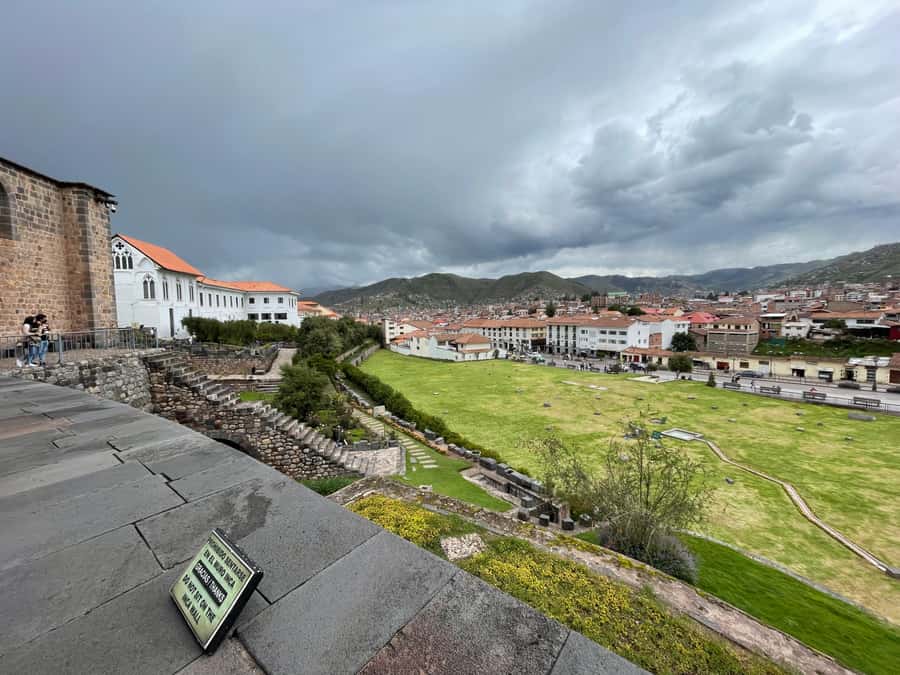
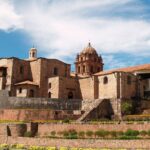
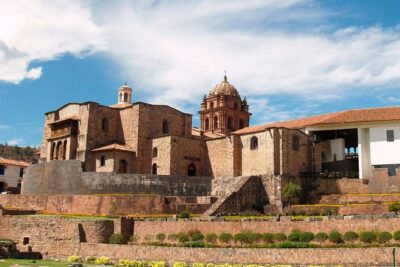
Coricancha is your kickoff, and it’s a great choice to start with because it gives you context for everything else you’ll see. You’ll spend about 40 minutes with a guided look and photo stops, and it’s specifically known for the way Inca and Spanish colonial architecture overlap.
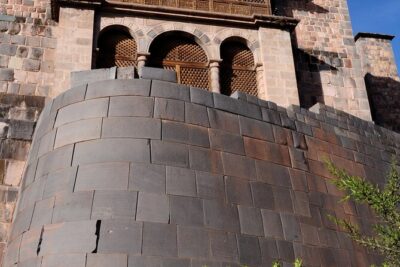
Here’s why it matters: Coricancha wasn’t just an impressive building. It was part of a whole system of power and belief tied to the Sun God. When you see the Inca stonework alongside later colonial additions, you’re basically looking at conquest and continuity at the same time—what changed, what got reused, and what stayed stubbornly impressive.
What you should do: take 5 minutes early to slow down and look at details before moving on. If you rush this one, it’s easier to miss the architectural “conversation” between the two eras.
Tip for your comfort: wear shoes you trust. You’ll be walking more than it looks like on a map, and Coricancha is one of the stops where you don’t want sore feet cutting your visit short.
Saqsayhuamán fortress above Cusco: big stone, bigger views
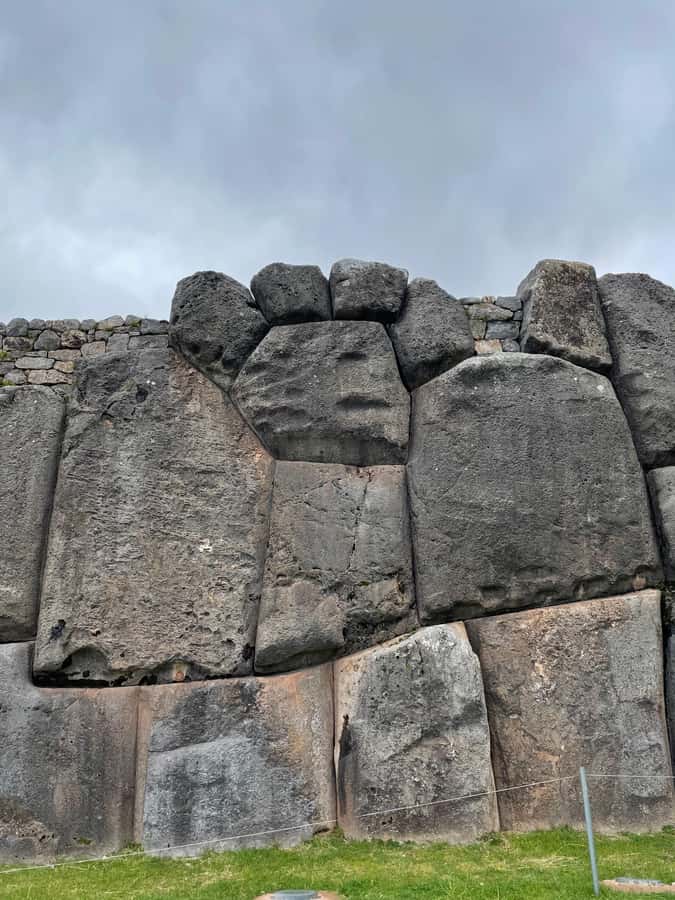
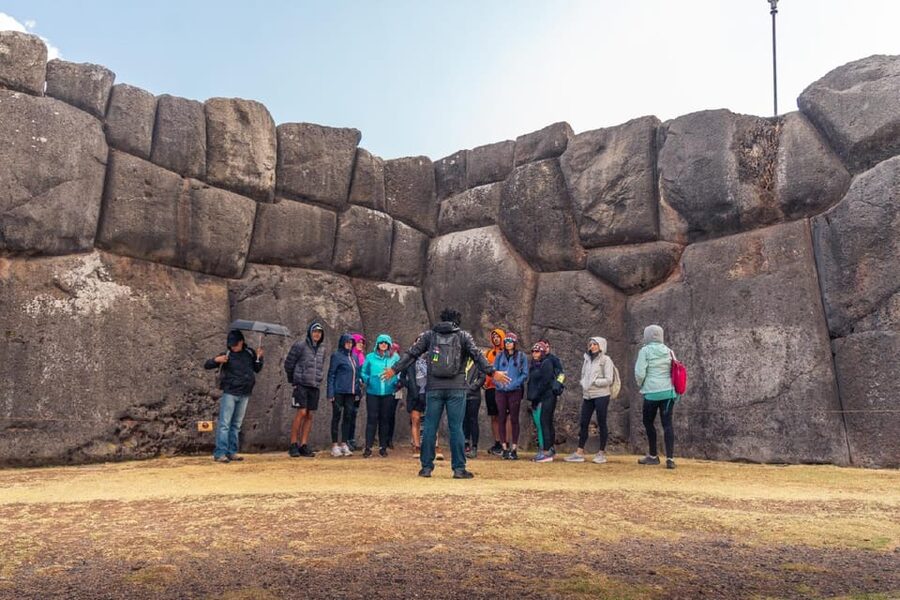
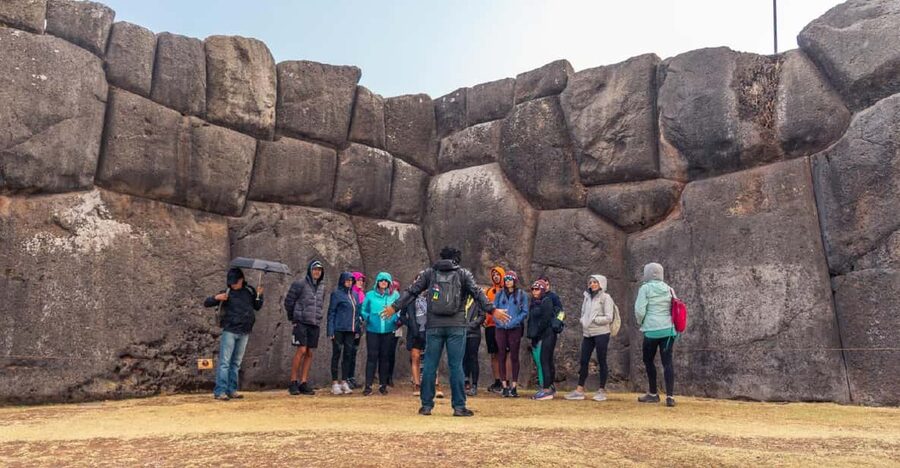
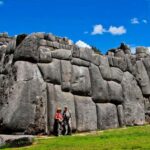
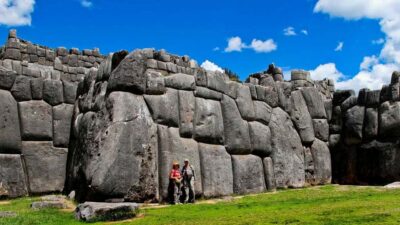
Saqsayhuamán is the dramatic one. You’ll head there next with a short van transfer, then get a guided visit plus some free time and photo stops. It’s built for scale: massive carved stone blocks, Inca military design, and those panoramic views over Cusco.
This is where you start to grasp the strategic thinking behind Inca engineering. The site isn’t only about being old. It’s about being placed to command a landscape—high ground with strong defensive geometry. Even if you’re not a total archaeology nerd, the sheer size of the stonework forces your brain to stop and pay attention.
One consideration: timing can be inconsistent. Some departures have run shorter than expected at Saqsayhuamán, so if views matter to you (and they do), go into the stop with a flexible mindset and be ready to prioritize. If you only have time for the main viewpoints, hit them early after your guide points you toward the best angles.
If you’re with a guide who’s lively, this is the kind of site where good explanations really help—especially on how fortress design connects to control of routes in and around Cusco.
Qenqo’s carved rock mazes: a ceremonial site you can almost walk into
Qenqo is where the tour gets more “mysterious,” in the best way. You’ll typically have around 20 minutes with a guided look and sightseeing, plus a photo stop.
This site is famed for carved rock structures that feel like a puzzle—rock mazes and ceremonial spaces, plus water channels that link the layout to ritual use. You’re looking at geometry with a purpose, not just stones arranged for decoration.
Why it connects emotionally: Qenqo isn’t built like a simple temple where you stand in one place and admire. The forms suggest movement and intention. When the guide points out the meaning of the carved features and the role of water, the whole place feels more like a working ceremonial environment than a leftover ruin.
Practical tip: bring your camera, but also take moments with your eyes open first. Qenqo rewards slow looking, especially if you’re trying to visualize how people once used the space.
Tambomachay’s water sources and ritual purification channels
Tambomachay is the “watch the water” stop. You’ll spend about an hour here overall, including a guided tour, photo opportunities, and some free time.
What makes Tambomachay memorable is the water system: water flows through stone channels as part of the site’s function tied to Inca ritual baths and purification. It’s not just scenery. The channels are the point.
Here’s the value for you: when you’ve seen a fortress and a ceremonial maze, this is a different angle on Inca life—more about ritual, health, and purification than defense or astronomy alone. It helps the trip feel balanced instead of only “big rocks, big views.”
What to expect on the ground: you’ll have some walking. It’s not described as a hardcore hike, but comfortable shoes matter because you’ll likely move across uneven areas. If it’s rainy season, you might want a poncho so you can keep going without soaking through everything.
A last few Cusco tours and experiences to fold into the trip
Puca Pucara: the military fortress with panoramic control
Puca Pucara is your last major stop, and it closes the loop on the Inca theme of power and control. You’ll visit a military fortress known for panoramic views and strategic placement.
This is one of the sites where you can stand, look around, and start thinking like an Inca planner. A fortress like this isn’t random. It controls sightlines and helps manage movement across the landscape. When the guide explains the role of the site as a control point, the views stop being just pretty scenery.
Time can matter here too. If the tour pace got squeezed earlier, Puca Pucara may feel rushed. So if you care about the panorama, prioritize your photos and viewpoint early during the visit.
Price and tickets: what $16 covers, and what you still need to pay
The listed price is $16 per person for about 5 hours, and you’re paying for more than just a driver. You get hotel pickup near Cusco’s historic center, tourist transportation, a professional bilingual guide (English and Spanish), and permanent assistance.
The big catch: admissions aren’t fully included. You’ll need to plan for:
- Coricancha entry: 15.00 soles (not included)
- A Partial Tourist Ticket: 70 soles (not included)
Also, you can purchase your ticket at the entrance of any archaeological site, and payments are made in soles.
So is this good value? Usually, yes—because you’re paying for a guided route that strings multiple key sites together. You’re not doing all the research and route-planning yourself, and that’s worth money in Cusco, especially when you want reliable timing.
But do yourself a favor: bring cash in soles and don’t count on everything being included. Budget for the site entry costs so the day stays smooth.
Guides, languages, and the shopping-time factor
This tour lives or dies on pacing and explanation quality. When it’s working well, the guide can make the story click—like how Inca ceremonial sites connect to water and purification, or how fortress design relates to control.
One guide name that shows up is Yako, and he’s described as caring and informative. If you’re lucky enough to get a guide like that, you’ll likely get more out of the time you spend at each stop.
Now for the real-world consideration: language and shopping stops can affect your experience. On some departures, interpretation may shift—Spanish explanation first, then shorter English. There can also be extra time devoted to commercial stops such as alpaca clothing shops, and even selling things like books or snacks in the bus environment.
Here’s how you can protect your experience:
- Decide what you care about most before you go (Ruins first, shopping last).
- If you see long stops that weren’t part of what you expected, stay polite but remember your priorities.
- Bring patience. The route includes multiple sites, so time can get squeezed.
That doesn’t mean the tour is automatically bad. It just means you should go in with your eyes open and your expectations realistic.
How the 5-hour schedule actually feels on your feet
On paper, this tour is about 5 hours, with pickup near Cusco’s historic center and a sequence of van transfers plus walking at each site. There are also two departure windows (a morning start around 9:00 a.m. and a second meeting later in the day). Either way, the goal is the same: four ruins plus Coricancha, finished by returning to a central drop-off area.
What you’ll feel during the day:
- Multiple short walks, not one long hike
- Photo stops built in
- Free time at some sites (time you can use for photos, quick questions, or just breathing)
Because Cusco is high and you’re outdoors, I’d treat “short walking” as “still walking.” Comfortable shoes matter more than you think, especially if you’re also doing other activities later.
What to pack (and what to skip) for Cusco ruin hopping
The basics are your friend here. Bring:
- Passport or ID card
- Comfortable shoes
- Camera (and enough phone battery)
- Charged smartphone
- Breathable clothing with layers
- Long-sleeved shirt and long pants
- Biodegradable sunscreen
- Cash (in soles)
If you’re visiting in rainy conditions, you might want waterproof clothing or a poncho for the plaza and site time.
Skip:
- Baby strollers / baby carriages
- Explosive substances
Also note who this tour isn’t for: it’s listed as not suitable for people with altitude sickness, kids under 3, and babies under 1. It’s also not suitable for people over 95.
If you’re altitude-sensitive, I’d think hard before committing—this itinerary includes several outdoor stops where resting isn’t always built into the schedule.
Best for who: get more out of it if your travel style matches
This tour is a solid match if you want:
- A guided overview of key Inca-era sites around Cusco
- Convenient transport and pickup close to the historic center
- A quick understanding of how Inca ceremonial life, military design, and water rituals connect
It’s less ideal if:
- You hate shopping interruptions
- You need slow, detailed archaeology time at each stop
- You’re very language-sensitive and need consistently long English explanations
If you’re traveling with limited time and want to see the big names efficiently, this hits the mark. If you want “one site at a time, no rush,” you may get frustrated when the schedule compresses.
Should you book this Cusco city tour of 4 ruins and Sun Temple?
Book it if you want a time-efficient day that mixes fortress views, ceremonial stonework, and water-channel ritual design, all with transport and a bilingual guide. I also like that the route includes the Sun Temple area first, so the rest of the Inca sites feel connected rather than random stops.
I’d pause before booking if shopping stops, language inconsistency, or strict pacing matter a lot to you. In those cases, you might prefer a more tailored guide setup or a smaller-group option.
My practical advice: go in prepared—cash in soles, good shoes, and clear priorities. If you do that, the day can be a strong Cusco hit without draining your energy.
FAQ
What’s the duration of the tour?
The duration is listed as 5 hours.
How much does it cost?
The price is $16 per person.
What’s included in the price?
Pickup near the historic center of Cusco, tourist transportation, a professional bilingual guide (English and Spanish), and permanent assistance are included.
What entrance fees are not included?
Admission to Coricancha (15.00 soles) is not included, and the Partial Tourist Ticket (70 soles) is also not included.
Can I buy tickets on the day?
Yes. You can purchase your ticket at the entrance of any archaeological site, and payments are in soles.
What stops are included in the tour?
The tour includes Coricancha (Temple of the Sun), Sacsayhuamán, Qenqo, Tambomachay, and Puca Pucara.
What time should I expect to be picked up?
Pickup is included, and you’ll be contacted in advance to coordinate. The tour has morning and later-day options.
What language will the guide speak?
The guide is listed as English and Spanish.
What should I bring?
Bring a passport or ID card, comfortable shoes, camera, breathable clothing/layers, long pants, sunscreen, cash, and a charged smartphone.
Is the tour suitable for altitude sickness?
No. It’s listed as not suitable for people with altitude sickness.
(Optional) Quick note on weather
If it’s rainy season, waterproof clothing or a poncho can help you keep moving comfortably.
More City Tours in Cusco
More Tour Reviews in Cusco

More of Cusco on Foot
Recent write-ups from around Cusco, just off the trail
- Cuzco: Rainbow Mountain Excursion
★ 5.0 · 3 reviews - 1 day excursion to Qeswachaka bridge and the 4 lagoons
★ 3.6 · 3 reviews - Waqrapukara 1 day trekking + meals
★ 3.9 · 3 reviews - Valle Sur Cusco | half day
★ 4.3 · 3 reviews - Full-Day Condor Viewpoint & Inca Sites Tour
★ 5.0 · 3 reviews
Cusco City & Sacsayhuaman, compared.
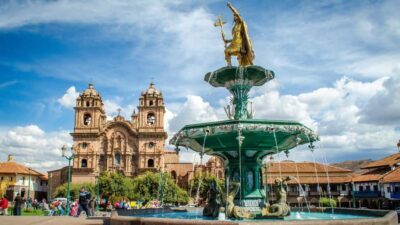 ★ 4.6Half-Day City Tour with Sacsayhuaman and Q’encoFrom $131,129 reviews
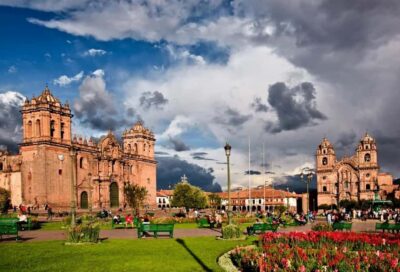 ★ 4.7City Tour Cusco Qoricancha Sacsayhuaman y TambomachayFrom $13617 reviews
 ★ 4.0Sightseeing Tour of the City on an Open-Top BusFrom $12481 reviews
 ★ 4.5Open Bus Cusco City TourFrom $14219 reviews
 ★ 4.6City Tour | Half-Day Tour to 4 Archaeological SitesFrom $29206 reviews
 ★ 5.0City Tour in Cusco & visit Museum South American Camelid Private.From $49147 reviews
 ★ 4.5Cusco City Sightseeing, San Pedro Market, Cathedral and Qorikancha TempleFrom $59139 reviews
 ★ 4.2Half-Day City TourFrom $17129 reviews
Browse the lists this tour appears in