
REVIEW · CUSCO CITY & SACSAYHUAMAN
Cusco: Half-Day Historic City Tour
Cusco’s ruins at golden hour are a great problem to have. This half-day historic city tour strings together Cusco’s most important sacred sites and Inca-era archaeology with easy coach travel. I like that it starts in the afternoon, so you can sleep in and still catch the best light on the outer ruins. I also like the mix: church art first, then real Inca stonework out of town.
The second thing I really like is the pacing for a 7-hour plan. You get a guided walk through big-ticket stops like the Cathedral of Cusco and Qoricancha, then you’re transported by air-conditioned coach between sites, instead of bouncing around in smaller vehicles. One potential drawback: some parts can feel a bit rushed, and there can be extra selling around the edges since the tour ends at a craft center and may include additional bus-side promotions.
If you want a slow, sit-down style tour with lots of free time at each ruin, this probably isn’t your best match. But if you’re trying to see a serious slice of Cusco without burning your whole day, it’s a practical way to do it.
In This Review
- Key things to know before you go
- A 1 PM Cusco start that fits real travel days
- Cathedral of Cusco: where Cusco’s sacred layers begin
- Tip for your visit
- Qoricancha Museum: the Sun Temple story in one setting
- What I think makes this stop work
- The out-of-town ruins: Sacsayhuaman, Qenqo, and Puca Pucara by coach
- Why the coach between stops matters
- A realistic expectation
- Tambomachay: fresh water and a different kind of sacred site
- The craft center finale: learning to spot traditional garments
- Small extra note
- Price and the real cost of seeing everything
- Group size, English, and how “small” feels on the ground
- What to bring for Cusco weather and uneven ruins
- Who should book this tour, and who should skip it
- Should you book? My straight answer
- FAQ
- What time does the tour start?
- Where does the tour end?
- What’s included in the price?
- Are entrance tickets included?
- How long is the tour?
- Is the tour in English?
- Is the tour held in bad weather?
- Is this tour suitable for wheelchair users or limited mobility?
- What should I bring?
- Are pets allowed?
Key things to know before you go
- Afternoon start (1:00 PM pickup) with a return close to Santa Catalina Street around 7:30 PM
- Coach comfort includes air-conditioned transport to the outlying archaeological areas
- Big sights, short stops: Cathedral, Qoricancha, and several ruins in one run
- Entrance fees add up: the cathedral, Qoricancha, and the tourist ticket are not included
- Craft-center finale focuses on identifying traditional garments and fibers
More Cusco city and Sacsayhuaman walks
- City Tour Cusco Qoricancha Sacsayhuaman y Tambomachay★ 4.7 · 617 reviews
- Cusco: Sightseeing Tour of the City on an Open-Top Bus★ 4.0 · 481 reviews
- Open Bus Cusco City Tour★ 4.5 · 219 reviews
- Cusco: City Tour | Half-Day Tour to 4 Archaeological Sites★ 4.6 · 206 reviews
A 1 PM Cusco start that fits real travel days
This tour is built for travelers who don’t want to lose an entire day. Pickup begins at 1:00 PM from your hotel in the city center, and the tour is timed to end around 7:30 PM. You’ll be walking some parts of the way, but the heavy “getting there” is handled by an air-conditioned coach.
Cusco altitude can make every outing feel longer than it should. That’s one reason I like this schedule. Starting in the afternoon means you’ve had time to eat, hydrate, and settle in. You also get daylight for the exterior ruins, which matters when you’re spotting details in stone.
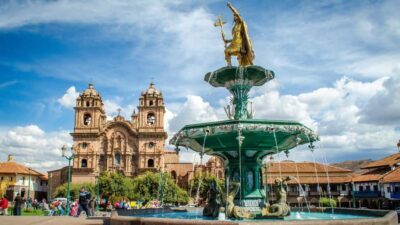
Pickup details are straightforward. If your hotel is outside the city center, pickup is arranged from the Inka Ahy statue in the main square. When you book, you’ll confirm your hotel name and address, and you should be waiting at reception at the designated time.
Cathedral of Cusco: where Cusco’s sacred layers begin
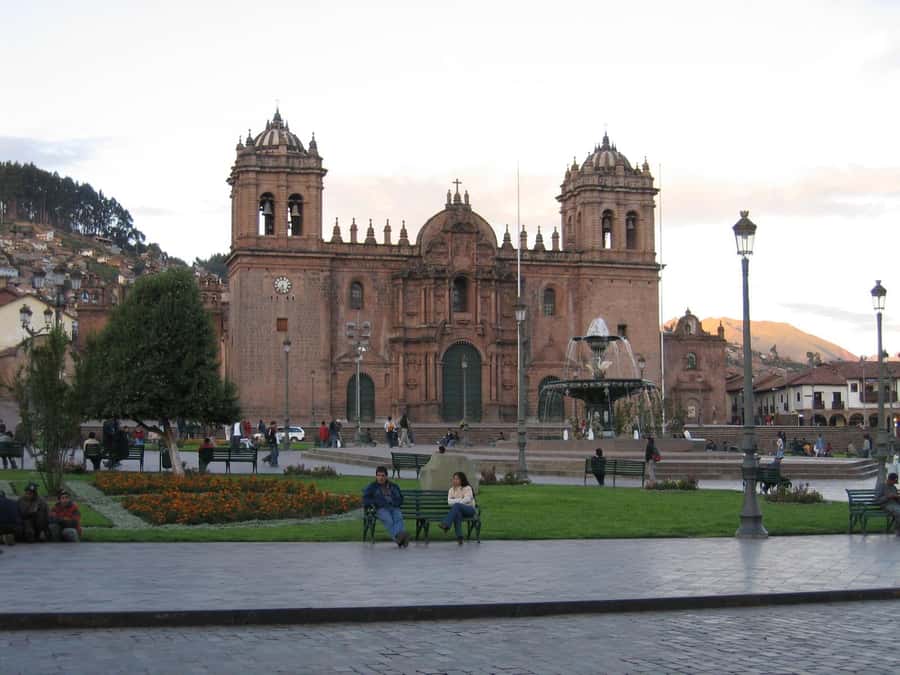
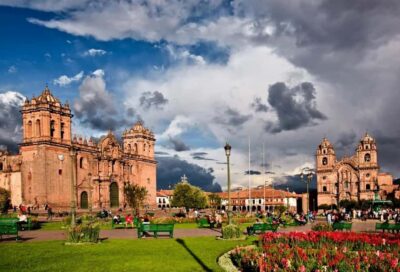
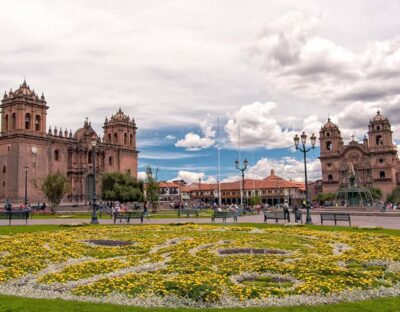
You start with Cusco’s Cathedral, a UNESCO World Heritage Site. Inside, you’ll see a lot more than one big highlight. The focus is on the collection of paintings, carvings, and sculptures, and the guide’s job is to help you connect what you’re seeing to the bigger story of Cusco.
This stop matters even if you’re not a church person. Cusco’s identity is a mix of Inca foundations and Spanish-era changes. Starting with the Cathedral gives you a baseline for understanding how the city’s sacred spaces evolved.
Practical note: cathedral entry is not included. You’ll need to plan for the ticket cost (listed as 25 soles) and pay in local currency.
Tip for your visit
Wear comfortable shoes and take your time early. If you rush the Cathedral, it’s easy to miss how many separate details are packed into the space.
Qoricancha Museum: the Sun Temple story in one setting
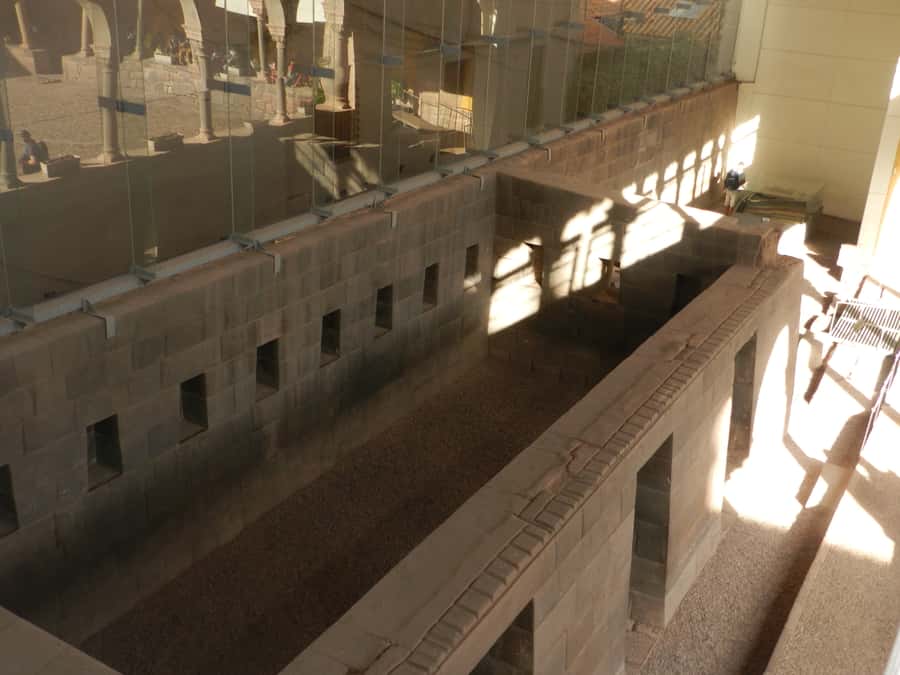
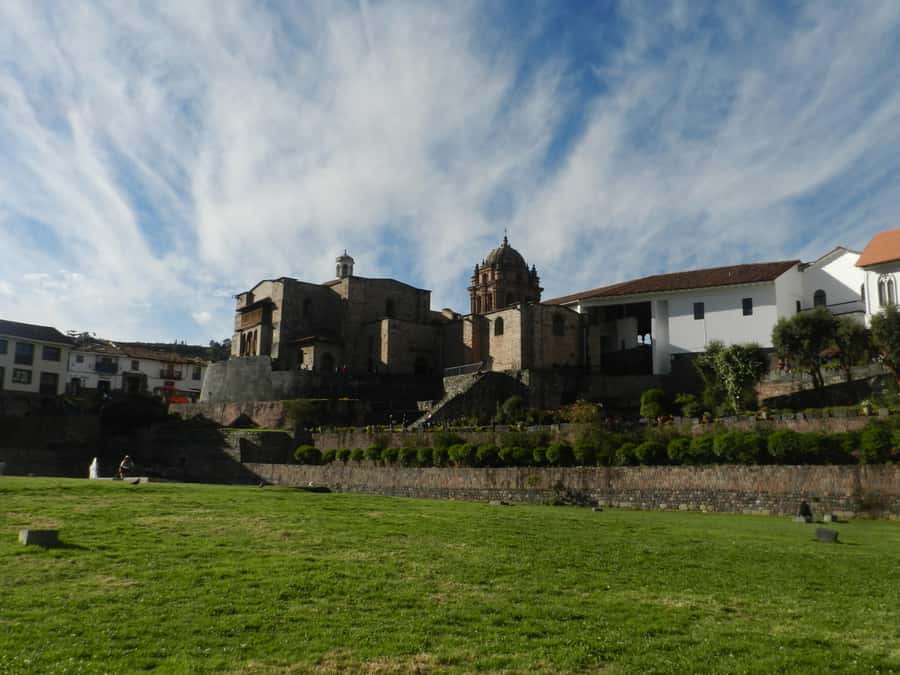
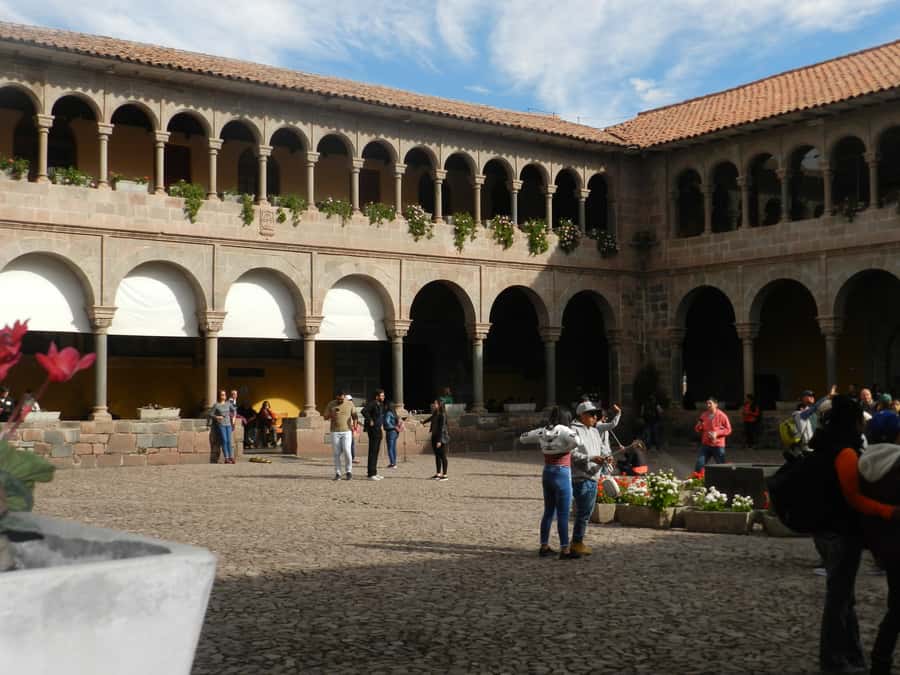
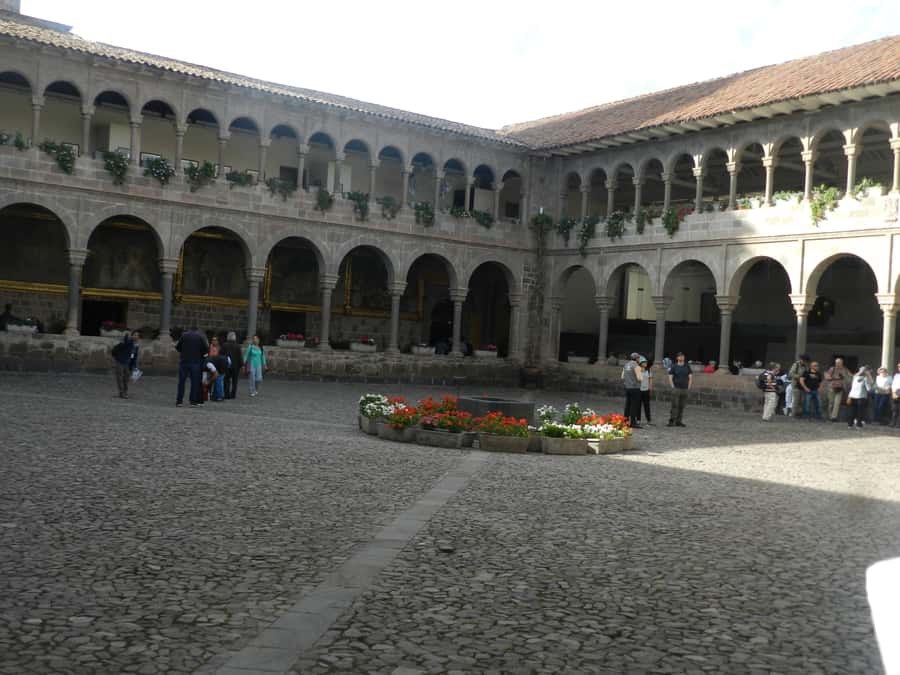
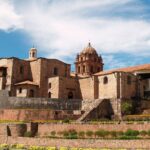
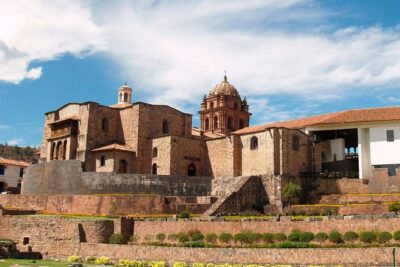
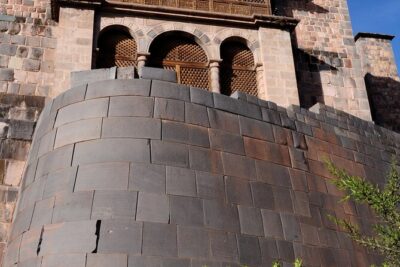
Next comes Qoricancha Museum, originally an Inca-era temple built to worship the Sun. If the Cathedral is your introduction to Cusco’s layered faith, Qoricancha is your bridge back to Inca worldview.
This is one of those places where the setting itself helps you understand the guide’s explanation. You’re not just reading about an idea; you’re looking at a site that was designed for ritual meaning.
Again, entry isn’t included. The Qoricancha ticket is listed as 15 soles, paid in local currency.
A last few Cusco tours and experiences to fold into the trip
What I think makes this stop work
The tour doesn’t treat Qoricancha as a quick photo break. The guide’s explanations are built into the visit, so you’re more likely to leave with a sense of what Sun worship meant here, not just a memory of walls.
The out-of-town ruins: Sacsayhuaman, Qenqo, and Puca Pucara by coach
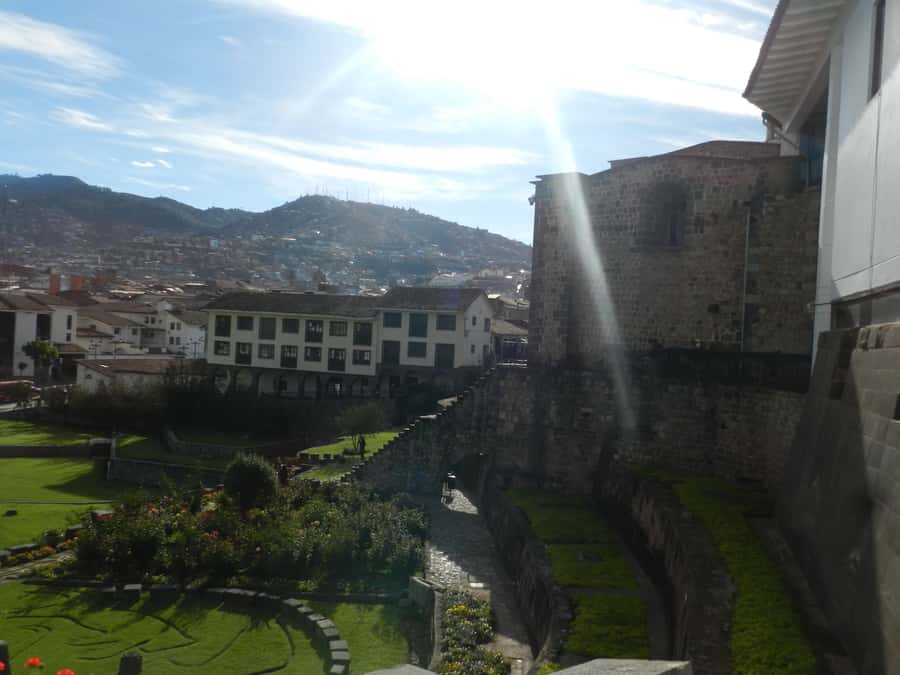
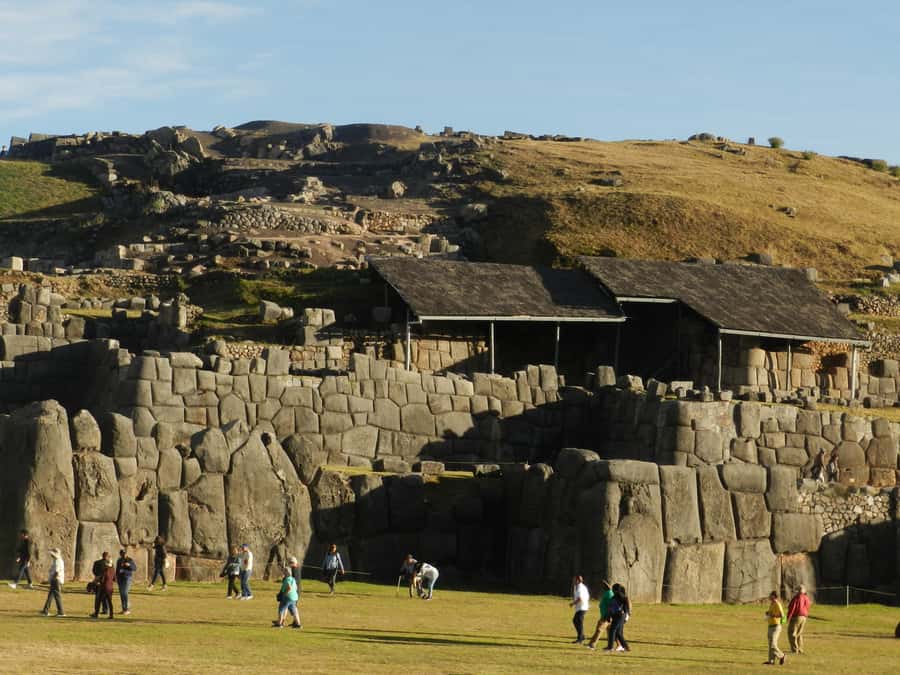
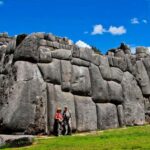
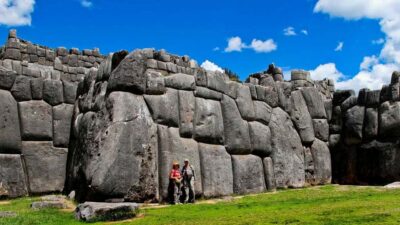
After the museum stops, you’ll ride about 2 km from the city center to Sacsayhuaman. This complex is described as a vast site of 33 archaeological parts believed to have been built with military purposes in mind. Even if you’re not an archaeology nerd, the scale is hard to ignore. The stonework and layout give you a feel for how much planning went into control and defense.
Then you go to Qenqo, sometimes translated as labyrinth. It’s considered a sacred place where ceremonies were performed honoring the Sun, Moon, and stars. If Sacsayhuaman makes you think about power and protection, Qenqo nudges you toward cosmology and ritual.
Next is Puca Pucara, reached by traveling roughly 7 km from the city center. Here you’ll see halls, inner plazas, aqueducts, watchtowers, and paths. The site is believed to be a military complex and also a place for food storage, which is the kind of detail that makes the whole Inca story feel practical rather than purely symbolic.
Why the coach between stops matters
These ruins are not all on the same block. Using an air-conditioned coach keeps the day from turning into endless walking between locations. You still get the walk portions, but you’re not spending all your energy just trying to reach the next viewpoint.
A realistic expectation
Because you’re visiting multiple sites, some stops can feel brief. If you love taking your time at ruins, you might wish you had extra minutes at one or two locations. Still, the upside is that you see several major sites without needing to arrange everything separately.
Tambomachay: fresh water and a different kind of sacred site
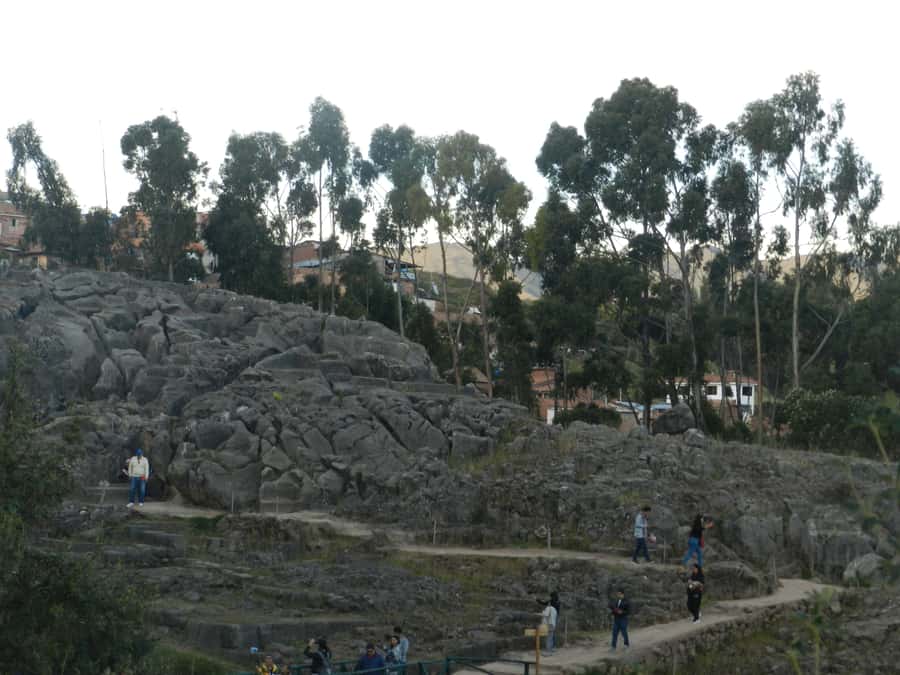
After the labyrinth of stone and military-minded layouts, the tour heads to Tambomachay. This stop centers on a fresh water spring, which gives the day a change of pace. It’s still part of the sacred geography of the Cusco region, but it feels less like a fortress and more like a living resource.
The guide’s interpretation matters here. Water systems were never just utility in Inca culture; they were connected to ritual, planning, and how people related to the landscape.
The craft center finale: learning to spot traditional garments
The tour ends with a visit to a craft center. A local guide explains the story of ancient Inca crafts and how to identify traditional garments made from vicuña wool.
You may also notice that the discussion can land on fiber authenticity more broadly, including how to recognize real versus fake items. The point isn’t just shopping. It’s learning what the real materials and tradition are supposed to be.
This is the part where the day can feel a bit commercial. Since the finale is built around garments and a craft story, it’s smart to go in with curiosity and a budget mindset. If you know you don’t want to buy anything, treat it like a short workshop and keep your wallet closed.
Small extra note
On some departures, you might encounter additional product selling during the ride back. If you hate that sort of thing, focus on your site memories and let the coach stop be a quiet time.
Price and the real cost of seeing everything
The tour price is listed as $18 per person, and it includes pickup (city center), transportation, and a local guide. On paper, that’s good value because you’re not paying separately for the coach or for a guide to connect the story of these places.
But the important part: major entries are not included. You’ll need extra cash for:
- Cathedral of Cusco entrance: 25 soles
- Qoricancha Museum entrance: 15 soles
- Tourist ticket: 70 soles
So your true total cost is more than the base $18. I’d treat the posted price as your tour-and-transport cost, then plan your entrance budget separately. Bring cash, since local currency is required.
If you’re the type who wants to see everything and would have paid for these entries anyway, this still tends to work out. If you’re trying to minimize ticket spending, then compare whether you’d rather pick fewer sites and explore on your own.
Group size, English, and how “small” feels on the ground
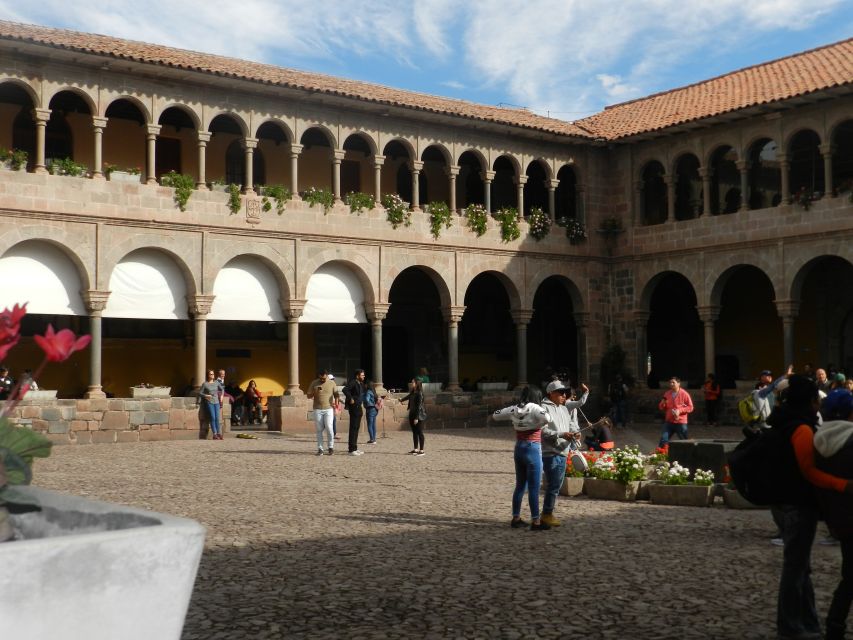
This outing is described as small-group. The activity details list a limit of 12 participants, while the highlights mention group tours up to 20. Either way, it’s not a giant bus tour, and that matters because it makes Q&A and photo stops less chaotic.
The guide runs the tour in English. That said, language can sometimes be affected when groups get combined. If English is a must-have for you, double-check your booking details before the afternoon pickup so you’re not stuck translating on the fly.
What to bring for Cusco weather and uneven ruins
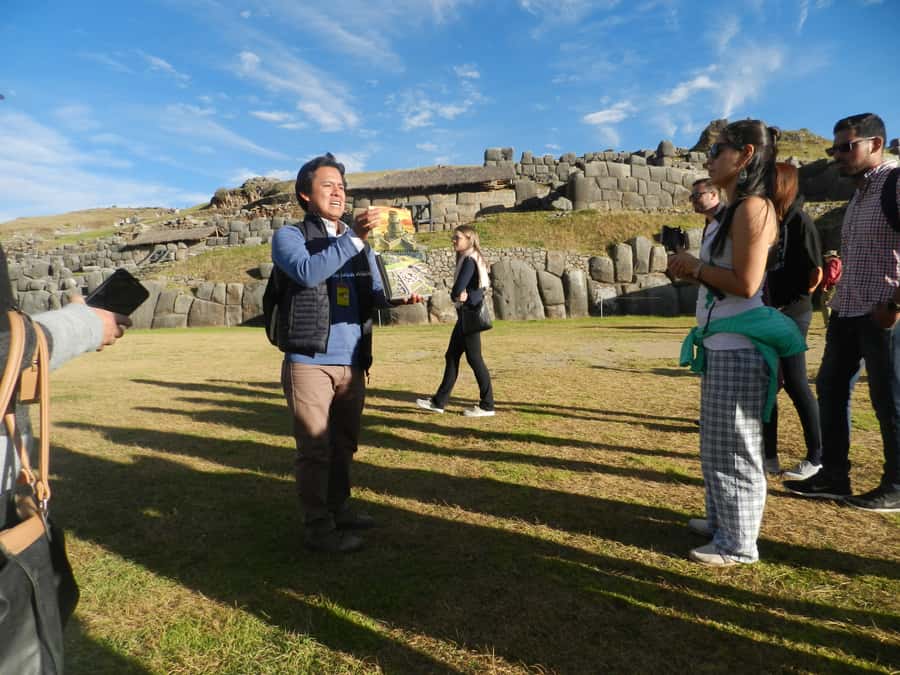
It’s rain or shine, so don’t bank on perfect conditions. Bring:
- Sun hat
- Hiking shoes
- Sunscreen
- Weather-appropriate clothing
- Cash for entrances
- Passport or ID card
Even when the coach handles most of the transfer time, you’ll still be in and out of ruins and viewpoints. Comfort beats fashion here.
Who should book this tour, and who should skip it
This tour is a strong fit if:
- you want a structured Cusco overview without planning multiple taxis and separate guides
- you’re staying in Cusco for a short time and want the big names: Cathedral, Qoricancha, Sacsayhuaman, Qenqo, Tambomachay
- you prefer coach transport to reduce walking between sites
It’s not a great match if:
- you have mobility impairments or use a wheelchair (the tour is not suitable)
- you want long, unhurried time at each ruin
- you dislike craft-center sales talk and any bus-side selling that can pop up
Should you book? My straight answer
If you want a practical way to see major Cusco sites in one afternoon, I’d book it—especially because the mix is smart: sacred city landmarks first, then Inca archaeology outside the center, then a craft stop to close the story.
Where I’d hesitate is if budget is tight once you factor in the 25 + 15 + 70 soles ticket structure, or if you hate rushed timing. Also, if you strongly need a quiet experience with no retail energy, know that the ending is designed around crafts and you may encounter extra selling.
For many first-timers, this hits the sweet spot: lots of highlights, coach comfort, and a guided thread that ties the sites together.
FAQ
What time does the tour start?
Pickup starts at 1:00 PM from your hotel in the Cusco city center.
Where does the tour end?
The coach returns around 7:30 PM to Santa Catalina Street, near the main square area.
What’s included in the price?
It includes pickup from city-center hotels, transportation by coach, and a local English-speaking guide.
Are entrance tickets included?
No. You’ll need to pay separately for the Cathedral (25 soles), Qoricancha Museum (15 soles), and the tourist ticket (70 soles), using local currency.
How long is the tour?
The duration is listed as 7 hours.
Is the tour in English?
Yes. The live tour guide is listed as English.
Is the tour held in bad weather?
Yes, it runs rain or shine.
Is this tour suitable for wheelchair users or limited mobility?
No. It’s listed as not suitable for people with mobility impairments and wheelchair users.
What should I bring?
Bring a passport or ID, sun hat, hiking shoes, sunscreen, cash, and weather-appropriate clothing.
Are pets allowed?
Pets are not allowed on the tour. Assistance dogs are allowed.
More City Tours in Cusco
More Tour Reviews in Cusco

More of Cusco on Foot
Recent write-ups from around Cusco, just off the trail
- Cuzco: Rainbow Mountain Excursion
★ 5.0 · 3 reviews - 1 day excursion to Qeswachaka bridge and the 4 lagoons
★ 3.6 · 3 reviews - Waqrapukara 1 day trekking + meals
★ 3.9 · 3 reviews - Valle Sur Cusco | half day
★ 4.3 · 3 reviews - Full-Day Condor Viewpoint & Inca Sites Tour
★ 5.0 · 3 reviews
Cusco City & Sacsayhuaman, compared.
 ★ 4.6Half-Day City Tour with Sacsayhuaman and Q’encoFrom $131,129 reviews
 ★ 4.7City Tour Cusco Qoricancha Sacsayhuaman y TambomachayFrom $13617 reviews
 ★ 4.0Sightseeing Tour of the City on an Open-Top BusFrom $12481 reviews
 ★ 4.5Open Bus Cusco City TourFrom $14219 reviews
 ★ 4.6City Tour | Half-Day Tour to 4 Archaeological SitesFrom $29206 reviews
 ★ 5.0City Tour in Cusco & visit Museum South American Camelid Private.From $49147 reviews
 ★ 4.5Cusco City Sightseeing, San Pedro Market, Cathedral and Qorikancha TempleFrom $59139 reviews
 ★ 4.2Half-Day City TourFrom $17129 reviews
Browse the lists this tour appears in