
REVIEW · CUSCO CITY & SACSAYHUAMAN
Cusco: Historical Guided City Tour with 4 Inca Ruins
Big stones, big stories, little time. This guided half-day route links Qoricancha with Cusco’s most famous Inca sites, with an expert guide who translates the ruins into real meaning. I especially love how you move from sacred power to military engineering without feeling rushed, and how Sacsayhuamán makes the Inca scale feel shockingly physical.
The one thing to plan for: entry costs and the required Cusco Tourist Card are not included, so budget for tickets and have your ID ready. Also, if you want the Cusco Cathedral stop, you’ll need to check availability since it’s not guaranteed on every run.
In This Review
- Key things I’d circle before you go
- How This Cusco Tour Fits Into a Tight Schedule
- Qoricancha (Temple of the Sun): Start With Cusco’s Sacred Center
- Sacsayhuamán: When the Stones Feel Larger Than Life
- Qenqo: A Ceremonial Center With Burial-Linked Stories
- Puka Pukara: The Red Fortress and the Best Short View Break
- Tambomachay: Water Power and a Place With Mystery
- The Cusco Cathedral Option: Art, Availability, and Ticket Cost
- Eucalyptus Forest, Photo Time, and the Cristo Blanco Add-On
- English, Spanish, and Why the Guide Really Matters
- Price and What You’re Getting for $23
- Cusco Tourist Card, Entrance Tickets, and What to Bring
- Choosing the Right Tour Option for Your Day
- Who Should Book This (and Who Should Skip It)
- Should You Book This Cusco Guided City Tour?
- FAQ
- What sites are included on the main Cusco Inca ruins loop?
- How long is the tour?
- Does the price include entrance tickets to the ruins?
- Do I need the Cusco Tourist Card to enter the Inca sites?
- What language is the guide?
- Are hotel pickups included?
- Is the Cusco Cathedral included for everyone?
- What should I bring for the tour?
Key things I’d circle before you go
- A tight 6-hour route that hits Qoricancha plus four major Inca sites: Sacsayhuamán, Qenqo, Puka Pukara, Tambomachay
- Guide-led context in English or Spanish, with real explanations rather than just pointing at stones
- Sacsayhuamán’s engineering wow-factor, built from gigantic blocks and thick defensive lines
- Ceremony and burial clues at Qenqo, including the site’s connection to mummification stories
- Puka Pukara viewpoint time, plus the red-fortress look that’s easy to photograph
- Optional extras depending on your tour version, including the Cusco Cathedral and even Cristo Blanco Mirador del Cusco
More Cusco city and Sacsayhuaman walks
- City Tour Cusco Qoricancha Sacsayhuaman y Tambomachay★ 4.7 · 617 reviews
- Cusco: Sightseeing Tour of the City on an Open-Top Bus★ 4.0 · 481 reviews
- Open Bus Cusco City Tour★ 4.5 · 219 reviews
- Cusco: City Tour | Half-Day Tour to 4 Archaeological Sites★ 4.6 · 206 reviews
How This Cusco Tour Fits Into a Tight Schedule
If your Cusco trip is short, this tour is built for you. In about half a day, you’ll cover the core “Inca in and around town” hits, with bus transport and guide interpretation. That matters because these sites aren’t just scenic spots; they’re clues to how the Inca organized religion, power, and control.
I like the pacing because it’s structured. You get guided time at each stop, then enough space for pictures and quiet moments—especially at the big outdoor sites where the views and stonework are the point. It’s also a good match if you’re adjusting to altitude and don’t want to wear yourself out walking uphill all morning.
Qoricancha (Temple of the Sun): Start With Cusco’s Sacred Center
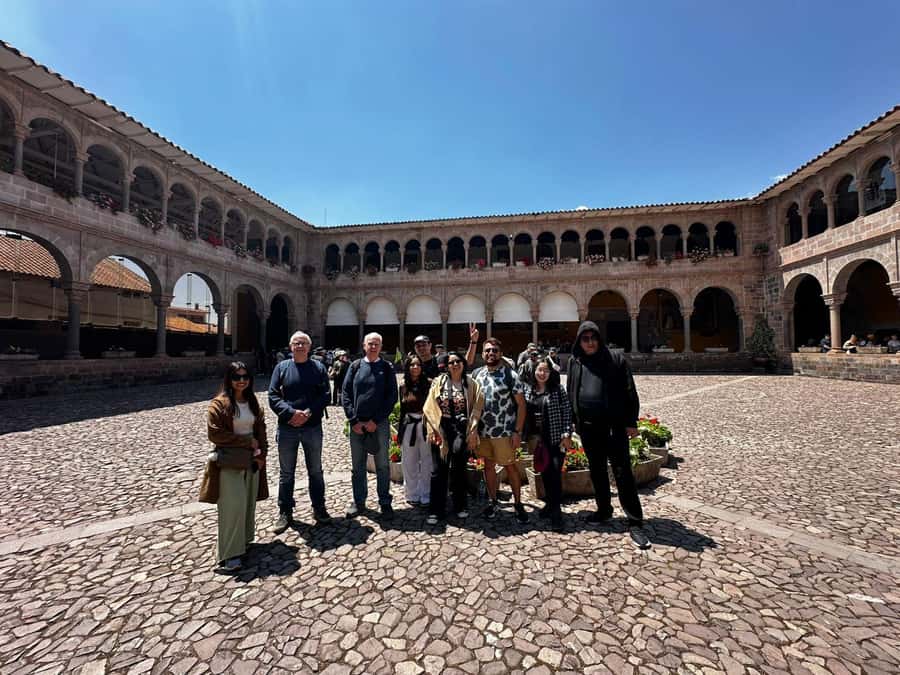
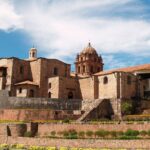
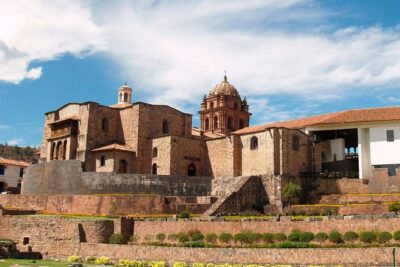
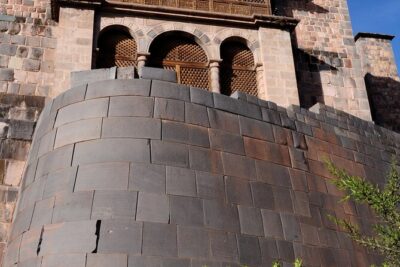
Most versions begin at Qoricancha, also known as the Temple of the Sun. It was the most important Inca religious construction, so the guide usually sets you up with the “why” before you even enter the ruins.
What you should expect here is a mix of Inca significance and the way Cusco’s religious layers overlap through time. You’ll spend about an hour at the site, which is a sensible amount: long enough to understand what you’re looking at, not so long that you get bored before you hit the larger complexes outside the city.
Tip: if you’re doing the morning option, plan to arrive ready to see details quickly. The guide’s explanations help you spot the connections that you might miss if you just wandered on your own.
Sacsayhuamán: When the Stones Feel Larger Than Life
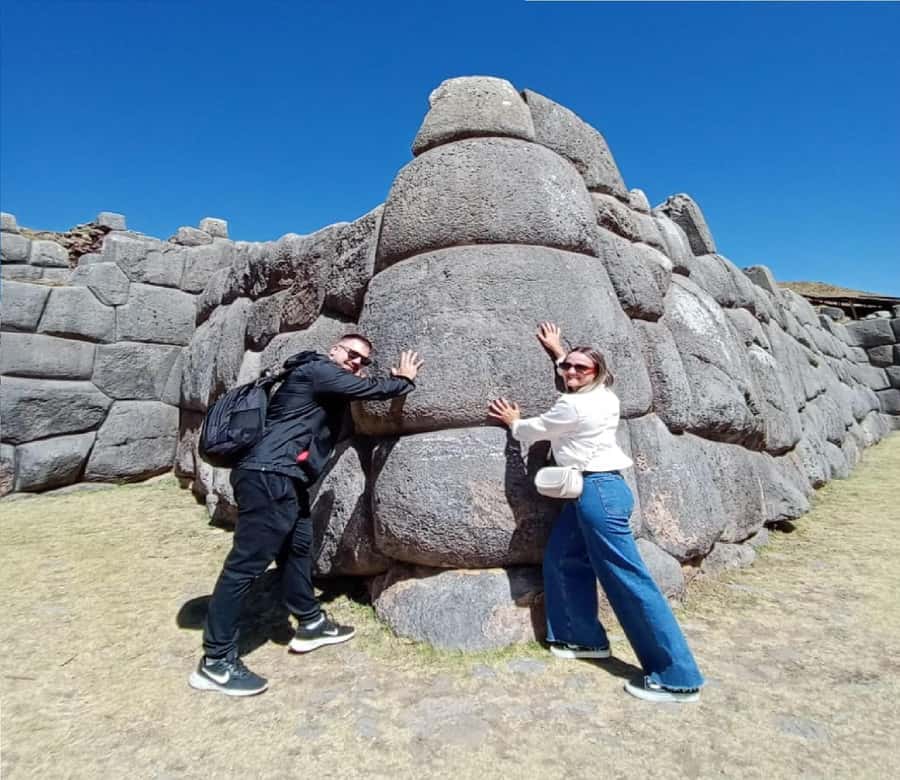
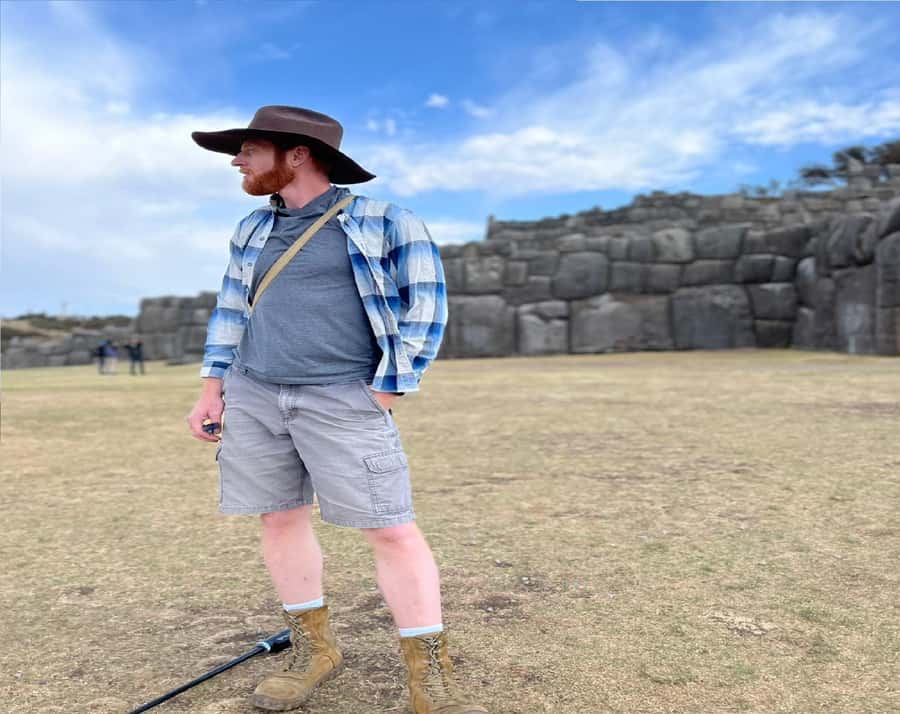
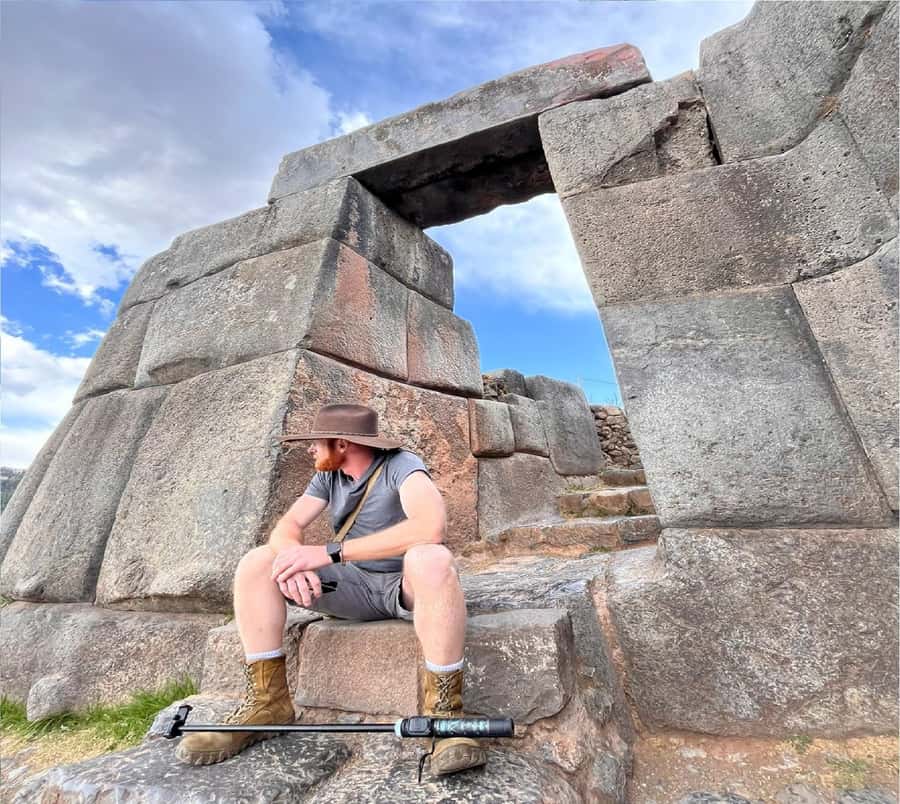
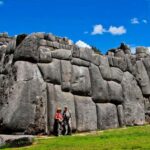
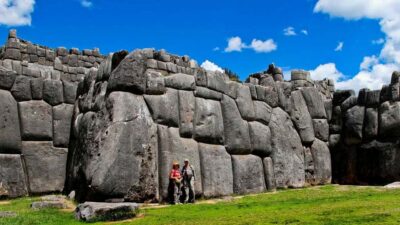
Next up is Sacsayhuamán, the Inca military fortress. Even if you’ve seen pictures, being there is different. The site is known for gigantic stone blocks, some weighing more than 100 tons, and the guide will talk through how that scale was meant to project control.
This is the stop that usually turns “I get it” into “wow.” The walls and construction don’t feel like decoration; they feel like infrastructure for power. You’ll get about 1.5 hours here for guided sightseeing, plus time to take in the stone lines from different angles.
One practical consideration: Sacsayhuamán is outdoors and uneven in spots, so comfortable shoes aren’t optional. The guide can pace the group, but you still want traction for walking across archaeological ground.
Qenqo: A Ceremonial Center With Burial-Linked Stories
From the fortress energy, you’ll head to Qenqo, an Inca ceremonial center. Qenqo is associated with sacrifices to the Sun God, and it’s also described as an ancient mummification site. That blend can sound confusing until your guide walks you through the logic behind how the Inca connected ritual, the sun, and death.
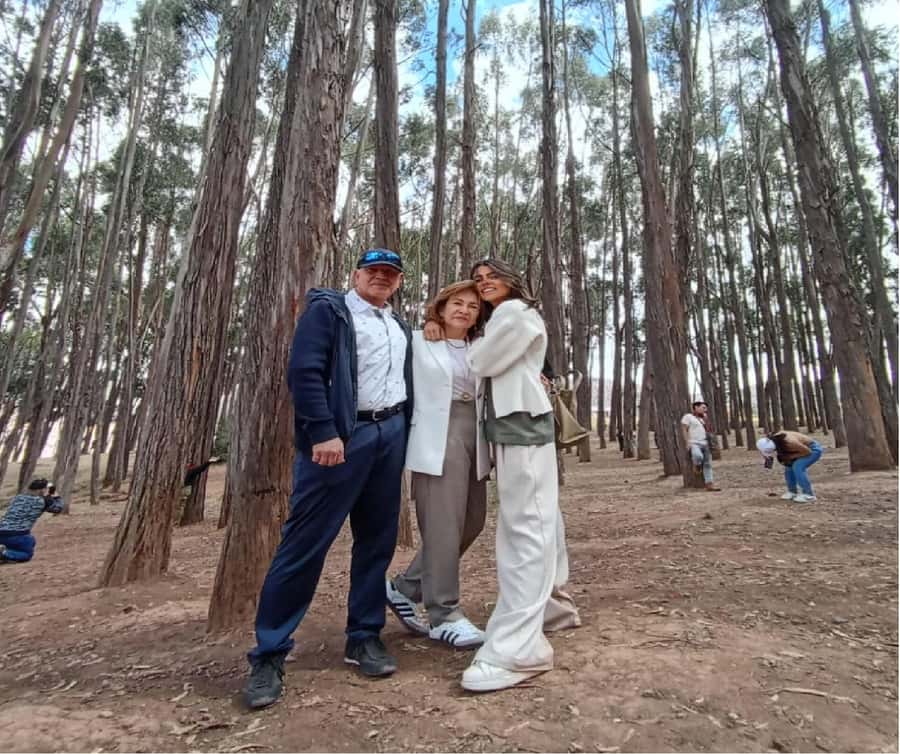
Plan on about 1.5 hours for this stop. You’ll also have time around the Qenqo area, including a visit to the Qenqo eucalyptus forest for photos. The contrast is useful: stone geometry and ritual meaning inside, then greenery outside where you can breathe and reset.
If you like archaeology that’s explained in plain language, this is one of the best parts of the day. Your guide can help separate symbolism from rumor, and translate what the site layout suggests.
A last few Cusco tours and experiences to fold into the trip
Puka Pukara: The Red Fortress and the Best Short View Break
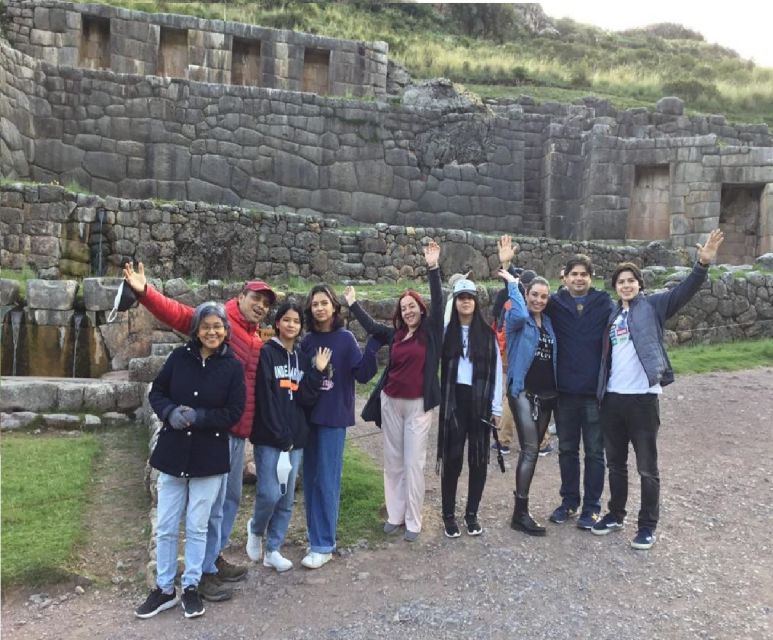
Then comes Puka Pukara, popularly called the Red Fortress because of the pigmentation of the rocks used in construction. This stop is great for two reasons: it looks distinctive fast, and it gives you a break to take in the Andean surroundings from an elevated position.
Expect around 1.5 hours here as well. The view time matters, because after hours of moving through ruins, it’s nice to look outward for context. You can stand back, watch the light change on the red-toned stone, and take photos that actually show the setting—not just close-up walls.
Wear layers if you tend to get cold outdoors. Cusco’s weather can shift, and Puka Pukara is an open-air stop.
Tambomachay: Water Power and a Place With Mystery
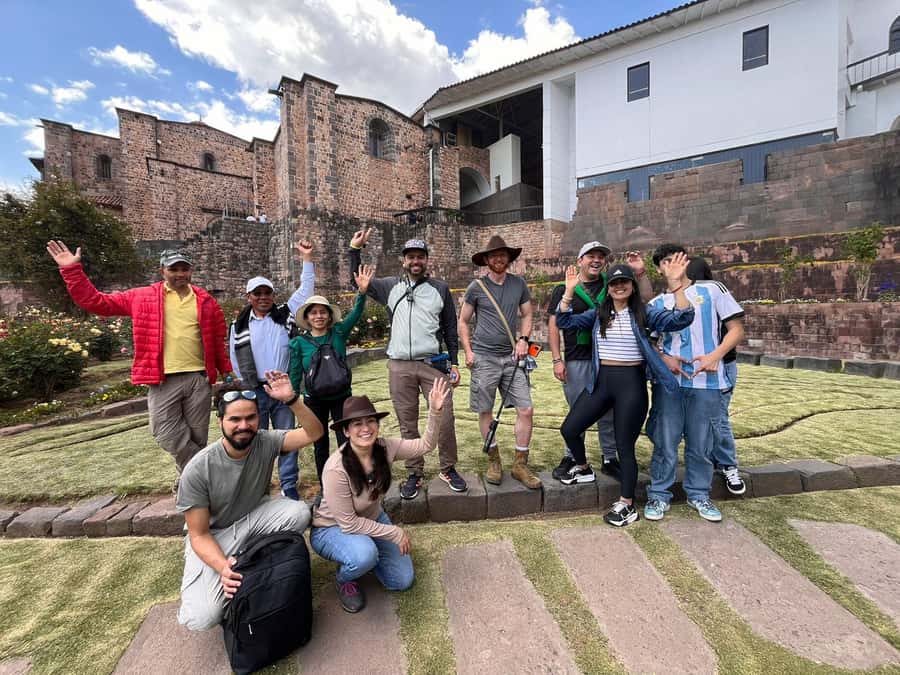
Last among the main ruins is Tambomachay, often called the Temple of Water. Its standout feature is the water fountains spread across the area. The guide will usually connect the fountains to Inca thinking about water, ritual, and the link between natural resources and sacred space.
This stop also gets about 1.5 hours. It’s a good ending because it feels calmer than the military fortress and more “alive” than stone-only complexes. You get a mix of structure, sound, and water-focused attention, which helps the day feel complete.
If you’re the type who likes asking questions, bring them here. Tambomachay is the kind of site where interpretation matters, and a good guide will give you the most likely explanations without turning it into science fiction.
The Cusco Cathedral Option: Art, Availability, and Ticket Cost
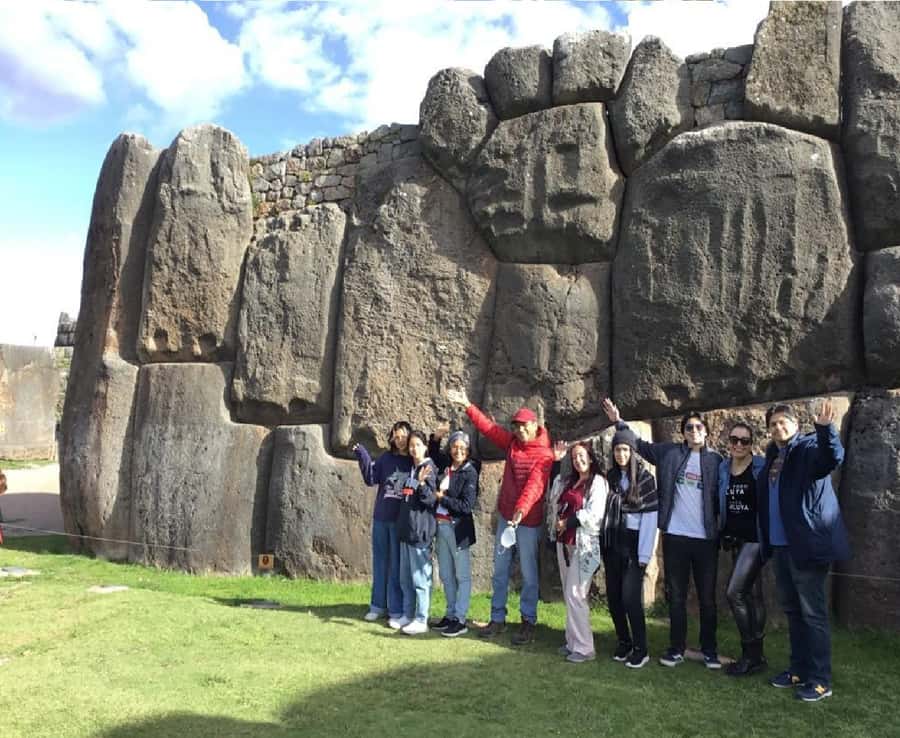
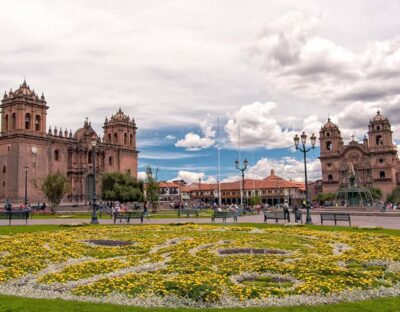
Some tour versions include the Cusco Cathedral stop. You’ll appreciate impressive paintings associated with the Cusco school, and the tour version that adds the cathedral typically starts at the cathedral entrance around late morning to noon.
Two key things to know:
- The cathedral entrance ticket is not included (it’s listed as 50 soles).
- Cathedral visits depend on availability, so you may need to ask on arrival.
This makes the cathedral a nice bonus if you’re already planning time in the historic center. If your schedule is tight, you’ll still love the main Inca circuit even without the cathedral stop.
Eucalyptus Forest, Photo Time, and the Cristo Blanco Add-On
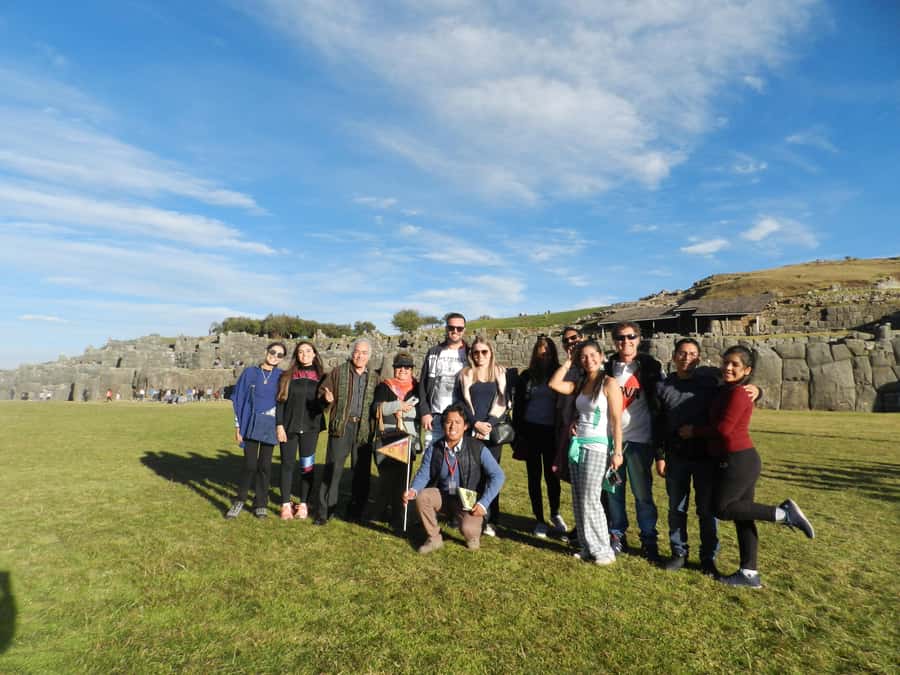
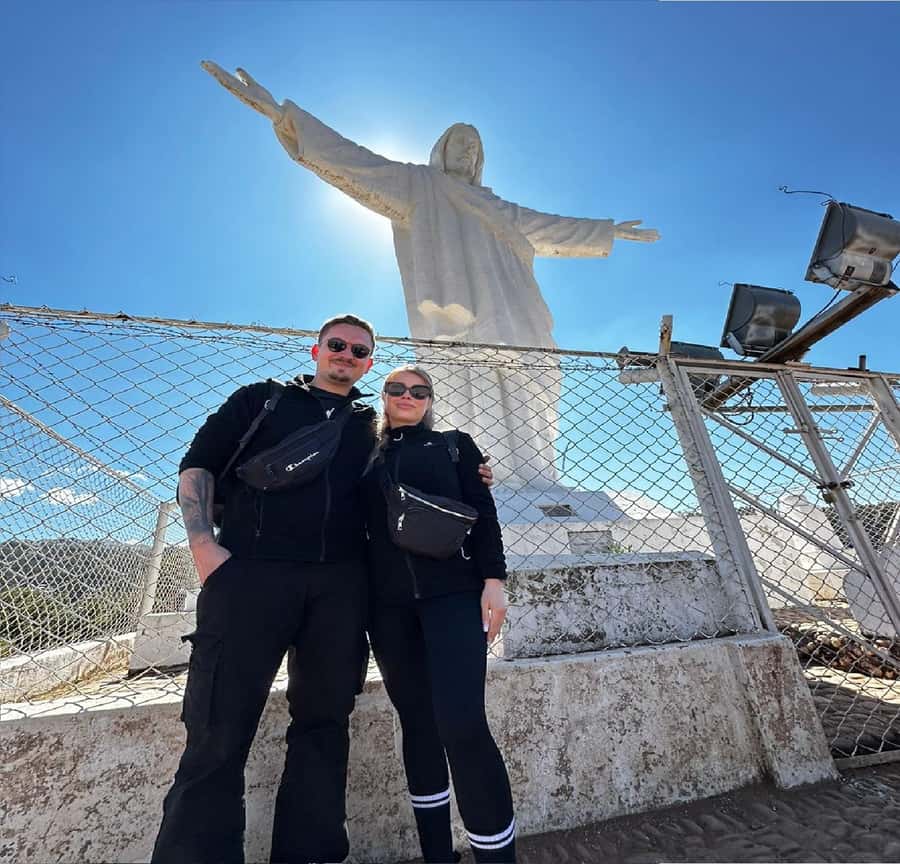
Your tour includes a visit connected to the Qenqo eucalyptus forest, and depending on your exact option you may get extra photo time. There’s also a special add-on on certain versions: Cristo Blanco Mirador del Cusco.
These extras aren’t the core of the tour, but they’re smart if you want variety. The ruins do a lot for your eyes, and the viewing/mirador angle helps your brain connect the city to the surrounding hills. Just remember: extra stops can also mean less time at the main ruins, so choose based on what you personally care about most.
English, Spanish, and Why the Guide Really Matters
This is not the kind of tour where you just follow a map. The value is in the guide’s interpretation, and the guide language options are English and Spanish. In the feedback I saw reflected in real bookings, guides like Luis, Alfredo, Hyame, and Romulo get strong notes for fluent English (and Spanish when needed) and for explaining sites in a way you can actually use later when you’re thinking about what you saw.
In plain terms: good explanations help you stop treating Inca sites like tourist stops and start treating them like places with purpose. You’ll understand why Sacsayhuamán’s stones weren’t random, how Qenqo fits ritual and burial-linked stories, and what the water sources at Tambomachay were likely meant to represent.
Price and What You’re Getting for $23
The price listed is $23 per person for about 6 hours. That’s not just “cheap access to ruins.” You’re paying for transport, guided visits, and a structured route that strings together five big stops (five total when Qoricancha plus the four ruins are included; add the cathedral if your version includes it).
What’s not included is equally important:
- Cathedral ticket: 50 soles
- Qoricancha ticket (Temple of the Sun): 15 soles
- Archaeological zone entrances: 70 soles total (purchased at Sacsayhuamán)
- The Cusco Tourist Card (required for access to Inca sites)
So the real value equation is this: if you price in guided time and transportation across multiple sites, the day becomes easier and less stressful. You also avoid the common “I saw something, but I don’t know what it meant” problem.
Cusco Tourist Card, Entrance Tickets, and What to Bring
Before you go, take the ticket stuff seriously. Access to the Inca sites requires the Cusco Tourist Card, and it’s available only in person. You’ll need to show your passport to get it. It’s listed as free for children under 9, but passport is still required.
For items to bring, the tour data is clear. Bring:
- Passport or ID card
- Comfortable shoes
- Camera
- Sunscreen
- Water
- Rain gear
- Cash
That cash bit matters because tickets are specifically listed as not included. If you forget your ID, you can slow down the process. If you forget water or sunscreen, Cusco can punish you quickly even on a “short” day.
Choosing the Right Tour Option for Your Day
You basically have a few ways to make it work depending on your time in Cusco.
If you want the classic morning plan, you’ll start around 8:55 am at Koricancha, then ride to Sacsayhuamán, Qenqo, Puka Pukara, and Tambomachay. You’ll generally finish around 2:30 pm, with drop-off near Plaza de Armas on Calle Plateros.
If you want hotel convenience, another morning option includes pickup between 8:35 am and 9:00 am, then you visit Qoricancha and the same key ruins. This version also includes the option to add the cathedral (with ticket cost and possible availability check).
If you prefer an afternoon plan, there’s a later option that meets at the cathedral entrance door around late morning/noon, then runs until about 6:00 to 6:30 pm, dropping you near the main square.
Pick based on what you want most: more energy in the morning, or a slower start with cathedral time.
Who Should Book This (and Who Should Skip It)
This tour makes a lot of sense if:
- You want the Inca highlights near Cusco in a short window
- You prefer a guide to explain what you’re seeing in plain language
- You don’t want to coordinate buses or timing on your own
- You’re short on days and want to fill the gap between bigger plans
It’s not suitable for people over 95 years (per the tour note). Beyond that, the main “fitness requirement” is basic walking on uneven archaeological terrain and being comfortable outdoors.
Should You Book This Cusco Guided City Tour?
Yes—if you want a focused, high-value way to see the Inca sites that shape Cusco’s identity. For $23 and about 6 hours, you get a guided route that hits Qoricancha plus four major ruins, with transport and time to take photos. The guide component is the difference-maker, and the strong notes around guides like Luis, Alfredo, Hyame, and Romulo suggest you’re likely to get clear explanations in English and Spanish.
Book it with two caveats in mind: budget for the Cusco Tourist Card and listed entrance fees, and plan for comfortable shoes and outdoor walking. If you do that, you’ll leave Cusco with more than photos—you’ll have the story of how the Inca built sacred space, military control, and water-focused ritual right into the city’s edge.
FAQ
What sites are included on the main Cusco Inca ruins loop?
You’ll visit Qoricancha (Temple of the Sun), Sacsayhuamán, Qenqo, Puka Pukara, and Tambomachay. Some versions also include the Cusco Cathedral.
How long is the tour?
The duration is listed as 6 hours.
Does the price include entrance tickets to the ruins?
No. Entrance ticket costs are listed separately: Cathedral of Cusco (50 soles), Temple of the Sun / Qoricancha (15 soles), and archaeological zones (70 soles, purchased at Sacsayhuamán). The Cusco Tourist Card is also required.
Do I need the Cusco Tourist Card to enter the Inca sites?
Yes. Access to Inca sites requires the Cusco Tourist Card, which is purchased in person and requires showing your passport.
What language is the guide?
The tour offers live guiding in English and Spanish.
Are hotel pickups included?
Pickup is included in some options. One morning option includes hotel pickup between 8:35 am and 9:00 am. Another option starts directly at Koricancha.
Is the Cusco Cathedral included for everyone?
No. The cathedral is part of the options listed as option 2 and option 3, and you must ask for availability. The cathedral entrance ticket is not included.
What should I bring for the tour?
Bring your passport or ID card, comfortable shoes, a camera, sunscreen, water, rain gear, and cash.
More City Tours in Cusco
More Tour Reviews in Cusco
More of Cusco on Foot
Recent write-ups from around Cusco, just off the trail
- Cuzco: Rainbow Mountain Excursion
★ 5.0 · 3 reviews - 1 day excursion to Qeswachaka bridge and the 4 lagoons
★ 3.6 · 3 reviews - Waqrapukara 1 day trekking + meals
★ 3.9 · 3 reviews - Valle Sur Cusco | half day
★ 4.3 · 3 reviews - Full-Day Condor Viewpoint & Inca Sites Tour
★ 5.0 · 3 reviews
Cusco City & Sacsayhuaman, compared.
 ★ 4.6Half-Day City Tour with Sacsayhuaman and Q’encoFrom $131,129 reviews
 ★ 4.7City Tour Cusco Qoricancha Sacsayhuaman y TambomachayFrom $13617 reviews
 ★ 4.0Sightseeing Tour of the City on an Open-Top BusFrom $12481 reviews
 ★ 4.5Open Bus Cusco City TourFrom $14219 reviews
 ★ 4.6City Tour | Half-Day Tour to 4 Archaeological SitesFrom $29206 reviews
 ★ 5.0City Tour in Cusco & visit Museum South American Camelid Private.From $49147 reviews
 ★ 4.5Cusco City Sightseeing, San Pedro Market, Cathedral and Qorikancha TempleFrom $59139 reviews
 ★ 4.2Half-Day City TourFrom $17129 reviews
Browse the lists this tour appears in