
REVIEW · MARAS & MORAY SALT MINES
Cusco: Maras and Moray Tour ending in Ollantaytambo
Cuzco’s Sacred Valley in one efficient run. I love how this route mixes big Inca ideas with something very everyday: the working salt ponds at Maras and the agriculture terraces at Moray. You get variety fast, without the hassle of planning a half-dozen separate stops.
One thing to keep in mind: this is a brisk, 6-hour day. With pickup around 06:30 and a finish around 3pm, you’ll get plenty of sights, but not long lingering time for every photo.
In This Review
- Key highlights
- Cusco to the Sacred Valley: how the day actually flows
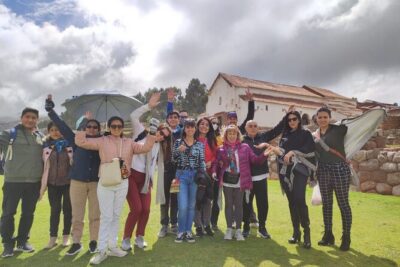
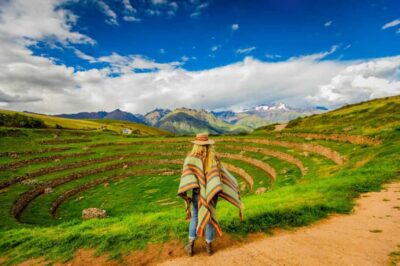
- Moray’s circular terraces: agriculture in sinkholes, and the mystery
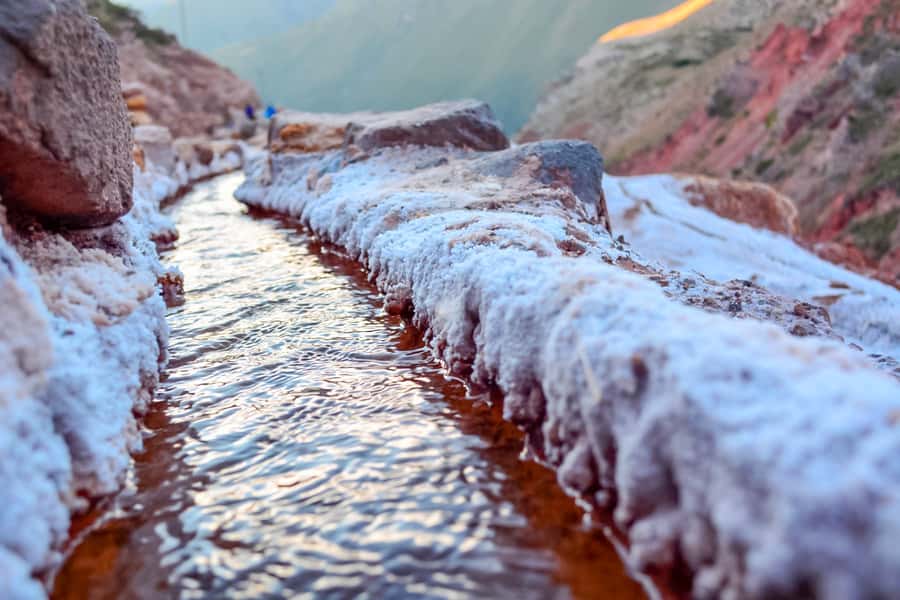
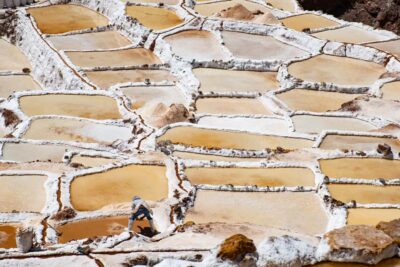
- Maras village and the salt evaporation ponds: the working side of Inca heritage
- Urubamba lunch: refuel before the drive to Ollantaytambo
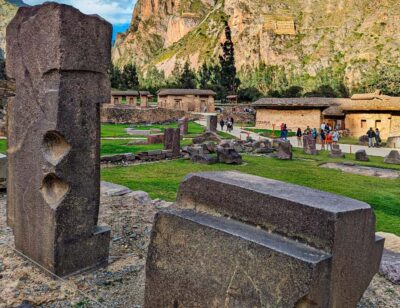
- Ollantaytambo ruins: Wiracocha rock formations and classic Inca power
- Price and what you really pay: $49 is the base, not the full day
- Tips to make Moray, Maras, and Ollantaytambo feel smooth
- Should you book this Cusco Moras and Maras tour ending in Ollantaytambo?
- FAQ
- What time is pickup in Cusco?
- How long is the tour, and when do we end?
- Where do you get dropped off at the end?
- What’s included in the price?
- What extra fees should I expect to pay?
- What language is the guide?
Key highlights
- Moray’s circular terraces: an Inca agricultural site in natural sinkholes overlooking the Urubamba Valley
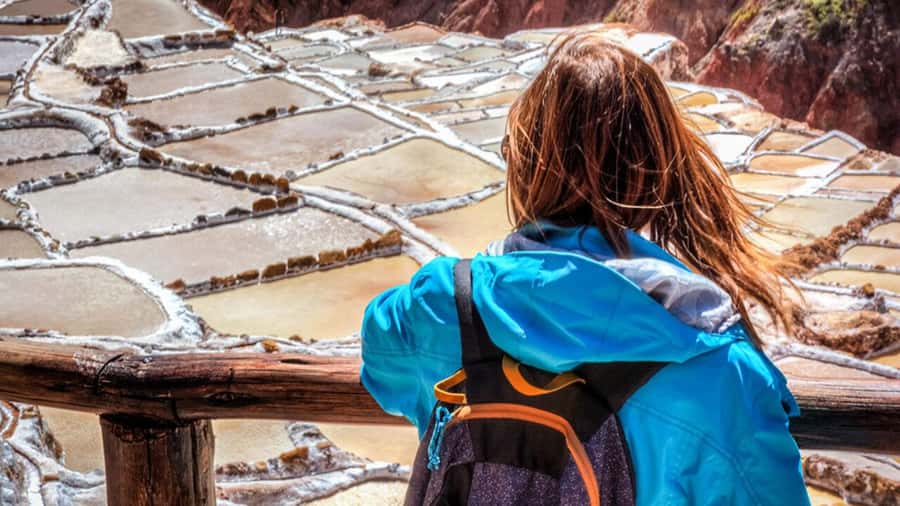
- Maras salt ponds: more than 3,000 evaporation pools used since Inca times (and still going today)
- Urubamba lunch included: a buffet meal to reset your energy before the drive onward
- Ollantaytambo ruins: Inca construction plus rock forms tied to the god Wiracocha
- Small group (up to 15): easier pacing and more chances to ask questions
More Maras salt pans and Moray terraces
- Cusco: Sacred Valley, Pisac, Ollantaytambo, Salt Mines Moray★ 4.6 · 1,058 reviews
- Cusco:Chinchero,Moray & Salt Mines drop-off in Ollantaytambo★ 4.8 · 793 reviews
- Sacred Valley: Chinchero, Moray, Ollantaytambo & Pisac+Lunch★ 4.8 · 501 reviews
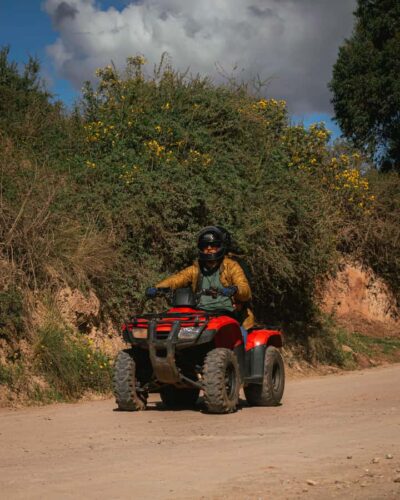
- Sacred Valley: Maras & Moray by Quad Bike from Cusco★ 4.6 · 418 reviews
Cusco to the Sacred Valley: how the day actually flows
This tour is built for one main goal: see major Sacred Valley sites and still arrive in Ollantaytambo on time for your next step. You’ll be picked up from your Cusco accommodation around 06:30am. Then you’ll start heading out toward Moray, moving through the valley and towns with breaks structured around the stops themselves, not around “wandering time.”
What I like about the timing is the handoff at the end. You’ll finish around 3pm and get dropped at Plaza de Armas in Ollantaytambo. That’s ideal if you’re coordinating a train schedule, because the tour specifically says your train must be after 3pm so visits don’t get squeezed.
The pace can feel tight, though. Some people enjoy a fast-moving day; others want deeper explanations and more time at each viewpoint. This tour can deliver the highlights, but you’ll need to be ready to keep moving. Bring comfortable shoes, because you’ll be on foot for a while at multiple sites.
Moray’s circular terraces: agriculture in sinkholes, and the mystery
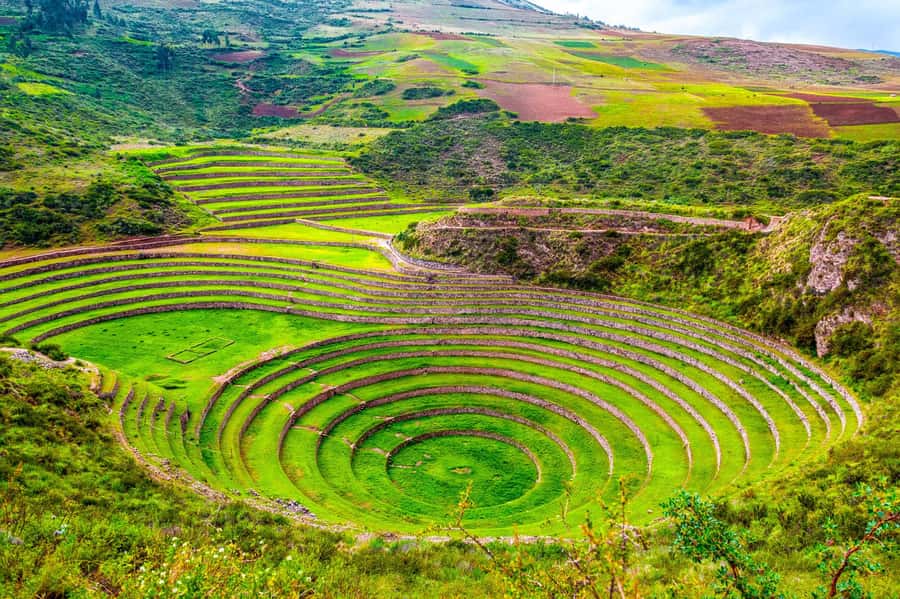
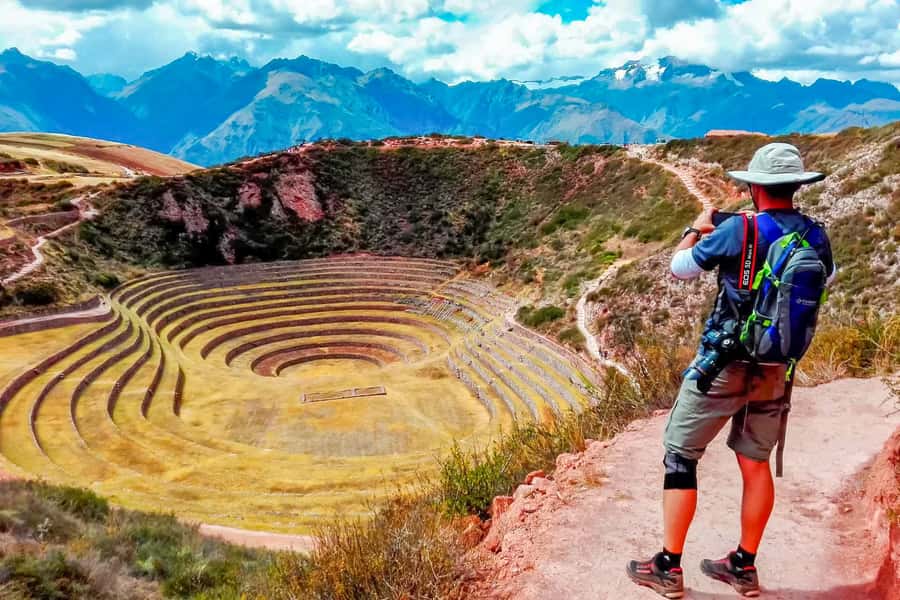
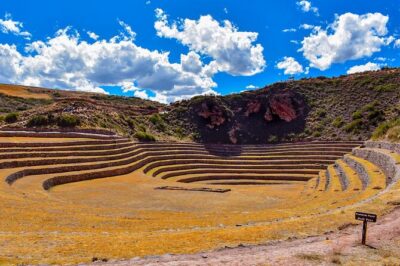
Your first major stop is Moray, about 50km northwest of Cusco. Even before you fully get oriented, Moray has that “wait, what am I looking at?” effect—because the site is made of circular agricultural terraces built by the Incas inside natural sinkholes on a limestone plateau. From there, the terraces look out over the Urubamba Valley, so it’s both a science-of-farming place and a landscape you can read with your eyes.
Here’s what makes Moray special for your experience. This isn’t just ruins-as-a-photo-backdrop. It’s an Inca design that clearly worked like a lab: terraces in circles, created in a way that suggests different conditions for growing. The exact purpose beyond agriculture is still unclear, and the site has been suggested to have cosmological meaning—yet the function remains uncertain. That balance matters. You get something visual and impressive, but you’re also left with real questions, which makes the site feel alive rather than canned.
Practical tip: if you like photography, keep your “must-have” shots in mind early. Moray is the kind of place where you can drift into looking at the circles for minutes at a time. That’s great—just don’t let it swallow the rest of the day. If your guide offers explanations, listen up early; later, you’ll have less mental space to catch the details.
Maras village and the salt evaporation ponds: the working side of Inca heritage
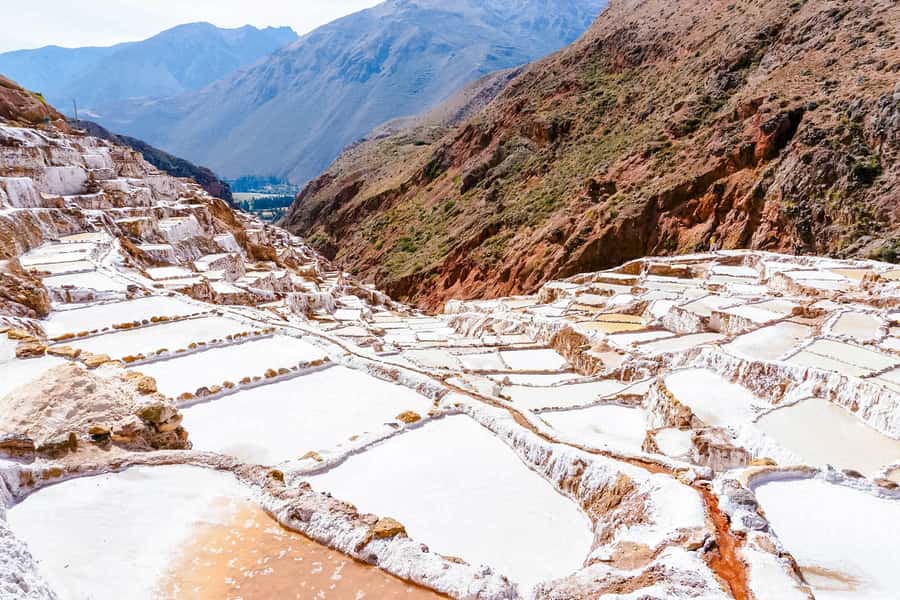
Next comes Maras, a Colonial-era village in the Sacred Valley known for its nearby salt evaporation ponds. These ponds sit up-slope, less than a kilometer west of town, which is a nice distance: close enough to feel like part of the same stop, but far enough that you can see the scale of what’s going on.
This is one of the most valuable parts of the tour because you’re not only looking at “history.” You’re looking at an operation. The salt-evaporation ponds have been used since Inca times, then continued through Colonial exploitation, and they’re still in use today. And the scale is real: you’ll see more than 3,000 salt pools.
Why this matters for you as a visitor: it grounds the Inca story in something physical. The Incas did big architecture and big astronomy ideas—but they also engineered practical systems and managed resources. Salt was strategic, and these ponds show how a natural process (evaporation) can be organized with human know-how. It’s fascinating to stand near a site where the work continues, even centuries later.
A realistic expectation: this stop can involve visual “information overload” because there are so many pools. If you’re the type who likes structure, focus your attention on a few things: the geometry of the terraces, how the pools step across the slope, and how the village sits beside the salt landscape. That keeps it from becoming just a blur of white squares and lines.
Also plan for sun. This is high altitude, and salt areas tend to glare. Sunscreen is a must, and it doesn’t hurt to wear a hat if you have one.
Urubamba lunch: refuel before the drive to Ollantaytambo
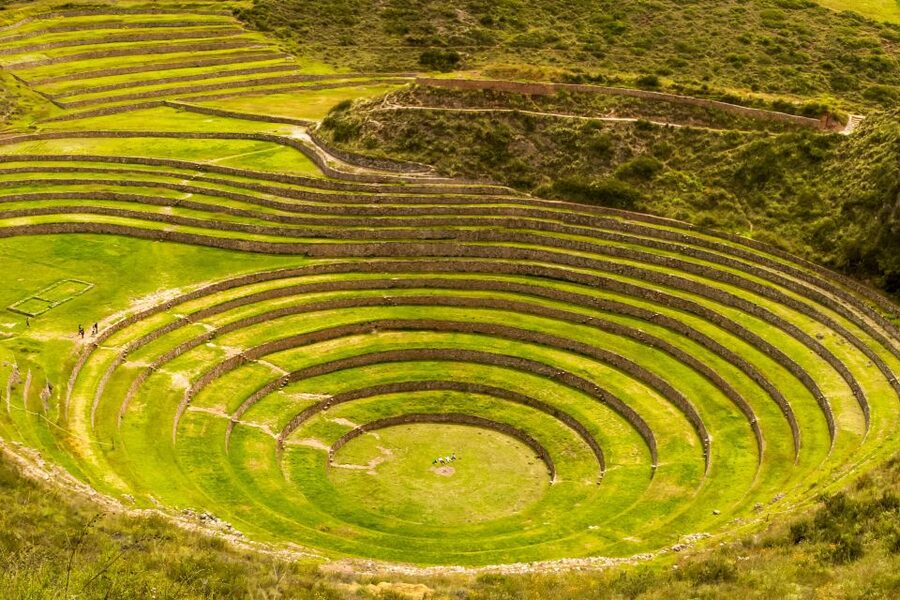
You’ll have lunch in the small town of Urubamba. A buffet lunch is included, which is a practical win on a day like this. When the day is paced around multiple sites, the last thing you want is to gamble on food timing or wait for a restaurant that’s busy.
Think of lunch here as your reset button: water, calories, and a chance to regroup with your group before the final stretch. You’ll then drive along the Urubamba River toward Ollantaytambo.
If you get even slightly nauseous or tired in the morning (common in Cusco area altitude), eat earlier rather than later at lunch. Try to keep your meal balanced—simple carbs and something warm help you feel steadier for the afternoon walking and stair-step ruins.
One small consideration: because the route is structured and you’re on a schedule, the lunch break can feel like it’s there to keep the day running, not to linger. Go into it with the mindset that you’re refueling, not discovering your new favorite restaurant.
More Pisac and Ollantaytambo ruins

Ollantaytambo ruins: Wiracocha rock formations and classic Inca power
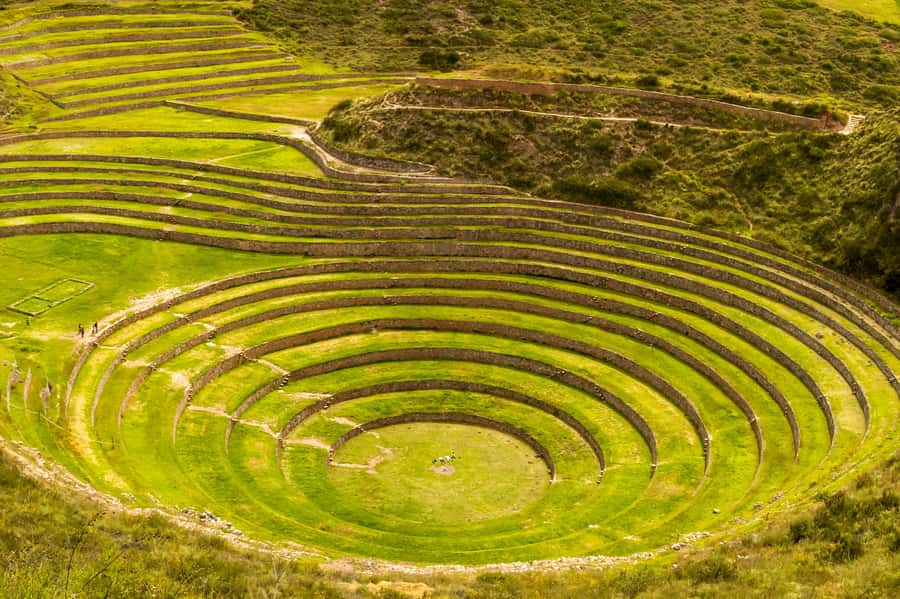
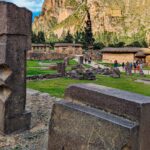
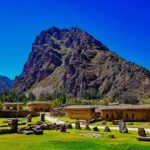
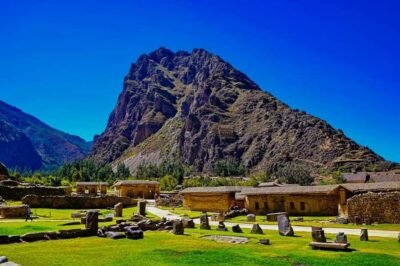
The tour ends at Ollantaytambo, a key Inca-era town where the ruins have a dramatic, lived-in presence. Once you reach Ollantaytambo, you’ll visit the ruins—an important area of Inca construction built during the Incas’ heydays.
What makes this stop memorable is the detail tied to Inca belief. This site includes rock formations representing the Inca god Wiracocha. That gives you a different way to look at the stones. Instead of only seeing walls and terraces, you can also read them as symbolic forms. The rock looks “designed” in the way it channels attention—people tend to look longer here if the guide explains how the shapes relate to Wiracocha.
And Ollantaytambo itself gives you practical value: it’s a great place to finish a Sacred Valley day because you’re already in the right town for onward travel plans. You’ll be dropped at the main square, Plaza de Armas, around 3pm.
Timing matters. If you’re riding later the same day, align your train schedule with that 3pm finish window. The tour is explicit that your train must be after 3pm so you can do the visits properly. If you cut it too close, you’re the one taking the stress.
Price and what you really pay: $49 is the base, not the full day
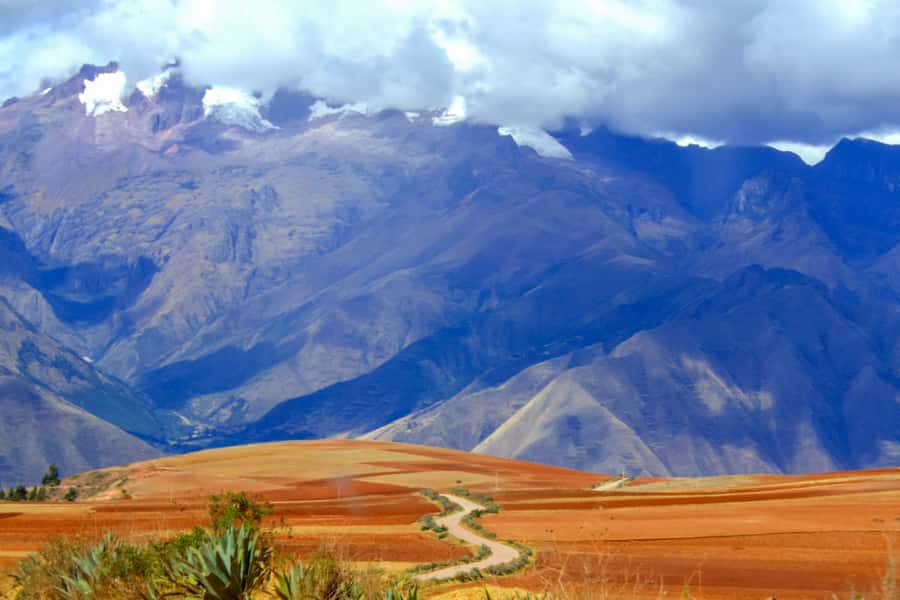
The listed price is $49 per person for a 6-hour small-group tour. That price covers some of the expensive parts of a day out of Cusco: pickup from your hotel, transport, a bilingual guide (Spanish/English), a buffet lunch in Urubamba, and the drop-off in Ollantaytambo Plaza de Armas.
But there are important add-ons you should budget for so there are no surprises mid-day:
- A touristic ticket costs S/70.00 per person
- Entrance to the salt mines is not included in the base price
Because the salt mine entrance fee isn’t specified in the info you have, I recommend you plan to pay extra on-site and bring the right cash. One useful lesson from real-world experience with this kind of day: even when the tour tells you the ticket amount, it’s easy to miss that salt-site entry can be separate. I’d rather you show up prepared than scramble later.
Value-wise, this still can be a strong deal if:
- You want Moray + Maras + Ollantaytambo in one go
- You prefer small-group guiding (max 15)
- You need a finish point in Ollantaytambo around mid-afternoon
If your schedule is flexible and you’re the kind of person who likes slow, independent wandering, you might prefer to rent a car or go point-to-point. But if you want structure and an easier route, this price makes sense.
Tips to make Moray, Maras, and Ollantaytambo feel smooth
Here’s how to set yourself up for a calmer day.
- Wear comfortable shoes with good grip. You’ll walk at multiple sites, and the ground can be uneven.
- Bring sunscreen. The sun at altitude can be punishing.
- Keep your load light. Pets aren’t allowed, and you can’t bring luggage or large bags.
- If you care about explanations, ask early. This day is time-managed, and a few minutes of context at the start can make the rest more interesting.
- Watch the pace. Some people love a quick tour; others feel rushed. If you’re in the second group, plan to save your “big photo time” for the stops where you can actually slow down a bit.
- Confirm your pickup details. Pickup is included, but you’ll need your accommodation info set at booking time.
One more detail that’s easy to forget until it becomes annoying: your booking requires passport information (name, number, expiry, country) for all participants. Handle that early so you don’t hit delays when you’re ready to go.
Should you book this Cusco Moras and Maras tour ending in Ollantaytambo?
Book it if you want an efficient Sacred Valley day that hits the big three: Moray, Maras salt pools, and Ollantaytambo ruins—and then hands you off at Plaza de Armas so you can catch a later train. The included transport + bilingual guiding + Urubamba buffet lunch make it low-stress compared with piecing together separate tickets and guides.
Skip it (or at least think twice) if you hate a schedule. This tour runs on a tight rhythm: pickup around 06:30, finish around 3pm, with stops that can feel quick if you prefer lots of wandering time. Also, factor in extra costs for the S/70.00 touristic ticket and salt mine entrance.
If you’re comfortable moving briskly, you’ll probably enjoy the mix: Inca agriculture at Moray, living salt production at Maras, then a symbolic Inca-era finale at Ollantaytambo with Wiracocha rock forms.
FAQ
What time is pickup in Cusco?
Pickup starts around 06:30am from your accommodation in Cusco.
How long is the tour, and when do we end?
The tour lasts about 6 hours and ends around 3pm.
Where do you get dropped off at the end?
You’ll be dropped off at Ollantaytambo Main Square (Plaza de Armas).
What’s included in the price?
Included are transfer from your Cusco hotel, transport, a bilingual guide, a buffet lunch in Urubamba, and the drop-off in Ollantaytambo Plaza de Armas.
What extra fees should I expect to pay?
You’ll need to pay the touristic ticket (S/70.00 per person) and entrance to the salt mines (not included). Meals beyond lunch aren’t included either.
What language is the guide?
The guide is available in Spanish and English. The group is limited to 15 participants.
More Tour Reviews in Cusco



More Pisac and Ollantaytambo

More Salt Pans and Terraces

Recent write-ups from around Cusco, just off the trail
- Cuzco: Rainbow Mountain Excursion
★ 5.0 · 3 reviews - 1 day excursion to Qeswachaka bridge and the 4 lagoons
★ 3.6 · 3 reviews - Waqrapukara 1 day trekking + meals
★ 3.9 · 3 reviews - Valle Sur Cusco | half day
★ 4.3 · 3 reviews - Full-Day Condor Viewpoint & Inca Sites Tour
★ 5.0 · 3 reviews
Maras & Moray Salt Mines, compared.
 ★ 4.8From Cusco: Sacred Valley & Maras Salt Mines Tour with LunchFrom $282,227 reviews
 ★ 4.8From Cusco: Moray, Maras Salt Mines & Chinchero Weavers TourFrom $151,925 reviews
 ★ 4.6Sacred Valley, Pisac, Ollantaytambo, Salt Mines MorayFrom $281,058 reviews
 ★ 4.8Chinchero,Moray & Salt Mines drop-off in OllantaytamboFrom $27793 reviews
 ★ 4.8Sacred Valley: Chinchero, Moray, Ollantaytambo & Pisac+LunchFrom $25501 reviews
 ★ 4.6Sacred Valley: Maras & Moray by Quad Bike from CuscoFrom $39418 reviews
 ★ 4.7From Cusco: Quad bike tour Moray and Salt MinesFrom $27314 reviews
 ★ 5.0From Cusco: Moray, Maras Salt Mines & Chinchero Weavers Half-DayFrom $15126 reviews
Browse the lists this tour appears in