
REVIEW · CUSCO CITY & SACSAYHUAMAN
Cusco: Private City Tour and Trip to Archeological Sites
Cusco hits you fast when you start uphill. This private 4-hour tour is one of the best ways to get your bearings in Cusco, with Coricancha and Sacsayhuaman giving you a clear sense of how Inca power meets Spanish-era architecture. I love that the guide connects the dots between sites instead of treating them like separate stops. I also like the pace: short walks, big viewpoints, and just enough context to feel smarter when you leave. The main consideration is the altitude and walking on uneven ground, so bring good shoes and take it easy.
For first-time visitors, this is a tidy “Cusco orientation” that still packs real archaeology. You’ll ride with hotel pickup and drop-off, tour in a private group, and get admissions to Coricancha and the Cusco Cathedral—then you’ll handle the rest with the Cusco Tourist Ticket (BTC) for certain hillside sites. One more thing to note: this isn’t set up for wheelchair users.
In This Review
- Key highlights at a glance
- How Coricancha’s convent-over-temple setup makes sense fast
- Santo Domingo and Cusco Cathedral: a smooth start in the Main Square area
- Sacsayhuaman fortress ramparts: views plus real defensive logic
- Qenqo: a temple and amphitheatre tied to agricultural rituals
- Puka Pukara (Red Fortress): military planning you can still picture
- Tambomachay and the BTC: why your ticket choice matters
- Price and value for a $101, 4-hour private tour
- Transport comfort and the guide experience that makes it click
- Who this Cusco tour is best for
- Should you book this private Cusco city tour and archaeological sites?
- FAQ
- What does the tour include?
- Is food included?
- Do I need the Cusco Tourist Ticket (BTC)?
- How long is the tour?
- Is this a private tour?
- Where do pickups happen?
- What languages are available for the guide?
- Is the tour suitable for wheelchair users?
- What should I bring, and what is not allowed?
Key highlights at a glance
- Santo Domingo Convent over Coricancha: you’ll see the Inca temple foundations still showing at the convent base
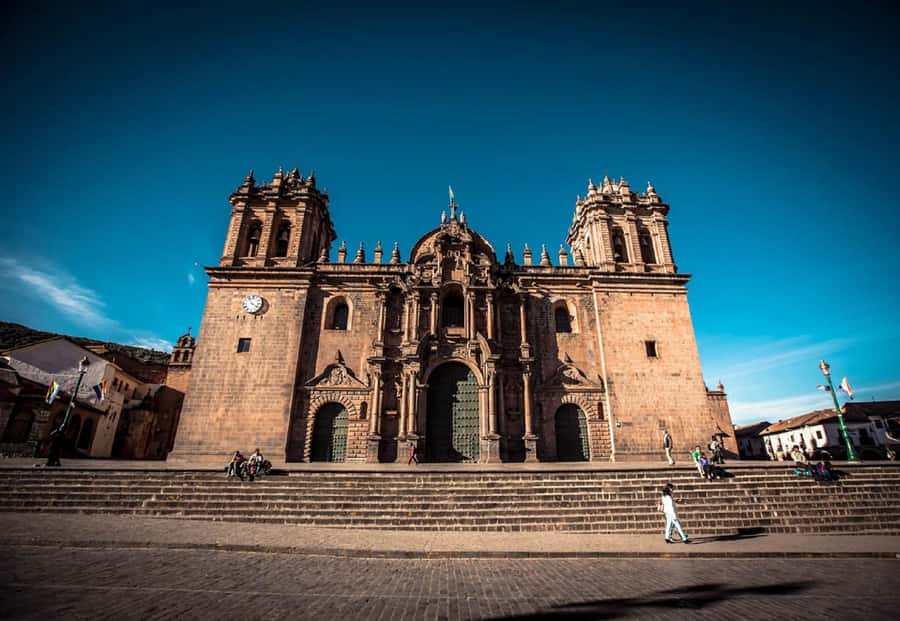
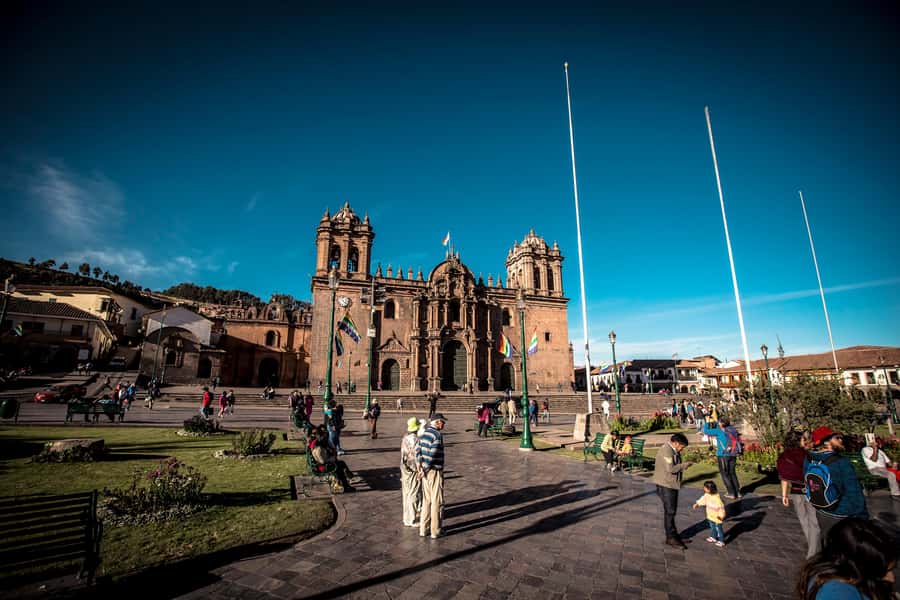
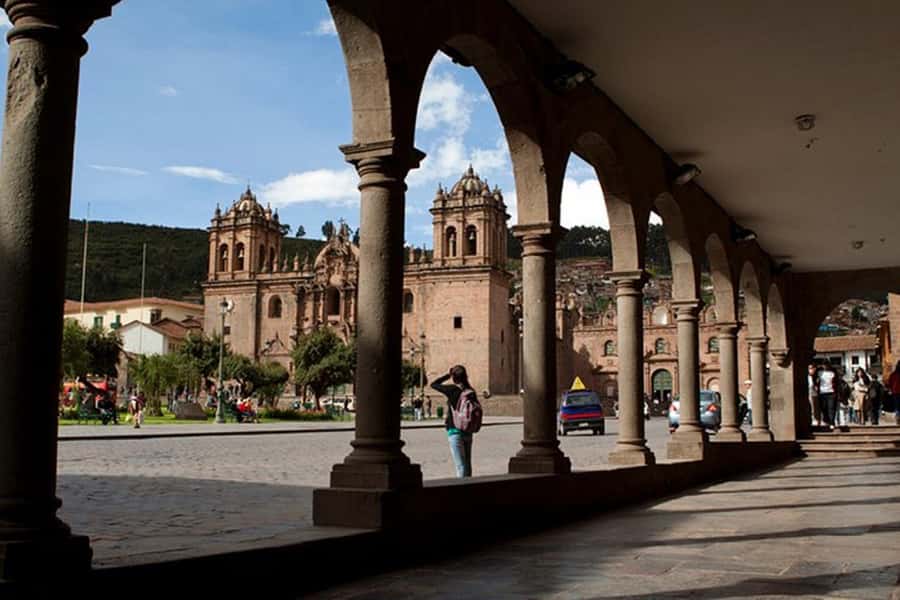
- Cusco Cathedral in the Main Square: it’s the big visual anchor early in the day
- Sacsayhuaman ramparts: fortress scale plus panorama views over Cusco
- Qenqo’s temple and amphitheatre: a ritual setting linked to agricultural ceremonies
- Puka Pukara (Red Fortress): military complex details you can still picture
- Private, guided, door-to-door: English, Spanish, or Portuguese with convenient hotel pickup
More Cusco city and Sacsayhuaman walks
- City Tour Cusco Qoricancha Sacsayhuaman y Tambomachay★ 4.7 · 617 reviews
- Cusco: Sightseeing Tour of the City on an Open-Top Bus★ 4.0 · 481 reviews
- Open Bus Cusco City Tour★ 4.5 · 219 reviews
- Cusco: City Tour | Half-Day Tour to 4 Archaeological Sites★ 4.6 · 206 reviews
How Coricancha’s convent-over-temple setup makes sense fast
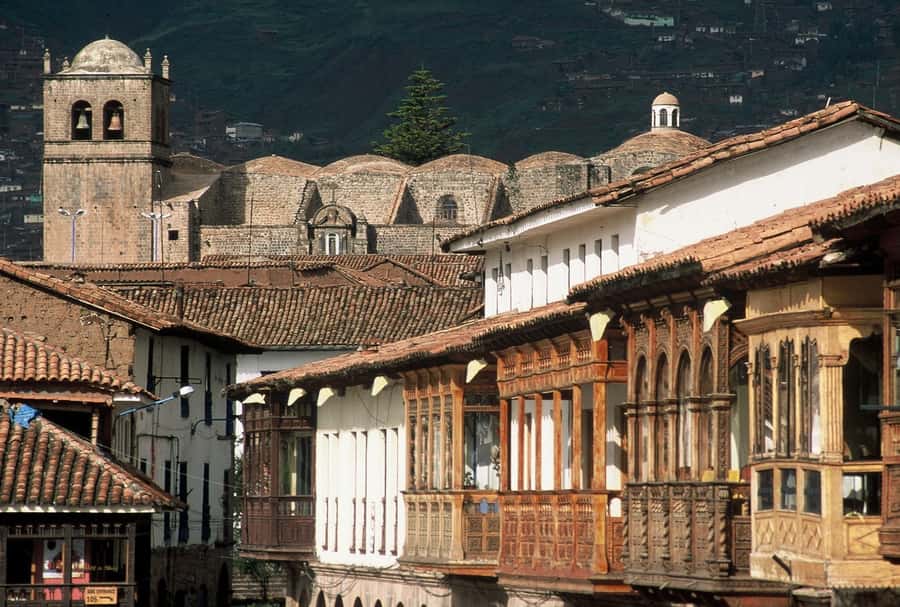
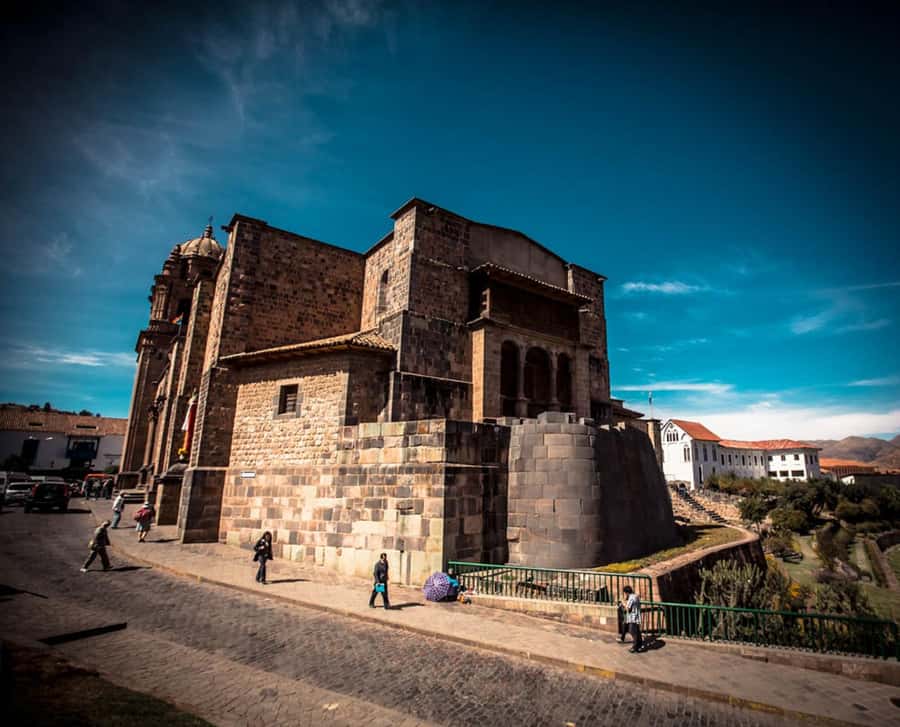
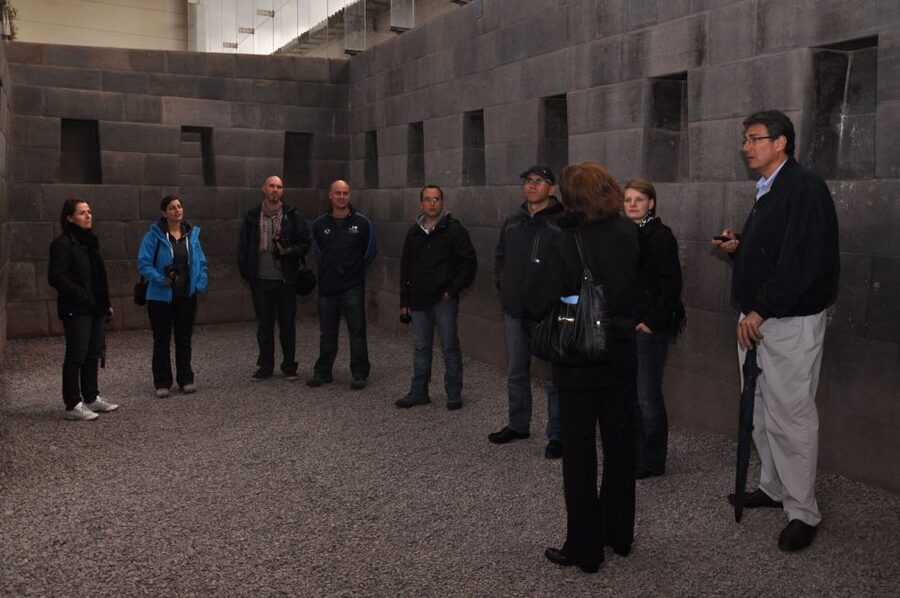
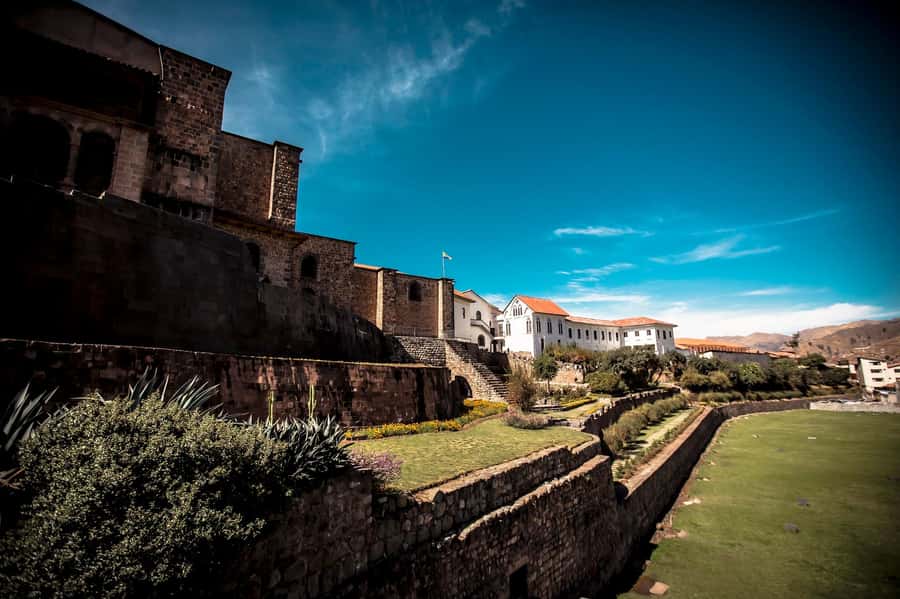
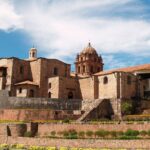
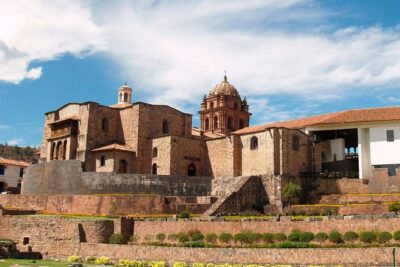
Most “history” tours list sites. This one helps you understand why they’re on top of each other. You begin at Santo Domingo Convent, the Renaissance-baroque complex built over the Inca Coricancha temple. That layering is not a random coincidence. It’s how conquest and power worked here: new authorities used major sacred places, and they often kept the same geographic focus.
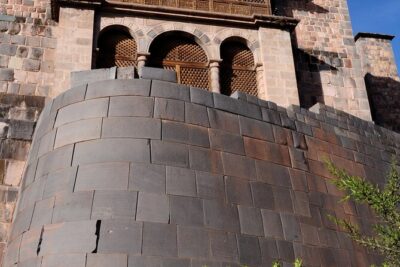
Here’s what you’ll actually look for while you’re there: the convent’s foundations still show prominent stonework at the base—evidence of the Inca structure underneath. You’ll also hear the kind of legendary imagery that made Coricancha famous in chronicles: the temple was said to be covered in gold leaf and filled with golden representations of nature. Whether you take that literally or as storytelling, it tells you what the Incas wanted visitors and priests to feel—this was not an ordinary temple.
If you’re visiting Cusco as your first stop on the Cusco/Andes circuit, Coricancha is the best “start point” because it clarifies the main theme of the region: sacred space, control of water and land, and the way architecture becomes politics.
Santo Domingo and Cusco Cathedral: a smooth start in the Main Square area
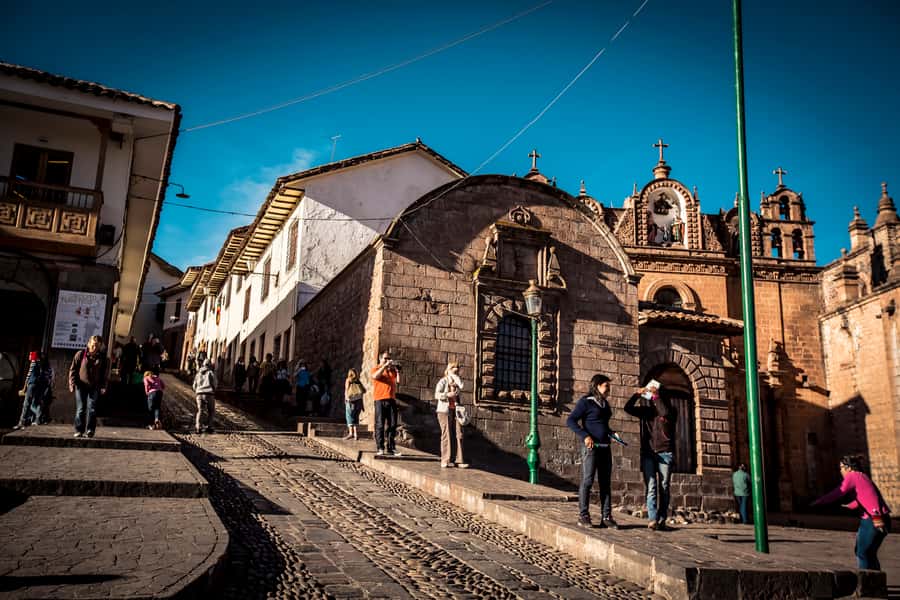
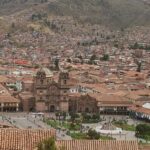
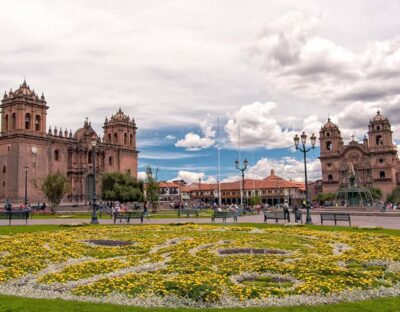
After Coricancha, you’ll move to the Cusco Cathedral, described as the most imposing monument of the Main Square. For a lot of travelers, the Cathedral can feel like just another big church. But in Cusco, the Cathedral is part of the same story you saw at Santo Domingo: a major Spanish Catholic landmark placed right in the heart of Inca-era prominence.
What makes this stop useful is sequencing. By the time you’re standing in the Cathedral area, you’ve already learned to read the “power map” of Cusco. You’re not just looking at stained glass; you’re seeing how European influence took the center and worked from there.
Practical note: this portion is usually easier walking than the hillside parts. Still, the Old Town cobblestones and altitude mean you should keep a slow, steady rhythm.
Sacsayhuaman fortress ramparts: views plus real defensive logic
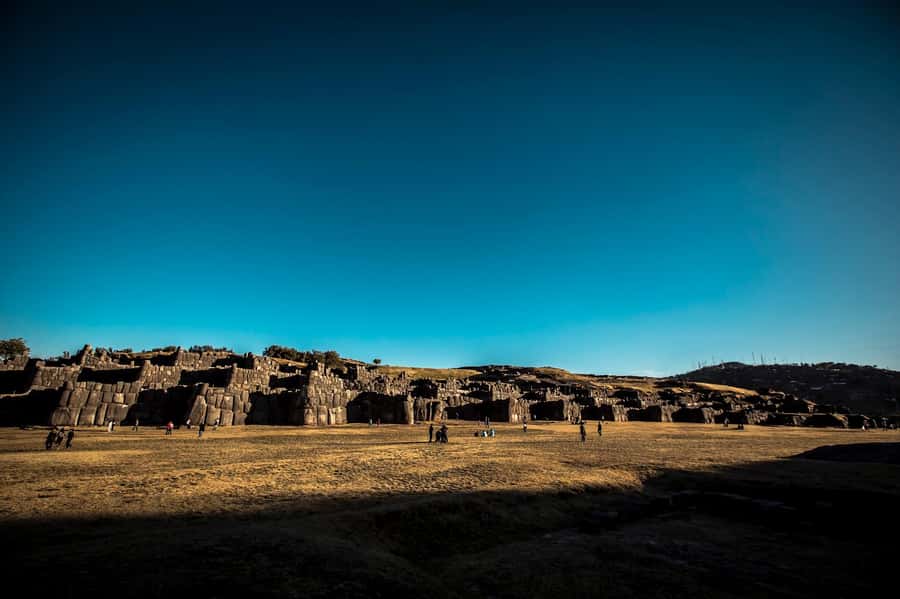
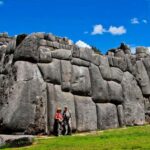
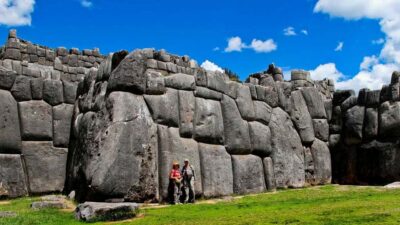
Then comes the uphill payoff: Sacsayhuaman. You’ll head toward the mega fortress above Cusco, where the ramparts feel imposing even before you understand the military purpose behind them. This site is famous for two reasons that matter to you on the ground.
First, the scale. The walls and earthwork show serious planning. The layout is meant to control the terrain, not just look dramatic from one angle. Second, the payoff view. From the fortress you get a panoramic sense of Cusco’s geography—how the city sits in a bowl of hills and why high ground mattered so much.
This is where a good guide makes a difference. You’re not only hearing what the site is called; you’re being taught how to read the fortifications as an argument. Why build here? Why those lines? How do the walls relate to access routes? Even with a short, 4-hour tour, you’ll walk away understanding why Sacsayhuaman is more than a photo stop.
One consideration: Sacsayhuaman is a hike day in a single morning chunk. If you’re new to altitude, take breaks without guilt. The ramparts are worth it, but don’t force speed.
Qenqo: a temple and amphitheatre tied to agricultural rituals
Next, you’ll visit Qenqo, a set of ruins including a temple and amphitheatre. The key detail is the meaning people assign to the place: it’s believed the Incas practiced agricultural rituals there.
That changes how you look at Qenqo. Instead of treating it like a stone collection, you start asking what the setting was for—timing, seasons, ceremonies, and the practical reality of farming life. When you combine this with what you learned at Coricancha (sacred order tied to the natural world), Qenqo starts to feel like part of a system, not a random stop on the bus.
What you’ll likely appreciate here is the atmosphere of ruins. Qenqo isn’t trying to impress you with reconstruction. It’s about form and location—stonework and space suggesting how people gathered and performed important seasonal activities.
Also, this stop is on the hillside circuit, so it’s another reason to wear comfortable shoes and expect uneven ground.
A last few Cusco tours and experiences to fold into the trip
Puka Pukara (Red Fortress): military planning you can still picture
Puka Pukara, or Red Fortress, is where the tour leans into strategy. The site is an Inca military complex on a prominent hill, and you can still appreciate the dwellings, squares, bathrooms, aqueducts, walls, and towers.
This is a strong stop for travelers who like archaeology that feels functional. It’s one thing to see a temple. It’s another to see how a military complex planned daily life: water management through aqueducts, sanitation through bathrooms, and organized space through squares and walls.
If you’re the type who enjoys the “how would it work?” questions, Puka Pukara answers them with tangible remnants. Even with limited time, you’ll likely come away with a mental diagram: where people lived, where water ran, where the defenses sat.
If you’re photographing, aim for a couple of angles. Ruins can look flat from one line of sight, but with a good viewing spot you’ll catch the shapes of towers and the rhythm of the walls.
Tambomachay and the BTC: why your ticket choice matters
One of the biggest practical issues here is the Cusco Tourist Ticket, called the BTC. Admissions to Coricancha and the Cusco Cathedral are included. But to visit Sacsayhuaman, Qenqo, Puka Pukara, and Tambomachay, it’s important that you acquire your BTC.
Even if Tambomachay isn’t the main focus of your day, I’d treat this as your checklist: if your tour includes those hillside sites (and it typically does for this style of circuit), you’ll want the BTC so you’re not stopped at the gate.
This is also where “value” comes down. The tour price covers guide service, pickup/drop-off, and key admissions. Your BTC can add cost, but it also prevents delays and keeps your day flowing.
Price and value for a $101, 4-hour private tour
At around $101 per person for 4 hours, the value here is in three places.
First, you’re paying for a professional guide who can explain the story behind the stones—especially at Coricancha, where the Inca temple becomes the foundation under the convent. Second, you get hotel pickup and drop-off, which matters in Cusco because you lose momentum if you’re trying to taxi and navigate on your own. Third, you get admissions included for Coricancha and the Cusco Cathedral, which is part of why the tour feels “plug-and-play.”
What can reduce the value for some people is the extra planning cost of the BTC for the hillside sites. If you don’t already have it, factor it into your total budget. And because it’s a short tour, you won’t get unlimited time to linger in each ruin—so it’s best for travelers who want a guided orientation and quick depth.
For my money, this tour is a strong fit if it’s your first day in town or if you want one solid block that covers the Inca-to-Spanish timeline without wasting your energy figuring things out.
Transport comfort and the guide experience that makes it click
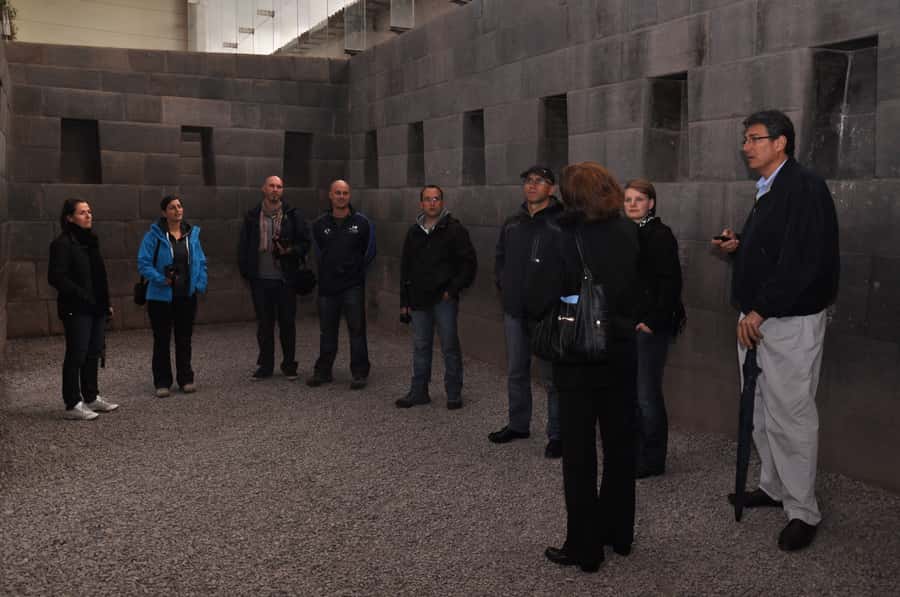
You’ll be picked up from hotels in the Cusco Historic Center area and transported by vehicle to the sites. In at least one recent experience, the van ride was described as very comfortable, and the guide was punctual and attentive, with interesting local context.
That matters because the real challenge isn’t the distance on paper. It’s how you handle small transitions: getting from the Main Square area to the hillside ruins without wasting time. A good guide also helps you translate what you see—why the walls are where they are, what a ritual site likely meant, and how to spot the Inca elements under later Spanish construction.
Since the guide speaks English, Spanish, and Portuguese, you should be able to get the explanations at a pace that works for you. And because it’s a private group, you can usually ask follow-up questions without feeling like you’re being rushed.
Who this Cusco tour is best for
This experience is a great match for you if:
- You’re in Cusco for the first time and want a high-impact overview in one morning/afternoon block
- You like guided context—especially how Coricancha connects Inca beliefs to later architecture
- You’re comfortable with short walks and uphill sections on uneven ground
It may be less ideal if:
- You need full wheelchair accessibility (this tour isn’t set up for wheelchair users)
- You don’t want to handle the BTC for hillside sites
- You’re traveling with big luggage (large bags aren’t allowed)
Should you book this private Cusco city tour and archaeological sites?
I’d book it if you want a smart, efficient way to understand Cusco quickly: start with Coricancha and the Cathedral for the big picture, then climb to Sacsayhuaman and keep going through Qenqo and Puka Pukara for the Inca side of the story. The combination of included admissions and a guide who can explain what you’re seeing makes it feel worth the time.
I’d pause before booking if you’re very altitude-sensitive or if you strongly prefer long, slow stays at one site rather than a stitched-together best-of circuit. In that case, you might want a slower, single-site-focused plan.
If you’re in the sweet spot—first-time visitor, short on time, and curious about how these places connect—this is a solid choice.
FAQ
What does the tour include?
It includes hotel pickup and drop-off, a professional tour guide (English, Spanish, and Portuguese), and admission to Coricancha and the Cusco Cathedral.
Is food included?
No. Food and drink are not included.
Do I need the Cusco Tourist Ticket (BTC)?
Yes for certain sites. The BTC is important for visiting Sacsayhuaman, Qenqo, Puka Pukara, and Tambomachay. Admission to Coricancha and the Cusco Cathedral is included.
How long is the tour?
The duration is 4 hours.
Is this a private tour?
Yes. It’s a private group.
Where do pickups happen?
Pick-up is from hotels located at the Cusco Historic Center. You should arrive about 15 minutes before the scheduled pickup time.
What languages are available for the guide?
The guide is available in English, Spanish, and Portuguese.
Is the tour suitable for wheelchair users?
No. It is not suitable for wheelchair users.
What should I bring, and what is not allowed?
Bring comfortable shoes, sunscreen, and comfortable clothes. Pets and luggage or large bags are not allowed, and unaccompanied minors are not allowed.
More City Tours in Cusco
More Tour Reviews in Cusco
More of Cusco on Foot
Recent write-ups from around Cusco, just off the trail
- Cuzco: Rainbow Mountain Excursion
★ 5.0 · 3 reviews - 1 day excursion to Qeswachaka bridge and the 4 lagoons
★ 3.6 · 3 reviews - Waqrapukara 1 day trekking + meals
★ 3.9 · 3 reviews - Valle Sur Cusco | half day
★ 4.3 · 3 reviews - Full-Day Condor Viewpoint & Inca Sites Tour
★ 5.0 · 3 reviews
Cusco City & Sacsayhuaman, compared.
 ★ 4.6Half-Day City Tour with Sacsayhuaman and Q’encoFrom $131,129 reviews
 ★ 4.7City Tour Cusco Qoricancha Sacsayhuaman y TambomachayFrom $13617 reviews
 ★ 4.0Sightseeing Tour of the City on an Open-Top BusFrom $12481 reviews
 ★ 4.5Open Bus Cusco City TourFrom $14219 reviews
 ★ 4.6City Tour | Half-Day Tour to 4 Archaeological SitesFrom $29206 reviews
 ★ 5.0City Tour in Cusco & visit Museum South American Camelid Private.From $49147 reviews
 ★ 4.5Cusco City Sightseeing, San Pedro Market, Cathedral and Qorikancha TempleFrom $59139 reviews
 ★ 4.2Half-Day City TourFrom $17129 reviews
Browse the lists this tour appears in